
Reviewed · TEA TASTINGS
Tea Tasting and Pairing Concept Workshop
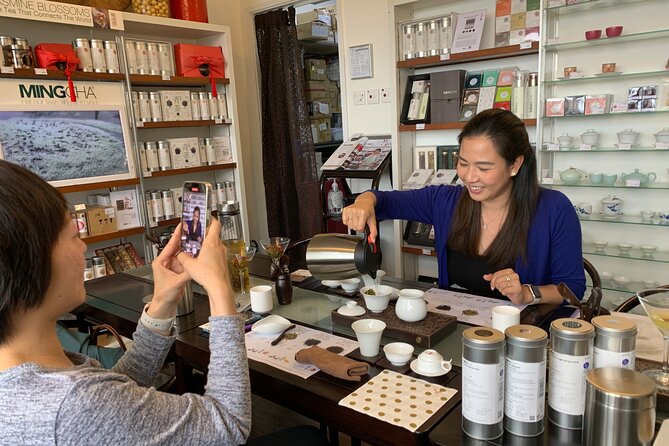
The most memorable part of this Hong Kong workshop is the pairing: four Chinese teas meet dried nuts, chocolate, and flower honey toast, so you learn by tasting rather than listening to a lecture. Vivian guides you through green, scented green, red, and oolong teas, then shows you how to brew and pour them in the Gongfu style.
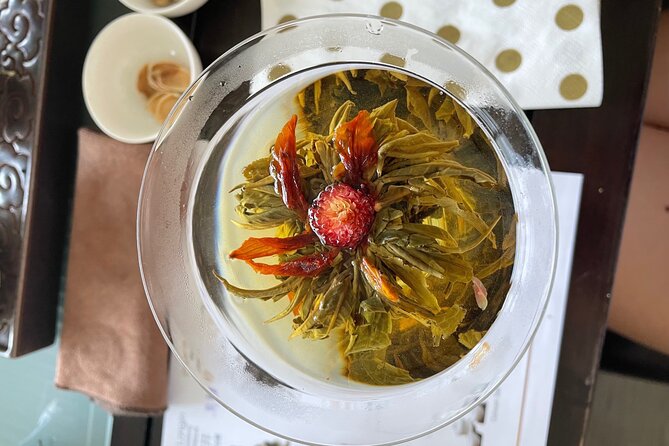
I like the hands-on work with traditional tea ware, and I like the small details, such as comparing tea leaves before and after steeping. The unusual Jasmine Blossoms presentation adds a bit of theater, too. The main drawback is the location in Chai Wan, away from Hong Kong’s central sightseeing areas, so you need to allow time for the trip.
Key points to know before booking
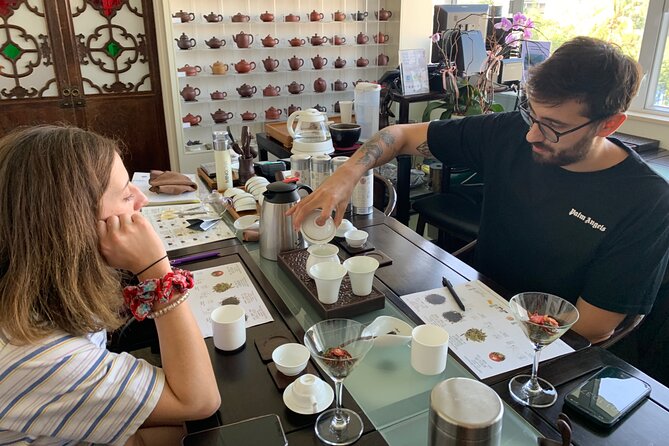
- Four tea categories: Taste green, scented green, red, and oolong teas selected by MingCha Tea House.
- Food pairings included: Try the teas with dried nuts, chocolate, and flower honey toast.
- Gongfu brewing practice: Learn how to steep and pour tea using traditional Chinese tea ware.
- Personal instruction: Vivian leads the session with explanations, demonstrations, and tea suggestions.
- Short and focused: The workshop lasts about 1 hour and 30 minutes, with a maximum of 20 participants.
- Useful Hong Kong detail: The class takes place at MingCha Tea House in Chai Wan, not in the main Central or Tsim Sha Tsui sightseeing districts.
Four teas, three food pairings, and a proper Hong Kong tea lesson
Tea is part of daily life in Hong Kong, but buying a packet and drinking a cup does not tell you much about how tea is made or why one tea works better with certain foods. This workshop gives you a clear introduction in a compact format.
You taste four teas from separate categories: green, scented green, red, and oolong. That range matters. Instead of spending the whole session on one style, you can compare how different teas look, smell, taste, and change after brewing.
The tasting uses all five senses. You can examine the dry leaves, notice their scent, watch them open in hot water, and compare the brewed color and flavor. You also get to see how the leaves look after steeping, a small but useful lesson for anyone who wants to understand what is in the cup.
The workshop is not just a series of samples placed in front of you. You take part in preparing the tea. Vivian demonstrates how to steep and pour it with traditional tea ware, then gives you a chance to follow along. That practical element helps the information stick. You are learning a method you can use again, not simply collecting a few tea names.
Other tea to sit down with in Hong Kong:
- Traditional Chinese Tea Ceremony Experience
★ 4.7 · 74 reviews - Beijing Culture: Tea Ceremony, Heritage Instrument & Calligraphy
★ 5.0 · 57 reviews - Biking Real Shanghai& Tea Tasting Experience
★ 4.5 · 45 reviews
Meeting Vivian at MingCha Tea House
The experience begins at MingCha Tea House, located at B2, 15/F, Fortune Factory Building Block B, 40 Lee Chung Street, Chai Wan. The address is specific, so keep it handy when you set out. This is a workshop at a working tea house rather than a sightseeing stop in a famous old district.
That setting may be part of the appeal. Chai Wan is a different side of Hong Kong from the polished harborfront areas that appear on many first-time itineraries. At the same time, the industrial-building address means you should not expect a grand street-front tearoom or a scenic view.
Vivian leads the class. Her approach combines instruction with humor and friendly conversation, which is helpful because tea preparation can otherwise feel formal or intimidating. You can ask questions as the session develops, and the class includes recommendations for other teas you may want to try later.
One especially practical touch comes from the way Vivian helps people after the class. She has assisted a participant with arranging a taxi back to a hotel and waited until it arrived. That is not a guaranteed part of every visit, but it reflects the personal attention built into a small workshop.
Tasting green, scented green, red, and oolong tea
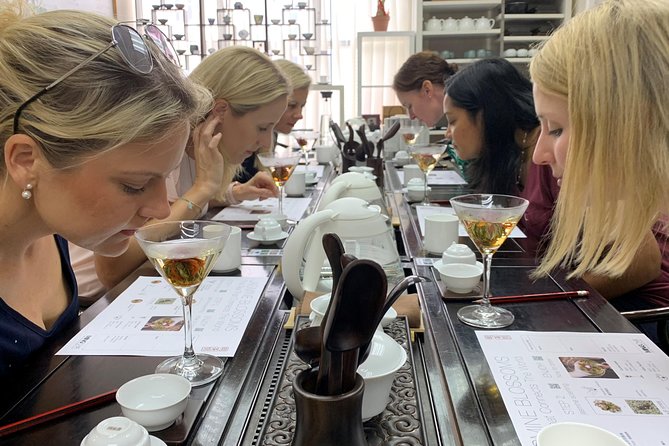
The four tea categories give the session its structure. You can compare the lighter green teas with the scented green selection, then move toward red and oolong. The exact tea names are not specified in the booking details, so you should think of this as a guided category tasting rather than a fixed list of named bottles or leaves.
Green tea offers a useful starting point because it lets you focus on freshness and preparation. Small changes in steeping can affect the cup, and the demonstration helps you see why water, timing, and pouring matter.
Scented green tea adds another layer. The Jasmine Blossoms presentation has been singled out as a particularly beautiful moment in the class. It is both a visual display and a reminder that tea can be an experience for the eyes and nose before you take a sip.
The red tea provides contrast, while oolong gives you a chance to explore a style between lighter and darker profiles. You do not need to arrive with a trained palate. The point is to notice differences and decide what you prefer.
I appreciate this structure because it avoids the common problem of a tasting that gives you several cups but no way to compare them. Here, the categories, brewing process, and food pairings give you reasons to pay attention.
Learning Gongfu brewing with traditional tea ware
The hands-on Gongfu portion is the heart of the workshop. Gongfu brewing uses small traditional tea ware and a careful process of steeping and pouring. You learn how to prepare the tea properly rather than simply watching someone else do it.
That distinction matters. A tea can taste very different when the leaves are steeped for the wrong length of time or when the water is handled poorly. The class gives you a chance to see the process and practice it under guidance.
You also learn how to serve the tea. Pouring is part of the presentation, not an afterthought. The motions, cups, and timing make the tasting feel more deliberate, and they help explain why Chinese tea preparation often focuses on repeated short infusions rather than one large mug.
The session includes before-and-after examination of the leaves. This is one of the better details for beginners because it turns an abstract explanation into something visible. You can see the dry leaves change after contact with water, then connect that change to the tea in your cup.
Do not expect a full tea-school qualification in 90 minutes. You will get an introduction to technique, vocabulary, and taste, but the class is designed for curious drinkers, not professional tea students.
Other eating and drinking in Hong Kong:
- Hong Kong’s Tin Hau Hidden Eats Food Tour with 7+ Local Tastings
★ 5.0 · 352 reviews - Small-Group Hong Kong Island Food Tour
★ 5.0 · 343 reviews - Hong Kong Food Tour: Central and Sheung Wan Districts
★ 5.0 · 333 reviews - Hong Kong Street Food Tour with Locals – Dim Sum, Wonton & more
★ 5.0 · 226 reviews
Pairing tea with nuts, chocolate, and flower honey toast
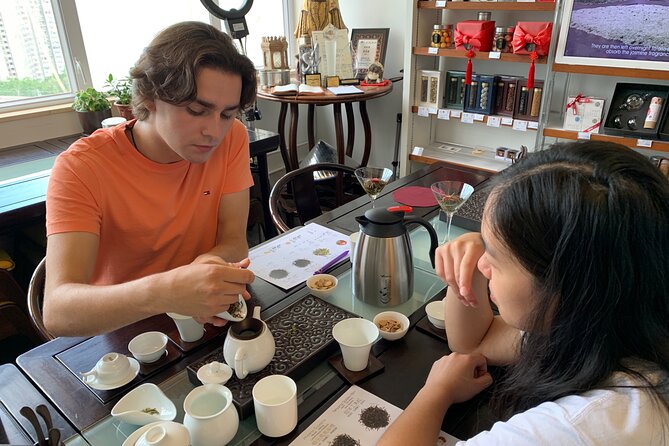
The food pairings make the workshop more accessible. You try the teas with dried nuts, chocolate, and flower honey toast, then consider how the food changes the taste of the tea and how the tea responds in return.
Chocolate can make a tea seem more rounded or bring out bitterness, depending on the match. Dried nuts offer a different texture and a less sugary partner. Flower honey toast adds sweetness and aroma, which can highlight the floral side of a scented tea.
You do not need to memorize strict pairing rules. A better goal is to notice what you like. The workshop helps you understand why certain teas work well with sweet foods and why others may be better with a more restrained bite.
This is also where the class becomes useful beyond the afternoon itself. If you host friends, shop for tea, or simply want a better drink with dessert, you leave with a few practical ideas. Vivian also gives recommendations for other teas you might enjoy, based on your responses during the tasting.
A 90-minute format that fits into a Hong Kong day
The workshop lasts about 1 hour and 30 minutes. That is long enough for four teas, brewing practice, pairings, and questions, but short enough to fit before dinner or around another Chai Wan plan.
Two start times are offered, so you have some choice in arranging your day. The exact time slots should be checked when booking. Confirmation is sent within 48 hours, subject to availability.
The activity ends back at MingCha Tea House. There is no separate sightseeing route or transfer included. You need to arrange your own transportation to and from Chai Wan, and the central location of the class is worth considering before you pay.
The group can contain up to 20 people. That is still a manageable maximum for a workshop, though the feel may vary depending on how many places are filled. A smaller group will give you more room for questions and more direct practice. A full group may feel livelier but less private.
Since the session is built around tasting and instruction, punctuality matters. Arriving late could mean missing the introduction to a tea or the explanation of the brewing method. The mobile ticket makes access convenient, but you should still keep the meeting address available on your phone.
Is the Chai Wan location worth the journey?
For a visitor staying around Central, Admiralty, Tsim Sha Tsui, or Causeway Bay, Chai Wan requires planning. The provided meeting point is not beside Hong Kong’s best-known tourist attractions, and the activity does not include a hotel pickup.
That distance is the main practical compromise. If you are already planning to visit the eastern side of Hong Kong Island, the workshop can fit naturally into your day. If you have only a short stay and are focused on Victoria Harbour, the Peak, markets, and major museums, the journey may take time away from other priorities.
Still, the location can be useful for people who want an activity outside the standard tourist circuit. You get a more local-feeling tea appointment rather than a quick tasting added to a central shopping stop. Just factor in the trip both ways.
Public transportation is nearby, according to the activity information. The address includes the building, block, floor, and unit, which should help you find the tea house once you reach Lee Chung Street.
What the $65.60 price covers
At $65.60 per person, this is not a bargain snack stop. You are paying for a guided class, four premium teas, traditional tea preparation, three food pairings, and about 90 minutes with a tea specialist.
The value depends on what you want from a tasting. If you only want to drink a cup of tea, the price will seem high. If you want instruction, hands-on brewing, comparison across categories, and advice on future tea choices, the cost is easier to justify.
You also avoid the uncertainty of ordering unfamiliar teas on your own. The workshop gives you a framework for judging them, and the pairing component adds food as a second point of comparison.
The family-friendly option improves the value for parents who want an activity children can share. Tea preparation has a visual and practical side, and the tasting format gives younger participants something to do. The details of the family option are not specified, so confirm the suitable age range and booking choice before paying.
The small maximum group size is another factor in the price. It is not a large coach excursion with a short scripted stop. You are paying for a guided session where questions and practice are part of the experience.
Who will enjoy this workshop most?
I would choose this for you if you already like tea and want to understand what you are drinking. It also suits beginners who enjoy food pairings, small-group instruction, and cultural activities that do not require a full day.
Families can consider it because a family-friendly option is available. Couples and solo visitors may also find the format comfortable, particularly if they prefer a calm indoor activity to another major attraction.
The workshop is less suitable if you want a broad Hong Kong sightseeing tour, a large meal, or a tea-shopping excursion with a long list of purchases. The focus is tasting and preparation, not city touring.
It is also not ideal for a very tight itinerary based entirely around central Hong Kong. Chai Wan adds travel time, and the activity itself ends where it begins. Plan it as a destination, not as a quick stop between attractions.
Booking, cancellation, and weather details
The activity is offered with a mobile ticket, and confirmation arrives within 48 hours when space is available. Booking an average of 34 days ahead suggests that planning early is sensible, especially if you need a particular start time or want to attend with family.
Free cancellation is available up to 24 hours before the start time for a full refund. Changes or cancellations made inside that 24-hour window are not accepted for a refund, and the cutoff follows local Hong Kong time.
The policy also says the activity requires good weather. If poor weather causes cancellation, you are offered another date or a full refund. Because the workshop is indoors, this condition may seem unusual, so check the status if weather is poor before setting out.
Should you book the MingCha tea workshop?
Book it if you want more than a quick cup. The combination of four tea categories, Gongfu practice, traditional tea ware, food pairings, and Vivian’s personal instruction gives you a useful introduction to Chinese tea culture in a compact session.
I especially like the comparison of leaves before and after brewing and the Jasmine Blossoms presentation. Those details turn the class into something you can remember and repeat, rather than a tasting that ends when the last cup is empty.
Skip it if your Hong Kong schedule is already packed or if reaching Chai Wan would be a serious hassle. At $65.60, the experience earns its price through instruction and participation, not through a large meal or a famous landmark.
For tea drinkers, curious beginners, and families looking for a calm activity with something to learn, this is a strong choice. Plan the transportation carefully, arrive ready to taste several styles, and let the 90 minutes show you which teas belong in your own cup.
FAQ
Where does the tea workshop take place?
It takes place at MingCha Tea House, B2, 15/F, Fortune Factory Building Block B, 40 Lee Chung St, Chai Wan, Hong Kong.
How long does the tea workshop last?
The workshop lasts approximately 1 hour and 30 minutes.
How much does the experience cost?
The listed price is $65.60 per person.
Which teas will be included?
You will taste four premium teas from the green, scented green, red, and oolong categories.
What food is served with the tea?
The pairings include dried nuts, chocolate, and flower honey toast.
Will I learn how to prepare tea?
Yes. The workshop includes hands-on Gongfu-style preparation with traditional tea ware, including instruction on steeping and pouring tea.
Is the activity suitable for children?
A family-friendly option is available, so families can choose a version intended for participation with children.
How large can the group be?
The maximum group size is 20 participants.
Can I cancel for a full refund?
You can cancel at least 24 hours before the local start time for a full refund. Cancellations or changes made less than 24 hours in advance are not refunded. If poor weather causes the activity to be canceled, you will be offered another date or a full refund.
More classes and workshops in Hong Kong
- Organic Chinese Dumpling Class with Market Walk
★ 5.0 · 88 reviews - Organic Xiao Long Bao Soup Dumpling Class & Market Walk
★ 5.0 · 62 reviews - Half-Day Chengdu Cooking Class with a Local Market Visit
★ 5.0 · 465 reviews - Beijing Calligraphy Class
★ 4.9 · 112 reviews
New reviews from Hong Kong
- Lantau Island: Priority Cable Car, Tai O & Direct Transfer★ 4.0 · 11 reviews
- Hong Kong: Ngong Ping Private Cable Car Skip-the-Line Ticket★ 4.6 · 7 reviews
- Hong Kong: Lantau Private Coach, Tai O & Big Buddha Tour★ 4.8 · 8 reviews
- From Hong Kong: Macau Day Tour with R/T Ferry, Lunch, Pickup★ 4.6 · 39 reviews
- Monopoly Dreams Hong Kong★ 3.5 · 8 reviews
- 4-Hour Private Hong Kong Layover Tour★ 5.0 · 39 reviews
- 6-Hour Private Hong Kong Layover Tour★ 5.0 · 18 reviews
- A Perfect Hong Kong Layover – 5h private tour★ 5.0 · 10 reviews
Tea Tastings, compared.
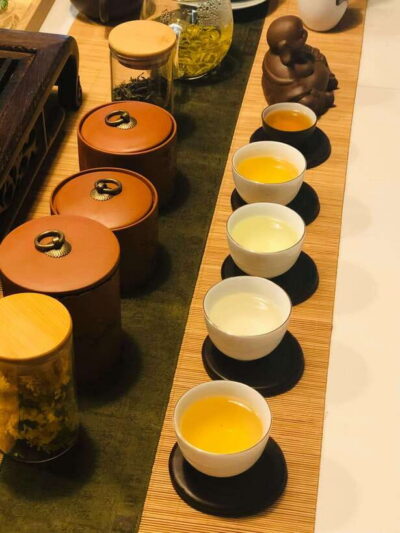
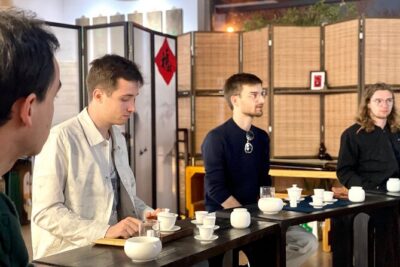
Beijing Culture: Tea Ceremony, Heritage Instrument & Calligraphy
Read our review →
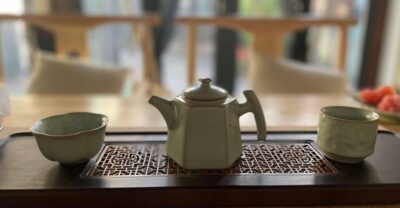
Chinese Tea ceremony in Beijing Hutong courtyard
Read our review →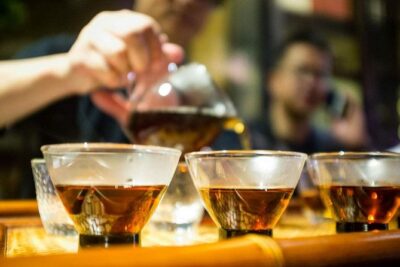
Afternoon Tea and Dessert Tour on the Huaihai Road in Shanghai
Read our review →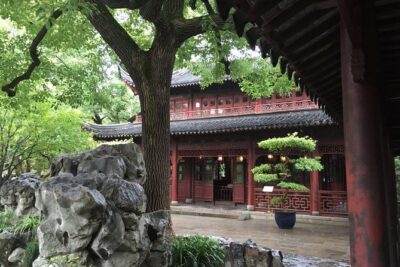
3-Hour Shanghai Yu Garden &Old Town Private Tour with Tea Tasting
Read our review →Private Shanghai City and Zhujiajiao Combo Tour with Boating, Tea Tasting, Lunch
Read our review →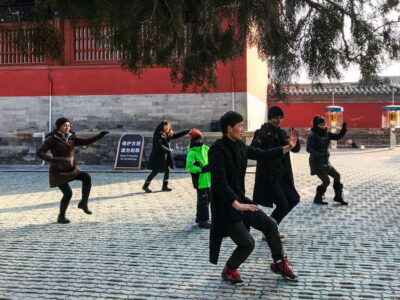
Browse the lists this tour appears in