
Reviewed · TEA TASTINGS
Tea Tasting & Brewing Experience
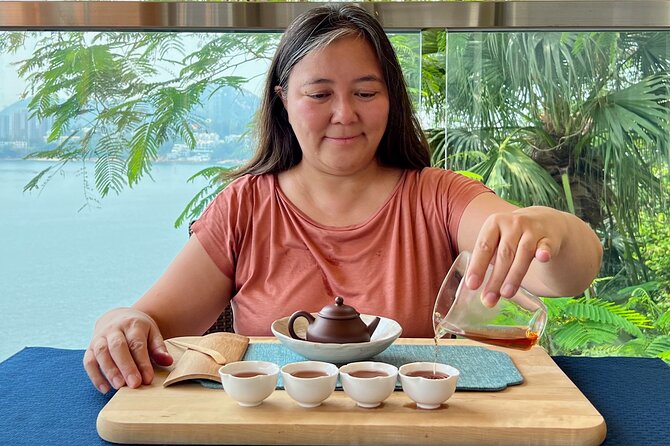
The best part of this Hong Kong experience is its hands-on approach. You do not just sip a cup and hear a few facts. You compare aromas, learn how professional tasters judge tea, and brew your own using a gaiwan, the lidded bowl central to Chinese tea preparation. I like the small group limit of six and the way the session combines science with simple pleasure: smell, taste, adjust, taste again.
I also like the clear focus on learning. Cecilia brings warmth and energy to a subject that can seem fussy at first, while the premium seasonal teas and complimentary snacks add real value. The main consideration is the price, $55.11 per person, for 90 minutes. It makes sense for curious tea drinkers, but casual visitors who only want a quick tasting may find it more instruction than they need.
Key points at a glance
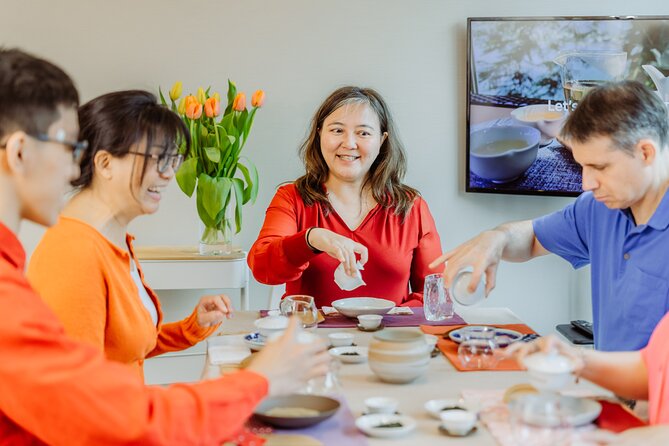
- Small group of six: The limited size should give you a better chance to ask questions and handle the brewing equipment.
- Cecilia leads the session: You’ll learn with a professional tea taster who explains tea in a friendly, practical way.
- Six tea categories: The lesson explains what separates each category and how processing affects the final cup.
- Hands-on gaiwan brewing: You control key brewing elements and see how small changes affect taste.
- Seasonal tea and snacks: Premium teas are paired with complimentary snacks during the tasting.
- Central Wan Chai meeting point: The experience starts and ends at 382 Lockhart Road, near public transportation.
Why this tea lesson is different from a simple tasting
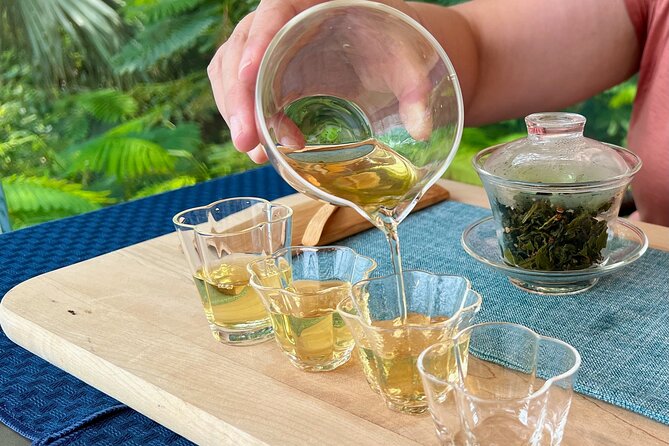
A standard tea tasting can leave you with a favorite cup and little idea why you liked it. This session aims to give you a vocabulary and a method. You learn to notice aroma, taste, and the effects of brewing, then use those observations to understand what is in front of you.
That matters in Hong Kong, where tea is not just a hot drink served after a meal. Tea culture has its own tools, habits, and language. The gaiwan is a good example. It looks simple, yet the way you add water, manage steeping, and pour can change the result. By letting you brew your own tea, the class turns an abstract lesson into something you can feel in your hands.
I like that the experience covers both facts and myths. Tea has collected plenty of claims over the years, and a good tasting should help you separate tradition, preference, and evidence. You also learn how professional tea tasters assess tea, which makes the session useful beyond the 90 minutes. You may leave better able to compare teas in a shop or choose a cup with more confidence.
The tone appears to be social rather than formal. Cecilia is described as friendly and passionate, and the session is designed to keep you involved. That is important for a topic that could otherwise become a lecture on leaves and processing.
Other tea to sit down with in Hong Kong:
- Tea Tasting and Pairing Concept Workshop
★ 5.0 · 57 reviews - Classic Afternoon Tea Voyage in Hong Kong for 4 Pax
★ 4.0 · 4 reviews - Traditional Chinese Tea Ceremony Experience
★ 4.7 · 74 reviews
Arriving in Wan Chai at 382 Lockhart Road
Your starting point is 382 Lockhart Road in Wan Chai, a practical location near public transportation. The activity ends at the same place, so you do not need to arrange a separate pickup or work out where the lesson finishes.
The meeting point is especially useful if you are building this into a day in Hong Kong. Wan Chai is well connected, and you can continue exploring after the tea session without being left on the far side of the city. Still, allow enough time to find the exact address. The information provided identifies the street address but does not give a detailed landmark or entrance description.
The session lasts about one hour and 30 minutes. That is long enough to cover the basics, taste several teas, and brew with the gaiwan, but short enough to fit between other plans. I would avoid scheduling a major timed attraction immediately afterward. Tea tasting works best when you have room to pay attention rather than watching the clock.
The group maximum is six people. That is one of the strongest practical features. In a larger class, hands-on brewing can become a demonstration where you watch someone else handle the tea. With six people, you should have more space for questions and personal guidance, although the exact amount of individual attention will depend on the group.
The six tea categories and what processing changes
A central part of the lesson is an explanation of the six categories of tea. The value here is not memorizing labels. It is understanding that tea can change greatly depending on how the leaves are processed.
You will explore what makes each category different and how those differences show up in the cup. The lesson also connects production with sensory results, so you are not simply told that one tea is lighter or stronger. You learn to look for changes in aroma, taste, and overall character.
That approach helps if you often feel lost when faced with a tea menu. Tea names can sound impressive but tell you little by themselves. Knowing the broad categories gives you a useful starting point. You can ask better questions, notice how a tea is prepared, and work out what suits your own taste.
The class also includes facts and myths about tea. This part should appeal to people who like context as much as flavor. It gives the tasting a wider frame without requiring you to arrive with prior knowledge.
Do not expect a full specialist certification course in 90 minutes. You will get an introduction to the main categories and professional tasting habits, not an exhaustive study of every growing region, producer, or brewing tradition. That limit is reasonable for a short Hong Kong activity, but serious tea students may want a longer workshop.
Learning to smell and taste like a tea taster
The sensory section is where the experience becomes useful for everyday drinking. You will explore the aromas and flavors in the teas, then learn how professional tasters evaluate them.
Many people drink tea quickly and describe it with one word: good, strong, bitter, or sweet. This class encourages closer attention. You might find yourself noticing fragrance before the first sip, then comparing the taste and finish. Even if you never adopt formal tasting language, the exercise can make ordinary tea more interesting.
The guide’s role matters here. Cecilia is described as passionate and friendly, which suits a subject that can feel intimidating. You need someone who can explain specialist ideas without making you feel that there is a correct answer to every personal preference. The goal is not to prove that one tea is best. It is to understand what you are tasting and why it appeals to you.
The professional angle adds substance. You learn what tea tasters look for when judging quality, rather than hearing only a list of pleasant descriptions. That gives you a clearer sense of how aroma, flavor, and brewing work together.
Tea tasting is still subjective, and the session should not make you feel that your own taste is wrong. A tea that seems delicate to one person may seem thin to another. The useful lesson is learning to explain your reaction, then deciding what you enjoy.
Other breweries around Hong Kong:
- Unlock Chinese Tea: Culture, Science, Tasting & Hands-on Brewing
★ 5.0 · 12 reviews
Brewing your own tea with a gaiwan
The hands-on gaiwan section is likely the practical center of the experience. Instead of watching a guide prepare every cup, you get to experiment with the elements that shape the final drink.
The gaiwan is a small bowl with a lid. It gives you direct control over the tea leaves, water, and steeping process. The provided information does not specify the exact tea-to-water measurements or water temperatures, so you should expect general instruction and guided practice rather than a fixed recipe for every tea.
That flexibility is a strength. You can see that brewing is not magic. A small adjustment can change how much aroma comes forward or how strong the cup feels. You learn by tasting the result, making a change, and tasting again.
This is also where the class earns its place as more than a guided sampling. You take away a method you can try later. If you buy tea in Hong Kong or at home, the gaiwan lesson may help you get more from the leaves instead of brewing every tea in exactly the same way.
There is a modest drawback. Anyone who dislikes fiddly equipment or wants a relaxed drink with no instruction may find the practical section a little demanding. The point is participation, so plan to pay attention and handle the process rather than simply sit back.
Seasonal teas, snacks, and the pace of the session
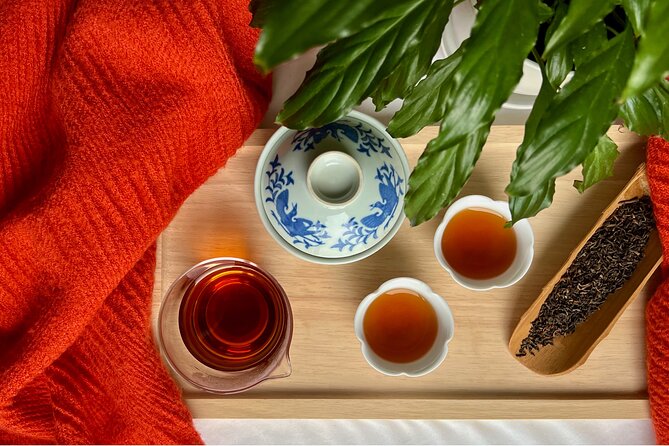
The tea selection changes with the season and includes premium teas. That gives the tasting a sense of purpose. You are not just sampling whatever happens to be available, and the seasonal element may make the experience different at another time of year.
The exact teas are not specified in advance. That means you should not book expecting one particular variety. The advantage is that the selection can reflect what is best suited to the session and season. The tradeoff is less certainty if you have a specific tea in mind.
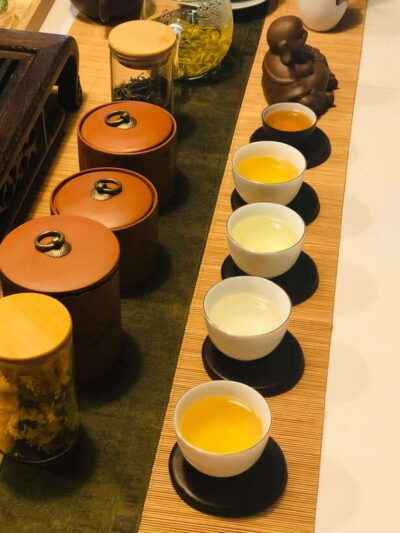
Complimentary snacks are included and paired with the tea. This is a small detail, but it matters. Food can change how you perceive aroma and flavor, and a snack gives you another way to notice those differences. It also keeps a 90-minute tasting from feeling like a string of empty cups.
The pace should be steady: an introduction to tea facts and categories, sensory work, guided tasting, then hands-on brewing. The supplied comments describe the session as engaging enough that the time passed quickly. That suggests the format avoids long stretches of passive listening, though you should still expect a class rather than a sightseeing tour.
There are no listed city sights or neighborhood stops built into the activity. The focus is the tea itself. If you want an experience that takes you around Hong Kong, this is not the right choice. If you want to pause in Wan Chai and learn a skill, the focused setting is a benefit.
Is $55.11 good value?
At $55.11 per person, this is not a bargain drink stop. You are paying for a guided lesson, professional tasting instruction, multiple teas, snacks, equipment use, and a small group capped at six. The value depends on how much you want to learn.
I think the price is easier to justify for tea drinkers, food-focused visitors, and anyone who enjoys practical cultural activities. The gaiwan brewing practice gives you something to do, and the explanation of the six categories adds useful structure. The personal attention made possible by the small group also matters.
For a first-time tea drinker, the price is more of a judgment call. You will gain a clear introduction, but you may not yet know if tea tasting interests you enough to spend this much. The friendly format helps, since you do not need specialist knowledge before arriving, but you should still be curious about the subject.
The 100 percent recommendation rate and five-star average from 10 ratings point to a consistently positive experience, though the sample is small. The praise centers on Cecilia’s warmth, the quality of the tea, the brewing process, and the amount participants learned. Those are the areas I would use to judge the purchase, not the rating alone.
If you compare this with buying several premium cups in Hong Kong, the class may offer better lasting value because you learn a repeatable technique. If you compare it with a casual café visit, it costs more because it is a lesson as well as a tasting.
Who should book this Hong Kong tea experience?
I would recommend it to:
- Tea lovers who want to understand how different categories are made and tasted.
- Curious first-timers who enjoy guided learning and do not mind a little terminology.
- Couples or small groups looking for a quiet, indoor cultural activity.
- Food-focused visitors who like pairing drinks with snacks.
- Anyone interested in Chinese tea tools and hands-on brewing.
It may not suit you if you want a quick stop, a broad Hong Kong sightseeing tour, or a tasting with a guaranteed list of specific teas. The 90-minute format is focused, and the session asks you to participate.
The small group makes it particularly appealing for people who value questions and personal practice. A group of up to six is far more manageable for gaiwan brewing than a large public class. Still, the experience requires a minimum number of participants, so it can be canceled if that minimum is not reached.
You receive confirmation when booking, and a mobile ticket is available. Free cancellation applies up to 24 hours before the start time. Changes or cancellations inside that window are not refunded, and poor weather or an insufficient group can lead to a new date or a full refund. Those terms are worth checking if your Hong Kong schedule is tight.
My call: book it if tea is part of the reason you travel
Book this experience if you want more than a pleasant cup. You will learn how tea is grouped, how professionals assess it, and how to brew with a gaiwan, all in a small Wan Chai class led by Cecilia.
I would skip it if you are looking for a sightseeing activity or a short, inexpensive tasting. At $55.11, the price makes the most sense when you value instruction and hands-on practice. For tea fans and curious food travelers, it offers a useful skill and a better understanding of what is in the cup.
FAQ
Where does the tea tasting take place?
The activity starts at 382 Lockhart Road in Wan Chai, Hong Kong, and ends back at the same meeting point.
How long does the experience last?
The tea tasting and brewing session lasts approximately one hour and 30 minutes.
How many people can join the session?
The activity has a maximum of six participants.
Is the session suitable for someone new to tea?
Yes. The experience covers tea facts and myths, the six tea categories, aromas, flavors, professional tasting, and gaiwan brewing, so prior tea knowledge is not stated as a requirement.
Is food included?
Complimentary snacks are included with the seasonal premium tea tasting.
Can I cancel for a refund?
You can cancel at least 24 hours before the local start time for a full refund. Cancellations or changes made less than 24 hours before the start time are not refunded. If poor weather or an insufficient minimum group causes the activity to be canceled, you will be offered another date or a full refund.
New reviews from Hong Kong
- Victoria Peak Tram and Sky Terrace 428 Admission Hong Kong★ 4.5 · 33 reviews
- Walking Tour in Hong Kong – Local Experience (New & Best)★ 4.5 · 33 reviews
- Full Day Private Trip in Hong Kong( impeccable local )walk tour★ 5.0 · 11 reviews
- Hong Kong Guided Dinner + Laser Show Lounge Entry (2023) | 200+ booked★ 3.5 · 7 reviews
- Group Vegetarian Food & Cultural Tour★ 5.0 · 16 reviews
- Hong Kong Victoria Harbour Sightseeing Cruise Tickets★ 4.5 · 8 reviews
- The Legendary Bruce Lee Experience Tour★ 4.5 · 9 reviews
- STARLIGHT: Victoria Harbour Night Yacht Tour★ 4.5 · 38 reviews
Tea Tastings, compared.
Beijing Culture: Tea Ceremony, Heritage Instrument & Calligraphy
Read our review →
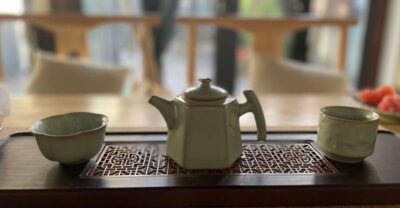
Chinese Tea ceremony in Beijing Hutong courtyard
Read our review →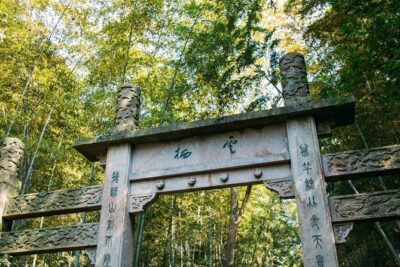
Half-Day Hangzhou Yunxi Bamboo Forest and Tea Plantation Experience
Read our review →
Leshan Buddha + Panda Base or Old Tea House Private Day Tour
Read our review →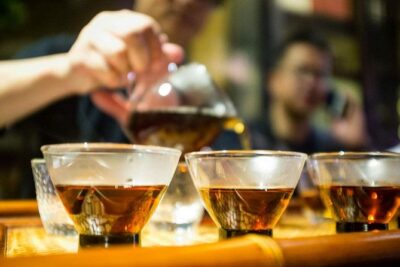
Afternoon Tea and Dessert Tour on the Huaihai Road in Shanghai
Read our review →Browse the lists this tour appears in