
Reviewed · CHINESE FOOD TOURS
Small-Group Hong Kong Island Food Tour
Hong Kong’s best food often arrives in plain surroundings: a crowded tea house, a narrow noodle shop, or a bakery with decades of local customers. This four-hour tour follows that idea from Sheung Wan to Wan Chai, pairing dim sum, wonton noodles, milk tea, char siu, and egg tarts with stories about Cantonese and British food traditions.
I like the small group of no more than nine, which makes cramped local restaurants easier to manage. I also like the mix of eating and city sights, especially the old market streets and the Ding Ding tram ride. The main drawback is that this is not a good fit for vegetarians, people avoiding gluten, or anyone with a seafood allergy.
Key points at a glance
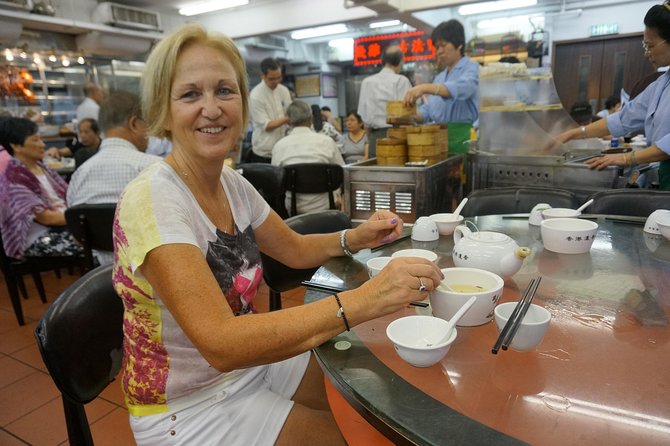
- Five main food tastings: Dim sum, wonton noodle soup, Hong Kong milk tea, char siu with rice, and an egg tart.
- A proper local setting: The route uses old tea houses, family-run restaurants, a bakery, markets, and specialty shops.
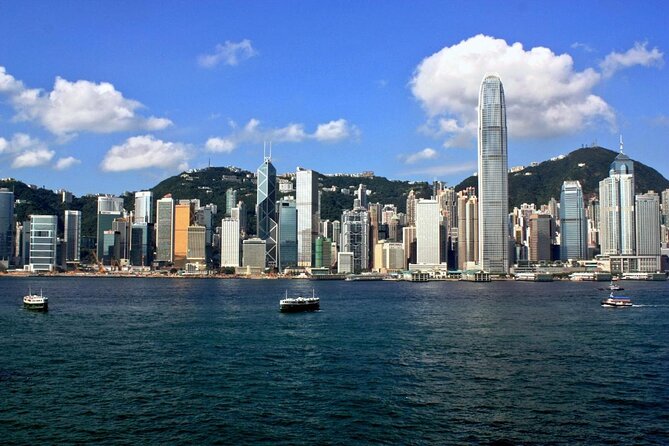
- A useful first-day tour: You cross several parts of Hong Kong Island while learning how Cantonese and British influences shaped local food.
- Bring an appetite: The tour starts at 9:30 am, and you are specifically advised to skip breakfast.
- A small, English-speaking group: The maximum is nine people, with guides such as Ivy, Andy, Mel, Sinclair, and Alex.
- Good transport variety: You walk through Sheung Wan and Central, then ride the Ding Ding tram to Wan Chai.
Why this Hong Kong food tour works so well
The strength of this experience is its clear sense of place. You are not simply handed samples in a market built for visitors. You enter restaurants and shops that serve ordinary Hong Kong customers, often in neighborhoods where the food trade has been running for generations.
The tour also explains why Hong Kong food tastes the way it does. Cantonese cooking provides the base, while British rule left its mark on milk tea and custard tarts. The guide connects those influences to everyday dishes instead of treating food as a list of unrelated snacks.
That makes this a useful introduction if Hong Kong is new to you. You get a quick lesson in dim sum etiquette, noodle-shop culture, roast meats, dried seafood, Chinese sweets, and the old relationship between food and medicine. You also get practical help ordering in places where the menu may not be easy to read.
Guides vary by departure, but the named guides include Ivy, Andy, Mel, Sinclair, Alex, and Jane. Ivy is described as fluent in English and Chinese, while Andy has a reputation for keeping the group well fed and sharing practical local tips. Mel is noted for answering questions about food and the city, and Sinclair is praised for his friendly style and local stories.
More Food Tours in Hong Kong
- Hong Kong’s Tin Hau Hidden Eats Food Tour with 7+ Local Tastings
★ 5.0 · 352 reviews - Hong Kong Food Tour: Central and Sheung Wan Districts
★ 5.0 · 333 reviews - Hong Kong Street Food Tour with Locals – Dim Sum, Wonton & more
★ 5.0 · 226 reviews
Sheung Wan starts the morning with dim sum
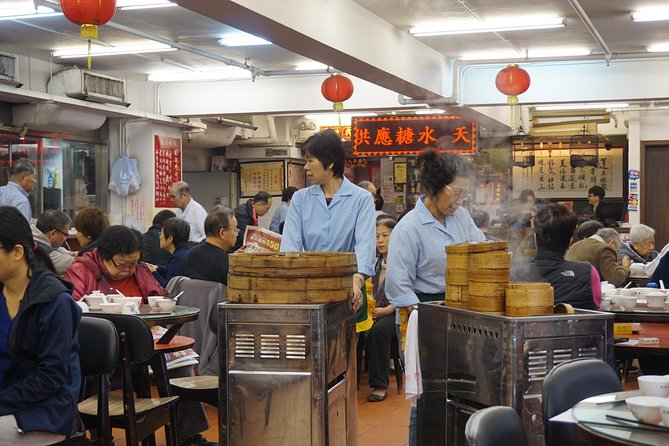
The meeting point is at 28 Des Voeux Road West in Sheung Wan, and the tour begins at 9:30 am. You should arrive hungry. This is not a token tasting tour, and eating breakfast beforehand could make the first stop difficult.
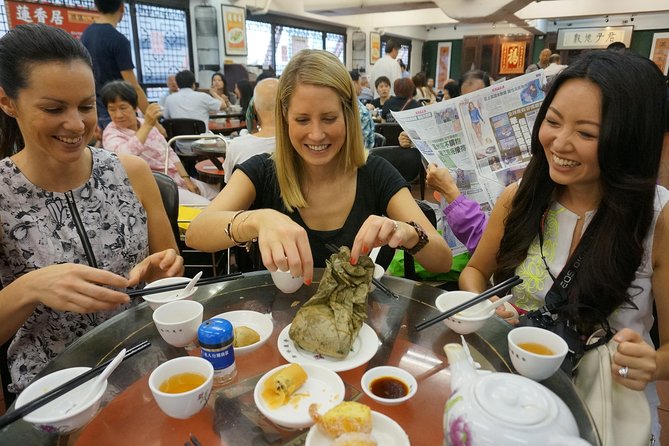
The opening meal is yum cha, or dim sum, served from a trolley in an old tea house. The restaurant has almost a century of history, and the room is described as lively and crowded. That atmosphere matters. Dim sum is not only about steamed dumplings on a plate. It is also about tea, shared tables, passing carts, quick decisions, and the steady noise of a popular morning restaurant.
Your guide helps you understand what is being served and how to approach the meal. For first-time visitors, this removes much of the uncertainty. You do not need to guess which basket to choose or worry about a language barrier while the trolley is moving past.
The opening stop lasts about 50 minutes and includes admission. Since this is the largest sit-down food stop early in the tour, it sets the pace for the rest of the morning. You will want to keep portions under control, even though it is tempting to try everything.
Dried seafood, Chinese sweets, and Sheung Wan’s old trades
After dim sum, the route moves through Sheung Wan and along Seafood Street. This part of Des Voeux Road West is known for dried seafood, a common ingredient in Chinese cooking and traditional tonics. You may see products that are unfamiliar, and the guide gives them context rather than expecting you to recognize them.
This is one of the better parts of the route for understanding how food shops function in Hong Kong. A dried seafood store is not simply a place to buy an ingredient. It belongs to an older network of cooking, health practices, gift giving, and family traditions.
The tour then stops at Kai Fat Tea, a tea shop that has been operating for more than 30 years. You try tea, preserved fruit sweets, and other Chinese candies. These small samples provide a welcome change after savory food, and they show a side of Cantonese taste that many visitors miss.
The stops here are short. Seafood Street takes about 20 minutes, and Kai Fat Tea about 15 minutes. You should expect explanation and tasting rather than a long shopping break. If you want to buy specialty foods, ask your guide how to return later.
Markets and old streets before the tram
Graham Street Market is another brief but useful stop. With more than a century of history, it gives you a look at everyday food shopping, with stalls selling produce and live seafood. The visit lasts about 10 minutes, so you will not have time to browse every stall. The value is in seeing the market as part of the neighborhood rather than as a separate attraction.
The route also passes through Gough Street and the Western District. These areas show several layers of Hong Kong Island, including older Chinese businesses, colonial-era buildings, small alleys, boutiques, and newer restaurants. The food tour is therefore also a walking tour, though food remains the focus.
The itinerary includes the Mid-Levels Escalator, which runs about 800 meters and rises 135 meters toward Conduit Road. You spend around 15 minutes here. You may also pass Tai Kwun, the restored former Central Police Station compound, although the exact amount of time at each passing sight can depend on the group and the pace.
These sights help break up the eating. They also make the tour more useful for someone who wants a first look at Hong Kong Island rather than a meal in isolation. Still, do not book this expecting a full sightseeing tour. The descriptions and stops are short, and the food schedule controls the morning.
Other eating walks in Hong Kong:
- Small Group Kowloon Michelin Rated Street Food and Culture Tour
★ 5.0 · 170 reviews - Hong Kong Food Tour: Sham Shui Po District
★ 5.0 · 167 reviews - The 10 Tastings of Hong Kong With Locals: Private Street Food Tour
★ 4.5 · 124 reviews - Top-Rated Hong Kong Tour: Peak Tram, Dim Sum & Cultural Sights
★ 4.5 · 99 reviews
Wonton noodles and the craft of simplicity
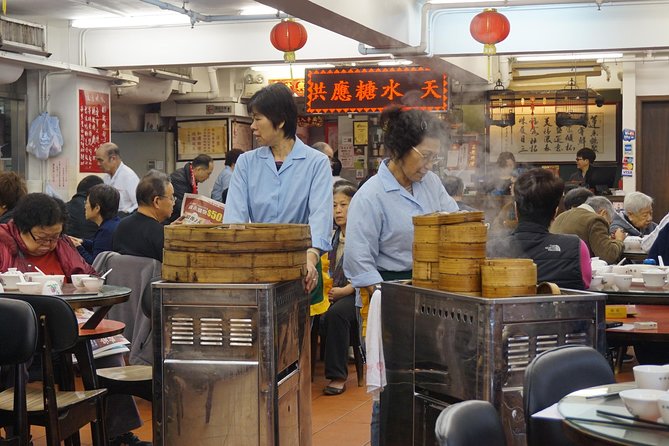
The second major food stop is a family-run business dating from the 1960s and recommended by the Michelin Guide. Here you try wonton noodle soup, one of Hong Kong’s most familiar specialties.
This dish can look simple: noodles, broth, and wontons. The guide explains why small differences matter, including the work involved in getting the noodles, filling, and soup right. That is useful context because a modest bowl can otherwise seem less important than the more photogenic dishes later in the tour.
The restaurant setting is part of the appeal. You are visiting an established local business rather than a polished dining room designed for a special occasion. The guide helps with ordering and table service, which is especially useful if you are not familiar with Hong Kong restaurant customs.
The food portions across the tour are intended to add up to a full morning meal. Several people have found the tour filling enough to skip lunch or eat lightly afterward. Plan your day accordingly.
Milk tea and the British mark on Hong Kong food
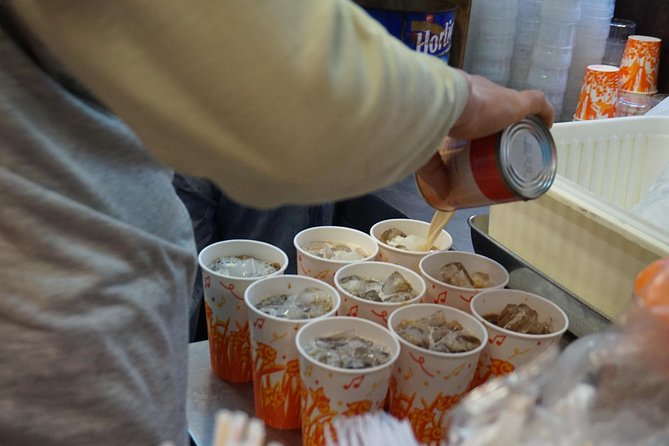
Hong Kong milk tea is served after the noodle stop. It is one of the clearest examples of the city’s Chinese and British food history meeting in one cup.
The tea is strong and smooth, usually served with evaporated milk and sugar, though the exact preparation can vary. The important point on this tour is not just tasting it. You learn why milk tea became such a lasting part of local food culture after the British period.
This is a good moment to ask questions about food habits and daily life. Guides such as Ivy and Mel are praised for explaining both dishes and recent Hong Kong history, so the conversation can extend beyond the cup in front of you.
The Ding Ding ride and Wan Chai char siu
The tour then moves east by Ding Ding, Hong Kong’s electric tramway. The tram began operating in 1904 and uses double-decker cars, making the ride a small cultural experience in its own right.
The tram fare is listed as an additional personal expense, so bring a little cash or another accepted payment method. The ride takes about 20 minutes according to the itinerary. Since the group is moving between districts, it also gives your feet a break.
In Wan Chai, you visit another family-run restaurant with roots reaching back to the Qing dynasty. It is known for English char siu, or roast meat, served with rice and homemade sauces. The meal includes a mixture of traditional roasted meats.
This is often the point when the value of the guide becomes clearest. Roast meat restaurants can feel intimidating if you do not know what to order, and the guide can explain the cuts, sauces, and ways the meat is served. The restaurant’s age and family operation add a sense of continuity that a modern chain cannot provide.
Egg tarts finish the route on a sweet note
The final food stop is a bakery on Hennessy Road with about 60 years of history. It is known for dan tat, the Cantonese egg tart, and was a favorite of a former Hong Kong governor.
The egg tart shows another Chinese adaptation of a Western food. Its pastry and baked custard connect to the broader story of British influence, but the local version has become a familiar Hong Kong staple in its own right.
The bakery stop lasts about 10 minutes. It is a compact finish, and that is probably wise after dim sum, noodles, meat, tea, sweets, and market samples. The tour ends in Wan Chai near Southorn Playground, where you may see office workers, sports players, and locals taking a break.
What the $115.52 price gets you
At $115.52 per person, this is not the cheapest way to eat in Hong Kong. You could buy individual dishes for far less if you already knew where to go and felt comfortable ordering in local restaurants.
The price makes more sense when you count the full package: a four-hour route, a professional English-speaking guide, five substantial food experiences, traditional sweets, milk tea, and guidance through several districts. You are also paying for access to family-run places that you might skip on your own because of language or menu concerns.
The small group matters here. With a maximum of nine people, the guide can help at the table, answer questions, and keep everyone moving through cramped streets and restaurants. I would consider the tour good value if you want a food orientation early in your stay. I would be less likely to book it if you already know Hong Kong well and enjoy planning your own restaurant visits.
The Ding Ding fare is not included, and hotel pickup and drop-off are not included. You need to reach Sheung Wan yourself and arrange your own return from Wan Chai.
Who should book, and who should think twice
This tour suits first-time visitors, solo travelers who want an easy way to meet a small group, and anyone who wants food plus a quick introduction to Hong Kong Island. It is also useful for people who like history in small doses and want a guide to explain what they are seeing while they eat.
It is not suitable for vegetarians, gluten-free diners, or people with seafood allergies. The menu includes seafood and wheat-based noodles, and the tour is built around shared local restaurant dishes.
Children five and under are not accepted on the standard group tour. A private food tour is recommended instead. The walking and standing also mean you should wear comfortable shoes, though the information provided does not set out specific mobility requirements.
The tour is conducted in English. Confirmation arrives at booking, and directions to the Sheung Wan meeting point are sent afterward. Free cancellation is available until 24 hours before the start time. Changes or cancellations inside that window are not refunded, and the tour requires a minimum number of participants.
Should you book this Hong Kong food tour?
I would book it near the beginning of a Hong Kong visit, especially if you want someone to guide you into old restaurants and explain the city’s food customs. The combination of dim sum, wonton noodles, milk tea, roast meat, and egg tart gives you a useful first taste of Hong Kong rather than one narrow specialty.
Book it if you can eat seafood, enjoy a full morning meal, and are happy to share a small group. Skip it if you need strict dietary control, prefer a slow restaurant lunch, or already have a carefully planned food itinerary. For most first-time visitors, the local settings, capable guides such as Ivy, Andy, Mel, Sinclair, and Alex, and the Ding Ding ride make the $115.52 price reasonable.
FAQ
How long does the Hong Kong Island food tour last?
The tour lasts approximately four hours.
What time does the tour start?
It starts at 9:30 am.
Where does the tour begin?
The meeting point is 28 Des Voeux Road West in Sheung Wan, Hong Kong.
Where does the tour finish?
The tour ends in Wan Chai, near Southorn Playground.
What foods are included?
The included tastings are dim sum or yum cha, wonton noodle soup, Hong Kong milk tea, char siu or other roast meat with rice, egg tart, and traditional dried fruit sweets.
Is the Ding Ding tram ride included?
Yes, the Ding Ding tram experience is included, but the tram fare is listed as an additional personal expense.
How many people can join the tour?
The maximum is nine travelers per booking.
Is the tour suitable for dietary restrictions and young children?
The tour is not suitable for vegetarians, gluten-free people, or anyone with a seafood allergy. Children age five and under should be booked on a private food tour instead.
New reviews from Hong Kong
- Lantau Island: Priority Cable Car, Tai O & Direct Transfer★ 4.0 · 11 reviews
- Hong Kong: Ngong Ping Private Cable Car Skip-the-Line Ticket★ 4.6 · 7 reviews
- Hong Kong: Lantau Private Coach, Tai O & Big Buddha Tour★ 4.8 · 8 reviews
- From Hong Kong: Macau Day Tour with R/T Ferry, Lunch, Pickup★ 4.6 · 39 reviews
- Monopoly Dreams Hong Kong★ 3.5 · 8 reviews
- Hong Kong Disneyland: Non-Stop 2-Day Fun Ticket★ 4.5 · 13 reviews
- 4-Hour Private Hong Kong Layover Tour★ 5.0 · 39 reviews
- 6-Hour Private Hong Kong Layover Tour★ 5.0 · 18 reviews
Chinese Food Tours, compared.
Authentic Local Food Tour in Central Shanghai
Read our review →

Temple Heaven, Lama Temple, Summer Palace & Peking Duck Bus Tour
Read our review →
Hong Kong’s Tin Hau Hidden Eats Food Tour with 7+ Local Tastings
Read our review →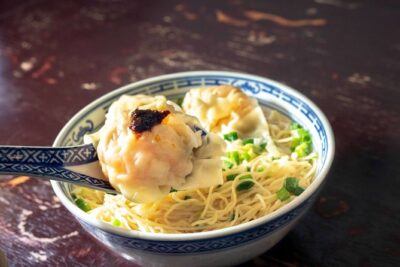
Hong Kong Food Tour: Central and Sheung Wan Districts
Read our review →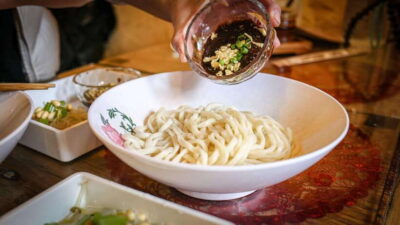
Hidden Gems Guided Food Tour with Beer and Tastings
Read our review →Browse the lists this tour appears in