
Reviewed · HISTORICAL TOURS
Private Full Day Tour: Shanghai Colonial History Tour
Shanghai’s colonial past is easiest to understand when you see its buildings, streets, and former foreign districts side by side. This private full-day tour links the French Concession, Tian Zi Fang, and the Bund with the surprising British-style Thames Town outside central Shanghai, giving you a broad look at how outside powers shaped the city from the 1800s through the Sino-Japanese War and World War II.
I like the private vehicle and hotel pickup, especially because one stop is about 30 kilometers from central Shanghai. I also like the local dumpling lunch, with a vegetarian option, and the chance to work with guides such as Peggy, Troy, Cathy, or Céline. The main drawback is the price: at $175 per person, it makes the most sense for a small group that values comfort, flexibility, and historical background over bargain sightseeing.
Key points at a glance
- Five very different stops: Walk through former concessions, old lanes, grand riverfront buildings, a modern archive, and a purpose-built British-style town.
- A private day by car: Your group travels in an air-conditioned vehicle, with pickup and return to a centrally located hotel.
- Strong guide choice: Peggy, Troy, Cathy, and Céline are named guides associated with the experience, with English-language guidance and a flexible approach.
- A proper local lunch: Dumplings are included, vegetarian food is available, and juicy jianbo has been singled out as a favorite local dish.
- Useful for history-minded visitors: The day connects architecture to foreign settlements, republican-era Shanghai, wartime change, and the modern city.
- Plan for a full day: The five listed stops each receive about an hour, with driving and lunch filling out the eight-hour schedule.
Why this tour makes Shanghai’s past easier to read
Shanghai can feel like several cities placed on top of one another. European banks and consulates line the Bund, leafy streets and former foreign residences fill the French Concession, and old Shikumen lanes now hold cafés and shops. This tour gives you a guide to those layers instead of leaving you to guess what each building once meant.
The focus is not only on pretty architecture. You’ll hear how English, French, and American interests created special concession areas, then how those districts changed during the Sino-Japanese War, World War II, and the later growth of modern Shanghai. That wider time frame is important. It keeps the day from becoming a simple parade of old buildings.
I also like the tour’s odd contrast between old Shanghai and Thames Town. The British-style development is not a surviving colonial quarter. It is a newer town in Songjiang District, designed around classic British market-town architecture. That makes it useful as a comparison: one stop shows the remains of foreign influence, while another shows how Shanghai later recreated an image of Britain for a modern audience.
Other history to see in Shanghai:
- Tour of Jewish Shanghai led by a Jewish History Expert
★ 5.0 · 106 reviews - 4-Hour Private Shanghai Art and History Tour
★ 5.0 · 8 reviews - Shanghai Propaganda and History Walking Tour
★ 5.0 · 5 reviews
Starting in the Former French Concession
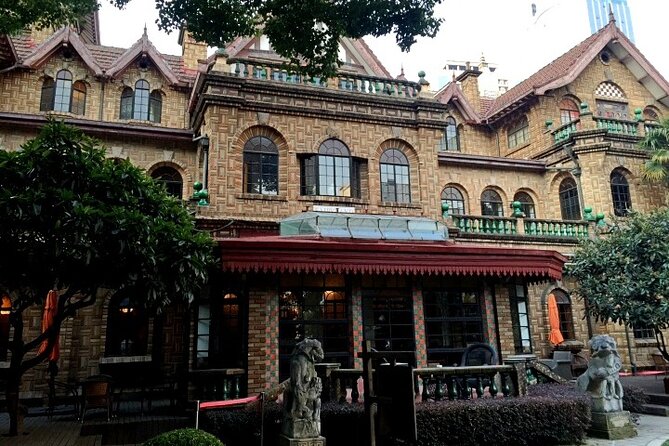
The Former French Concession is a natural opening because it lets you see how foreign influence became part of daily city life. You’ll spend about an hour in an area known for its East-meets-West atmosphere and distinctive architecture.
The value here is the setting. Instead of looking at one isolated building, you get a sense of streets shaped by a foreign administration and later absorbed into Chinese urban life. Your guide can connect the architecture to the period when colonial powers had a major presence in Shanghai, while also pointing out how the area has changed into one of the city’s popular districts.
This stop is best approached as a walking and orientation period. You’ll likely want to look up as well as ahead, since the appeal comes from the combination of streets, houses, and changing uses. The tour information does not promise entry into particular residences or museums, so do not book this expecting a series of interior visits.
Admission is listed as free. The hour should give you enough time to get a feel for the district without using the whole morning on one neighborhood.
Tian Zi Fang and the old Shikumen lanes
Tian Zi Fang brings the story down to a more intimate scale. Its narrow walkways, coffee bars, shops, restaurants, and Shikumen architecture show how older residential forms now function as a lively commercial quarter.
Shikumen buildings are important here because they connect private homes, shared lanes, and the city’s changing social life. You’ll see how a neighborhood with historic design can become a place for food, shopping, and people watching. The tour uses Tian Zi Fang not just as a photo stop, but as a way to discuss how colonial-era Shanghai became part of the city’s modern identity.
I would keep your expectations practical. Tian Zi Fang is a maze, and the appeal is in wandering through its smaller lanes rather than ticking off one grand sight. Shops and cafés can make it feel busier and more commercial than the Former French Concession. That is not a flaw, but it means the stop is about living city fabric as much as formal history.
The listed visit lasts one hour, with no admission fee. Your private guide can help turn the lanes into a story rather than letting the stop become an aimless walk.
Thames Town, 30 kilometers from the center
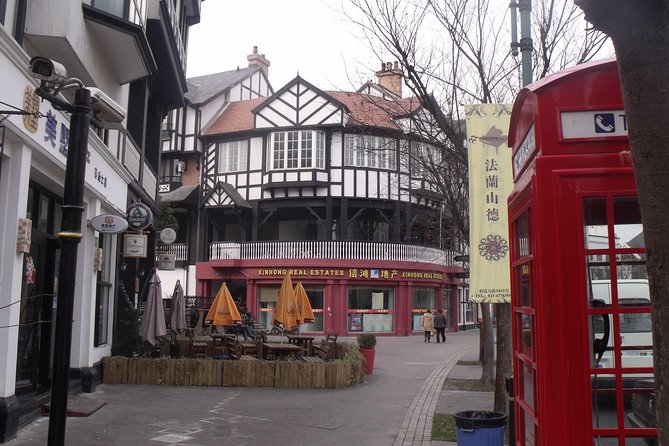
Thames Town is the day’s most unusual stop. Located in Songjiang District, roughly 30 kilometers from central Shanghai, it uses classic British market-town styles, including cobbled streets and European-looking buildings.
This is where the private vehicle matters. Reaching an outlying district by public transport would take more planning, while an air-conditioned car lets you make the trip as part of a single full-day route. The drive also gives you a break from walking.
Thames Town should not be confused with an intact historic quarter. It is a new town with a British theme. That difference is exactly what makes it worthwhile for some people and less appealing to others. If you want original colonial buildings and direct connections to the 19th-century concessions, this may feel less essential. If you are curious about how Shanghai borrows and reshapes foreign architectural ideas, it adds a useful modern chapter.
You’ll spend about an hour here. The schedule is enough for a look at the design and a discussion of its place in present-day Shanghai, but not an extended exploration of the whole district.
Other full days in Shanghai:
- Private Shanghai Full Day City Tour with Old and New Highlights
★ 5.0 · 995 reviews - Private Full-Day Tour: Incredible Shanghai Highlights
★ 5.0 · 352 reviews - Full-Day Private Guided Tour of Shanghai
★ 5.0 · 211 reviews - Wuzhen and Xitang Water Town Private Full Day Trip from Shanghai with Lunch and Dinner
★ 5.0 · 60 reviews
Reading the Bund from the Huangpu River
The Bund is the visual high point for many people. Its line of historic buildings faces the Huangpu River, and the façades once held banks, trading houses, and consulates from Europe, Asia, and the United States.
A guide adds real value here because the buildings can otherwise blur into one grand wall of stone. You’ll learn how the riverfront reflected Shanghai’s international trading role and how different foreign interests established themselves in the city. The architecture becomes evidence of power, money, and unequal arrangements, not just a backdrop for photographs.
The Bund also helps pull the earlier stops together. The French Concession shows one foreign district at street level. Tian Zi Fang shows older lanes adapted for modern life. The Bund reveals the public face of international commerce.
Plan for an hour, and expect plenty to look at even without an admission ticket. The tour does not include a river cruise, so the focus stays on the waterfront buildings, their history, and the view across the river.
Shanghai Municipal Archives and the paper trail
The Shanghai Municipal Archives offers the most direct historical resource on the route. It is a modern facility on the Bund and the main repository for Shanghai’s archives, including records from the former foreign settlements and the republican era.
This stop gives the day a useful change of pace. After walking through districts and looking at façades, you get a chance to consider the documents behind the city’s story. The archive can help explain how foreign settlements were administered and how Shanghai developed before and after the establishment of the modern Chinese state.
The visit is listed as one hour, with admission shown as free. The exact displays or materials available during your visit are not specified, so I would treat this as a guided historical stop rather than expect a large museum program. Its value depends heavily on the explanation you receive, which makes the guide’s English and ability to adjust the discussion important.
The guides make the private format count
Several guides are associated with this experience. Peggy is a native Shanghainese guide who can connect the city’s history with local knowledge. Troy is described as highly skilled in English and flexible in handling the day. Cathy is noted for listening to personal requirements, while Céline is associated with a full day of history, walking, food, driving, and fun.
Those details matter because private tours work best when the guide does more than recite dates. You can ask why a district looks the way it does, compare the French Concession with the Bund, or spend more time on a subject that interests your group. The tour’s private format means only your party participates, so the day is not built around keeping strangers together.
The guide is also important for visitors who want context on China’s difficult modern history. The route touches foreign control, war, and the end of earlier political arrangements. A good explanation can give those subjects shape without turning the day into a lecture.
Guide quality can vary from person to person, so I would tell the provider your interests when booking. Ask for emphasis on architecture, wartime history, local food, or Shanghai’s modern transformation if one of those matters most to you.
Dumplings, local flavor, and a useful midday break
Lunch is included, and the planned meal is an authentic dumpling lunch. Vegetarian food is available, which makes the inclusion more practical for mixed groups.
One dish specifically associated with the experience is juicy jianbo, described as a favorite Shanghai food. You may see the name written in different ways, but the key point is that lunch is meant to introduce a local specialty rather than provide a generic restaurant meal.
The meal also breaks up a demanding schedule. Five stops, walking, and a drive to Songjiang would be tiring without a proper pause. Because the lunch is arranged as part of the day, you do not need to spend your sightseeing time studying menus or finding a restaurant.
Food preferences beyond vegetarian dining are not specified. If you have allergies or strict dietary needs, tell the provider in advance rather than assuming the included meal can be changed.
Is $175 per person a fair price?
At $175 per person, this is not a low-cost sightseeing day. The price includes an eight-hour private experience, an air-conditioned vehicle, hotel pickup and return, a guide, and lunch. You are paying for the convenience of linking central Shanghai with a district 30 kilometers away, not simply for admission tickets.
The value improves when two or more people share the private format, especially if you care about avoiding a large group. It also makes more sense for a first visit when you want historical explanation instead of arranging several separate taxi rides and researching each district yourself.
The value is weaker if you prefer to explore slowly on your own or only want the Bund and French Concession. Several stops are free, and Thames Town may not appeal to everyone. In that case, independent sightseeing could cost less, though it would not provide the same single-day structure or included transport.
Tips for the guide and driver are not included, and they are recommended. Add that to your budget.
Who will get the most from this day?
I would recommend this tour to you if you want Shanghai’s architecture explained in context, prefer a private group, and like having transport arranged from start to finish. It is also a good fit for families or small groups with different interests, since the guide can adjust the pace and discussion.
It suits history-minded visitors who want more than landmark photos. The route connects foreign concessions, wartime change, republican-era records, local lanes, and a modern British-themed development.
It may be less suitable if your priority is luxury shopping, major indoor attractions, or a relaxed day with very little walking. The schedule includes five stops and a full day of movement. Thames Town is also a matter of taste, since it is a recent themed development rather than a preserved historic settlement.
Pickup is offered from centrally located hotels, and the guide returns you there at the end. Most people can participate, service animals are allowed, and the experience is near public transportation, though the main plan uses the provided vehicle.
My call: book it for context, not just landmarks
Book this private tour if you want to understand why Shanghai looks the way it does and you value a guide who can connect streets, buildings, war, trade, and local life. Peggy, Troy, Cathy, and Céline are all named guide options associated with the experience, and the private setup gives you room to ask questions and shape the day.
I would hesitate only if $175 feels high for a route built largely around free sights, or if Thames Town does not interest you. For a small group that wants comfort, a local dumpling lunch, hotel pickup, and a full historical explanation, the price is reasonable. Just remember that the day is broad rather than slow, with five stops packed into about eight hours.
FAQ
How long does the tour last?
The tour lasts approximately eight hours.
Is this a private tour?
Yes. Only your group participates in the activity.
Is hotel pickup included?
Yes. The guide meets you at your centrally located hotel and returns you there afterward.
What transportation is provided?
An air-conditioned vehicle is included.
Which places are visited?
The route includes the Former French Concession, Tian Zi Fang, Thames Town, the Bund, and Shanghai Municipal Archives.
Is lunch included?
Yes. An authentic dumpling lunch is included, with a vegetarian option available.
Are admission tickets included?
The listed stops show free admission.
Can service animals participate?
Yes. Service animals are allowed.
What is the cancellation policy?
You can cancel up to 24 hours before the local start time for a full refund. Cancellations or changes made less than 24 hours before the start time are not accepted for a refund.
New reviews from Shanghai
- Shanghai To Beijing Bullet Train Ticket with Local Private Transfer★ 5.0 · 12 reviews
- Shanghai Spicy Food Tour★ 5.0 · 3 reviews
- Shanghai Uncommon Historic Sites Tour★ 5.0 · 3 reviews
- Shanghai Tower Observation Deck 118 floor Tickets Pre-booking.★ 5.0 · 4 reviews
- Shanghai Pudong airport transfer to Disneyland:Private with Meet & Great service★ 5.0 · 3 reviews
- Pudong Airport to Hangzhou: Private with Meet and Greet Service★ 4.5 · 4 reviews
- Private Transfer: Hotel to Shanghai Wusongkou Cruise Terminal (Baoshan Port)★ 3.5 · 6 reviews
- Shanghai Pudong International Airport (PVG) to Shanghai Hotel★ 5.0 · 4 reviews
Historical Tours, compared.
Between Capitalism & Communism: Hong Kong History Tip Based Tour
Read our review →
Beijing Historical Tour II including Summer Palace, Lama Temple & Panda Garden
Read our review →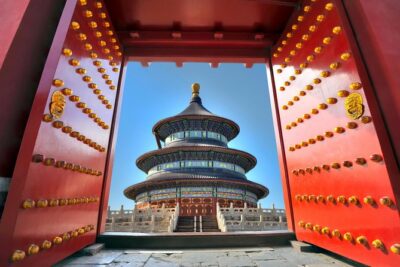
Beijing Historical Tour I – Forbidden City, Tiananmen Square & Temple of Heaven
Read our review →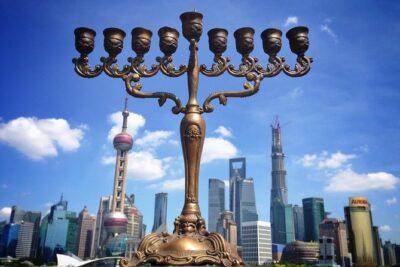
Tour of Jewish Shanghai led by a Jewish History Expert
Read our review →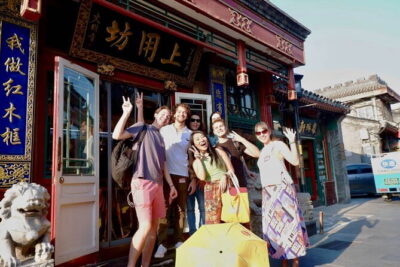
Beijing Historic City Guided Walking Tour + Calligraphy Creation
Read our review →
Beijing Culture: Tea Ceremony, Heritage Instrument & Calligraphy
Read our review →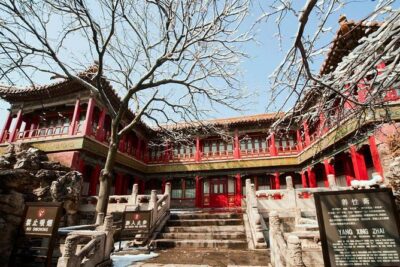
2-Hour Beijing Private Forbidden City Tour: History & Highlights
Read our review →
Xi’an Full Day Sightseeing Tour – Shaanxi History Museum, Big Wild Goose Pagoda, Ancient City Wall
Read our review →Browse the lists this tour appears in