
Reviewed · WALKING TOURS
Shanghai Propaganda and History Walking Tour
Shanghai’s most revealing stories may be hanging on old political posters. This 3-hour walk connects the Propaganda Poster Art Center with Soong Ching-ling’s former home, then puts those stories into the streets of the former French Concession. I like the small group size, capped at 15, and the included bowl of local wonton soup.
I also like that the tour goes beyond a museum visit, with a 1.2-kilometer walk along Wukang Road and its European-style buildings. The main consideration is pace: you will walk for much of the afternoon, and the tour does not include hotel pickup or drop-off.
Key points at a glance
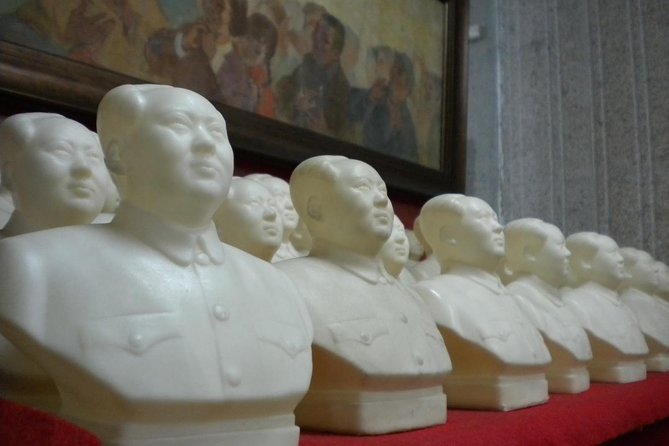
- 6,000 original posters: The Propaganda Poster Art Center covers Chinese political campaigns from the 1940s through the 1990s.
- A guide adds the meaning: Your English-speaking guide explains the images, slogans, and political movements behind the displays.
- Two important homes and museums: You visit the poster center and the former residence of Soong Ching-ling, wife of Sun Yat-sen.
- Local food is built in: A bowl of Chinese wonton soup gives the walking tour a simple, useful break.
- French Concession architecture: The final walk follows Wukang Road for about 1.2 kilometers past historic European-style buildings.
- Easy public transport access: The tour begins at Jiangsu Road Metro Station and ends at the north gate of Soong Ching-ling’s residence.
Why this tour tells Shanghai’s political story well
Many Shanghai sightseeing tours focus on grand buildings, shopping streets, and the city’s modern skyline. This one takes a quieter route. It looks at how political ideas were presented to ordinary people, then connects those ideas with the lives of two major figures in modern Chinese history.
The experience begins in the former French Concession, an area known for its old streets and European-style architecture. That setting matters. You are not studying Chinese political history in an isolated classroom. You are walking through a part of Shanghai where foreign influence, Chinese nationalism, revolution, and early communist government all meet.
I especially like the combination of official images and personal spaces. Posters show how the government wanted people to see China and its future. Soong Ching-ling’s former residence gives you a more private view of the period, with her achievements and the history of the Republic and early communist years presented inside the house.
The result is more useful than visiting either site alone. The poster center shows public messaging. The residence gives that history a human setting.
Other history to see in Shanghai:
- Tour of Jewish Shanghai led by a Jewish History Expert
★ 5.0 · 106 reviews - 4-Hour Private Shanghai Art and History Tour
★ 5.0 · 8 reviews - Private Full Day Tour: Shanghai Colonial History Tour
★ 5.0 · 6 reviews
Starting at Jiangsu Road Metro Station
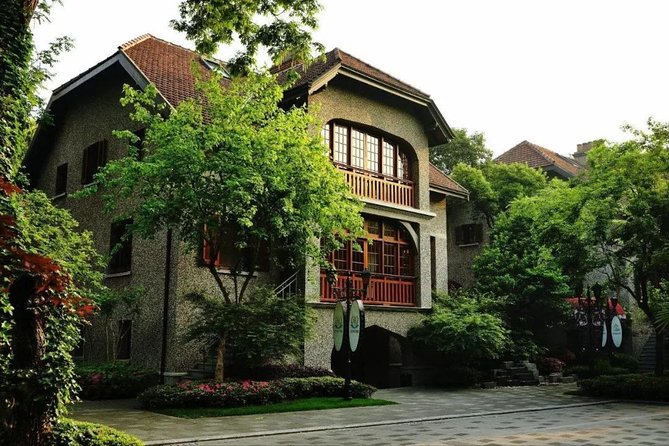
The meeting point is Jiangsu Road Metro Station in Changning District, with a 1:00 pm start. You will need to make your own way there, so allow time to find the correct station exit and meet the guide. The tour uses a mobile ticket, and confirmation is provided when you book.
Starting near a metro station is a practical choice in Shanghai. You avoid the uncertainty of finding a private meeting point on a side street, and you can reach the start without paying for a taxi from central areas. Hotel pickup and drop-off are not included, so this arrangement works best if you are comfortable using public transport.
The group can include up to 15 people. That is large enough to keep the price reasonable but still small enough for a guide to explain images and answer questions. If you want a completely private experience, this is not advertised that way, so check the group arrangement when booking.
The walk itself is not presented as a strenuous hike. Still, you should wear comfortable shoes. The route includes museum visits, city streets, a food stop, and roughly a mile of walking along Wukang Road.
Inside the Propaganda Poster Art Center
The first major stop is the Shanghai Propaganda Poster Art Center, with about one hour allotted for the visit. Its collection includes more than 6,000 original posters from the 1940s to the 1990s.
The collection covers the period of Chairman Mao and the political campaigns of the New China era. You will see how art, color, heroic figures, and simple slogans were used to shape public opinion. The posters are not merely decorative objects. They reveal what the government wanted people to admire, support, and believe at different points in modern Chinese history.
That is where the guide becomes important. A poster can look striking while its political meaning remains unclear to someone unfamiliar with Chinese history. Your guide explains the stories behind the images and places them within the political movements of the time.
The museum was founded by Yang Pei Ming, who began collecting posters as a hobby in 1995. That private origin gives the visit a different character from a large state museum. The collection is focused and unusual, and the subject is one you may not encounter in a standard Shanghai sightseeing program.
I would allow yourself time to look closely rather than rushing from one image to the next. The tour lasts about three hours, but one hour at the poster center is not enough for an extended study of thousands of pieces. The value comes from seeing a well-chosen selection and hearing how the guide connects the images to the period.
The subject matter can also be emotionally serious. The posters reflect political pressure, hardship, and major changes in daily life. You will not get a light, purely entertaining museum visit, but you will gain a clearer idea of how ordinary people were addressed by the state.
Soong Ching-ling’s former residence
The next stop is the former residence of Soong Ching-ling. She was the wife of Dr. Sun Yat-sen, a major figure in the founding of the Republic of China. The residence presents her life, achievements, and the political setting of both the Republic and the early communist period.
This visit shifts the focus from public propaganda to one person’s life. That change is useful. Political history can feel abstract when it is reduced to dates and movements. A former home gives you rooms, belongings, and a sense of how public figures lived within those changes.
The residence is near the poster center, which keeps the walking route compact. You do not spend the afternoon crossing Shanghai by vehicle. Instead, the tour builds a connected story in one part of the city.
You should also expect the two attractions to offer different kinds of information. The poster center is visual and political, with a large collection covering decades. The residence is more personal and biographical. If your main interest is architecture or famous homes, the residence may be your favorite stop. If you are drawn to political art and public messaging, the poster center will likely hold your attention longer.
Together, the stops help explain the hardships faced by Chinese people during older periods of upheaval. The tour also points to a basic human theme: people continued to hope for a better life despite the difficulties around them.
Other walks around Shanghai:
- Shanghai City Guided Walking Tour | China’s 1st and Best Rated
★ 5.0 · 285 reviews - Shanghai Highlights Walking Tour With A Real Local
★ 4.9 · 153 reviews - Shanghai Breakfast Walking Tour of Former French Concession
★ 5.0 · 139 reviews - Private Shanghai Evening Street Food Walking and Cruise Tour
★ 5.0 · 123 reviews
Wonton soup in a local shop
During the walk, the guide takes you to a local shop for a bowl of Chinese wonton soup. It is included in the price, along with the English-speaking guide and entrance fees.
This is a small feature, but it improves the rhythm of the afternoon. A museum-heavy tour can feel dense, especially when the subject is political history. A simple food stop gives you a chance to pause, eat, and continue the conversation in a less formal setting.
Do not book this expecting a full dinner. Dinner is not included, and the food provided is a bowl of wonton soup. You may want to plan another meal later, especially if you prefer a larger lunch or dinner.
The food stop also gives the tour a local touch without turning it into a food tour. The purpose is still history and walking, with the wonton serving as a practical break rather than the main attraction.
Walking Wukang Road for 1.2 kilometers
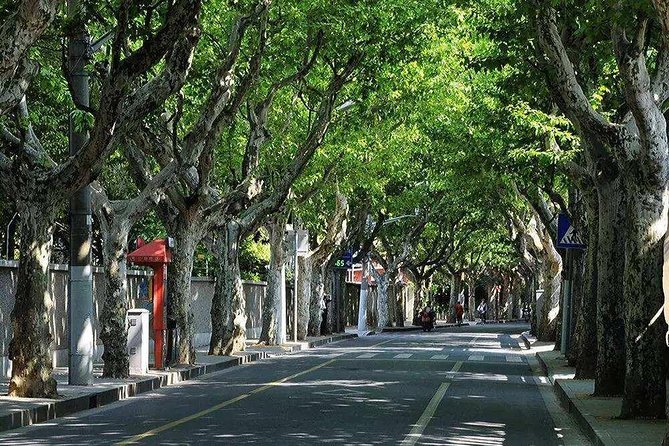
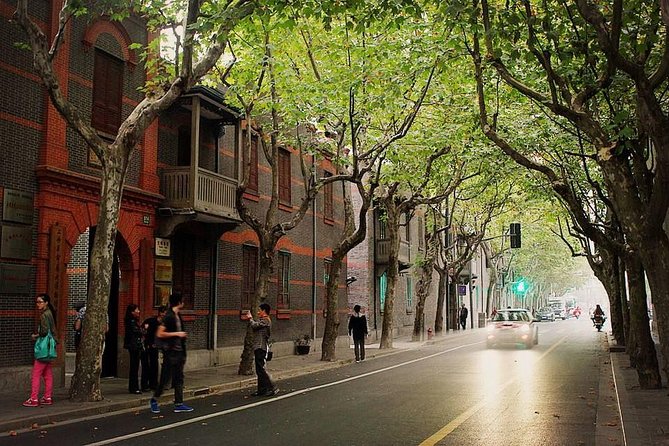
After the indoor visits and food stop, the route follows Wukang Road for about 1.2 kilometers. This is one of the best-preserved European-style streets in Shanghai, lined with historic buildings.
The walk helps you read the French Concession as a physical place rather than a name in a guidebook. You will see old architecture on both sides of the road and get a feel for how the area differs from Shanghai’s newer commercial districts.
This section is also where the tour becomes less structured. Inside a museum, the displays direct your attention. On Wukang Road, you can look up at facades, notice street details, and ask the guide about the area’s past.
The route is long enough to make comfortable shoes important. It is not a short transfer between attractions. You will be on your feet for much of the three hours, though the museum visits and wonton stop break up the walking.
The tour ends at the north gate of Soong Ching-ling’s former residence, at 1843 Huai Hai Zhong Lu in Xuhui District. Since you finish away from the starting point, check your onward route before the tour begins. The end location is still in an area served by public transportation, but the tour does not return you to Jiangsu Road.
The guide makes the difference
A tour about propaganda depends heavily on explanation. Without context, you may notice the bold colors and idealized figures but miss why particular images mattered at particular times.
Alana is one guide named in the tour’s guest feedback. She was praised for explaining both the posters and the wider history in a clear, engaging way. One booking made only 48 hours before departure resulted in an email from Alana within hours, which suggests that communication can be prompt, though guide assignment may vary.
I would treat the guide as a key part of the purchase decision. The museums are the fixed elements, but the quality of the afternoon depends on how well the guide connects them. A strong guide can explain a complicated political period without burying you in dates. The tour description specifically emphasizes friendly, professional English guidance, and the small group limit gives you a better chance to ask questions.
Children must be accompanied by an adult. Most people can take part, and service animals are allowed. Because the subject concerns political movements and hardship, parents should decide if the material suits younger children.
Is $73.60 a fair price?
At $73.60 per person, this is not the cheapest way to spend three hours in Shanghai. It is also more than simply paying admission to one museum. The price includes an English-speaking guide, entrance fees, and wonton soup, so the real comparison is with arranging several visits and explanations on your own.
The strongest value comes from the connection between the stops. You receive background at the poster center, a personal setting at Soong Ching-ling’s home, a food break, and a guided walk through the former French Concession. Doing all of that independently would require separate research, route planning, museum tickets, and translation help.
I would consider the price reasonable if you want political and social history rather than a general introduction to Shanghai. It is less compelling if your main goal is shopping, skyline views, or a broad list of famous landmarks.
The maximum group size of 15 helps protect the value. You are not paying for a private guide, but you should have a better chance of hearing explanations than you would in a large bus group.
Who should book this walk?
I would recommend it to you if you enjoy museums, political history, old neighborhoods, and guided interpretation. It suits visitors who want to understand how Chinese history was presented to the public and how that history shaped daily life.
It is also a good choice if you prefer a focused half-day activity. The route stays in and around the former French Concession instead of wasting time on long transfers across Shanghai.
You may want to choose another experience if you dislike walking, have limited time at each stop, or want a tour centered on food and nightlife. The wonton is a welcome extra, but this is not a culinary tour.
The subject also requires some attention. You will get more from the afternoon if you are willing to listen, ask questions, and compare official posters with the personal story presented at the residence.
My booking advice
Book this tour if you want a thoughtful look at Shanghai’s political past and prefer to learn through a guide rather than read museum labels alone. The strongest combination is the poster collection, Soong Ching-ling’s residence, and the Wukang Road walk, all tied together in three hours.
Skip it if your priority is a relaxed sightseeing loop with little walking or if you need hotel transportation. For the right audience, $73.60 is a fair price for several admissions, food, and focused English guidance. Free cancellation is available up to 24 hours before the 1:00 pm start, which gives you some flexibility when planning your Shanghai days.
FAQ
How long does the Shanghai Propaganda and History Walking Tour last?
The tour lasts approximately three hours.
What time does the tour begin?
The tour starts at 1:00 pm.
Where do I meet the guide?
You meet the guide at Jiangsu Road Metro Station in Changning District, Shanghai.
Where does the tour end?
The tour ends at the north gate of Soong Ching-ling’s former residence, at 1843 Huai Hai Zhong Lu in Xuhui District.
What is included in the tour price?
The price includes an English-speaking guide, entrance fees, and Chinese wonton soup.
How many people can join the tour?
The tour has a maximum of 15 participants.
What should I wear, and can children join?
Wear comfortable shoes because the tour includes city walking and about 1.2 kilometers along Wukang Road. Children must be accompanied by an adult, and service animals are allowed.
New reviews from Shanghai
- Shanghai To Beijing Bullet Train Ticket with Local Private Transfer★ 5.0 · 12 reviews
- Shanghai Spicy Food Tour★ 5.0 · 3 reviews
- Shanghai Uncommon Historic Sites Tour★ 5.0 · 3 reviews
- Shanghai Pudong airport transfer to Disneyland:Private with Meet & Great service★ 5.0 · 3 reviews
- Shanghai Tower Observation Deck 118 floor Tickets Pre-booking.★ 5.0 · 4 reviews
- Pudong Airport to Hangzhou: Private with Meet and Greet Service★ 4.5 · 4 reviews
- Private Transfer: Hotel to Shanghai Wusongkou Cruise Terminal (Baoshan Port)★ 3.5 · 6 reviews
- Shanghai Pudong International Airport (PVG) to Shanghai Hotel★ 5.0 · 4 reviews
Walking Tours, compared.

Beijing Hutong Walking Food and Beer Tour at Hidden Restaurants
Read our review →
Private Beijing Walking Tour of the Forbidden City with 7 Options
Read our review →
Dark Side of Hong Kong – Kowloon Caged Homes Walking Tour
Read our review →
Forbidden City Private Walking Tour with Optional Sights
Read our review →
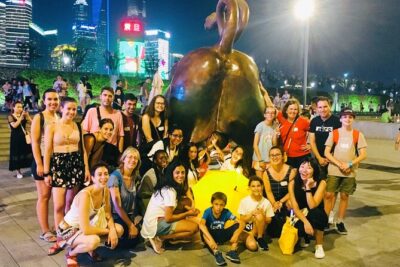
Shanghai City Guided Walking Tour | China’s 1st and Best Rated
Read our review →
Introduction to Hong Kong: Central Tip Based Walking Tour
Read our review →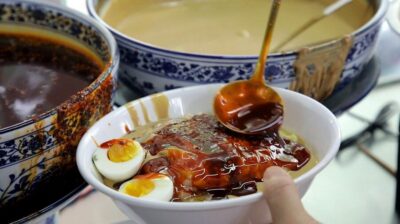
Browse the lists this tour appears in