
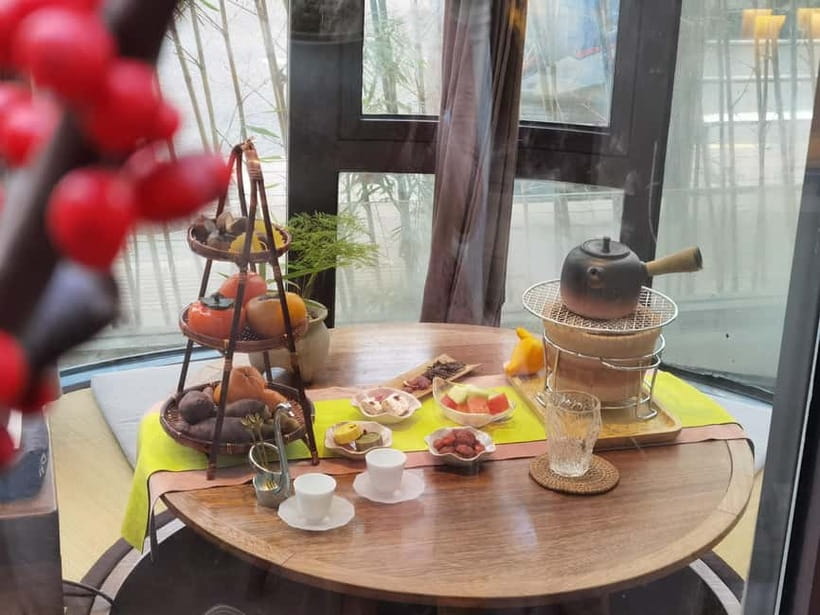
Reviewed · TEA TASTINGS
Shanghai: Chinese Tea Ceremony Experience
The best part of this Shanghai experience is the blind tasting, where you pay attention to aroma, flavor, and texture before labels shape your opinion. You also learn Song Dynasty tea whisking by hand, a rare old-style technique that turns tea preparation into a calm, careful practice rather than a quick pour.
I like the small group, capped at eight people, because you can ask questions and get help with the whisking. I also like the three-hour pace, which gives the tea master room to explain meaning and technique. The main drawback is the price: at $143 per person, this is a serious splurge for a tea tasting, and the meeting point is provided only after booking.
Key points to know before booking
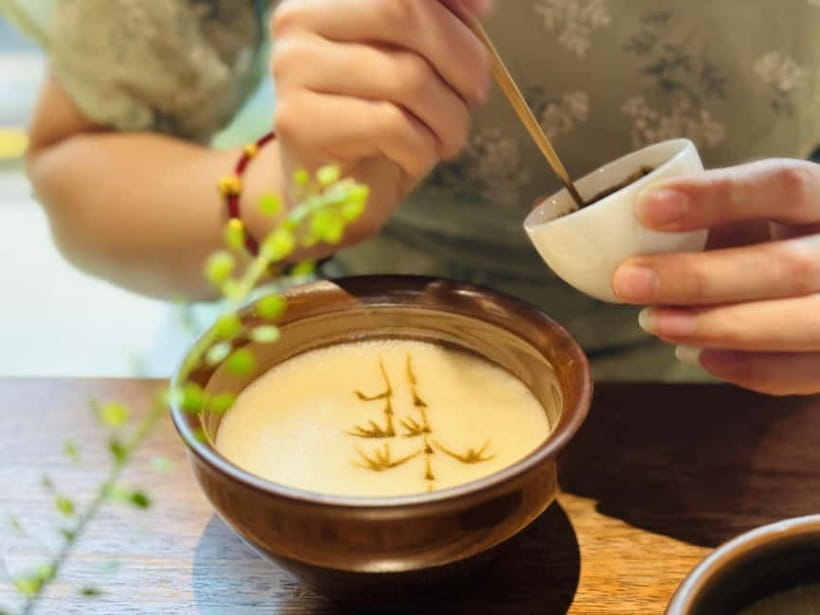
- Blind tasting comes first: Explore tea through scent, flavor, and mouthfeel before focusing on its name or category.
- Song Dynasty whisking is hands-on: You learn an old preparation method rather than simply watching a demonstration.
- Three major tea classes are included: The tasting lets you compare different styles in one sitting.
- Small groups keep it personal: No more than eight participants take part, with English and Chinese instruction available.
- Snacks are part of the experience: Traditional snacks accompany the tea, and dietary needs should be shared in advance.
- Optional dress-up adds a photo moment: You can wear traditional clothing for pictures, according to the experience details.
Why the three-hour format works
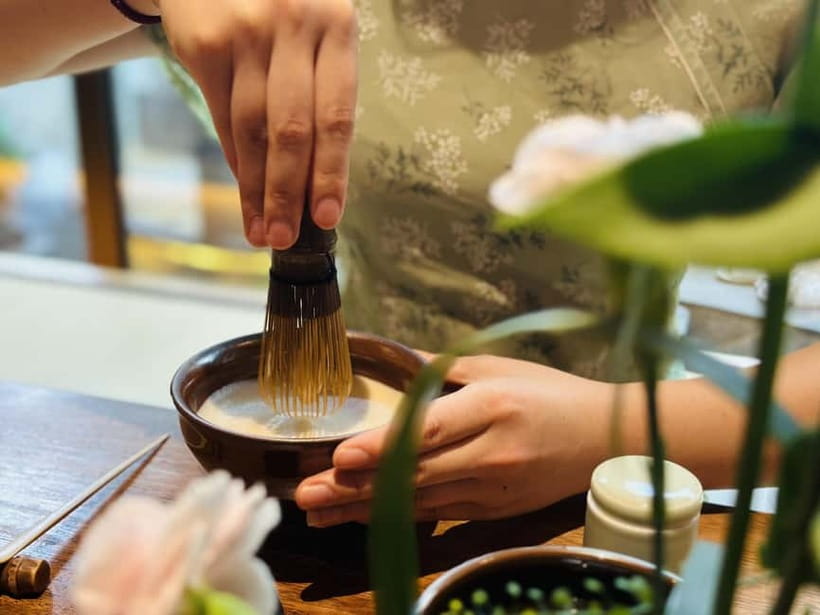
Tea culture can be hard to grasp from a quick cup and a few facts. This experience gives you three hours to slow down, taste carefully, and connect the ritual with its cultural meaning.
I like that the program is not built around one famous tea or one flashy performance. Instead, you move through several related activities: a formal welcome, sensory tasting, a look at China’s major tea classes, Song Dynasty whisking, and snacks. Each part gives you a different way to understand tea.
The timing also leaves room for questions. In a large group, a tea lesson can become a lecture. With no more than eight participants, you should have a better chance to handle the tools, ask about unfamiliar flavors, and receive direct guidance from the tea master.
Still, three hours is a long time if you only want a quick drink and a souvenir. This suits you best if you enjoy learning through small details and repeated tasting. It is less suitable if you prefer a fast sightseeing stop.
More Tea Tastings in Shanghai
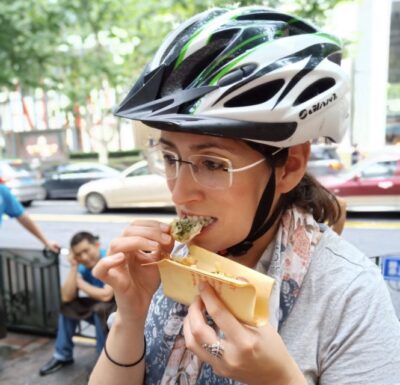
- Biking Real Shanghai& Tea Tasting Experience
★ 4.5 · 45 reviews - Afternoon Tea and Dessert Tour on the Huaihai Road in Shanghai
★ 5.0 · 19 reviews - 3-Hour Shanghai Yu Garden &Old Town Private Tour with Tea Tasting
★ 5.0 · 17 reviews
A graceful welcome into Chinese tea culture
The experience begins with a welcome based on traditional Chinese hospitality. That opening matters because tea ceremony is not only about the liquid in the cup. The way tea is offered, received, prepared, and shared forms part of the lesson.
You can expect the tea master to explain the purpose behind the ceremony as well as the practical steps. The aim is to help you understand tea as a living cultural practice, not just a product to buy.
I appreciate this approach because it gives context before the tasting starts. Without that context, the movements can seem overly formal. Once you understand that patience, attention, and respect are part of the ritual, the ceremony becomes easier to follow.
The activity is conducted in English or Chinese. The information does not name the individual tea master, but the guide is described as an expert who leads both the cultural explanation and the practical work. You should feel free to ask for clarification if a term or technique is new to you.
The blind tasting: let your senses lead
The blind tasting is one of the most useful parts for anyone who wants to understand tea beyond basic labels. You taste several teas while focusing on their aromas, flavors, and textures. Only after using your senses do you connect those impressions with the tea’s category or identity.
That order can change how you taste. If you hear the name first, you may expect a certain flavor. Blind tasting asks you to notice what is actually in the cup. Is the scent floral, earthy, light, toasted, or something else? Does the taste change as you hold it in your mouth? Is the texture soft, dry, smooth, or brisk?
You do not need to be a tea expert. In fact, beginners may get the most from this section because there is no pressure to use the right vocabulary. The tea master can guide you through the process and help you put words to what you notice.
Avoid strong perfume before the activity. That is a small but important tip, since fragrance can get in the way of tea aromas. Comfortable clothes and shoes are also advised, especially because the experience may involve some walking around the venue.
Comparing China’s three major tea classes
The tasting then broadens into a look at China’s three major tea classes. The supplied information does not name each class, so you should not expect a fixed list of specific teas in advance. Instead, think of this as a guided comparison of three broad styles.
This part is valuable because it teaches you to compare rather than judge one cup on its own. You can notice how preparation affects aroma, how flavor develops across several sips, and how texture changes from one tea to another.
I like the idea of tasting each tea more than once. A first sip gives you an initial impression, while later sips can reveal subtler qualities. The tea master can also explain how each category fits into the wider culture of Chinese tea.
The assortment is included in the price, so you do not pay extra for each sample. Snacks are included as well. The snacks offer a break between tastings and help make the three-hour session feel like a complete social occasion rather than a technical class.
If you have food allergies or dietary restrictions, tell the provider before the activity. The experience is not suitable for people with food allergies, according to the stated conditions, so this is an important point to settle before booking.
Other tea to sit down with in Shanghai:
- Private Shanghai City and Zhujiajiao Combo Tour with Boating, Tea Tasting, Lunch
★ 5.0 · 15 reviews - Shanghai: Song Dynasty Tea Ceremony Experience
★ 5.0 · 10 reviews - 4-Hour Shanghai Best Garden and Temple Tour with Tea Tasting
★ 4.9 · 7 reviews - Private Qibao Ancient Town Walking Tour with Tea Tasting and Calligraphy Experience
★ 5.0 · 4 reviews
Song Dynasty whisking turns preparation into a skill
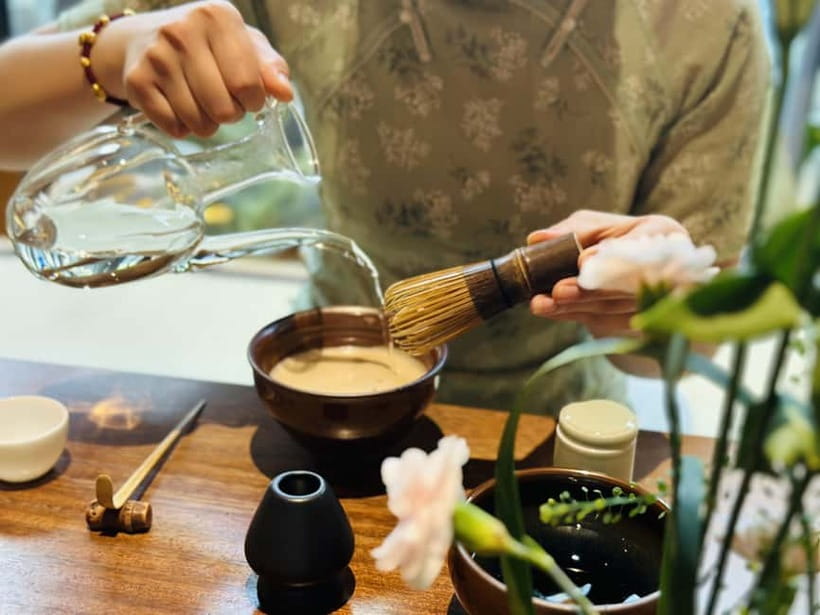
The hands-on Song Dynasty tea whisking session is the most distinctive feature. Rather than only watching a tea master prepare a cup, you learn the basic art of whisking and brewing in an older style.
The technique requires care. You must pay attention to movement, pace, and texture. That makes the lesson feel different from ordinary tea service, where the main goal is simply to steep leaves in hot water.
I like this part because it gives you something practical to remember after the activity ends. You may not reproduce the full ceremony at home, but you will understand that preparation is part of the flavor experience. The act of making tea can also be a form of concentration.
The small group helps here. With eight or fewer participants, you are less likely to stand at the back and watch someone else handle the equipment. The guide can give personal attention, which is especially useful when a new movement feels awkward at first.
The ceremony is designed for adults and older children who can follow instruction and take part carefully, though no age information is provided. I would choose comfortable clothes rather than anything restrictive. The experience also advises comfortable shoes.
Snacks, photos, and the social side of the ceremony
Snacks are included, adding a simple social layer to the lesson. Tea ceremony has always been connected with hospitality, conversation, and the sharing of food, so the snacks fit the subject rather than feeling like an unrelated extra.
You should still bring your own snacks if you need something specific, but do not treat that as a replacement for checking dietary requirements. The provider asks you to share allergies or restrictions before the activity, and people with food allergies are listed as unsuitable for the experience.
A fun extra is optional traditional dress-up for photos. It is not the central reason to book, but it gives the session a light, memorable moment after the more focused tasting and whisking. If you enjoy photos, this can add a visual record of the day without changing the main lesson.
Smoking is not allowed. Alcoholic drinks are not allowed in the vehicle, though transportation to and from the activity is not included. Since the exact meeting point is sent after booking and is near the marked location, allow time to find it rather than arriving at the last second.
Is $143 a fair price?
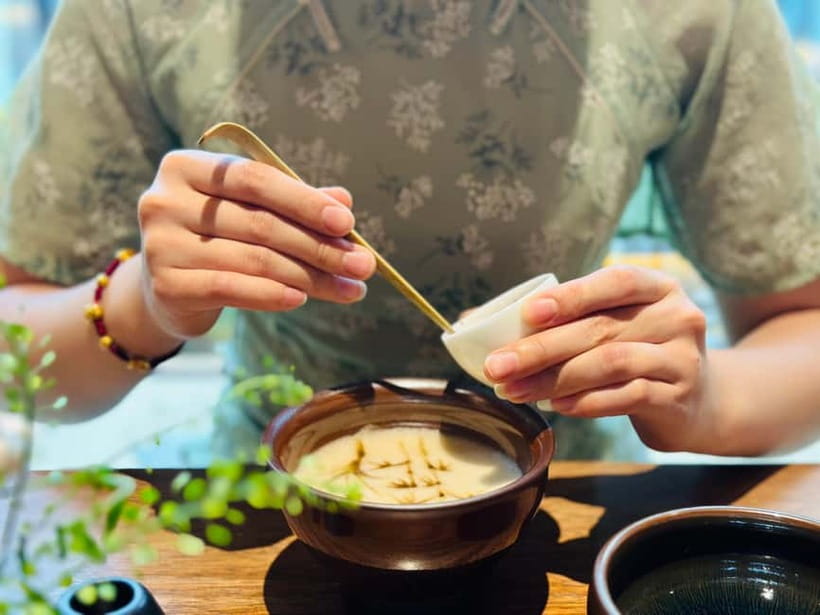
At $143 per person, this is not a budget tea stop. The price needs to be judged against what you receive: three hours, an expert tea guide, an assortment of Chinese teas, snacks, a blind tasting, cultural instruction, and hands-on Song Dynasty whisking.
For me, the strongest value comes from the teaching and the small group. If you simply want to sample tea, you can spend far less elsewhere. If you want a structured cultural activity with personal attention, the price becomes easier to defend.
The cost also includes more than a tasting flight. You are paying for time, explanation, preparation, and access to a practice that can be difficult to understand from a menu or shop visit. The experience also gives you a way to compare several tea styles in one sitting.
That said, transportation is not included, personal expenses are not included, and the meeting location comes later. You need to arrange your own way to the activity and plan for any extra spending outside the tea session.
I would book it if tea culture is one of your main interests, or if you want a quiet cultural break from Shanghai’s busy sightseeing schedule. I would skip it if the $143 price feels high for a seated tasting or if you prefer to spend your time on major city landmarks.
Who will get the most from this experience?
This experience suits you if you enjoy food and drink traditions, hands-on workshops, and small-group teaching. It is also a good choice if you want cultural background rather than a quick photo stop.
Beginners are welcome. You do not need to know Chinese tea names or understand ceremony etiquette before arriving. The tea master guides you through the tasting and explains the meaning behind the steps.
Experienced tea drinkers may appreciate the blind tasting and the older whisking method. The program gives you a chance to compare your own impressions with the guide’s explanations, rather than simply hearing basic facts.
The activity is less suitable for anyone with food allergies, since the experience is specifically marked as unsuitable for people with food allergies. It is also not suitable for wheelchair users. Wear comfortable clothing and shoes, and avoid strong perfume so you can sense the tea properly.
Booking, timing, and cancellation details
The experience lasts three hours, with starting times available according to the date you choose. English and Chinese are offered, and the group is limited to eight participants.
You can reserve now and pay later, which helps if you are still arranging a Shanghai schedule. You can also cancel up to 24 hours in advance for a full refund.
Transportation is not provided. The exact meeting point is supplied after booking and will be near the marked location, so read the booking message carefully and leave enough time to get there.
The provider is Shanghai Glopen Travel Agency. Bring a camera if you want photos, but avoid letting photography distract from the tasting. Tea is a sensory subject, and your nose and palate need more attention than your phone.
Should you book the Shanghai tea ceremony?
I would book this experience if you want a thoughtful, hands-on introduction to Chinese tea culture. The strongest reasons are the blind tasting, the small group, and the chance to learn Song Dynasty whisking rather than only watching a formal ceremony.
The $143 price is the main question. It is fair for a private-feeling, three-hour lesson with tea, snacks, and personal instruction, but it is not the right choice for a casual cup of tea.
Choose it for the cultural understanding and the calm pace. Skip it if you need wheelchair access, have food allergies, or want an inexpensive activity with no advance planning. For the right person, it offers a memorable way to slow down in Shanghai and taste with greater attention.
FAQ
How long does the Chinese tea ceremony experience last?
The experience lasts three hours.
How much does the experience cost?
The listed price is $143 per person.
How many people are in the group?
The group is limited to eight participants.
What languages are available?
The instructor can lead the experience in English or Chinese.
Are tea and snacks included?
Yes. An assortment of Chinese teas and snacks are included.
Do I need to arrange transportation?
Yes. Transportation to and from the activity is not included.
When will I receive the meeting point?
The exact meeting point is provided after booking. It will be near the marked location.
Can I cancel for a refund?
Yes. You can cancel up to 24 hours in advance for a full refund.
Is the activity suitable for wheelchair users or people with food allergies?
No. The experience is not suitable for wheelchair users or people with food allergies.
New reviews from Shanghai
- Shanghai To Beijing Bullet Train Ticket with Local Private Transfer★ 5.0 · 12 reviews
- Shanghai Spicy Food Tour★ 5.0 · 3 reviews
- Shanghai Uncommon Historic Sites Tour★ 5.0 · 3 reviews
- Shanghai Pudong airport transfer to Disneyland:Private with Meet & Great service★ 5.0 · 3 reviews
- Shanghai Tower Observation Deck 118 floor Tickets Pre-booking.★ 5.0 · 4 reviews
- Pudong Airport to Hangzhou: Private with Meet and Greet Service★ 4.5 · 4 reviews
- Private Transfer: Hotel to Shanghai Wusongkou Cruise Terminal (Baoshan Port)★ 3.5 · 6 reviews
- Shanghai Pudong International Airport (PVG) to Shanghai Hotel★ 5.0 · 4 reviews
Tea Tastings, compared.
Beijing Culture: Tea Ceremony, Heritage Instrument & Calligraphy
Read our review →
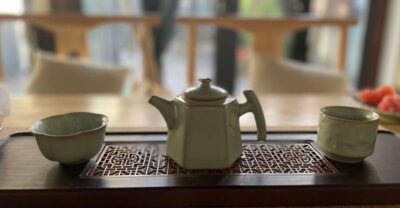
Chinese Tea ceremony in Beijing Hutong courtyard
Read our review →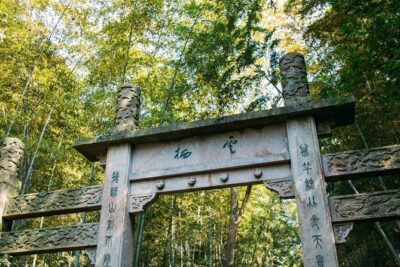
Half-Day Hangzhou Yunxi Bamboo Forest and Tea Plantation Experience
Read our review →
Leshan Buddha + Panda Base or Old Tea House Private Day Tour
Read our review →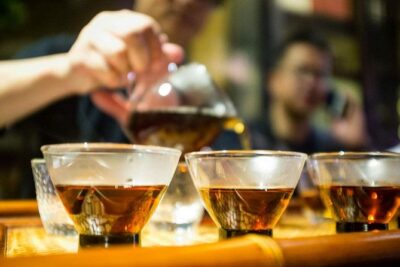
Afternoon Tea and Dessert Tour on the Huaihai Road in Shanghai
Read our review →Browse the lists this tour appears in