
Reviewed · WALKING TOURS
Private 2-Hour Shanghai Lanes and Alleyways Walking Tour
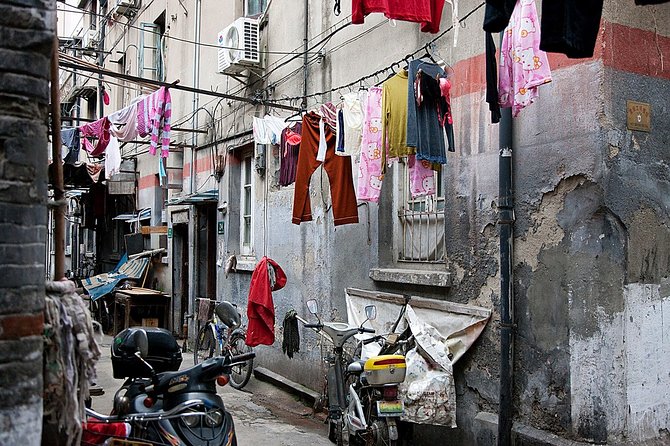
Shanghai’s best stories often begin away from the Bund. This private walk takes you into the city’s nongtangs, older residential lanes where courtyard homes, narrow passages, neighborhood shops, and modern city life meet. You may enter a local home, hear from longtime residents, and stop at a small market for tea eggs or other street food.
I like the personal format: your party gets its own English-speaking guide, and guides such as Mason, Mary, and Zoe have been praised for clear explanations and warm personalities. I also like the chance to see ordinary Shanghai life instead of adding another grand sight to your sightseeing list.
The main caution is that the home visit is not guaranteed in the same way as the walking portion, and one experience felt intrusive to a participant. Rain can also make the narrow lanes cold and uncomfortable. Bring suitable shoes and treat residents’ homes and daily routines with care.
Key points to know before booking
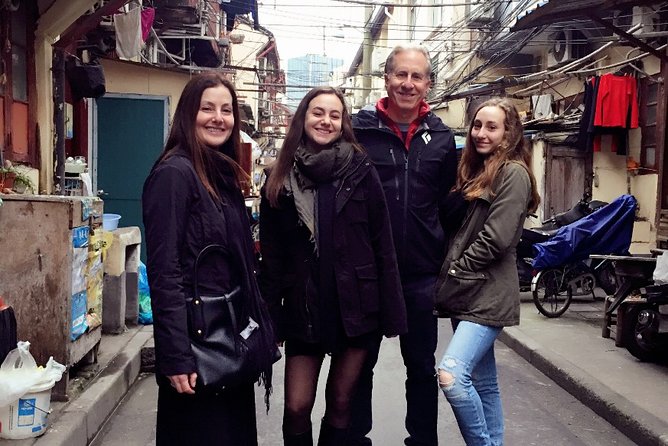
- See Shanghai’s 1920s nongtangs: Walk through old residential lanes that mix traditional courtyard planning with Western architectural details.
- Meet longtime residents: Your guide may introduce you to elderly locals and arrange a visit inside a home, though this should not be treated as guaranteed.
- Explore local food shops: Small markets and neighborhood stores offer a look at daily shopping, with street food available at your own cost.
- Enjoy a private format: Only your party takes part, making it easier to ask questions or adjust the pace.
- Start near Xizang Road South: The tour begins and ends at the stated meeting point, with no hotel pickup.
- Plan for the weather: The tour is outdoors and on foot, so steady rain can affect the experience.
Why Shanghai’s nongtangs are worth your time
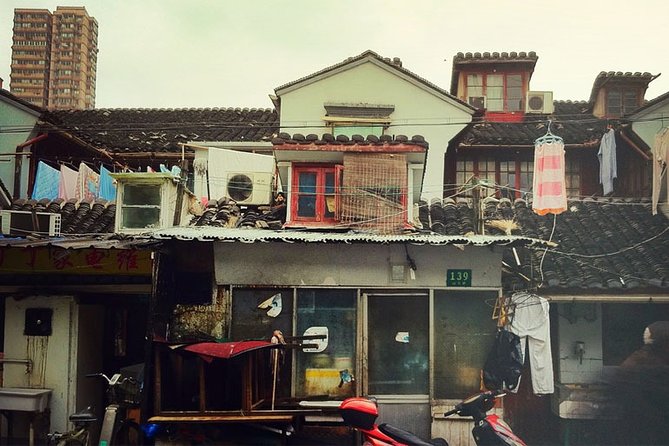
Shanghai can feel like two cities at once. One is the grand city of the Bund, colonial facades, towers, museums, and famous gardens. The other is found behind the main roads, where laundry hangs near doorways, neighbors shop at small food stalls, and older homes sit close to new construction.
The nongtangs belong to this second Shanghai. These passageways were established in the 1920s and combine traditional Chinese residential design with Western architectural touches. They are not polished attractions built for visitors. They are living neighborhoods, and that is the point.
You will not spend this two-hour walk checking off major monuments. Instead, you will look at doorways, alley layouts, courtyards, small stores, and the way residents use shared spaces. A good guide helps you notice details you would probably pass without understanding.
This tour is especially useful if you have already seen the Bund, Yuyuan Garden, and the City God Temple. Those sights show Shanghai at its most famous. The nongtangs show how people have lived in the city through decades of change.
Other walks around Shanghai:
- Shanghai City Guided Walking Tour | China’s 1st and Best Rated
★ 5.0 · 285 reviews - Shanghai Highlights Walking Tour With A Real Local
★ 4.9 · 153 reviews - Shanghai Breakfast Walking Tour of Former French Concession
★ 5.0 · 139 reviews
Walking through the old residential lanes
The walk begins at Xizang Road South in Huangpu District. From there, your guide leads you into older lanes and back passageways. The precise route can vary, but the focus is on residential areas rather than major commercial sights.
Expect narrow streets and close-set housing. The lanes can feel intimate, and you may see the practical signs of everyday life: neighborhood shops, small food sellers, and homes that still retain older features. The architecture matters, but the guide’s explanation is what makes it useful.
Your guide can explain how the nongtangs were planned, how the homes differ from one another, and how traditional Chinese forms were joined with Western ideas. The tour also gives you a sense of how private life and public space overlap in these communities.
That overlap is one of the most interesting parts. A passageway may serve as a route to someone’s front door, a place for local conversation, and a working space for a nearby shop. You are not simply looking at old buildings. You are seeing a neighborhood still being used.
The walking is not described as strenuous, but you should expect to be on your feet for the full two hours. Comfortable shoes are sensible. Rain matters here more than it would on a museum visit because much of the experience takes place in open lanes. One participant found steady rain made the tour cold and soaking wet.
Meeting residents and hearing personal stories
One of the tour’s strongest ideas is the chance to meet longtime residents. Your guide may introduce you to elderly people who have lived in the area for many years. They can talk about their homes, daily routines, and the changes modern Shanghai has brought to their lives.
This gives the tour a human focus that architecture alone cannot provide. A building can tell you how a neighborhood was designed. A resident can tell you how it felt to live there as the city around it changed.
The home visit deserves a realistic explanation. The experience is presented as a chance to enter a local home and socialize with residents, but this does not appear to happen every time. One participant specifically said the group was not invited into a private house, despite expecting that part of the tour.
That does not make the whole walk a poor choice, but it does mean you should treat a home visit as a possible feature rather than a promise. The nongtang walk, local stories, and guide commentary are the dependable core of the experience.
You should also think about manners. Some people enjoyed speaking directly with residents, while another felt the group could be intrusive at times. Keep your voice low, ask before taking photographs, and remember that you are entering someone’s neighborhood, not a staged exhibit.
Finding small markets and local food
The tour also visits small food markets, tucked-away shops, and stores run by local residents. These places serve the people who live nearby, so they can tell you more about neighborhood routines than a large food hall would.
Your guide can explain what the shops sell and how local owners make a living. You might see fresh produce, everyday goods, and prepared snacks. The emphasis is on seeing how the neighborhood functions rather than sitting down for a full meal.
Street food is not included in the tour price. If you want to try something, you pay directly. Tea eggs are specifically mentioned as one option. These are hard-boiled eggs cooked in tea and a seasoned marinade, giving them a darker shell and a savory taste.
The food stop works best if you see it as an optional tasting opportunity, not a formal food tour. Bring some local currency if you want to buy snacks, since food and drinks are excluded. The supplied details do not state how many items you will sample or how much they cost, so keep your expectations flexible.
I like this part because it connects food with place. You are not just tasting a snack selected for tourists. You are seeing the kind of small-scale shopping that supports a residential district.
Other two-hour trips in Shanghai:
- 2-Hour Chinese Calligraphy with an Artist in Shanghai, China
★ 5.0 · 46 reviews - Private 2-Hour Walking Tour of Shanghai’s Jewish Ghetto
★ 4.0 · 33 reviews - 2-Hour Private Chinese Ink and Brush Painting Workshop in Shanghai
★ 5.0 · 15 reviews - 2-Hour “Ancient & Modern” Beijing Sidecar Tour (Day /Night)
★ 5.0 · 36 reviews
What the private format changes
This is a private activity, so only your own party participates. That matters in narrow lanes, where a large group could feel awkward and make it harder to hear the guide.
A private guide also gives you more room to ask questions. If you are curious about housing, local customs, food, or changes in the neighborhood, you can pause and ask. One participant even redirected attention toward food outlets that caught their interest.
The format is also useful for couples, families, and small groups with different interests. You may want architectural explanations, while someone else cares more about daily life or street food. A private walk makes that conversation easier.
The tradeoff is price. At $123.08 per person, this is not a cheap way to spend two hours, especially if you are traveling alone. The cost makes more sense when shared by a group that values a private guide and direct local access. Group discounts are available, though the exact discount is not provided.
There is no hotel pickup or drop-off. You must reach Xizang Road South yourself, and the walk ends back at the meeting point. The location is near public transportation, which helps, but you should confirm the exact meeting details before setting out.
The guides: Mason, Mary, and Zoe
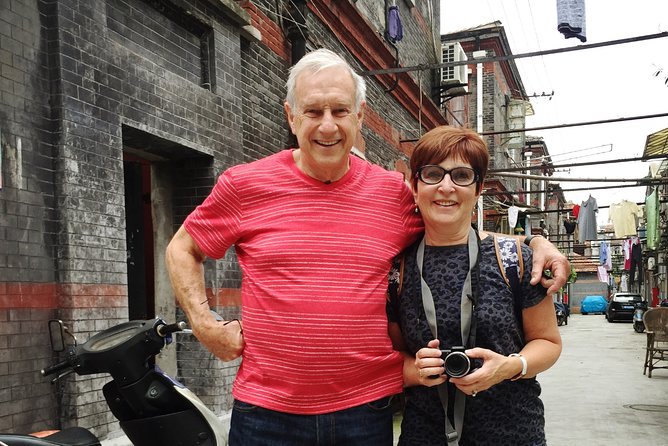
The guide can make or break a short walking tour. Here, Mason, Mary, and Zoe are names associated with particularly strong experiences.
Mason is praised for showing local life in an interesting way. Mary is described as well prepared, familiar with the area, friendly, and charming. Zoe is praised for explaining things clearly. These comments point to the qualities you want on a neighborhood walk: clear English, comfort around local residents, and enough preparation to give context without turning the outing into a lecture.
The guide is also your bridge into spaces you might not enter alone. Several people appreciated being taken into lanes they would not have dared to explore independently. That is real value, especially in an unfamiliar city where you may worry about getting lost or crossing into a private area.
Still, you should not assume you will receive a particular guide unless the operator confirms it. The experience includes a local English-speaking guide, but the supplied details do not promise Mason, Mary, or Zoe by name.
Weather, communication, and meeting details
The tour is short, but timing and communication matter. One person found it difficult to confirm where and when to meet, and Gmail access can be difficult in China. Do not leave the meeting point vague until the last minute.
Use the booking confirmation and make sure you understand the start time, exact location, and contact method before your tour day. Since hotel pickup is not included, allow enough time to reach Xizang Road South by public transportation.
Rain is the clearest practical risk. The tour continues through outdoor lanes, and one wet-weather experience was seriously affected by cold and soaked clothing. Check the forecast and bring rain protection. If conditions look poor, contact the operator as early as possible, keeping in mind the cancellation deadline.
The tour is open to most people, and service animals are allowed. The supplied information does not give a detailed accessibility description for the lanes, so anyone with mobility concerns should ask the operator about surfaces, steps, and narrow passages before booking.
Is two hours enough?
Two hours gives you a focused introduction, not a full study of Shanghai’s residential districts. That limit is useful if your schedule is tight or if you want to add a local-life experience between visits to larger sights.
The pace should allow time for walking, explanations, resident encounters when available, and a market stop. You will not have time to inspect every lane or linger at every shop. If the conversation is good, the time may feel short. One person said they did not want the tour to end, which hints at how quickly a personal neighborhood walk can pass.
I would pair this with a separate visit to the Bund or Yuyuan Garden rather than using it as your only Shanghai activity. The tour works best as the quieter, more personal counterpoint to the city’s headline attractions.
Who should book this tour?
Book it if you want to understand how ordinary residential life fits into Shanghai’s rapid growth. It suits first-time visitors who have already seen the main sights, repeat visitors seeking a different side of the city, and anyone who prefers conversation and local context to formal sightseeing.
It is also a good match for people who enjoy photography, architecture, neighborhood food, and personal stories. Families may appreciate the private format, though children should be comfortable walking for about two hours and respecting residential spaces.
Think twice if you want a guaranteed private-home visit, a substantial food tasting, hotel transport, or a highly polished attraction. Those are not dependable parts of the package. The experience is strongest when you value the lanes, the guide, and the chance to see daily life as it is.
The tour has a 4.6 rating from 14 reviews, with 93 percent recommending it. That is a small sample, but the praise is consistent about the guide quality, personal stories, and access to local life. The main concerns are weather, meeting communication, the lack of hotel pickup, and the possibility that a home visit may not occur.
Should you book the Shanghai nongtang walk?
I would book this private tour if your Shanghai plans already include the Bund, Yuyuan Garden, and City God Temple, and you want two hours that feel more personal and less packaged. The best part is not a single sight. It is the connection between old lanes, local shops, residents, and the guide who explains what you are seeing.
At $123.08 per person, compare the cost with the size of your party. It offers better value for a couple or small group that wants private attention than for a solo visitor on a tight budget. Bring comfortable shoes, rain protection, and an open mind about the home visit.
Cancel at least 24 hours before the local start time for a full refund. Changes or cancellations inside that window are not accepted for a refund.
FAQ
How long is the Shanghai nongtang walking tour?
The tour lasts approximately two hours.
Is this a private tour?
Yes. Only your own party participates in the activity.
What language does the guide speak?
The tour includes a local English-speaking guide.
Where does the tour begin?
It begins at Xizang Road South, also written as Xi Zang Nan Lu, in Huangpu District, Shanghai.
Where does the tour end?
The activity ends back at the meeting point.
Is hotel pickup included?
No. Hotel pickup and drop-off are not included.
Is food included in the price?
No. Food and drinks are not included. You can purchase local snacks and street food at your own expense.
Can I try tea eggs during the tour?
Tea eggs are one of the local foods you may purchase while visiting the markets and shops, but the food is not included.
Will I definitely visit a private home?
A home visit may be arranged with longtime local residents, but it should not be considered guaranteed.
Can I cancel for a full refund?
Yes, if you cancel at least 24 hours before the experience start time. Cancellations made less than 24 hours in advance are not refunded, and changes inside that period are not accepted.
Is the tour near public transportation?
Yes. The meeting point is near public transportation.
Are service animals allowed?
Yes. Service animals are allowed.
New reviews from Shanghai
- Shanghai To Beijing Bullet Train Ticket with Local Private Transfer★ 5.0 · 12 reviews
- Shanghai Spicy Food Tour★ 5.0 · 3 reviews
- Shanghai Uncommon Historic Sites Tour★ 5.0 · 3 reviews
- Shanghai Pudong airport transfer to Disneyland:Private with Meet & Great service★ 5.0 · 3 reviews
- Shanghai Tower Observation Deck 118 floor Tickets Pre-booking.★ 5.0 · 4 reviews
- Shanghai Pudong International Airport (PVG) to Shanghai Hotel★ 5.0 · 4 reviews
- Pudong Airport to Hangzhou: Private with Meet and Greet Service★ 4.5 · 4 reviews
- Private Transfer: Hotel to Shanghai Wusongkou Cruise Terminal (Baoshan Port)★ 3.5 · 6 reviews
Walking Tours, compared.

Beijing Hutong Walking Food and Beer Tour at Hidden Restaurants
Read our review →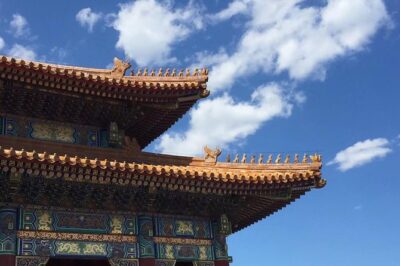
Private Beijing Walking Tour of the Forbidden City with 7 Options
Read our review →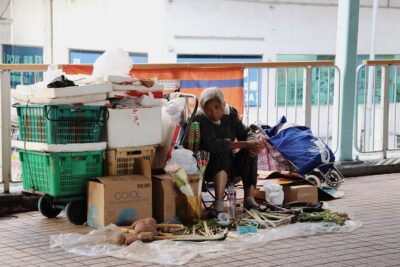
Dark Side of Hong Kong – Kowloon Caged Homes Walking Tour
Read our review →
Forbidden City Private Walking Tour with Optional Sights
Read our review →

Shanghai City Guided Walking Tour | China’s 1st and Best Rated
Read our review →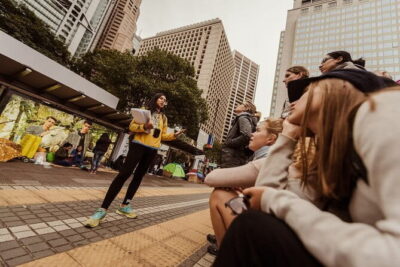
Introduction to Hong Kong: Central Tip Based Walking Tour
Read our review →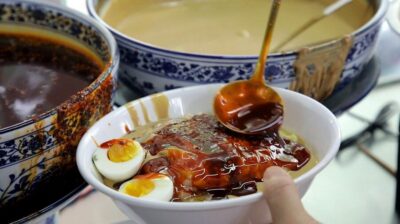
Browse the lists this tour appears in