
Reviewed · CHINESE FOOD TOURS
Make Soup Dumpling: Vegan or Pork in Shanghai Shikumen
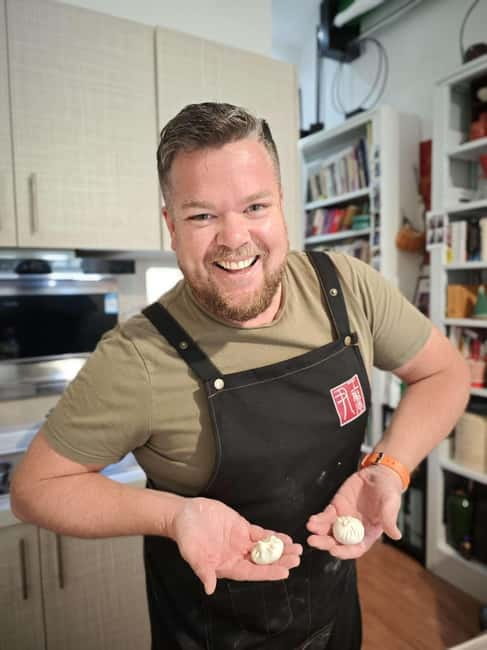
Shanghai’s soup dumpling is a small marvel: thin dough, a savory filling, and hot broth hiding inside. This 2.5-hour class with Chef Yin lets you build the whole thing in a Shikumen lane house kitchen, then eat what you made.
I like the choice between pork and vegan xiaolongbao, and I like that Chef Yin works beside you on the difficult 18-fold pleat rather than simply demonstrating it. The class also brings food and place together, with tea, Shanghai food stories, and a home-style setting.
The main caution is time and flavor control. Dumplings take patience, and one plant-based version was found a little mild with too little soup. Come for the hands-on lesson, not a quick meal.
Key things to know before you book
- Choose one filling: Make pork with ginger, scallions, and gelatinized broth, or cook a vegan filling with mushrooms and vegetables.
- Learn the 18-fold pleat: Chef Yin gives personal coaching as you twist, seal, and shape each dumpling.
- Cook in a Shikumen lane house: The class takes place in a traditional Shanghai compound and private-home-style kitchen.
- Plan for a full afternoon or morning: Dough needs resting, wrappers need care, and shaping takes time.
- Add the second filling: For $20 per person, make both vegan and pork dumplings and add 30 minutes.
- Use the arrival video: The central location is easy to reach by public transport, but the workshop can be hard to find without the directions.
Starting with flour in a Shanghai lane house
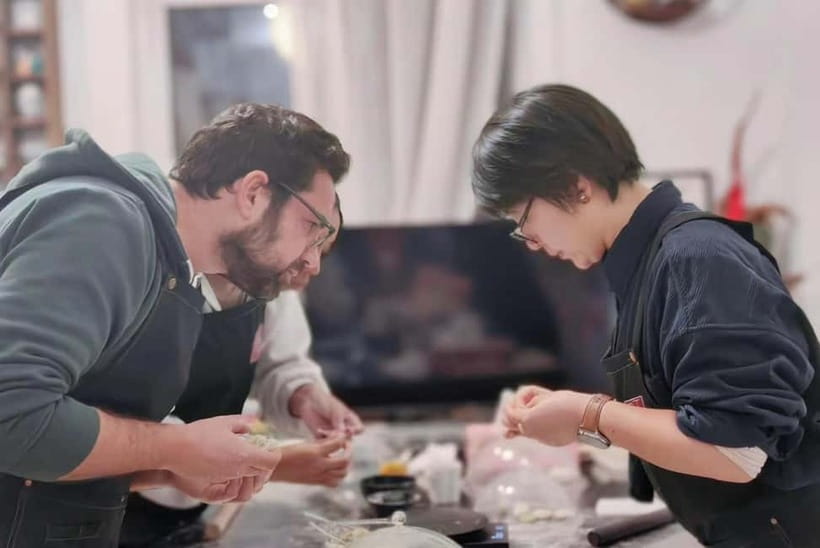
The setting gives this class much of its appeal. You are not in a polished restaurant dining room or a large demonstration kitchen. You enter a Shikumen compound, one of Shanghai’s characteristic lane-house neighborhoods, and work in an intimate home-style space.
That matters because xiaolongbao are tied to everyday food culture, not just restaurant theater. As Chef Yin talks about tea, food, and life in Shanghai, the class becomes more than a recipe lesson. You get a look at the rhythm of a traditional lane setting while learning a dish that visitors often eat without seeing how much work goes into it.
Finding the room may take some care. The location is central and reachable by public transport, but the workshop space is not immediately obvious from the street. Chef Yin sends detailed directions and a video, and she may meet you outside to help you find the entrance. I would save the directions before leaving your hotel and allow a little extra time for the final approach.
Once inside, the pace is friendly and practical. The class is taught in English, Japanese, and Chinese, so you can book it even if you do not speak Mandarin. Chef Yin’s teaching style is warm and patient, with plenty of help when your dough or pleats start to misbehave.
More Food Tours in Shanghai
- Authentic Local Food Tour in Central Shanghai
★ 5.0 · 1,382 reviews - Eat Like A Local: Shanghai Night Food Tour
★ 5.0 · 616 reviews - Late Night Food Tour in the Shanghai’s French Concession
★ 5.0 · 260 reviews
Dough making: the quiet part that decides everything
The class begins with dough made from scratch. Chef Yin shows you the water-to-flour balance needed for a dough that is elastic but not tough, then guides you through kneading and resting.
This is not filler before the exciting part. Soup dumpling dough must stretch thin enough for a delicate wrapper, yet strong enough to hold hot broth. If the dough is too dry, it can crack. If it is too soft, shaping becomes messy and the soup may escape.
You will need to pay attention to texture rather than simply follow a timed recipe. Flour and water can behave differently from one batch to the next, so the hands-on coaching is useful. You learn to notice when the dough feels smooth and workable.
The resting period also explains why the class takes 2.5 hours. Xiaolongbao are not a fast dumpling. The process has pauses, and rushing them would make the later wrapper work harder.
Rolling palm-sized wrappers without losing the soup
Next comes wrapper making. You roll the dough into small, translucent, palm-sized rounds using a traditional technique. The key lesson is that the wrapper should not have the same thickness throughout.
The center needs enough strength to support the filling and soup. The edges need to be thinner so they fold neatly into the crown. This difference is easy to miss when you first roll a wrapper, but it has a direct effect on the finished dumpling.
You will likely make wrappers that are uneven at first. That is part of the useful work here. Chef Yin can point out where the dough is too thick, where the edge needs more rolling, and how to keep the round usable without tearing it.
This stage rewards patience. If you arrive hungry, the smell and the slow pace may test you. One practical tip is to eat a small meal before class. You will eventually eat your dumplings, but there is a fair amount of kneading, resting, rolling, and shaping before that happens.
Pick pork or vegan filling, with different cooking tasks
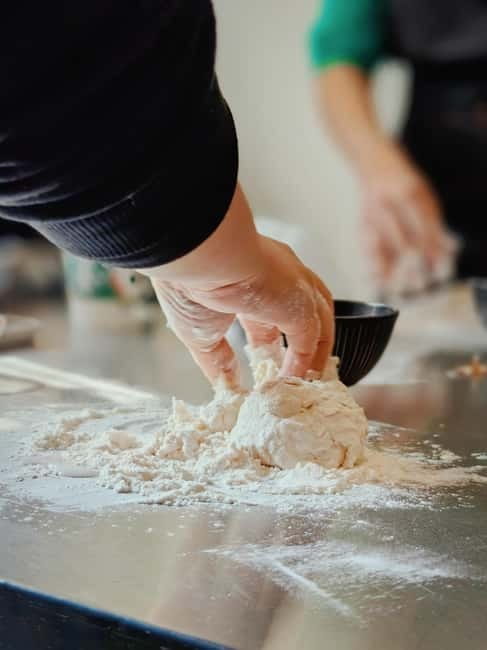
The base price includes one filling. You choose between pork and vegan, and the two options create rather different lessons.
Other eating walks in Shanghai:
- Shanghai: Half-Day Biking and Local Food Tour
★ 4.9 · 170 reviews - Private Shanghai Evening Street Food Walking and Cruise Tour
★ 5.0 · 123 reviews - Shanghai: Evening Walking Food Tour
★ 4.9 · 115 reviews - Xi’an Evening Food Tour by TukTuk
★ 5.0 · 715 reviews
Pork xiaolongbao
The pork filling uses raw minced pork, ginger, scallions, and aspic. Aspic is gelatinized broth, and it is the trick behind the soup inside a traditional xiaolongbao. The mixture looks more solid while you shape the dumpling, but the aspic melts during steaming and turns into hot broth.
Because the pork is raw when you assemble the dumplings, you should not taste the filling at this stage. It cooks safely later in the steamer. That is worth knowing if you are used to sampling a mixture as you go.
The pork option is the clearest route to the classic soup dumpling effect. The ginger and scallions bring the familiar savory aroma, while the aspic creates the liquid center. If your main goal is to understand why a pork xiaolongbao has soup inside, this is the option I would choose.
Vegan xiaolongbao
The vegan option is prepared from scratch in class. You sauté mushrooms and vegetables in an umami-rich broth, creating a filling with a different texture and flavor from the pork version.
This option makes sense for plant-based eaters and for anyone curious about how a soup dumpling can be built without meat. It also gives you more active cooking work because you prepare the filling rather than simply mixing raw pork with seasonings and aspic.
Keep your expectations realistic. A plant-based version can be tasty, but it may not deliver the same dramatic soup release as the pork dumpling. One class participant found the vegan dumplings somewhat mild and noted that there was little actual soup inside. That sounds like a possible result of technique or seasoning rather than a reason to avoid the option, but it is useful to know.
If you want to compare both styles, the dual filling add-on costs $20 per person and adds 30 minutes. You then make vegan and pork dumplings side by side. This is the best choice if you are traveling with mixed dietary preferences or want the broadest lesson.
The famous 18-fold pleat takes real practice
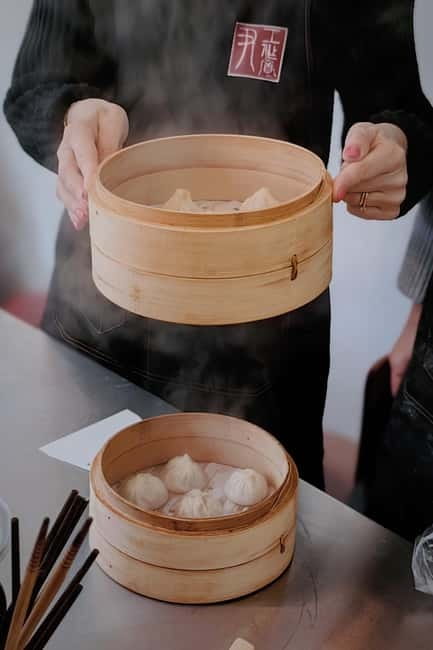
Shaping is the moment when the class becomes a small hand-skill workshop. You place the filling in the wrapper, then work around the edge to create the signature crown.
The target is the 18-fold pleat. Chef Yin shows you how to twist and seal the wrapper, and she gives corrections as you work. The aim is not only a pretty top. Each fold needs to hold the dumpling closed so the soup stays inside during steaming.
You may not produce perfect dumplings on your first try. That is normal. The technique is harder than it looks, and the class gives you a better appreciation for the care behind a restaurant dumpling. Even an irregular dumpling can taste good, but a weak seal can lose the broth.
I like that the focus is not on making you feel clumsy. Chef Yin helps where needed and gives you time to repeat the movement. You leave with a practical skill you can try at home, though your first home batch may still feature a few creative shapes.
This is also the most entertaining section for many people because the results are visible right away. You can see your progress from one dumpling to the next. The first might look like a folded pouch, while the later ones begin to show the proper crown.
Steaming reveals if your dumplings worked
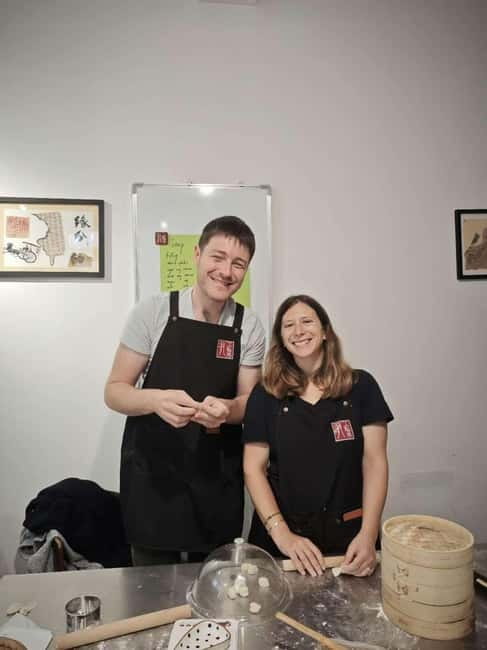
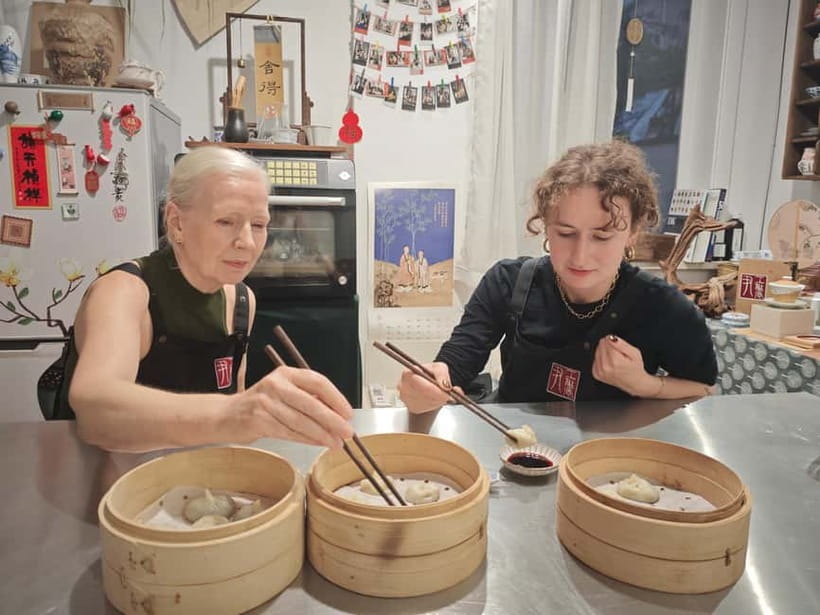
After shaping, the dumplings go into bamboo baskets for steaming. This is when the dough, pleats, filling, and seal are put to the test.
The steam cooks the pork and melts the aspic into broth. It also softens the wrapper while keeping the dumpling intact. The finished result should be handled carefully, since the soup inside can be hot.
You eat the dumplings with black vinegar and ginger, along with good-quality tea. The vinegar adds sharpness, while ginger gives the dumpling a fresh edge. These simple accompaniments help cut through the savory filling.
Do not expect a restaurant production line with dozens of dumplings arriving at once. Your food is made during the class, and the process is the point. The final meal is satisfying because you have seen each stage, but the reward is partly educational.
You also receive recipes to take home, plus a studio gift. That makes the class more useful than a one-time cooking demonstration. You can try the dough and filling again, although the 18-fold pleat may require a few more practice sessions.
Tea, food stories, and the Shikumen setting
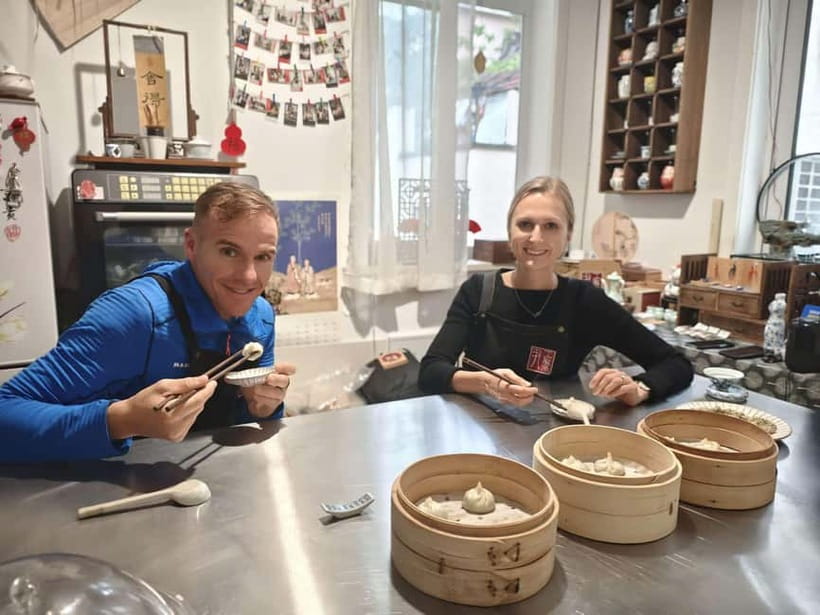
Chef Yin talks about Chinese tea and Shanghai food history throughout the session. These conversations give context to the ingredients and the setting without turning the class into a formal lecture.
The tea is included and becomes part of the rhythm of the class. You can pause with a cup while dough rests or while the dumplings steam. It is a small detail, but it helps the experience feel connected to local food habits rather than simply designed for a quick tourist activity.
The Shikumen compound adds another layer. The lane-house setting is not just a backdrop for photographs. It shapes the class: the route in, the private-home feel, and the sense that you are being welcomed into a lived-in part of Shanghai.
You should also understand that the setting may not offer the easy signage of a commercial cooking school. The directions video is valuable, and Chef Yin’s help at the street can make the difference between arriving calmly and circling the lane with a phone in hand.
Is $120 a fair price?
At $120 per person, this is not a budget meal or a cheap market snack. You are paying for 2.5 hours of instruction, ingredients, tools, tea, a studio gift, and a guided cultural activity in a historic Shanghai setting.
The price makes the most sense if you value personal coaching. The important part is not only eating dumplings. You learn dough texture, wrapper thickness, soup-making, pleating, and steaming. You also get recipes to use later.
The dual filling option brings the price to $140 per person and extends the session by 30 minutes. I would consider it good value for a couple or group with different diets, or for anyone who wants to compare the two styles. If you only want the classic xiaolongbao lesson, the pork option keeps the cost lower.
The value is less convincing if you mainly want a large meal. The class is a slow preparation session, and the number of dumplings is not specified. Eat a light snack beforehand so hunger does not turn the first hour into a test of willpower.
Who will enjoy this class most?
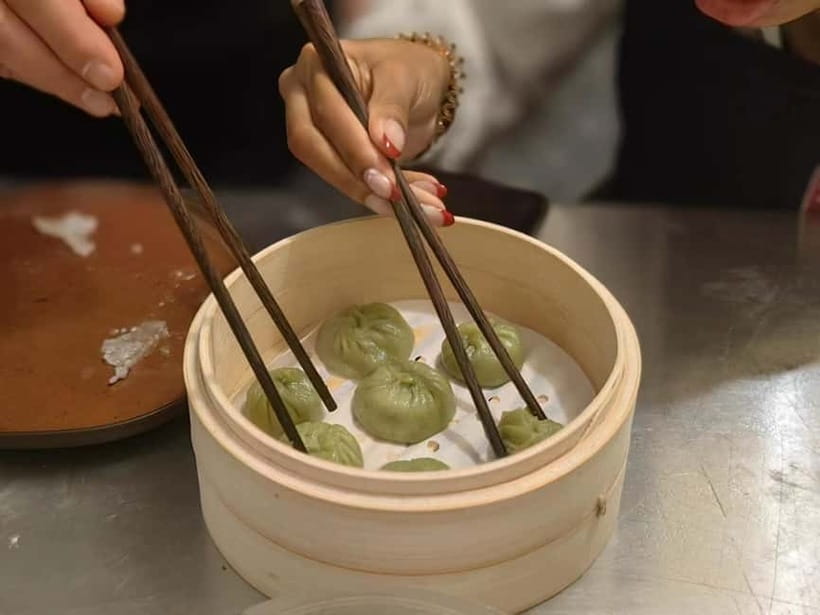
I would recommend it to anyone who likes cooking with their hands, especially people who want a food activity tied to Shanghai rather than a generic kitchen lesson.
It suits:
- First-time visitors who want a local food experience in a traditional setting
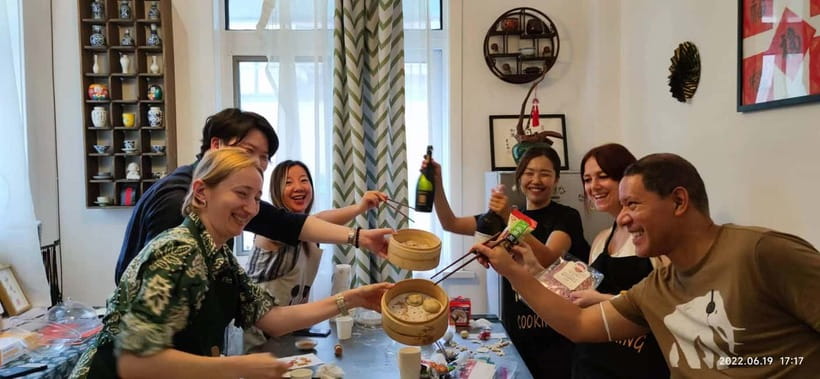
- Couples and small groups who enjoy learning together
- Plant-based diners who want a vegan soup dumpling option
- Pork dumpling fans who want to understand the aspic method
- Home cooks willing to practice a tricky folding skill
- Visitors who enjoy stories about tea, food, and daily life
It may not suit you if you want a fast, polished demonstration, a large lunch, or a simple recipe with no fiddly technique. The pleating takes effort, and the class moves at the pace of the dough and the people making it.
The teaching languages are English, Japanese, and Chinese. Personal transportation is not included, so you arrange your own way to the central meeting point. Free cancellation is available up to 24 hours before the start, and you can reserve now and pay later, which helps if your Shanghai plans are still shifting.
My take: book it for the lesson, not just the dumplings
I would book this class if I wanted a close look at Shanghai food culture and a useful skill to take home. Chef Yin’s patient guidance, the Shikumen kitchen, and the choice of filling give it more character than a standard cooking session.
Choose pork if the soup-filled effect is your main goal. Choose vegan if you need a meat-free class or want to cook the filling yourself. Pay the extra $20 for both only if comparison and variety matter to you.
The class asks for patience, and the vegan result may be milder than expected. But if you arrive with a small snack, follow the directions carefully, and accept that your first pleat may look a little lopsided, this is a thoughtful way to spend part of your time in Shanghai.
FAQ
How long does the xiaolongbao class last?
The standard class lasts 2.5 hours. Making both vegan and pork fillings adds 30 minutes.
How much does the class cost?
The price is $120 per person for one filling. The dual filling add-on costs an extra $20 per person.
Can I choose between pork and vegan dumplings?
Yes. The base price includes your choice of one filling: pork or vegan.
Can I make both fillings?
Yes. You can add the dual filling option during booking and make vegan and pork dumplings side by side.
What is included in the price?
Materials and tools for one filling, good-quality tea, and a studio gift are included. Recipes are also provided to take home.
What languages does Chef Yin teach in?
The class is offered in English, Japanese, and Chinese.
Is transportation included?
No. Personal transportation is not included. The central location can be reached by public transport, but the workshop may be difficult to find, so use the detailed directions and video provided before class.
Can I cancel the booking?
You can cancel up to 24 hours in advance for a full refund.
Can I reserve now and pay later?
Yes. You can reserve your spot and pay later, so you do not need to pay at the time of booking.
More vegan and vegetarian food in Shanghai
- Beijing: Top Michelin Vegetarian Restaurant Reservation
★ 5.0 · 5 reviews - Beijing: Vegan Home Cooking & Local Market Tour with Sanxia
★ 4.8 · 4 reviews
New reviews from Shanghai
- Shanghai: 3-Hour Old Shanghai City Tour★ 4.9 · 45 reviews
- Immerse in Suzhou & Tongli: Private Day Trip★ 5.0 · 10 reviews
- Wuzhen Private Full-Day Tour from Shanghai★ 5.0 · 4 reviews
- Half-Day Zhujiajiao Water Town Wonders Small Group Tour★ 4.5 · 10 reviews
- Half-Day Zhujiajiao Water Town Wonders Private Tour★ 4.7 · 14 reviews
- Hangzhou Private Day Trip by Bullet Train from Shanghai★ 4.5 · 5 reviews
- From Shanghai: Hangzhou Private Day Trip by Bullet Train★ 4.6 · 15 reviews
- French Concession Walking Tour with Real Local★ 5.0 · 40 reviews
Chinese Food Tours, compared.
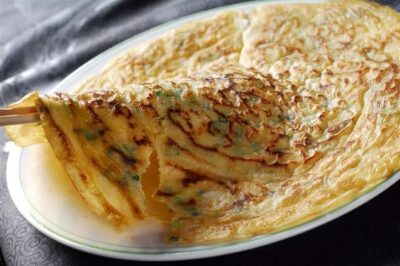
Authentic Local Food Tour in Central Shanghai
Read our review →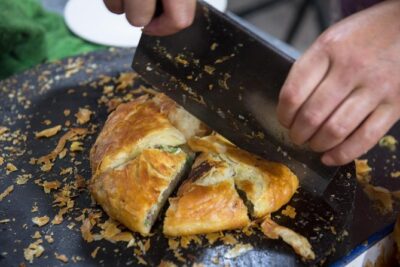
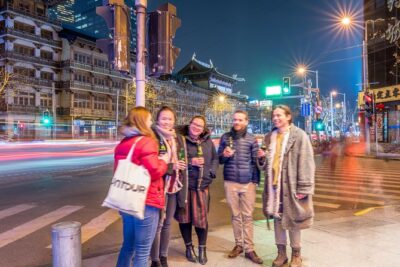


Temple Heaven, Lama Temple, Summer Palace & Peking Duck Bus Tour
Read our review →
Hong Kong’s Tin Hau Hidden Eats Food Tour with 7+ Local Tastings
Read our review →
Hong Kong Food Tour: Central and Sheung Wan Districts
Read our review →Browse the lists this tour appears in