
Reviewed · TEA TASTINGS
Half-day Private Mahjong course in Local Tea House
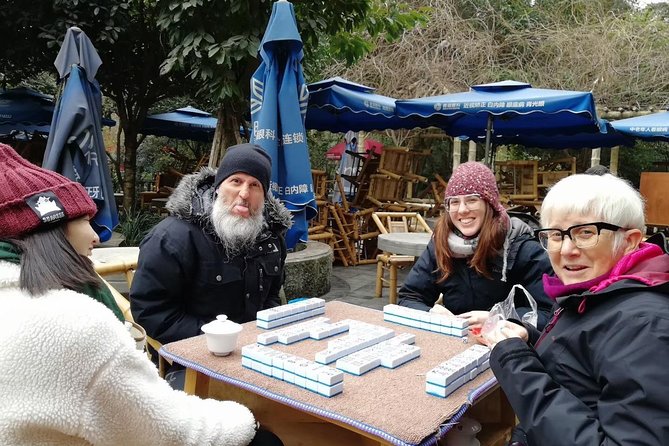
Chengdu’s famous game of Mahjong makes a fine doorway into local life. This private half-day outing takes you first to a neighborhood spice market, then to a cozy tea room where an English-speaking guide teaches you the game over tea and snacks.
I like the local market setting, which gives you a look at Sichuan cooking beyond restaurant menus. I also like the private format: your guide can adjust the Mahjong lesson to your pace, and a solo guest may receive one-on-one attention rather than being folded into a large group.
The main thing to consider is the game itself. Mahjong is not a quick five-minute demonstration, and the full game normally needs four players. If you want a fast sightseeing tour, this may feel slow. If you enjoy learning a local pastime, the three-hour format gives the activity room to make sense.
Key points to know before booking
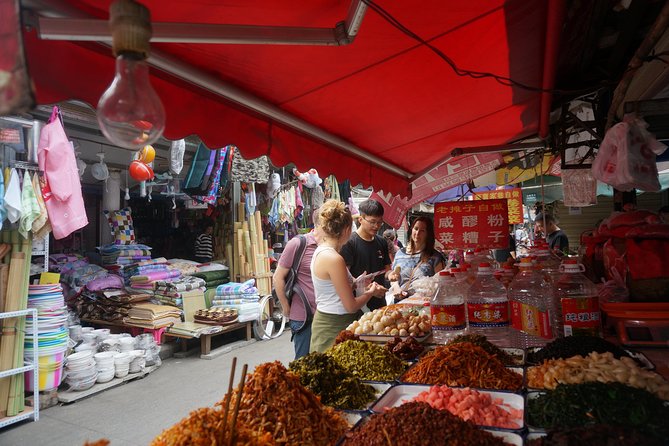
- A spice market comes first: Learn about Sichuan chilies, spices, and cooking ingredients in a local food market.
- Mahjong is taught from scratch: Your English-speaking guide explains the rules in a simple, practical way before you play.
- Tea is part of the lesson: Afternoon tea, bottled water, snacks, food tasting, and coffee or tea are included.
- The tour is private: Only your own group participates, which is useful for families, couples, and solo visitors.
- Pickup is offered: Hotel pickup and drop-off are available, with the listed meeting point at Zhangjia Alley in Jinniu District.
- The price reflects personal attention: At $60 per person, the value is strongest if you want a cultural activity rather than a standard city sightseeing loop.
Why Mahjong makes sense in Chengdu
Mahjong is not just a tabletop diversion here. It is a familiar social game, often connected with tea, conversation, and time spent together. You will not simply hear a short explanation and pose for a photo. The point is to learn enough to play.
The game can look confusing at first. Tiles, patterns, turns, and scoring rules do not explain themselves. A guide who teaches in English can make the first hour far less frustrating, especially if you have never seen a Mahjong set before.
I like this kind of activity because it gives you something to do with local culture. You are not only looking at a building or listening to a guide speak. You are handling the tiles, making choices, and testing whether you can follow the rhythm of the game.
The lesson also gives the market visit more meaning. Once you have seen the spices used in Sichuan food and then shared tea while playing a traditional game, Chengdu feels less like a list of attractions and more like a place where people cook, drink, chat, and play.
Other tea to sit down with in Chengdu:
- Leshan Buddha + Panda Base or Old Tea House Private Day Tour
★ 5.0 · 19 reviews - 6-Hour Private Chengdu City Walking Tour with Tea Tasting
★ 4.5 · 10 reviews - Experience Chengdu: Private Tea-Making Day Tour of Mengdingshan Tea Plantation
★ 4.5 · 7 reviews
The spice market: Chengdu through its ingredients
The outing begins with a visit to a local spice market. This is the strongest part of the tour for anyone curious about Sichuan food. Your guide introduces different Sichuan spices and ingredients, including the items used in local cooking.
The market is not presented as a grand sightseeing stop. That is part of its appeal. You get a look at a neighborhood food scene and a better sense of what goes into the flavors found across Chengdu.
Sichuan cuisine is known for its layered use of spice, heat, fragrance, and savory ingredients. A market visit helps you separate those elements. Rather than treating every red pepper as simply hot, you can ask how ingredients are used and which ones are common in local dishes.
Food tasting is included, along with snacks and drinks. The exact items can vary, so I would treat this as a chance to sample and ask questions rather than as a full meal. You should still plan your day around lunch or dinner if you need a substantial meal.
The market portion also makes a good introduction for first-time visitors. A guide can explain what you are seeing, point out unfamiliar ingredients, and connect the displays to Sichuan cooking. Without that help, a spice market can be interesting but hard to read.
One practical point: markets are active working places, not polished museum exhibits. You may find close quarters, strong smells, and plenty of unfamiliar products. That is exactly why the stop works for visitors who want a less packaged view of Chengdu, but it may not suit someone looking for a quiet, highly structured attraction.
From the market to a Chinese-style tea room
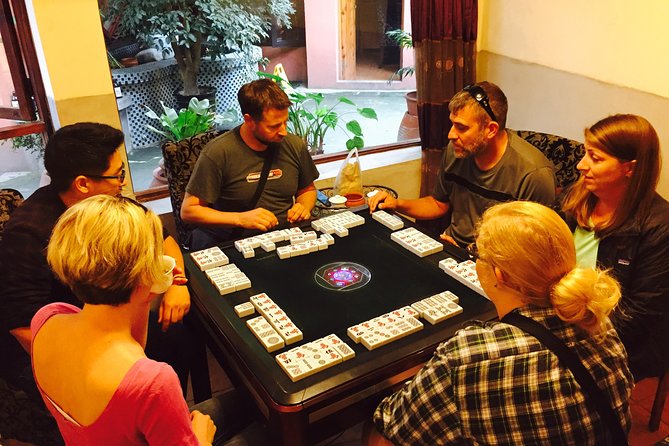
After the market, you move to a cozy room with Chinese characteristics for the Mahjong lesson. The setting matters. A tea room gives the game the right social frame, and the combination of tiles, tea, and snacks feels more natural than learning in a generic classroom.
The experience includes afternoon tea, bottled water, and coffee or tea. These are simple inclusions, but they help the three-hour session feel like a cultural visit rather than a paid lesson that ends as soon as the rules are explained.
The space is described as cozy, so do not expect a large entertainment venue or a formal performance hall. The smaller setting is useful for learning because you can ask questions without competing with a crowd.
The tour is private, and that changes the pace. A couple can work through the basics together. A family can ask for repeated explanations. A solo visitor may have the guide’s full attention, although playing a complete game can be challenging with fewer than four people.
One guest who booked alone found the format especially personal and noted the usual four-person requirement for Mahjong. The practical lesson is simple: if you are traveling solo, ask how the session will be arranged before booking. The guide may teach through practice hands or adapt the format, but the supplied details do not promise a full four-player table for every booking.
Learning the rules without getting buried in them
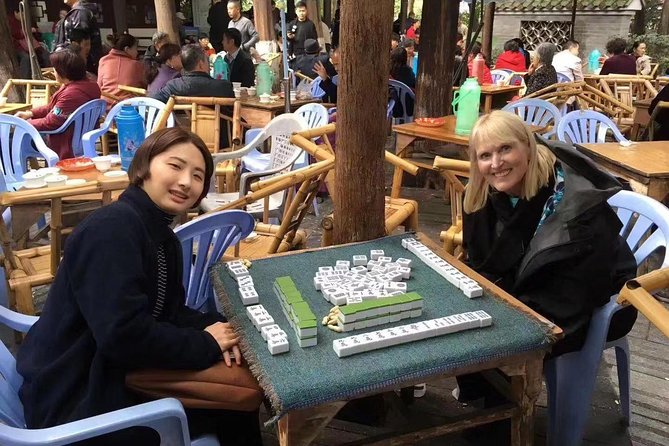
The guide explains Mahjong in an easy way, then gives you time to test your understanding. That teaching approach is important. Mahjong has enough rules to make a rushed lesson confusing, especially when you are also learning unfamiliar tile symbols.
You can expect the session to move from explanation to practice. Your guide introduces the tiles and basic play, then helps you make decisions as the game develops. This is not a formal certification course, and the purpose is not to master every regional variation in one afternoon.
The description compares Mahjong to gin rummy, which gives you a rough idea of its strategic feel. You collect combinations, watch what is being played, and decide which tiles to keep or discard. The comparison is only a starting point, but it helps explain why the game rewards memory, patience, and a little luck.
I would arrive ready to ask questions. If a rule seems unclear, stop and ask the guide to show you with the tiles. Seeing one example on the table is likely to help more than hearing a long explanation.
The guide’s teaching style is one of the main factors in the experience. Lance is the named host connected with the class, and the tour’s English-speaking guide is expected to explain the rules and local context. If your booking is led by someone else, the same general format applies, but the personality and teaching pace may differ.
Other half-days in Chengdu:
- Half-Day Chengdu Cooking Class with a Local Market Visit
★ 5.0 · 465 reviews - Private Half-Day Chengdu Panda Breeding Center Tour with Optional Volunteer
★ 5.0 · 353 reviews - Half-Day Chengdu Back Alley Foodie Tour
★ 5.0 · 58 reviews - Half-Day steamed Buns Cooking Class with a Local Market Visit
★ 5.0 · 26 reviews
What the personal guiding adds
The guide does more than move you from one stop to another. The local market, the tea room, and the Mahjong table all work better when someone can explain what you are seeing and answer questions as they come up.
A guide may also point out sights along the drive. One account describes the guide explaining places passed on the way to the activity, which adds a small city orientation to the outing. I would not book this as a full Chengdu sightseeing tour, but the ride can help you connect the neighborhood visit with the wider city.
The personal tone is another strength. The setting is intended to feel like time spent with a local person, not a large group lesson. That can be especially welcome after visiting major sights where you are constantly moving with other people.
Still, private does not mean every minute will be customized. The basic route remains the spice market followed by the tea-house Mahjong lesson. You should choose this for the quality of the interaction and the subject matter, not because you expect a completely open-ended private tour of Chengdu.
How the $60 price holds up
The price is $60 per person. That is not the cheapest way to spend three hours in Chengdu, but the comparison should include what you are getting.
The fee covers a private guide, hotel pickup and drop-off, market exploration, food tasting, tea, snacks, bottled water, and the Mahjong lesson. If you value personal instruction and do not want to arrange transport or find a tea house yourself, the price is reasonable.
The value is strongest for a first-time visitor who wants a cultural activity with a clear focus. You are paying for access, explanation, and a local setting, not for a long list of famous monuments.
The value is weaker if your main goal is sightseeing. You will not spend the afternoon touring Chengdu’s biggest landmarks. You also should not expect a full meal or an advanced Mahjong course. The tour earns its price through the combination of local food culture and personal teaching.
Group discounts are available, so the cost may make more sense for a small group. Since the activity is private, you should check how the final price changes with your party size before booking.
The experience is booked an average of 43 days in advance. That suggests planning ahead, especially if you have a fixed Chengdu schedule. Confirmation is provided at booking, and free cancellation is available until 24 hours before the start time. Changes or cancellations inside that 24-hour window are not refunded.
Timing, pickup, and meeting details
The outing lasts about three to four hours, with the described course taking around three hours. That is enough time for both the market and the game without taking up an entire day.
Hotel pickup and drop-off are offered, which helps if your hotel is not close to the listed starting point. The official meeting point is Zhangjia Alley in Jinniu District, Chengdu, Sichuan, postal code 610083. The activity is also near public transportation.
Because the information lists both hotel transport and an end back at the meeting point, I would confirm the exact pickup and return arrangement when you book. The operator contacts guests to clarify hotel location, so provide your accommodation details clearly.
The activity is suitable for most people, and children must be accompanied by an adult. The minimum age is five. That does not mean every five-year-old will enjoy a long Mahjong lesson, so families should think about attention span and interest in a table game.
Who will enjoy this most
I would choose this experience if you want to:
- Learn a local game instead of only photographing attractions
- Understand the ingredients behind Sichuan food
- Spend time in a private, small-scale setting
- Meet an English-speaking local guide
- Add a relaxed afternoon activity to a Chengdu itinerary
- Travel solo but still want personal instruction and conversation
It is also a good choice for couples and families who enjoy learning together. The private format means you do not have to match the pace of strangers.
I would skip it if you dislike table games, want a packed sightseeing schedule, or need a full meal rather than tastings and snacks. It may also disappoint you if you expect to become an expert at Mahjong in one afternoon. The realistic goal is to understand the basic play and enjoy the social setting.
My booking advice
This is a strong choice for a slower, more personal side of Chengdu. The spice market gives the outing a clear local-food focus, while the tea-house lesson offers a practical way to connect with a traditional game.
I especially like the balance between looking and doing. You explore ingredients, taste food, drink tea, and then take part in the game yourself. The main caution is to confirm how a solo booking or small group will handle the normal four-player structure.
At $60, I would book this if you value a private guide and an activity that feels different from standard city touring. I would not book it as a substitute for Chengdu’s major sights. Choose it as a three-hour cultural break, and it should fit neatly into a visit focused on food, conversation, and local life.
FAQ
How long does the Mahjong and spice market experience last?
The activity lasts approximately three to four hours. The described Mahjong course itself takes about three hours.
What does the tour include?
It includes a professional guide, hotel pickup and drop-off, afternoon tea, bottled water, food tasting, snacks, and coffee or tea.
Is this a private tour?
Yes. Only your own group participates in the activity.
Where does the experience start?
The listed meeting point is Zhangjia Alley in Jinniu District, Chengdu, Sichuan, China, 610083. Hotel pickup is also offered.
Does the tour include Mahjong instruction in English?
Yes. The activity includes an English-speaking guide who teaches the rules of Mahjong.
Can children join the activity?
Children can participate from age five, but they must be accompanied by an adult.
What is the cancellation policy?
You can cancel at least 24 hours before the local start time for a full refund. Cancellations or changes made less than 24 hours before the start time are not refunded or accepted.
New reviews from Chengdu
- Classic 3-Day Jiuzhaigou Private Tour(Transportation+Tickets)★ 5.0 · 8 reviews
- Jiuzhaigou National Park Tickets Booking★ 4.5 · 4 reviews
- Classsic sichuan Opera at sichuan Provincial Theater★ 5.0 · 4 reviews
- Panda, Leshan, and Emei Mountain 2-day tour★ 5.0 · 4 reviews
- Visiting Chengdu Panda Base in a Half Day★ 5.0 · 4 reviews
- Mini Group: Half-Day Chengdu Pandas Guided Tour★ 5.0 · 3 reviews
- Sichuan Opera with face-changing at Sichuan opera theater★ 4.5 · 6 reviews
- Tea Village in lost Town and Buddha 1 day tour★ 5.0 · 32 reviews
Tea Tastings, compared.
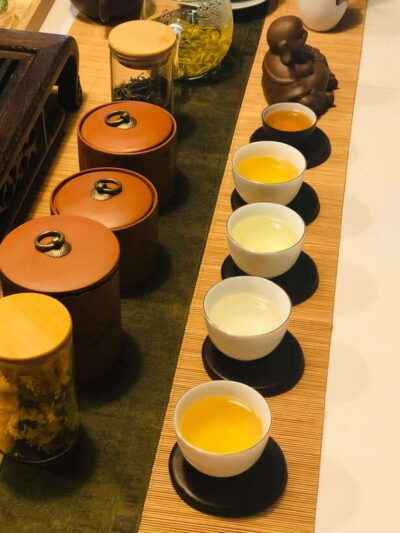
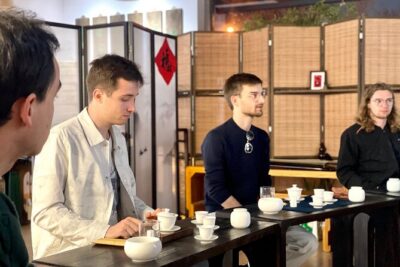
Beijing Culture: Tea Ceremony, Heritage Instrument & Calligraphy
Read our review →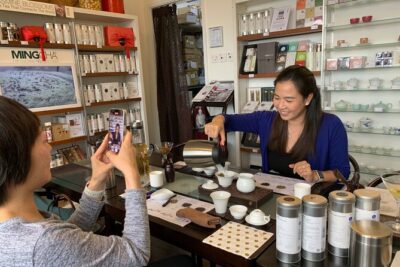

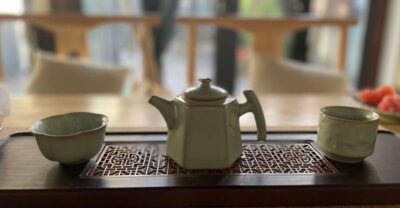
Chinese Tea ceremony in Beijing Hutong courtyard
Read our review →
Half-Day Hangzhou Yunxi Bamboo Forest and Tea Plantation Experience
Read our review →
Leshan Buddha + Panda Base or Old Tea House Private Day Tour
Read our review →
Afternoon Tea and Dessert Tour on the Huaihai Road in Shanghai
Read our review →Browse the lists this tour appears in