
Reviewed · CALLIGRAPHY & CRAFT CLASSES
Chinese Calligraphy Class for Small Group
Chinese calligraphy becomes much more meaningful when you hold the brush yourself. In this small-group Beijing class, you practice posture, basic strokes, and character forms before creating a piece of your own. The meeting point near Wangfujing makes it an easy cultural break from shopping and sightseeing.
I like the personal instruction and the chance to take home a handmade souvenir, rather than another shop-bought trinket. I also like the choice of class lengths, from 30 minutes to two hours, so you can fit it around the Forbidden City or an evening meal.
The main thing to consider is time. Thirty minutes gives you a quick introduction, but it may feel rushed if you want to practice and produce a finished piece. The one-hour or 90-minute options offer a better balance.
Key points to know before you book
- You practice before making your final piece: The class covers brush use, posture, and basic strokes before you work on a keepsake.
- The meeting point is near Wangfujing: Begin in the lobby of Hilton Beijing Wangfujing, then head to the class location with help from the teacher.
- Several class lengths are available: Choose 30 minutes, 45 minutes, one hour, 90 minutes, or two hours.
- Small groups make instruction more personal: The maximum group size is 15 people, with some sessions likely to feel much smaller.
- Cultural ideas are part of the lesson: The teacher introduces Yin-yang concepts and simple standing exercises intended to settle your attention.
- Richard is often praised for patience and care: He may meet you outside or help if you have trouble finding the entrance.
Why this Beijing class is more than brush practice
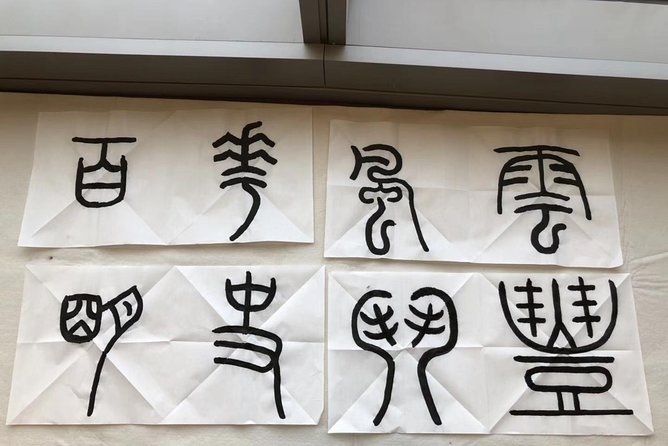
Chinese calligraphy is not simply handwriting with a different alphabet. The brush changes everything. Pressure, speed, angle, and the amount of ink all affect the mark on the paper. A line that looks easy on a finished scroll can require surprising control.
That makes this class a good choice if you want a hands-on cultural activity in Beijing. You are not only hearing about an old art form. You are learning how the brush moves and seeing how a few simple strokes become a Chinese character.
The experience also introduces a calmer side of Chinese culture. The teacher begins with a standing exercise designed to help you settle down and focus. This is connected to Yin-yang ideas and the notion of finding inner balance. You should not expect a formal meditation course, but the pause gives the class a more thoughtful shape than a basic craft workshop.
I like this combination. You get a practical activity, but you also get a small window into the ideas behind it.
More Calligraphy and Craft Classes in Beijing
- Beijing Calligraphy Class
★ 4.9 · 112 reviews - Beijing Historic City Guided Walking Tour + Calligraphy Creation
★ 5.0 · 59 reviews - Beijing Wangfujing Calligraphy Class by Forbidden City
★ 5.0 · 58 reviews
Meeting at Hilton Beijing Wangfujing
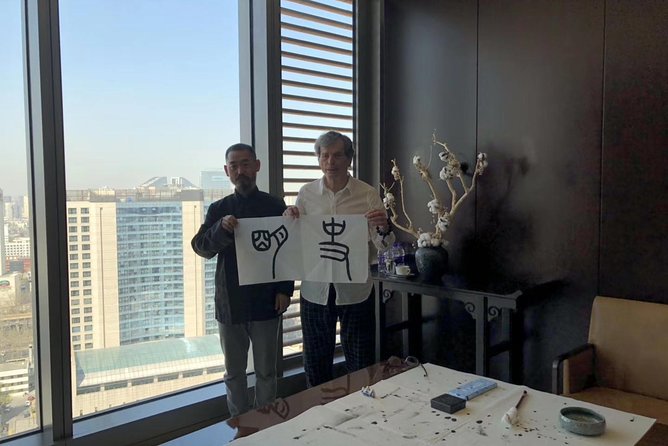
The advertised meeting point is the lobby of Hilton Beijing Wangfujing, at 8 Wangfujing East Street in Dongcheng District. It is near public transportation and close to one of Beijing’s best-known shopping areas, so the class is easy to pair with a central Beijing sightseeing day.
The meeting point and the actual teaching room may not be exactly the same place. The class takes place in an arts center and shares an entrance with a mixed martial arts club, with restaurants on either side. The location marker can bring you to the road rather than directly to the door, so pay attention to building numbers.
This is worth knowing before you arrive. If you are unsure, contact the teacher. Richard has helped people find the entrance and has met participants outside to guide them in. That small bit of support matters in a city where a map pin may not always tell the whole story.
Allow a few extra minutes to get your bearings. The activity ends back at the meeting point area, and there is no separate sightseeing transfer included.
Step one: settle your attention
The lesson begins with a simple standing exercise. Its purpose is to help you slow down and put aside the hurried feeling that often follows a morning of Beijing sightseeing.
This opening may sound unusual if you expect a quick art lesson. I see it as part of the point. Calligraphy depends on controlled movement, and a rushed hand tends to produce shaky, uneven strokes. The short exercise gives you a chance to adjust to the slower pace.
The teacher uses Yin-yang ideas to explain balance and inner calm. You may not remember every philosophical point, but the approach gives context to the practice. Chinese calligraphy has long been tied to discipline, concentration, and the relationship between body and brush.
For children, this is also a useful change of rhythm. The class is not just sitting and listening. They can take part, work with the brush, and make something of their own. Children must be accompanied by an adult.
Step two: learn the brush and posture
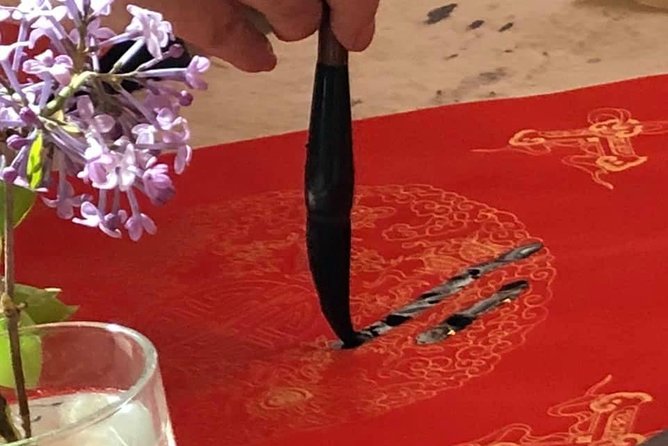
Next, the teacher explains how to hold and use the writing brush. You learn the correct posture and work through the basic strokes of calligraphy.
This is where the class earns its value. A finished character can look simple, but the result depends on several small choices. The teacher shows you how much pressure to use, how to begin a stroke, and how to guide the brush across the paper.
The instruction is aimed at beginners, so you do not need previous calligraphy experience. The class supplies the materials you use during the session. You can focus on the movement instead of worrying about bringing the right brush, ink, or paper.
Richard is the teacher most often identified in the feedback, although other teachers, including David and Robert Lee, have also led sessions. The strongest pattern is personal attention. Richard is described as patient, attentive, friendly, and good at explaining both technique and cultural ideas.
That matters for a first lesson. Brush work can feel awkward at the start, and a teacher who corrects your hand gently can save you a lot of frustration.
Other things to learn to make in Beijing:
- Beijing Culture: Tea Ceremony, Heritage Instrument & Calligraphy
★ 5.0 · 57 reviews - Beijing Wangfujing Calligraphy Class Nearby Forbidden City
★ 5.0 · 56 reviews - Discover Old Beijing: Hutong Walking Tour & Calligraphy
★ 4.3 · 24 reviews - Beijing Hands-On Culture Tour: Tea, Instrument, Calligraphy
★ 5.0 · 6 reviews
Step three: practice before the final artwork
The practice section lets you repeat strokes and try characters before working on your final piece. This is the part you should not rush.
Some participants extended a short booking because they wanted more time to practice. The extra time allowed them to try challenges, improve their brush control, and feel more ready for the finished artwork. You can also add time in advance by selecting a longer class length.
The 30-minute session is best viewed as a brief introduction. It may be enough if you are short on time or mainly want to try the brush. It may not be enough if you want patient instruction, repeated practice, and a polished souvenir.
The one-hour class is a safer choice for most people. The 90-minute option is better for a family or small group that wants to slow down, ask questions, and create a more carefully planned piece. A two-hour lesson suits anyone who wants a fuller introduction rather than a quick activity.
You do not need to be artistically gifted. The goal is not to produce museum-quality calligraphy. The value comes from learning how the marks are made and understanding why the finished character looks the way it does.
Creating a souvenir you can actually use
The final artwork is one of the most appealing parts of this activity. You may create a character such as happiness, then take the finished piece home. Some participants leave with a canvas or a large red hanging ornament bearing their work.
This makes the souvenir personal. It is not merely a printed Chinese decoration selected from a shelf. You made it after learning the strokes and practicing the form. Even an imperfect result carries a memory of the lesson.
The teacher may help you choose or produce a character that has meaning for you. The information available does not promise a particular character for every booking, so do not assume you will receive one specific design. What you can expect is the chance to create a personal final piece using the supplied materials.
For families, this gives the activity a nice ending. Parents and children can compare their work, and the finished calligraphy can go home as a reminder of Beijing. It is also a good option if you want something more meaningful than a standard souvenir.
Tea, conversation, and cultural context
Tea is served during some sessions, according to the experience details shared by participants. This adds a relaxed social element and gives you time to talk with the teacher.
The cultural discussion can extend beyond brush technique. Richard has explained Chinese philosophy and the meaning behind calligraphy, while also sharing tea and conversation. The class therefore works best for people who want interaction, not just a silent demonstration.
The teaching style appears warm and flexible. One family arrived late after a delayed bus from the Great Wall, and Richard stayed later to provide the planned lesson. That kind of flexibility is helpful, though you should still aim to arrive on time. A late start can reduce your practice period, especially if you have booked only 30 or 45 minutes.
Some sessions may also include information about related Chinese arts. Watercolor classes have been mentioned as another possible activity, but it is not part of the standard calligraphy booking unless arranged separately.
Group size, timing, and value at $20
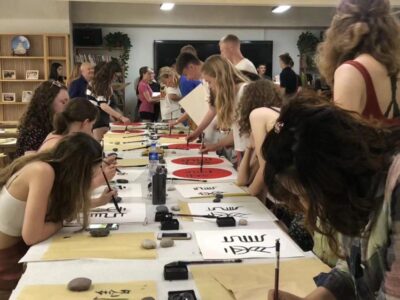
The listed price is $20 per person, with group discounts available. The maximum group size is 15 people. That ceiling is small enough for a workshop, but the actual feel will depend on how many people are booked for your time.
The price is strong for a one-hour activity that includes instruction, materials, and a take-home piece. You are paying for more than access to a room and supplies. You receive help with posture and brush control, plus an introduction to Chinese cultural ideas.
The value improves if you choose 60 or 90 minutes. A short class can be inexpensive but still leave you wishing for more time. If your schedule allows it, I would choose one hour at minimum. Families and couples who want the activity to feel unhurried should consider 90 minutes.
Daily morning, afternoon, and evening class times make scheduling easier. You can place it before sightseeing, use it as a midday pause, or book it after visiting central Beijing attractions. Because the activity lasts about an hour, it is easier to fit into a busy trip than a half-day cultural workshop.
Confirmation is provided when you book, and free cancellation is available up to 24 hours before the local start time. Changes or cancellations made inside that window are not accepted for a refund.
Who will enjoy this experience most
I would recommend this class to first-time visitors who want a direct connection with Chinese culture. It gives you something to do with your hands, and the finished work helps the experience stay with you after the trip.
It is especially suitable for:
- Couples looking for a shared cultural activity
- Families with children who can take part with an adult
- Beginners who want patient instruction
- People who enjoy crafts, art, tea, or philosophy
- Anyone staying near Wangfujing
- Visitors who want a personal souvenir rather than a purchased object
It may be less suitable if you want a formal art-school course or advanced calligraphy training. The class is designed as an introduction. You will learn the foundations, but one visit will not make you an expert.
The 30-minute option may also disappoint if you want a finished piece and time to improve it. Pick the longer option if the creative process matters more than simply trying the brush.
Practical tips for a smoother visit
Book the one-hour session if you are unsure. It gives you time to learn the basic movements without turning the activity into a major time commitment.
Check the meeting instructions carefully and look for the building numbers near the arts center. The entrance is shared with a mixed martial arts club, and restaurants are located on either side. If you do not see the teacher, contact the provider rather than wandering around the block.
Wear something comfortable and arrive ready to slow down. The class involves sitting or standing practice, brush handling, and repeated strokes. The supplies are included, so you do not need to bring art equipment.
If you are traveling with children, stay involved. The class is a shared activity, and children may enjoy it more when an adult practices alongside them. The maximum group size is 15, and most participants can take part, but children need adult supervision.
Should you book the Chinese Calligraphy Class?
Book it if you want an affordable, personal cultural activity near Wangfujing, especially if you like the idea of making a souvenir yourself. The patient teaching, supplied materials, tea, and discussion of Chinese philosophy add more value than a simple brush demonstration.
Choose one hour or longer for the best experience. Pick 30 minutes only if your schedule is tight or you want a quick introduction. Keep the location details handy, allow extra time to find the entrance, and come prepared to practice rather than produce perfect art immediately.
For most visitors, this is a pleasant way to slow down in central Beijing and leave with something made by your own hand.
FAQ
Where does the class meet?
The meeting point is in the lobby of Hilton Beijing Wangfujing at 8 Wangfujing East Street in Beijing’s Dongcheng District.
How long does the class last?
You can choose a 30-minute, 45-minute, one-hour, 90-minute, or two-hour class when booking.
What happens during the class?
The teacher introduces a standing exercise, explains posture and brush handling, teaches basic strokes, and gives you time to practice before creating a final calligraphy piece.
Are calligraphy supplies included?
Yes. Calligraphy supplies used during the class are included.
Can I take my artwork home?
Yes. The experience includes a personal finished piece that you can take home as a souvenir.
Is the class suitable for beginners?
Yes. The class teaches basic brush use, posture, and strokes, so previous calligraphy experience is not required.
What is the maximum group size?
The activity allows a maximum of 15 participants.
Are children allowed to join?
Yes. Children may participate, but they must be accompanied by an adult.
Is the location close to public transportation?
Yes. The meeting point is near public transportation.
Can I cancel for a full refund?
Yes. You can cancel at least 24 hours before the local start time for a full refund. Cancellations and changes made less than 24 hours before the start time are not accepted for a refund.
More classes and workshops in Beijing
- Beijing: Dumpling Making Workshop with Meal and Tea
★ 4.7 · 69 reviews - Online Cooking Class Beijing Dumplings and Cuisine by Sunflowerli Renowned Chef
★ 5.0 · 65 reviews - Chinese Kungfu class in old temple beside Forbidden Ci
★ 4.8 · 53 reviews - Beijing Private Tai Chi Class
★ 5.0 · 16 reviews
New reviews from Beijing
- Jinshangling Great Wall Of Beijing Tickets And Other Option★ 4.0 · 4 reviews
- Hutong Walking Tour: Discover Real Beijing without Crowds★ 5.0 · 47 reviews
- Beijing: Best Great Wall Sunset Tour★ 5.0 · 7 reviews
- Gubei Water Town Simatai Great Wall Ticket And Options★ 4.5 · 8 reviews
- Great Wall Jinshanling To Simatai West Hiking Private Tour★ 5.0 · 13 reviews
- From Beijing: Mutianyu Great Wall Private Tour with Lunch★ 5.0 · 9 reviews
- From Beijing: Badaling Great Wall Bus Group Tour★ 4.4 · 41 reviews
- Beijing: All-Inclusive 3-Day Private Tour of Must-See Sights★ 5.0 · 35 reviews
Calligraphy & Craft Classes, compared.
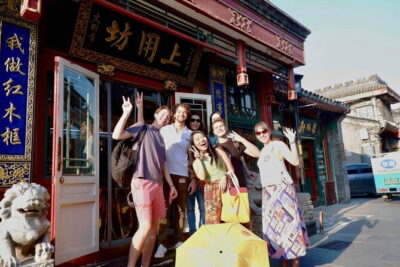
Beijing Historic City Guided Walking Tour + Calligraphy Creation
Read our review →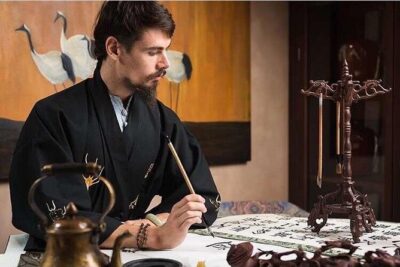
Beijing Wangfujing Calligraphy Class by Forbidden City
Read our review →
Beijing Culture: Tea Ceremony, Heritage Instrument & Calligraphy
Read our review →
Discover Old Beijing: Hutong Walking Tour & Calligraphy
Read our review →
One Hour Chinese Calligraphy or Painting Lessons in Yangshuo
Read our review →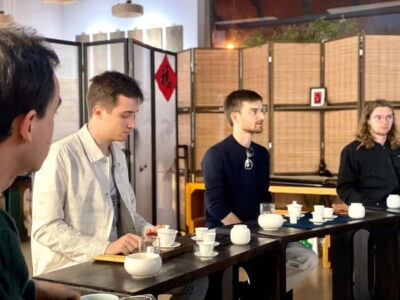
Beijing Hands-On Culture Tour: Tea, Instrument, Calligraphy
Read our review →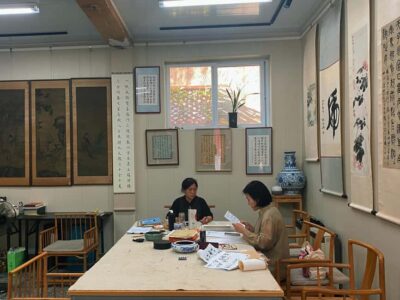
Beijing liulichang : Learn Calligraphy orCarving from Master
Read our review →Browse the lists this tour appears in