
Reviewed · WORKSHOPS
Unlock Chinese Tea: Culture, Science, Tasting & Hands-on Brewing
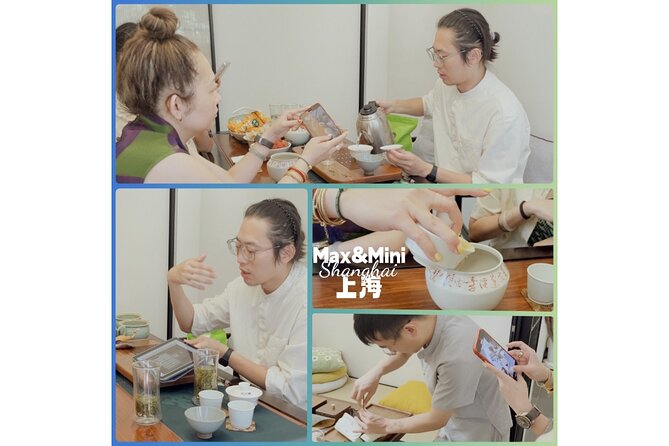
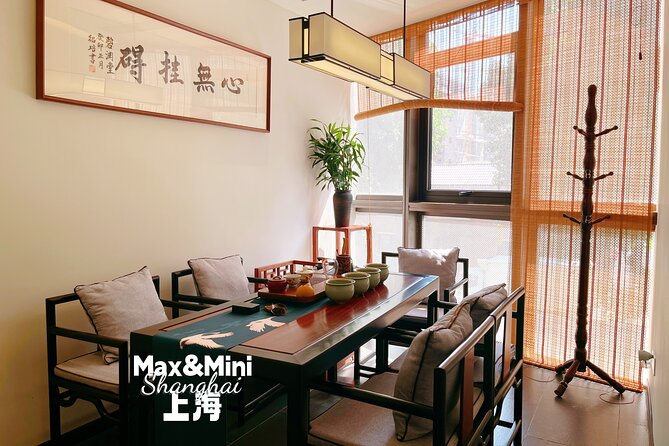
The most useful part of this Shanghai activity is that you do not simply drink tea and hear a few polite facts. Max explains the history, science, processing, and customs behind Chinese tea, then puts tea ware in your hands so you can brew it yourself. The session takes place in a private tea-house room near the Old Town, not on a noisy sightseeing route.
I like two things here. First, Max leads the experience himself, bringing a trainer’s clear teaching style to a subject that can otherwise feel confusing. Second, the small group, capped at seven, gives you room to ask questions and compare teas at your own pace. The main consideration is price: at $72 per person, this is not a casual tea stop, so it makes the most sense if you want a focused cultural class rather than just a drink.
What makes this tea workshop worth your time
- Taste several Chinese teas: Compare different aromas, colors, textures, and aftertastes instead of treating all tea as one drink.
- Learn the six main tea categories: Green, black, oolong, and other categories become easier to understand when you connect them to how the leaves are processed.
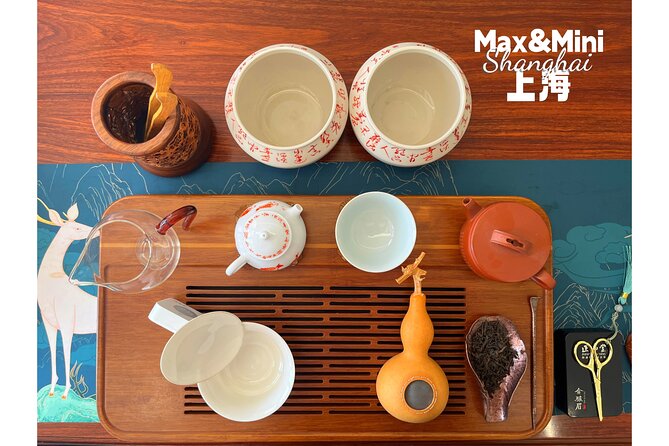
- Practice with real tea ware: Use a gaiwan, clay pots, and other brewing tools while learning basic technique and etiquette.
- Hear tea’s story across Chinese dynasties: The session traces tea’s change from medicinal herb to everyday drink.
- Enjoy tea snacks: Seasonal fruit and other snacks help explain what people traditionally eat alongside tea.
- Stay in a very small group: With no more than seven people, the class can feel personal, and one-to-one sessions may sometimes be possible.
A tea lesson that goes beyond the tasting cup
This is best understood as a workshop, not a standard guided tour. The subject is Chinese tea, but the method is practical: listen, look, taste, compare, and brew.
Max is the only guide for the experience. He previously worked as a PayPal ESG lead and senior trainer, and now works as a certified English guide focused on Chinese culture and tea. That background matters. Tea has its own vocabulary, equipment, timing, and etiquette, and a guide who can teach clearly is more useful than someone who simply knows a list of tea names.
You can expect explanations aimed at both beginners and people who already drink tea. If you know little beyond green tea and black tea, the categories and tasting comparisons give you a clear starting point. If you already brew tea at home, the hands-on part gives you a chance to ask more precise questions about water, pouring, tea ware, and technique.
The pace is about two and a half hours. That is long enough to cover the subject properly, but short enough to fit into a Shanghai sightseeing day. Plan for a seated indoor activity rather than a fast-moving walk.
Other breweries around Shanghai:
- Tea Tasting & Brewing Experience
★ 5.0 · 10 reviews
Meeting at Shanghai’s Old Town
The listed meeting point is Ninghai Guesthouse, at 149 Nong, 100 Nanchezhan Road, Huangpu District, Shanghai, postal code 200011. The activity is associated with the Old Town, and it ends back at the meeting point.
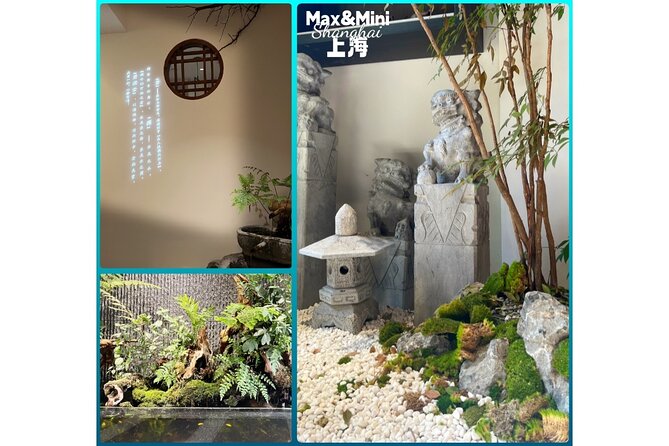
This is important when planning your day. The tea experience is not a broad city tour with several major sights. The Old Town reference helps place it within Shanghai, but the main event happens in a private, comfortable tea-house room. You should treat the location as a base for the workshop, not expect a long guided circuit through historic streets.
The exact address is worth saving on your phone before you leave. A mobile ticket is provided, and the activity is near public transportation, but an unfamiliar Shanghai address can still take extra time to locate. Give yourself a little breathing room so you arrive ready to begin rather than trying to find the entrance at the last minute.
The room has air conditioning and practice tea ware. That makes a real difference in Shanghai, especially when you want to concentrate on tasting instead of dealing with heat or a crowded public tea room.
Understanding China’s six tea categories
One of the strongest parts of the workshop is the explanation of China’s six major tea categories. The point is not merely to memorize labels. You learn how the treatment of the leaves shapes what ends up in your cup.
Green, black, and oolong tea are specifically part of the teaching. The wider classification also covers other major styles, giving you a framework for understanding Chinese tea beyond the familiar supermarket terms.
The visual material helps here. You see how tea leaves can be shaped and processed, then taste the result. This connection between method and flavor is useful because tea names can be hard to remember on their own. A smoky, floral, grassy, roasted, or fuller taste begins to make more sense when you understand how the leaf was handled.
The workshop also places tea in time. You hear how it moved from use as an herb to use as a daily drink, with the story linked to different Chinese dynasties. This gives the tasting a cultural setting without turning the class into a lecture disconnected from the cup in front of you.
I like this structure because it answers the question many people have after buying Chinese tea: why do two teas made from leaves seem so different? The answer is partly the plant, partly the growing area, and heavily tied to processing. The class helps you see that tea is not just a beverage choice. It is also a record of technique and custom.
Tasting several teas side by side
The tasting is designed around comparison. You sample various Chinese teas, with the supplied details describing several types and individual accounts referring to five different teas or six teas. The exact selection can vary, so it is better to think of this as a guided range than a fixed menu.
That flexibility is a good thing. Tea is affected by season, availability, and the style Max wants to explain. You are not just handed a cup and told to like it. You are encouraged to notice differences in color, aroma, body, and finish.
The basic tasting skills are simple and useful:
- Look at the dry leaves and brewed color.
- Smell the tea before drinking.
- Take small sips and notice the first taste.
- Pay attention to what remains after swallowing.
- Compare one tea with the next rather than judging each in isolation.
You do not need a trained palate. The purpose is to give you language and confidence. After the session, you should be better prepared to describe what you like and to make a more informed choice in a tea shop.
Seasonal fruit and other snacks are served during the class. One account specifically mentions pomelo, along with snacks suited to tea. This adds a pleasant break and shows how tea can fit into ordinary social habits, not just formal ceremonies.
Other eating and drinking in Shanghai:
- Authentic Local Food Tour in Central Shanghai
★ 5.0 · 1,382 reviews - Eat Like A Local: Shanghai Night Food Tour
★ 5.0 · 616 reviews - Half-Day Bike Tour of Shanghai Old Town with Food Tasting
★ 5.0 · 306 reviews - Late Night Food Tour in the Shanghai’s French Concession
★ 5.0 · 260 reviews
Brewing with a gaiwan and clay pots
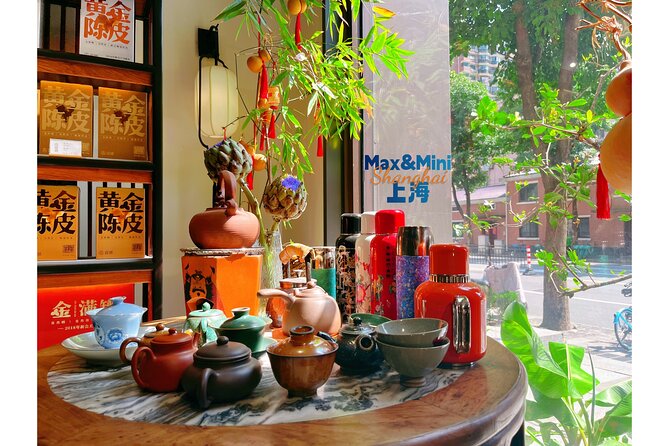
The hands-on brewing is what turns the session from an interesting talk into a skill-building activity. You practice with different tea ware, including a gaiwan and clay pots, and learn basic methods and etiquette.
A gaiwan is a small lidded bowl used for brewing and pouring tea. It looks simple, but handling it neatly takes a little practice. The exercise lets you focus on pouring, timing, and serving without the pressure of getting everything perfect.
Clay pots bring another approach. Different tea ware can change the brewing experience and is tied to different habits and preferences. You do not need to become an expert pot collector after one class. The useful result is knowing that the tool, amount of leaf, water, and steeping time all matter.
This practical emphasis is particularly helpful if you plan to buy tea in China. You can return home with a clearer idea of how to use a gaiwan or pot, rather than leaving with attractive leaves and no idea what to do with them.
Etiquette is included as part of the brewing practice. That gives you a better sense of how tea is offered and shared in Chinese settings. The lesson is not presented as a stiff ceremony. It is a chance to understand the small gestures and habits that make tea service feel natural.
Why the small group changes the experience
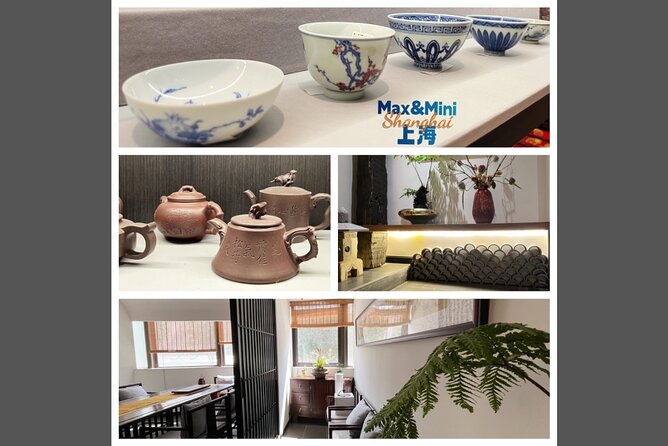
The maximum group size is seven. That is small enough for direct questions and personal correction when you are holding the tea ware.
A larger group would make this subject less effective. You might still hear the history, but you would spend less time practicing and might not get help with pouring or brewing. Here, the format supports a more relaxed exchange.
There is also evidence that the experience can work well for a solo booking. One participant received a one-to-one workshop on short notice and found the format especially personal. That does not guarantee a private session every time, but it shows that Max can adapt when the group is small.
The small size also suits people who prefer a quiet indoor activity. You are not competing with a bus tour or a crowded restaurant for attention. The room is set up with air conditioning and tea equipment, so the focus stays on the subject.
The trade-off is that this is not a large social event. If you want a lively group outing with lots of movement, this may feel too calm and concentrated. If you enjoy asking questions and learning through practice, the format is a strong match.
What $72 buys you in Shanghai
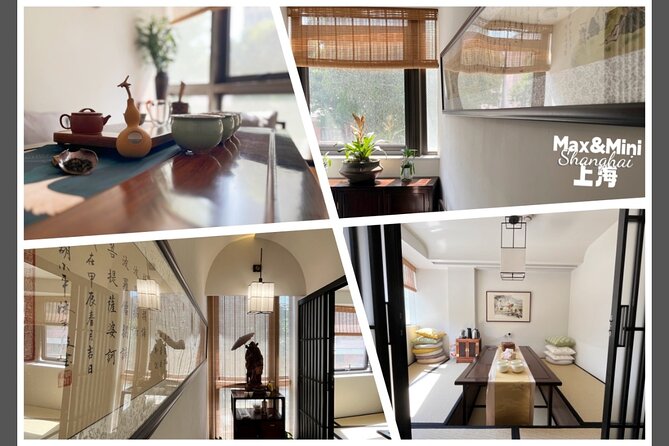
The price is $72 per person. That is a serious charge for a two-and-a-half-hour tea session, so value depends on what you want from the afternoon.
You are paying for more than the tea itself. The cost includes Max’s instruction, access to a private tea-house room, the tasting, snacks, visual teaching materials, and use of brewing equipment. You also get a structured lesson rather than an unplanned stop at a tea shop.
I would compare it with the price of an ordinary tea break in Shanghai, but not too closely. A simple cup of tea costs far less. This experience is closer to a private cultural class, especially when the group is small. If you only want to sample Chinese tea, the price may feel high. If you want to understand what you are tasting and learn how to brew it, the fee is easier to justify.
Group discounts are available, which can improve the value for companions booking together. The format is also useful early in a China trip. You can use the skills later when buying tea, ordering in a tea house, or accepting tea in a local setting.
Tips for Max are not included. They are optional, but you can leave something if you feel the teaching and hosting added value to your day.
Who should book this experience
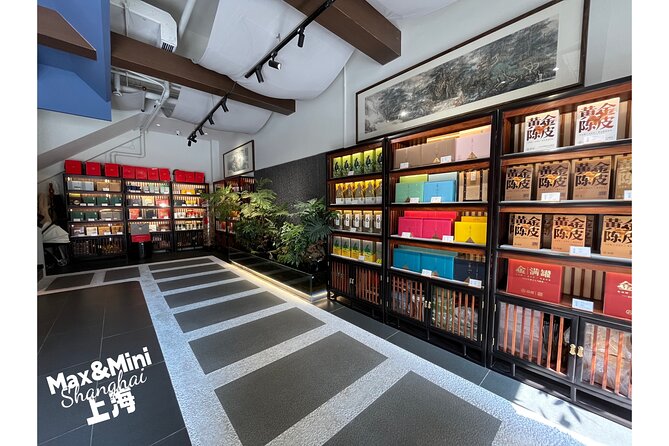
I would recommend it most strongly to:
- First-time visitors who want a clear introduction to Chinese tea culture.
- Tea drinkers who want to compare styles in one sitting.
- People who learn better by doing than by listening to a lecture.
- Couples, friends, and small groups looking for a calm indoor activity.
- Solo participants who enjoy direct conversation and personal instruction.
- Visitors who want cultural context they can use during the rest of their China trip.
It is also suitable for locals looking for an unusual activity. The English-language format makes it practical for international visitors, and the class does not require prior tea knowledge.
You may want to skip it if you are short on time, dislike seated lessons, or only want a quick drink. The Old Town location does not turn the activity into a full sightseeing tour, and the focus remains firmly on tea.
Practical details before you go
Confirmation is provided when you book, and a mobile ticket is available. The activity is near public transportation, and service animals are allowed.
Free cancellation is available if you cancel at least 24 hours before the local start time. Inside that 24-hour window, the payment is not refunded, and last-minute changes are not accepted.
The meeting and ending point are the same. Since the address is written in both English and Chinese, keep the Chinese address available on your phone in case you need to show it to a driver or ask for directions.
The experience lasts approximately two hours and thirty minutes. Coffee and tea are included, with the focus on Chinese tea, and snacks are served. The private room has air conditioning and brewing equipment for practice.
Should you book Max’s tea workshop?
Book it if you want to understand Chinese tea instead of simply consuming it. The combination of history, processing, side-by-side tasting, snacks, and brewing practice gives the session a useful shape, and Max’s training background suits a subject that benefits from clear instruction.
At $72, it is not the cheapest way to drink tea in Shanghai. It is a better choice for someone who wants a focused lesson, a small group, and skills to take home. If that sounds like your kind of afternoon, this is a thoughtful addition to a Shanghai itinerary. If you just need a refreshing cup between sights, spend less elsewhere.
FAQ
How long does the Chinese tea experience last?
The activity lasts approximately two hours and thirty minutes.
Where does the activity begin and end?
It begins and ends at Ninghai Guesthouse, located at 149 Nong, 100 Nanchezhan Road, Huangpu District, Shanghai, postal code 200011.
Who leads the tea workshop?
Max leads the workshop. He is a certified English guide, a Chinese culture and tea specialist, and a former PayPal ESG lead and senior trainer.
How many people can join the experience?
The maximum group size is seven people.
What teas and topics are included?
You taste several Chinese teas and learn about the six major tea categories, including green, black, and oolong tea. The session also covers tea’s development across Chinese dynasties, processing, tasting, brewing, and etiquette.
Is food included?
Yes. Tea snacks are included, and the tasting may include seasonal fruit such as pomelo.
Can I cancel for a full refund?
Yes, if you cancel at least 24 hours before the experience’s start time. Cancellations made less than 24 hours in advance are not refunded.
More classes and workshops in Shanghai
- 2-Hour Private Chinese Ink and Brush Painting Workshop in Shanghai
★ 5.0 · 15 reviews - Private Home Cooking Class with Shanghai Mama
★ 5.0 · 14 reviews - 2.5hrs Chinese Kitchen Cooking Class: Xiaolongbao Soup Dumplings
★ 5.0 · 12 reviews - Online Cooking Class Fried Rice by Sunflower Li
★ 4.5 · 5 reviews
New reviews from Shanghai
- Shanghai To Beijing Bullet Train Ticket with Local Private Transfer★ 5.0 · 12 reviews
- Shanghai Spicy Food Tour★ 5.0 · 3 reviews
- Shanghai Uncommon Historic Sites Tour★ 5.0 · 3 reviews
- Shanghai Pudong airport transfer to Disneyland:Private with Meet & Great service★ 5.0 · 3 reviews
- Shanghai Tower Observation Deck 118 floor Tickets Pre-booking.★ 5.0 · 4 reviews
- Pudong Airport to Hangzhou: Private with Meet and Greet Service★ 4.5 · 4 reviews
- Private Transfer: Hotel to Shanghai Wusongkou Cruise Terminal (Baoshan Port)★ 3.5 · 6 reviews
- Shanghai Pudong International Airport (PVG) to Shanghai Hotel★ 5.0 · 4 reviews
Workshops, compared.
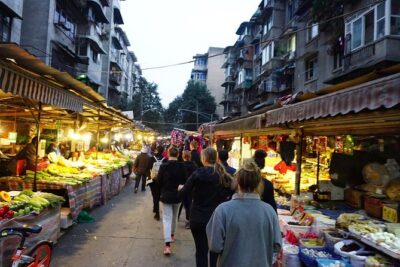
Half-Day Chengdu Cooking Class with a Local Market Visit
Read our review →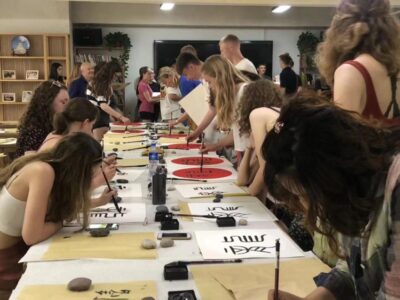
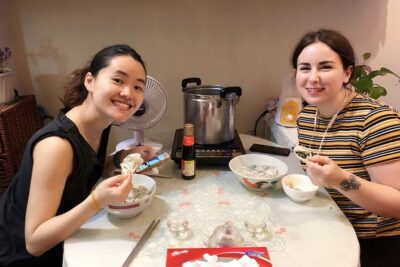
Organic Chinese Dumpling Class with Market Walk
Read our review →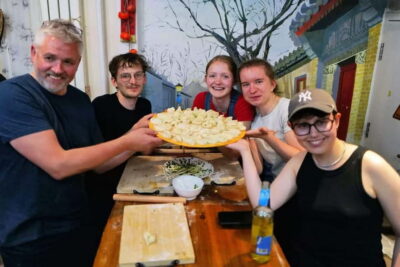
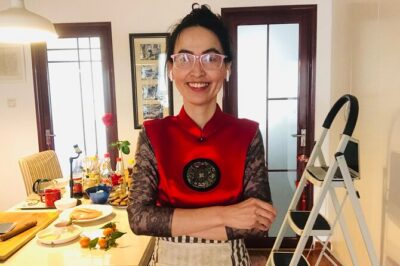
Online Cooking Class Beijing Dumplings and Cuisine by Sunflowerli Renowned Chef
Read our review →
Organic Xiao Long Bao Soup Dumpling Class & Market Walk
Read our review →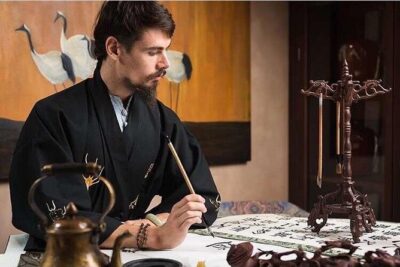
Beijing Wangfujing Calligraphy Class by Forbidden City
Read our review →Browse the lists this tour appears in