
Reviewed · TEA TASTINGS
Chinese Tea Ceremony Experience
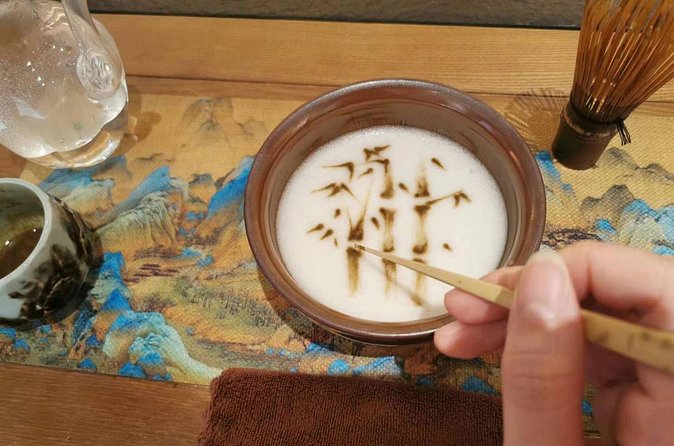
The most unusual part of this Shanghai experience is Song Dynasty tea whisking, known as Dian Cha. This old method predates modern matcha preparation and gives you something to do with your hands, not just a row of cups to sip. I like the mix of history and practice, and I like that the tea master explains how different teas are made and enjoyed.
You also get a traditional Chinese setting, a tea set, and the chance to wear Hanfu for photos. The main caution is the price: at $159 per person, this is costly for a three-hour tea session, even though the private format and hands-on teaching add value.
Key points about this Shanghai tea ceremony
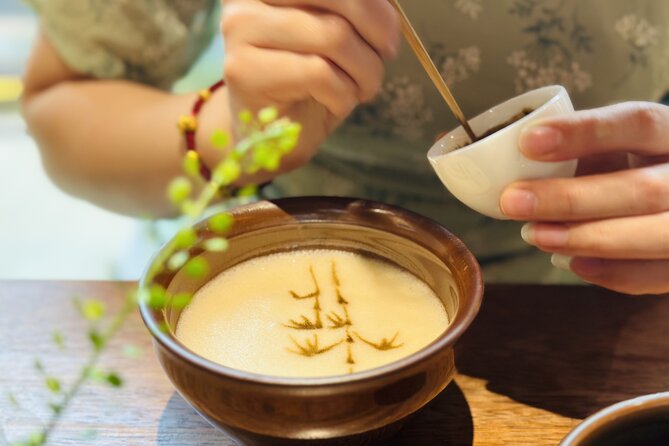
- Song Dynasty Dian Cha: Learn a historic whisking method that came before modern matcha preparation.
- Several tea categories: Taste and brew teas ranging from delicate green tea to bold pu’er.
- Private group format: Only your group takes part, which makes it easier to ask questions and practice.
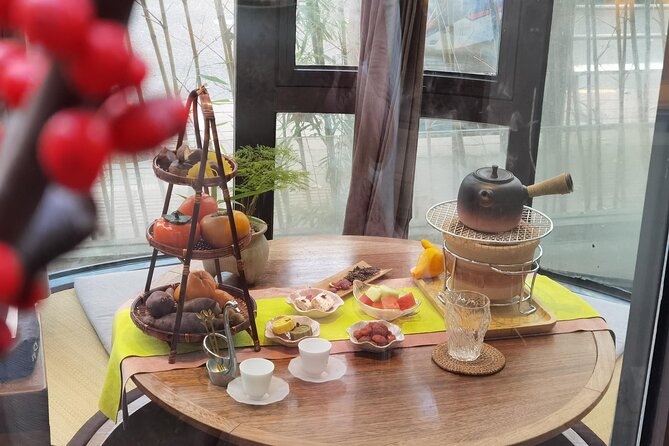
- Traditional setting: The furnishings and utensils create a calmer, more focused setting than a standard café.
- Optional Hanfu: Wear traditional clothing for photos if you want a stronger connection to the setting.
- Three hours on Baoqing Road: The experience begins and ends at Baoqing Road in Shanghai’s Xuhui District.
Why Dian Cha makes this more than a tea tasting
Most tea tastings ask you to sit, watch, and sample. Here, the main draw is the chance to learn an old preparation method yourself. Dian Cha was used during the Song Dynasty, when whisked tea was prepared into a foamy drink. It is an important distinction for anyone who thinks of Chinese tea only as loose leaves steeped in hot water.
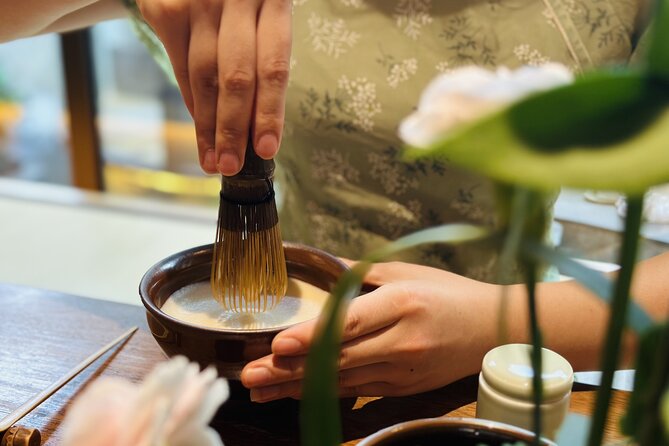
The tea master guides you through the technique and the purpose behind it. You are not simply handed a finished cup. You get a closer look at the movement, tools, and care involved in preparing tea in an earlier Chinese tradition.
I like this part because it gives the experience a clear center. The historical material is tied to an action, so you have a better chance of remembering it after you leave. The preparation also adds a quiet, almost meditative quality to the session, although the exact amount of time spent practicing will depend on the pace of your group.
The connection to matcha is useful context. Dian Cha predates modern matcha preparation, so this is a chance to see an older whisked-tea tradition in its own setting. It is not presented as a regular Japanese matcha class, and that difference matters if you are looking for a specifically Chinese cultural activity in Shanghai.
More Tea Tastings in Shanghai
- Biking Real Shanghai& Tea Tasting Experience
★ 4.5 · 45 reviews - Afternoon Tea and Dessert Tour on the Huaihai Road in Shanghai
★ 5.0 · 19 reviews - 3-Hour Shanghai Yu Garden &Old Town Private Tour with Tea Tasting
★ 5.0 · 17 reviews
Three hours with a tea master in Xuhui
You meet at Baoqing Road in Shanghai’s Xuhui District. The activity ends at the same meeting point, so you do not need to arrange a separate pickup at the end. Private transportation is not included, which means you should plan your route to Baoqing Road before the start time.
The three-hour length gives the tea master room to cover several subjects without rushing from one sample to the next. You can expect the session to move through an introduction to tea, Dian Cha instruction, tasting, brewing, and discussion of how Chinese teas differ.
No guide’s personal name is provided, so you should think of this as a tea-master-led session rather than a tour with a named city guide. That is not a problem for the format. The value depends mainly on the teacher’s ability to explain the methods clearly and let you take part.
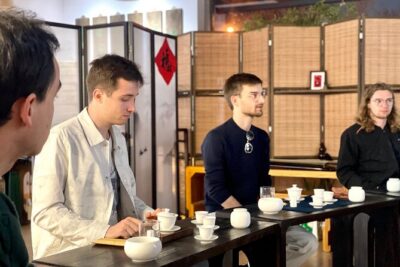
The private arrangement is one of the stronger practical features. Only your own group participates, so you can ask basic questions without feeling that you are holding up a large class. You also have more room to practice and to set the pace around your interests.
The experience does have a minimum number of participants. If that minimum is not reached, the provider may offer another date or experience, or give you a full refund. That is worth keeping in mind when planning a tightly scheduled Shanghai visit.
Tasting green tea, pu’er, and other Chinese styles
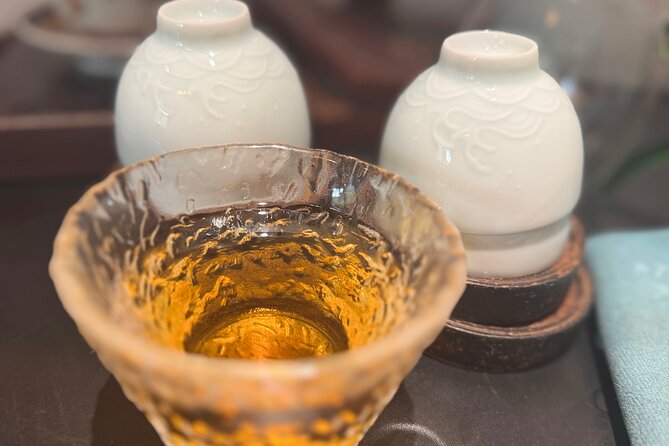
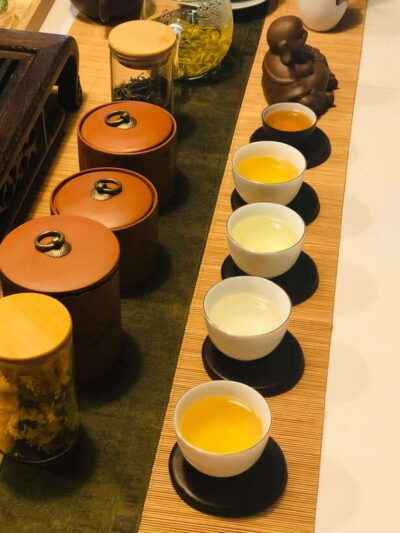
The tea portion covers several categories of traditional Chinese tea. The supplied description specifically points to delicate green tea and bold pu’er, with other traditional teas included in the broader tasting and brewing session.
That range should give you useful contrasts. Green tea can show a lighter, fresher side of Chinese tea, while pu’er brings a fuller and more forceful profile. The point is not simply to decide which cup you like best. You learn that Chinese tea is not one single flavor or brewing style.
The tea master also explains how the teas are manufactured and the different ways they are drunk. This was one of the strongest parts of the experience for me on paper, because production is often left out of casual tastings. Knowing how a tea is made gives you a better way to understand why its leaves, aroma, color, and brewing method differ.
You should expect to taste and brew rather than simply watch. The included tea set supports that hands-on approach. Coffee and tea are listed among the inclusions, although the focus here is clearly traditional Chinese tea, not a coffee service.
One practical point: the supplied information does not name every tea served or state how many varieties you will taste. If you have a specific interest, such as white tea, oolong, or a particular kind of pu’er, ask the provider before booking. The experience promises distinct traditional categories, but it does not guarantee a fixed tea list.
A traditional setting that keeps the focus on tea
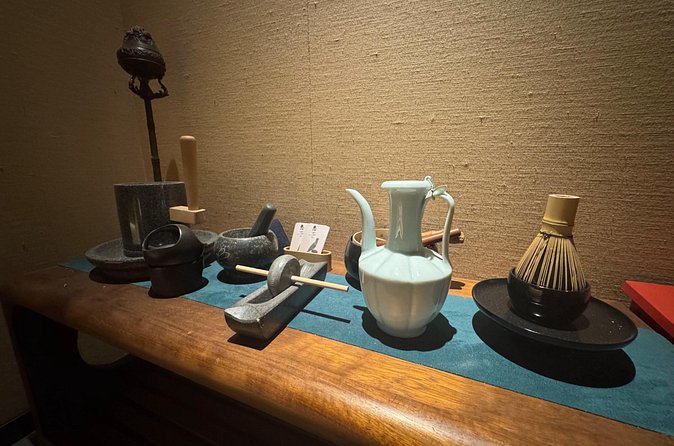
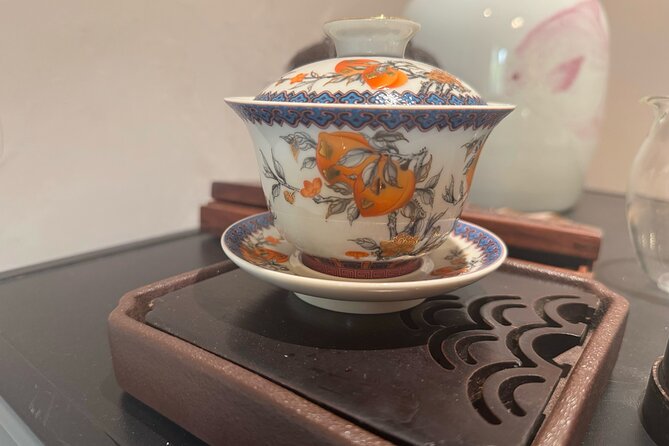
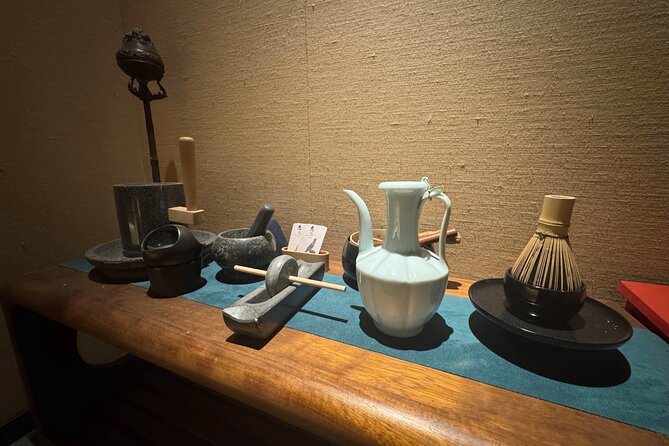
The surroundings are designed with traditional Chinese furnishings and tea utensils. That setting matters because tea preparation is partly about rhythm, objects, and atmosphere. A standard restaurant table would give you the drinks, but not the same sense of stepping into a carefully arranged tea space.
The room also supports the educational side of the session. You can see the tools used for brewing and whisking, rather than hearing only an explanation of them. For first-time visitors to Chinese tea culture, those details make the activity easier to follow.
I like that the atmosphere is described as serene rather than theatrical. The experience is built around learning, tasting, and careful preparation. You should not book it expecting a large show or a fast-moving sightseeing tour. This is a sit-down cultural activity with a slow pace.
The traditional design also makes the Hanfu option more useful. Period clothing in an ordinary modern room can feel like a costume photo session. In a Chinese tea setting with traditional utensils, it fits the subject more naturally.
Still, atmosphere is personal. If you prefer a casual café, a street-food walk, or an activity with constant movement, three hours in a tea room may feel long. The calm pace is part of the appeal, but it is also the main limitation for anyone who wants a broader look at Shanghai.
Other tea to sit down with in Shanghai:
- Private Shanghai City and Zhujiajiao Combo Tour with Boating, Tea Tasting, Lunch
★ 5.0 · 15 reviews - Shanghai: Song Dynasty Tea Ceremony Experience
★ 5.0 · 10 reviews - 4-Hour Shanghai Best Garden and Temple Tour with Tea Tasting
★ 4.9 · 7 reviews - Private Qibao Ancient Town Walking Tour with Tea Tasting and Calligraphy Experience
★ 5.0 · 4 reviews
Hanfu, photos, and the optional extra
Hanfu, traditional Chinese clothing, is available for those who want a fuller visual connection to the experience. You can use the setting and clothing for photos, which adds a memorable element for couples, families, and anyone interested in Chinese dress.
The wording indicates that Hanfu is optional, not required. You can take part in the tea ceremony without wearing it. That is helpful if you want the cultural lesson but do not want to pose for photos or change clothing.
The information does not state whether Hanfu rental is included in the $159 price. Confirm that before booking if the clothing is important to your decision. The same applies to the length of time you may wear it and whether assistance with dressing is provided.
I would treat Hanfu as a bonus rather than the main reason to book. The core experience is the tea lesson, Dian Cha, and the tasting and brewing. The clothing can make the afternoon more visual, but it does not replace the substance of the session.
Is $159 a fair price for three hours?
At $159 per person, this is not a budget tea stop. You are paying for a private experience, a tea master, a three-hour session, the tea set, several tea tastings, and a traditional setting. The private format is especially important when judging the price, since you are not joining a large class where the teacher divides attention among many people.
For one person or a couple who wants a focused cultural lesson, the price may be reasonable. You get more than a drink and a pastry. You receive instruction in a historical technique, an explanation of tea production and drinking styles, and time to practice.
For a family or larger group, the cost adds up quickly. Group discounts are available, so ask about the rate before booking. That discount may make the experience easier to justify for a group that already wants a private activity.
The price is harder to defend if you mainly want to sample Chinese tea. Shanghai has many less expensive places to drink tea, and a casual tea shop can give you a taste without the formal three-hour commitment. This experience earns its price through teaching, privacy, and the cultural setting.
I would also confirm exactly what the Hanfu option costs, since it is not clearly listed among the included items. The tea set and tea or coffee are included, but private transportation is not.
Who will enjoy this experience most?
This works best for you if you enjoy learning through practice. If you like knowing where a tradition came from, handling the tools, and comparing several types of tea, the three-hour format gives you useful time.
It is also a good fit for:
- First-time visitors who want an organized introduction to Chinese tea.
- Couples seeking a quiet cultural activity with photo opportunities.
- Families or friends who prefer a private group session.
- Tea drinkers curious about the link between Dian Cha and whisked tea.
- Visitors staying near or able to reach Baoqing Road in Xuhui District.
- Anyone who wants a slower break from Shanghai’s busy streets.
You may want to choose something else if your priority is sightseeing, shopping, food, or a quick tasting. The activity begins and ends at one meeting point, and it does not include transportation around the city.
Service animals are allowed, and the meeting point is near public transportation. The supplied information does not provide detailed accessibility information beyond that, so contact the provider if you need specific seating, mobility, or facility details.
Useful booking details before you go
You receive confirmation when you book, and a mobile ticket is available. The experience is usually reserved about five days ahead, so booking several days in advance is sensible, especially if your Shanghai dates are fixed.
Free cancellation is available up to 24 hours before the start time. Cancel at least 24 hours ahead for a full refund. Changes or cancellations made less than 24 hours before the start time are not accepted for a refund, and the cut-off uses Shanghai local time.
Plan your arrival at Baoqing Road carefully. Since private transportation is not included, you are responsible for reaching the meeting point. The activity returns there at the end, which makes onward planning easier.
The experience is provided by Glopen. The rating shown is 5 out of 5 from three reviews, a small sample that suggests strong satisfaction but is not enough to predict every guest’s experience. The most praised elements are the clear tea history, the explanations of production and drinking methods, and the overall quality of the tea lesson.
Should you book this Chinese tea ceremony?
Book it if you want a private, hands-on introduction to Chinese tea and are willing to pay for instruction rather than just refreshments. Dian Cha is the special feature, and the mix of whisking, brewing, tasting, and traditional surroundings gives the three hours a clear purpose.
I would be more cautious if you are watching your budget or have only a short time in Shanghai. At $159 per person, this is a premium activity, and the value depends on your interest in tea culture. Ask about group discounts and the cost of Hanfu before paying.
For tea lovers, culture-focused visitors, and anyone looking for a calm activity in Xuhui, this is a strong choice. For everyone else, compare the price with a simpler tea tasting and decide how much the private teaching and traditional setting are worth to you.
FAQ
Where does the Chinese tea ceremony begin?
It begins on Baoqing Road, Bao Qing Lu, in Shanghai’s Xuhui District, China, postal code 200031.
Where does the activity end?
The experience ends back at the meeting point on Baoqing Road.
How long does the experience last?
The tea ceremony lasts approximately three hours.
Is the experience private?
Yes. Only your group participates in the private activity.
Is transportation included?
No. Private transportation is not included, so you must arrange your own way to the meeting point.
Can I cancel for a full refund?
Yes. You can receive a full refund if you cancel at least 24 hours before the experience start time.
New reviews from Shanghai
- Shanghai To Beijing Bullet Train Ticket with Local Private Transfer★ 5.0 · 12 reviews
- Shanghai Spicy Food Tour★ 5.0 · 3 reviews
- Shanghai Uncommon Historic Sites Tour★ 5.0 · 3 reviews
- Shanghai Pudong airport transfer to Disneyland:Private with Meet & Great service★ 5.0 · 3 reviews
- Shanghai Tower Observation Deck 118 floor Tickets Pre-booking.★ 5.0 · 4 reviews
- Pudong Airport to Hangzhou: Private with Meet and Greet Service★ 4.5 · 4 reviews
- Private Transfer: Hotel to Shanghai Wusongkou Cruise Terminal (Baoshan Port)★ 3.5 · 6 reviews
- Shanghai Pudong International Airport (PVG) to Shanghai Hotel★ 5.0 · 4 reviews
Tea Tastings, compared.
Beijing Culture: Tea Ceremony, Heritage Instrument & Calligraphy
Read our review →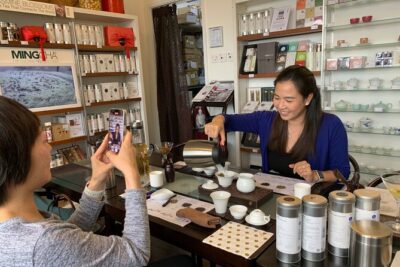
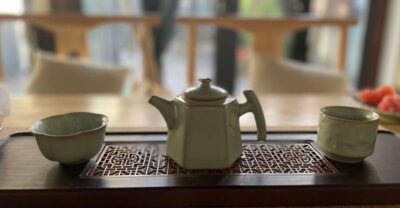
Chinese Tea ceremony in Beijing Hutong courtyard
Read our review →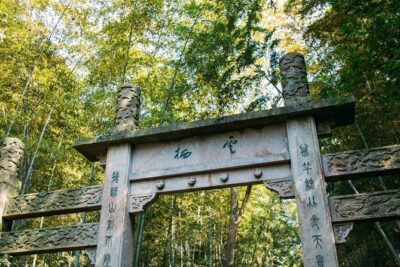
Half-Day Hangzhou Yunxi Bamboo Forest and Tea Plantation Experience
Read our review →
Leshan Buddha + Panda Base or Old Tea House Private Day Tour
Read our review →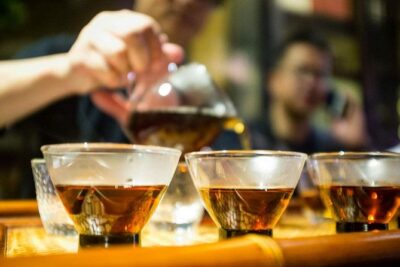
Afternoon Tea and Dessert Tour on the Huaihai Road in Shanghai
Read our review →Browse the lists this tour appears in