
Reviewed · TOURS IN LHASA
8 Days Lhasa Gyantse Shigatse Mt Everest Group Tour
The great draw here is the range: in eight days, you go from Lhasa’s grand monasteries to Yamdrok Lake, Gyantse, Shigatse, and the Everest region. I like that the awkward parts, including permits, long road transfers, hotels, and a vehicle, are arranged for you. I also like the small group limit of 12, which should make the long drives easier to manage.
I especially like the planned pace into the high country and the way the tour leaves room for rest during major sightseeing days. The drawback is altitude and distance: Day 5 is a roughly 10-hour drive, and one night uses a dorm bed at a guesthouse or nomad tent rather than a standard hotel room. You need to be comfortable with basic conditions and changing plans.
Key points to know before booking
- Lhasa begins with major Tibetan landmarks: Drepung Monastery, Potala Palace, Jokhang Temple, Barkhor Street, Norbulingka, and the Tibet Museum all feature early in the trip.
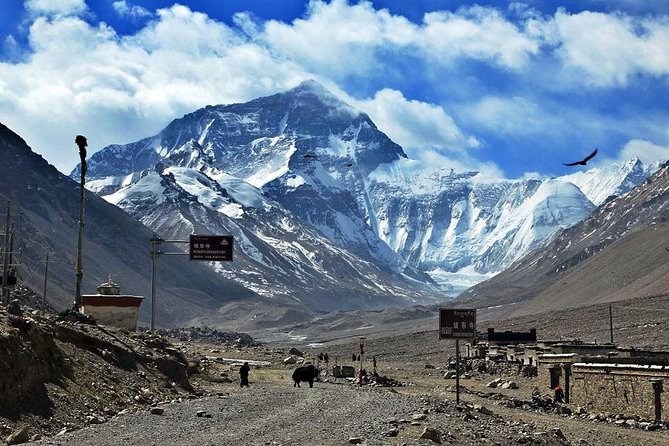
- The road days are the real adventure: Yamdrok Lake, Kampala Pass at 4,790 meters, Karola Glacier, and the route toward Everest bring the biggest views and longest hours.
- The package covers costly practical details: Your Tibet Tourism Bureau Permit, transport, six breakfasts, six hotel nights, one basic overnight stay, and scheduled airport transfers are included.
- The group stays small: The maximum is 12 people, with an English-speaking local guide and a travel-licensed vehicle matched to group size.
- Altitude deserves respect: You receive emergency oxygen, but the tour is not a substitute for medical preparation or extra acclimatization time.
- The price is strongest for first-time visitors: At $1,100 per person, the package offers good convenience, though lunch, dinner, flights or trains, visas, insurance, and gratuities are extra.
Lhasa gives you three big days of Tibetan culture
This trip starts simply, with a pickup and transfer to your hotel. The first day is mainly for arrival, and that is welcome. You are not pushed straight into a long sightseeing schedule after reaching Lhasa.
Day 2 begins with Drepung Monastery, one of Tibet’s largest and most important monastic complexes. You have about two hours here, enough time to see the religious setting and absorb the scale without trying to race through every corner. Drepung was once closely linked with the Dalai Lamas, and it gives you a useful introduction to Tibetan Buddhism before the more famous sights arrive.
The Tibet Museum follows in the afternoon. This is a good counterpoint to the monasteries. Displays cover clothing, homes, festivals, and daily customs, so you get more than religious monuments. I like this stop because it helps explain the objects, dress, and rituals you will encounter during the rest of the journey.
Norbulingka completes the day. This former summer residence of the Dalai Lama is a Tibetan-style garden and palace complex. After the darker interiors and devotional atmosphere of Drepung, the open garden setting offers a change of pace. Two hours is a generous visit, though the overall day still has a full sightseeing rhythm.
Day 3 is the Lhasa highlight. Potala Palace is the famous white and red landmark above the city, and the visit takes about two hours. It is a major architectural and religious site, but the practical side matters too: palace visits can involve walking and steps, so comfortable shoes are useful. The itinerary may change the order of Lhasa stops, so keep your schedule flexible.
Jokhang Temple comes next. This is one of Tibet’s most sacred temples, and its position in the center of Lhasa makes it feel closely tied to daily religious life. You have another two-hour visit, which gives your guide time to explain the rooms, images, and traditions instead of reducing the stop to a quick photograph.
Then you walk around Barkhor Street, the devotional circuit around Jokhang. This is both a pilgrimage route and a central market area. I would treat it as more than shopping time. Watch the flow of pilgrims, notice the prayer traditions, and allow yourself to walk at an easy pace. The location of some hotels can also be useful here. One past visitor stayed at the Thangka Hotel directly by the Barkhor pedestrian access, though hotel assignments can vary.
What else travellers book in China:
- From Beijing: Mutianyu Great Wall Tours with Options
★ 4.9 · 9,216 reviews - Beijing: Forbidden City Tour(Group/Private)-Tickets Included
★ 4.8 · 7,974 reviews - Beijing: T-Square & Forbidden City Group or Private Tour
★ 4.8 · 4,446 reviews
Yamdrok Lake and Karola Glacier make the road memorable
Day 4 moves the tour out of Lhasa and toward Gyantse and Shigatse. This is where the trip changes from city sightseeing to long mountain travel. The road itself becomes part of the experience.
The first major stop is Yamdrok Yumtso, one of Tibet’s three holy lakes. The tour crosses Kampala Pass, listed at 4,790 meters, before reaching the lake. You have about an hour by the shore, enough to take in the blue water and high surroundings without turning the stop into a rushed photo break.
The altitude here is serious. Even if you feel fine in Lhasa, the higher pass can affect you quickly. Walk slowly, drink the water provided, and tell your guide if you feel unwell. The tour carries an oxygen tank for emergency use, but that is safety equipment, not a reason to ignore symptoms.
Karola Glacier is viewed from the roadside, about 300 meters from the main highway. This is a short, practical stop rather than a glacier trek. That suits the schedule, since the road day already covers plenty of ground. You then continue to Pelkor Chode Monastery in Gyantse, the town’s main monastery.
Pelkor Chode is a useful stop because it gives you a quieter religious setting after the major Lhasa sites. The schedule does not give a separate duration for this visit, so the exact time may depend on road conditions and the group’s arrival. You should expect a full day with several stretches in the vehicle.
Shigatse is the bridge to Everest
Day 5 is the hardest road day. You leave Shigatse for Lhatse, a small town about 150 kilometers away, with a possible local restaurant lunch. After a short break, the route continues toward Tingri and the Qomolangma National Nature Preserve.
The listed driving time is about 10 hours. That figure tells you what kind of tour this is. You are not taking a relaxed city break with a short excursion to Everest. You are crossing a large, high region by road, and delays or weather can affect the schedule.
The upside is access. A private trip with separate transport and permits can cost much more, while this group format lets you share the vehicle and planning. The downside is limited control over stops and a long day seated in the vehicle. Pack snacks, keep water close, and carry any personal medication where you can reach it.
The overnight arrangement is basic by design. Six nights are in twin rooms with private bathrooms at three-star or four-star properties, while one night is in a dorm bed at a guesthouse or nomad tent. The basic night is likely connected to the Everest section, but the exact accommodation can depend on the operating schedule. If you need a private room every night, ask about the single supplement before paying.
Everest is the payoff, but conditions decide the view
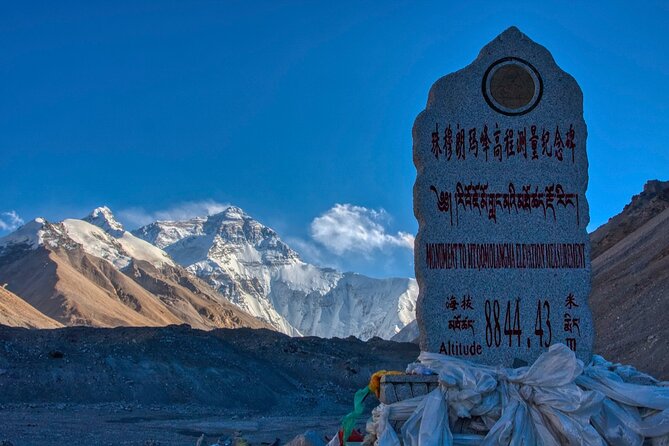
Day 6 is set aside for the Qomolangma National Nature Preserve and the Everest area. If the weather cooperates, you can get up early for sunrise from the Everest Peak Lodge. An early start is worth taking seriously here because mountain weather can change the view quickly.
You should keep expectations sensible. The tour takes you to the Everest region, but no mountain itinerary can promise a clear summit. Clouds, snow, road conditions, government rules, or natural events can alter the plan. The company specifically allows for changes caused by landslides, avalanches, severe weather, public emergencies, traffic problems, or attraction closures.
That flexibility is not a minor footnote in Tibet. It is part of the cost of visiting a remote high-altitude area. If an extra night or transport cost is caused by an unexpected natural event, those added expenses can fall to you. Personal travel insurance is not included, so I would consider coverage that addresses medical treatment, evacuation, delays, and trip interruption.
The Everest night also brings the clearest comfort compromise. You may sleep in a dormitory or nomad tent rather than a conventional hotel. For some people, that basic stay is part of reaching the remote region. For others, it will be the main reason to choose a private, higher-comfort itinerary instead.
Same city, a completely different day:
- Beijing: Mutianyu Great Wall Daily Tour with Ticket & Lunch
★ 5.0 · 3,056 reviews - All-Inclusive Tour: Tiananmen Square, Forbidden City, Great Wall
★ 5.0 · 2,873 reviews - MuBus: Mutianyu Great Wall ENG/ESP/RUS Guided Bus Tour
★ 5.0 · 2,361 reviews - 4-Hour Small Group Tour to Forbidden City with Entry Tickets
★ 5.0 · 1,863 reviews
Tashilunpo adds historical weight in Shigatse
Day 7 returns you to Shigatse and Tashilunpo Monastery. The visit lasts about two hours and focuses on the home of the Panchen Lama. Founded by the First Dalai Lama in 1447, the monastery carries major religious and cultural importance.
This stop works well after Everest. The remote road section gives you dramatic scenery, while Tashilunpo brings the focus back to Tibetan religious life and history. Your local guide can help connect the different institutions and traditions you have seen since arriving in Lhasa.
The final day is a transfer to Lhasa airport or railway station. The package includes scheduled airport transfers at 8:30 a.m., 12:30 p.m., and 2:30 p.m., plus free railway station transfers on the first and last day. Airport pickup on arrival is offered at 9:30 a.m., 1 p.m., and 4 p.m.
Those fixed times matter. If your flight falls outside the free airport service window, a private transfer costs $60 per vehicle per time. On arrival and departure days, a driver may handle the transfer while the guide is collecting or dropping off other members of the group. Do not assume the guide will be beside you at every airport moment.
What the $1,100 price really covers
At $1,100 per person, this is a practical package rather than a luxury tour. The price includes six nights in twin rooms with private bathrooms, one dorm or tent night, a travel-licensed vehicle, fuel and parking, an English-speaking local guide, the Tibet Tourism Bureau Permit, liability insurance, government tax, permit delivery, six breakfasts, and two bottles of mineral water per person per day.
That is a fair bundle for a first visit, especially because the permit and road transport are not small details in Tibet. The group size is capped at 12, and group discounts may be available. A solo participant pays a single supplement unless the operator can match them with another person for a twin room.
You still need to budget for flights or train tickets, a China visa, lunch, dinner, optional sights, personal spending, insurance, and tips. The welcome meal is mentioned as included in the overall tour description, but the detailed inclusions list specifically confirms six breakfasts rather than a full meal plan. I would ask the operator to confirm exactly when and where the welcome meal is provided.
The package also covers food and lodging for the guide and driver, which keeps the main tour price clear. It does not cover extra days caused by natural disasters or other unavoidable events. That is normal for a remote route, but you should understand it before booking.
Who will get the most from this tour
I would choose this trip if you want Tibet’s main sights in one organized route and do not want to arrange permits, hotels, drivers, and long-distance transfers yourself. It suits a first visit particularly well because the opening days cover the core Lhasa sights before moving farther west.
It also suits people who like a full itinerary and can handle long road days. The tour gives you a strong mix of palaces, temples, a museum, a holy lake, a glacier, mountain passes, and the Everest region. You will not spend much time sitting around in Lhasa.
I would be cautious if you dislike group schedules, basic overnight conditions, or long drives. The maximum of 12 is manageable, but you still share decisions and transport. If you need a private room, private transfers, or more control over meal stops, ask about a customized or private tour instead.
Altitude is the biggest personal consideration. One person who joined an eight-day trip had arrived early to acclimatize, while another member had to leave after struggling at altitude. That does not predict your own experience, but it is a clear warning to take acclimatization seriously and consult a medical professional before committing.
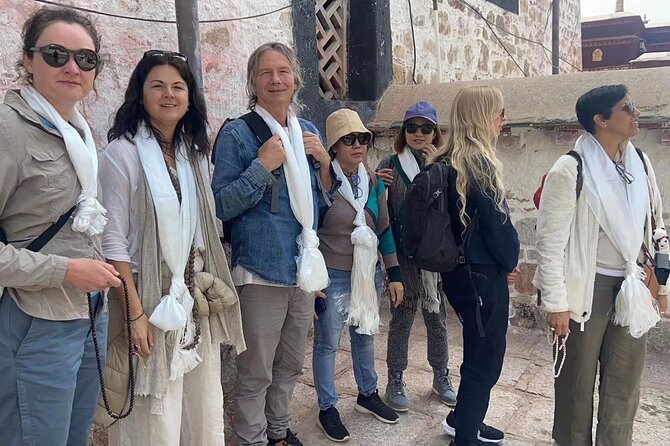
The local staff appear to be a strong part of the package. Lobsang was specifically praised as a guide, while Jennie and Merry were noted for responsive trip support. Emily and Beatrice helped one group organize a wider China and Tibet holiday. Names and assignments can change, but the agency has several staff members involved in guest support.
Should you book the Lhasa to Everest route?
Book it if you want an efficient first look at Tibet and value having permits, transport, hotels, breakfasts, and a local guide arranged in one purchase. The itinerary reaches the places most people hope to see, and the 12-person limit keeps it smaller than a large coach tour.
Think twice if you need comfort, flexibility, or a guaranteed Everest view. The 10-hour road day, high passes, dorm or tent night, extra costs, and non-refundable booking policy all require careful planning.
For the right person, $1,100 is good value for a difficult route that would take real effort to arrange alone. Go in prepared for altitude, basic conditions, and schedule changes, and this tour gives you a broad, well-organized introduction to Tibet.
FAQ
How long is the Tibet tour?
The tour lasts approximately eight days, beginning with pickup and hotel transfer and ending with transport to the airport or railway station.
What places does the tour visit?
The route includes Lhasa, Gyantse, Shigatse, and the Everest region. Main stops include Drepung Monastery, the Tibet Museum, Norbulingka, Potala Palace, Jokhang Temple, Barkhor Street, Yamdrok Lake, Karola Glacier, Pelkor Chode Monastery, Tashilunpo Monastery, and Qomolangma National Nature Preserve.
Is accommodation included?
Yes. The package includes six nights in twin rooms with private bathrooms at three-star or four-star properties, plus one night in a dorm bed at a guesthouse or nomad tent.
Are meals included?
Six breakfasts are included, along with a welcome meal according to the tour description. Lunch and dinner are not included.
Is airport pickup included?
Airport pickup is included at 9:30 a.m., 1 p.m., and 4 p.m. on the first day. If your flight arrives outside those times, a private transfer costs $60 per vehicle per time.
Is the Tibet permit included?
Yes. The Tibet Tourism Bureau Permit, permit delivery, government tax, and travel agency liability insurance are included. The permit normally takes about 12 working days to apply for.
How many people can join the group?
The tour has a maximum of 12 participants.
Is transportation included?
Yes. Transport uses a travel-licensed vehicle suited to the group size and season, with fuel and parking included. Free Lhasa railway station transfers are available on the first and last day.
Can I cancel the booking?
No. The experience is non-refundable and cannot be changed for any reason after booking.
New reviews from China
- Shanghai: 3-Hour Old Shanghai City Tour★ 4.9 · 45 reviews
- Sichuan: Big Panda Volunteer Day tour★ 4.4 · 10 reviews
- Nanjing:Must-See Attractions in One Day+Customized Itinerary★ 5.0 · 3 reviews
- Mutianyu Wall, Summer Palace & Old Summer Palace Day Tour★ 4.8 · 34 reviews
- Night Market Haggling Adventure with an English Guide!★ 4.8 · 7 reviews
- BusDa-Mutianyu Great Wall&Forbidden City Full-day Coach Tour★ 4.9 · 11 reviews
- Mutianyu Great Wall Ticket with Roundtrip Cable Car★ 5.0 · 20 reviews
- Nanjing: Night Cruise on Outer Qinhuai River for Adults★ 4.0 · 4 reviews
Tours in Lhasa, compared.
Tibet Tour 8 Days Lhasa to Everest Base Camp Small Group Tour
Read our review →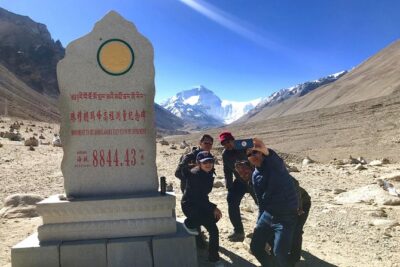
7 Days Lhasa to Kathmandu Overland Small Group Tibet Tour via EBC
Read our review →
Browse the lists this tour appears in