
Reviewed · WALKING TOURS
Hong Kong: Kowloon Street Market & Food Culture Walking Tour
Kowloon’s food culture is not found only in famous restaurants. It is in goldfish shops, fruit stalls, old bakeries, preserved-food counters, seafood stores, and paper offerings for ancestors. This small-group walking tour links those places with stories that explain how Hong Kong lives, eats, shops, and remembers.
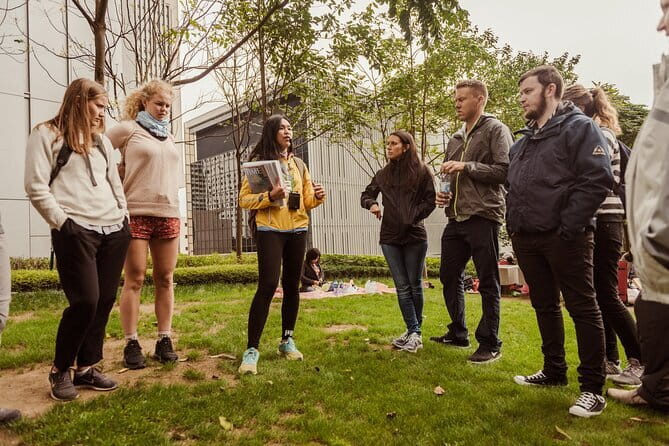
I like two things right away: the guide handles the streets and language barriers, and the tastings are included in the $32.80 price. Guides including Stephen, Alice, Summer, Isaac, and Michael are praised for clear storytelling and thoughtful answers. The main drawback is pace. The route is listed at two hours, but one outing lasted about two and a half hours, and there is little sitting.
The tour moves through real neighborhood shops rather than polished attractions. You will taste selected foods, but this is also a social and cultural walk. You should be ready to try unfamiliar flavors and walk steadily from Prince Edward to Mong Kok.
Key points at a glance
- Goldfish Street opens with an unusual lesson in Hong Kong business: the fish trade reveals high rents, upstairs shops, and the pressure on street-level culture.
- Included tastings add real value: fruit, walnut cookies, preserved foods, and other samples give the stories a physical connection.
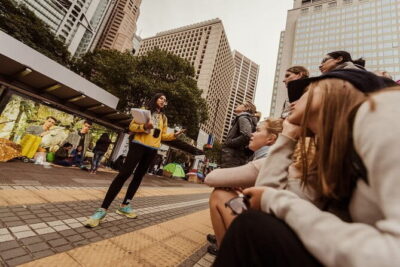
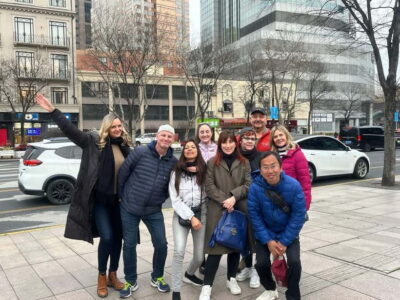
- The group is capped at six people: that makes it easier to ask questions and stay close to the guide in crowded streets.
- The route reaches beyond standard sightseeing: you visit a bakery, marinated-food shop, seafood store, betting branch, and paper-offering shop.
- The afternoon timing works well for a food walk: meet at Prince Edward Station at 3:00 pm and finish near Ladies’ Market and Mong Kok MTR Station.
- The experience suits curious eaters more than picky ones: the best moments come when you are willing to sample something unfamiliar.
Why this Kowloon walk feels different
Many Hong Kong food tours focus on dishes. This one uses food shops as doorways into the city’s habits and pressures. A goldfish store becomes a lesson in rent and retail. A fruit stop explains Hong Kong’s dependence on imported produce. A preserved-food counter shows how people once dealt with heat, humidity, and the need to store food.
I like that approach because it gives you more than a list of things to eat. You begin to understand why shops look the way they do, why some businesses move upstairs, and how local customs survive in a city where space is costly.
The route starts at Prince Edward Station and ends around Ladies’ Market, so you finish in one of Kowloon’s best-known shopping areas. That makes the walk useful on your first full day in Hong Kong, when you want an introduction to the neighborhood and a guide to help you get your bearings.
The group limit of six matters here. Kowloon streets can be crowded, and a large group would make small shops awkward. With fewer people, you have a better chance to hear the guide, ask about unfamiliar foods, and keep the conversation moving.
Other eating and drinking in Hong Kong:
- Hong Kong’s Tin Hau Hidden Eats Food Tour with 7+ Local Tastings
★ 5.0 · 352 reviews - Small-Group Hong Kong Island Food Tour
★ 5.0 · 343 reviews - Hong Kong Food Tour: Central and Sheung Wan Districts
★ 5.0 · 333 reviews
Goldfish Street and the business of small spaces
The first stop is Goldfish Street on Tung Choi Street. The fish are sold in clear plastic bags, often displayed in rows, and the scene looks playful at first. The guide uses it to explain something more serious: Hong Kong’s economy, rents, and the way local businesses adapt.
You learn about shops that can generate major sales while paying steep rents. You also hear about businesses moving upward, creating a less visible world of upstairs operations. That detail helps you read Hong Kong differently for the rest of your stay. A quiet doorway or upper-floor sign may lead to a working business that street-level visitors never notice.
The stop lasts about ten minutes, so do not expect a long visit or an aquarium-style attraction. Its value is in the explanation and the setting. I would pay close attention to the guide here, since the point is not simply to photograph the fish.
Fruit, flights, and Hong Kong’s imported food supply
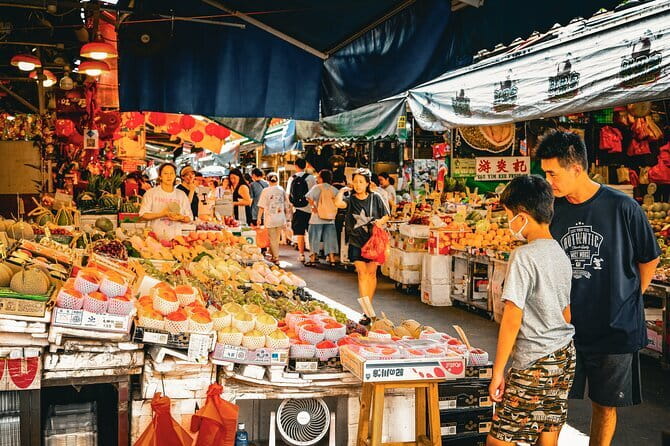
At Kiu Ming Mansion, the subject shifts to fruit. Hong Kong produces almost none of its food locally, with agriculture accounting for only about 0.1 percent. That means everyday produce depends on an international supply chain.
The guide explains how fruit can reach Hong Kong quickly, including Japanese strawberries that may arrive soon after harvest. You may taste fruit during this part of the walk, giving you a direct sense of what imported produce means rather than leaving the idea as an economic statistic.
This stop is especially useful if you are interested in how cities feed themselves. Hong Kong’s food identity is not built only from local farms and old recipes. It also depends on trade, transport, freshness, and the ability to bring in ingredients from far away.
The stop is scheduled for around ten minutes. If you want a long market visit, this will feel brief. If you want a sharp explanation of Hong Kong’s food system, it does the job without slowing the walk.
Walnut cookies at Ki Tsui Cake Shop
Ki Tsui Cake Shop provides one of the clearest food moments on the route. You taste walnut cookies while the guide explains how a bakery can preserve cultural memory.
The cookie is simple, but that is part of the point. Traditional foods often survive because people keep buying them, sharing them, and associating them with family occasions. A bakery does not need to look like a museum to carry the past forward.
I like this stop because it connects flavor with identity without making the subject too academic. You can eat the cookie, ask questions, and think about how Hong Kong’s food habits have changed over time. It is also a safer introduction for anyone who feels unsure about trying more unusual foods later in the walk.
Other food worth going out of your way for in Hong Kong:
- Hong Kong Street Food Tour with Locals – Dim Sum, Wonton & more
★ 5.0 · 226 reviews - Small Group Kowloon Michelin Rated Street Food and Culture Tour
★ 5.0 · 170 reviews - Hong Kong Food Tour: Sham Shui Po District
★ 5.0 · 167 reviews - The 10 Tastings of Hong Kong With Locals: Private Street Food Tour
★ 4.5 · 124 reviews
Pat Chun and the taste of post-war Hong Kong

At 136A Fa Yuen Street, the route visits Pat Chun, a long-established food brand associated with sauces and preserved ingredients. The guide presents it as part of Hong Kong’s post-war baby boom and talks about the importance of maintaining local production.
The story is not only about a bottle of sauce. It is about how a company can connect food with place, tradition, and local identity while resisting the shift toward made-in-China production. The stop gives you a useful reminder that heritage is often maintained through ordinary shopping choices.
The exact tasting selection can vary, so do not expect a full meal here. Think of it as a short food sample paired with an explanation of why the product matters. The ten-minute format keeps the route moving, but it also means you should listen closely while the guide has the shop context in front of you.
Mahjong, betting, and a local social contract
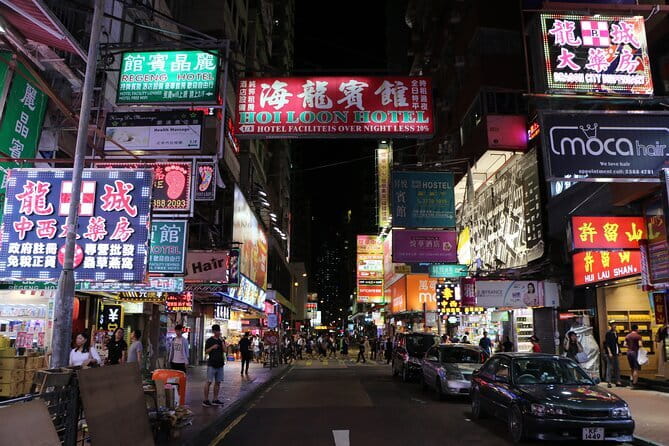
The Hong Kong Jockey Club off-course betting branch on Argyle Street brings in a subject that is not usually included in a food walk: gambling. The guide connects mahjong and horse-racing bets with Hong Kong law and public services.
The interesting point is the balance between regulation and local custom. Colonial authorities restricted some forms of gambling, yet horse racing and betting became organized in a way that fit local habits and helped fund public services. The tour uses this history to show how law and daily life can shape each other.
You will not be spending time at a race meeting. This is a street-level explanation outside an off-course branch, with the guide providing the context. It adds variety to the route and helps explain why certain institutions are so visible in Hong Kong life.
For me, this is one of the best examples of the tour’s wider purpose. Food gets you moving, but the route also explains beliefs, entertainment, business, and public life.
Preserved eggs and sausages at the marinated-food store
At 1031A Canton Road, the Marinated Store focuses on preservation. Hong Kong’s climate made food storage a practical challenge, and local cooks developed ways to use salt, curing, drying, and time.
You may taste preserved eggs and sausages here. These foods can be unfamiliar, so this is a good place to follow the guide’s advice and keep an open mind. The tasting is not presented as a dare. It is a way to understand how people turned climate and limited storage options into a cooking tradition.
This stop may be the biggest stretch for cautious eaters. If you dislike strong or preserved flavors, you can still learn from the explanation, but you may not enjoy every sample. I would have a light meal before the tour rather than arriving very hungry and expecting it to replace dinner.
Seafood and the meaning of freshness
At Lok Yuen House, a seafood store becomes a lesson in Hong Kong’s links to the wider ocean economy. The guide explains how seafood such as Canadian geoduck can reach local stalls within hours.
The emphasis is on freshness and simplicity. The idea is not to cover seafood in heavy sauces or disguise its origin. It is to value the ingredient and the speed with which it reaches the customer.
This stop may be more visual than filling. You are looking at the shop, hearing how the supply chain works, and possibly sampling food as part of the broader tasting route. The listing does not promise a full seafood serving, so you should treat it as one small part of the afternoon rather than a separate seafood meal.
I find this section useful because it makes Hong Kong’s location and trading role easy to understand. The city’s food culture is local in habit but international in supply.
Paper offerings and the final walk to Ladies’ Market
The last listed stop is a paper-offering store at 1028 to 1036 Canton Road. Chinese families may burn paper replicas as offerings for ancestors, including symbolic goods used to show care for those who have died.
The guide also explains a clash between this custom and luxury branding, after Gucci tried to stop shops from selling paper versions of its products. The story shows how a living tradition can push back against commercial control.
This is not a food stop, but it fits the tour’s larger theme. Hong Kong’s streets hold customs that are practical, spiritual, commercial, and personal at the same time. The paper shop gives the route a thoughtful finish before you reach Ladies’ Market.
The ending is convenient. From there, you can continue shopping or walk to Mong Kok MTR Station. The tour does not leave you at an isolated meeting point.
What the $32.80 price gets you
At $32.80 per person, the tour is priced as an affordable introduction rather than a full dining experience. You are paying for a professional local guide, route planning, cultural interpretation, and included snacks.
The food itself is only part of the value. If you visited each type of shop alone, you could see plenty, but you might miss the meaning behind what is on display. The guide saves you from navigating unfamiliar streets and helps with language barriers in small businesses.
The six-person maximum improves the value further. A private tour would cost more, while a large group would make conversation and shop visits less personal. This format sits in a useful middle ground.
You should not book it expecting a table, multiple full dishes, or enough food for dinner. The tastings are snacks. I would budget for a later meal, especially if you have a large appetite.
Timing, walking, and practical details
The meeting point is Prince Edward Station at 3:00 pm. The stated duration is about two hours, but you should allow closer to two and a half hours based on the reported pace of one outing.
You will walk between eight listed stops, with roughly ten minutes assigned to each. The schedule is not a strict set of museum appointments. Shop conditions, questions, and the pace of the group can affect the timing.
Most people can take part, and the tour is near public transportation. Service animals are allowed. Still, you should be comfortable walking and standing for much of the afternoon. One person aged 62 needed a sit-down break halfway through, which is useful advice for anyone who prefers a slower pace.
Wear comfortable shoes and keep your hands free for moving through narrow shops. Since the route depends on good weather, poor conditions can lead to a different date or a full refund. Cancellation is free up to 24 hours before the 3:00 pm start time, but changes or cancellations inside that window are not refunded.
Which guide style should you expect?
The exact guide is not guaranteed, but several names are associated with the experience. Stephen is praised for giving detailed context at each location. Alice is described as friendly, patient, and enthusiastic about Hong Kong. Summer is noted for answering questions thoughtfully and keeping a long outing moving.
Michael is also recognized for storytelling and personal insight, while Isaac brings attention to traditions and food. The common thread is a guide-led experience rather than a scripted audio walk.
That matters because the route contains subjects that need explanation. A paper-offering shop, a betting branch, and a goldfish store may not mean much without context. Your experience will depend partly on the guide assigned that day, but the small group gives you a good chance to ask for the details you care about.
Who should book this food walk?
I would choose this tour if you want an introduction to Kowloon that combines tasting with social history. It works particularly well for a first visit, since the guide helps you navigate and gives you ideas for where to return later.
It also suits people who enjoy local shops more than famous landmarks. You will see ordinary businesses and hear how they fit into city life. Curious eaters will get the most from the route, especially those willing to try preserved foods and unfamiliar ingredients.
I would think twice if you want a sit-down meal, a fast route, or a tour focused only on classic Hong Kong dishes. The walk is explanatory and varied, not a restaurant crawl. Older participants and anyone with limited stamina should ask about the walking pace before booking.
Should you book it?
Book this tour if you want to understand Kowloon through its food shops, customs, and working streets. The small group, included snacks, and guide-led route make $32.80 a fair price for a two-hour introduction, with the possibility of a longer outing.
Skip it if you prefer a full meal, major sights, or complete control over what you taste. For everyone else, this is a smart way to see a less polished but more revealing side of Hong Kong, especially when Stephen, Alice, Summer, Michael, or Isaac turns an ordinary shop into a story about the city.
FAQ
Where does the tour start?
The tour starts at Prince Edward Station on Prince Edward Road West in Prince Edward, Hong Kong.
Where does the tour finish?
It finishes at Ladies’ Market on Tung Choi Street, near Mong Kok MTR Station.
What time does the tour begin?
The scheduled start time is 3:00 pm.
How long does the tour last?
The stated duration is approximately two hours. One reported outing lasted about two and a half hours, so allow extra time.
Are food tastings included?
Yes. Snacks and food tastings are included as part of the tour. Anything not specifically mentioned is excluded.
How many people can join?
The tour has a maximum of six participants.
Can I cancel for a full refund?
Yes, if you cancel at least 24 hours before the local start time. Cancellations or changes made less than 24 hours before the start are not refunded. If poor weather causes the tour to be canceled, you will be offered another date or a full refund.
More shopping in Hong Kong
- Shanghai Day Tour to Zhujiajiao Water Town, Yu Garden, Bazaar, Bund
★ 5.0 · 162 reviews - Xi’an: Terracotta Army, Lunch, City Wall, Pagoda, Bazaar
★ 5.0 · 72 reviews - Private Shanghai Shopping Tour with Local Shopping Guru
★ 5.0 · 68 reviews - Lijiang Naxi Cuisine Cooking Class & Market Visit
★ 5.0 · 48 reviews
More markets in Hong Kong
- Organic Chinese Dumpling Class with Market Walk
★ 5.0 · 88 reviews - Organic Xiao Long Bao Soup Dumpling Class & Market Walk
★ 5.0 · 62 reviews - Mini Group Xian Day Tour to Terracotta Army, City Wall, Pagoda and Muslim Bazaar
★ 5.0 · 1,320 reviews - Half-Day Chengdu Cooking Class with a Local Market Visit
★ 5.0 · 465 reviews
New reviews from Hong Kong
- Lantau Island: Priority Cable Car, Tai O & Direct Transfer★ 4.0 · 11 reviews
- Hong Kong: Ngong Ping Private Cable Car Skip-the-Line Ticket★ 4.6 · 7 reviews
- Hong Kong: Lantau Private Coach, Tai O & Big Buddha Tour★ 4.8 · 8 reviews
- From Hong Kong: Macau Day Tour with R/T Ferry, Lunch, Pickup★ 4.6 · 39 reviews
- Monopoly Dreams Hong Kong★ 3.5 · 8 reviews
- Hong Kong Disneyland: Non-Stop 2-Day Fun Ticket★ 4.5 · 13 reviews
- 4-Hour Private Hong Kong Layover Tour★ 5.0 · 39 reviews
- A Perfect Hong Kong Layover – 5h private tour★ 5.0 · 10 reviews
Walking Tours, compared.
Beijing Hutong Walking Food and Beer Tour at Hidden Restaurants
Read our review →
Private Beijing Walking Tour of the Forbidden City with 7 Options
Read our review →
Dark Side of Hong Kong – Kowloon Caged Homes Walking Tour
Read our review →
Forbidden City Private Walking Tour with Optional Sights
Read our review →
Introduction to Hong Kong: Central Tip Based Walking Tour
Read our review →
Shanghai Highlights Walking Tour With A Real Local
Read our review →Browse the lists this tour appears in