
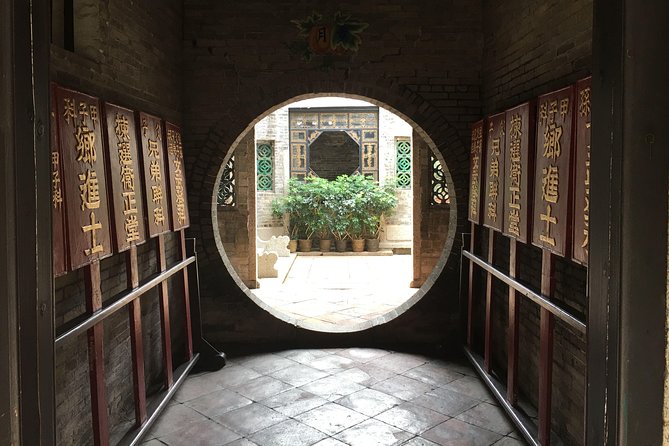
Reviewed · HISTORICAL TOURS
Coach Tour: Hong Kong Heritage Discovery
Hong Kong’s New Territories reveal a quieter, older side of the city, where a 13-meter pagoda, ancestral halls, and a walled village sit among ordinary modern neighborhoods. This five-hour coach tour links those sites without asking you to puzzle out several rural bus routes.
I like the small maximum group of six and the included transfers between sights. The traditional snack tasting at Tai Po Market adds a welcome food stop, too. The main catch is pickup: it is limited to selected hotels on Hong Kong Island and in Kowloon, and the early start requires careful confirmation.
Key points to know
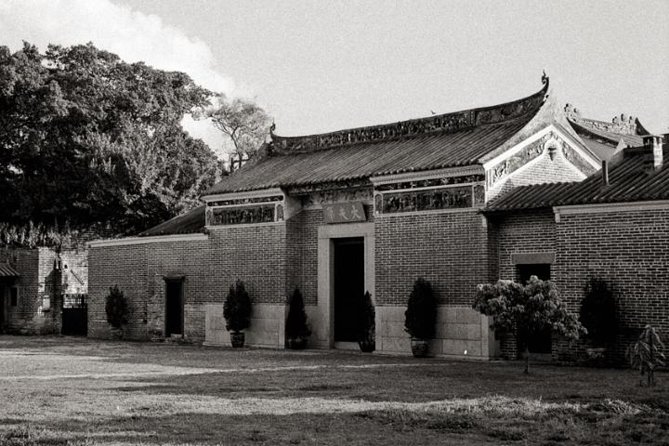
- Tsui Sing Lau Pagoda: See Hong Kong’s oldest pagoda, a three-story green-brick building dating to 1486.
- Tang clan heritage: Visit the Tang Chung Ling Ancestral Hall and Kungting Study Hall, with their courtyards, carvings, and clan history.
- Sheung Cheung Wai village: Walk around a 200-year-old walled village with its gatehouse and shrines.
- Tai Po Market tasting: Sample traditional local snacks while browsing vegetables, cured meats, dried seafood, and sweets.
- Small group format: The tour has a maximum of six participants, plus the guide and driver.
- Hotel pickup limits: Pickup is offered from major central hotels in Kowloon and on Hong Kong Island, not from the airport, cruise terminal, railway station, New Territories, or Lantau Island.
Why the New Territories make a good half-day escape
Central Hong Kong is famous for skyscrapers, ferries, shopping streets, and crowded viewpoints. This tour points you toward the New Territories, where clan villages and religious buildings preserve a different story of the city.
The route centers on the Yuen Long Ping Shan Heritage Trail. It is not a single grand attraction. Instead, it is a chain of modest but meaningful buildings connected to the Tang clan, one of the prominent clans in the area. Your guide gives the sites their meaning, explaining how study, worship, family status, and imperial service shaped local life.
That guided context matters. A green-brick hall or carved granite column can be easy to pass without a word of explanation. With an English-speaking guide beside you, details such as the raised path in an ancestral hall become clues to social rank rather than mere decoration.
The tour also works well for anyone who wants a structured outing without spending a full day away from Hong Kong. The stated duration is about five hours, with pickup generally scheduled between 7:50 and 8:35 a.m. Your exact time comes later from the local operator.
Other history to see in Hong Kong:
- Between Capitalism & Communism: Hong Kong History Tip Based Tour
★ 5.0 · 234 reviews - Group Vegetarian Food & Cultural Tour
★ 5.0 · 16 reviews - Private tour – Hong Kong’s major sites and history
★ 5.0 · 13 reviews
Starting early with a small coach group
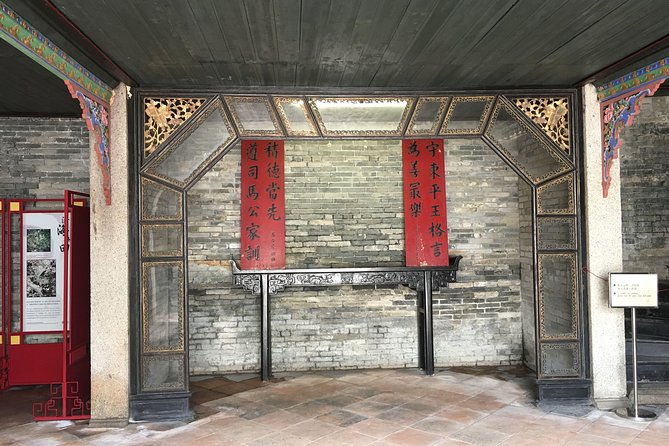
Pickup is available from selected major hotels in Kowloon and on Hong Kong Island. You need to provide your hotel name directly when booking or by contacting the operator. Seeing your hotel listed as an eligible location does not automatically place you on the pickup schedule.
If your hotel is not included, you may be assigned a nearby meeting hotel. You must approve that arrangement. This is important for people staying in private homes, smaller properties, or accommodations outside the central pickup area.
The early start is practical. It leaves time for several stops and gets you out to the New Territories before the day is too far along. Still, this is not a sleep-in excursion. Confirm the meeting place, watch for the final voucher, and keep the supplier’s Hong Kong telephone number available.
The group limit of six is one of the strongest features here. You get a more personal setting than on a large sightseeing bus, and it should be easier to ask questions or hear explanations at the heritage sites. The vehicle still provides the useful part of a coach tour: you can move between scattered stops without arranging taxis.
Guides associated with this experience have included Jo-elle and Andy. Jo-elle has been noted for clear English and a good sense of humor, while Andy has led small groups as well. The guide is central to the experience, since the buildings are more rewarding when someone explains the clan customs and symbols behind them.
Tsui Sing Lau Pagoda and the first clues to Ping Shan
Tsui Sing Lau Pagoda is the route’s most distinctive structure. Built around 1486, it is regarded as Hong Kong’s oldest pagoda. The three-story building is made from green brick, has a hexagonal shape, and rises about 42 feet, or 13 meters.
The upper floor is dedicated to Fui Shing, a deity linked with success or failure in examinations. That detail gives the pagoda a direct connection to education and ambition, themes that appear again at the study hall later in the walk. Auspicious Chinese sayings are inscribed on each floor.
You should expect a relatively compact historic site rather than a huge temple complex. Its value comes from age, form, and setting along the heritage trail. The guide’s explanation helps you notice the inscriptions and understand why a pagoda would matter to local families.
This stop also shows the character of the tour. You are not simply being taken to a famous photo point. You are being shown pieces of a local settlement that can be easy to overlook when you are focused only on Hong Kong’s modern center.
Tang Chung Ling Ancestral Hall and family power
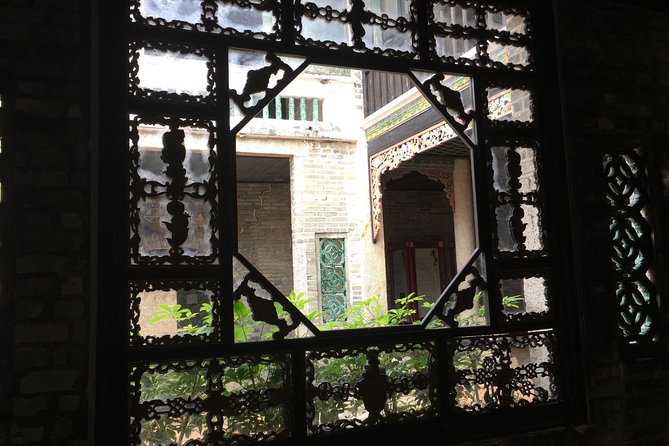
The Tang clan ancestral hall dates to 1273 and is described as a three-hall structure with two internal courtyards. It is among Hong Kong’s finest examples of this kind of building.
The layout tells you something about traditional clan life. These halls were places for ceremonies, family remembrance, and community decisions. Look at the raised pathway in the courtyard. It indicates that one Tang clan member held a high-ranking position in the imperial government.
That is the kind of small visual detail that makes a guided visit worthwhile. Without an explanation, the raised path could look like an odd change in level. With the background, it becomes a sign of rank and family pride.
The ancestral hall is also a good counterpoint to the pagoda. Tsui Sing Lau connects to examinations and religious belief, while the ancestral hall connects to lineage and public status. Together, the two sites show how education, family, and official service fit into the old social order.
Same city, a completely different day:
- Hong Kong: Dolphin Cruise, Big Buddha & Lantau Island Tour
★ 4.2 · 1,512 reviews - Ngong Ping 360: Cable Car Return Tickets & Combos
★ 4.6 · 1,431 reviews - Lantau Island Day Trip – Big Buddha & Tai O
★ 4.5 · 1,328 reviews - Big Bus Hong Kong Open Top Hop-On Hop-Off Sightseeing Tour
★ 4.0 · 1,077 reviews
Kungting Study Hall and the role of education
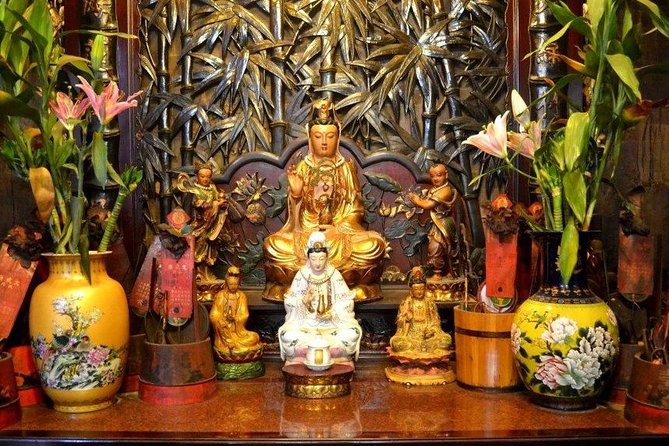
Kungting Study Hall was built in the 1870s and served both as an ancestral hall and a place for study. It is a two-hall building with an enclosed courtyard, granite columns, and a granite base along the facade.
The craftsmanship deserves close attention. The carved stone elements and interior design reflect the skill of the builders who worked on clan buildings in that period. This is not a large museum with labels at every turn, so listen closely to the guide and take a moment to look up, across, and along the facade.
The study hall adds another layer to the route. The pagoda’s connection with examination success becomes more understandable here. Education was not an abstract ideal. It could bring status to an individual and honor to an entire clan.
The drawback is that the tour moves through several sites in a limited period. You should not expect a long, unhurried architectural study at each building. The advantage is that you see a broad range of structures in one morning, with transport handled for you.
Sheung Cheung Wai, a surviving walled village
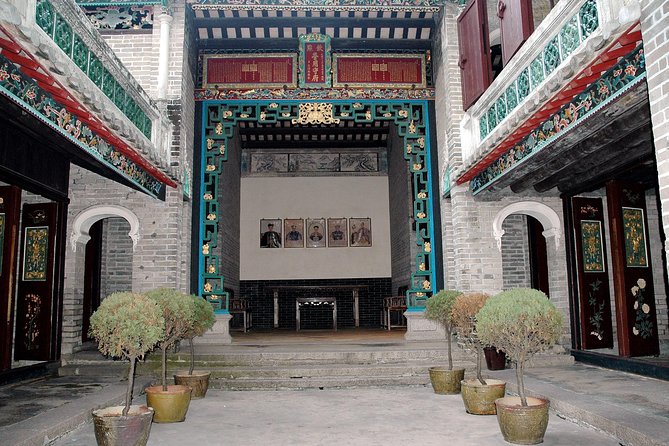
Sheung Cheung Wai offers one of the clearest pictures of traditional village planning on the itinerary. This 200-year-old walled village has rows of symmetrical houses surrounded by a green-brick wall.
The gatehouse, shrines, and some older homes remain. Part of the wall is missing, so this is not a perfectly preserved historic enclosure. That partial survival is also part of its appeal. You can see enough of the original plan to understand how a walled village looked, while also seeing how time and modern life have changed it.
This stop rewards observation more than rushing for photographs. Notice the symmetry of the houses and the way the wall defines the community. The village is not presented as a stage set. It is a fragment of a living area with a long local story.
I particularly like this stop for people who want something less polished than a major monument. The missing sections and ordinary surroundings make the history feel close to daily life. If you prefer grand interiors and formal exhibits, this may feel modest.
Tai Fu Tai Mansion and the scholar gentry
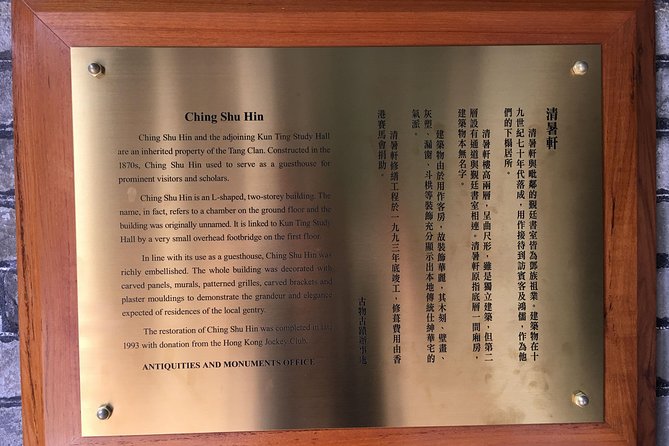
Tai Fu Tai Mansion was probably built in the 1870s by Man Chung Luen, a successful merchant and philanthropist. Located in the area east of Mai Po, the residence is an example of a traditional Chinese home associated with the scholar gentry.
The mansion was declared a historic building in 1987 and renovated the following year. Its importance lies in the way it shows the lifestyle and taste of an affluent family. After the more communal ancestral halls and village walls, the mansion gives you a more private view of wealth and status.
The route’s buildings therefore differ in purpose. One honors ancestors, another supports study, another protects a village, and the mansion reflects an accomplished household. That variety keeps the morning from becoming a string of similar halls.
The supplied details do not specify how long you spend inside each site or which rooms are open on the day. Plan to follow the guide’s timing rather than expecting a self-paced museum visit.
Tai Po Market for snacks and local food
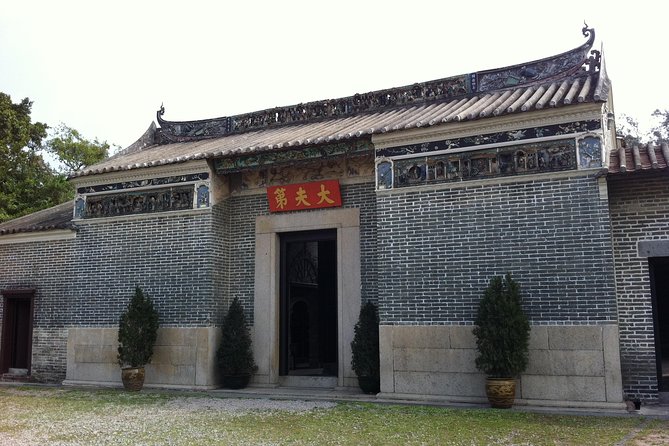
Tai Po Market provides the most informal part of the tour. It once served as a trading ground for food and goods from around the New Territories and remains a working food market.
You can browse stalls selling fresh vegetables, cured meats, dried seafood, and locally made candies. The tour includes a tasting of traditional local snacks, which gives you a small introduction to the market without requiring you to plan a food crawl.
Lunch is not included. The snack tasting should not be treated as a full meal, especially if you are accustomed to an early lunch. Bring that expectation into the morning, and ask the guide about your options if you need more food.
Tai Po Market also makes the history feel current. After visiting clan halls and an old village, you see how the wider area still functions as a place where people buy and sell food. It is a useful finish because it connects heritage with ordinary local commerce.
You may be able to leave the group at Tai Po Market and spend the rest of the day there, but you must obtain the guide’s approval first. Ask for the guide’s cellphone number before separating from the group. You then return to your hotel independently by MTR.
Is $144.32 a fair price?
At $144.32 per person, this is not the cheapest way to reach the New Territories. You are paying for a five-hour guided program, transfers between several outlying sites, an English-speaking guide, a driver, hotel pickup where available, and a local snack tasting.
The value improves if you are staying in central Hong Kong and want to avoid arranging several separate rides. A private taxi day could cost more, while independent travel would require research, route planning, entrance timing, and the confidence to connect multiple locations.
The price is less compelling if you already know the New Territories well, speak enough Cantonese or Chinese to manage local transport, or mainly want unstructured time at Tai Po Market. The itinerary is fixed, and the tour gives you a sampling of several places rather than a long visit to one.
The group size helps justify the cost. A maximum of six is much closer to a personal guided outing than a standard big-bus tour. You also avoid the common problem of spending your sightseeing time figuring out how to reach the next stop.
Practical details before you book
The tour runs for about five hours and returns you to your original departure point. Pickup is not available from the airport, railway station, cruise terminal, New Territories hotels, or Lantau Island.
If you stay outside the pickup area, you may need to take a taxi to the assigned meeting hotel. That cost is not included. The same applies if you leave the tour at Tai Po Market and return by MTR.
Confirmation is normally issued within 48 hours, subject to availability. Bookings made less than 24 hours before departure require an immediate telephone call to the local supplier. Otherwise, the coach may not be sent to your hotel.
Free cancellation is available up to 24 hours before the start time. Cancellations or changes made later are not refunded. The experience also depends on good weather. If poor weather causes cancellation, you are offered another date or a full refund.
Most people can take part, but the morning includes walking around heritage sites and village streets. Wear comfortable shoes and carry water. The supplied information does not give a detailed accessibility assessment, so contact the operator if you have specific mobility needs.
Who should book this New Territories tour?
I would choose this experience if you want Hong Kong history beyond the usual skyline and harbor circuit, but do not want to spend your holiday working out rural transport. It suits first-time visitors, repeat visitors seeking a different side of the city, and anyone interested in clan architecture, traditional village planning, and local food.
The small group is a strong match for people who value questions and conversation. Families and older visitors may also appreciate the arranged transfers, though you should confirm walking needs before booking.
I would skip it if you want a late start, a full lunch-focused food tour, or a slow day at one attraction. The pickup rules also require more attention than the simple phrase hotel pickup might suggest.
If the timing and meeting point work for you, book this tour for its combination of old clan buildings, a surviving walled village, and a working market. It offers a useful, well-organized look at Hong Kong’s New Territories, with just enough food and local detail to keep the morning from feeling like a row of historic buildings.
FAQ
How long does the Hong Kong Heritage Discovery tour last?
The tour lasts approximately five hours, including sightseeing and transfers between attractions.
What time does hotel pickup take place?
Pickup is scheduled between 7:50 a.m. and 8:35 a.m. Your exact pickup time is confirmed by the local operator.
Where is hotel pickup available?
Pickup is available from selected major hotels in Kowloon and on Hong Kong Island. It is not available from the airport, railway station, cruise terminal, New Territories, or Lantau Island.
Can I join from a hotel that is not on the pickup list?
You may be assigned a nearby pickup hotel or meeting point. You must provide your address and approve the arrangement before the booking is accepted.
Is the tour conducted in English?
An English-speaking guide accompanies the group during transfers and sightseeing.
What places are included on the route?
The tour includes Tsui Sing Lau Pagoda, Tang Chung Ling Ancestral Hall, Kungting Study Hall, Sheung Cheung Wai village, Tai Fu Tai Mansion, and Tai Po Market.
Is food included?
A traditional local snack tasting at Tai Po Market is included. Lunch and dinner are not included.
How many people can join the tour?
The activity has a maximum of six participants.
Can I leave the tour at Tai Po Market?
You may leave at Tai Po Market if you receive advance approval from the guide. You then return to your hotel by MTR and should obtain the guide’s cellphone number before leaving.
What is the cancellation policy?
You can cancel up to 24 hours before the start time for a full refund. Cancellations or changes made less than 24 hours before the start time are not refunded. If poor weather causes cancellation, you are offered another date or a full refund.
New reviews from Hong Kong
- Victoria Peak Tram and Sky Terrace 428 Admission Hong Kong★ 4.5 · 33 reviews
- Walking Tour in Hong Kong – Local Experience (New & Best)★ 4.5 · 33 reviews
- Full Day Private Trip in Hong Kong( impeccable local )walk tour★ 5.0 · 11 reviews
- Hong Kong Guided Dinner + Laser Show Lounge Entry (2023) | 200+ booked★ 3.5 · 7 reviews
- Group Vegetarian Food & Cultural Tour★ 5.0 · 16 reviews
- Hong Kong Victoria Harbour Sightseeing Cruise Tickets★ 4.5 · 8 reviews
- The Legendary Bruce Lee Experience Tour★ 4.5 · 9 reviews
- STARLIGHT: Victoria Harbour Night Yacht Tour★ 4.5 · 38 reviews
Historical Tours, compared.
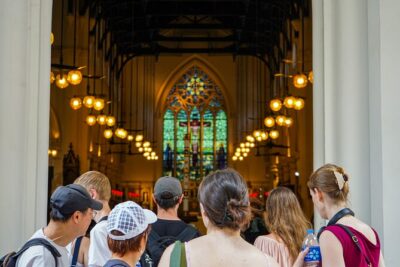
Between Capitalism & Communism: Hong Kong History Tip Based Tour
Read our review →
Beijing Historical Tour II including Summer Palace, Lama Temple & Panda Garden
Read our review →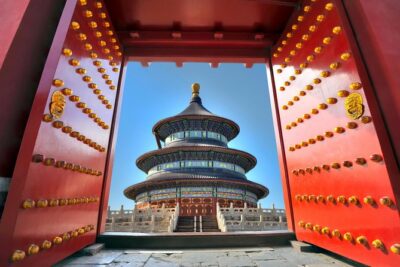
Beijing Historical Tour I – Forbidden City, Tiananmen Square & Temple of Heaven
Read our review →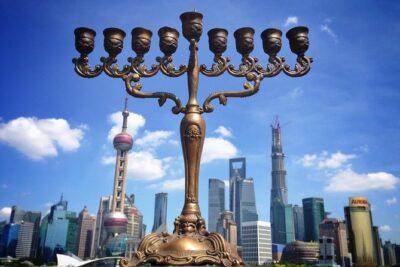
Tour of Jewish Shanghai led by a Jewish History Expert
Read our review →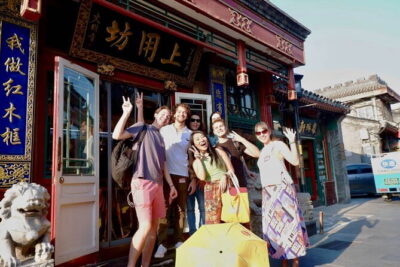
Beijing Historic City Guided Walking Tour + Calligraphy Creation
Read our review →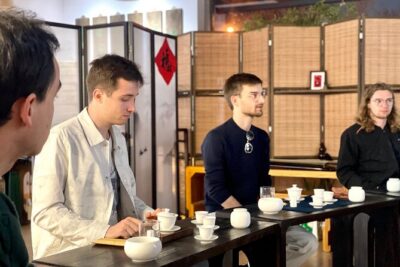
Beijing Culture: Tea Ceremony, Heritage Instrument & Calligraphy
Read our review →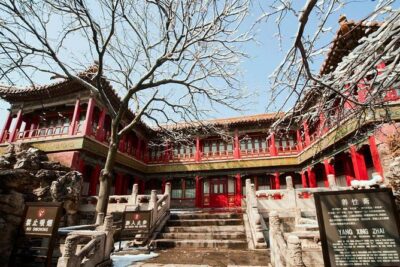
2-Hour Beijing Private Forbidden City Tour: History & Highlights
Read our review →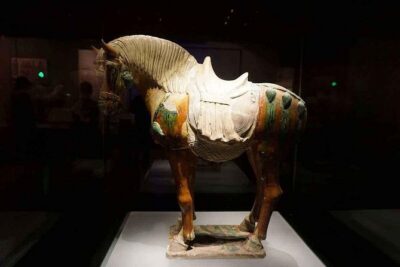
Xi’an Full Day Sightseeing Tour – Shaanxi History Museum, Big Wild Goose Pagoda, Ancient City Wall
Read our review →Browse the lists this tour appears in