
Reviewed · HISTORICAL TOURS
UNESCO Watchtowers World Heritage Ancient Villages Private Tour
Kaiping’s diaolou watchtowers are the star of this trip: tall, fortress-like houses built in the early 1900s by overseas Chinese who returned with money, ideas, and a taste for mixing Chinese tradition with foreign styles. You’ll trade Guangzhou’s city traffic for farmland, fishponds, livestock sheds, old villages, and UNESCO-listed buildings.
I like two things right away. A private car and hotel pickup make the roughly two-hour trip from Guangzhou far easier than piecing together rural buses. I also like the mix of places: Zili and Majianglong show village life, Li Garden adds polished architecture, and Chikan gives you an old commercial town rather than another cluster of towers.
The main drawback is cost. At $255 per person, the tour is not a bargain for a solo visitor, especially since admission tickets and lunch are extra. It makes better financial sense for a small group that values a private vehicle, a full-time English-speaking guide, and a flexible day outside Guangzhou.
Key points to know before booking
- UNESCO-listed diaolou villages: See defensive tower houses in Zili, Jinjiangli, and Majianglong.
- Private Guangzhou pickup: Travel in an air-conditioned car with a professional driver and an English-speaking guide.
- Several distinct stops: Combine rural villages, Li Garden, and the old streets of Chikan Movie Town.
- Flexible length: The outing can take about 5 to 11 hours, depending on the final plan and time spent at each place.
- Extra costs: Admission tickets and lunch are not included, so budget for both.
- Useful for family roots: The Kaiping and Taishan area is known as a home region for many overseas Chinese, and the operator can help arrange an ancestor-house visit.
Why Kaiping’s watchtowers are worth the long ride
The diaolou are not ordinary village homes. They were built as fortified residences, with thick walls, high floors, watchful windows, and an unusual blend of Chinese and Western design. Overseas Chinese workers returning from places such as the United States and elsewhere brought new building ideas back to Kaiping.
That combination gives the buildings their special character. One tower may look part village house, part mansion, and part defensive stronghold. You can see how overseas wealth changed rural architecture without erasing local customs.
The trip also gives you the setting that photographs often miss. Between the towers are farmland, waterways, fishponds, animals, and narrow paths. The countryside is part of the experience, not just scenery viewed through a car window.
A private tour matters here because the sites are spread through the Kaiping area. Instead of arranging separate rides to several rural stops, you can stay with one vehicle and adjust the pace with your guide. The operator says the route can be firmed up after booking, which is useful if you want to favor village buildings, gardens, old streets, or family research.
Other history to see in Guangzhou:
- Private Historical Tour: Guangzhou City Sightseeing Including Lunch
★ 4.5 · 24 reviews - All Inclusive Kaiping Diaolou Heritage Private Day Trip from Guangzhou
★ 5.0 · 5 reviews - Guangzhou Historical Day Tour By Metro & Boat
★ 5.0 · 4 reviews
Leaving Guangzhou for the Kaiping countryside
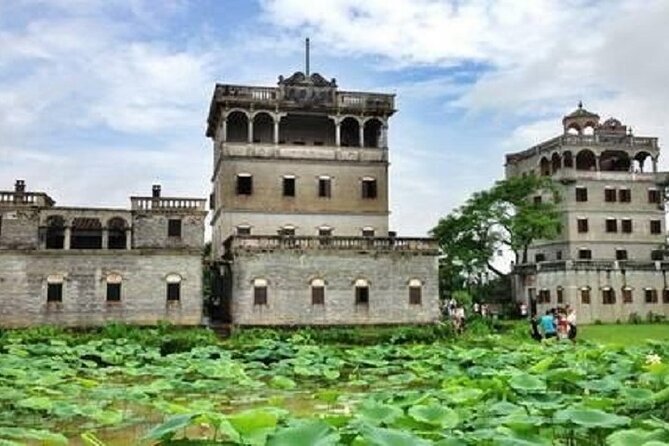
The drive from central Guangzhou takes around two hours, making this a substantial day out rather than a quick city excursion. Pickup and drop-off are offered at downtown Guangzhou hotels, and the car has air conditioning. A professional driver handles the road while your English-speaking guide provides a full escort.
The total outing may last from five to eleven hours. That is a wide range, so you should confirm the day’s exact plan after booking. A shorter schedule may suit you if you want the main UNESCO sites without lingering. A longer version gives you more time at villages and Chikan, though the return drive still makes for a full day.
The countryside changes the rhythm of the visit. You are not rushing between major city attractions. You pass fields, ponds, rural homes, and working agricultural areas. On weekdays, the sites may feel especially quiet, which can be a plus if you prefer space and a slower pace.
Zili Village and its three old settlements
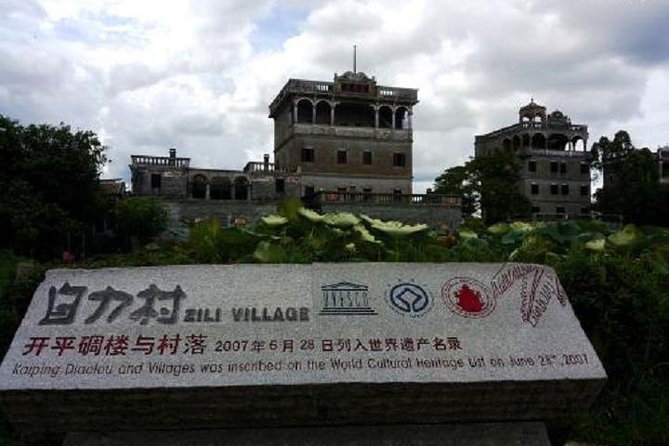
Zili Village is one of the central stops. Its watchtower group includes Anheli, He’anli, and Yong’anli, three settlements associated with the Fang family. The village was founded in 1837 during the Qing Dynasty, giving the place a long local story before the better-known diaolou were added.
Plan about an hour and a half here. That is enough time to look at the towers, walk through the village setting, and notice how the buildings relate to the farmland around them. This is the kind of stop where the guide’s explanations can help. Without context, you may simply see ornate old houses. With context, you can better understand why families built high, fortified homes and how overseas Chinese money shaped the village.
Zili is also a good place to slow down. The appeal is not only one famous tower. It is the group of buildings, paths, open fields, and quiet surroundings. You may find the rural setting more memorable than the architecture alone.
Admission is not included, so you will pay separately at the sites. The tour description does not give ticket prices, so confirm the current cost when your itinerary is finalized.
Jinjiangli’s compact rural setting
Jinjiangli Village offers a shorter stop of about 30 minutes. It sits among mountains, farmland, and a river, with paths crossing the agricultural areas. Water buffaloes and geese are part of the rural scene described for the village, giving you a more everyday setting than a formal heritage park.
This stop is best understood as a quick look at how the towers fit into village life. Do not expect a long visit or a large town center. The value is in the combination of diaolou, fields, waterways, and working rural surroundings.
If you are most interested in architecture, you may want to spend more time at Zili or Majianglong. If you like ordinary countryside and want a change of pace, Jinjiangli makes a useful short stop.
A few more days out in Guangzhou worth the ticket
- Customised Private Guangzhou City Tour with Flexible Itinerary
★ 5.0 · 107 reviews - Gulong Gorge Skywalk Glass Bridge and Waterfall View Private Tour
★ 5.0 · 103 reviews - Private Guangzhou Full Day City Tour with Old and New Highlights
★ 5.0 · 62 reviews - Reputable Private Guangzhou Tour Guide Service by Xaq
★ 5.0 · 60 reviews
Li Garden, a polished contrast to the villages
Li Garden, also called Kaiping Garden in the itinerary, was built in the early 20th century by Xie Weili, a Chinese resident of the United States. Its design draws on the Grand View Garden described in Dream of the Red Chamber while combining Chinese garden traditions with Western features.
You will spend about an hour here. After the village clusters, Li Garden provides a more planned and decorative setting. Instead of seeing buildings spread through farmland, you get a designed garden connected to the ambitions of an overseas Chinese patron.
This contrast is one of the tour’s strengths. The diaolou show protection, family life, and village organization. Li Garden shows wealth expressed through a private garden and a more theatrical architectural style.
The drawback is that the visit remains fairly brief. If gardens are your main interest, one hour may feel short. Also remember that the entrance fee is extra.
Majianglong and the Huang family villages
The Majianglong Towers Group, also called Ma-Xianglong in the itinerary, sits on flat land near the Tanjiang River. It includes five villages, including Yong’an and Nan’an, associated with the Huang family.
Allow about an hour. The stop gives you another chance to compare village layouts and tower styles rather than treating every diaolou as identical. The rural setting near the river and farmland helps you see the buildings as part of a community, not isolated monuments.
For many visitors, Majianglong will be one of the most rewarding stops because it combines architecture and countryside. Still, the sites are spread out, and the amount you see depends on the route chosen and the day’s total timing. Ask your guide which buildings will be open and how much walking is involved.
Chikan Movie Town and its old commercial streets
Chikan Old Town, called Chikan Movie Town here, adds a different kind of atmosphere. Founded in the early Qing Dynasty beside the Tan River, it grew as a transportation point for nearby rural communities.
The town is known for its Cantonese-style qilou buildings, with covered or projecting street-front architecture, along with Western-influenced structures. Allow roughly two hours, making it one of the longer stops on the route.
This is not simply another tower village. Chikan is about streets, shop houses, river connections, and the old commercial life of the area. It gives the day a useful change of texture after the quieter villages.
The word Movie Town may suggest a highly polished film attraction, so keep expectations practical. The important point is the old town setting and its architecture. The exact condition and activity level of the streets can vary, and the tour information does not promise performances or film sets.
How the private format affects the experience
Only your group participates, which gives you more control than a large coach excursion. You can ask questions as you go, adjust the pace within reason, and spend more time at the places that interest you most.
The guide speaks English and accompanies you throughout the outing. The provider’s response is signed Damon from Guangzhou Local Tours, but the available information does not guarantee that Damon will be the guide on your date. If you have a preferred focus, such as family roots, architecture, or photography, state it when you book.
The car is a practical advantage. Rural heritage sites are not all in one compact complex, and a private vehicle removes the need to arrange transport between them. Air conditioning matters during a long day in southern China, particularly when the route includes outdoor village walks.
The tradeoff is that the price includes service and convenience rather than admissions or meals. At $255 per person, value improves when two or more people share the private arrangement. A solo visitor should compare the price with other private day trips before committing.
Food, admission fees, and the real budget
Lunch is not included, and you also pay each admission fee separately. The guide’s lunch is excluded as well, according to the tour details, so ask how the meal stop will be handled and what sort of restaurant is planned.
Because ticket prices are not provided, leave room in your budget beyond the advertised $255. The total cost depends on the number of sites you enter and the meal you choose.
The price is easiest to justify if you value three things: hotel-to-hotel transport, an English-speaking guide, and a private itinerary covering several rural locations. It is harder to justify if you only want to see one tower cluster or are comfortable arranging public transport yourself.
The tour is booked, on average, six days ahead. Confirmation is sent within 48 hours, subject to availability, so do not leave this until the last minute if your Guangzhou schedule is tight.
Who will get the most from this day trip
I would recommend this outing to anyone who has already seen Guangzhou’s main city sights and wants a slower day in the surrounding region. It is also a strong choice for families and small groups who want to stay together in one car.
People with an overseas Chinese connection may find special value here. Kaiping and Taishan are home regions for many overseas Chinese families, and the operator can help arrange a visit to an ancestor’s house if you provide the necessary family information.
The route also suits architecture fans who enjoy comparing buildings rather than checking off one monument. You see fortified towers, garden design, old qilou streets, and working rural villages in one day.
It may not suit you if you dislike long car rides, want a tightly timed schedule, or expect lunch and all entrance fees to be covered. The five to eleven-hour range also means you should confirm the final timing before paying.
Should you book the Kaiping UNESCO tour?
Book it if you want a private, guided route into the Kaiping countryside and value seeing several different heritage settings in one day. Zili, Majianglong, Jinjiangli, Li Garden, and Chikan each add something different, while the drive itself gives you a look at rural Guangdong.
Think twice if $255 per person feels high for a day that still requires extra payment for tickets and lunch. This is a convenience-and-context purchase, not the cheapest way to see one historic building.
For a small group, a family, or anyone researching Kaiping roots, I think the private format makes good sense. Confirm the exact stops, timing, admission costs, and family-history arrangements before booking. The cancellation policy is strict: the experience is non-refundable and cannot be changed after booking.
FAQ
How far is Kaiping from Guangzhou?
Kaiping is around two hours by car from Guangzhou, according to the tour information.
How long does the tour last?
The outing takes approximately 5 to 11 hours, depending on the final itinerary and timing.
Is hotel pickup included?
Yes. Pickup and drop-off are offered at hotels in downtown Guangzhou.
Is this a private tour?
Yes. Only your group participates in the activity.
Is an English-speaking guide included?
Yes. A local English-speaking guide accompanies your group throughout the tour.
Is transportation included?
Yes. The tour includes a private air-conditioned car and a professional driver.
Are admission tickets included?
No. Admission fees for the listed attractions are not included.
Is lunch included?
No. Lunch is not included for you or the guide.
Can the tour help me find an ancestor’s house?
The operator can assist with arranging a tour to an ancestor’s house in the Kaiping or Taishan area. You should discuss this after booking so the itinerary can be planned.
New reviews from Guangzhou
- Big Buddha Mountain Martial Art Culture Countryside Private Tour★ 5.0 · 31 reviews
- Hong Kong One Day Private Tour from Guangzhou by Bullet Train★ 5.0 · 3 reviews
- Seven Star Crag and Dinghu Mountain private day tour from Guangzhou★ 5.0 · 5 reviews
- Day Tour learning Kung Fu and Lion Dance in Bruce Lee’s Hometown★ 5.0 · 7 reviews
- Private flexible Guangzhou City Sightseeing Tour with Dim-Sum Tasting★ 5.0 · 5 reviews
- Seven Star Crags Karst Cave Mirror Lake Bird Islands Private Tour★ 5.0 · 30 reviews
- Private Tour to Gulong Canyon with Glass Bridge and Water Falls from Guangzhou★ 5.0 · 20 reviews
- Private Tour: Guangzhou City Sightseeing Including Yuexiu Park★ 3.5 · 3 reviews
Historical Tours, compared.
Between Capitalism & Communism: Hong Kong History Tip Based Tour
Read our review →
Beijing Historical Tour II including Summer Palace, Lama Temple & Panda Garden
Read our review →
Beijing Historical Tour I – Forbidden City, Tiananmen Square & Temple of Heaven
Read our review →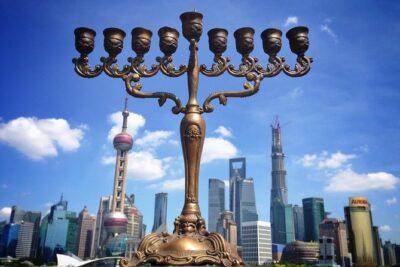
Tour of Jewish Shanghai led by a Jewish History Expert
Read our review →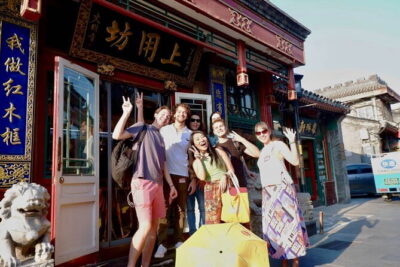
Beijing Historic City Guided Walking Tour + Calligraphy Creation
Read our review →
Beijing Culture: Tea Ceremony, Heritage Instrument & Calligraphy
Read our review →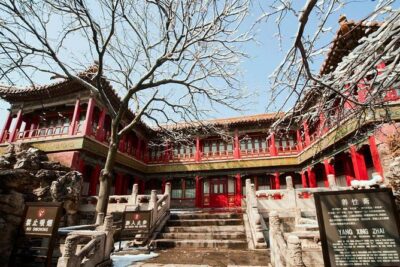
2-Hour Beijing Private Forbidden City Tour: History & Highlights
Read our review →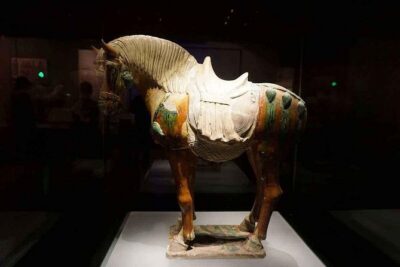
Xi’an Full Day Sightseeing Tour – Shaanxi History Museum, Big Wild Goose Pagoda, Ancient City Wall
Read our review →Browse the lists this tour appears in