
Reviewed · HUTONG TOURS
Immerse Yourself:Chinese Calligraphy Experience in Beijing Hutong
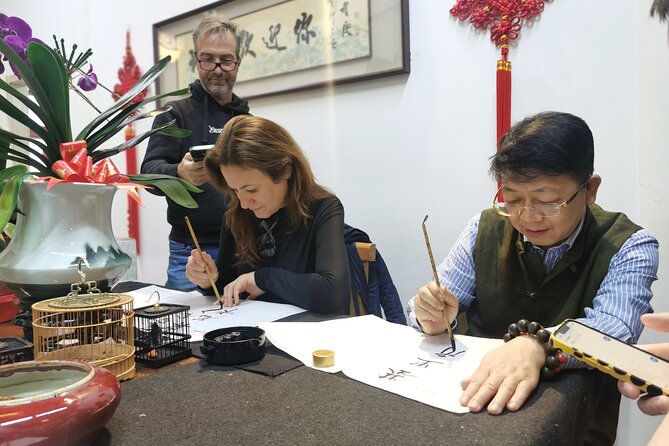
The clever part of this Beijing hutong calligraphy class is that you do not need to speak Chinese to take part. In about an hour, you can learn at least 10 Hanzi, handle traditional calligraphy tools, and leave with a better sense of how written Chinese works.
I like two things here. First, Master Guo Baoqing teaches in a supportive, hands-on style, so the session feels like a real lesson rather than a quick tourist photo stop. Second, the small maximum group of 10 gives the activity a personal scale, while children can take part and see that Chinese writing is not as forbidding as it first appears.
The main drawback is the short length. One hour is enough for a useful introduction, but not enough to develop polished brush control. You also need to arrange your own taxi or subway ride to the meeting point.
Key points to know before booking
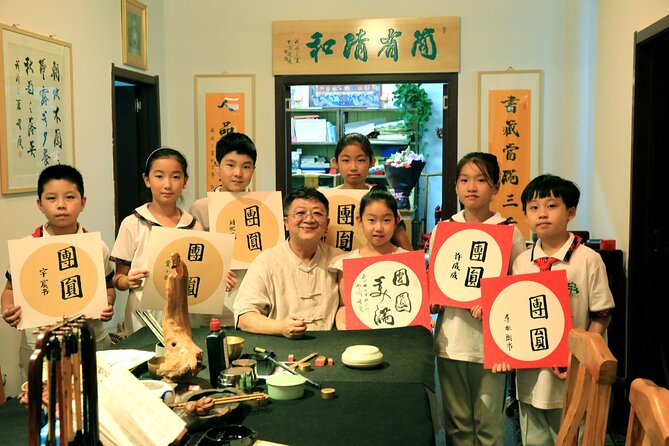
- You can learn at least 10 Chinese characters: The class is designed for complete beginners, including people with little or no Chinese.
- Master Guo Baoqing leads the lesson: His supportive, hands-on teaching style helps you get started with the brush.
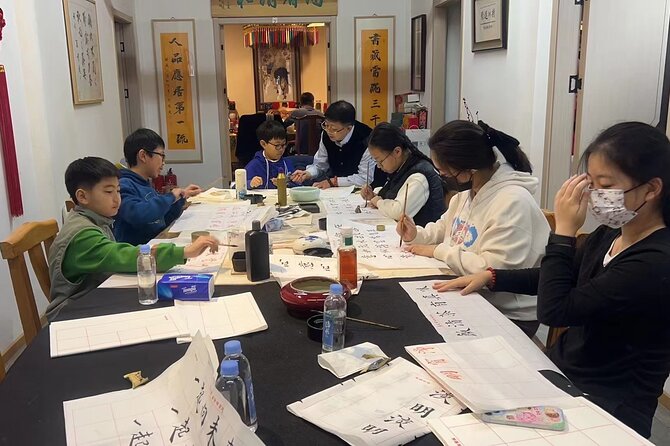
- The group is limited to 10 people: That matters when you need help with strokes, posture, and character shape.
- All calligraphy supplies are provided: You do not need to bring brushes, ink, paper, or other equipment.
- The class lasts about one hour: It fits neatly beside sightseeing in Beijing, but it remains an introduction rather than a full course.
- The session begins and ends at 71-3 Ci Qi Kou Da Jie: Transportation is not included, so plan your route before setting out.
Why this short class is worth your time in Beijing
Beijing offers no shortage of grand sights, from imperial buildings to historic streets. A calligraphy lesson gives you a different way to meet Chinese culture: not by looking at an object behind glass, but by trying to make the marks yourself.
Chinese calligraphy is both writing and visual art. The shape of a character depends on the order, direction, pressure, and balance of the brush strokes. Even a simple character asks you to slow down and pay attention.
That makes this activity a useful change of pace during a packed Beijing visit. You are not rushing between landmarks or trying to absorb another museum display. For one hour, you focus on the movement of the brush and the structure of each character.
I especially like the promise of learning at least 10 Hanzi during the session. That goal gives the class a clear result. You may not be able to hold a conversation in Mandarin afterward, but you will leave with a small set of characters you can recognize and write.
The experience also helps correct a common first impression. Chinese writing can look impossible when you see a full page of unfamiliar symbols. Once you learn how individual strokes combine into characters, the system begins to feel more approachable.
More Calligraphy and Craft Classes in Beijing
- Beijing Calligraphy Class
★ 4.9 · 112 reviews - Chinese Calligraphy Class for Small Group
★ 5.0 · 104 reviews - Beijing Historic City Guided Walking Tour + Calligraphy Creation
★ 5.0 · 59 reviews
Meeting Master Guo Baoqing at Ciqikou
The meeting point is 71-3 Ci Qi Kou Da Jie in Dong Cheng District, Beijing. The activity takes place in the hutong area, so the setting gives the lesson a traditional neighborhood context rather than placing it in a generic classroom.
You will need to make your own way there. Taxi and subway costs are not included, but the meeting point is near public transportation. Confirm the exact route and allow enough time, especially if this class is attached to another Beijing booking.
The activity ends at the same meeting point. That is convenient because you do not need to work out a second pickup location, and you can continue sightseeing from the area once the lesson is finished.
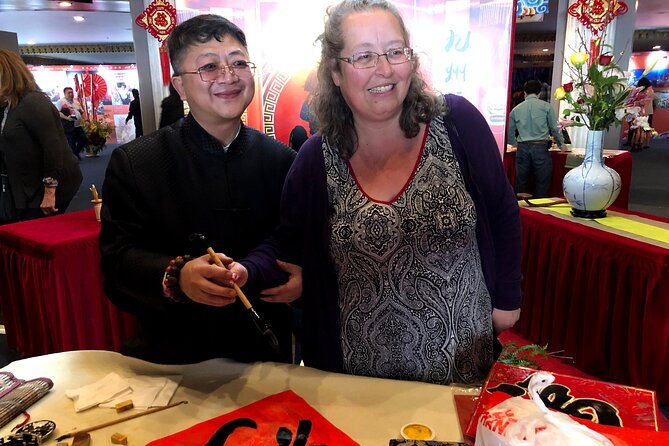
Master Guo Baoqing is the named instructor for the experience. The strongest detail about his teaching is its supportive, hands-on nature. That is important in calligraphy, where a beginner can feel awkward at first while holding the brush and copying unfamiliar forms.
A good teacher makes room for mistakes. You should expect guidance on the basic process rather than a test of your language skills. The stated focus includes the art’s history, tools, techniques, brush strokes, characters, and aesthetic principles.
What happens during the one-hour session
The class introduces you to the equipment used in traditional Chinese calligraphy. Supplies are included, so you can begin without buying a brush or assembling ink and paper yourself.
The lesson then moves into technique. You learn how brush strokes form characters and how the parts of a character need to sit in relation to one another. The aim is not simply to copy a shape, but to understand why the strokes are made in a particular way.
You will work with Chinese characters during the session. The experience promises at least 10 Hanzi for beginners, which gives you a manageable target and a satisfying sense of progress.
The class also covers calligraphy as an art form. The aesthetic side matters because two people can write the same character correctly, yet produce work with different balance and energy. The lesson introduces those visual principles without requiring previous experience.
At the end, you create your own calligraphic pieces. This is the part that turns the activity into something personal. Instead of remembering the class only through photographs, you have your own work to connect with the lesson.
Do not expect a finished masterpiece after 60 minutes. Brush control takes practice, and the class is best understood as a first step. Its value comes from learning the basics, trying the tools, and seeing how much you can do in a short time.
Why beginners and children can enjoy the lesson
You do not need to arrive with Chinese language skills. The activity is structured for beginners, and the goal of learning 10 characters makes it suitable for people who may be seeing Hanzi for the first time.
Children can also find the class rewarding. Calligraphy asks for concentration, but it is not dependent on long explanations in English. A child can learn through demonstration and practice, then see a recognizable result on paper.
That does not mean every child will enjoy it equally. The session has a calm, focused quality, so it suits children who can pay attention and follow guided instruction for about an hour. The available information does not specify a minimum age, so families should confirm suitability before booking for a very young child.
For adults, the lesson offers a low-pressure introduction to a subject that can seem intimidating. You are not expected to know Mandarin grammar or read a newspaper. The focus is on basic characters, brush movement, and the experience of writing.
I also like the way the class can appeal to different kinds of visitors. You might book it as a cultural activity, a family session, a creative break, or a way to understand something you have seen throughout China but never tried yourself.
Other old-lane walks in Beijing:
- Beijing Hutong Walking Food and Beer Tour at Hidden Restaurants
★ 5.0 · 1,132 reviews - Temple Heaven, Summer Palace, Lama Temple, Hutong Bus Tour
★ 4.7 · 319 reviews - Temple of Heaven, Summer Palace, Lama Temple, Hutong Tours
★ 5.0 · 311 reviews - Beijing Private Hutong Food Walking Tour
★ 5.0 · 299 reviews
The hutong setting adds useful context
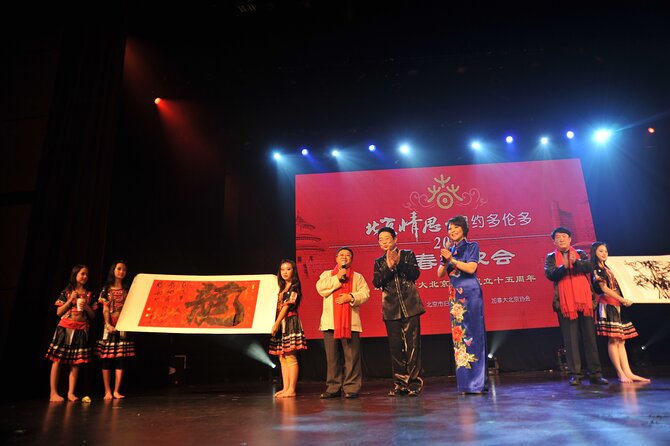
The meeting point is in Beijing’s hutong area, traditional lanes associated with older neighborhood life. The class does not replace a wider hutong walk, and no separate sightseeing route is promised, but the location gives the experience a stronger local connection than an activity held far from historic streets.
This setting matters because calligraphy is not an isolated craft. It has long been part of Chinese education, art, and daily culture. Studying the brush in an old Beijing neighborhood helps place the activity within the city rather than treating it as a souvenir-making exercise.
Still, keep your expectations clear. The booking includes the calligraphy experience and admission to it, not a guided tour of Beijing’s hutongs. If you want a longer neighborhood visit, you will need to plan that separately.
The compact format works well beside major attractions. You can fit a one-hour class into a day of sightseeing without giving up half a day. On the other hand, the short schedule leaves little room for delays, extended questions, or a second attempt at every character.
Is the $55 price fair?
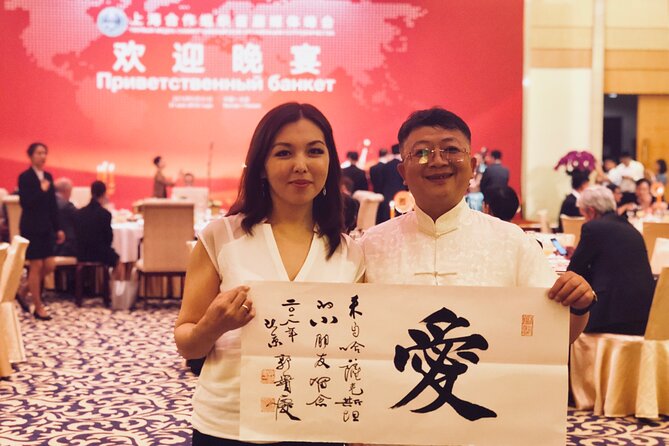
At $55 per person, this is not the cheapest way to spend an hour in Beijing. The price needs to be judged against what is included and what you want from the activity.
You receive a one-hour lesson, use of the calligraphy supplies, instruction in the history and methods of the art, and a chance to make your own work. The group limit of 10 also gives the class a more personal structure than a large demonstration.
The value is strongest if you want direct participation. If you only want to see calligraphy or take a photograph with a brush, the cost may feel high. You could find free examples of Chinese writing throughout Beijing, but those would not give you guided practice or your own calligraphic pieces.
The price makes more sense for a family or for someone who values a cultural activity over another standard sightseeing stop. It also suits a visitor who wants a lasting memory that is tied to an action, not just a place.
You should also budget for transportation. Taxi or subway costs are separate, and the activity does not include gratuities. The financial details are simple, but including them in your day’s plan helps avoid surprises.
Group size, timing, and practical planning
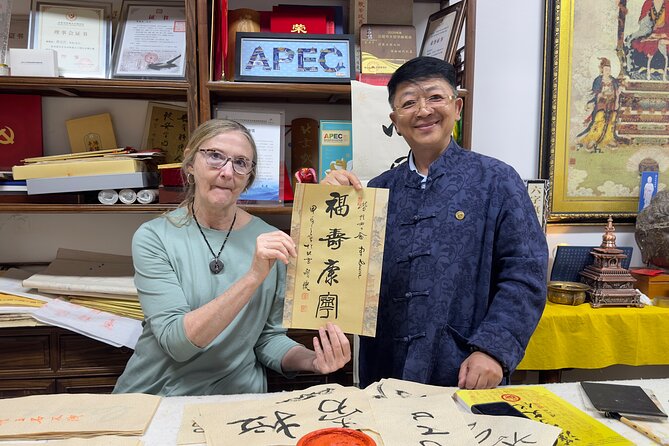
The maximum group size is 10 people. That is small enough to support individual attention, although the exact number at your session can vary.
A one-hour duration is easy to fit into a Beijing schedule. Try not to place it immediately before a fixed-time attraction if your route across the city is complicated. Your transportation is your responsibility, and city traffic can affect taxi journeys.
Confirmation is provided when you book. The experience uses a mobile ticket, which makes it practical to keep the booking details on your phone.
The activity requires good weather according to its operating terms. If poor weather causes a cancellation, you will be offered another date or a full refund. The same applies if the minimum number of participants is not reached.
Most people can participate, but no detailed accessibility information is provided. If you have specific mobility or access needs, contact the provider before booking rather than assuming the hutong meeting point will suit you.
The cancellation rule is friendly but firm. You can cancel up to 24 hours before the start time for a full refund. Cancellations or changes made less than 24 hours before the start time are not accepted for a refund, and all cut-off times use Beijing local time.
What makes the teaching style important
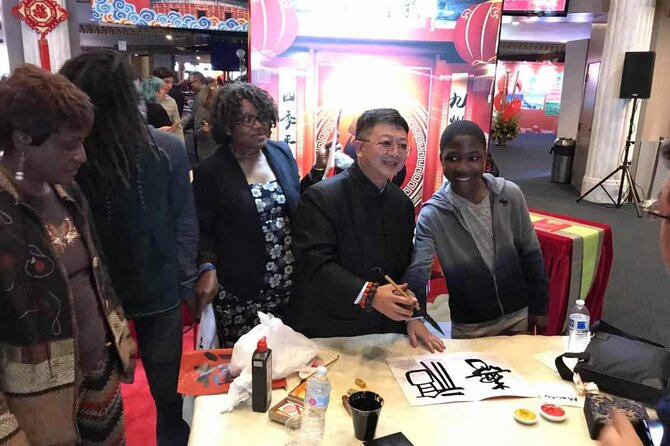
Calligraphy looks simple from a distance. A brush, black ink, and paper are familiar objects, but controlling the brush is not automatic. Beginners need someone to show them how the tools work and how small changes in pressure affect the result.
Master Guo Baoqing’s supportive, hands-on approach is therefore one of the most important features of the experience. You are not left to copy symbols from a page without help. The lesson is built around learning by doing.
That approach also gives the activity its human side. You can ask questions, make mistakes, and try again. The class is not presented as a performance by an expert while you watch from the side.
The result is especially useful for visitors who want cultural understanding without a long lecture. You learn through movement, repetition, and the physical feel of the brush. That kind of lesson can stay with you longer than a list of dates or definitions.
The available information does not promise advanced instruction or a certificate. Book it for a thoughtful first experience, not for formal training.
Who should book this Beijing calligraphy class?
I would recommend it most strongly to:
- First-time visitors who want a hands-on cultural activity
- Families with children who can focus for about an hour
- Adults curious about Chinese writing but unsure where to begin
- Art lovers who want to try a traditional brush technique
- Visitors seeking a calm break from major sightseeing stops
- People who appreciate a small group and personal instruction
You may want to skip it if your Beijing schedule is already packed with fixed-time attractions. A one-hour class still requires transport to and from the meeting point, and the activity will feel rushed if you cannot spare that margin.
It may also disappoint you if you expect a full course in Chinese language. You will learn at least 10 characters, but the class is not designed to teach conversational Mandarin or provide extended language study.
Final verdict: a good choice for a personal cultural memory
Book this experience if you want to do more than look at Chinese art. In one hour, you get basic instruction, traditional tools, a small-group setting, and your own calligraphic work to take from the session.
The strongest reasons to choose it are Master Guo Baoqing’s hands-on teaching style, the clear beginner-friendly goal, and the chance for children and adults to discover that Hanzi can be learned step by step.
The limits are just as clear. The class is short, transportation costs extra, and the $55 price is better suited to an interactive cultural lesson than to casual sightseeing.
For a first introduction to Chinese calligraphy in a Beijing hutong setting, I think it offers good value when you care about participation and memory. Plan your route carefully, arrive with realistic expectations, and give yourself time to enjoy the brush work rather than rushing toward the next attraction.
FAQ
How long does the Chinese calligraphy experience last?
The activity lasts approximately one hour.
Where does the experience begin?
It begins at 71-3 Ci Qi Kou Da Jie, Dong Cheng Qu, Beijing, China, 100051.
Where does the activity end?
The activity ends back at the meeting point.
Are calligraphy supplies included?
Yes. Calligraphy supplies are provided for use during the activity.
Do I need to know Chinese before taking the class?
No. The experience is suitable for beginners, and you are expected to learn at least 10 Chinese characters during the session.
Who teaches the class?
The instructor is Master Guo Baoqing.
How many people can join the activity?
The experience has a maximum of 10 participants.
Can I cancel for a full refund?
Yes. You can cancel at least 24 hours before the start time for a full refund. Cancellations or changes made less than 24 hours before the start time are not accepted for a refund.
New reviews from Beijing
- Private Transfer to Mutianyu Great Wall with professional driver★ 5.0 · 19 reviews
- One day tour to downtown Tianjin from Beijing by high speed train★ 5.0 · 3 reviews
- camp on the Great Wall overnight with sunrise and sunset on the wall★ 5.0 · 11 reviews
- ZANBUS: Trip to the Jinshanling Great Wall Departing at 7:30 AM★ 5.0 · 5 reviews
- BusDa:Ancient Great Wall &Badaling Great Wall Full-day Bus Tour★ 4.5 · 6 reviews
- Yuxiandu Chinese Royal Cuisine Museum with Show and Royal Banquet★ 5.0 · 4 reviews
- Wild Great Wall Hikes★ 5.0 · 10 reviews
- Wild Great Wall Huanghuacheng Half Day Tour★ 5.0 · 15 reviews
Hutong Tours, compared.

Beijing Hutong Walking Food and Beer Tour at Hidden Restaurants
Read our review →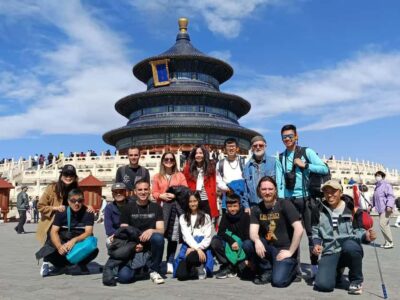
Temple Heaven, Summer Palace, Lama Temple, Hutong Bus Tour
Read our review →
Temple of Heaven, Summer Palace, Lama Temple, Hutong Tours
Read our review →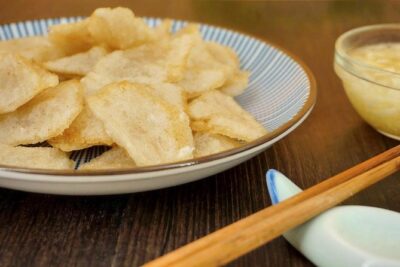

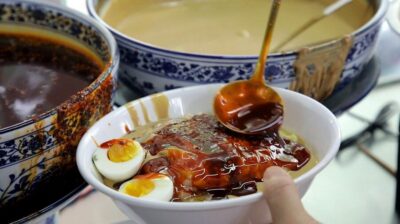

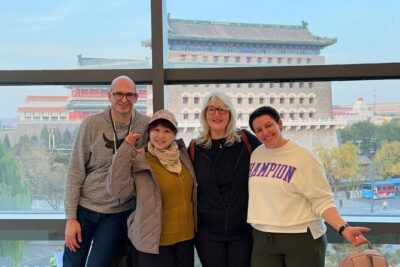
Beijing City Walk: Explore Hutongs Life and Old Beijing
Read our review →Browse the lists this tour appears in