

Reviewed · HUTONG TOURS
Beijing City Walk: Explore Hutongs Life and Old Beijing
Beijing’s past is easiest to understand on foot, one narrow hutong and old shopfront at a time. This 2.5-hour walk links famous streets with quieter corners, moving from Qianmen and Dashilan to hutong lanes, Nanluoguxiang, or the Bell and Drum Towers. Guides such as Yang, Kevin, Eevee, and Summer Wang bring the streets to life with stories, food tips, and local details.
I like the small-group limit of 15, which should make it easier to hear the guide and ask questions. I also like the mix of landmarks and everyday culture: local snacks, calligraphy, traditional shops, Peking Opera clothing, and even a shoe museum may appear along the way.
The main drawback is that the exact experience depends on your chosen departure and route. The walk is outdoors, requires steady time on your feet, and winter visitors need warm clothing. Entrance to the Bell and Drum Towers is not included, and tips are extra.
Key points to know before you book
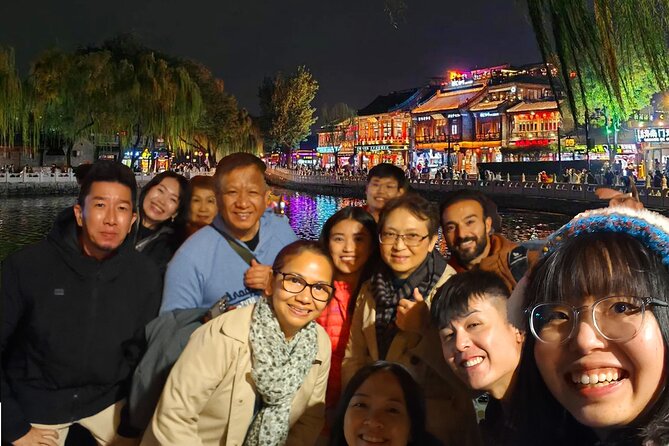
- Qianmen and Dashilan set the scene: Start among Beijing’s famous old commercial streets before turning toward quieter hutongs and Sanlihe.
- Nanluoguxiang offers a different mood: The night route connects the Drum Tower, old lanes, and canalside Houhai.
- Local culture is part of the walk: You may try calligraphy, sample traditional snacks, see Peking Opera outfits, and browse small shops.
- Guides make the difference: Yang, Kevin, Eevee, and Summer Wang are specifically praised for clear explanations, friendliness, and practical help.
- The group stays manageable: A maximum of 15 people and headsets for groups over 10 help with communication.
- The price is modest: At $15 per person, this is a low-cost way to get orientation and local context, though some extras are not covered.
Why a short walk works well in Beijing
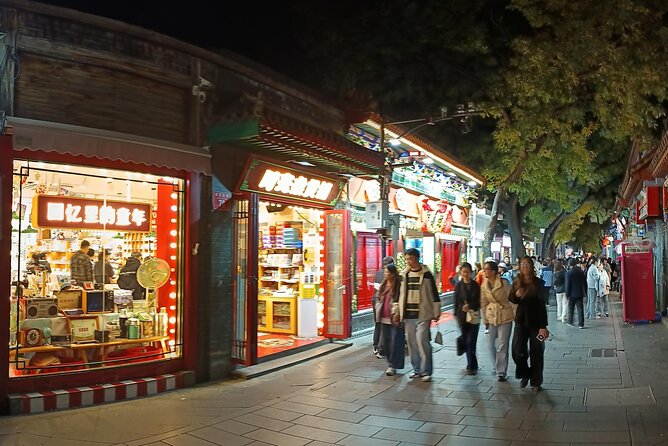
Beijing can feel enormous. Its grand avenues, palace compounds, shopping streets, and maze of hutongs do not always make sense when you move between them by taxi or subway. A guided walk gives you a usable map in your head. You see how the old commercial districts, residential lanes, towers, and waterways fit together.
The 2.5-hour length is a sensible compromise. You get enough time for a proper neighborhood walk without giving up half a day. I would use this tour early in your Beijing visit if you want help finding your bearings, or later if you already know the main sights and want a closer look at daily life around the old city.
This is not a museum-heavy excursion. The value comes from the guide’s explanation of what you are seeing. A lane may look like a simple passage, while a shop may seem ordinary. With context, those places become part of the city’s old social and commercial pattern.
You can choose a morning, afternoon, or night departure. That choice matters. Daytime is likely better for seeing shop details and taking photographs. An evening walk changes the mood around the Drum and Bell Towers and Houhai, where the route is designed to show old Beijing after dark.
Other old-lane walks in Beijing:
- Beijing Hutong Walking Food and Beer Tour at Hidden Restaurants
★ 5.0 · 1,132 reviews - Temple Heaven, Summer Palace, Lama Temple, Hutong Bus Tour
★ 4.7 · 319 reviews - Temple of Heaven, Summer Palace, Lama Temple, Hutong Tours
★ 5.0 · 311 reviews
Qianmen, Dashilan, and the first taste of old Beijing
Qianmen is a strong starting point because it introduces Beijing through one of its best-known historic commercial areas. The walking street gives you a broad, easy-to-follow beginning, with the guide explaining the importance of the district as you move through it.
From there, the route enters Dashilan, an old commercial street with shops, food stalls, and traditional products. This is the sort of place where a guide adds real value. You can look at signs and storefronts on your own, but you may miss the reason the street matters or the difference between a tourist-oriented shop and a place serving local customers.
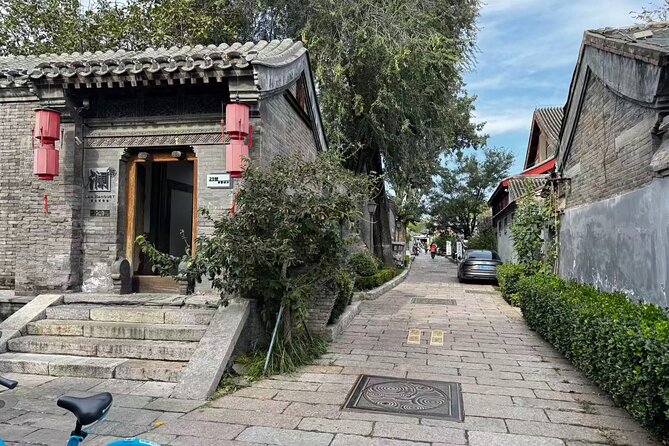
The walk then turns toward Sanlihe Hutong, a quieter contrast to Qianmen and Dashilan. That change is one of the route’s best features. You begin with a famous urban landmark, then move into the smaller lanes that give old Beijing its character.
The transition also helps you understand how the city works at two speeds. Qianmen is broad and public. The hutong is more intimate and residential. You are not simply collecting famous addresses. You are seeing how grand city life and neighborhood life sit close together.
A guide may also point out local stores, snacks, and small cultural sites along the way. One particularly unusual possibility is a shoe museum. The available details do not promise the same stops on every departure, so treat these as possible additions rather than guaranteed inclusions.
Nanluoguxiang and the night route
The Nanluoguxiang option follows a different but equally appealing idea. Rather than beginning with Qianmen, the route explores one of Beijing’s best-known hutong areas and connects it with the Drum Tower and canalside Houhai.
Nanluoguxiang is useful for visitors who want a concentrated introduction to hutong life. The lanes carry centuries of urban history, but they also contain shops, food stops, and places where old and modern Beijing meet. A guide helps you separate the area’s genuine local character from its more visitor-focused side.
The night route is described as a walk through 700 years of history. That does not mean you will receive a long classroom lecture. The appeal is the steady movement through connected places: the Drum Tower, hutong lanes, and Houhai.
Food is an important part of this option. Kevin is specifically praised for introducing local foods and snacks, and several accounts of the walk point to traditional pastries, drinks, and small kiosks. You should still expect to pay for any food you choose to buy, since snacks are not listed as included. The benefit is knowing what you are looking at and what may be worth trying.
Houhai adds water and evening atmosphere to the route. The walk ends in a different setting from where it began, which makes the experience feel like a real neighborhood journey rather than a loop around one landmark. Since the tour lasts about 2.5 hours, wear shoes you can comfortably use for a sustained walk.
The Bell and Drum Towers and Beijing’s old clock
The Bell and Drum Towers provide the strongest single historical image on the route. The tour pauses in the square so you can look at the illuminated buildings and hear how they once helped regulate time in the old city.
That story gives the towers a clear purpose. They were not simply decorative structures. Their sounds helped organize the day, making them part of the city’s practical rhythm. A guide can connect the buildings to the streets and neighborhoods around them, which is more useful than seeing them as isolated monuments.
The listed stop lasts about 30 minutes. Admission to the towers is not included, so check the plan for your chosen departure if entering the buildings matters to you. The walk itself includes time to admire them from the square, but the supplied information does not promise interior access.
At night, the towers offer a particularly photogenic stop. Their illuminated appearance creates a strong finish to an evening route. During the day, you may get a clearer look at their structure and the surrounding streets. Neither choice is automatically better. It depends on whether you care more about lighting and atmosphere or daytime detail.
Other walks around Beijing:
- Private Beijing Walking Tour of the Forbidden City with 7 Options
★ 5.0 · 675 reviews - Forbidden City Private Walking Tour with Optional Sights
★ 5.0 · 400 reviews - Beijing Private Hutong Food Walking Tour
★ 5.0 · 299 reviews - Beijing: Hutong Culinary Walking Tour with 15+ Tastings
★ 5.0 · 162 reviews
The cultural extras make this more than sightseeing
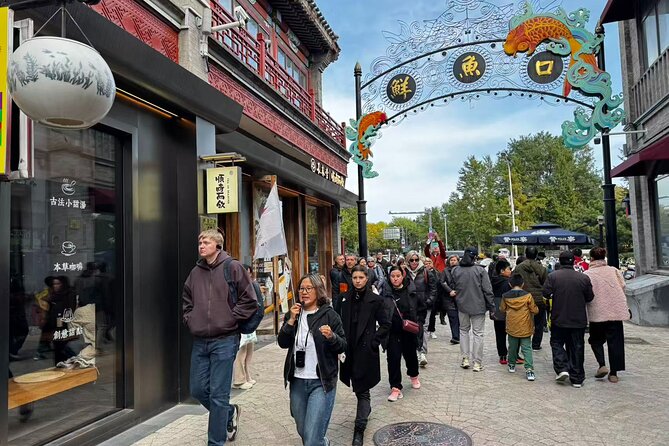
The most appealing part of this experience is its occasional hands-on character. The walk may include trying calligraphy, sampling local snacks, seeing Peking Opera outfits, visiting small stores, and looking at unusual cultural displays such as a shoe museum.
These details matter because they give you a way to connect with Beijing beyond dates and dynasties. Trying calligraphy, even briefly, changes your relationship with written Chinese. Seeing Opera clothing gives you a clearer sense of the visual tradition than a quick photograph can.
Do not assume every activity appears on every departure. The route varies by time, and the tour description groups several possible experiences together. Still, the design clearly aims to mix explanation with participation. That is a good fit if you prefer to do something rather than listen while walking from one monument to the next.
The food element is also practical. A guide can point out pastries, drinks, and snacks that you might otherwise pass without recognizing. You should view this as an introduction, not a full food tour. The focus remains the neighborhood and its history.
The guides are central to the experience
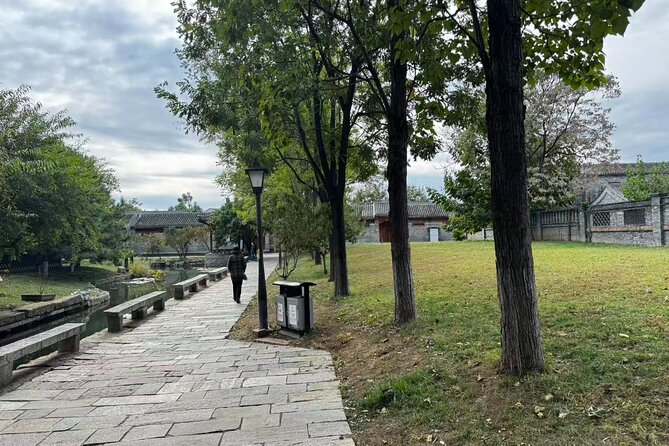
This kind of walk depends heavily on the person leading it. The strongest guide names associated with the experience are Yang, Kevin, Eevee, and Summer Wang.
Yang is praised for balancing history with fun and for combining explanation with activities such as calligraphy, snacks, Peking Opera clothing, shops, and the shoe museum. That balance suits you if you want substance but do not enjoy a lecture delivered at every corner.
Kevin is repeatedly associated with hutong and night walks. He explains the area’s history, introduces local food, and helps make sense of streets that can be confusing if you explore alone. His role is especially useful if you have already walked through hutongs by yourself and felt that you were missing the story behind them.
Eevee is praised for a pleasant, informed walk and for practical help after the tour, including assistance with getting a taxi. Summer Wang is singled out for making Beijing’s history and local life feel accessible while keeping a good pace.
You cannot necessarily select one of these guides when booking. Guide assignments may vary. The important point is that the experience is built around personal explanation rather than an audio recording or a self-guided route.
For groups larger than 10, guided headsets are provided. That is a small but useful detail on busy streets. With a maximum group size of 15, the walk should remain more personal than a large coach excursion.
What $15 really gets you
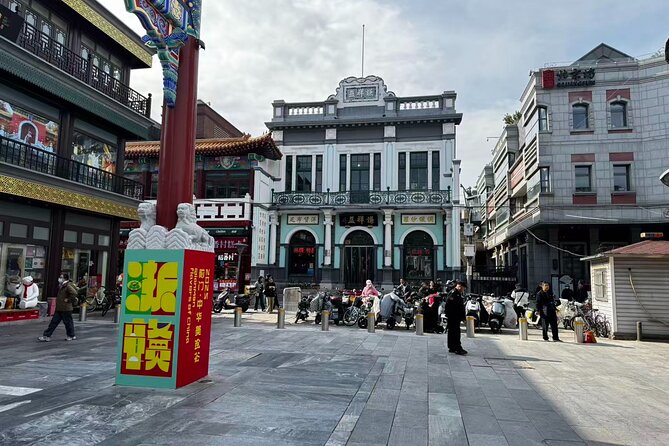
At $15 per person, this is an inexpensive introduction to several important parts of Beijing. You are paying mainly for an English-speaking guide, route planning, local context, and the chance to ask questions while walking.
The value is strongest if you are new to Beijing or uncomfortable making sense of the hutongs alone. A good guide can save time, show you which details deserve attention, and suggest foods or streets to revisit later. You also get a social experience without committing to a full-day tour.
The price does not cover tips. Admission to the Bell and Drum Towers is also not included, and food purchases are not presented as part of the package. Keep a little extra money available if you want to enter the towers or try snacks along the way.
I would not book this expecting a private guide or an all-inclusive cultural program. The maximum group size is 15, and the route can include public streets with other people around. But as a low-cost walking introduction, the price is fair.
Timing, clothing, and practical comfort
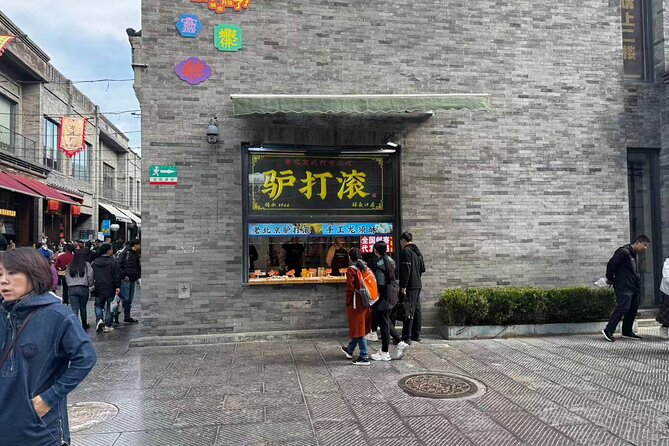
You can choose a morning, afternoon, or night walk. Pick the time that matches your priorities rather than simply choosing the first available slot.
A daytime walk should suit you if you want to examine shop signs, hutong details, and architecture in natural light. An evening walk is better for the illuminated Bell and Drum Towers and the atmosphere around Houhai. The night option also makes sense if you want local food suggestions during an evening out.
Winter deserves special attention. The streets can feel cold, and one visitor specifically advised wearing warm clothes. This is an outdoor walk, so pack accordingly. Comfortable walking shoes are equally important, even though the total time is only about 2.5 hours.
The tour is near public transportation, which makes reaching the meeting area easier. The exact meeting instructions are not provided here, so read the confirmation message carefully. Confirmation is sent at booking, and you are also notified by message the day before.
Most people can participate, but you should be comfortable walking outdoors for the full duration. If poor weather cancels the experience, you will be offered another date or a full refund.
Cancellation is flexible up to 24 hours before the start time. Cancel at least 24 hours ahead for a full refund. Inside that window, changes are not accepted and the payment is not refunded.
Who should book this Beijing walk?
I would recommend it to first-time Beijing visitors who want a clear introduction without spending a whole day on a tour. It is also a good choice if you have seen the major imperial sights but have not yet spent time in the old residential lanes.
Food-curious visitors should appreciate the snack stops and practical recommendations. So should photographers who want the contrast between Qianmen’s broad streets, hutong lanes, and the evening towers.
The tour is less suitable if you want a private, slow-paced architectural study or guaranteed entry to every attraction. It is also not ideal if you dislike walking in public areas or need a fully indoor activity in cold or wet weather.
Should you book it?
Book this walk if you want local explanation at a low price, especially during your first days in Beijing. The combination of Qianmen, Dashilan, hutongs, Nanluoguxiang, the Bell and Drum Towers, snacks, and cultural extras gives you a useful view of the city beyond its grand monuments.
Choose your departure time carefully. Pick daytime for shopfronts and street detail, or night for the towers and Houhai. Bring warm clothes in winter, budget separately for tower admission and food, and remember that the exact route and guide may vary.
At $15, this is an easy-value choice for a short orientation walk. Its success rests on the guide, and names such as Yang, Kevin, Eevee, and Summer Wang are associated with the warm, clear style that makes this sort of experience worthwhile.
FAQ
How long does the Beijing City Walk last?
The walk lasts approximately 2 hours and 30 minutes.
What places can the tour visit?
The routes include Qianmen Walking Street, Dashilan, Sanlihe Hutong, Nanluoguxiang, the Bell and Drum Towers, and the Houhai area. The exact route depends on the selected tour option.
Can I choose a morning, afternoon, or night tour?
Yes. The experience offers morning, afternoon, and night options.
Is the tour conducted in English?
Yes. An English-speaking tour guide is included.
Are headsets provided?
Guided tour headsets are provided for groups of more than 10 people.
Is admission to the Bell and Drum Towers included?
No. Admission to the Bell and Drum Towers is not included.
Are tips included in the price?
No. Tips are not included.
What happens if bad weather cancels the tour?
If poor weather causes cancellation, you will be offered a different date or a full refund.
New reviews from Beijing
- Mutianyu Wall, Summer Palace & Old Summer Palace Day Tour★ 4.8 · 34 reviews
- Night Market Haggling Adventure with an English Guide!★ 4.8 · 7 reviews
- BusDa-Mutianyu Great Wall&Forbidden City Full-day Coach Tour★ 4.9 · 11 reviews
- Mutianyu Great Wall Ticket with Roundtrip Cable Car★ 5.0 · 20 reviews
- Mutianyu Great Wall Entry Ticket Chairlift Up Toboggan Slide★ 4.9 · 8 reviews
- Mutianyu Great Wall Bus Trip+Ticket 7/8/9/10/13/13:30/15:30★ 4.7 · 24 reviews
- Mutianyu Great Wall 5-KM Guided Hike with Uphill Cable Car★ 4.8 · 16 reviews
- Mutianyu Great Wall Admission Ticket★ 3.6 · 7 reviews
Hutong Tours, compared.

Beijing Hutong Walking Food and Beer Tour at Hidden Restaurants
Read our review →
Temple Heaven, Summer Palace, Lama Temple, Hutong Bus Tour
Read our review →
Temple of Heaven, Summer Palace, Lama Temple, Hutong Tours
Read our review →

Browse the lists this tour appears in