
Reviewed · COOKING CLASSES
Beijing: Dumpling Making Workshop with Meal and Tea
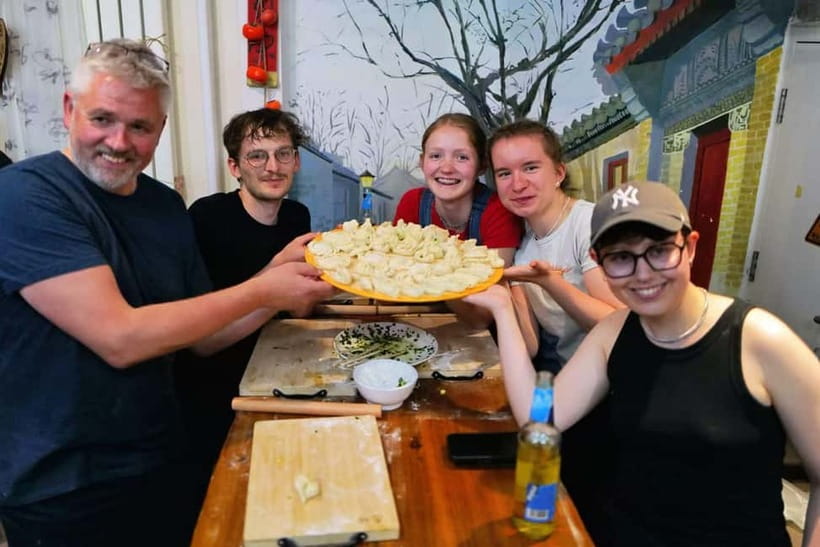
The best part of this Beijing experience is that you do not just eat dumplings, you learn how they come together. You roll dough, handle fillings, try several folding styles, and then sit down to eat what you made. The class also connects dumplings with Lunar New Year customs and everyday Chinese food culture.
I like the patient English-speaking instruction, especially for first-time cooks. I also like the generous meal: you get your dumplings, tea, beer or other drinks, and several additional dishes. The main thing to check is how much dough and filling preparation will happen on your visit, since some sessions appear to use prepared fillings or dough while others include more hands-on work.
Key points at a glance
- A 16:30 start fits neatly into a Beijing afternoon, leaving you with a freshly made dinner after three hours.
- You learn several folding methods, not just one basic dumpling shape.
- The meal goes beyond dumplings, with additional Chinese dishes, tea, beer, juice, and water included.
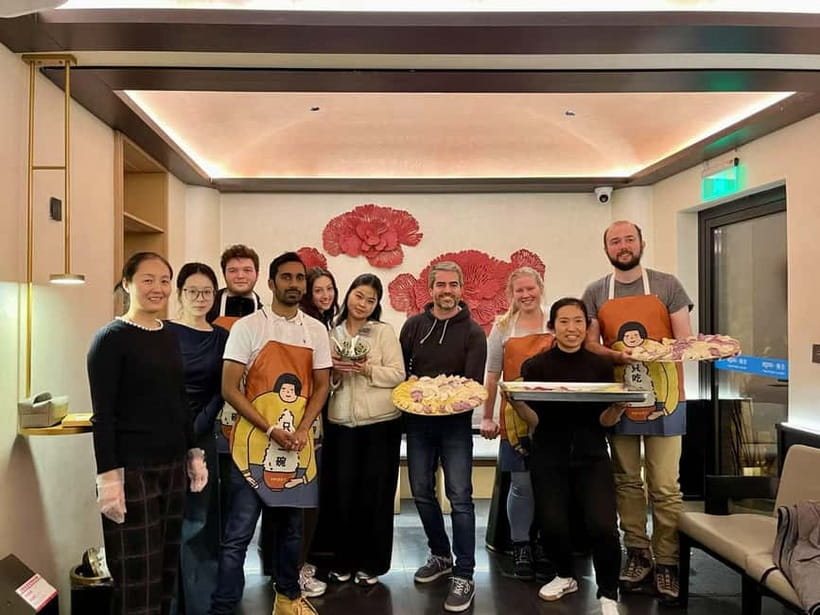
- The class works well for beginners, with guides such as Jenny, Janine, Eric, Heyang, and others giving clear, patient instruction in English.
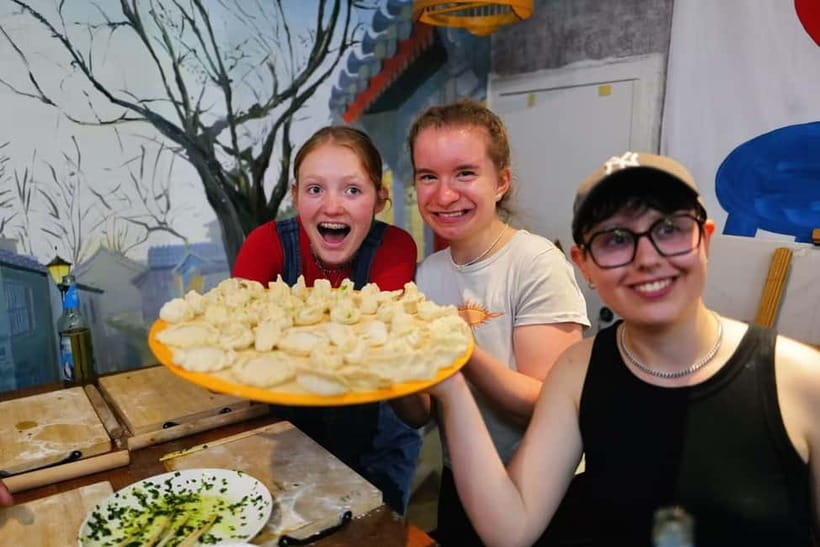
- The setting can feel local and informal, with one session held in a traditional hutong area and a shared table that encourages conversation.
- The price is strong for a meal and activity, though people with food allergies should not book this class.
Why dumpling making belongs on your Beijing schedule
Beijing has no shortage of major sights. The Forbidden City, the Great Wall, and the Temple of Heaven all deserve time, but a cooking class gives you a different way to understand the city. Here, food is not simply placed in front of you. You handle it, shape it, cook it, and share it.
Dumplings also carry meaning beyond their taste. Their shape is linked with old Chinese money ingots, and they are closely tied to family gatherings and Lunar New Year celebrations. You will hear about those customs during the class, along with regional differences in fillings and preparation.
That cultural context makes the activity more useful than a standard dinner reservation. You leave knowing how dumplings fit into Chinese family life, not just knowing that they taste good.
The class costs $35 per person and lasts three hours. For Beijing, that is a fair price for an organized lesson, a full meal, drinks, tea, and an English-speaking guide. You are also paying for a social evening, which can be worthwhile if you want a break from sightseeing and a chance to meet people at the table.
More Food Tours in Beijing
- Temple Heaven, Lama Temple, Summer Palace & Peking Duck Bus Tour
★ 5.0 · 377 reviews - Beijing: Hidden Gems Guided Food Tour with Beer and Tastings
★ 4.9 · 306 reviews - Beijing Hutong Breakfast Food Tour
★ 5.0 · 155 reviews
Meeting your guide at 16:30
The activity starts at 16:30, and you meet at the hotel lobby rather than receiving hotel pickup. That distinction matters. You need to reach the meeting point on your own, and finding the correct entrance may take a little care in Beijing’s busy streets.
One set of directions identifies the meeting point as the lobby of the Scared Hotel, close to the map pin. Since the supplied information also refers generally to a hotel lobby, confirm the exact meeting location before setting out. Allow extra time if you are walking through hutong lanes or using a taxi, and do not rely on arriving at the last minute.
The afternoon start works well. You can spend the morning at a museum or historic site, take a rest during the hottest part of the day, then head to the class for dinner. You will likely finish around 19:30, though the exact end time can vary with the group.
An English-speaking instructor leads the session. The class has been taught by several hosts, including Jenny, Janine, Eric, Lan, Heyang, his sister, and other local instructors. The important point is less the specific name than the teaching style: the strongest part of the activity is the slow, practical demonstration followed by your own attempt.
Rolling wrappers and shaping dumplings
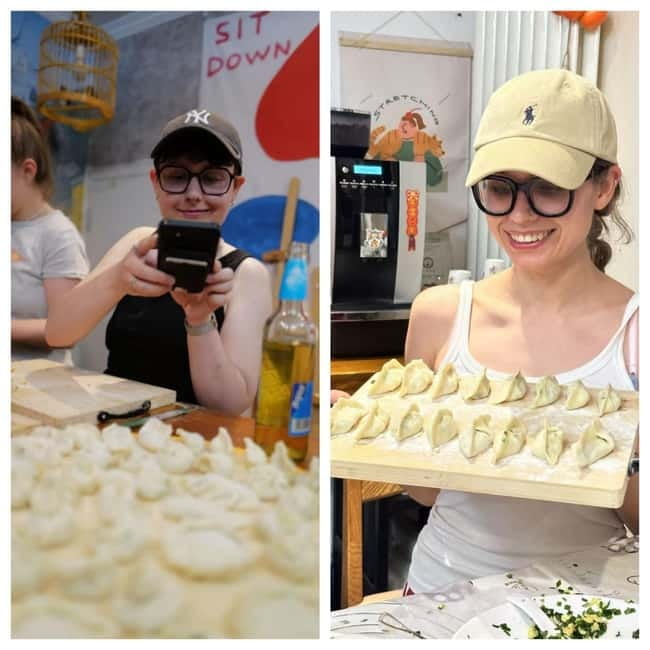
The class begins with the basic building blocks. You learn how dumpling dough is handled, how to roll a wrapper to the right thickness, and how to hold it in your palm while adding filling. The goal is not to make a perfect restaurant dumpling on your first try. The goal is to gain control of the wrapper and learn a method you can repeat at home.
You also learn more than one way to pinch and fold the dumplings. That is a small but enjoyable detail. A simple folded dumpling may be enough for dinner, but trying different shapes turns the lesson into a practical skill session rather than a quick demonstration.
The instructors are especially helpful with the fiddly parts. Too much filling makes the wrapper burst. Too little leaves a flat, loose dumpling. The edge must be sealed firmly, but not so heavily that the dough becomes thick and chewy. You will see the correct hand position, then copy it at your own pace.
The information says you learn to knead dough and prepare fillings, but the amount of preparation may vary. In one session, the participants made dough and vegetable and meat dumplings. In another, a participant wished there had been more work on making the dough and filling, since some of that preparation was already done.
If making dough from scratch is your main reason for booking, ask the provider what that day’s class includes. If you mainly want to learn shaping and enjoy a meal, prepared ingredients are not a serious problem. They let you spend more time practicing the part most people want to take home.
Fillings, cooking methods, and the first taste
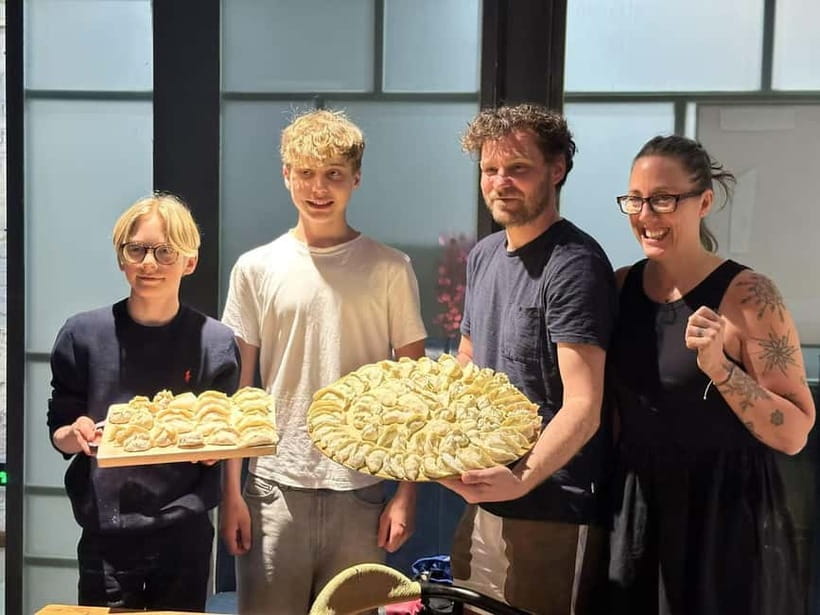
The fillings have received particularly strong praise. The class can include both meat and vegetable options, and one session produced dozens of dumplings in both styles. That makes the activity suitable for people who want a meat-free choice, although you should confirm your needs directly.
Once the dumplings are formed, they are cooked for the group. You may eat them boiled, with a soft and silky wrapper, or pan-fried, with a crisp underside. The contrast is useful: the same basic dumpling can feel quite different depending on how it is cooked.
This is also where the lesson becomes dinner. You are not taking home a small sample. The food served can include Kung Pao chicken, egg and tomato, cabbage, breaded chicken, desserts, and other local dishes. Beer, water, juice, tea, and other drinks have also been included.
The extra dishes add real value to the $35 price. You get to compare your dumplings with food prepared by the hosts, and the table becomes a fuller introduction to a Chinese meal. If you are hungry after a day of sightseeing, this generous spread is a major benefit.
Do not expect the entire meal to be limited to what you make. That is good news for most people, but it is worth knowing if you want a very focused cooking lesson. This is part class and part communal dinner.
Other eating walks in Beijing:
- Beijing Hutong Breakfast Food Tour
★ 5.0 · 120 reviews - Boutique Tour: Four Must-sees of Beijing and Peking Duck
★ 5.0 · 104 reviews - Beijing Walking Food Tour with a Local Friend
★ 5.0 · 73 reviews - Online Cooking Class Beijing Dumplings and Cuisine by Sunflowerli Renowned Chef
★ 5.0 · 65 reviews
Tea, conversation, and the social side
Tea is paired with the meal, giving the evening a quieter rhythm after the busy work of rolling and folding. You can ask about the tea, Chinese meals, and the customs connected to dumplings while you eat.
The communal table is an important part of the experience. You may be seated with other participants, and the shared work gives everyone an easy subject to talk about. You do not need to arrive with cooking skills or a ready-made group of friends.
That social element is especially useful for solo visitors and couples who want more contact with local people. The class has also worked well for families and small groups. Everyone has a task, and the repeated folding gives people a relaxed way to chat.
The mood is informal. Hosts have been described as friendly, funny, patient, and welcoming, with several making a point of helping people feel at home. That does not mean every session will have the same guide or group dynamic, but the format naturally encourages conversation.
A few beers or other drinks can make the dinner feel festive, yet you are not required to drink alcohol. Tea, water, juice, and other beverages are available. If you prefer a quiet meal, the setting may be livelier than a private restaurant table.
What the guides do well
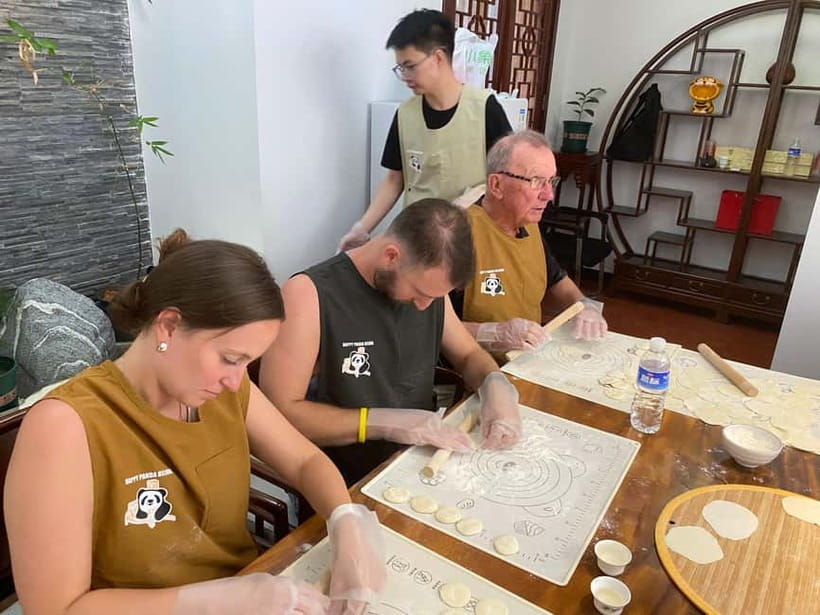
Clear teaching matters more than fancy surroundings in a hands-on class, and that is where this experience earns its keep. English-speaking guides demonstrate each stage, then let you try it. The instruction is aimed at beginners, so you do not need to know Chinese cooking terms before arriving.
Several hosts have been praised for easy-to-understand English. Janine, Jenny, Eric, Lan, Heyang, and his sister have all led sessions with a friendly, patient approach. The names may change, but you can expect a local instructor rather than a prerecorded demonstration or a purely self-guided activity.
The cultural explanations are another useful feature. You learn why dumplings matter at Lunar New Year and how regional habits affect the fillings and shapes. These details turn a simple recipe into a small lesson in Chinese family traditions.
The class does not appear designed for advanced cooks. If you already make dumplings often, the basic rolling and folding may feel familiar. You will still get a meal and a social evening, but beginners gain the most from the instruction.
The setting and the pace
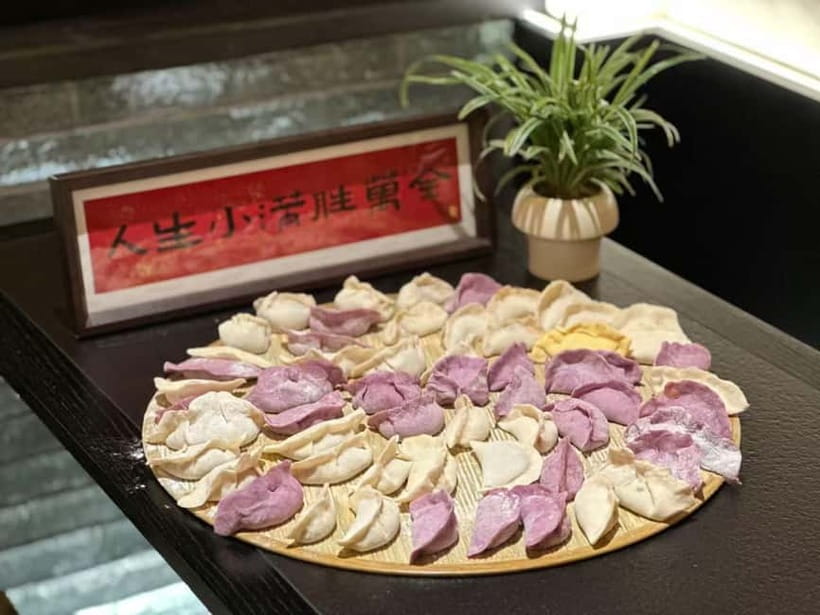
One session took place in a traditional hutong, which adds character to the evening. A hutong is a neighborhood of narrow lanes and courtyard homes, and it gives the class a closer connection to old Beijing than a generic cooking studio would.
The exact setting can vary, so do not book solely for a particular room or neighborhood view. The reliable features are the hands-on class, shared meal, tea, and local instruction.
Three hours is a comfortable length. You have enough time to learn the technique, make a large batch, wait for the dumplings to cook, and eat without feeling rushed. The class also has room for conversation and questions.
The one tradeoff is that a three-hour food activity takes a substantial part of your evening. If you have tickets for a show or a tightly timed night tour, the 16:30 start may not fit. If you want a calm dinner after a demanding sightseeing day, the timing is much better.
Who should book, and who should think twice

I would recommend this for first-time visitors to Beijing who want a practical cultural activity. It suits couples, families, solo visitors, and anyone who enjoys meeting people over food. It is also a good choice if you want to learn a skill you can try again at home.
The class is friendly to beginners and includes vegetable options. Still, people with food allergies should not book it, according to the activity restrictions. The meal includes several dishes and shared ingredients, so this is not the right setting for someone who needs strict control over cross-contact or a carefully limited menu.
You should also think twice if your priority is a full from-scratch cooking lesson. The description includes kneading dough and preparing fillings, but the hands-on balance may differ from one session to another. Ask before booking if those steps are essential to you.
Comfortable clothes are the only listed item to bring. That is sensible advice: you will work with flour, filling, and food for several hours. Smoking is not allowed.
Booking details that affect your choice
You must book at least 12 hours ahead, and the listed start time is 16:30. Availability should be checked for the date you want, since the exact schedule is not presented as open-ended.
Hotel pickup and drop-off are not included. You handle your own way to the lobby meeting point, so check the directions carefully and allow time to get oriented.
The activity is wheelchair accessible, which is useful for visitors who need step-free access. Confirm the exact meeting route in advance if you require particular access arrangements, since the available information does not give detailed information about entrances or seating.
Free cancellation is available up to 24 hours before the activity for a full refund. You can also reserve now and pay later, which helps if your Beijing schedule is still changing.
Is this Beijing dumpling class worth $35?
For $35, I think the experience offers good value. You receive three hours of instruction, all dumpling ingredients, tea, a substantial dinner, and several drinks. The extra Chinese dishes make the price easier to justify, especially compared with paying for a meal alone in central Beijing.
The strongest reasons to book are the patient teaching, the generous food, and the chance to connect cooking with Chinese customs. You can also leave with a repeatable skill instead of only photographs and a restaurant receipt.
The main caution is ingredient preparation. The class is not guaranteed to give every participant the same amount of work with dough and fillings. Confirm that point if a full from-scratch lesson matters to you, and do not book if you have food allergies.
If you want an easygoing evening that combines dinner, conversation, and a small piece of Chinese home cooking, I would book it. If you prefer a tightly structured professional cooking course or need a strictly controlled menu, choose a different activity.
FAQ
How long does the dumpling-making activity last?
The class lasts three hours.
What time does the activity start?
The activity starts at 16:30.
Where do I meet the guide?
You meet the guide in a hotel lobby. The meeting details should be checked carefully before departure, since hotel pickup and drop-off are not included.
Is the class taught in English?
Yes. The listed activity language is English, and English-speaking guides lead the instruction.
What food and drinks are included?
The activity includes all dumpling ingredients, tea with the meal, and other foods and beverages. Beer, water, juice, additional Chinese dishes, and desserts have been served during sessions.
Will I make both meat and vegetable dumplings?
The class can include both meat and vegetable dumplings. Vegetarian-friendly food has been available, but you should confirm the exact menu if you have specific dietary needs.
Do I make the dough and fillings myself?
The activity description includes kneading dough and preparing fillings. The amount of preparation may vary, so ask the provider if making every component from scratch is important to you.
What should I bring?
Wear comfortable clothes. No special equipment is listed as necessary.
Can I cancel the booking?
You can cancel up to 24 hours in advance for a full refund. The activity also offers reserve now and pay later booking.
More classes and workshops in Beijing
- Beijing Calligraphy Class
★ 4.9 · 112 reviews - Chinese Calligraphy Class for Small Group
★ 5.0 · 104 reviews - Beijing Wangfujing Calligraphy Class by Forbidden City
★ 5.0 · 58 reviews - Beijing Wangfujing Calligraphy Class Nearby Forbidden City
★ 5.0 · 56 reviews
More cooking classes in Beijing
- Half-Day Chengdu Cooking Class with a Local Market Visit
★ 5.0 · 465 reviews - Lijiang Naxi Cuisine Cooking Class & Market Visit
★ 5.0 · 48 reviews - Chengdu: Cooking Class with Fresh Market Half Day Experience
★ 5.0 · 42 reviews - Yangshuo Cooking Class with Market Trip
★ 5.0 · 40 reviews
New reviews from Beijing
- Mutianyu Wall, Summer Palace & Old Summer Palace Day Tour★ 4.8 · 34 reviews
- Night Market Haggling Adventure with an English Guide!★ 4.8 · 7 reviews
- BusDa-Mutianyu Great Wall&Forbidden City Full-day Coach Tour★ 4.9 · 11 reviews
- Mutianyu Great Wall Ticket with Roundtrip Cable Car★ 5.0 · 20 reviews
- Mutianyu Great Wall Bus Trip+Ticket 7/8/9/10/13/13:30/15:30★ 4.7 · 24 reviews
- Mutianyu Great Wall Entry Ticket Chairlift Up Toboggan Slide★ 4.9 · 8 reviews
- Mutianyu Great Wall 5-KM Guided Hike with Uphill Cable Car★ 4.8 · 16 reviews
- Mutianyu Great Wall Admission Ticket★ 3.6 · 7 reviews
Cooking Classes, compared.
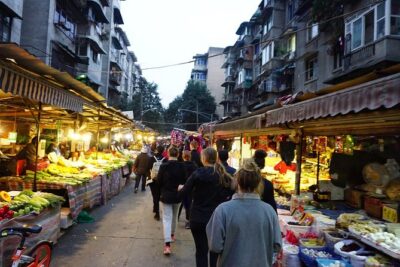
Half-Day Chengdu Cooking Class with a Local Market Visit
Read our review →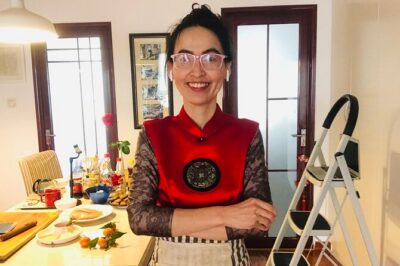
Online Cooking Class Beijing Dumplings and Cuisine by Sunflowerli Renowned Chef
Read our review →
Lijiang Naxi Cuisine Cooking Class & Market Visit
Read our review →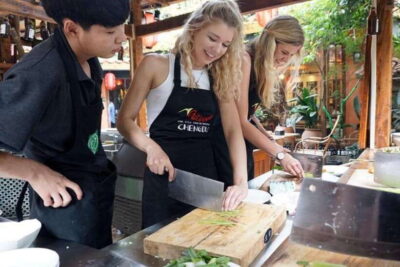
Cooking Class with Fresh Market Half Day Experience
Read our review →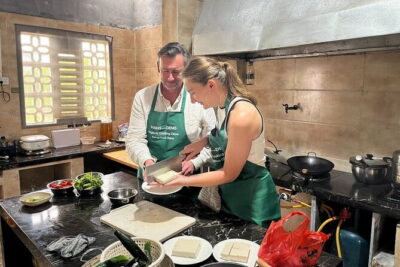
Half-Day steamed Buns Cooking Class with a Local Market Visit
Read our review →
Half-Day Sichuan Cooking Class Experience in Chengdu
Read our review →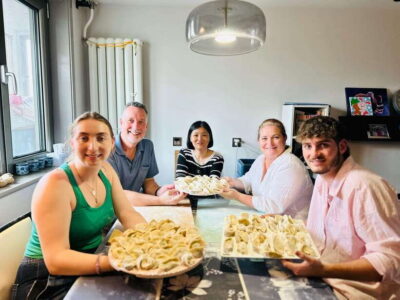
Browse the lists this tour appears in