
Reviewed · TEA TASTINGS
Shanghai: Song Dynasty Tea Ceremony Experience
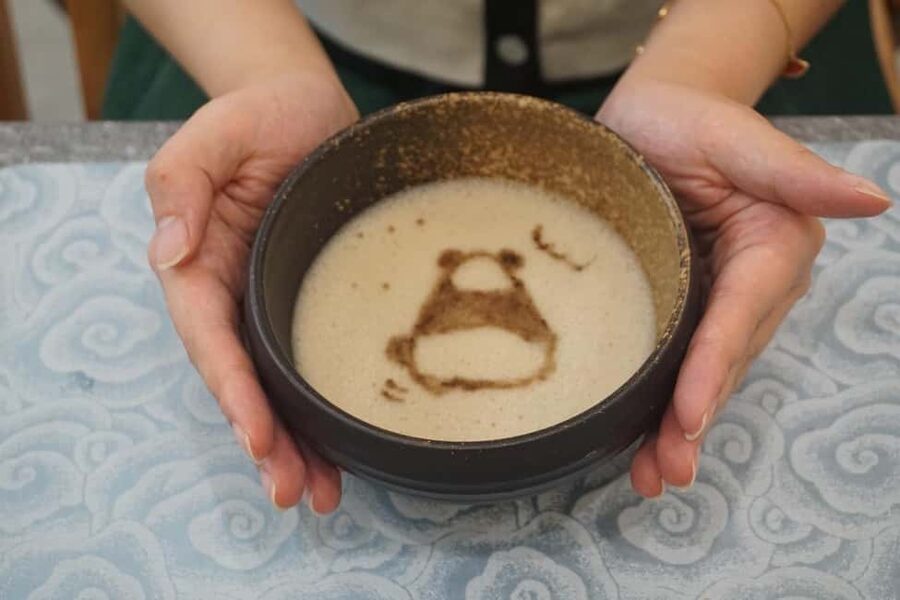
Powdered tea, a bamboo whisk, and a bowl of hot water are the heart of this Song Dynasty tea ceremony in Shanghai. You do not simply watch someone pour tea. You learn to whisk it yourself, creating a soft foam on the surface and seeing why tea was once treated as both an art and a social ritual.
I like the hands-on format, especially the chance to practice the whisking rhythm instead of sitting through a formal display. I also like the private-group setup, which gives families and friends room to ask questions, make mistakes, and enjoy the quiet pace together.
The main consideration is the price: $78 per person is a serious outlay for 90 minutes, and hotel transport is not included. You are paying for an intimate cultural lesson with an expert tea master, not a full sightseeing tour of Shanghai.
Key points to know before booking
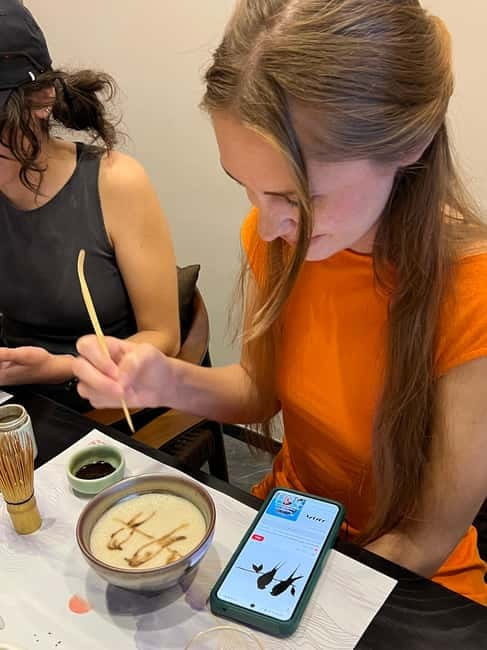
- You make the tea yourself: Learn to whisk powdered tea into a frothy drink using traditional tools.
- The setting reflects Song Dynasty aesthetics: Expect an atmosphere built around grace, order, beauty, and careful movement.
- It is a private 1.5-hour session: This works well for couples, families, friends, and small teams.
- The experience is more than a tasting: You also explore tea’s place in Chinese daily life and high society.
- Several teaching languages are available: Instruction is listed in English, Chinese, Japanese, Korean, Spanish, and Russian.
- Meet in Putuo District: Go to the main entrance of the mall at 168 Aomen Road and look for a white hat with a red Eto logo.
Why Song Dynasty tea feels different from a modern tea tasting
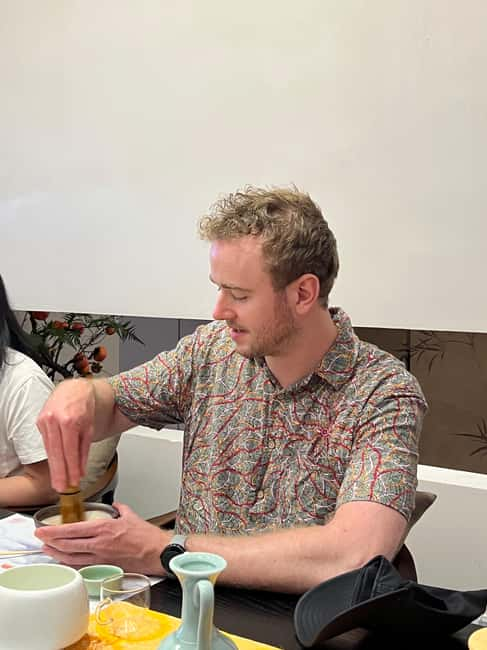
Most tea experiences in China focus on brewed leaves, small cups, and the careful pouring of several infusions. This session takes you back to an earlier method, when tea leaves were ground into powder and whisked with hot water in a bowl.
That difference matters. You are not just comparing flavors. You are learning a method that asks for control, patience, and a light touch. The foam is part of the appeal, and the act of making it gives the session a visual element that a standard tasting often lacks.
The Song Dynasty period is presented as a time when tea belonged to ordinary routines as well as refined social life. Tea could be part of daily habits, conversation, artistic taste, and formal gatherings. The ceremony uses that background to show why the preparation mattered as much as the drink.
I like this approach because it gives the tools a purpose. The tea bowl is not just a souvenir-style prop. The whisk is not there for decoration. Each item helps you understand how the ritual worked.
More Tea Tastings in Shanghai
- Biking Real Shanghai& Tea Tasting Experience
★ 4.5 · 45 reviews - Afternoon Tea and Dessert Tour on the Huaihai Road in Shanghai
★ 5.0 · 19 reviews - 3-Hour Shanghai Yu Garden &Old Town Private Tour with Tea Tasting
★ 5.0 · 17 reviews
Arriving at 168 Aomen Road in Putuo
The meeting point is the main entrance of the mall at 168 Aomen Road, in Shanghai’s Putuo District. You are not given hotel pickup or drop-off, so you need to make your own way there.
After booking, the exact meeting details are sent through WhatsApp. Look for a guide wearing a white hat with a red Eto logo. That visual marker should make the meeting easier, especially in a busy urban area where a vague meeting point can waste time.
I would save the address, the WhatsApp instructions, and the provider’s contact details before leaving your hotel. The activity includes WhatsApp live support, which is useful if you have trouble finding the entrance or need a quick update.
A separate entrance is listed for the experience, so you may not need to wait with general mall visitors. Still, give yourself enough time to arrive at the correct entrance. The ceremony lasts 90 minutes, and arriving late could cut into the teaching portion.
The venue is described as a beautiful teahouse with traditional aesthetics. The experience is wheelchair accessible, and it is offered as a private group rather than a large shared class. That combination makes the setting easier to manage for families and groups with different needs.
The opening history lesson sets the tone
The session begins with an introduction to tea in Chinese culture, with special attention given to the Song Dynasty. This part is not simply background decoration. It explains why the ceremony uses powdered leaves, a bowl, and a whisk rather than the loose-leaf pots many people associate with Chinese tea.
You learn how tea moved between practical daily use and high social culture. The talk also introduces the idea that tea preparation can carry meaning through posture, timing, appearance, and hospitality.
I would pay close attention here, especially if you know little about Chinese tea. The later steps make more sense when you understand that the ritual is about aesthetics and mindfulness, not only flavor.
The pace also appears suited to conversation. An English-speaking tea master is available, along with instruction in Chinese, Japanese, Korean, Spanish, and Russian. The supplied information does not name the individual tea master, so you should not expect a particular instructor by name. The focus is on the method and the conversation rather than a celebrity host.
The tools make the lesson practical
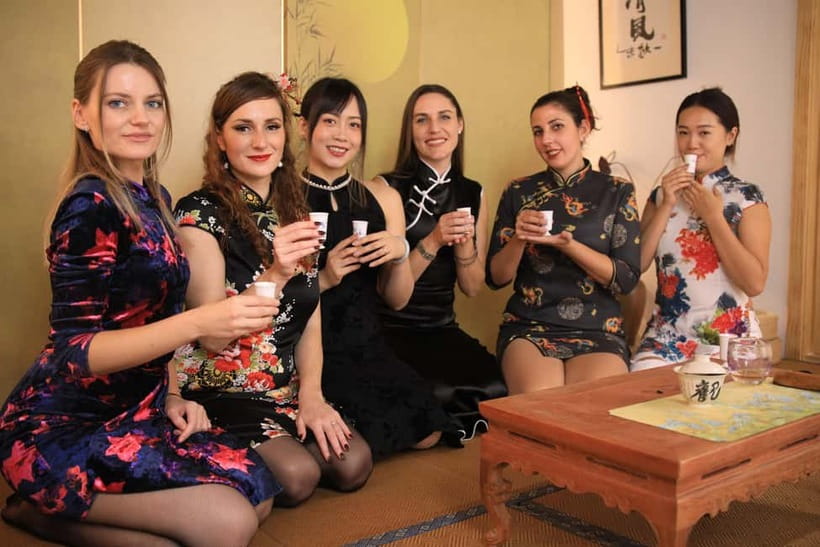
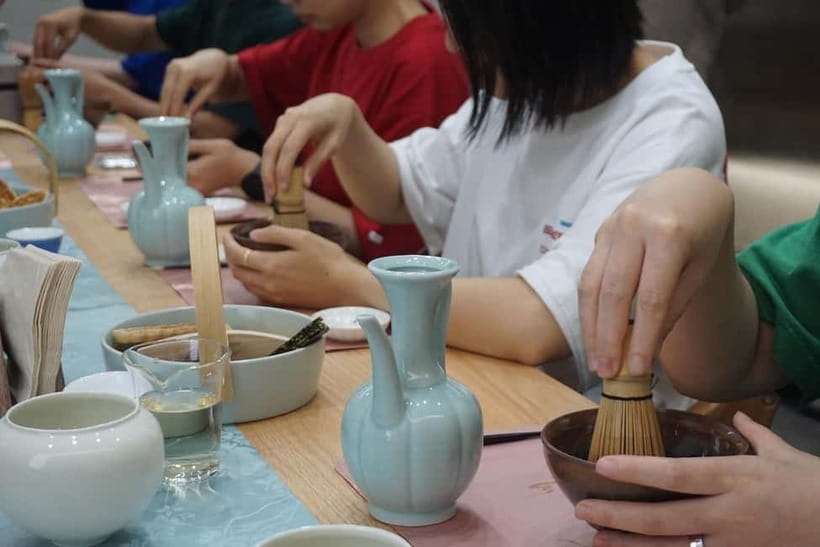
You are shown the main items used during the preparation:
- Tea bowl
- Tea whisk
- Powdered tea
- Tea scoop
- Tea tray
- Hot water kettle
- Tea cloth
This is a useful part of the experience because each tool has a clear job. The scoop helps control the amount of powdered tea. The bowl gives you room to whisk. The cloth and tray keep the process orderly, which is important when the ceremony places value on neat movement.
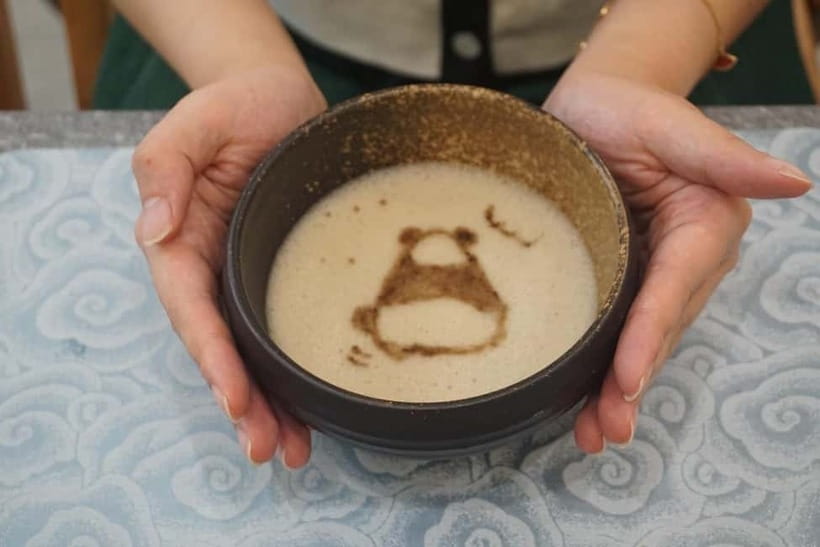
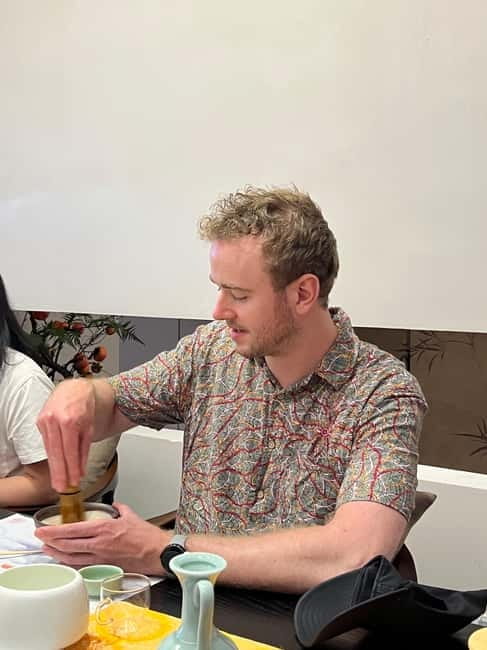
The tea whisk is the key piece. You use it to mix the powdered leaves with hot water and create a layer of delicate foam. The aim is not brute force. You need a steady rhythm and enough care to avoid treating the whisk like a kitchen beater.
I like that you get to handle the tools instead of watching a tea master do everything. You leave with a better sense of how much skill sits behind a graceful ceremony. Even a short practice can show you why experienced preparation looks effortless.
The utensils are also part of the visual experience. Their shape, placement, and use help create the traditional feel. This is one reason the ceremony suits visitors who enjoy design, craft, photography, and small details.
Other tea to sit down with in Shanghai:
- Private Shanghai City and Zhujiajiao Combo Tour with Boating, Tea Tasting, Lunch
★ 5.0 · 15 reviews - 4-Hour Shanghai Best Garden and Temple Tour with Tea Tasting
★ 4.9 · 7 reviews - Private Qibao Ancient Town Walking Tour with Tea Tasting and Calligraphy Experience
★ 5.0 · 4 reviews - Chinese Tea Ceremony Experience
★ 5.0 · 3 reviews
Whisking powdered tea is the main event
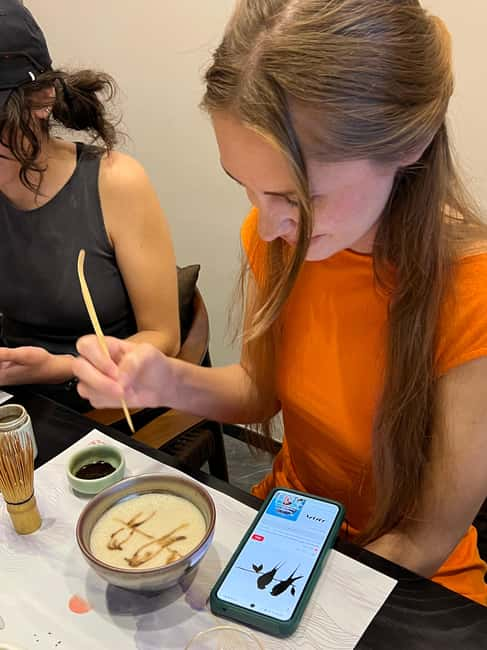
Once the demonstration is complete, you prepare your own tea with guidance from the tea master. You add powdered tea to the bowl, introduce hot water, and work the whisk until the surface becomes foamy.
The tea is described as smooth, aromatic, and distinctive. Since the leaves are powdered rather than strained out, the texture differs from a clear cup of brewed tea. The foam gives you something to watch as well as taste.
The most enjoyable part is the rhythm. The movement can feel calming once you stop worrying about making a perfect bowl. You are learning an old technique, not competing in a tea-making contest.
Some sessions also include a creative activity involving painted symbols, along with a small gift to take home. These extras make the experience more appealing to friend groups and families, though you should confirm the exact inclusions when booking if these details matter to you.
For children or first-time tea drinkers, the whisking adds a playful element. For adults interested in ritual, it offers a quieter exercise in attention. For both groups, the foam provides an immediate result: you can see whether your preparation is coming together.
Tasting the tea rewards patience
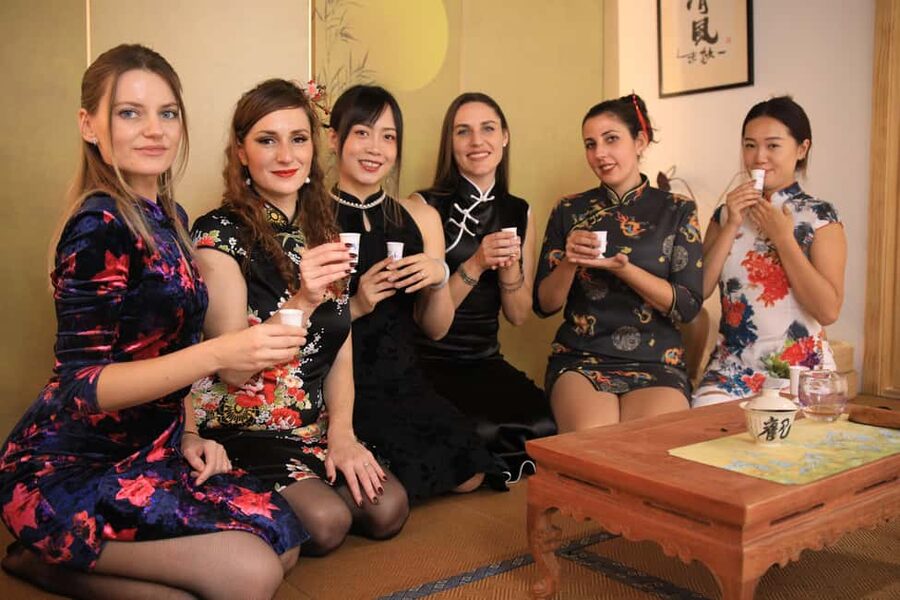
After whisking, you taste what you made. This is when the lesson connects technique with flavor.
Expect a tea experience unlike the usual pot of green tea. The powdered preparation creates a fuller mouthfeel, while the aroma rises from the warm foam. The flavor is described as smooth, and the ritual gives you time to notice it rather than gulping it between sightseeing stops.
I would not book this expecting a large meal or a broad tea flight. The supplied details describe freshly whisked tea and a focused ceremony, not a food tour or a long tasting menu.
That narrow focus is also part of its value. You can give your attention to one preparation method and understand it properly. The 90-minute length leaves enough time for explanation, practice, and tasting without turning the activity into an all-day commitment.
Why the private format matters
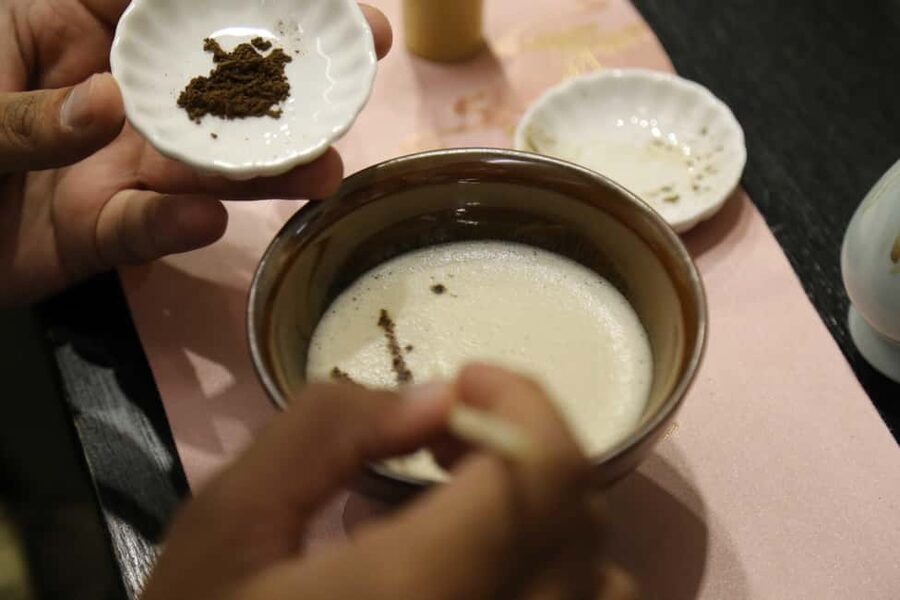
The private-group arrangement is one of the strongest practical features. If you book with friends or family, the session can feel more like a shared workshop than a performance.
You can ask questions without worrying about slowing down a large class. You can practice at your own pace, and the tea master can give more direct help with the whisking motion.
One group joined with three close friends and found the session both educational and easygoing. That combination makes sense. Tea ceremonies can feel stiff if you are expected to remain silent and copy every movement perfectly. Here, the hands-on format gives the group something to do together.
The private setting also suits couples who want a calm break from Shanghai’s traffic and crowds. It works for team outings as well, since making the tea involves cooperation and careful observation.
The tradeoff is price. At $78 per person, a private 90-minute activity costs more than a casual cup of tea or a basic museum visit. I think the price makes more sense for a group that values instruction, atmosphere, tools, photos, and a cultural lesson. It is harder to justify if you only want to taste tea.
What is included for the $78 price
The fee includes the tea master, the tea itself, and the equipment needed for the ceremony. You also receive experience photos and WhatsApp live support.
The included items are:
- Expert tea master
- Powdered tea
- Tea bowl
- Tea whisk
- Tea scoop
- Tea tray
- Hot water kettle
- Tea cloth
- Experience photos
- WhatsApp live support
The photos are a useful extra because the ceremony is visually appealing. You can focus on learning rather than constantly reaching for your phone, then leave with a record of the activity.
Tips are not included. Hotel pickup and drop-off are also not included, so add your transport costs when comparing this with other Shanghai activities.
You can reserve now and pay later, which helps if your schedule is still changing. Free cancellation is available up to 24 hours before the experience for a full refund. Starting times depend on availability, so check the schedule before building the ceremony into a tightly planned sightseeing day.
Who will enjoy this most
I would recommend this to tea lovers, history fans, and anyone curious about traditional Chinese rituals. You do not need prior knowledge of tea. The teaching is designed to bring beginners into the process.
It is also a good fit if you have already visited major Shanghai sights and want a slower activity. The ceremony gives you a cultural experience without requiring a full-day trip outside the city.
Families may enjoy the practical side, especially children who like tools, foam, and creative tasks. Friends can treat it as a relaxed group activity, while teams can use it as a cooperative break.
You may want to skip it if you dislike guided rituals, do not drink tea, or prefer fast-paced sightseeing. The value depends on your interest in learning a process. This is not a quick photo stop.
Practical tips for a smoother visit
Save the WhatsApp message with the meeting instructions before you leave your accommodation. The meeting point is specific, but mall entrances can still be confusing.
Wear something comfortable enough for seated practice and careful hand movements. The ceremony is not physically demanding, but you will be handling hot water and delicate tools under guidance.
If you are booking for a family or group, confirm that everyone understands the 90-minute format. The private setting is best enjoyed when nobody feels rushed.
Ask about the language you prefer when arranging the booking. English, Chinese, Japanese, Korean, Spanish, and Russian are listed for instruction, which is a useful choice for international groups.
Finally, treat the whisking as part of the experience, not as a test. The beauty is in the rhythm and the attention. A slightly imperfect bowl still gives you a much better sense of Song Dynasty tea than simply watching someone else prepare it.
Should you book the Song Dynasty tea ceremony?
I would book this if you want a focused cultural activity in Shanghai and are willing to pay for personal instruction rather than a simple tasting. The whisking, foam, traditional tools, private setting, and history lesson give the 90 minutes a clear purpose.
I would be more cautious if your budget is tight or you are looking for a full afternoon of food and sightseeing. At $78 per person, the session is a special-interest purchase.
For tea fans, couples, families, and friend groups, it is an appealing way to slow down and learn something you can repeat at home. Just remember to arrange your own transport to Putuo District and confirm the WhatsApp meeting details after booking.
FAQ
Where does the tea ceremony take place?
The meeting point is the main entrance of the mall at 168 Aomen Road, Putuo District, Shanghai, 200071. Look for a guide wearing a white hat with a red Eto logo.
How long does the experience last?
The ceremony lasts 1.5 hours, or 90 minutes. Starting times depend on availability.
What will I learn to make?
You will learn the Song Dynasty method of preparing powdered tea by whisking it with hot water in a tea bowl.
What equipment is provided?
The activity provides a tea bowl, tea whisk, powdered tea, tea scoop, tea tray, hot water kettle, and tea cloth.
Is the experience private?
Yes. The activity is offered as a private group experience.
Which languages are available?
Instruction is listed in English, Chinese, Japanese, Korean, Spanish, and Russian.
Is hotel transportation included?
No. Pickup and drop-off from your hotel are not included. Meeting details are sent through WhatsApp after booking.
New reviews from Shanghai
- Shanghai To Beijing Bullet Train Ticket with Local Private Transfer★ 5.0 · 12 reviews
- Shanghai Spicy Food Tour★ 5.0 · 3 reviews
- Shanghai Uncommon Historic Sites Tour★ 5.0 · 3 reviews
- Shanghai Pudong airport transfer to Disneyland:Private with Meet & Great service★ 5.0 · 3 reviews
- Shanghai Tower Observation Deck 118 floor Tickets Pre-booking.★ 5.0 · 4 reviews
- Pudong Airport to Hangzhou: Private with Meet and Greet Service★ 4.5 · 4 reviews
- Private Transfer: Hotel to Shanghai Wusongkou Cruise Terminal (Baoshan Port)★ 3.5 · 6 reviews
- Shanghai Pudong International Airport (PVG) to Shanghai Hotel★ 5.0 · 4 reviews
Tea Tastings, compared.
Beijing Culture: Tea Ceremony, Heritage Instrument & Calligraphy
Read our review →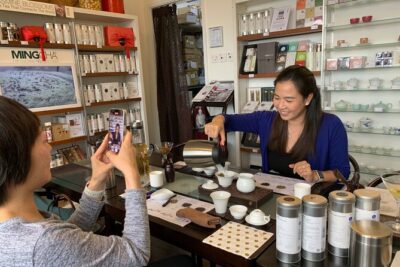
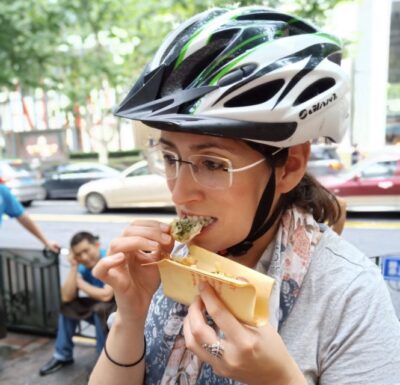
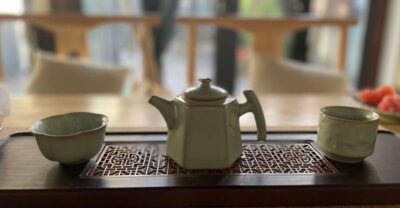
Chinese Tea ceremony in Beijing Hutong courtyard
Read our review →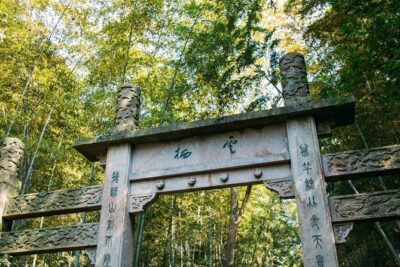
Half-Day Hangzhou Yunxi Bamboo Forest and Tea Plantation Experience
Read our review →
Leshan Buddha + Panda Base or Old Tea House Private Day Tour
Read our review →
Afternoon Tea and Dessert Tour on the Huaihai Road in Shanghai
Read our review →Browse the lists this tour appears in