
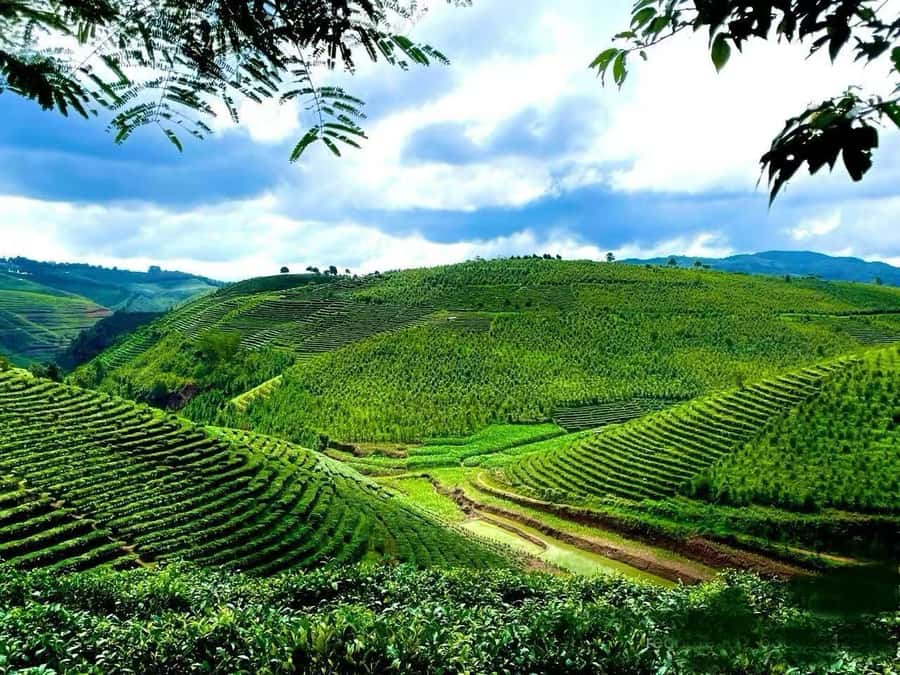
Reviewed · TEA TASTINGS
Puer Tea Picking and Tasting | 6 Hour Morning Trip
The best part of this outing is that you do not just sit at a tea table and sip. You walk among the plants, pick leaves, help process them, and taste the result later. Pu’er tea becomes much easier to understand when you have seen its journey from branch to cup.
I like the small groups, capped at six, and the personal work of guide Maxime, who translates questions and connects you with local producers. I also like that your tea is a real souvenir: you take home 300 grams of what you picked and processed. The main caution is timing. A six-hour trip can stretch toward seven, especially with lunch or a coffee visit, so do not book it too close to a train or flight.
Key points
- Pick and process your own tea: You take part in selecting leaves, withering, rolling, and drying.
- Small groups of up to six: Transport is by VW ID.4 for up to three people, or a six-seat minivan for larger groups.
- Maxime adds personal translation: He can guide in English, French, German, and Italian.
- Taste beyond one cup: The tea session can include fresh, raw, aged, candy, and red teas.
- Local food is part of the appeal: Lunch features Yunnan or Dai specialties and may cost 60 yuan per person.
- Easy access from two bases: Pickup and return are available from Jinghong or Pu’er.
From Jinghong or Pu’er to the tea country
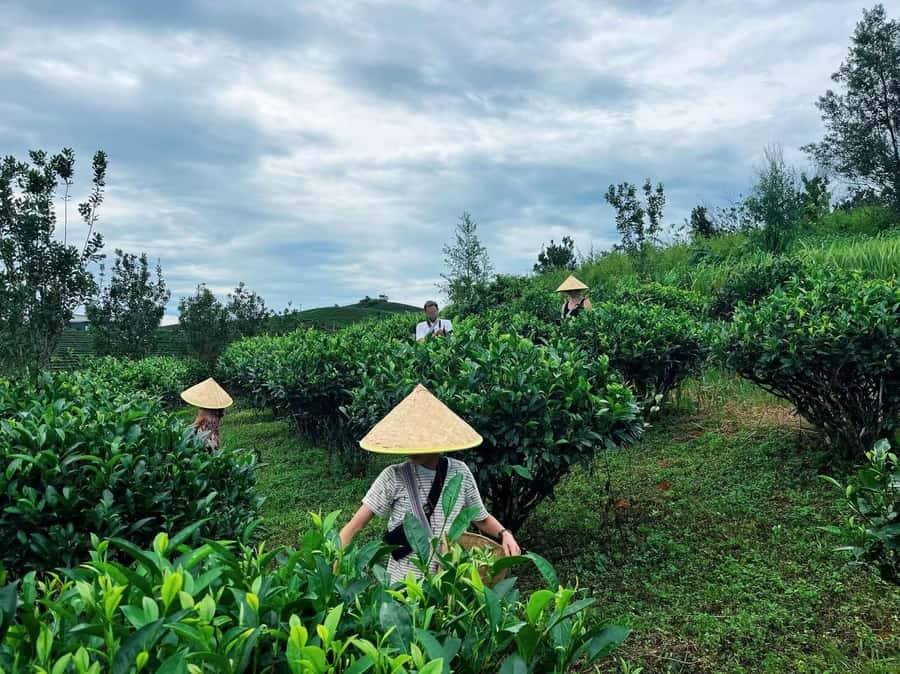
Your morning begins with pickup in Jinghong or Pu’er. The drive is part of the experience, not just a transfer. You leave the city behind and pass through green Yunnan countryside on the way to a tea plantation near Pu’er.
For up to three people, the vehicle is a Volkswagen ID.4. Larger groups use a comfortable six-seat minivan. This is a useful detail for couples, solo visitors, and small families because the ride remains personal rather than feeling like a coach excursion.
Maxime is the guide named most often in the available trip information. He speaks English, French, German, and Italian, and his role goes beyond pointing out plants. He translates questions between you and the tea estate staff, explains local customs, and helps the visit run smoothly.
That language link matters here. A plantation visit has more value when you can ask why one leaf is chosen over another, how the tea is handled, and what changes as it ages. Without that bridge, you might see a pleasant farm and leave with only a few photographs.
The drive is described as relaxing and scenic, but exact pickup times vary. Check the available departure time when booking, and allow the full five to seven hours if you want the day to feel unhurried.
Other tea to sit down with in China:
- Traditional Chinese Tea Ceremony Experience
★ 4.7 · 74 reviews - Beijing Culture: Tea Ceremony, Heritage Instrument & Calligraphy
★ 5.0 · 57 reviews - Tea Tasting and Pairing Concept Workshop
★ 5.0 · 57 reviews
Walking the Pu’er tea plantation
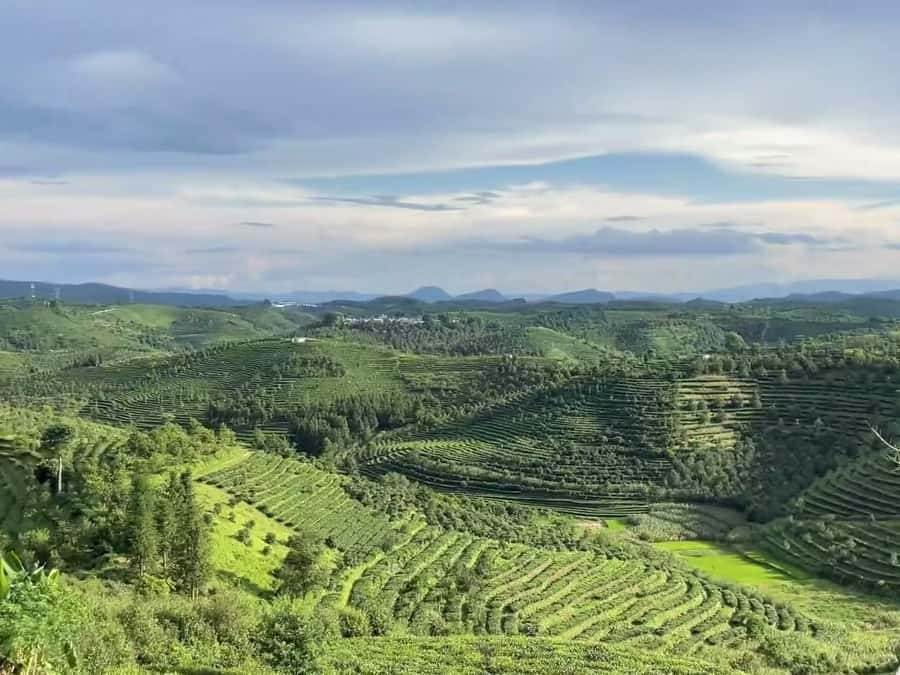
At the plantation, you begin with a guided walk through the tea fields and surrounding area. The purpose is not simply to admire rows of shrubs. You learn why Pu’er tea matters in this part of China and how the growing environment affects the work that follows.
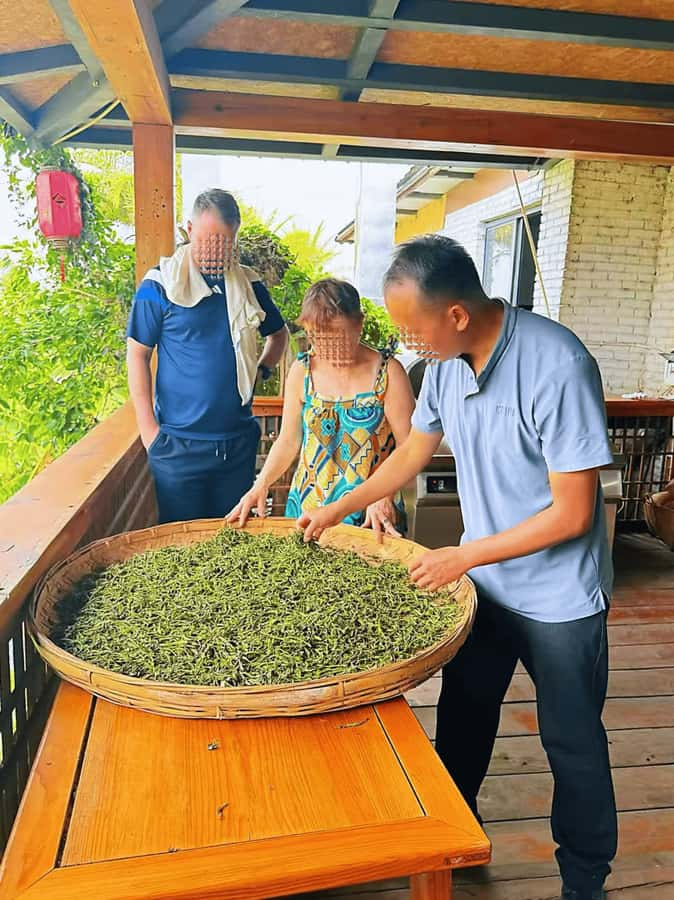
The hands-on picking session is the first major reason to choose this outing. Local staff show you how to select suitable leaves, then you try it yourself. This is simple work, but it gives you a better feel for the care involved. Tea picking is not a quick grab of any green leaf. The quality of the finished tea begins with what goes into the basket.
You should wear comfortable shoes. The activity takes place outdoors, and the plantation setting may include uneven ground or walking between rows. The supplied information does not describe the exact walking distance, so anyone with mobility concerns should ask before booking.
The setting is quiet and rural. One French visitor particularly valued the chance to share the picked tea with the farmers. That detail captures what makes this outing different from a standard tasting room: you are close to the people who grow and handle the tea, not only the finished product.
The tour also offers an introduction to Dai culture and local life through the guide and farm visit. The amount of cultural discussion can depend on your questions, so come prepared to ask them. Maxime has been praised for taking time to translate and explain rather than rushing from one stop to the next.
Turning fresh leaves into tea
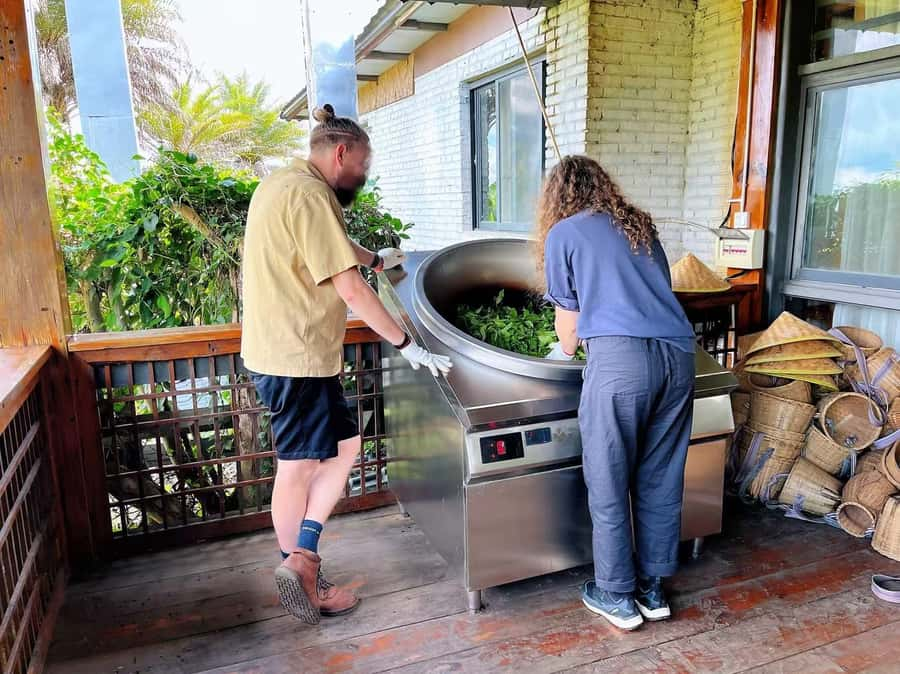
After picking, you visit a local processing farm. This is where the experience gains its practical edge. You see the stages that turn leaves into a drink, including withering, rolling, and drying.
The process is easier to remember when your hands are involved. You may try parts of the work yourself, rather than watching an entirely closed demonstration. That makes the 300-gram take-home portion especially worthwhile: it is linked to your own activity at the plantation.
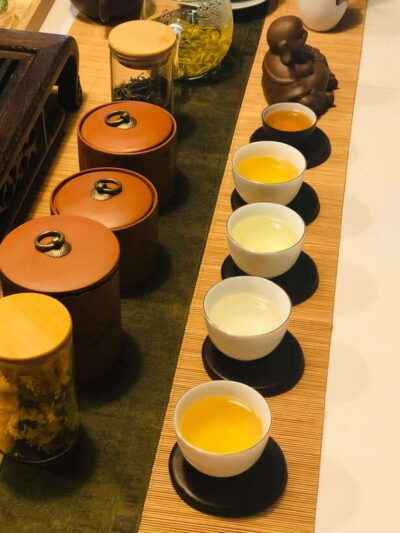
Pu’er tea is not one single flavor or style. During the tasting, you may encounter different varieties and processing approaches. The tea list described in the trip information includes fresh processed tea, raw Pu’er, aged tea, candy tea, and red tea. The exact selection can vary, but you should expect more than one type and more than one brewing style.
This is also a good place to ask how tea changes with age and preparation. You can compare aroma, color, and taste after the leaves have been handled in different ways. The lesson is not delivered as a classroom lecture. It grows out of what you have just seen at the farm.
One practical point: the tea you take home is not the same as a generic gift bag added at the end. The experience provides 300 grams of tea picked and processed by participants. Separate gifts and extra souvenirs are not included, and additional tea purchases may be available at the farm.
A tasting session with room for questions
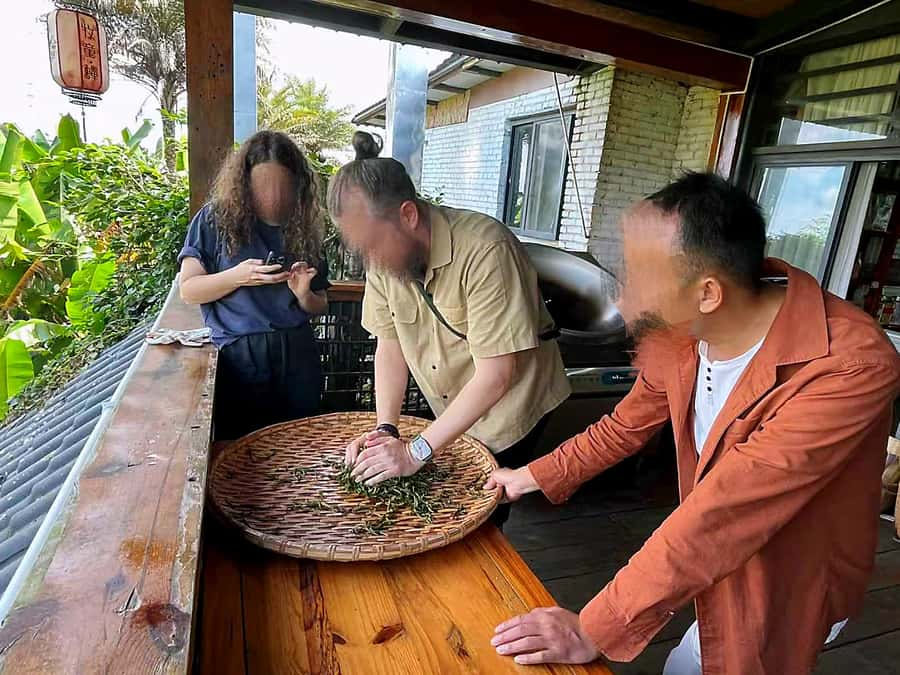
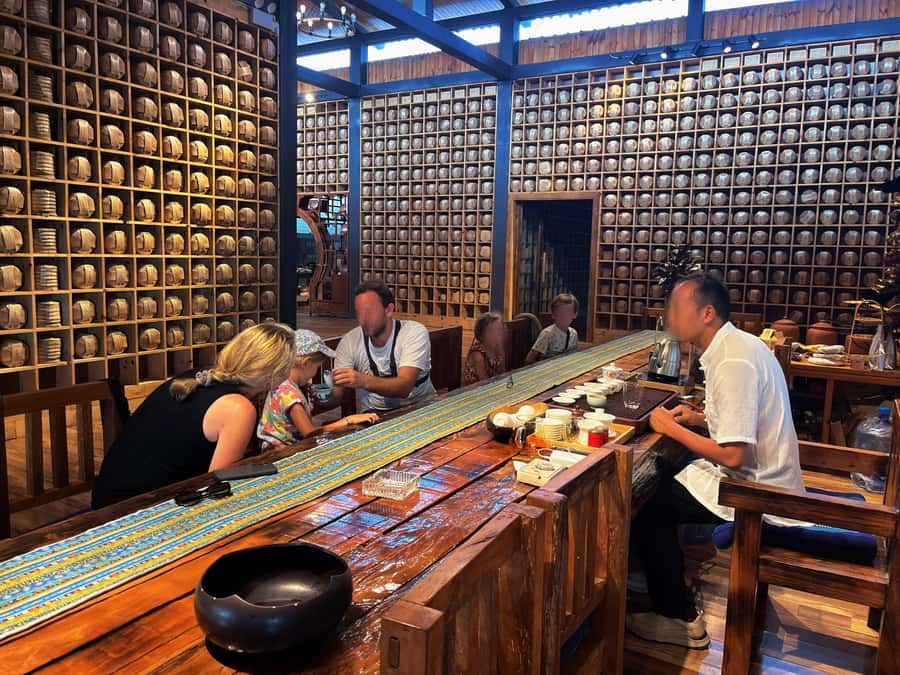
The tea tasting is the social center of the morning. You sit down with locally made tea and learn how it is brewed and compared. Several accounts describe repeated tastings, which means you can often try more than one infusion rather than rushing through a single sample.
I like the way this follows the plantation visit. You taste with a clearer sense of place and method. After seeing the leaves and processing equipment, the tea’s aroma has something to connect to.
The tasting can also be useful for buying tea, if you want to bring more home. The farm does not appear to pressure people to purchase, and a discount of 20 percent was available to one visitor buying tea at the end. That discount is not stated as a guaranteed feature, so treat it as a possibility rather than part of the advertised value.
If you already know Chinese tea, you will still have reasons to go. The visit gives you access to local production and lets you ask detailed questions in a setting where the tea is made. If you are new to Pu’er, the range of styles helps you work out what you actually enjoy before buying a larger amount.
The pace also suits people who prefer conversation over spectacle. Solo visitor Eunice found the experience easy to approach and wished for more time, especially for learning about the tea. That is a useful warning for serious tea fans: the half-day format gives you a solid introduction, but it may leave you wanting a longer visit.
Other eating and drinking in China:
- Authentic Local Food Tour in Central Shanghai
★ 5.0 · 1,382 reviews - Beijing Hutong Walking Food and Beer Tour at Hidden Restaurants
★ 5.0 · 1,132 reviews - Xi’an Evening Food Tour by TukTuk
★ 5.0 · 715 reviews - Eat Like A Local: Shanghai Night Food Tour
★ 5.0 · 616 reviews
Lunch, Dai flavors, and the possible coffee extension
Lunch is described in two ways in the supplied trip details. One section lists lunch at the farm as included, while the fuller description calls it optional at 60 yuan per person. Confirm the current arrangement before paying, since this affects the real price.
The meal is a strength of the outing. It features local Yunnan specialties, and accounts of the food describe it as delicious and authentic. One version of the day also included Dai dishes at a coffee estate south of Pu’er, followed by coffee tasting and a drive through the area known for coffee production.
That coffee stop is not fully consistent across the tour details, so you should ask whether it is part of your selected departure. It appears in several descriptions of the day, but the main summary focuses on the Pu’er tea plantation. If coffee matters to you, confirm the route rather than assuming it is guaranteed.
When included, the coffee visit broadens the day nicely. You can see another local crop, taste coffee processed close to where it is grown, and compare its farm-to-cup story with tea. It can also make the trip longer than the basic five-to-seven-hour estimate.
The food stop is best viewed as a chance to slow down, not a rushed add-on. You have time to eat and keep talking with the people involved in the farm. If you need to catch a train, tell Maxime before departure and ask for a firm return estimate.
Is $82 good value?
At $82 per person, this is not the cheapest way to see tea fields. The price covers pickup and return, a guided plantation visit, tea tasting, hands-on picking and processing, and the 300 grams of tea you take home. For a small group with multilingual support, that is a reasonable package.
The value improves if you are staying in Jinghong and would otherwise need to arrange private transport to the plantation. The VW ID.4 or small minivan keeps the outing personal, and the guide handles communication with the farm. You are paying for access, transport, translation, and participation, not only a tasting flight.
The comparison changes if you only want photographs of tea fields. For that purpose, the outing may feel more involved and expensive than necessary. The real value comes from asking questions, working with the leaves, tasting several teas, and caring about where your tea comes from.
Lunch needs clarification because the information conflicts. If it costs 60 yuan per person, add that to your budget. Extra tea and gifts are also separate purchases, although you already receive the 300-gram tea portion described above.
The small group limit of six is another reason the price can make sense. You avoid a large bus, and the guide has a better chance to respond to your questions. For a solo visitor, the cost buys a more supported day. For a group of three, the private-feeling vehicle arrangement is particularly attractive.
Who should book this experience?
I would choose this for tea drinkers who want to understand Pu’er through its production, not just buy a cake in a shop. It also fits nature lovers who enjoy a quiet drive, rural views, and light hands-on work.
The outing works well for solo visitors because pickup is included and Maxime can help with translation. It also suits couples and small groups who prefer a flexible day. Families with older children may enjoy the picking and processing, though one account says the guide adapted well for three children without giving their ages.
The experience is not suitable for babies under one year or people over 70, according to the stated restrictions. Pets are not allowed. Comfortable shoes are the only listed item to bring, but practical outdoor clothing is sensible.
I would hesitate if your schedule is tight. The standard duration is five to seven hours, and lunch or a coffee stop can add time. A visitor with a train to catch enjoyed the trip but regretted not having longer, which suggests you should not squeeze this between fixed transport connections.
Booking details worth checking
Pickup and return are available from Jinghong or Pu’er. The activity offers free cancellation up to 24 hours before departure and a reserve-now, pay-later option, which helps if your Yunnan route is still shifting.
The group size is limited to six. Up to three people ride in the VW ID.4, while larger groups use a six-seat minivan. The listed guide languages are English, French, German, and Italian.
Starting times depend on availability. Before booking, confirm four points: the exact pickup location, whether lunch is included or costs 60 yuan, whether the coffee stop is part of your departure, and the expected return time.
Should you book it?
Book this tea outing if you want a personal, hands-on introduction to Pu’er and value conversation with local producers. The strongest parts are the picking, the processing work, the varied tasting, and the 300 grams of tea you take home.
Skip it if you only want a quick plantation photo stop, cannot spare up to seven hours, or dislike outdoor farm activities. For everyone else, $82 buys more than a scenic drive. It gives you a useful understanding of how Pu’er is grown, made, brewed, and enjoyed in its home region.
FAQ
Where does the Pu’er tea trip start and finish?
Pickup and return are available from Jinghong or Pu’er. The exact pickup time depends on availability.
How long does the experience last?
The stated duration is five to seven hours. Lunch or an additional coffee stop may affect the total timing, so confirm the schedule when booking.
How many people are in each group?
The activity is limited to six participants. Up to three people use a Volkswagen ID.4, while larger groups travel in a six-seat minivan.
Which languages can the guide speak?
Guiding is available in English, French, German, and Italian. Maxime is named as the guide in the supplied experience details.
Is lunch included?
The information gives conflicting details. One section lists lunch at the farm as included, while another says it is optional at 60 yuan per person. Confirm the current arrangement before departure.
What tea do I take home?
You receive 300 grams of Pu’er tea picked and processed by participants. Extra gifts, souvenirs, and additional tea purchases are not included.
New reviews from China
- Shanghai To Beijing Bullet Train Ticket with Local Private Transfer★ 5.0 · 12 reviews
- Shanghai Spicy Food Tour★ 5.0 · 3 reviews
- Shanghai Uncommon Historic Sites Tour★ 5.0 · 3 reviews
- Shanghai Pudong airport transfer to Disneyland:Private with Meet & Great service★ 5.0 · 3 reviews
- Shanghai Tower Observation Deck 118 floor Tickets Pre-booking.★ 5.0 · 4 reviews
- Pudong Airport to Hangzhou: Private with Meet and Greet Service★ 4.5 · 4 reviews
- Private Transfer: Hotel to Shanghai Wusongkou Cruise Terminal (Baoshan Port)★ 3.5 · 6 reviews
- Shanghai Pudong International Airport (PVG) to Shanghai Hotel★ 5.0 · 4 reviews
Tea Tastings, compared.

Beijing Culture: Tea Ceremony, Heritage Instrument & Calligraphy
Read our review →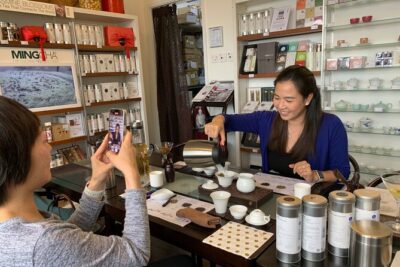

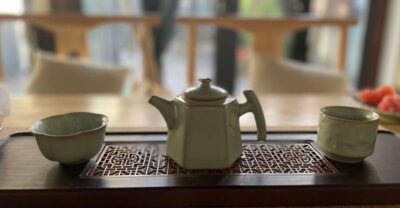
Chinese Tea ceremony in Beijing Hutong courtyard
Read our review →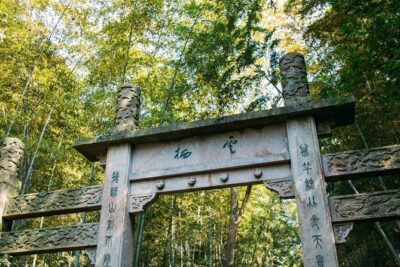
Half-Day Hangzhou Yunxi Bamboo Forest and Tea Plantation Experience
Read our review →
Leshan Buddha + Panda Base or Old Tea House Private Day Tour
Read our review →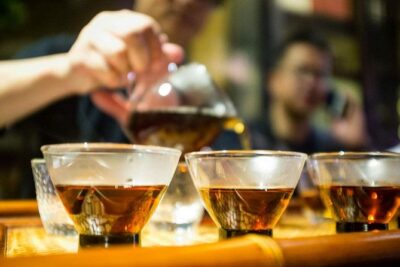
Afternoon Tea and Dessert Tour on the Huaihai Road in Shanghai
Read our review →Browse the lists this tour appears in