
Reviewed · TEA TASTINGS
3-hour Morning/Afternoon Tea Tasting on Maliandao Street & Dimsum
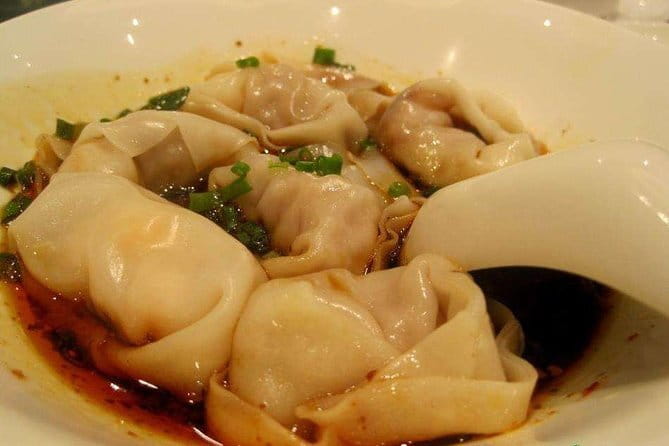
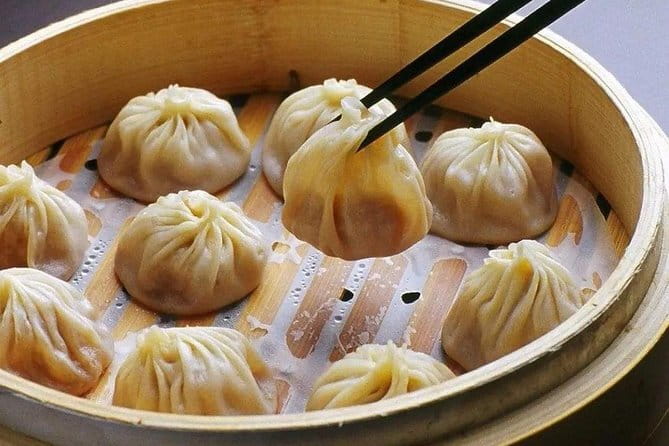
Maliandao is Beijing’s tea district, and this tour gives you a useful way into its maze of shops without leaving you to guess which ones are worth your time. You taste eight kinds of tea, watch a traditional ceremony, then sit down for dim sum that may include soup buns, shrimp ravioli, chicken feet, and spring rolls.
I like the easy subway meeting point and the small-group format. I also like the pairing of tea with a full meal, rather than a quick sampling at a shop. The main thing to watch is the meeting-point detail: one description lists Wanzi Station Exit C, while the itinerary says Exit D, so confirm the exact exit before you go.
Key Points at a Glance
- Eight teas in two tea shops: Expect green, oolong, black, pu’er, white, and other Chinese teas.
- Maliandao Tea Street: You’ll visit Beijing’s largest tea-trading area and see tea buying as a working local business.
- Dim sum is included: The meal may feature steamed soup buns, vermicelli rolls, chicken feet, shrimp ravioli, spring rolls, and more.
- Morning or afternoon timing: Choose a 10:00 a.m. or 3:00 p.m. start, with about three hours for the whole outing.
- Small-group setting: The tour is limited to 15 people, though the itinerary also describes a group of eight or fewer.
- Renny may be your guide: A highly praised experience with Renny included tea tasting, pork dumplings, hand-pulled noodles, and warm, practical help.
Why Maliandao Is the Right Place for a Tea Tour
Beijing has tea shops scattered across the city, but Maliandao is the place to see the trade at a much larger scale. The district is known as a major tea street and market, with shops serving buyers from China and from abroad.
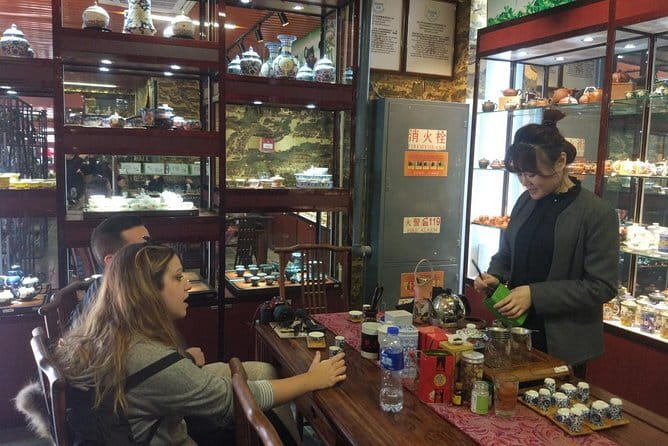
That matters because this is not only a tasting in a quiet room. You also get a look at how tea is sold, sampled, and discussed. The visit takes you through the area before stopping at two tea shops connected with genuine tea farms, according to the tour details.
I like this part because it gives the tea a setting. You are not simply handed a cup and told that it is special. You see a whole district devoted to tea, then compare different styles in places selected by your guide.
Do not expect a grand sightseeing monument. Maliandao is a commercial tea area, and its appeal comes from the shops, the people, the products, and the chance to see a side of Beijing that is easy to miss if you stick to palaces and major landmarks.
Other tea to sit down with in Beijing:
- Traditional Chinese Tea Ceremony Experience
★ 4.7 · 74 reviews - Beijing Culture: Tea Ceremony, Heritage Instrument & Calligraphy
★ 5.0 · 57 reviews - Chinese Tea ceremony in Beijing Hutong courtyard
★ 4.7 · 26 reviews
Meeting at Wanzi Subway Station
The tour begins near Wanzi Station on Beijing Subway Line 7. That is a sensible meeting point, especially if you are staying near a subway line and prefer not to arrange a hotel pickup.
There is one practical wrinkle. The general meeting information gives Exit C, while the itinerary says Exit D. Treat this as something to settle before the tour day. Have the provider’s contact details ready, and check the exact exit after booking.
The activity ends back at the meeting point. At the end, the guide can send you back to the subway station or help you get a taxi. That is useful if you are not yet comfortable handling Beijing transport on your own.
The listed start times are 10:00 a.m. and 3:00 p.m. A morning start works well if you want dim sum as lunch and still have the afternoon free. The 3:00 p.m. option is better if you prefer a slower morning, though the meal may function more like a late lunch or early dinner.
Eight Teas and a Traditional Ceremony
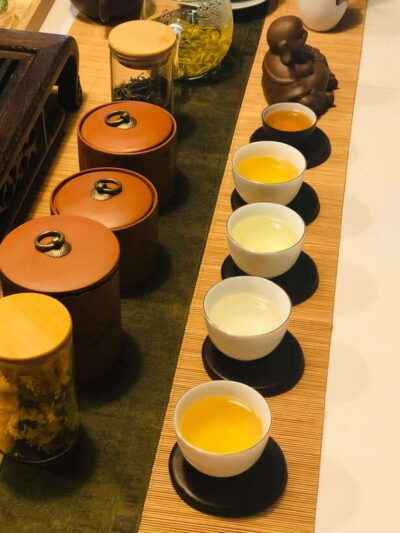
The tasting includes eight different teas. The examples given include green, oolong, black, pu’er, and white tea, so you should get a broad introduction rather than eight minor variations of one style.
The ceremony is an important part of the visit. Tea in China is not only about flavor. The way the leaves are measured, rinsed, poured, and shared helps explain why different teas use different methods and why small changes in water and steeping can matter.
Your guide leads the tasting, so you can ask questions as you go. That is especially helpful if tea labels and shop displays feel hard to interpret. Instead of trying to compare everything in a large market on your own, you have someone directing the pace.
The tour details say the two shops selected work with real tea farms. That gives the tasting a practical focus, though you should still approach any tea purchase carefully. A tasting can help you learn what you like, but it does not obligate you to buy anything. Personal expenses are not included.
The tea portion is likely the best fit for people who enjoy trying several styles side by side. If you only drink tea occasionally and want a quick cup, eight samples and a ceremony may feel like a lot. The three-hour format gives the subject room, which is good for curious drinkers and less ideal for anyone in a hurry.
What the Tea Shops Add to the Experience
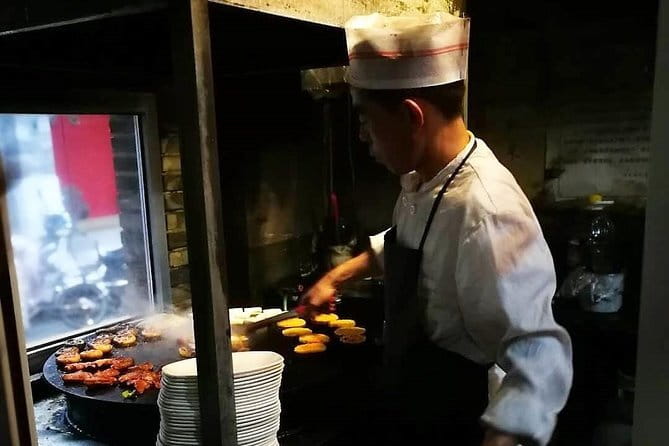
Stopping at two shops lets you compare more than one setting and selection. You might notice differences in the tea varieties, preparation, presentation, and the way the staff talk about their products.
The point is not to memorize every category. It is to leave with a clearer sense of your own taste. Green tea can be light and fresh, oolong can offer a wider range of flavors, black tea can be fuller, and pu’er is often a useful introduction to aged or fermented tea styles. The exact teas served can vary, so think of these as categories you may encounter rather than a fixed tasting menu.
I also like that the tour places tea before the meal. You begin with a focused tasting, then move to food. That makes the meal feel like part of a larger food-and-drink lesson instead of two unrelated stops.
One consideration is shopping pressure. The provided details do not say that purchases are required, and personal spending is clearly separate from the tour price. Still, tea markets are commercial places. Enjoy the tasting first, ask prices clearly, and buy only what you genuinely want to carry home.
Other eating and drinking in Beijing:
- Beijing Hutong Walking Food and Beer Tour at Hidden Restaurants
★ 5.0 · 1,132 reviews - Beijing: Hidden Gems Guided Food Tour with Beer and Tastings
★ 4.9 · 306 reviews - Beijing Private Hutong Food Walking Tour
★ 5.0 · 299 reviews - Beijing Hutong Breakfast Food Tour
★ 5.0 · 155 reviews
Dim Sum After the Ceremony

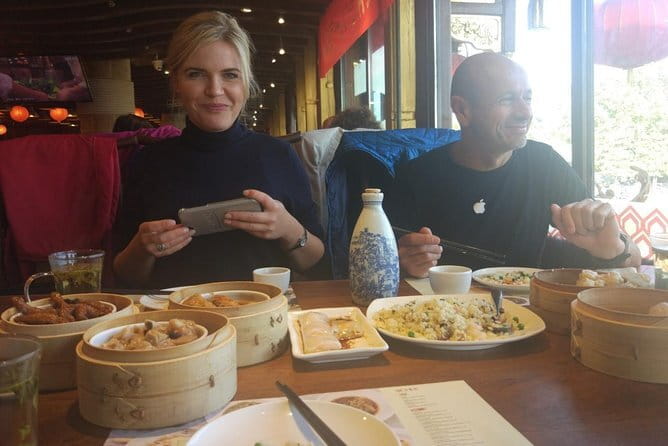
After the tea tasting, you go to a nearby tea restaurant for dim sum. The menu can include:
- Steamed soup buns
- Steamed vermicelli rolls
- Chicken feet
- Shrimp ravioli
- Spring rolls
- Pork dumplings
- Hand-pulled noodles
The first five items are listed as examples in the tour details. Pork dumplings and hand-pulled noodles were also part of one praised experience with guide Renny. The exact dishes may change, so treat the menu as a generous sample rather than a guaranteed list.
This is not a token snack. The meal is intended to leave you fed, which makes the $99 price easier to assess. You are paying for a guide, tea ceremony, eight tastings, a market visit, and a meal over roughly three hours. For someone who would otherwise pay separately for a food tour and a tea session, that combination can offer fair value.
The food also gives you a chance to try dishes you might avoid ordering alone. Chicken feet, for example, are familiar to many Chinese diners but can surprise first-time tasters. Soup buns and shrimp ravioli are easier starting points, while vermicelli rolls and hand-pulled noodles add different textures.
Vegetarian food is available if you request it when booking. Be clear about this in advance. The standard food examples include meat and seafood, and the tour operator needs notice to plan the alternative.
The Guide and Group Size
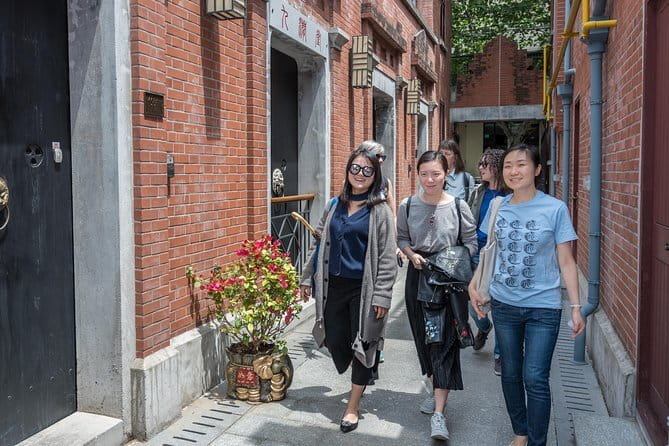
The experience is described as a small-group tour, with a maximum of 15 people. The itinerary also refers to a group of eight or fewer. That difference is worth noting, but either figure is smaller than a large coach outing.
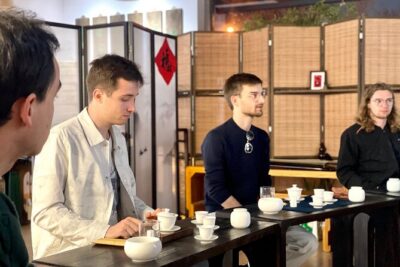
A smaller group helps in two places. At the tea shops, it is easier to gather around a table and hear the explanation. At the restaurant, the meal should feel less like a mass seating arrangement.
One especially positive account names Renny as a warm, friendly, and helpful guide. That outing included a peaceful tea ceremony, pork dumplings, and hand-pulled noodles. If Renny is leading your departure, you can expect an approachable host based on that experience, though guide assignment is not guaranteed.
The guide also helps at the end by returning you to the subway station or assisting with a taxi. That small service matters after an outing in an unfamiliar part of Beijing.
Is $99 a Fair Price?
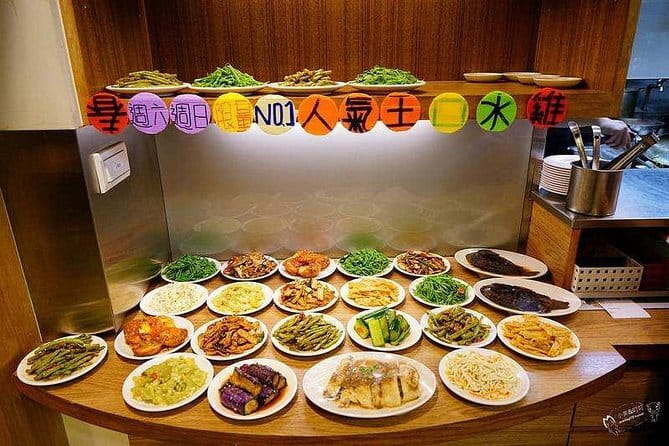
At $99 per person, this is not a bargain-basement food stop. The value comes from the combination of several services: a professional guide, a tea ceremony, eight teas, visits to two tea shops, dim sum, local taxes, and help with local transport at the end.
If you only want lunch, you can spend far less. If you only want to browse tea shops, you can also do that without a tour. The price makes more sense if you want structure, translation help, a guided tasting, and a meal in one booking.
The group discount may reduce the cost for people booking together, though the amount of the discount is not provided. Children have a special rate only when sharing with two paying adults.
The tour is also useful for a first visit to Beijing because it handles the transition from subway station to tea market to restaurant. You are not paying for major sightseeing admissions, since this is a food-and-culture outing rather than a landmark tour. If you prefer a broad city tour, $99 may be better spent elsewhere. If tea and dim sum are high on your list, the package is easier to justify.
Timing, Pace, and What to Bring
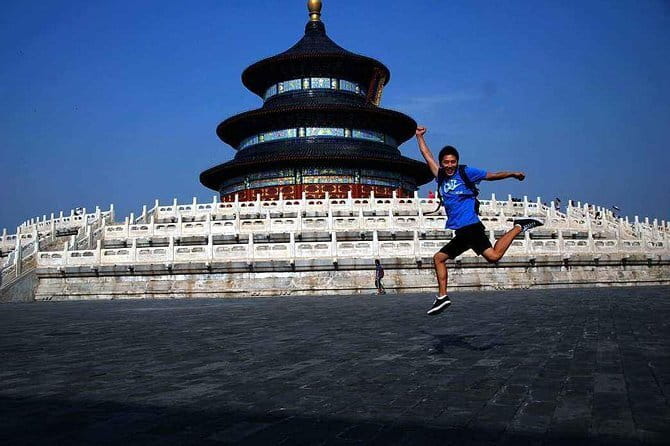
Plan on about three hours, but leave a little flexibility around the edges. Tea tasting, restaurant seating, and the return to the station can take longer than a strict schedule suggests.
Wear comfortable shoes. You will walk through a large tea-trading area, and the experience includes strolling between tea shops and the nearby restaurant. Bring a way to record tea names if you want to remember favorites, but do not assume every sample will be available to buy at the same price.
The morning departure begins at 10:00 a.m. The afternoon departure begins at 3:00 p.m. Since dim sum is included, think about your appetite. A heavy breakfast could make the morning meal less enjoyable, while a late lunch could affect dinner plans after the afternoon tour.
Mobile tickets are supported, and confirmation is provided when you book. Free cancellation is available if you cancel at least 24 hours before the start time. Changes or cancellations inside that period are not accepted for a refund.
Who Will Like This Tour Most?
I would recommend this experience to you if you enjoy food, tea, and local markets more than a checklist of monuments. It is a good match for first-time tea drinkers who want guidance, as well as experienced tea fans who enjoy comparing several categories.
It also suits couples, families with older children, and small groups of friends. Most people can participate, and the tour is near public transportation. The child rate requires two paying adults, so check that condition before booking for a family.
You may want to skip it if you have strict dietary needs beyond the stated vegetarian option, dislike shared meals, or want a completely private outing. The group can reach 15 people, and the meal choices are not presented as a fixed menu.
Should You Book the Maliandao Tea and Dim Sum Tour?
Book it if you want a guided introduction to two important parts of Beijing food culture in one compact outing. The strongest reasons are the eight-tea tasting, the visit to Maliandao’s tea market, and the included dim sum meal. The positive account involving Renny also points to the kind of personal, friendly guiding this experience can provide.
Before paying, confirm the Wanzi Station exit and request vegetarian food if needed. I would also choose the morning departure if you want a clear lunch, or the afternoon option if you prefer a later start.
At $99, this is best viewed as a structured cultural food tour, not a cheap meal. For a curious eater who wants help navigating Maliandao, it offers a practical introduction with enough food and tea to make the three hours worthwhile.
FAQ
How long does the tea and dim sum tour last?
The experience lasts approximately three hours.
What start times are available?
You can choose a 10:00 a.m. morning tour or a 3:00 p.m. afternoon tour.
Where does the tour meet?
The meeting point is near Wanzi Subway Station on Line 7 in Beijing. The provided details list both Exit C and Exit D, so confirm the exact exit with the provider before the tour.
How many teas will I taste?
The tour includes tastings of eight different kinds of tea. Examples include green, oolong, black, pu’er, and white tea.
Is vegetarian food available?
Yes. A vegetarian option is available, but you must request it when booking.
Is cancellation free?
Yes, you can cancel for a full refund if you cancel at least 24 hours before the experience start time. Changes or cancellations made less than 24 hours in advance are not accepted for a refund.
New reviews from Beijing
- Private Transfer to Mutianyu Great Wall with professional driver★ 5.0 · 19 reviews
- One day tour to downtown Tianjin from Beijing by high speed train★ 5.0 · 3 reviews
- camp on the Great Wall overnight with sunrise and sunset on the wall★ 5.0 · 11 reviews
- ZANBUS: Trip to the Jinshanling Great Wall Departing at 7:30 AM★ 5.0 · 5 reviews
- BusDa:Ancient Great Wall &Badaling Great Wall Full-day Bus Tour★ 4.5 · 6 reviews
- Yuxiandu Chinese Royal Cuisine Museum with Show and Royal Banquet★ 5.0 · 4 reviews
- Wild Great Wall Hikes★ 5.0 · 10 reviews
- Wild Great Wall Huanghuacheng Half Day Tour★ 5.0 · 15 reviews
Tea Tastings, compared.
Beijing Culture: Tea Ceremony, Heritage Instrument & Calligraphy
Read our review →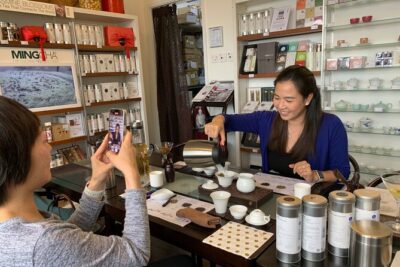
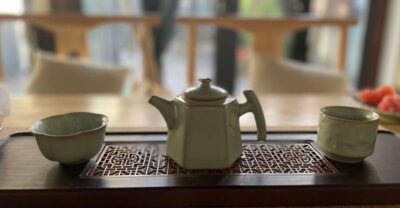
Chinese Tea ceremony in Beijing Hutong courtyard
Read our review →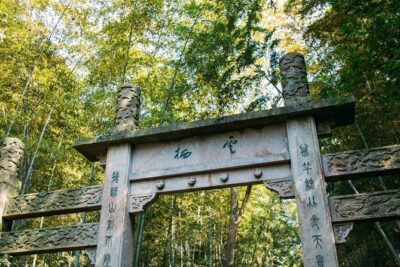
Half-Day Hangzhou Yunxi Bamboo Forest and Tea Plantation Experience
Read our review →
Leshan Buddha + Panda Base or Old Tea House Private Day Tour
Read our review →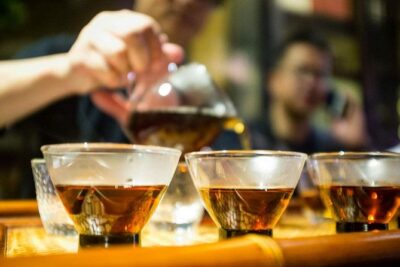
Afternoon Tea and Dessert Tour on the Huaihai Road in Shanghai
Read our review →Browse the lists this tour appears in