
Reviewed · DRINKING TOURS
Shanghai Mahjong Experience in Local Tea Bar
The best part of this Shanghai experience is the setting: you learn Mahjong in a real neighborhood tea bar, not in a polished tourist attraction. Jenny and her local friends guide you through the tiles, then let you play on the same kind of automatic table used in casual games across China. I like the patient English instruction and the chance to see how a familiar local pastime works from the inside.
I also like that the class mixes play with cultural context. You hear about Mahjong’s place in Chinese social life, and you can walk around the Former French Concession afterward, with Tianzifang nearby. The main drawback is the price: $95 per person is a serious spend for a three-hour activity, especially since tea and other drinks are not included.
Key points at a glance
- A real local tea bar: You meet at 327 Shanxi Nan Lu in the Former French Concession area, in a neighborhood setting rather than a large tour venue.
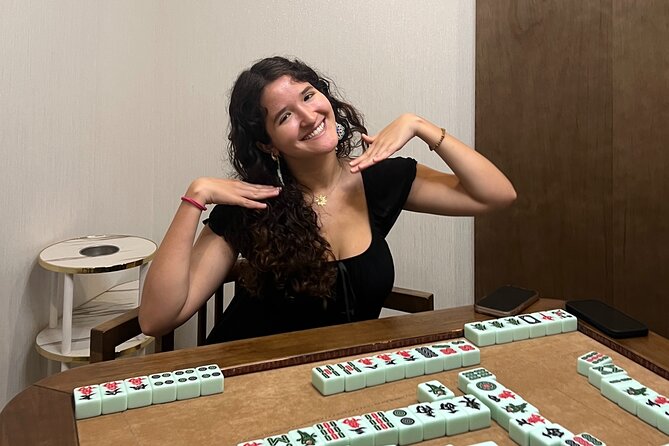
- Friendly instruction for beginners: Jenny explains the basic rules with English translation and provides written material to help you follow along.
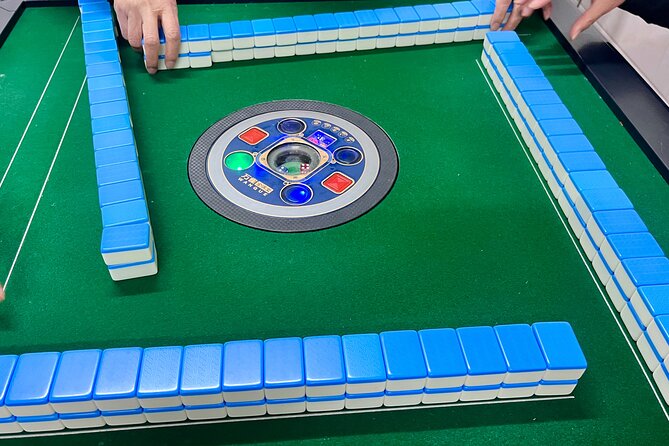
- Automatic Mahjong tables: You get hands-on time with electronic tables, an interesting part of modern Chinese Mahjong play.
- A private group activity: Only your group participates, so the pace can suit your party better than a large class.
- More than a game lesson: The session explains Mahjong’s long history and its role in everyday Chinese leisure.
- Easy to pair with sightseeing: The activity ends back at the meeting point, and you can continue on foot toward nearby Former French Concession sights such as Tianzifang.
Starting at Shanxi Nan Lu
You begin at 327 Shanxi Nan Lu, Huangpu District, in Shanghai’s Former French Concession area. The meeting point is near public transportation, which matters in Shanghai, where a simple address can still require a little planning around subway exits, traffic, and local street names.
I would allow enough time to find the building without rushing. Your confirmation arrives when you book, so keep the meeting details available on your phone. This is a mobile-ticket activity, and the group returns to the same place at the end.
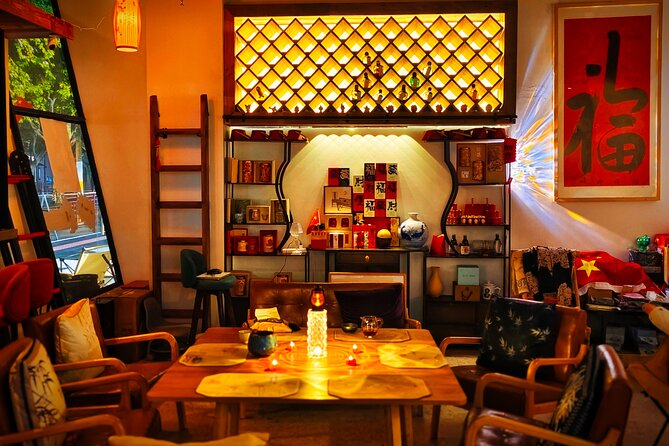
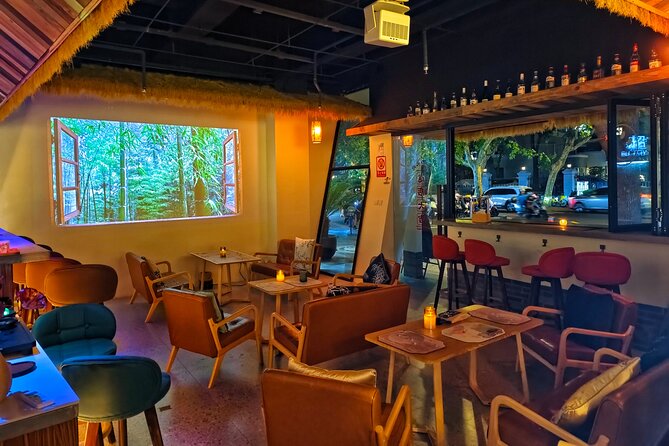
The location helps set the tone. You are not walking into a staged museum display about Mahjong. You are entering a local tea bar where people use the space for conversation, drinks, and games. That ordinary setting is one of the strongest reasons to choose this activity.
The tea bar is described as cozy, and that seems to be part of its appeal. One afternoon session took place during light rain, making the warm indoor setting especially pleasant. You should think of the venue as a social neighborhood room rather than a formal classroom.
Other places to drink in Shanghai:
- 4-Hour Shanghai Pub Crawl (bars & nightclub hopping)
★ 4.8 · 190 reviews - Shanghai bar hopping tour in the former french concession
★ 5.0 · 43 reviews - Shanghai Authentic Dinner and Night River Cruise with Rooftop Bar Hopping Option
★ 5.0 · 37 reviews
Meeting Jenny and learning the tiles
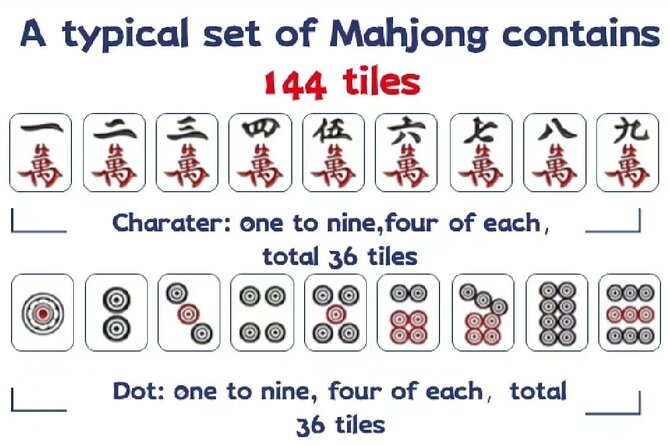
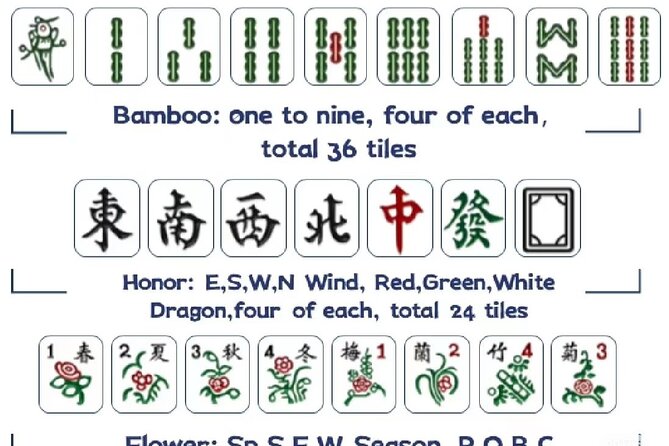
The class starts with the basic structure of Mahjong. If you have never played, you will learn what the tiles mean, how the game begins, and how players build hands. If you know a little already, the instructor can help you sort out the parts that differ from the version you have seen elsewhere.
Mahjong is not one single worldwide game with one fixed rule set. Local versions can differ in scoring, winning patterns, and table habits. That makes an English-speaking guide especially useful. Instead of trying to decode a rule sheet by yourself, you can ask questions as the tiles move around the table.
Jenny leads the session with help from local friends, and English translation is provided throughout. Written instruction sheets are also available. I consider that a real advantage because Mahjong has its own vocabulary, and the small tiles can feel confusing at first.
You should expect the lesson to be practical rather than academic. The point is not to memorize every possible hand before touching the table. You learn a rule, see it in play, then begin making decisions yourself. That approach gives you a better feel for how the game works.
The instruction is intended for all levels, including complete beginners. You do not need to arrive with any prior Mahjong knowledge. You do need patience, since a three-hour session cannot cover every variation or turn you into a tournament player.
Moving from explanation to play
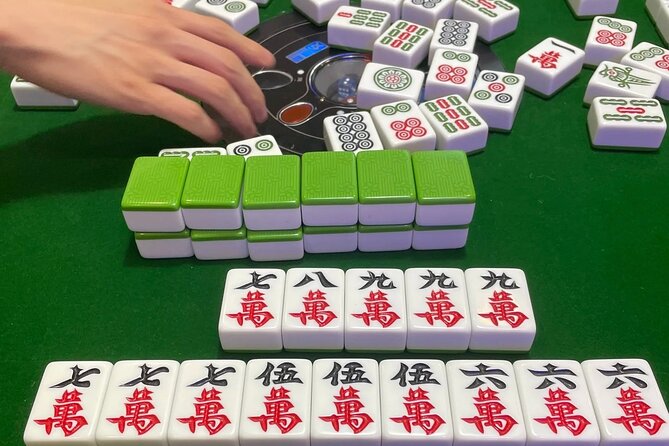
After the introduction, you get hands-on time at the table. This is where the activity becomes more than a cultural talk. You pick up the tiles, arrange them, watch the other players, and begin to see why Mahjong is both a game of chance and a game of attention.
The instructor and local players can guide you while you play. That support makes a difference. Mahjong is hard to understand when you only watch someone else, but the rules begin to stick once you have to choose a tile and decide what you are trying to build.
The activity uses an electronic Mahjong table. These machines shuffle and set the tiles for you, which saves time and keeps the game moving. If you have only seen people mix tiles by hand in films or photographs, the machine is an interesting look at current Chinese game-room culture.
The automatic table also gives the class a modern feel. Mahjong is an old game, but the way people play it today can include practical technology. You are not simply studying a traditional object. You are seeing how an old social activity fits into present-day leisure.
Do not expect a quiet solo lesson. Mahjong works best as a group game, and this session is social by nature. You will need to watch the table, listen to explanations, and interact with the people playing with you. That makes it a good choice for couples, friends, and small private groups who enjoy learning by doing.
What Mahjong tells you about Chinese life
The cultural part of the class gives the tiles meaning beyond their rules. Mahjong has been played in China for generations, and it remains a familiar form of leisure and social contact. People play while talking, drinking, teasing one another, and passing time together.
That social side is important. If you treat Mahjong only as a puzzle, you miss why it has lasted. The game creates a reason for people to sit together for a while. It can be casual, competitive, noisy, relaxed, or all four at once.
During the session, you learn about Mahjong’s origins and its place in modern Chinese society. The exact depth will depend on how many questions your group asks and how quickly you pick up the game, but the cultural context helps connect the activity to everyday life.
I like this balance. A standard sightseeing tour may show you Shanghai’s grand buildings and famous streets. This activity shows you a smaller part of the city, the way people spend an afternoon indoors with friends. It is not a replacement for Shanghai’s major sights, but it gives your visit a more personal angle.
Same city, a completely different day:
- Authentic Local Food Tour in Central Shanghai
★ 5.0 · 1,382 reviews - Zhujiajiao Water Town and Shanghai City Private Day Tour
★ 5.0 · 1,016 reviews - Private Shanghai Full Day City Tour with Old and New Highlights
★ 5.0 · 995 reviews - Shanghai: Hop-on Hop-off Bus Ticket and Optional Attractions
★ 3.4 · 692 reviews
Tea bar atmosphere, with a small extra cost
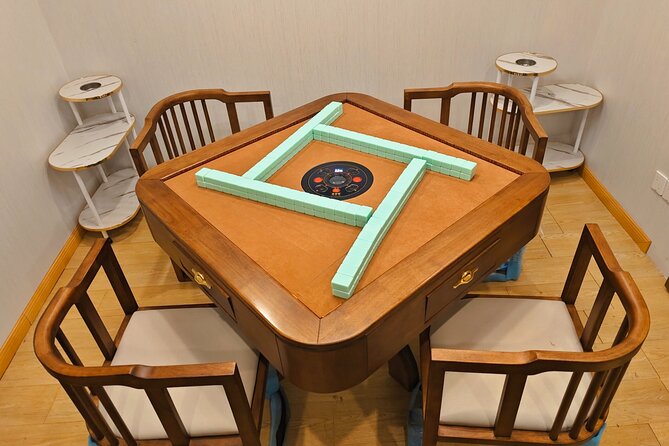
The tea bar is part of the experience, but tea and other drinks are not included. Alcoholic drinks are also excluded. If having tea while you play matters to you, budget for the purchase separately.
That detail is easy to overlook because the setting is built around a tea bar. The experience includes the space, instruction, table, and guide, but not your beverage bill. I would ask about available drinks when you arrive rather than assume a cup is part of the $95 fee.
The venue itself is one of the most appealing parts. A local tea bar feels more connected to daily Shanghai than a hotel meeting room would. At the same time, it may not offer the polished comfort or predictable layout of a purpose-built attraction. You are paying for the setting and personal instruction, not for a luxury lounge.
The private format helps here. Only your group participates, so you are not placed at a table with a large crowd of strangers. That can make it easier to ask basic questions, especially if you are starting from zero.
A walk through the Former French Concession afterward
The Mahjong session ends back at the starting point, so you are free to continue exploring afterward. The location gives you an easy chance to pair the class with a walk through the Former French Concession.
Tianzifang is mentioned as a nearby place to visit. You can use the afternoon for a simple two-part plan: Mahjong first, then streets, cafés, small shops, and old neighborhood architecture afterward. The exact walking route is up to you, and the experience does not include a separate sightseeing tour.
This pairing makes practical sense. Mahjong gives you a few hours indoors, then the French Concession gives you a chance to stretch your legs. On a rainy day, the indoor class is especially useful. On a clear day, you may prefer to schedule the activity when you want a break from Shanghai’s busy streets.
Do not book this expecting a guided historical walk after the game. The walk is your own add-on. That is both a limitation and a benefit: you do not pay for sightseeing you may not want, and you can choose your own pace once the class ends.
Is $95 a fair price?
At $95 per person, this is not a bargain activity. You are paying more than the cost of a casual Mahjong game or a simple language-free introduction. The price is easier to justify if you value private access, English help, cultural explanation, and a local setting.
The three-hour length also matters. A short demonstration would not be enough to understand Mahjong, but three hours gives you time to learn, make mistakes, ask questions, and play. You are paying for active instruction, not just a quick photo opportunity.
The private format is another part of the value. If your party has several people, group discounts may be available, though the supplied details do not give the discount amount. Check the final price before booking rather than assuming a particular saving.
The activity is less convincing for someone who already plays Mahjong confidently and only wants an inexpensive game. It is more useful for a beginner who wants the rules explained in English and wants to understand the social setting at the same time.
Since drinks are extra, remember to add that cost if you plan to order tea or anything else. The activity includes use of the electronic table, the class, and the English guide or translator. It does not include food, coffee, tea, or alcoholic beverages.
Who will enjoy this Shanghai activity?
I would recommend it most strongly to:
- First-time Mahjong players who want clear English instruction
- Couples looking for something different from standard sightseeing
- Friends who enjoy games and social activities
- Visitors interested in ordinary Chinese leisure rather than only famous landmarks
- Conference visitors with a free afternoon
- Small private groups that prefer a personal pace
The activity can also work for people who have played a different version of Mahjong. You may need to adjust your expectations, since the local rules and habits may not match the version you know. That difference can be part of the lesson.
It is less suited to someone who dislikes group play, has no interest in learning rules, or wants a fully guided city tour. It is also not the best choice if you want your entire afternoon outdoors.
Most people can participate, and the activity is near public transportation. The available information does not give detailed accessibility notes, so you should confirm any specific mobility or access needs before booking.
Practical booking advice
Confirmation is provided at booking, and you can use a mobile ticket. The activity lasts about three hours and begins and ends at the Shanxi Nan Lu meeting point.
Plan around the start time carefully. Free cancellation is available if you cancel at least 24 hours in advance. Cancellations made less than 24 hours before the start time are not refunded, and late changes are not accepted. The cut-off follows Shanghai local time.
Bring a charged phone with your confirmation and arrive ready to focus. A printed rule sheet is available during the lesson, but you will get more from the class if you ask questions and take part rather than simply watch.
Should you book the Shanghai Mahjong Experience?
Book it if you want a small, social window into Shanghai life and you are willing to pay for personal English instruction. Jenny’s patient teaching, the written handout, the local tea bar, and the automatic table make this much more useful than a quick explanation of Mahjong in a museum.
Skip it if you are looking for a low-cost activity, a traditional tea tasting, or a guided walk through the French Concession. Tea is not included, and the experience focuses on learning and playing rather than sightseeing.
For the right visitor, this is a memorable way to spend three hours. You leave with more than the basic rules. You get a better sense of why Mahjong remains such a social part of Chinese life, then you can step back outside and continue exploring Shanghai on your own.
FAQ
Where does the Shanghai Mahjong experience begin?
It begins at 327 Shanxi Nan Lu, Huangpu District, Shanghai, China, 200031. The meeting point is near public transportation.
How long does the Mahjong activity last?
The experience lasts approximately three hours.
Is the activity suitable for complete beginners?
Yes. No prior Mahjong knowledge is needed, and the instructor teaches the basic rules, strategies, and techniques.
Is English translation provided?
Yes. A professional English guide or translator helps explain the game and its cultural context.
Are drinks included in the price?
No. Tea, coffee, alcoholic beverages, and other drinks are not included.
Is the Mahjong table included?
Yes. Use of an electronic Mahjong table is included, along with the Mahjong class and English guide or translator.
Is this a private activity?
Yes. Only your group participates. The activity ends back at the original meeting point.
New reviews from Shanghai
- Shanghai To Beijing Bullet Train Ticket with Local Private Transfer★ 5.0 · 12 reviews
- Shanghai Spicy Food Tour★ 5.0 · 3 reviews
- Shanghai Uncommon Historic Sites Tour★ 5.0 · 3 reviews
- Shanghai Tower Observation Deck 118 floor Tickets Pre-booking.★ 5.0 · 4 reviews
- Shanghai Pudong airport transfer to Disneyland:Private with Meet & Great service★ 5.0 · 3 reviews
- Pudong Airport to Hangzhou: Private with Meet and Greet Service★ 4.5 · 4 reviews
- Private Transfer: Hotel to Shanghai Wusongkou Cruise Terminal (Baoshan Port)★ 3.5 · 6 reviews
- Shanghai Pudong International Airport (PVG) to Shanghai Hotel★ 5.0 · 4 reviews
Drinking Tours, compared.

Beijing Hutong Walking Food and Beer Tour at Hidden Restaurants
Read our review →
Hidden Gems Guided Food Tour with Beer and Tastings
Read our review →
4-Hour Shanghai Pub Crawl (bars & nightclub hopping)
Read our review →
Authentic Old Beijing Hutong Food and Beer Private Tour
Read our review →
Shanghai bar hopping tour in the former french concession
Read our review →

Shanghai Authentic Dinner and Night River Cruise with Rooftop Bar Hopping Option
Read our review →
Secret Noodle and Wonton in Shanghai Alleyways with Local Beer
Read our review →Browse the lists this tour appears in