
Reviewed · HUTONG TOURS
Beijing: Hutongs & Food & Culture Walking Tour
Beijing’s hutongs are the real draw here. These narrow lanes, gray-tiled courtyards, red doors, and small neighborhood stalls show you how old Beijing still lives beneath its grand imperial image. I especially like the chance to pair a hutong walk with local street food and a tea ceremony, two simple ways to understand daily life rather than just photograph old buildings.
I also like the flexible starting points at Gulou, Shichahai, or the Capital Museum, plus the option of a rickshaw ride and home visit. The main caution is that the advertised experience is not perfectly clear: the description focuses on hutongs, food, and culture, while the itinerary also lists a three-hour guided visit to the museum. Confirm exactly what your selected option includes, especially food, transport, and the home visit.
Key points to know before booking
- Hutong life: Walk through traditional lanes lined with siheyuan courtyard homes and get a look at Beijing’s old neighborhood structure.
- Food stops: Jianbing guozi, tanghulu, douzhi, youtiao, and preserved vegetables may be part of the route, but food and drinks are not included.
- Three possible meeting areas: You can begin at Gulou, the Capital Museum, or Shichahai, depending on the option you choose.
- Culture beyond buildings: Tea, paper cutting, calligraphy, and possible Peking Opera connections add more than a standard city walk.
- Optional extras: A rickshaw ride and home visit are included only with selected options.
- Flexible format: Tours last three to six hours, guides speak English, Chinese, French, or Dutch, and private groups are available.
Beijing’s hutongs reveal the city behind the monuments
Beijing is famous for the Forbidden City, the Great Wall, and grand imperial avenues. Hutongs show another side of the capital: a city built around courtyards, neighbors, shared lanes, and ordinary routines.
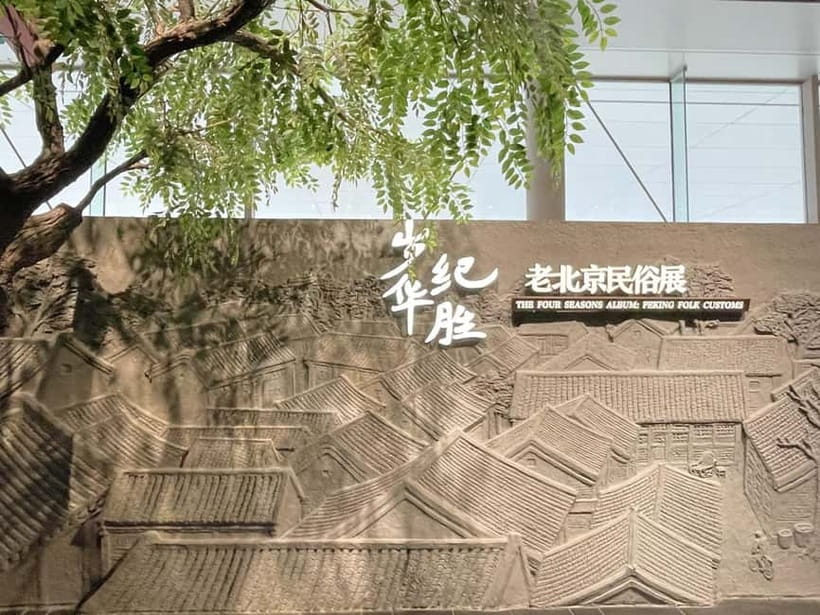
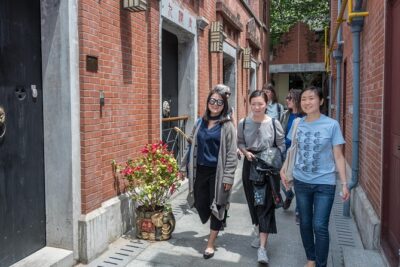
A hutong is more than a narrow street. It is a network of lanes connected to courtyard homes called siheyuan. Traditionally, rooms faced inward around a central courtyard, giving families privacy while keeping daily life close to neighbors. On a walk, you may see gray roof tiles, red-painted doors, brass knockers, vines, bicycles, and small signs of modern life tucked into old structures.
I like this kind of tour because the setting does much of the teaching. You do not need a long museum label to understand that these lanes were made for people who knew one another. The scale is human. A grand palace tells you about rulers. A hutong tells you how people lived between official events.
The condition of Beijing’s hutongs varies. Some areas have been restored for tourism, while others feel more like working neighborhoods. The route described here includes well-known areas such as Nanluoguxiang and Shichahai, so you should expect a mix of historic character, shops, cafes, and popular walking areas rather than a completely untouched district.
Other old-lane walks in Beijing:
- Beijing Hutong Walking Food and Beer Tour at Hidden Restaurants
★ 5.0 · 1,132 reviews - Temple Heaven, Summer Palace, Lama Temple, Hutong Bus Tour
★ 4.7 · 319 reviews - Temple of Heaven, Summer Palace, Lama Temple, Hutong Tours
★ 5.0 · 311 reviews
Nanluoguxiang mixes old courtyards with modern Beijing
Nanluoguxiang is one of the best-known hutong areas in central Beijing. Its appeal comes from contrast. Traditional homes and lanes sit beside boutique shops, cafes, and small businesses.
This is a useful stop if you want an easy introduction to hutong architecture without giving up the comforts of a lively central area. You can look at the old doorways and lane layout, then pause for a drink or snack nearby. The area also gives you a sense of how historic neighborhoods adapt to modern tourism.
The drawback is that Nanluoguxiang can feel more commercial than residential. If you are hoping for a silent walk through an untouched old quarter, this may not be the place. Still, with a guide, the commercial surface becomes less important. You can pay attention to the courtyard pattern, the lane design, and the way new businesses occupy old spaces.
Ask your guide to explain what you are seeing at the entrances to the siheyuan. The doors, thresholds, roof details, and courtyard arrangement can reveal clues about status and family life, even when you cannot enter every building.
Shichahai adds water, willows, and a slower pace
Shichahai gives the walk a different mood. This area is known for its scenic lakes, willow trees, lakeside teahouses, and open views. After the tighter hutong lanes, the water provides breathing room.
You might see locals flying kites near the water or relaxing beside the lake. The setting is especially helpful if you want a break from Beijing’s heavy traffic and dense central streets. It also gives you a chance to connect the city’s neighborhood life with leisure, not just housing.
The route may include time at a lakeside teahouse, though the exact stops depend on the option selected. If tea is part of your visit, expect a traditional ceremony in which a tea master prepares jasmine tea or oolong and explains the customs around brewing and serving it.
Tea is valuable here because it slows the tour down. You are not simply walking from one sight to another. You are watching a small ritual and hearing how an everyday drink can carry social meaning. Do not expect a full food tasting package, though. Food and beverages are listed as extra costs, so bring money for anything you choose to buy.
Street food gives the walk its strongest local flavor
Food is one of the most appealing parts of this experience, but it is also where you need to read the booking details carefully. The tour description presents several classic Beijing foods, yet food and beverages are not included in the base price.
Jianbing guozi is a popular breakfast crepe. It is cooked with an egg, scallions, savory sauce, and a crunchy fried wrapper. The result combines soft, crisp, salty, and fresh textures in one quick meal. It is a good choice if you want something tied to ordinary morning life rather than a formal restaurant menu.
Tanghulu is simpler and sweeter. Hawthorns are coated in hard candy and served on a stick. The fruit has a sour edge beneath the sugar, which keeps the snack from becoming flatly sweet. It is easy to eat while walking, although you should follow the guide’s advice about where to stop.
Douzhi is the boldest item listed. This fermented mung bean soup has a tangy flavor and is often served with youtiao, the long fried dough sticks, and preserved vegetables. It is a local taste that may surprise you. If you prefer gentle flavors, start with a small portion rather than ordering a full serving.
The important point is that these foods may be available along the route, but they are not guaranteed as included tastings. Your guide can help you understand what you are buying, yet you should plan to pay for snacks yourself.
Other eating and drinking in Beijing:
- Beijing: Hidden Gems Guided Food Tour with Beer and Tastings
★ 4.9 · 306 reviews - Beijing Private Hutong Food Walking Tour
★ 5.0 · 299 reviews - Beijing Hutong Breakfast Food Tour
★ 5.0 · 155 reviews - Beijing Hutong Breakfast Food Tour
★ 5.0 · 120 reviews
Tea, calligraphy, and craft stops add meaning to the lanes
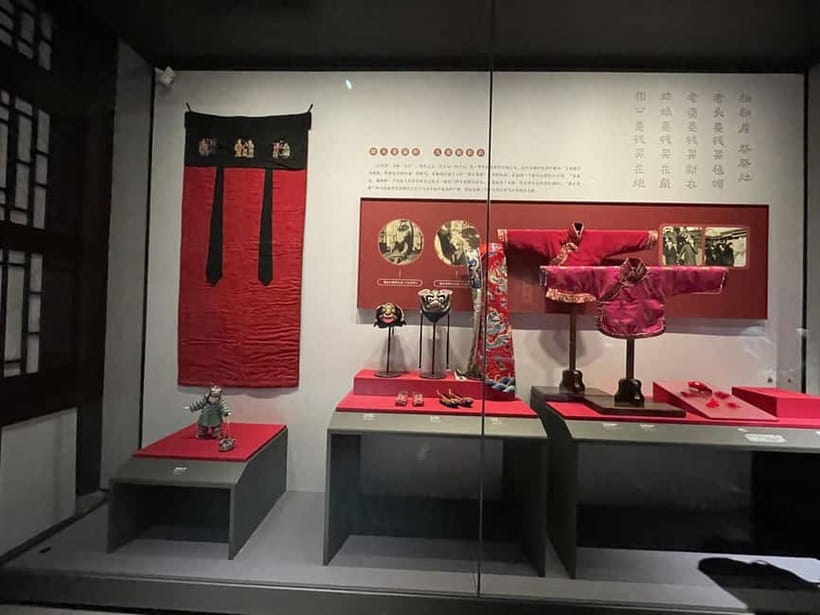
The cultural side of the tour reaches beyond architecture and food. You may visit a traditional teahouse, see paper-cutting demonstrations, or watch calligraphy made with brush and ink.
Paper cutting is especially easy to appreciate because the designs often carry wishes for good luck and prosperity. A small paper pattern can tell you more about household customs than a quick photograph of a building. Calligraphy offers another window into the way writing, art, and learning connect in Chinese culture.
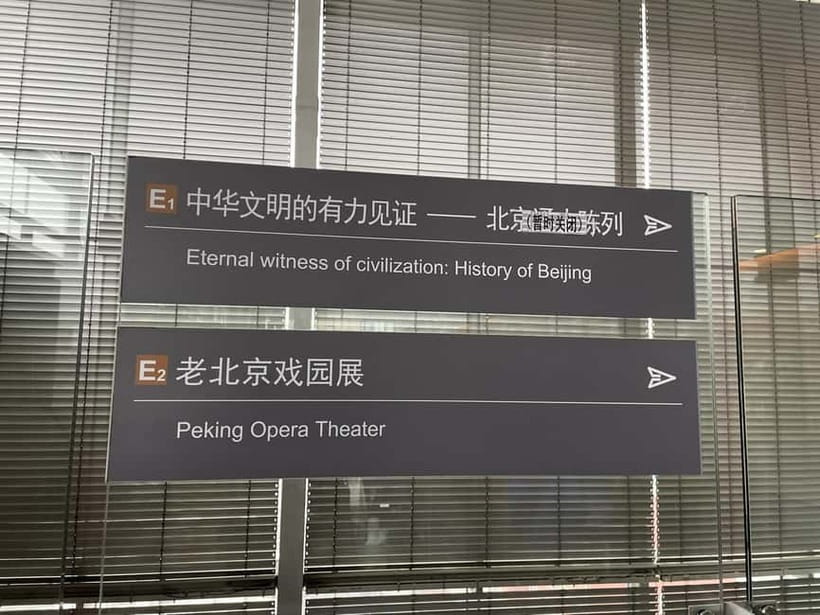
You might also catch a brief Peking Opera performance near one of the venues along the route. The description does not promise a full show, so think of this as a possible extra rather than a scheduled performance. If it happens, the costumes, makeup, and distinctive singing would give the walk a strong artistic finish.
These stops are best treated as opportunities to ask questions. How is the tea prepared? What does a paper-cut pattern mean? Why are certain characters written in a particular style? A live guide can make these small moments useful, especially if you have limited time in Beijing.
The Capital Museum option needs careful checking
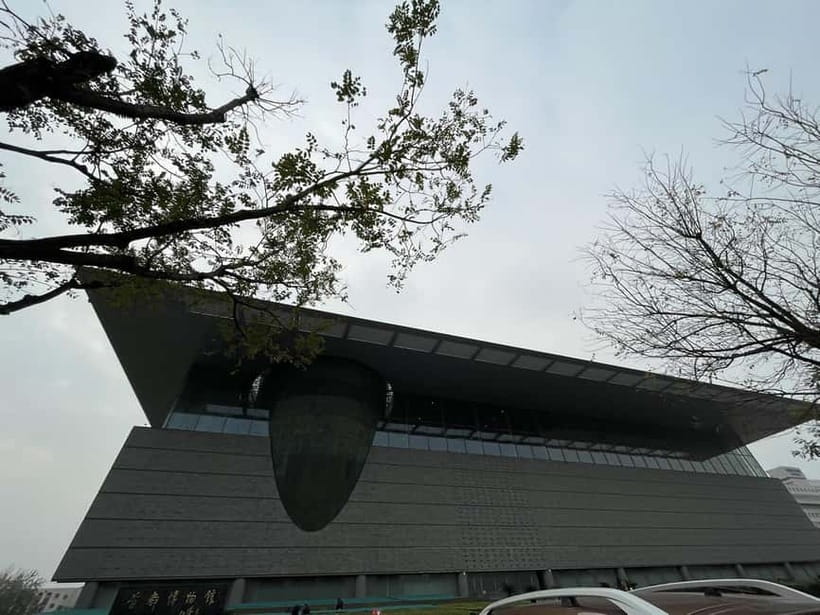
The most important practical issue is the mismatch between the hutong description and the itinerary. One part of the experience describes a hutong, food, and culture walk. Another lists the Beijing Capital Museum with a three-hour guided tour.
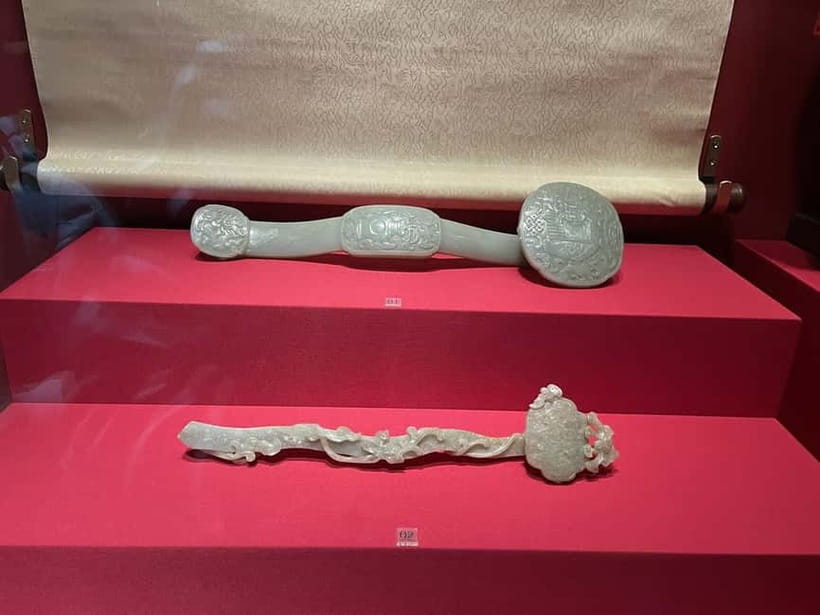
The museum option may suit you if you want a more structured visit focused on Beijing’s art, archaeology, and history. A museum can provide context before or after a hutong walk, and the Capital Museum is wheelchair accessible. The available information also says ticket admission must be booked online in advance and requires your passport details for ticket booking.
However, do not assume that selecting the museum starting point gives you the same route as selecting Gulou or Shichahai. The meeting point, duration, and included services may change with the option. Check whether your booking is for the museum alone, a hutong walk, or a combined program.
The available rating is 3.8 from six reviews, with the strongest comments praising the museum, the agency’s service, and the overall experience. One Italian visitor specifically described the museum as large and interactive after booking tickets without a tour. That is useful evidence that the museum can be worthwhile, but it also reinforces the need to confirm what you are actually buying.
Timing, meeting points, and what the low price really means
The advertised price of $2.86 per person is unusually low for a guided Beijing experience lasting three to six hours. Treat it as a starting price, not as the likely total cost of a full food-and-culture outing.
Food and beverages are extra. A rickshaw ride and home visit are included only with selected options. Museum admission requires advance booking, and holiday bookings should be made seven days ahead to help secure a ticket. These details can change the final cost and the shape of the day.
The three starting areas are Gulou, the Capital Museum, and Shichahai. They are not interchangeable in practical terms. Gulou and Shichahai place you closer to the hutong and lakeside portions of the experience, while the museum meeting point suggests a more formal cultural visit.
The tour can last three to six hours, so leave space in your day. A three-hour visit may feel focused. A six-hour version, especially with food, tea, a home visit, or museum time, will require more energy. Wear comfortable shoes and bring your passport or ID, as requested for the booking process.
Large luggage, bikes, pets other than assistance dogs, alcohol, smoking indoors, flash photography, tripods, and loud behavior are not allowed. These rules make sense in narrow lanes, homes, teahouses, and museum rooms.
Who will get the most from this experience
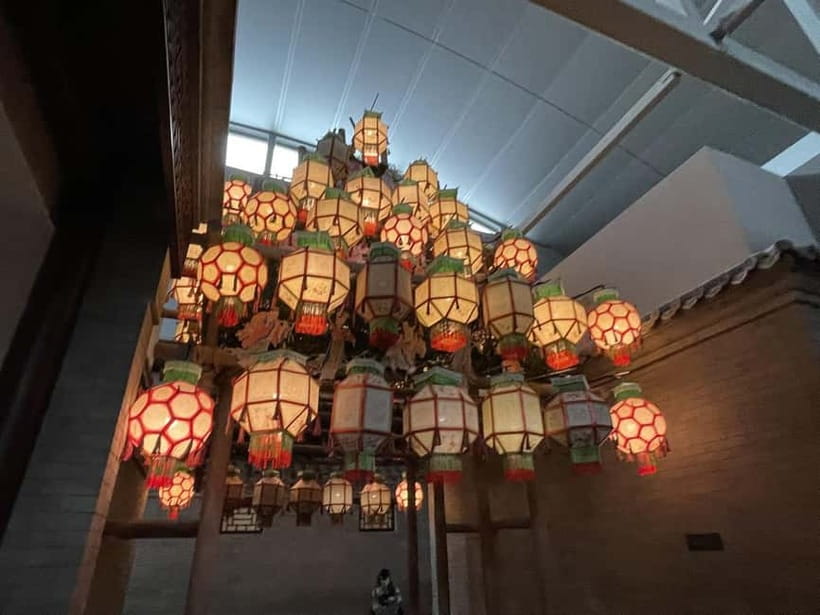
I would recommend this tour to you if you want a first look at Beijing’s neighborhood life and prefer a guide to explain what you are seeing. It suits people who enjoy small food samples, cultural customs, and walking through historic areas more than people seeking a polished sightseeing bus route.
It can also work well for visitors who want several themes in one outing: architecture, snacks, tea, crafts, and water scenery. The choice of English, Chinese, French, or Dutch guides helps, especially if you are traveling with a mixed-language group.
The route may be less suitable if you have difficulty walking for several hours or dislike uncertain plans. Although the tour is listed as wheelchair accessible, hutong lanes can vary in surface and width, so confirm the exact route and option before booking if access is important to you.
Families and older visitors should also note the stated age restriction for people over 95. That is unusual, but it is part of the published information. The private group option may be useful if you want to set a gentler pace or keep the visit focused on one interest.
Should you book the Beijing hutong and food walk?
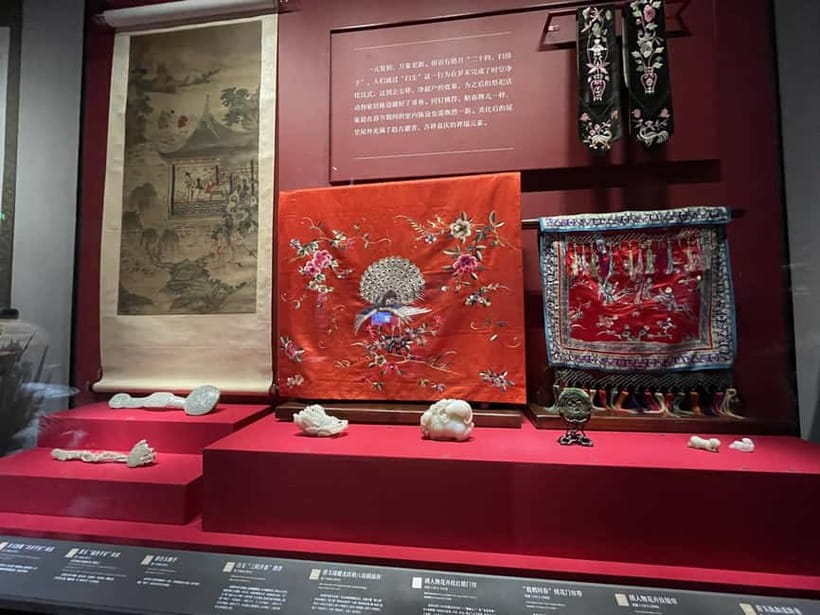
Book it if your main goal is to see old Beijing through lanes, courtyard homes, everyday snacks, and local customs. The strongest version of the experience is likely the one that clearly includes a hutong route through Nanluoguxiang or Shichahai, a guide in your preferred language, and enough time for food or tea.
Before paying, confirm four things: the exact starting point, whether food is included, whether a rickshaw ride and home visit are included, and whether you are booking the Capital Museum rather than the hutong walk. At $2.86, the base price looks excellent, but the value depends on what sits behind the selected option.
I would not book it blindly for a tightly planned day. I would book it after checking the inclusions, especially during a Chinese holiday when museum tickets need advance planning. For a flexible visitor who wants context and local flavor, it offers a useful introduction to Beijing beyond the major imperial sights.
FAQ
How long does the tour last?
The activity lasts between three and six hours. The exact duration depends on the option and starting point you select.
Where can the tour begin?
The listed starting choices are Gulou, the Capital Museum, and Shichahai. Your meeting point may vary by booking option.
Is food included in the price?
No. Personal expenses, food, and beverages are not included. The route may offer foods such as jianbing guozi, tanghulu, douzhi, and youtiao for you to purchase.
Are a rickshaw ride and home visit included?
They are included only if you select an option that specifically lists them.
What languages are available for the live guide?
Guides are available in English, Chinese, French, and Dutch. Private groups are also available.
Do I need to provide passport information?
Yes. Passport information is required for advance admission booking. During Chinese holidays, booking seven days ahead is advised to help secure museum admission.
More walking tours in Beijing
- Private Beijing Walking Tour of the Forbidden City with 7 Options
★ 5.0 · 675 reviews - Forbidden City Private Walking Tour with Optional Sights
★ 5.0 · 400 reviews - Beijing: Hutong Culinary Walking Tour with 15+ Tastings
★ 5.0 · 162 reviews - Beijing City Walk: Explore Hutongs Life and Old Beijing
★ 5.0 · 146 reviews
New reviews from Beijing
- Mutianyu Wall, Summer Palace & Old Summer Palace Day Tour★ 4.8 · 34 reviews
- Night Market Haggling Adventure with an English Guide!★ 4.8 · 7 reviews
- BusDa-Mutianyu Great Wall&Forbidden City Full-day Coach Tour★ 4.9 · 11 reviews
- Mutianyu Great Wall Ticket with Roundtrip Cable Car★ 5.0 · 20 reviews
- Mutianyu Great Wall Bus Trip+Ticket 7/8/9/10/13/13:30/15:30★ 4.7 · 24 reviews
- Mutianyu Great Wall Entry Ticket Chairlift Up Toboggan Slide★ 4.9 · 8 reviews
- Mutianyu Great Wall 5-KM Guided Hike with Uphill Cable Car★ 4.8 · 16 reviews
- Mutianyu Great Wall Admission Ticket★ 3.6 · 7 reviews
Hutong Tours, compared.
Beijing Hutong Walking Food and Beer Tour at Hidden Restaurants
Read our review →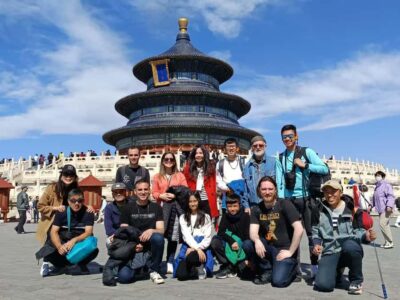
Temple Heaven, Summer Palace, Lama Temple, Hutong Bus Tour
Read our review →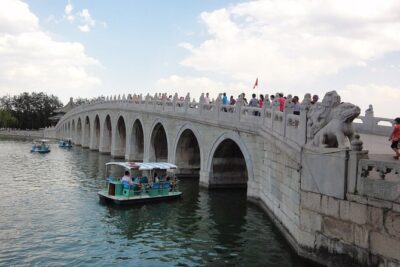
Temple of Heaven, Summer Palace, Lama Temple, Hutong Tours
Read our review →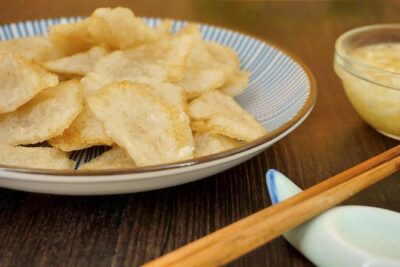

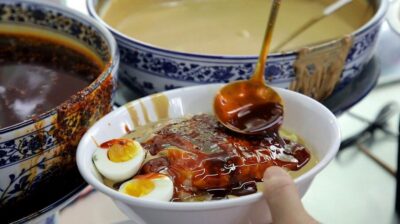
Beijing City Walk: Explore Hutongs Life and Old Beijing
Read our review →Browse the lists this tour appears in