
Reviewed · HUTONG TOURS
Chinese Tea ceremony in Beijing Hutong courtyard
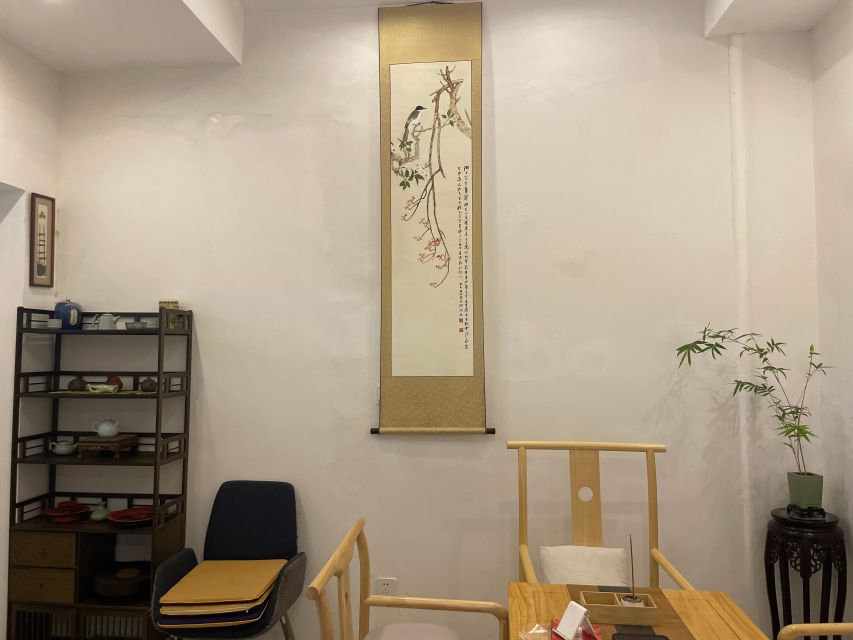
The most appealing part of this experience is the setting: you drink tea in a traditional Hutong courtyard only a short walk from the Forbidden City. This is not a large tea shop built for passing groups. It is a small, personal visit with local hosts, including Limeng, who explain the customs behind the cup.
I like two things especially. First, you can choose among green, black, wulong, and Pu’Er tea rather than being handed one fixed drink. Second, the conversation reaches beyond tea into Beijing family life, Hutong customs, and nearby historic places. The main consideration is price: at $31 per person, plus a listed 100 RMB per-person charge that you should confirm before booking, this is best for people who value personal contact over a quick tasting.
Key points at a glance
- A courtyard beside the Forbidden City: The tea workshop is described as roughly 150 meters from the east gate, with other directions placing it about 800 meters west of an exit gate. Confirm the exact meeting point.
- Four tea styles to choose from: You may select green, black, wulong, or Pu’Er tea, with explanations of how each is prepared and enjoyed.
- A small, personal group: The experience is limited to four participants, making conversation easier than at a busy commercial teahouse.
- Local hosts and Hutong life: You get more than a beverage lesson, with time to ask about Beijing residents, family traditions, and the courtyard setting.
- An active lesson, not just a tasting: You learn how to hold the cup, brew tea properly, and understand why boiling water and a fixed three-minute steep do not suit every tea.
- Easy to pair with sightseeing: The Imperial Ancestral Temple, Pudusi inheritance site, and the Forbidden City are close by.
Why this tea ceremony feels different
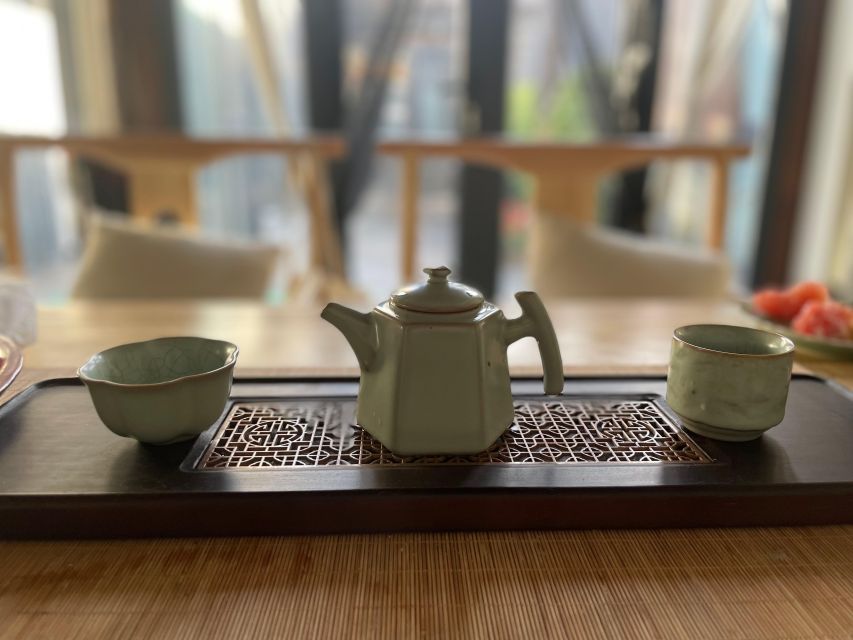
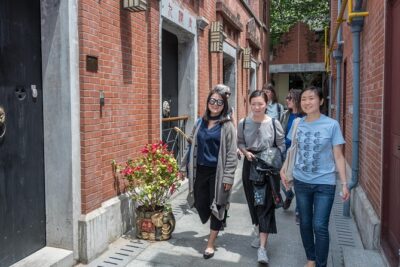
Beijing gives you plenty of grand sights, but the city is also about ordinary spaces tucked behind walls and gates. A Hutong courtyard gives you a small look at that quieter side of the capital. Here, the tea is the reason you arrive, but the setting and conversation are what give the hour its character.
The workshop sits in the center of Beijing, close to the Forbidden City. That location matters. You can spend the morning among imperial halls, then shift quickly into a more domestic setting where tea is prepared at a slower pace. The contrast helps you understand that Beijing is not only monuments and broad avenues.
The experience is limited to four people. That is a useful size for a tea lesson because you can see the brewing process clearly and ask questions without fighting for the guide’s attention. It also suits solo visitors and couples who want conversation rather than a staged group show.
The hosts speak English, and Limeng is named as one of the friendly hosts associated with the experience. English ability is particularly useful here because the subject is not just the names of tea leaves. You can ask about seasons, bodily effects, drinking customs, cup etiquette, and the meaning behind the ceremony.
Other old-lane walks in Beijing:
- Beijing Hutong Walking Food and Beer Tour at Hidden Restaurants
★ 5.0 · 1,132 reviews - Temple Heaven, Summer Palace, Lama Temple, Hutong Bus Tour
★ 4.7 · 319 reviews - Temple of Heaven, Summer Palace, Lama Temple, Hutong Tours
★ 5.0 · 311 reviews
Arriving near the Forbidden City
The location is described in two slightly different ways: about 150 meters from the east gate of the Forbidden City, and about 800 meters west of an exit gate. Those descriptions may refer to different walking references, but they are not identical. I would confirm the exact entrance and meeting instructions before setting out.
Pickup is included, with instructions to wait in your hotel lobby 10 minutes before the scheduled time. Since the tea workshop is near a major sightseeing zone, a clear pickup arrangement matters. Beijing’s historic center can be confusing, especially around large gates, security areas, and busy pedestrian routes.
The nearby sights add value even if you have only one free hour. The Imperial Ancestral Temple and the Pudusi inheritance site are listed in the surrounding area, and the Forbidden City is practically next door. You can combine the ceremony with a visit to the palace complex, though you should leave enough time for entry procedures and walking.
The courtyard itself is part of the experience. You are not simply seated in a modern café with a tea display. The Hutong setting connects the drink to the kind of neighborhood life that once shaped much of central Beijing.
Choosing your tea
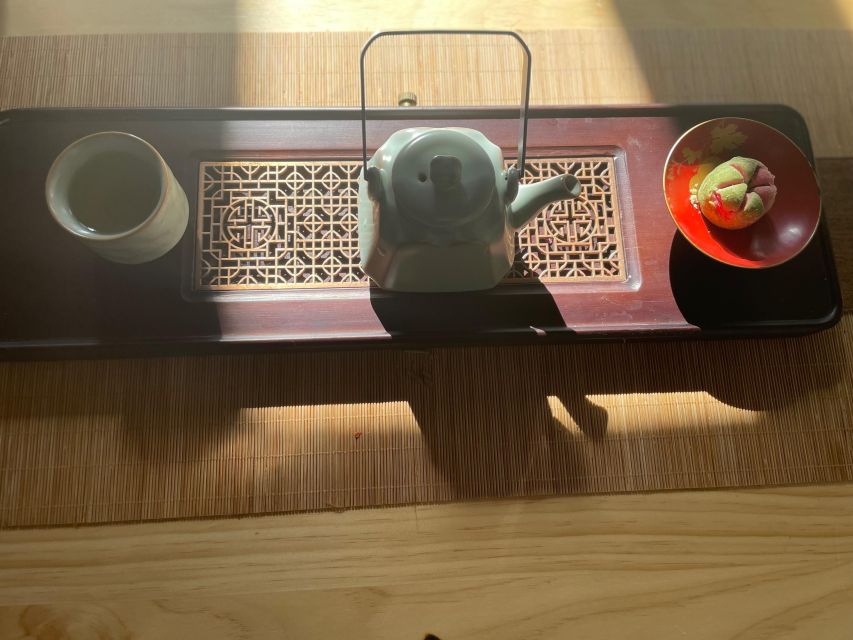
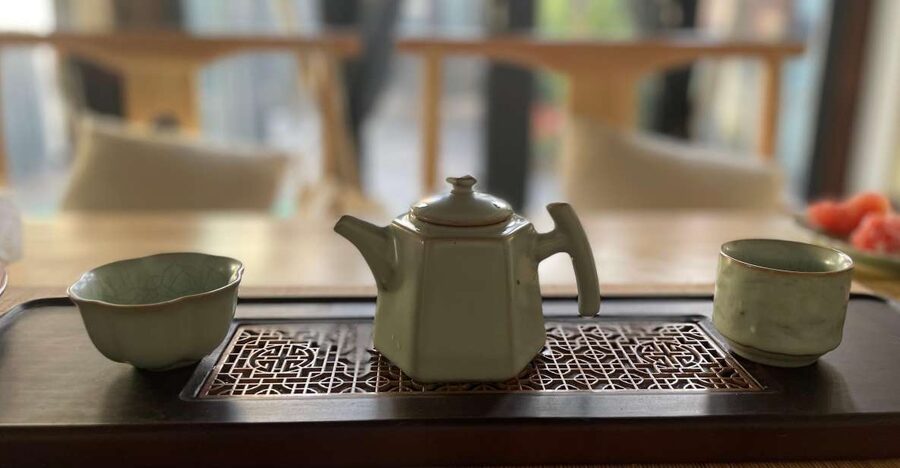
You can choose from four broad tea types:
- Green tea: Usually associated with a lighter, fresher character.
- Black tea: Often fuller and darker in flavor.
- Wulong tea: Partly oxidized, with a style that can sit between green and black tea.
- Pu’Er tea: A fermented tea with a more distinctive flavor and long association with Chinese tea culture.
The exact selection available on the day may vary, so treat the list as a range of choices rather than a promise of a particular brand or harvest. The useful point is that you get some control over the tasting.
This is also a good activity for people who do not think of themselves as tea experts. One participant who was not especially fond of tea still found the drinks enjoyable and valued the conversation with the hosts. You do not need a trained palate to benefit from the lesson.
The session can include two different teas, allowing you to compare flavors and preparation styles. You may also learn how tea choices relate to the season and how Chinese traditions connect certain teas with the body. That gives the tasting a cultural frame instead of turning it into a simple beverage sampling.
Learning to brew tea properly
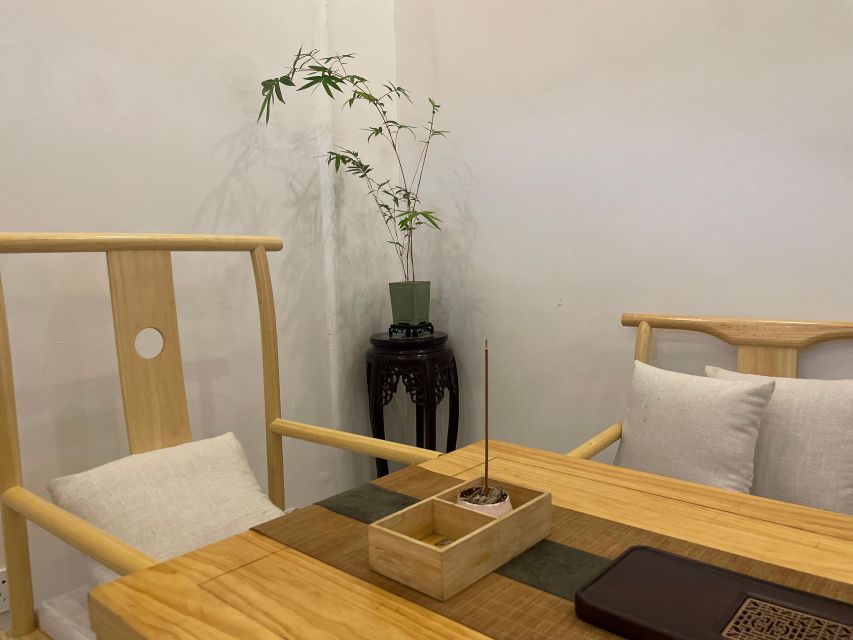
The hands-on brewing lesson is one of the strongest reasons to book. You learn that good tea is not made by pouring boiling water over leaves and leaving them for three minutes. Water temperature, steeping time, the amount of tea, and the style of the leaves all matter.
That practical knowledge follows you home. You may forget some facts about dynasties or ceremonies, but a better way to make tea remains useful. The hosts also show how to hold the cup with grace, a small point of etiquette that makes the ritual feel more considered.
The ceremony includes an explanation of Chinese tea culture and knowledge, but the supplied information does not specify a formal script or a particular school of tea ceremony. Expect an informal cultural lesson with demonstrations and conversation rather than a grand performance.
The short duration helps keep the activity focused. One hour is long enough to taste, learn, and chat, but not so long that tea becomes the only event in your day. If you want an extended tea education with many rare teas or a full meal, this is not that kind of program.
Other tea to sit down with in Beijing:
- Traditional Chinese Tea Ceremony Experience
★ 4.7 · 74 reviews - Beijing Culture: Tea Ceremony, Heritage Instrument & Calligraphy
★ 5.0 · 57 reviews - Beijing: Temple Of Heaven+Tai Chi Class+Tea Ceremony
★ 5.0 · 8 reviews - Tea Tasting and Pairing Concept Workshop
★ 5.0 · 57 reviews
Snacks and the social side of the visit
Complimentary snacks are served with the tea. These are intended to accompany the ceremony, not replace lunch, so arrive with realistic expectations. Their role is to show how small foods can complement different teas and to make the visit more relaxed.
The social element may be the most memorable part. The experience puts you in direct contact with local hosts whose family has lived in the Hutong for generations. That does not mean you receive a full oral history of Beijing, but it gives you a chance to ask about daily life in a part of the city with long family ties.
Past participants have found the hosts warm and easy to talk with, and several have singled out the friendly conversation as a major part of the hour. One host, Limeng, is praised for making the cultural exchange comfortable and clear in English. If you enjoy asking questions, you may get as much from the discussion as from the tea itself.
The hosts have also helped with practical Beijing advice, including suggestions for places to eat local food rather than choosing only the most tourist-focused options. That kind of informal guidance is not a guaranteed part of the official program, but it can be a welcome extra when conversation allows.
A quiet contrast to imperial Beijing
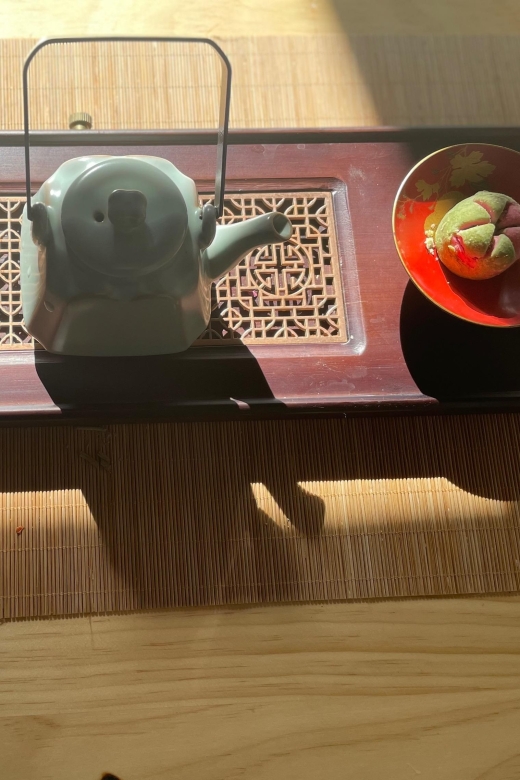
The nearby Forbidden City is associated with emperors, formal courtyards, and ceremonial power. The Hutong tea visit shifts your attention to a smaller scale: cups, hands, family stories, and the rhythms of a residential neighborhood.
That contrast gives the activity more meaning than a tea demonstration in an isolated venue. You can connect the grand public image of Beijing with the private spaces where people have lived, worked, and entertained one another for generations.
A short walk after the ceremony may take you into a less obvious Hutong close to the Forbidden City. This is a simple addition, but it helps you notice the area beyond the palace walls. Do not expect a major guided walking tour. Think of it as a brief chance to absorb the neighborhood atmosphere after sitting down for tea.
The nearby historic sites also make the activity easy to fit into a sightseeing day. You might schedule it before entering the Forbidden City, after leaving it, or between visits to nearby cultural sites. Keep an eye on the meeting instructions, since the Forbidden City has several gates and the wording about east and west locations can be confusing.
Is $31 per person good value?
At $31 per person, the cost is higher than buying a cup of tea in a standard Beijing café. You are paying for the small group, English explanation, guided preparation, snacks, and access to a local courtyard near one of the city’s major landmarks.
For a family of four, the total can feel steep. One family-sized booking found the experience enjoyable but considered the price high, even while agreeing that it did not disappoint. That is a fair way to view the cost: reasonable for a personal cultural lesson, less attractive if you only want to taste tea.
There is also a separate note stating that 100 RMB per person will be charged. The wording does not explain exactly what this fee covers, so confirm the final price before booking. This is the most important practical issue in the price calculation.
I think the activity offers better value for solo visitors, couples, and small groups who enjoy conversation. The four-person limit means you are not spreading the attention across a large crowd. If your budget is tight, you can get a cheaper tea experience elsewhere, but it may not include the same setting or personal exchange.
Who should book this experience?
I would recommend it to you if you enjoy food and drink experiences with cultural context. It suits people who like learning small practical skills, asking questions, and seeing how a local setting changes the feel of a familiar drink.
It is also a good choice for first-time visitors to Beijing who want a calm break from major monuments. The one-hour format fits neatly into a busy itinerary, and the location lets you combine tea with the Forbidden City and nearby historic sites.
Families can enjoy it, though the added cost per person deserves attention. It may work particularly well for older children who can focus on a demonstration and appreciate trying several flavors. The small group also makes it easier for a family to stay involved.
You may want to skip it if you are looking for a long ceremony, a full meal, a large collection of rare teas, or a detailed tour of the Forbidden City. You should also be cautious if you dislike seated cultural activities or prefer to spend every minute visiting major sights.
The experience is wheelchair accessible. English is the listed language, and the small group format should make communication straightforward.
Booking and timing tips
The activity lasts one hour, with starting times based on availability. Since it is close to the Forbidden City, allow time for your hotel pickup and for walking to the correct gate or courtyard entrance.
Free cancellation is available up to 24 hours before the scheduled start for a full refund. You can also reserve now and pay later, which helps if your Beijing schedule is still shifting.
Wait in your hotel lobby 10 minutes before the pickup time. Most important, confirm the location wording in advance. A place described as 150 meters from the east gate may not be the same walking point as one described as 800 meters west of an exit gate.
Bring curiosity rather than specialist tea knowledge. The lesson is designed to explain the basics, and the best questions will probably be about everyday customs, seasonal choices, and how families in Beijing use tea at home.
Should you book the Hutong tea ceremony?
Book it if you want a personal cultural meeting, not just a drink. The courtyard setting, small group, English-speaking hosts, practical brewing lesson, and proximity to the Forbidden City make this a useful one-hour addition to a Beijing itinerary.
The main reasons to pause are the price and the unclear extra 100 RMB per-person charge. Confirm both the final cost and the exact meeting point before paying. If those details work for your budget, this is a thoughtful choice for tea fans, curious first-time visitors, and anyone who wants a quieter look at Beijing life between major sights.
FAQ
How long does the Chinese tea ceremony last?
The experience lasts one hour.
Where is the tea ceremony located?
The tea workshop is in a Beijing Hutong courtyard near the Forbidden City. It is described as about 150 meters from the Forbidden City’s east gate, while another location note places it 800 meters west of an exit gate. Confirm the exact meeting point before arrival.
Which teas can I choose?
The listed choices include black tea, green tea, wulong tea, and Pu’Er tea. The available selection may vary.
Is tea included in the price?
The activity includes one pot of Chinese tea, with different tea types available to choose from. Complimentary snacks are also included.
Is the experience conducted in English?
Yes. English is the listed language, and the instructor and hosts provide the explanations in English.
How many people can join?
The activity is limited to four participants, making it a small-group experience.
Is hotel pickup included?
Yes. Pickup is included, and you should wait in your hotel lobby 10 minutes before the scheduled pickup time.
Is the activity wheelchair accessible?
Yes, the activity is listed as wheelchair accessible.
What is the cancellation policy?
You can cancel up to 24 hours in advance for a full refund. The activity also offers a reserve-now-and-pay-later option.
New reviews from Beijing
- Mutianyu Wall, Summer Palace & Old Summer Palace Day Tour★ 4.8 · 34 reviews
- Night Market Haggling Adventure with an English Guide!★ 4.8 · 7 reviews
- BusDa-Mutianyu Great Wall&Forbidden City Full-day Coach Tour★ 4.9 · 11 reviews
- Mutianyu Great Wall Ticket with Roundtrip Cable Car★ 5.0 · 20 reviews
- Mutianyu Great Wall Bus Trip+Ticket 7/8/9/10/13/13:30/15:30★ 4.7 · 24 reviews
- Mutianyu Great Wall Entry Ticket Chairlift Up Toboggan Slide★ 4.9 · 8 reviews
- Mutianyu Great Wall 5-KM Guided Hike with Uphill Cable Car★ 4.8 · 16 reviews
- Mutianyu Great Wall Admission Ticket★ 3.6 · 7 reviews
Hutong Tours, compared.
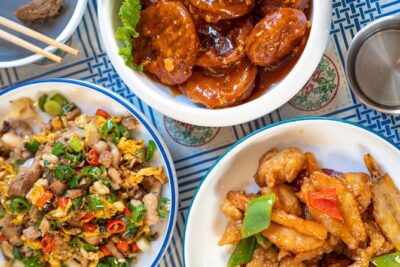
Beijing Hutong Walking Food and Beer Tour at Hidden Restaurants
Read our review →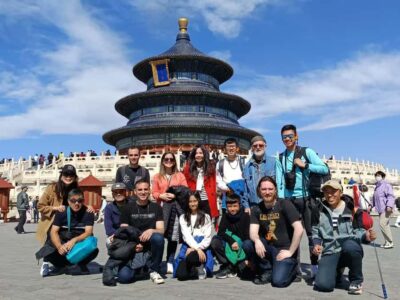
Temple Heaven, Summer Palace, Lama Temple, Hutong Bus Tour
Read our review →
Temple of Heaven, Summer Palace, Lama Temple, Hutong Tours
Read our review →
Beijing City Walk: Explore Hutongs Life and Old Beijing
Read our review →Browse the lists this tour appears in