
Reviewed · TEA TASTINGS
Traditional Chinese Tea Ceremony Experience
China’s tea tradition comes alive in the small details here: warming the pot, smelling the leaves, judging water temperature, and pouring with care. I like the low $9 price and the chance to taste several styles rather than simply being handed one cup. I also like that English-speaking hosts such as Richard Li and Feye can explain the ritual as you go.
The main catch is simple: this is not a sightseeing tour. There is no transport, no standard tour guide, and the meeting point can change with your booking. Shopping is optional, but you should expect a tea-house setting where buying tea is part of the experience.
Key points at a glance
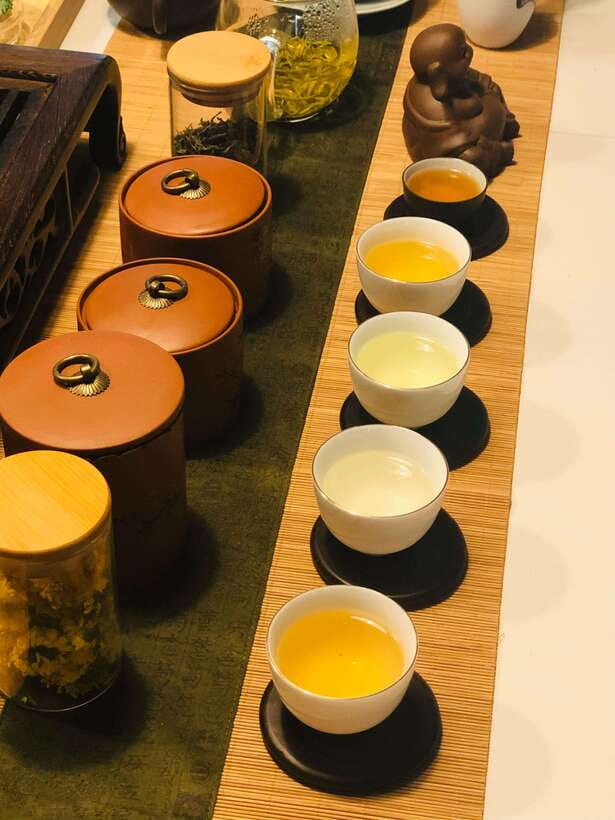
- Five mini cups included: Taste several Chinese teas as part of the ceremony, with styles such as Oolong, Pu-erh, green, jasmine, and flower tea.
- Careful brewing lesson: Watch the tea master control water temperature, steeping time, warming the pot, and pouring.
- English help available: The host or greeter speaks English, with Richard Li and Feye praised for clear, friendly explanations.
- Easy to fit into a Beijing day: The experience can last from 30 minutes to three hours, depending on the option booked.
- Optional tea shopping: You can buy tea afterward, but purchases are not part of the $9 price.
- Best for curious families: Children under seven are not accepted, while older children have enjoyed the activity.
Why a short tea ceremony belongs in your Beijing plans
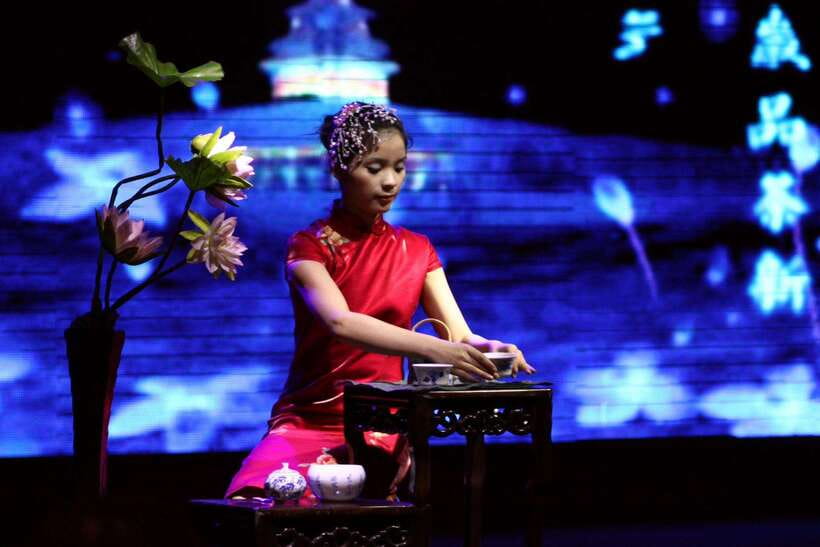
Beijing can be tiring. After a morning at the Forbidden City or a long walk through the city, a quiet tea ceremony gives you a useful change of pace. You sit, watch, smell, taste, and listen. That sounds modest, but it can be a welcome break from traffic, crowds, and grand monuments.
I like this experience because it explains tea as a social practice, not just a drink. The ceremony expresses respect, harmony, and mindfulness through a series of small actions. You learn why the pot is warmed, why the leaves are examined, and why steeping time matters.
At $9 per person, the price is unusually gentle for a hosted cultural activity in Beijing. The value comes from the instruction and the range of tea, not from transport or a long guided visit. If you want a polished sightseeing program with hotel pickup, this is not it. If you want a focused cultural lesson at a low cost, it makes sense.
The listed duration ranges from 30 minutes to three hours. That is a wide spread, so check the specific option before booking. A short session may suit you between major sights, while a longer version gives the tea master more time to explain the leaves and brewing methods.
Other tea to sit down with in Beijing:
- Beijing Culture: Tea Ceremony, Heritage Instrument & Calligraphy
★ 5.0 · 57 reviews - Chinese Tea ceremony in Beijing Hutong courtyard
★ 4.7 · 26 reviews - Beijing: Temple Of Heaven+Tai Chi Class+Tea Ceremony
★ 5.0 · 8 reviews
Arriving at the tea house
Your meeting point depends on the option you book. You receive the exact details with the reservation, and you should leave a WhatsApp number so the host can contact you.
There is no transportation included, so plan to reach the meeting point yourself. Some bookings have included help from the host around the meeting point, and Richard was praised for giving clear directions. Still, do not assume this means a hotel pickup or a private car.
The English-speaking host or greeter helps you get settled. Richard Li is one of the named hosts associated with the experience, while Feye has been praised for humor and clear explanations. A Russian-speaking tea master named Kostya has also hosted a session, so the staff may vary by date and option.
The atmosphere is intended to be friendly rather than formal or intimidating. That matters if you know little about tea. You are not expected to arrive with specialist knowledge, and the ceremony gives you a practical way to ask questions as each tea is prepared.
The first lesson: look, smell, and prepare
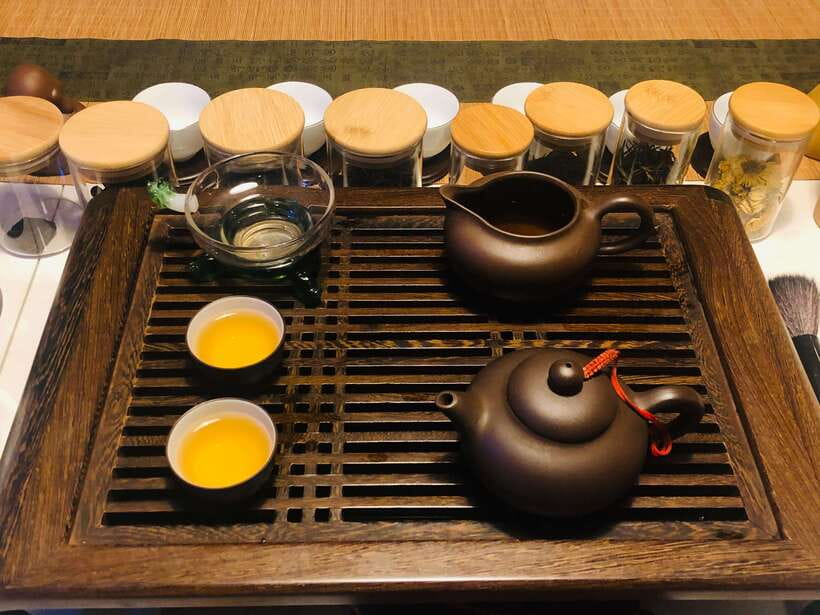
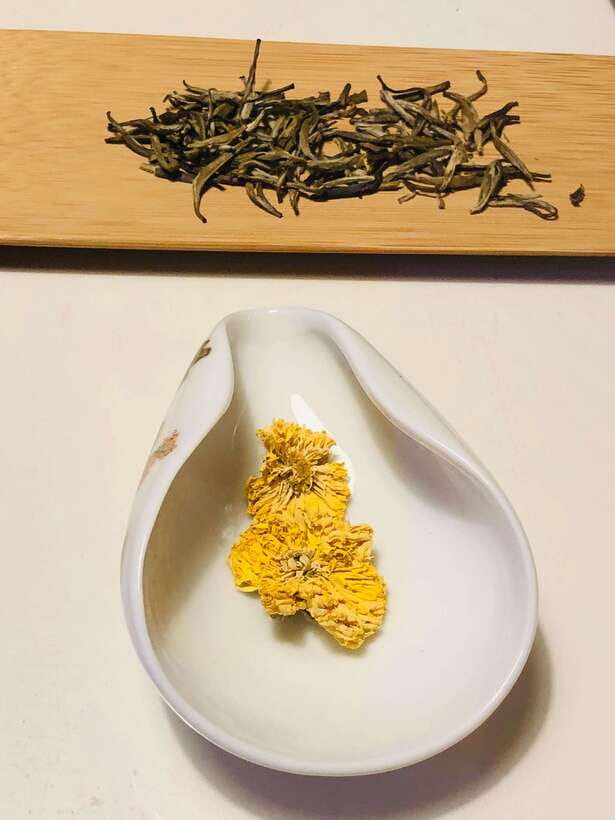
The tea master begins by showing you the leaves and explaining what you are about to taste. You may smell high-quality leaves before water is added. This is more useful than it sounds, since dry leaves can give you clues about the tea before brewing changes their scent.
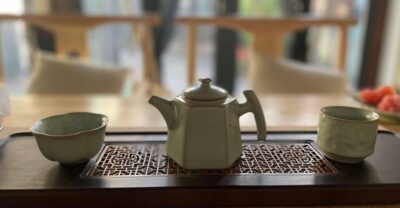
The pot is warmed before the tea is made. This is part of the ritual, but it also prepares the vessel for brewing. The master then adds water at a suitable temperature and controls the steeping time.
You will see that tea preparation is not one fixed recipe. Green tea, Oolong, Pu-erh, jasmine tea, and flower tea each call for different handling. The point is not to memorize technical rules. It is to understand that water, time, leaves, and pouring all affect the final cup.
I especially like this hands-on style of teaching. You are not only told that Chinese tea culture values patience. You see patience built into the process, one measured pour at a time.
Five teas, five small tastings
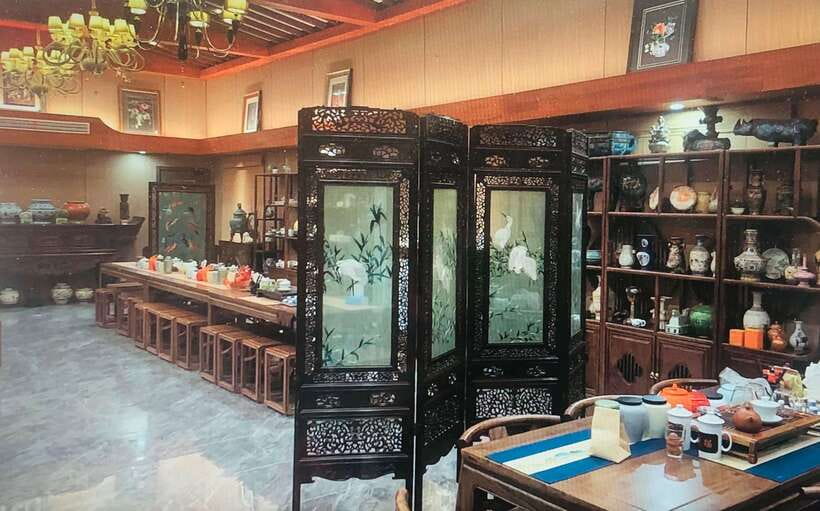
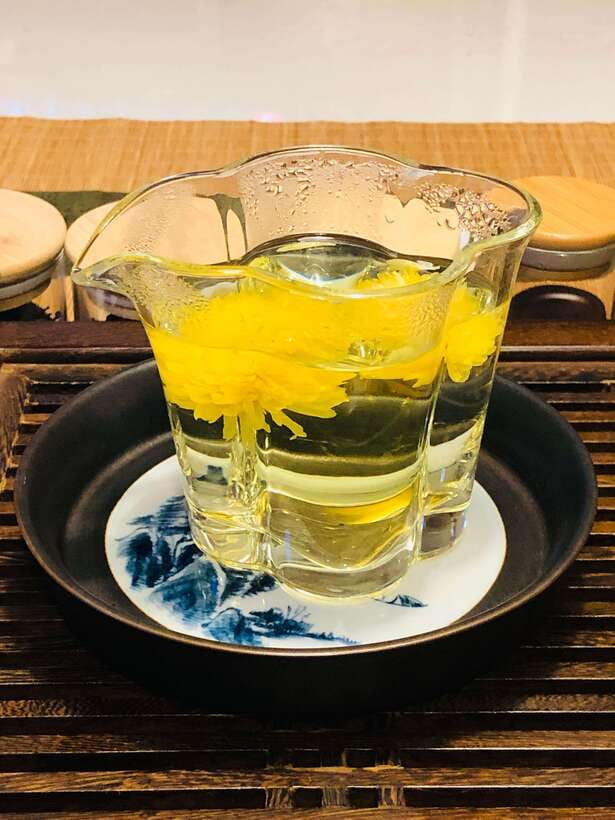
The package includes five mini cups of tea. The tasting may include Oolong, Pu-erh, green tea, jasmine tea, and flower tea, although the exact selection can vary.
Small cups are a good format. You can compare several types without filling up on tea, and the master has room to explain each one. You may notice that the teas differ in scent, color, body, and aftertaste. Even if you normally drink tea with milk or sugar, this format encourages you to taste it plain.
Some sessions have included six different teas, according to the experience details provided by previous participants. Treat that as a possible bonus, not as the guaranteed number. The stated inclusion is five mini cups.
The tasting is also a good reason to slow down. Smell the tea before sipping. Notice how the flavor changes as the cup cools. Ask which tea is best suited to your own preferences, rather than choosing only by appearance.
The tea master’s role is important here. Good English explanations can turn a pleasant tasting into a useful lesson. Richard and Feye are particularly noted for fluent English, while the host for your date may be someone else.
Same city, a completely different day:
- From Beijing: Mutianyu Great Wall Tours with Options
★ 4.9 · 9,216 reviews - Beijing: Forbidden City Tour(Group/Private)-Tickets Included
★ 4.8 · 7,974 reviews - Beijing: T-Square & Forbidden City Group or Private Tour
★ 4.8 · 4,446 reviews - All-Inclusive Tour: Tiananmen Square, Forbidden City, Great Wall
★ 5.0 · 2,873 reviews
The ritual behind the cup
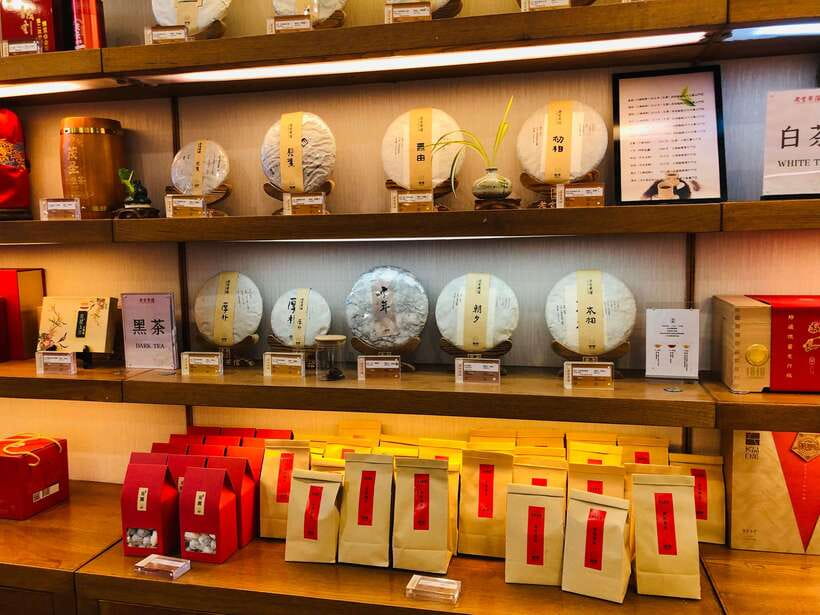
The ceremony is built around respect and attention. Warming the teapot, preparing the leaves, checking the water, and pouring the tea are performed in order. These gestures help create a calm rhythm between host and visitor.
You do not need to treat the ceremony as a religious act. It is better understood as a traditional social custom with artistic and practical elements. Tea brings people together, and the preparation gives everyone a reason to pause and share the moment.
This context makes the experience more worthwhile than an ordinary tea tasting. You learn how tea fits into Chinese social life, and you see why preparation can be as important as drinking.
The lesson also works well for children old enough to pay attention. The stated minimum age is seven, and children aged 10 and 13 have enjoyed the activity. Very young children may find the slow pace difficult, and pregnant women are listed as not suitable for this experience.
What happens after the last cup
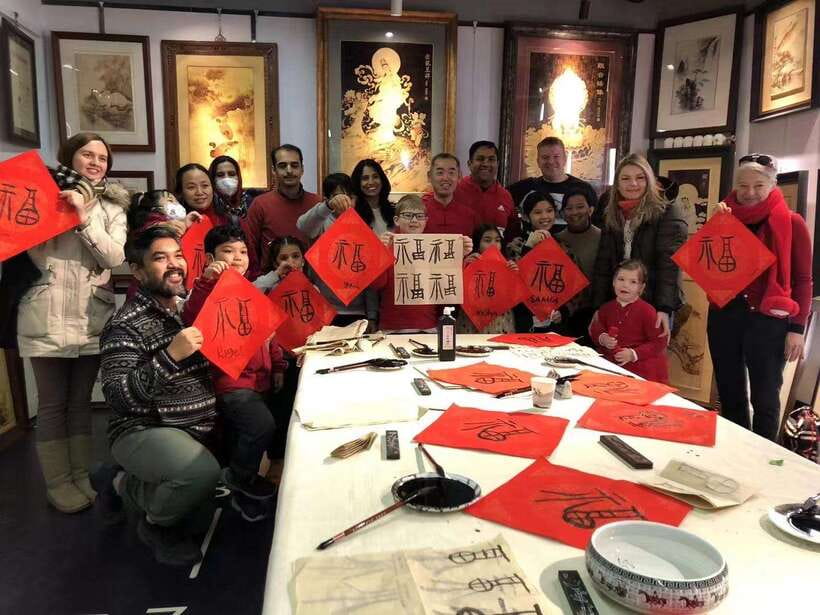
After the ceremony, you may browse and buy tea at your own expense. The shop may also carry Chinese porcelain and other tea-related items. Buying something is optional, and the core price does not include shopping.
This is where you should keep your head. A tea lesson can make every leaf seem special, especially when the tea master explains how to brew it. Set a budget before you enter the shop if you want to avoid an unplanned purchase.
On the other hand, buying a small amount can be a practical souvenir. Tea is easier to pack than many larger gifts, and the master can help you choose something based on what you liked during the tasting. One session included help selecting teas, which is useful if labels are unfamiliar.
Do not expect the shopping portion to be a separate sightseeing stop. It is an optional extension of the tea-house visit. If you are not interested in buying, you can simply finish the ceremony and leave.
The tea master manager then walks you back to the meeting point. This does not replace included transportation, but it can help you find your way out after the session.
The value of the $9 price
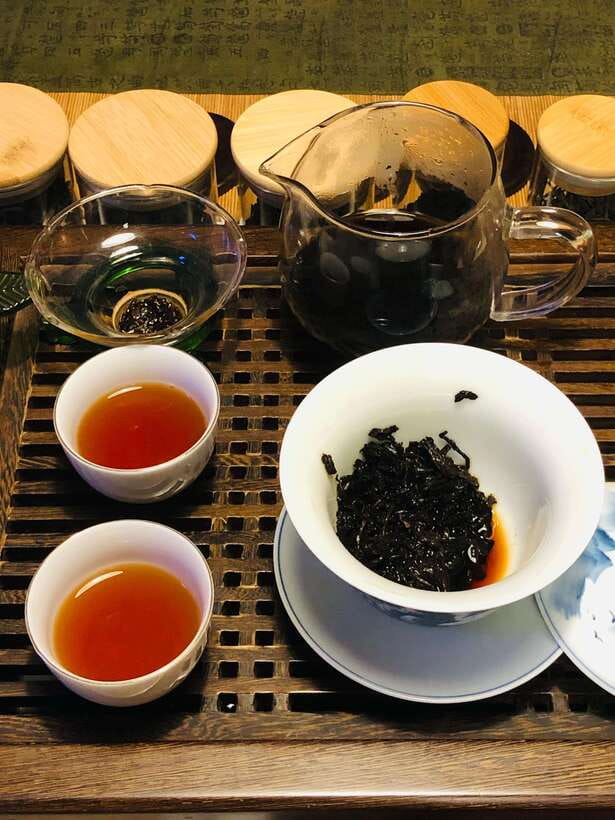
At $9, this is one of the easier Beijing activities to add to a full day. You receive a hosted ceremony and five mini cups, with an English-speaking host or greeter. That is fair value if you care about cultural context and want more than a quick drink.
The price does not cover transport, shopping, or expenses not listed in the inclusions. There is no standard tour guide leading you around the city. You are paying for the tea lesson itself.
I would compare it with the cost of a casual café stop. For only a little more than a drink, you get an explanation of brewing methods and a structured tasting. The experience is not a substitute for a full Beijing tour, but it works well as a short, affordable activity between major sights.
The duration is the biggest variable. A 30-minute visit can feel like a quick introduction. A longer booking, up to three hours, gives you more time for questions, tasting, and perhaps related activities offered under a particular option. Check precisely what your chosen option includes, since calligraphy and food appeared in some individual experiences but are not listed among the core inclusions here.
Who should book this experience
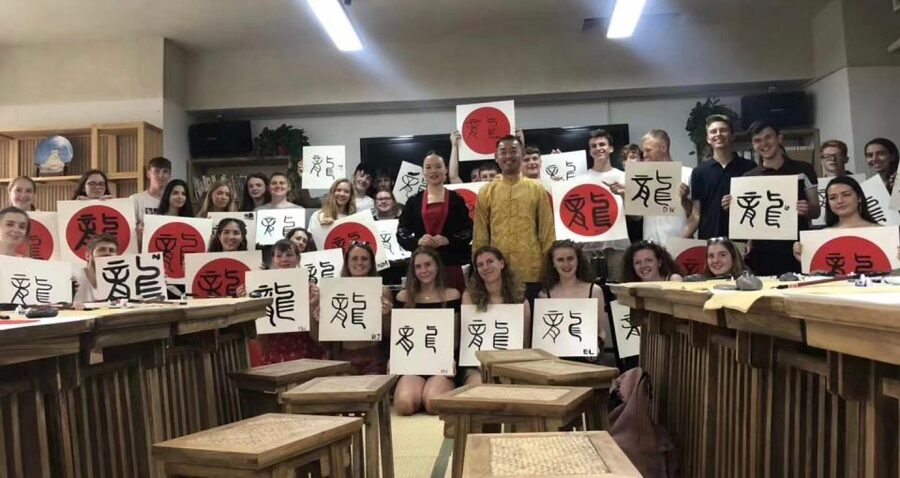
I would choose this ceremony if you want a calm cultural activity, especially after visiting a major Beijing sight. It suits adults who enjoy food and drink traditions, first-time tea drinkers, and families with children aged seven and older.
It is also a good fit if you value clear English support. Several hosts have been praised for fluent English, and that can make a large difference when you are learning unfamiliar customs.
You should think twice if you want a fast, independent tasting with no sales element. The optional shop is part of the setting, and some people may feel pressure to buy even though shopping is not required. You should also avoid assuming that the host will provide transport or act as a city guide.
The experience is less suitable for anyone who cannot sit through a slow, careful demonstration. Tea preparation is the point. The quiet pace will appeal to some people and test the patience of others.
Practical booking advice for Beijing
Check the meeting point carefully because it may vary by option. Save the address and allow time to reach it on your own. Leave your WhatsApp number when booking, as requested.
Confirm the duration before you pay. The broad 30-minute to three-hour range means two people could book what sounds like the same activity and receive different amounts of time.
The stated cancellation policy allows a full refund if you cancel at least 24 hours in advance. You can also reserve now and pay later, which helps if your Beijing schedule is still shifting.
Bring a little patience and an open palate. You do not need to know the difference between every tea in advance. The whole point is to learn by smelling, tasting, and watching the tea master work.
Should you book it?
Book this tea ceremony if you want an inexpensive, English-supported introduction to Chinese tea culture, and if you can make your own way to the meeting point. The strongest reasons are the low price, the five-tea tasting, and the careful explanation of brewing.
Skip it if your priority is transport, city sightseeing, or a fully planned half-day tour. Also check your booking carefully if you are hoping for calligraphy, lunch, or other extras, since those are not part of the stated tea ceremony inclusion.
For most visitors with a spare hour in Beijing, I think it is a smart little stop. It gives you a cultural memory you can repeat at home, every time you warm a pot and let the leaves steep.
FAQ
How much does the tea ceremony cost?
The listed price is $9 per person.
How long does the experience last?
The duration ranges from 30 minutes to three hours, depending on the option booked. Check availability for the exact starting time and duration.
What is included?
The tea ceremony and five mini cups of tea are included.
Which teas might I taste?
The ceremony may include Oolong, Pu-erh, green tea, jasmine tea, and flower tea. The exact selection can vary.
Is transportation included?
No. Transportation is not included, and you need to reach the meeting point yourself.
Is a tour guide included?
No tour guide is included. The activity does provide a host or greeter who speaks English.
Where do I meet the tea master?
The meeting point may vary according to the option you book. Check your booking details for the correct location.
Can I buy tea afterward?
Yes. You may purchase tea and other items afterward at your own expense. Shopping is optional and is not included in the price.
Can children join?
Children under seven are not suitable for the activity. Children aged seven and older may join, subject to the booking option.
What contact information should I provide when booking?
You should provide a WhatsApp number when you book so the host can contact you.
New reviews from Beijing
- Mutianyu Wall, Summer Palace & Old Summer Palace Day Tour★ 4.8 · 34 reviews
- Night Market Haggling Adventure with an English Guide!★ 4.8 · 7 reviews
- BusDa-Mutianyu Great Wall&Forbidden City Full-day Coach Tour★ 4.9 · 11 reviews
- Mutianyu Great Wall Ticket with Roundtrip Cable Car★ 5.0 · 20 reviews
- Mutianyu Great Wall Bus Trip+Ticket 7/8/9/10/13/13:30/15:30★ 4.7 · 24 reviews
- Mutianyu Great Wall Entry Ticket Chairlift Up Toboggan Slide★ 4.9 · 8 reviews
- Mutianyu Great Wall 5-KM Guided Hike with Uphill Cable Car★ 4.8 · 16 reviews
- Mutianyu Great Wall Admission Ticket★ 3.6 · 7 reviews
Tea Tastings, compared.
Beijing Culture: Tea Ceremony, Heritage Instrument & Calligraphy
Read our review →
Chinese Tea ceremony in Beijing Hutong courtyard
Read our review →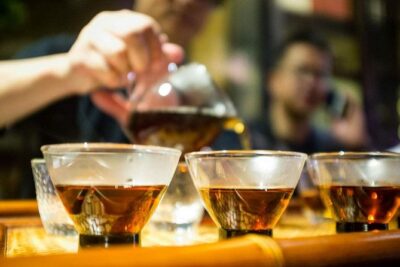
Afternoon Tea and Dessert Tour on the Huaihai Road in Shanghai
Read our review →
3-Hour Shanghai Yu Garden &Old Town Private Tour with Tea Tasting
Read our review →Private Shanghai City and Zhujiajiao Combo Tour with Boating, Tea Tasting, Lunch
Read our review →
Browse the lists this tour appears in