
Reviewed · CHINESE FOOD TOURS
Private Food Tour: Hong Kong Island
Hong Kong’s food story makes the most sense when you walk through the old neighborhoods where it developed. This private tour links trolley-served dim sum, wonton noodles, roast meat, milk tea, and an egg tart with Sheung Wan markets, dried seafood shops, Central lanes, and Wan Chai streets. It is part meal, part neighborhood tour, and part lesson in how Cantonese and British customs shaped the city’s table.
I like the private format, which lets your guide adjust the pace and explain unfamiliar foods without rushing a larger group. I also like the mix of famous staples and ordinary places, including a family-run noodle shop, a bakery favored by a former Hong Kong governor, and a market that shows daily life rather than polished sightseeing.
The main consideration is price: at $236.69 per person, this is a costly food walk, especially for two people. You also need a hearty appetite, an open mind about seafood, and comfortable walking shoes. The tour is not suitable for vegetarians, people avoiding gluten, or anyone with a seafood allergy.
Key points at a glance
- Five substantial tastings: Expect dim sum, wonton noodles, milk tea, assorted roast meats with rice, and an egg tart, plus candies and local snacks.
- Sheung Wan sets the tone: Dried seafood stores, Chinese medicine businesses, tea shops, and Graham Street Market show the neighborhood’s older side.
- Private guiding matters: Your group travels alone, so the pace and food discussion can be adjusted to your interests.
- The Ding Ding is part of the route: A tram ride links the food stops, but you pay that small fare separately.
- The tour crosses several districts: Begin in Sheung Wan and finish in Wan Chai after passing through Central and the Mid-Levels Escalator.
- Four hours goes quickly: This is a tasting route with walking and sightseeing, not a long, sit-down meal at every stop.
Why this food walk works so well
The clever idea here is to use food as your map. Hong Kong’s Cantonese cooking is not presented as a list of dishes. You see the shops, streets, transport, and neighborhoods that give those dishes their setting.
You meet in Sheung Wan, on Des Voeux Road West, or arrange pickup depending on the booking option. From there, the route moves east across Hong Kong Island. You finish in Wan Chai with an egg tart, so you can continue exploring the district after the guide says goodbye.
The private setup is useful if you want more than a quick explanation at each stop. Guides named Andy and Mel have been singled out for their humor, clear English, cultural explanations, and ability to set a comfortable pace. One group of four adults over 65 especially appreciated Andy’s timing. Another family used the tour during a cruise stop and arranged transportation around it.
That flexibility is the best reason to consider a private tour. If you are curious about ingredients, want more background on Hong Kong’s British influence, or need a slower pace, your guide can focus the conversation around your group. It also suits families and couples who prefer not to share a table or walking route with strangers.
More Food Tours in Hong Kong
- Hong Kong’s Tin Hau Hidden Eats Food Tour with 7+ Local Tastings
★ 5.0 · 352 reviews - Small-Group Hong Kong Island Food Tour
★ 5.0 · 343 reviews - Hong Kong Food Tour: Central and Sheung Wan Districts
★ 5.0 · 333 reviews
Starting with dim sum in Sheung Wan
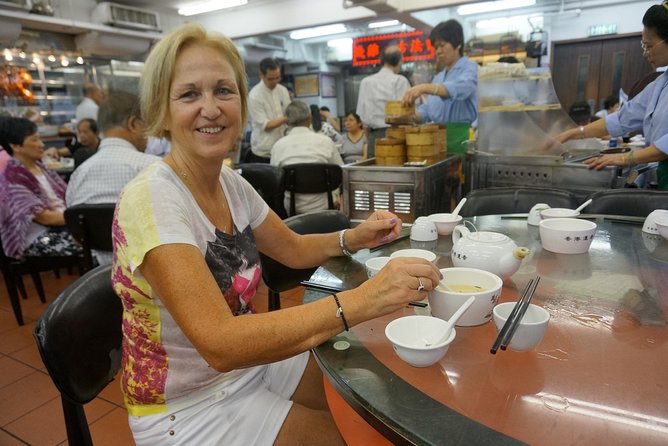
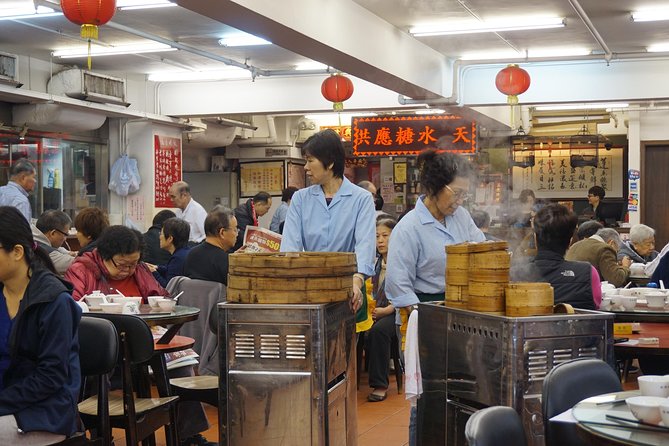
The first food stop is a tea house where dim sum arrives by trolley. This is a traditional yum cha breakfast, and the setting matters as much as the food. The restaurant has nearly a century of history and the lively feel of a place that serves regulars, not just sightseers.
Dim sum is a good opening course because you can sample several small items rather than commit to one large dish. It also introduces an important Cantonese custom: tea, conversation, and shared plates are part of the meal.
The practical tip is simple: do not eat breakfast before you arrive. The tour includes enough food to function as a substantial morning meal, and you will want room for the noodle dish, roast meat, and pastry later. If you have dietary restrictions, ask before booking. The food choices are not designed for vegetarians, gluten-free diets, or people with seafood allergies.
Sheung Wan itself is worth your attention. The district mixes older Chinese businesses with newer shops and restaurants. The route gives you a look at the neighborhood rather than dropping you straight at a restaurant and moving on.
Dried seafood, tea, and everyday Sheung Wan
After dim sum, the walk passes through Seafood Street, the local name for the section of Des Voeux Road West known for dried seafood. Dried fish, shellfish, and other ingredients are used in Chinese cooking and traditional tonics. Shops here offer a useful glimpse into the ingredients behind the dishes you are eating.
This stop is more about sight, smell, and explanation than another full course. It helps you understand why Chinese food markets can look so different from Western grocery stores. Your guide can explain the role of dried ingredients and how they fit into Cantonese food traditions.
You also visit Kai Fat Tea, a small tea shop tucked along a narrow Sheung Wan road. It sells tea, assorted candies, and Chinese sweets made with fruit and other natural ingredients. The tasting of candies and local snacks adds a little sweetness between the heavier food stops.
This is one of the route’s quieter pleasures. You are not only eating the city’s best-known dishes. You are seeing the small shops and food trades that make the neighborhood feel like a working district.
Graham Street Market and the Central walk
The route continues toward Graham Street Market, a long-running market where food stalls sell vegetables, live seafood, and other daily supplies. The market gives you a direct look at how residents shop for cooking at home.
The itinerary also includes Central District, where sloped streets and narrow lanes connect older buildings, temples, shops, and newer city life. You may pass through Gough Street, known for its colonial-style buildings, boutiques, and restaurants. Tai Kwun, the restored former Central Police Station compound, is another possible sight along the route, combining heritage buildings with art and cultural events.
These places are not separate food tastings, but they prevent the tour from becoming a series of restaurant visits. You get a sense of how food sits within Hong Kong’s wider street life. The route also includes a Chinese medicine shop, giving you another look at traditional commerce.
There is some walking here, often on slopes and busy city streets. Most people can participate, and the tour stays near public transportation, but the four hours are active. Wear shoes you trust and keep some room in your schedule afterward.
Other eating walks in Hong Kong:
- Hong Kong Street Food Tour with Locals – Dim Sum, Wonton & more
★ 5.0 · 226 reviews - Small Group Kowloon Michelin Rated Street Food and Culture Tour
★ 5.0 · 170 reviews - Hong Kong Food Tour: Sham Shui Po District
★ 5.0 · 167 reviews - The 10 Tastings of Hong Kong With Locals: Private Street Food Tour
★ 4.5 · 124 reviews
The Mid-Levels Escalator and Hong Kong’s moving streets
A short ride on the Mid-Levels Escalator adds a distinctly Hong Kong pause to the route. It runs about 800 meters and takes roughly 15 minutes, carrying you through the city while shops, restaurants, and side streets pass at street level.
The escalator is not a food stop, but it helps connect the districts and gives you time to watch ordinary city life. You are still moving, yet you are not walking every uphill section. That makes the route easier to manage, though you should not mistake the escalator ride for a break from the whole walking program.
The nearby Central streets are especially useful for understanding Hong Kong’s mix of older Chinese businesses, colonial-era influences, and newer commercial life. The guide’s stories are an important part of this section. The strongest part of the tour is not simply being told what a dish is, but hearing why it belongs in Hong Kong.
Wonton noodles at a family-run shop
The next major tasting is wonton noodle soup at a family-run shop dating to the 1960s. The restaurant has been recommended by the Michelin Guide, but the appeal is not fancy dining. Wonton noodles are a simple dish that depends on careful preparation, balanced broth, springy noodles, and well-made dumplings.
This is a useful stop for understanding why Hong Kong food can look modest yet demand serious skill. The meal is served in a straightforward setting, and the guide explains what makes a good bowl rather than treating it as just another sample.
The portion is part of a sequence, not a full restaurant meal. You will still eat roast meat and dessert later. If you tend to fill up quickly, pace yourself at the first two stops.
Milk tea and the British thread
Milk tea is one of the clearest signs of Hong Kong’s blended food culture. The drink came through the city’s British colonial past and became an everyday local favorite rather than a formal imported custom.
The cup on this tour is brief but important. It connects the dim sum breakfast and Cantonese dishes with the later egg tart, another local adaptation of an English food. Hong Kong cuisine is full of these small exchanges, where an outside idea is changed to suit local tastes and habits.
Milk tea also gives you a short pause before the tram ride and the roast meat meal. If you do not usually drink tea with milk, tell your guide. The tour is private, so you have a better chance of getting useful advice about what you are tasting.
Riding the Ding Ding to Wan Chai
The Hong Kong tram, known locally as the Ding Ding, is part of the transfer to another family-run restaurant. The electric tram system began operating in 1904, and its double-decker cars remain one of the most recognizable ways to cross Hong Kong Island.
You pay the tram fare separately. That is a small extra cost, but it is worth knowing in advance so you are ready when the group boards. The ride lasts about 20 minutes in the stated route and gives you a view of the island at street level.
The tour then reaches Wan Chai, a district where old apartment buildings, temples, bars, restaurants, and newer businesses sit close together. This is a good setting for the next meal because Wan Chai shows the city’s constant movement between old and new.
Roast meat, homemade sauces, and rice
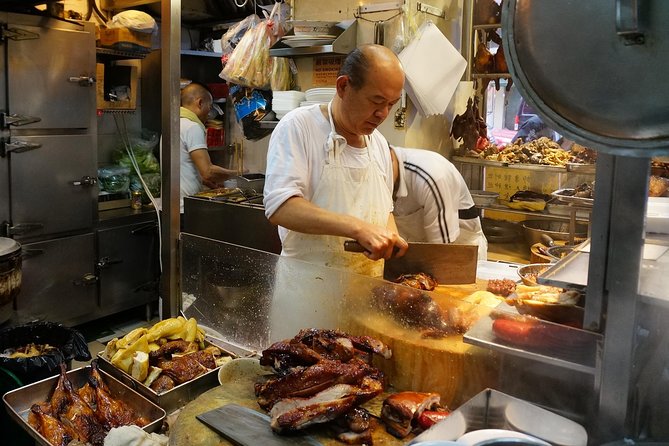
At the second family-run restaurant, you sample a mixture of traditional roast meats with rice and homemade sauces. The restaurant is said to date back to the Qing dynasty and is known for English roast meat, especially char siu.
Char siu is Cantonese barbecued pork, usually recognized by its glossy surface and sweet-savory flavor. On this tour, the tasting is broader than one slice of pork. The mixed roast-meat plate lets you compare textures and sauces while seeing how a simple rice meal becomes a Hong Kong staple.
This is likely the most filling course. By this point you have already had dim sum and noodles, so the advice about skipping breakfast becomes even more important. The meal is also a strong reason to book this tour early in your Hong Kong stay. Afterward, you will know several dishes to order on your own.
Finishing with an egg tart on Hennessy Road
The final stop is a bakery on Hennessy Road with a 60-year history. Here you eat an egg tart, called dan tat in Cantonese, which is Hong Kong’s Chinese version of an English custard tart. The bakery was once a personal favorite of a former Hong Kong governor.
The egg tart is a fitting ending because it brings the food story full circle. You begin with Cantonese dim sum, taste British-influenced milk tea, eat local roast meat, and finish with a pastry adapted from an English model.
You finish in Wan Chai near Southorn Playground, an open recreational area where office workers, sports players, and local residents spend time. The official end point is useful because Wan Chai gives you plenty of options for continuing your afternoon, though the tour itself ends with the egg tart.
What $236.69 per person really buys
At $236.69 per person, the tour is not cheap. You are paying for a private guide, five included food and drink tastings, neighborhood interpretation, help with the route, and the chance to ask questions throughout the four hours.
The value depends on how you travel. For a group that wants an introduction to Hong Kong food without planning restaurants, markets, and transport independently, the price can make sense. A private tour is also more valuable for families, older adults who want a measured pace, and first-time visitors who want context along with lunch.
For a solo visitor or a couple on a tight budget, the cost is harder to justify. Hong Kong has many affordable food options, and you could eat several of these dishes independently for far less. The difference is the guide and the structure. You are buying access to a carefully linked route, explanations, and a private pace, not just the food.
Group discounts may be available, which improves the per-person value for a larger party. Check the final price for your dates before booking.
Who should book this tour
I would choose this tour for a first visit to Hong Kong, especially if you want food to introduce the city. It suits people who like local neighborhoods, public transportation, small food businesses, and cultural background.
It is also a strong match for a cruise stop. One family used it during a day in port and arranged transportation around the tour. The private format can help when your time is fixed, but leave enough room for getting to Sheung Wan and returning from Wan Chai.
I would skip it if you are vegetarian, gluten-free, allergic to seafood, or uncomfortable with a substantial amount of walking. It is also a poor fit if you want a slow restaurant lunch, since the tour moves between several stops and includes sightseeing along the way.
The tour is free to cancel up to 24 hours before the start time. Hotel pickup needs careful checking: the route remains a walking and public-transport tour, not a car tour, and the stated arrangements distinguish pickup from the standard meeting point.
Should you book the Hong Kong Island food tour?
Book it if you want a private, food-led introduction to Sheung Wan, Central, and Wan Chai, and if you value a guide who can explain what you are eating. Andy and Mel have received especially warm praise for humor, clear English, cultural background, customized pacing, and making the route work for families.
Skip it if the price outweighs the convenience, or if you have dietary restrictions that rule out the menu. For everyone else, the route offers a practical first taste of Hong Kong: dim sum in the morning, noodles, milk tea, roast meat, a tram ride, and an egg tart at the end.
FAQ
How long is the private food tour?
The tour lasts approximately four hours.
Where does the tour begin?
The standard meeting point is 28 Des Voeux Road West in Sheung Wan, Hong Kong Island.
Where does the tour finish?
The tour finishes in Wan Chai with a local egg tart.
Is hotel pickup available?
Pickup may be offered depending on the booking option. The tour remains a walking tour using Hong Kong’s public transportation system, not a private car tour.
Is transportation included?
The walking route includes public transportation, but the Hong Kong tram ride is at your own expense.
What food is included?
The included tastings are assorted dim sum, wonton noodle soup, traditional milk tea, barbecue roast meat, and an egg tart. Assorted candies and local snacks are also included.
Do I need to eat breakfast first?
No. You are advised not to eat breakfast before the tour and to arrive hungry.
Is this a private activity?
Yes. Only your group participates in the private tour.
Is the tour suitable for vegetarians?
No. The tour is not suitable for vegetarians, people following a gluten-free diet, or people with seafood allergies.
Can I cancel for a full refund?
Yes. You can cancel at least 24 hours before the experience start time for a full refund. Changes or cancellations made less than 24 hours before the start time are not accepted for a refund.
New reviews from Hong Kong
- Lantau Island: Priority Cable Car, Tai O & Direct Transfer★ 4.0 · 11 reviews
- Hong Kong: Ngong Ping Private Cable Car Skip-the-Line Ticket★ 4.6 · 7 reviews
- Hong Kong: Lantau Private Coach, Tai O & Big Buddha Tour★ 4.8 · 8 reviews
- From Hong Kong: Macau Day Tour with R/T Ferry, Lunch, Pickup★ 4.6 · 39 reviews
- Monopoly Dreams Hong Kong★ 3.5 · 8 reviews
- 4-Hour Private Hong Kong Layover Tour★ 5.0 · 39 reviews
- Private custom layover tour of Hong Kong – 7 hours★ 5.0 · 17 reviews
- 6-Hour Private Hong Kong Layover Tour★ 5.0 · 18 reviews
Chinese Food Tours, compared.
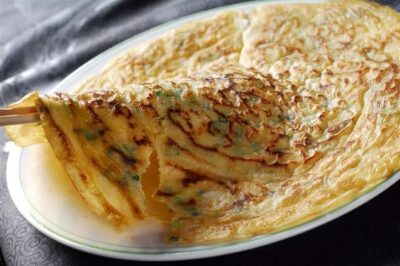
Authentic Local Food Tour in Central Shanghai
Read our review →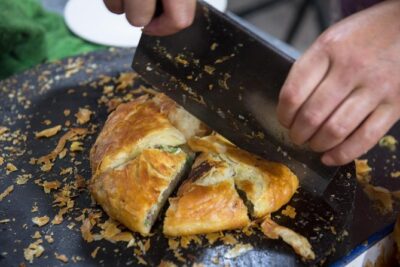
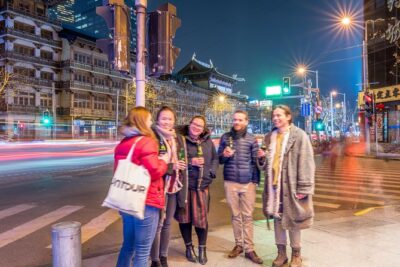
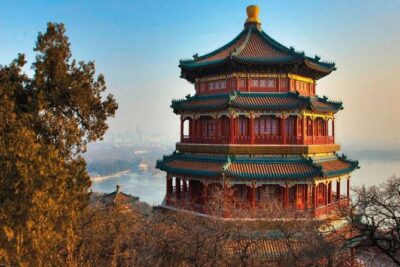
Temple Heaven, Lama Temple, Summer Palace & Peking Duck Bus Tour
Read our review →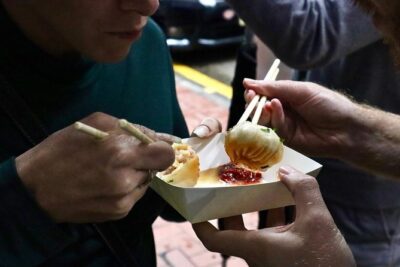
Hong Kong’s Tin Hau Hidden Eats Food Tour with 7+ Local Tastings
Read our review →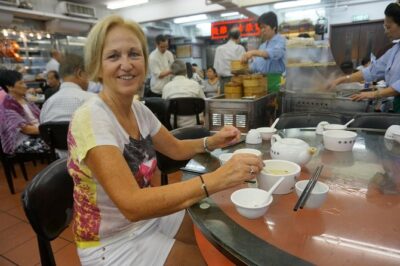
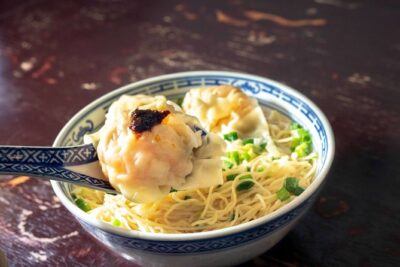
Hong Kong Food Tour: Central and Sheung Wan Districts
Read our review →Browse the lists this tour appears in