
Reviewed · CHINESE FOOD TOURS
Hong Kong Private Food Tour with Michelin Street Food
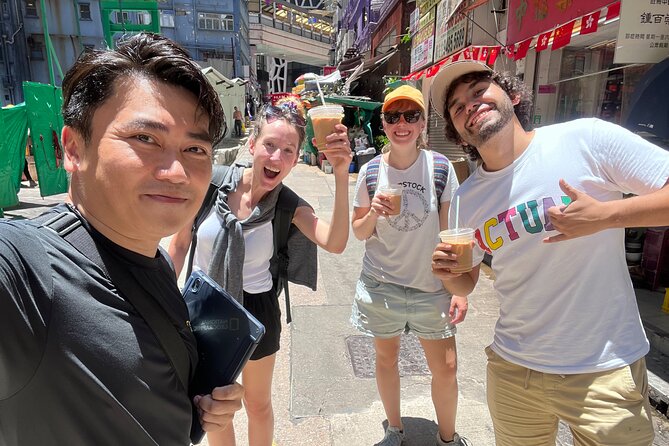
Hong Kong’s food story makes the most sense on foot, moving from a 160-year-old market to old tea shops, noodle counters, dried seafood stalls, and cooked food centers. This private tour connects those places with at least six local tastings, including three foods recommended by Michelin.
I like the personal angle with Kiyo, a lifelong Hong Konger and former online media host who brings in history, culture, and city stories along with the food. I also like the range: shrimp dumplings, herbal tea, rice dishes, Chinese tea, wontons, dace fish balls, herbal jelly, French toast, and milk tea.
The main consideration is the price, $295.19 per person. That is a serious spend for a food walk, especially since the advertised timing varies between about three and four hours. You are paying for a private guide and a broad introduction to Hong Kong, not simply a series of cheap street snacks.
Key points to know before booking
- Three Michelin recommended stops: Tsim Chai Kee Noodle is the clearest highlight for diners who want recognized local food without a formal restaurant setting.
- A private walk with Kiyo: Your group has the guide to itself, and one past booking found that he adjusted the food choices to suit personal preferences.
- Nine food and culture stops: The route links Central, Graham Street Market, Bonham Strand, and Sheung Wan.
- Public transport is included: You do not pay extra for the public transportation used during the tour.
- A strong first-day introduction: The food comes with explanations of tea, fishing, rice, herbal medicine, markets, and Hong Kong’s changing city life.
- Allow for several small tastings: You are sampling many foods rather than sitting down to one large meal.
Why this private Hong Kong food walk works
The best thing about this tour is its broad view of Hong Kong food. You are not simply taken from one snack to another. You move through Central and Sheung Wan, where skyscrapers, old markets, tea shops, noodle counters, and dried seafood businesses sit close together.
Kiyo is a Hong Kong native who grew up during the city’s changes in the 1980s. His background as a former online media host matters here because the tour depends on explanation as much as eating. You can ask about local habits, food origins, and the way outside influences became part of everyday Hong Kong cooking.
The private format is useful. Your group does not have to follow a fixed public pace, and one booking specifically noted that Kiyo adapted the tour to personal preferences. That can make a difference if you have strong likes, dislikes, or limited appetite.
Still, this is not a luxurious private dining event. Food portions are tastings, the walking route uses public places, and the experience may feel fast if you want long meals at each stop. The price reflects the guide, planning, transport, and private format more than the raw cost of the food.
More Food Tours in Hong Kong
- Hong Kong’s Tin Hau Hidden Eats Food Tour with 7+ Local Tastings
★ 5.0 · 352 reviews - Small-Group Hong Kong Island Food Tour
★ 5.0 · 343 reviews - Hong Kong Food Tour: Central and Sheung Wan Districts
★ 5.0 · 333 reviews
Starting with shrimp dumplings on Queen’s Road Central
The tour begins near Queen’s Road Central with shrimp dumplings, one of Hong Kong’s best-known dim sum foods. This is a useful opening because dim sum is not just a list of steamed dishes. It is tied to tea drinking, social meals, Cantonese cooking, and the habit of ordering several small plates for the table.
You get a chance to discuss how dim sum fits into daily life while tasting a familiar local favorite. Shrimp dumplings are also a sensible first bite: compact, recognizable, and easy to share.
The stop lasts about 20 minutes. Do not expect a long restaurant meal here. Think of it as an introduction to the food culture that will guide the rest of the walk.
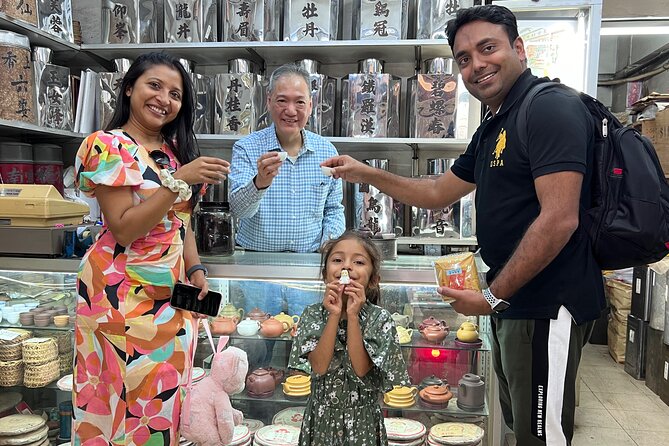
Herbal tea at Good Spring Company
Next comes Cantonese herbal tea at Good Spring Company Limited. You can choose sweet tea, bitter tea, or tortoise jelly. This is one of the more unusual parts of the route for first-time visitors because the flavors may be far removed from the sweet drinks you associate with a normal café stop.
The point is not only taste. Cantonese herbal tea belongs to Hong Kong’s traditional approach to food and health, where certain drinks and jellies are valued for their perceived cooling or balancing qualities. You can use this stop to ask Kiyo how these drinks are used in local life.
The tasting takes about 15 minutes. If you dislike bitter flavors, sweet tea may be the easier choice, though the option of tortoise jelly gives you a chance to try something more distinctive.
Graham Street Market beneath the towers
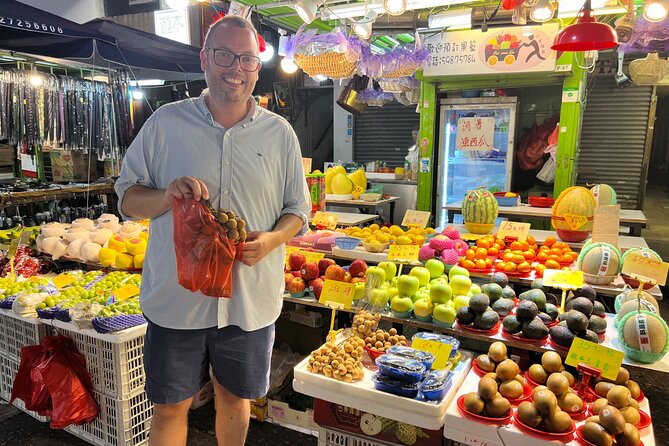
Graham Street Market is one of the most memorable settings on the walk. The market has operated for about 160 years and remains an open-air wet market among Central’s tall buildings.
This contrast tells you a lot about Hong Kong. Modern office towers rise nearby, yet vendors still sell food through a traditional market system. You can see why markets matter to local cooking: they connect households and restaurants with fresh produce and other ingredients.
The tour allows about 20 minutes here. That is enough for an introduction and some photographs, but not a full market study. Since the market is a working place rather than a staged attraction, the pace and activity can vary.
Other eating walks in Hong Kong:
- Hong Kong Street Food Tour with Locals – Dim Sum, Wonton & more
★ 5.0 · 226 reviews - Small Group Kowloon Michelin Rated Street Food and Culture Tour
★ 5.0 · 170 reviews - Hong Kong Food Tour: Sham Shui Po District
★ 5.0 · 167 reviews - The 10 Tastings of Hong Kong With Locals: Private Street Food Tour
★ 4.5 · 124 reviews
Rice culture at Chung Kee Congee
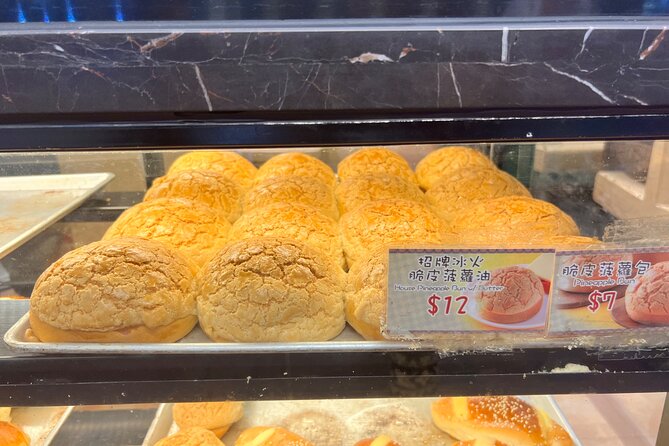
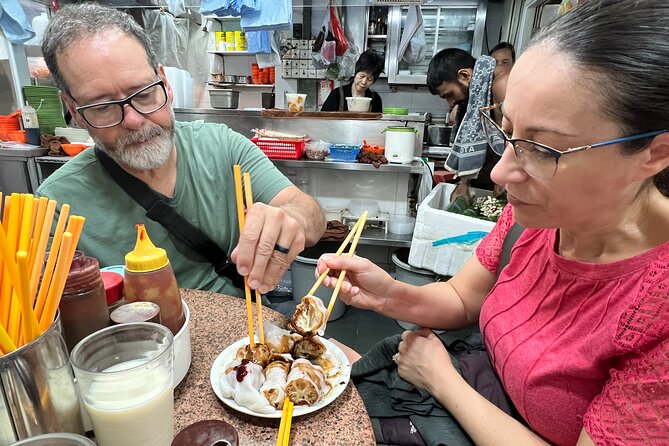
At Chung Kee Congee, the focus shifts to rice and the many forms it takes in Hong Kong cooking. You taste zha leung, a local dish built around rice noodle rolls and a fried dough stick.
This stop is valuable because it shows how a few everyday ingredients can become a complete breakfast or snack. Congee also gives you a look at a softer, simpler side of Cantonese food, very different from the more elaborate image of dim sum.
You spend about 15 minutes here. The tasting is likely to be small, so do not count on it as a full meal. Instead, pay attention to the texture and to Kiyo’s explanation of how rice supports so many parts of local food life.
Tea culture at Gilman’s Bazaar
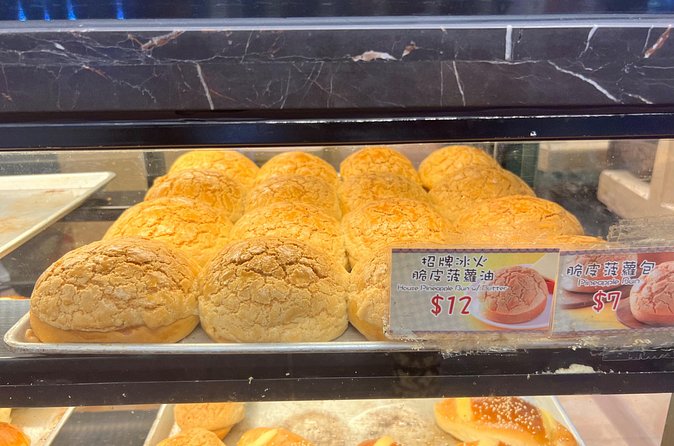
The route then reaches a traditional Chinese tea house with about 60 years of history. At Gilman’s Bazaar, you learn about Chinese tea varieties and taste freshly brewed tea.
This is a welcome pause after several food tastings. Tea is central to Cantonese dining, and understanding it helps make sense of the earlier dim sum stop. The tea house also gives the walk an older, more deliberate feel than the quick noodle and snack counters.
The planned visit lasts about 20 minutes. Because the tour includes several different food traditions, this stop helps keep the experience from becoming a simple checklist of snacks.
Michelin recommended noodles at Tsim Chai Kee
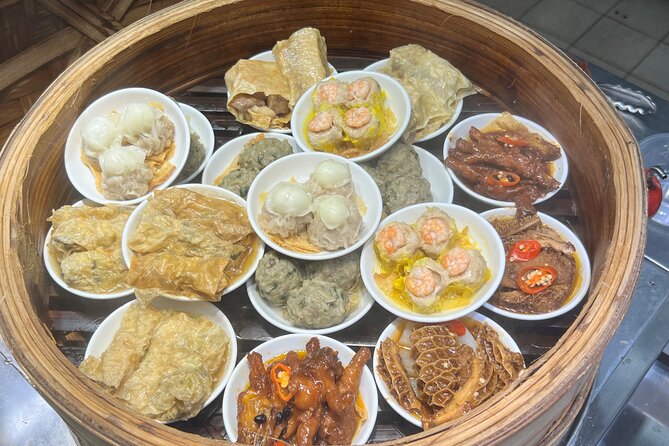
Tsim Chai Kee Noodle is likely to be the main food draw for many people. Here you taste Michelin recommended wontons and dace fish balls while learning about Hong Kong’s fishing industry.
The combination is especially revealing. Wontons are widely associated with Cantonese cooking, while dace fish balls point toward the city’s connection with the water and fishing communities. You get more than a noodle bowl. You get an explanation of how seafood entered ordinary city food.
This stop lasts about 30 minutes, making it the longest scheduled tasting. That extra time matters because noodles are best understood as a complete dish, not a quick sample. Three foods on the tour receive Michelin recommendations, and this is the stop specifically identified with wontons and dace fish balls.
If you want the tour mainly for award-listed food, pay close attention here. If you are looking for a big bowl or a formal dining room, keep your expectations in check. The attraction is local noodle culture and context, not luxury service.
Herbal jelly and northern influences at Chan Yee Jai
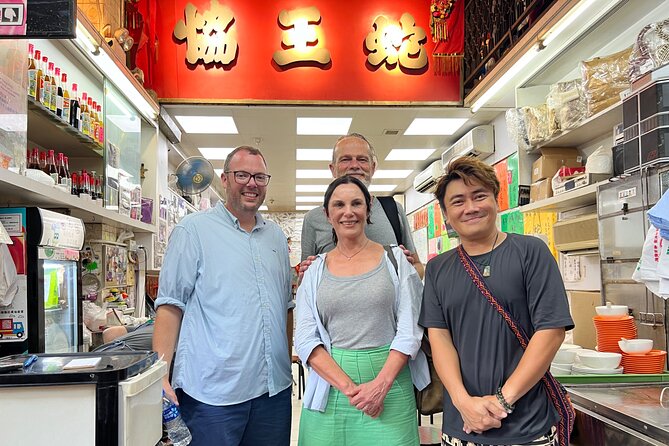
Chan Yee Jai brings the group back to Chinese herbal food with a focus on herbal jelly. You also hear how immigrants from northern parts of China introduced different culinary traditions to Hong Kong.
This is an important part of the city’s food story. Hong Kong cooking is often described through Cantonese dishes, but the city has long absorbed food habits from many parts of China. A stop like this helps you see food as a record of migration and adaptation.
The visit lasts about 20 minutes. Herbal jelly can be an acquired taste, so it is good that the tour frames it with a story rather than treating it as a novelty snack.
Dried seafood along Bonham Strand
Bonham Strand shifts the focus from ready-to-eat dishes to ingredients. You learn about Hong Kong’s dried seafood market and the products sold there.
The sight and smell of a dried seafood area may be strong for some people. That is part of its value, but it also means this stop will not appeal to everyone equally. You are seeing a working food trade, not a polished food hall.
The stop takes about 20 minutes. It adds useful context to the earlier seafood discussion at Tsim Chai Kee, showing how seafood can appear in both humble noodle dishes and more specialized ingredient markets.
French toast and milk tea in Sheung Wan
The final stop reaches Sheung Wan Market and Cooked Food Centre for French toast and cold milk tea. This pairing reflects the old Hong Kong habit of using affordable local ingredients to create dishes inspired by Western food.
French toast here is not treated as a standard brunch plate. It represents a period when cooks adapted familiar outside foods to local tastes and budgets. Cold milk tea gives you another classic Hong Kong drink, with a flavor and texture very different from the herbal and Chinese teas earlier in the route.
This is a fitting finish because it brings together several themes: outside influence, practical cooking, inexpensive ingredients, and the city’s café culture. The planned time is about 20 minutes.
What the full route tells you about Hong Kong
Taken as a whole, the route moves through several food systems:
- Dim sum and tea house customs
- Cantonese herbal traditions
- Open-air markets
- Rice-based everyday meals
- Seafood and fishing culture
- Migration from other parts of China
- Dried ingredients and preserved food
- Local adaptations of Western dishes
That range is the tour’s strongest feature. You can taste something, then see the market or tradition that helps explain it. The food is not presented as a collection of isolated bites.
The walking route also shows Hong Kong’s contrasts. Old market streets appear beside high-rise Central, while traditional tea shops and food counters continue to operate in a city known for finance and modern architecture.
Is $295.19 per person good value?
At $295.19 per person, this is expensive for a food tour. The food itself is unlikely to equal that amount in retail value, especially since you are tasting small portions at many stops.
The price makes more sense if you want a private, guided introduction to Hong Kong and would otherwise need to research the route, explain the food, and manage transport yourself. The fee includes selected food and drinks, a licensed professional guide, and public transportation.
It is also more defensible for a small group that values flexibility. A private tour can be easier than joining strangers, especially when food preferences matter. Kiyo has also shown that he can tailor the experience to a group’s preferences.
For two people watching every dollar, the cost may feel too high. For a family, food-focused couple, or small group wanting one organized introduction to the city, the value is less about quantity and more about access to places and explanations you might miss on your own.
Timing, walking, and practical details
The tour is described as about three hours in one section and approximately four hours in the overall details. Plan for up to four hours, and confirm the exact timing when booking.
Pickup is offered, but private transportation is not included. Public transportation costs are included, so you should expect the route to use Hong Kong’s public system rather than a private vehicle.
You need to be comfortable moving between food stops and market areas. Most people can participate, and the meeting points are near public transportation. Wear comfortable shoes and avoid arriving with a large meal already in you, since the route includes many tastings.
The tour requires good weather. If poor weather causes cancellation, you can choose another date or receive a full refund. Normal cancellations receive a full refund when made at least 24 hours before the start time. Changes or cancellations inside that window are not accepted.
Who should book this food tour?
I would recommend it most strongly to first-time visitors who want food, local context, and a private guide in one half-day outing. It also suits people who enjoy asking questions and learning why a dish matters, not just taking a photograph of it.
Food-focused visitors should like the three Michelin recommended tastings, especially the wontons and dace fish balls at Tsim Chai Kee. People curious about markets, tea, migration, and everyday cooking will get as much from the explanations as from the food.
You may want a different plan if you are seeking a large meal, a nightlife food crawl, or a low-cost street-food outing. The price is high, the portions are tastings, and the route is built around cultural explanation rather than nonstop eating.
Should you book it?
Book this tour if you want a private introduction to Hong Kong through food and prefer a guide who can connect dishes with markets, migration, tea, and city history. Kiyo’s personal connection to Hong Kong and ability to adjust the tour are meaningful advantages.
Skip it if $295.19 per person feels excessive for small tastings or if you prefer to explore noodle shops and markets at your own pace. For the right audience, though, this is a useful first-day orientation, especially if you want to understand what you are eating rather than simply collect snacks.
FAQ
How long does the Hong Kong food tour last?
The tour is described as lasting approximately four hours, although another description gives the duration as three hours. Confirm the exact timing when booking.
How many foods do you taste?
You taste at least six different types of food. Three of the foods are recommended by Michelin.
Which Michelin recommended foods are included?
The tour specifically includes Michelin recommended wontons and dace fish balls at Tsim Chai Kee Noodle. The supplied details state that three foods on the tour receive Michelin recommendations.
Is this a private tour?
Yes. Only your group participates in the private activity.
Who leads the tour?
The tour is provided by Kiyo Hong Kong Private Tours and led by Kiyo, a lifelong Hong Konger and former online media host.
Is transportation included?
Public transportation fees are included. Private transportation is not included, although pickup is offered.
What foods are included?
The route includes shrimp dumplings, Cantonese herbal tea or tortoise jelly, zha leung, Chinese tea, wontons, dace fish balls, herbal jelly, French toast, and cold milk tea. The exact tasting selection may depend on the stop and available choices.
Can the tour accommodate food preferences?
A past booking specifically noted that Kiyo tailored the tour to personal preferences. You should discuss your needs with the provider when booking.
What happens if the weather is poor?
The experience requires good weather. If it is canceled because of poor weather, you can receive a different date or a full refund.
New reviews from Hong Kong
- Victoria Peak Tram and Sky Terrace 428 Admission Hong Kong★ 4.5 · 33 reviews
- Walking Tour in Hong Kong – Local Experience (New & Best)★ 4.5 · 33 reviews
- Full Day Private Trip in Hong Kong( impeccable local )walk tour★ 5.0 · 11 reviews
- Hong Kong Guided Dinner + Laser Show Lounge Entry (2023) | 200+ booked★ 3.5 · 7 reviews
- Group Vegetarian Food & Cultural Tour★ 5.0 · 16 reviews
- Hong Kong Victoria Harbour Sightseeing Cruise Tickets★ 4.5 · 8 reviews
- The Legendary Bruce Lee Experience Tour★ 4.5 · 9 reviews
- STARLIGHT: Victoria Harbour Night Yacht Tour★ 4.5 · 38 reviews
Chinese Food Tours, compared.
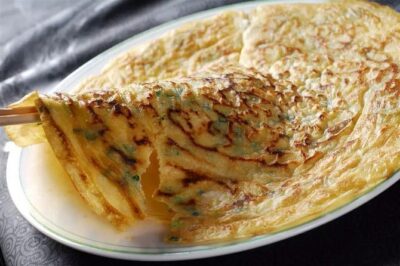
Authentic Local Food Tour in Central Shanghai
Read our review →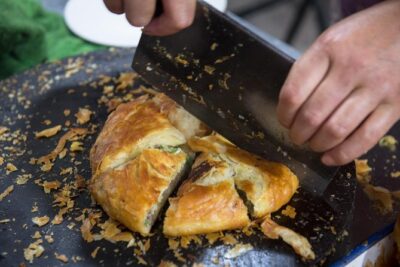
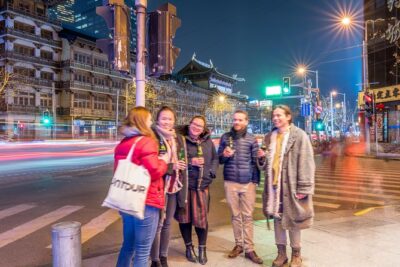
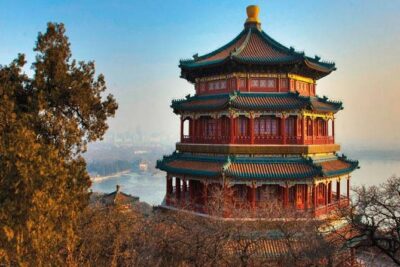
Temple Heaven, Lama Temple, Summer Palace & Peking Duck Bus Tour
Read our review →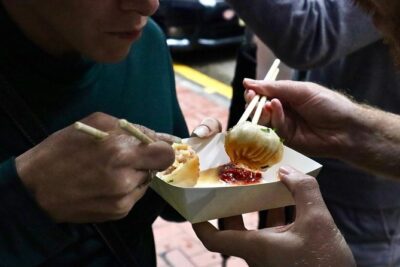
Hong Kong’s Tin Hau Hidden Eats Food Tour with 7+ Local Tastings
Read our review →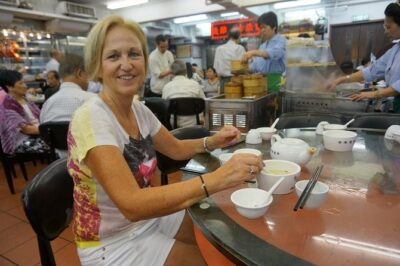
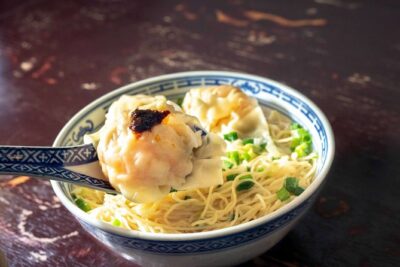
Hong Kong Food Tour: Central and Sheung Wan Districts
Read our review →Browse the lists this tour appears in