
Reviewed · COOKING CLASSES
Asian Favorites Cooking Class in Hong Kong (4-Course Meal)
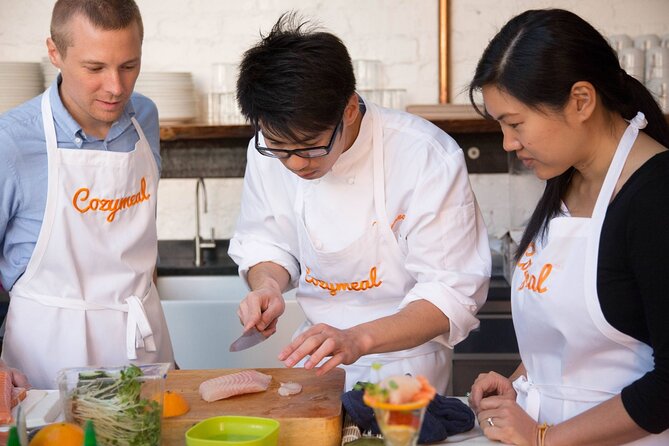
The clever idea here is sushi donuts, a playful shape that lets you season rice, arrange raw fish, and handle seafood without the pressure of a formal sushi counter. In about three hours, you also make a seafood scallion pancake, garlic-fried choy sum, and a creamy mango dessert.
I like the maximum group size of four, which gives the chef room to correct your rice, cutting, and shaping technique. I also like the full meal: you are not making one showpiece and going home hungry. The main drawback is the out-of-central location in Yuen Long, so you need to allow time to reach SummitHongKong on Tai Tong Road.
Key points at a glance
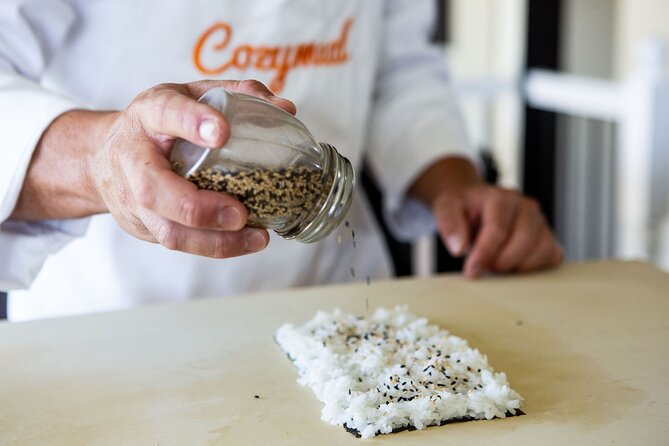
- Four dishes, not just sushi: Make a seafood scallion pancake, sushi donuts, garlic stir-fried choy sum, and mango coconut soup.
- A true small-group class: The activity accepts no more than four participants, allowing plenty of direct help.
- Fresh seafood is central: You work with oysters, squid, prawns, raw fish, salmon roe, and other seafood.
- Useful sushi basics: Learn to season Japanese rice, cut fish, and shape several sushi styles.
- Relaxed BYOB format: Bring wine or beer to enjoy during the cooking session.
- Clear cancellation window: Cancel at least 24 hours before the start for a full refund.
Why the sushi donuts make this class different
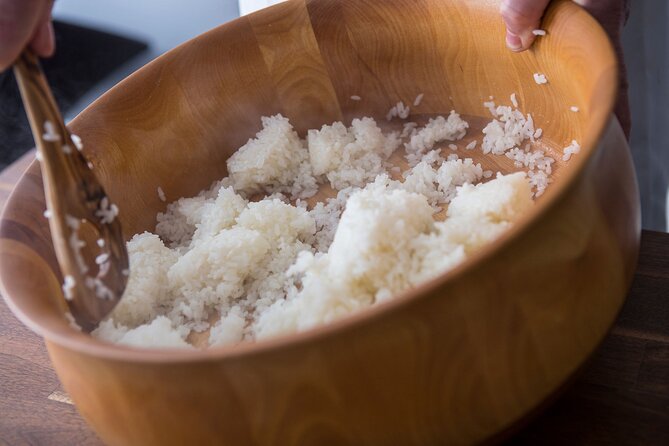
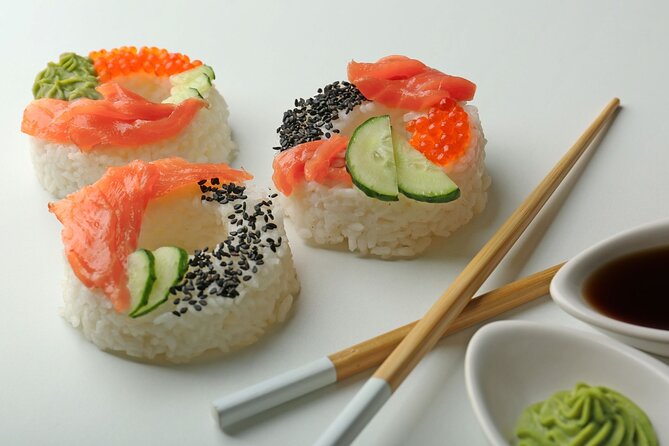
Many sushi classes focus on familiar rolls. This one takes a more playful route. You use Japanese rice, seaweed, raw fish, salmon roe, prawns, and squid to build sushi donuts, giving the finished dish a ring shape rather than the usual cylinder or oval.
That shape is more than a novelty. It gives you practice with several useful skills at once. You learn how seasoned rice should feel, how much filling it can support, and how to arrange toppings so the dish looks neat instead of crowded. The chef also helps with seafood preparation, including proper fish cutting and the handling of different sushi forms.
The class is suitable if you already like sushi but have never made it at home. You do not need to arrive as an expert. The cooking is meant to be guided and practical, with the chef showing each stage and giving you a chance to repeat it.
The small group matters here. With only four people, you should have a better chance to ask about rice texture, knife work, or the right amount of filling. That is far more useful than watching a large demonstration from the back of a room.
Other classes where you do the cooking in Hong Kong:
- Hong Kong Market Walking Tour & Chinese Cooking Class
★ 5.0 · 24 reviews - Hong Kong Self-service Baking Experience: Making Hong Kong Egg Tarts
★ 4.0 · 4 reviews - Aberdeen Food Tour | Private Sampan w/Noodles & Floating Kitchen
★ 4.5 · 3 reviews
Meeting the chef at SummitHongKong in Yuen Long
The class starts at SummitHongKong, at 99A Tai Tong Road in Yuen Long, and ends at the same meeting point. The provided details do not name the chef, so you should not expect a celebrity-led session. You can expect a local chef who teaches the menu directly and helps you work through the dishes.
Yuen Long is not the most convenient choice if your Hong Kong plans are concentrated around Central, Tsim Sha Tsui, or Causeway Bay. I would check the route before booking and leave a comfortable margin for the journey. The class lasts about three hours, but your outing takes longer once you add transport to and from the kitchen.
That less central address may be a benefit for some people. The class takes place in a welcoming kitchen rather than being folded into a busy sightseeing schedule. You are going to a specific cooking venue, sitting down with a very small group, and spending the session on food rather than rushing between landmarks.
Bring your booking confirmation on your phone. The activity uses a mobile ticket, and confirmation is provided at booking.
First course: seafood scallion pancake with chili sauce
The opening dish combines oysters, squid, prawns, scallions, and chili sauce in a seafood scallion pancake. It gives you a useful contrast with the sushi course that follows. Instead of focusing on chilled ingredients and careful arrangement, you work with a cooked seafood dish and the flavors of scallion and chili.
This is a good first course because it gets you handling several ingredients early. You are not simply assembling prepared food. You work with seafood and learn how the ingredients come together in a pancake that should hold its shape while staying pleasant to eat.
One especially fun detail is that the pancake may be shaped like a donut as part of the class presentation. That playful format ties the first course to the sushi donuts, while the cooking method remains different.
The dish also shows the class’s wider approach. This is not a strict lesson in one Japanese tradition. It mixes Japanese sushi ideas with local Chinese ingredients and cooking methods. Oysters, prawns, squid, scallions, and chili create a menu with more range than a sushi-only workshop.
Second course: building sushi donuts from seasoned rice
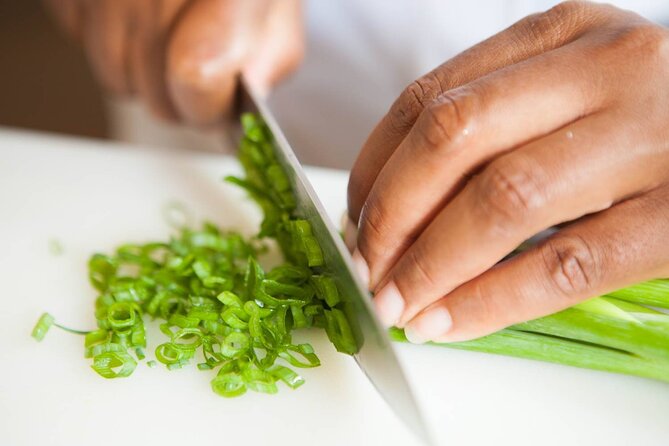
The main event is the sushi donut. The chef guides you through seasoning Japanese rice, shaping it, adding seaweed, and arranging raw fish, salmon roe, prawns, and squid.
Rice is where many home sushi attempts go wrong. It can be too soft, too wet, too plain, or poorly seasoned. A class like this is valuable because you see the texture and proportions during the process, then use the rice immediately. You are learning by touch and repetition rather than by reading a recipe alone.
The chef also shows you how to cut fish properly. That is a useful skill even if you never make sushi donuts again. Clean cuts and careful handling affect both appearance and texture, and the small group lets you ask questions as you work.
The menu focuses on sushi donuts, but the instruction can also cover other familiar sushi forms, including maki, nigiri, and hand rolls. That gives the session more practical range. You leave with an understanding of how different sushi styles use the same basic building blocks: rice, seaweed, seafood, and careful shaping.
Do not expect a formal sushi apprenticeship in three hours. The class is an introduction with a creative result. You will learn useful foundations, but you will still need practice before your home sushi looks as polished as the chef’s.
Other things to learn to make in Hong Kong:
- Organic Chinese Dumpling Class with Market Walk
★ 5.0 · 88 reviews - Organic Xiao Long Bao Soup Dumpling Class & Market Walk
★ 5.0 · 62 reviews - Tea Tasting and Pairing Concept Workshop
★ 5.0 · 57 reviews - Photography Workshop and Photowalk (FIND YOUR DIRECTION)
★ 5.0 · 19 reviews
Third course: garlic stir-fried choy sum
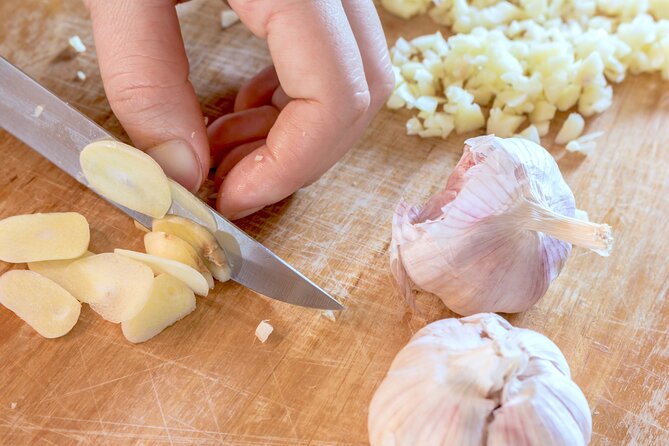
The garlic stir-fry of choy sum and local green leaf vegetables is a welcome change of pace. After the careful work of shaping rice and seafood, you move to a hot wok and a simple seasoning built around garlic paste.
This course adds vegetables to a meal that could otherwise lean heavily toward seafood and rice. It also gives you a chance to see how local greens are treated in Hong Kong cooking. The dish is straightforward, but that is part of its value. Garlic, heat, and fresh greens can produce a satisfying side without a long ingredient list.
You may find this the most transferable dish for home cooking. Sushi donuts require special ingredients and careful assembly. Garlic-fried greens are easier to repeat on an ordinary evening, especially if you already enjoy quick wok cooking.
The class description does not specify the exact local leaf vegetables beyond choy sum and green leaves, so the selection may depend on availability. If a particular vegetable matters to you, ask the chef during the session.
Dessert: mango coconut soup with pomelo
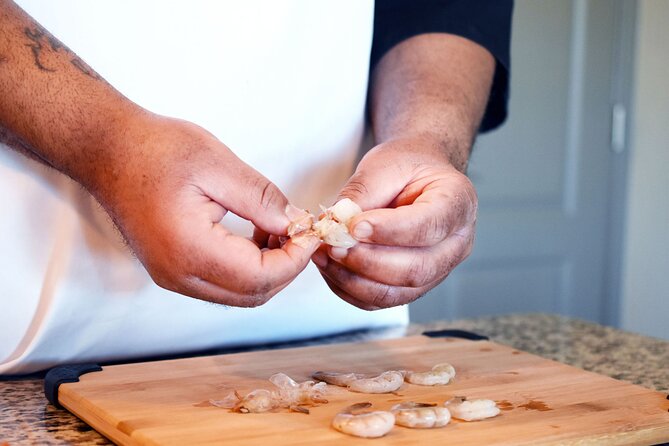
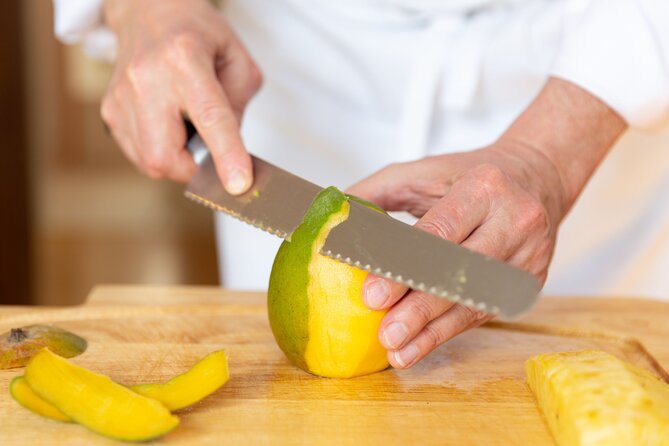
Dessert is mango coconut soup with pomelo, mango, sago, and coconut cream. It finishes the meal with soft, creamy, and fruity elements rather than another heavy dish.
Sago gives the dessert its small, chewy texture, while mango supplies the main fruit flavor. Coconut cream makes it smooth, and pomelo adds a fresh citrus note. This is a useful lesson in balance after the savory seafood and garlic dishes.
I like that dessert is made during the same class instead of treated as an afterthought. You get a complete four-course meal, and the final dish gives you another technique to take home. It is also a practical choice for a group with mixed tastes, since the dessert does not depend on seafood or strong chili.
The exact sweetness can matter with mango and coconut desserts. Ask the chef about the ingredients if you have a preference, especially if you want to adjust the sweetness or need a replacement.
What the three-hour format gives you
Three hours is enough time for a guided meal with several hands-on stages, but it is not an open-ended cooking day. You will spend the session moving between preparation, shaping, cooking, and eating.
The menu is well paced in concept. The seafood pancake starts the meal, the sushi donuts take the most attention, the greens provide a cooked vegetable course, and the mango dessert closes the session. Each dish uses a different method, so the class does not feel like the same task repeated four times.
The small group should help keep the pace comfortable. A large class can turn a cooking lesson into a wait for equipment or a distant demonstration. Here, the chef can focus on each participant’s rice, seafood preparation, and presentation.
Still, do not book this expecting a slow restaurant meal with long breaks between courses. You are there to cook. The food is part of the experience, but your hands-on work is the main point.
Price, group size, and what you receive
The listed price is $184.51 per person. That is a serious spend for a three-hour activity, so value depends on what you want from your Hong Kong visit.
For a meal alone, the cost is high. You can eat very well in Hong Kong for less. The price makes more sense if you value private-feeling instruction, a four-course meal, fresh seafood, and the chance to learn skills you can repeat.
The group limit of four is the strongest value point. You are not paying for a huge class with limited access to the chef. You are paying for a personal cooking session where questions and corrections should be easier.
The price includes the four-course sushi donut workshop, kitchen hosting, and instruction from the local chef. Wine and beer are not included, but the event is BYOB, so you can bring your own drinks.
Dietary needs can be discussed in advance. The class is designed to accommodate a range of restrictions, but you should contact the provider before the session rather than wait until you arrive. This matters because the menu includes raw fish, shellfish, seafood, coconut, mango, and other ingredients that may need changes.
Service animals are allowed. The activity requires a minimum number of participants, so a cancellation by the provider is possible if that minimum is not reached. In that case, you are offered another date or experience, or a full refund.
Who will enjoy this class most
I would choose this for a sushi fan who wants to do more than watch a chef work. It suits couples, friends, and small family groups who enjoy eating what they make and are happy to spend part of a Hong Kong day in Yuen Long.
It is also a good match for a repeat visitor who has already seen the central sights. The class gives you a food-focused reason to visit another part of the city, though the transport time needs to fit your plans.
Beginners should feel comfortable. The chef demonstrates the techniques, and the menu offers several levels of challenge. Seasoning rice and shaping donuts take care, while the pancake, stir-fry, and dessert offer a wider range of cooking tasks.
I would think twice if you want a traditional sushi lesson with a strict focus on classic Japanese forms. The sushi donut is the centerpiece, and the meal blends Japanese ingredients with Chinese and local cooking ideas. That creative mix is the appeal, but it may not fit someone seeking formal sushi-school technique.
Practical advice before you book
Check the route to 99A Tai Tong Road before committing. The class starts and ends at SummitHongKong, so you need to arrange your own way there and back.
Tell the provider about dietary restrictions in advance. Do not assume every substitution can be made on the day, especially with a menu built around seafood and raw fish.
Bring a drink if you want one. Wine and beer are welcome, but this is a BYOB event, not a drinks-included class.
Wear something comfortable for a three-hour cooking session. The supplied details do not specify a dress code, so the sensible choice is clothing you do not mind wearing while preparing food.
Use the 24-hour cancellation rule carefully. You receive a full refund if you cancel at least 24 hours before the local start time. Cancellations or changes inside that window are not refunded or accepted.
Should you book the Asian Favorites Cooking Class?
Book it if you want a small, friendly cooking session with a complete meal and a creative sushi focus. The best reasons are the four-person limit, the chance to work with fresh seafood, and the mix of sushi, wok cooking, and dessert.
Skip it if the $184.51 price feels too high for a three-hour activity, or if reaching Yuen Long would make your day awkward. You should also choose another class if you want only classic sushi and no playful presentation.
For the right person, this is a memorable food activity rather than a simple meal. You make something unusual, learn useful rice and seafood skills, and finish with four dishes at the same table. That combination gives the price a fair case, especially for a small group that wants to cook together.
FAQ
Where does the cooking class start?
The class starts at SummitHongKong, located at 99A Tai Tong Road in Yuen Long, Hong Kong.
Where does the activity end?
The class ends back at the meeting point at SummitHongKong.
How long does the class last?
The cooking class lasts approximately three hours.
What dishes will I prepare?
You will prepare a mixed seafood scallion pancake, sushi donuts, garlic stir-fried choy sum with local green vegetables, and mango coconut soup with pomelo.
How many people can join?
The activity has a maximum of four travelers.
Can I bring alcohol?
Yes. This is a BYOB activity, and you may bring wine or beer to enjoy during the class.
Can dietary restrictions be accommodated?
The class is designed to accommodate a range of dietary needs. You should provide your restrictions in advance so the chef can try to tailor the menu.
What is the cancellation policy?
You can cancel at least 24 hours before the local start time for a full refund. Cancellations or changes made less than 24 hours before the start are not refunded or accepted.
New reviews from Hong Kong
- Victoria Peak Tram and Sky Terrace 428 Admission Hong Kong★ 4.5 · 33 reviews
- Walking Tour in Hong Kong – Local Experience (New & Best)★ 4.5 · 33 reviews
- Full Day Private Trip in Hong Kong( impeccable local )walk tour★ 5.0 · 11 reviews
- Hong Kong Guided Dinner + Laser Show Lounge Entry (2023) | 200+ booked★ 3.5 · 7 reviews
- Group Vegetarian Food & Cultural Tour★ 5.0 · 16 reviews
- Hong Kong Victoria Harbour Sightseeing Cruise Tickets★ 4.5 · 8 reviews
- The Legendary Bruce Lee Experience Tour★ 4.5 · 9 reviews
- STARLIGHT: Victoria Harbour Night Yacht Tour★ 4.5 · 38 reviews
Cooking Classes, compared.

Half-Day Chengdu Cooking Class with a Local Market Visit
Read our review →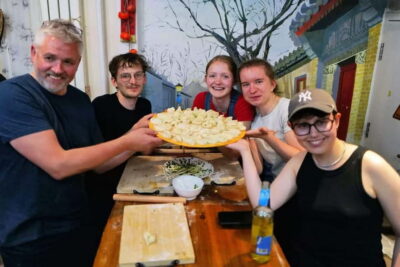
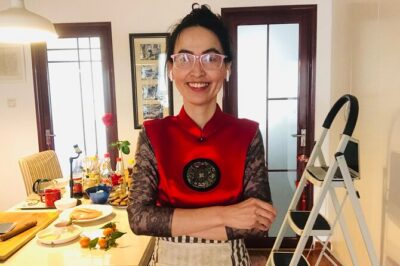
Online Cooking Class Beijing Dumplings and Cuisine by Sunflowerli Renowned Chef
Read our review →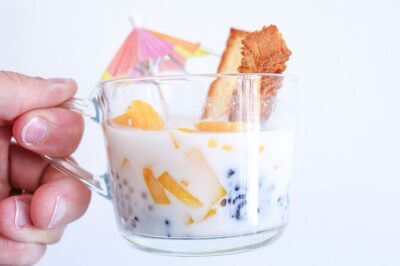
Lijiang Naxi Cuisine Cooking Class & Market Visit
Read our review →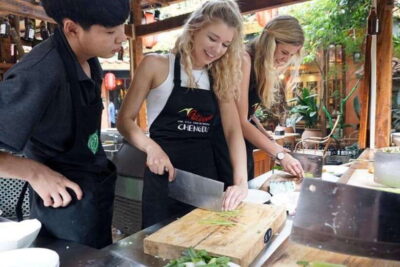
Cooking Class with Fresh Market Half Day Experience
Read our review →
Half-Day steamed Buns Cooking Class with a Local Market Visit
Read our review →
Hong Kong Market Walking Tour & Chinese Cooking Class
Read our review →Browse the lists this tour appears in