
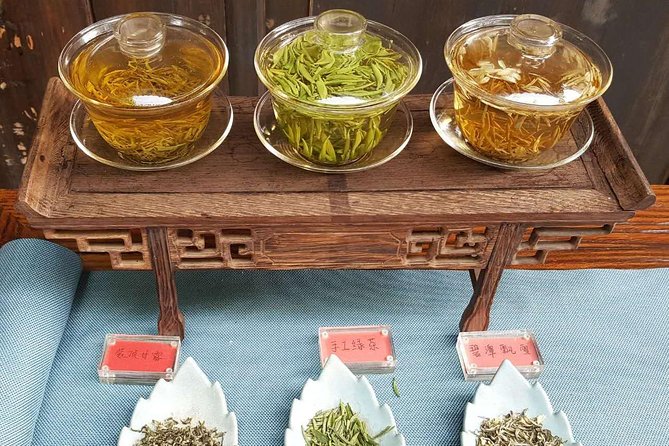
Reviewed · MARKETS
Three-Hour Private Chengdu Tea Wholesale Market Tour
Chengdu’s wholesale tea market is not a polished museum display. It is a working maze of tea shops where you can see leaves being processed, dried, and packaged, then sit down to taste them before buying. That practical setting is the main reason to book this tour.
I like two things here: the private format, which lets you ask questions at your own pace, and the chance to compare several tea types in one place. A guide named Jerry received especially strong praise for making the market easy to understand and for explaining tea grading. The main drawback is simple: if you are not interested in tea, two hours of tea stalls may feel like a long visit.
Key points at a glance
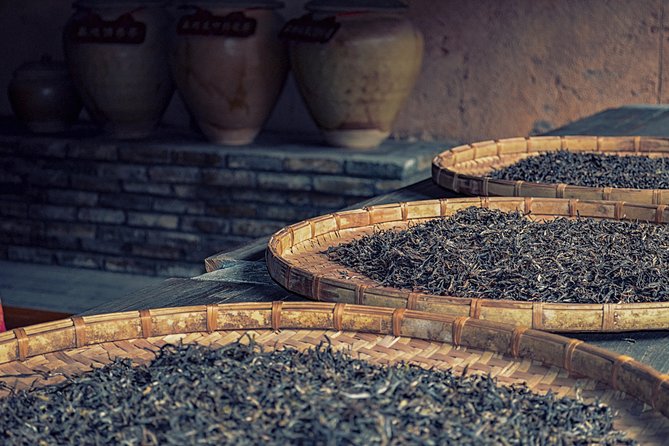
- A working wholesale market: See tea shops handling leaves in different shapes, sizes, and stages of preparation.
- Five major tea styles: Learn the basic differences between green, black, white, oolong, and Pu-er tea.
- Tasting before buying: Sit down, sample tea, and decide before spending money.
- Private English-speaking guide: Your own group participates, with pickup offered from a central Chengdu hotel.
- Tea equipment at fair prices: Look for tea sets and accessories as well as loose-leaf tea.
- Easy short outing: Plan on roughly two to three hours, with the tour ending back at the meeting point.
Why Chengdu’s tea market is worth your time
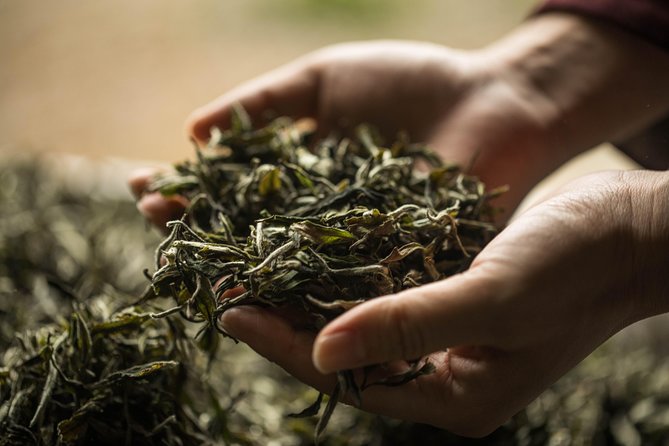
Chengdu is closely tied to China’s tea-drinking culture, and this visit gives you a useful look at the trade behind the cup. You are not simply shown a few attractive tins in a shop. You enter one of China’s largest wholesale tea markets, where hundreds or thousands of stores offer tea in bulk.
That scale is part of the fun. You can look at tea leaves sold in many grades, shapes, and sizes. Some shops may show how leaves are dried, processed, and packed. The information provided does not promise a formal factory tour, so think of this as an informal look at tea work inside a busy commercial market.
I like this kind of stop because it gives you something to do with your hands and senses. You can inspect the leaves, smell the tea, ask how it is made, and taste it before deciding what you think. It is more useful than buying an attractive package with no idea what is inside.
The market also works well for people who want souvenirs but do not need to purchase a large quantity. Tea sets and accessories are available, often at lower prices than you might find in a more tourist-focused shop. You can browse without treating the visit as a serious shopping mission.
Other markets to walk through in Chengdu:
- Half-Day Chengdu Cooking Class with a Local Market Visit
★ 5.0 · 465 reviews - Chengdu: Cooking Class with Fresh Market Half Day Experience
★ 5.0 · 42 reviews - Half-Day steamed Buns Cooking Class with a Local Market Visit
★ 5.0 · 26 reviews
Meeting at Wenshu Yuan Monastery
The stated meeting point is Wenshu Yuan Monastery, at 66 Wen Shu Yuan Jie in Qingyang District. The activity ends back at this same meeting point, so you should plan your next stop with that return in mind.
Pickup is offered, and the tour description says your English-speaking leader can meet you at a centrally located Chengdu hotel. Confirm the exact pickup arrangement when booking, since the published meeting point is the monastery. This is a small but important practical detail. You do not want to be waiting at a hotel while your guide is expecting you at Wenshu Yuan Monastery.
The monastery location is useful for a short Chengdu outing because it is near public transportation. If you are making your own way there, allow enough time to arrive before the agreed start. The experience is private, so only your group takes part. That gives you more freedom to pause at a shop or ask for a clearer explanation.
A private tour also helps if people in your group have different interests. One person may want to focus on tea quality, another on buying a tea set, and another simply on seeing how the market works. You can give the guide a sense of your priorities at the start.
Inside the wholesale tea market
The first impression is likely to be scale. This is described as one of the biggest tea markets in China, with a huge collection of tea shops. You may find row after row of stores, each with its own stock and presentation.
The market is not just a place to buy finished tea. You can learn how tea shops dry, process, and package their leaves. The exact demonstrations can vary by shop and by the day, but the setting lets you see the commercial side of tea rather than only the finished drink.
Your guide helps put the products in order. Without help, a large tea market can be confusing. Labels, grades, shapes, and prices may not mean much at first. With an English-speaking leader, you can ask what separates one tea from another and what you should notice when looking at the leaves.
If Jerry is leading your tour, the available feedback points to a guide who explains tea grading clearly and makes the market easier to navigate. Guide assignments can change, so the safest expectation is an English-speaking leader rather than a guaranteed specific guide. Still, Jerry’s name is worth noting if you are able to request him.
Learning the five main tea categories
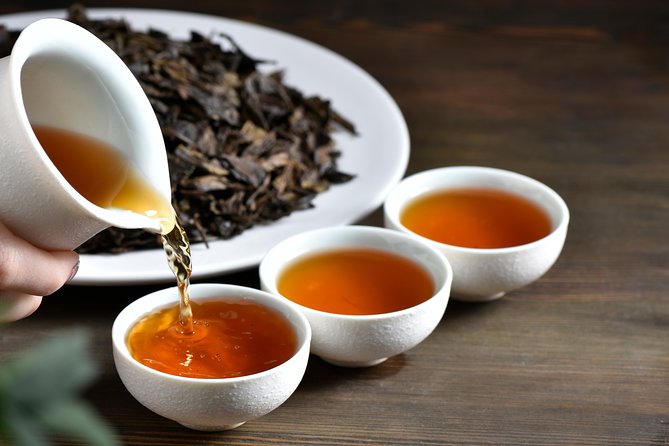
The tour covers green, black, white, oolong, and Pu-er tea. That list gives you a useful starting point, especially if Chinese tea is new to you.
Green tea is generally discussed as a less oxidized style, while black tea has gone through more oxidation. White tea is often handled with less processing, oolong sits between green and black in broad terms, and Pu-er is known for its special production and aging traditions. The guide can help you understand the differences in a practical way, but do not treat a short market visit as a full tea course.
You can also ask about the claimed effects and functions associated with different teas. Keep a sensible view here. Tea sellers may describe health benefits enthusiastically, but this tour is best used to understand taste, preparation, and buying choices rather than to treat tea as medicine.
The most useful lesson may be how to compare tea in front of you. Look at the leaf form, ask how it was processed, and taste it before you buy. Those simple steps can keep you from choosing only by package design or by a seller’s most confident description.
Other shopping in Chengdu:
- Half-Day Professional Mapo Tofu Cooking with a Local Market Visit
★ 5.0 · 19 reviews - Half-day Dandan Noodles Cooking Class with a Local Market Visit
★ 5.0 · 8 reviews - 3-Hour Herbal Wholesale TCM Market and a Local Wet Market Tour
★ 5.0 · 4 reviews - Half-Day Private Hot-Pot Cooking Class with a Local Market Visit
★ 5.0 · 3 reviews
Tasting before you make a purchase
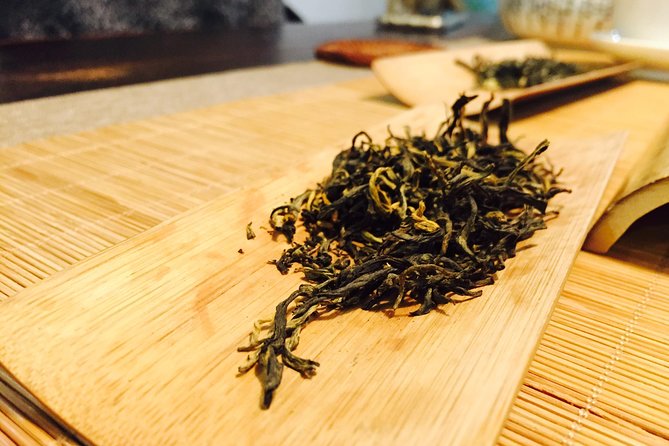
If you want to buy, you can sit down and taste tea before making a deal. This is one of the strongest features of the visit because taste is more reliable than appearance.
Tea can smell wonderful in a dry package and still not suit you once brewed. Sampling lets you decide if you like the strength, aroma, and finish. It also gives your guide a chance to explain what you are drinking and how it differs from another sample.
You should use the tasting time to ask direct questions. What kind of tea is it? How should you store it? How should you prepare it? Is the price based on the grade or the quantity? The supplied details do not promise that every shop provides the same level of instruction, so ask your guide to help you compare.
You are not required to buy anything. That matters. The market is worth visiting for the sights, smells, and lessons alone. If a shop offers tea you like, you can purchase it after tasting. If nothing appeals, you can simply thank the seller and continue.
Buying tea sets and accessories
The market is also a good place to look for tea sets and accessories. This can be more appealing than carrying home a large quantity of loose tea, especially if you already have enough tea in your cupboard.
Prices are not specified, but the experience is described as one of the better and cheaper places to buy these items. Treat that as a reason to compare rather than a promise that every item is a bargain. Ask about materials, size, and intended use, and check the condition before buying.
The private format gives you room to think. In a large group, shopping can become rushed or awkward. Here, you can spend more time looking at a tea set if that is your main goal, or move on quickly if you only want to learn about tea.
Keep your purchases practical. A tea set may look appealing in the market but be less useful if it is fragile or difficult to pack. Tea itself is usually easier to carry, but the tour information does not specify packaging or shipping services, so ask the shop directly if that matters to you.
How long the visit takes
The advertised duration is about two to three hours, while the market visit itself is listed at roughly two hours. That makes this a manageable half-day activity rather than a full-day commitment.
The timing suits a morning or afternoon gap in your Chengdu plans. You can learn about tea without giving up an entire day of sightseeing. Since the experience returns to the starting point, it is also easier to fit around other plans than a long excursion outside the city.
The exact length can depend on your group. A group focused on tasting and buying may use the full time. A group that mainly wants to walk through the market may finish sooner. If you have a train, restaurant booking, or another timed activity afterward, leave a buffer rather than scheduling it immediately.
The market itself may feel crowded or visually busy because of its size and number of shops. That is part of the character, but it may not suit you if you prefer quiet, carefully arranged retail spaces. The tour is about seeing a real wholesale environment, not a calm tea ceremony.
Is $46.16 a fair price?
At $46.16 per person, this tour is reasonably priced if you want help understanding what you are seeing. The value comes less from admission, since entry to the market is free, and more from the private guide, English explanations, market navigation, and tasting support.
If you already know tea well and can compare products on your own, the price may feel less worthwhile. You could visit the market independently and spend your money on tea instead. But that approach gives you less help with categories, processing, grading, and negotiation.
For a first visit, the guide can save time and reduce confusion. You are paying for context in a very large market. That is especially useful if you want to buy but do not know how to judge tea or tea equipment.
Group discounts may be available, and the activity is private for your group. That can improve the value for couples, families, or friends who want a shared shopping and learning experience. Check the final group price at booking, since the stated rate is per person.
Who will enjoy this most?
I would choose this for a tea beginner, a curious shopper, or anyone who wants a local market experience with some guidance. It also suits you if you prefer private activities and want to ask plenty of questions without keeping up with strangers.
The tour is a good match for someone buying tea as a practical souvenir. You can taste before purchasing and learn enough vocabulary to make a more informed choice. It is also useful if you want tea cups, pots, or other accessories.
I would hesitate if you dislike shopping or have no interest in tea. The market is large and the experience centers on tea shops, tea tasting, and tea education. There is no separate sightseeing stop listed beyond the market and the meeting point at Wenshu Yuan Monastery.
The tour is open to most participants, and confirmation is provided at booking. It is near public transportation, with pickup offered, but the information does not give details about vehicle type or specific accessibility arrangements. If you have mobility needs, ask the provider before booking.
Booking, cancellation, and small practical points
The experience is operated by Chilli Cool China. It is often booked about 10 days ahead, so reserving early is sensible if your Chengdu dates are fixed.
Free cancellation is available up to 24 hours before the start time for a full refund. Cancellations or changes made less than 24 hours before the start are not accepted for a refund. The cut-off follows local Chengdu time.
Wear something comfortable for walking through a large market. Bring room in your luggage if you plan to buy tea or accessories. Most importantly, decide before you arrive if your priority is learning, tasting, shopping, or a mix of all three. Tell the guide early so the short visit works for you.
Should you book the Chengdu tea market tour?
Book it if you want more than a quick shop visit. The combination of a massive wholesale market, an English-speaking private guide, tea tasting, and lessons about five main tea categories gives you a useful look at how tea is sold and prepared in Chengdu.
I would make this a priority for first-time tea buyers and curious food travelers. The strongest reason to go is not simply the chance to purchase tea. It is the chance to understand what you are buying before you pay.
Skip it if tea holds no interest or if your schedule is too tight for two to three hours. For everyone else, $46.16 buys a focused, personal introduction to one of Chengdu’s most distinctive shopping experiences.
FAQ
Where does the tea market tour start?
The stated meeting point is Wenshu Yuan Monastery at 66 Wen Shu Yuan Jie, Qingyang District, Chengdu, Sichuan, China, 610084.
Where does the tour end?
The activity ends back at the meeting point at Wenshu Yuan Monastery.
Is hotel pickup available?
Yes. Pickup is offered, and the English-speaking leader can meet you at a centrally located hotel in Chengdu. Confirm the exact arrangement when booking.
How long does the experience last?
The tour lasts approximately two to three hours. The market visit itself is listed at about two hours.
Is the tour private?
Yes. Only your group participates in the activity.
Is the guide English-speaking?
Yes. The tour includes an English-speaking leader. One highly praised guide is named Jerry, though guide assignments may vary.
Can I taste tea before buying it?
Yes. If you want to purchase tea, you can sit down and taste samples before making a deal.
What types of tea can I learn about?
The tour covers oolong, green, black, white, and Pu-er tea.
Can I buy tea sets at the market?
Yes. The market sells tea sets and accessories as well as tea leaves.
Is admission to the market included?
The market visit has no admission charge. The tour price covers the private guided experience.
Can I cancel for a full refund?
Yes, if you cancel at least 24 hours before the experience start time. Cancellations made less than 24 hours in advance are not refunded.
New reviews from Chengdu
- Classic 3-Day Jiuzhaigou Private Tour(Transportation+Tickets)★ 5.0 · 8 reviews
- Jiuzhaigou National Park Tickets Booking★ 4.5 · 4 reviews
- Classsic sichuan Opera at sichuan Provincial Theater★ 5.0 · 4 reviews
- Panda, Leshan, and Emei Mountain 2-day tour★ 5.0 · 4 reviews
- Visiting Chengdu Panda Base in a Half Day★ 5.0 · 4 reviews
- Mini Group: Half-Day Chengdu Pandas Guided Tour★ 5.0 · 3 reviews
- Tea Village in lost Town and Buddha 1 day tour★ 5.0 · 32 reviews
- Sichuan Opera with face-changing at Sichuan opera theater★ 4.5 · 6 reviews
Markets, compared.
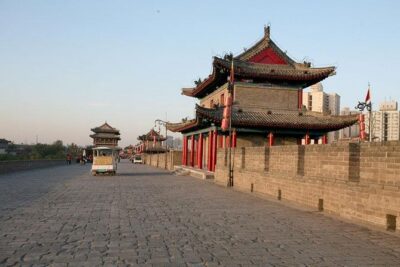
Mini Group Xian Day Tour to Terracotta Army, City Wall, Pagoda and Muslim Bazaar
Read our review →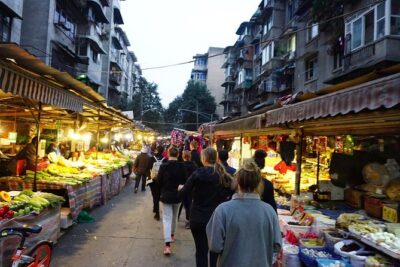
Half-Day Chengdu Cooking Class with a Local Market Visit
Read our review →
Shanghai Day Tour to Zhujiajiao Water Town, Yu Garden, Bazaar, Bund
Read our review →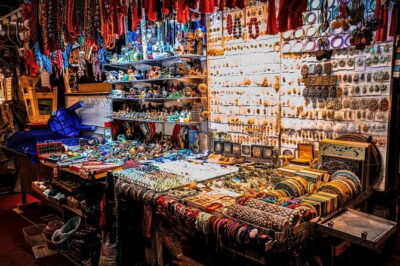
Kowloon Street Market & Food Culture Walking Tour
Read our review →
Organic Chinese Dumpling Class with Market Walk
Read our review →
Terracotta Army, Lunch, City Wall, Pagoda, Bazaar
Read our review →
Organic Xiao Long Bao Soup Dumpling Class & Market Walk
Read our review →
Lijiang Naxi Cuisine Cooking Class & Market Visit
Read our review →Browse the lists this tour appears in