
Reviewed · MARKETS
3-Hour Herbal Wholesale TCM Market and a Local Wet Market Tour
Chengdu’s wholesale markets offer a side of the city most sightseeing routes skip. You’ll walk through rooms filled with Sichuan peppercorns, chilies, and turmeric, then enter a TCM market where dried plants, roots, bark, and other remedies fill the air with powerful smells. The final stop is a local wet market, where everyday food shopping gives the tour a useful link to ordinary Chengdu life.
I like the small private format, which lets you ask questions instead of keeping pace with a large group. I also like the relaxed approach: Lance and his partner focus on local cuisine, Chinese medicine, and daily routines rather than rushing you from one stop to the next.
The main drawback is that this is a market walk, not a major sightseeing tour. If you want famous monuments, constant activity, or a tightly scripted show, the three-hour pace may feel slow. The markets can also be crowded, fragrant, and visually intense.
Key Points
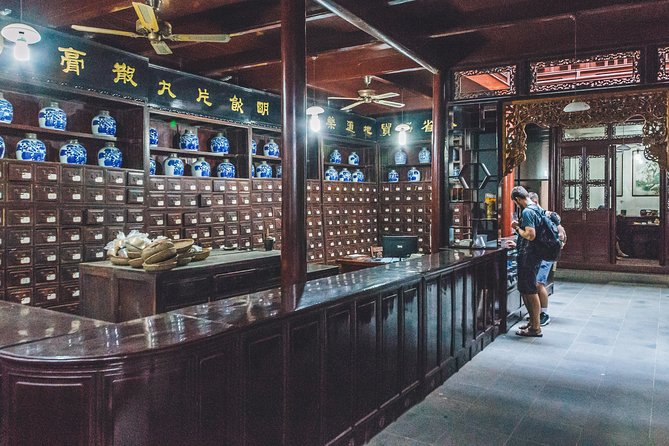
- More than 10 kinds of chili: Compare Sichuan varieties with peppers from other parts of China.
- Regional huajiao: See Sichuan peppercorns from different places of origin and learn how they shape local cooking.
- Thousands of TCM products: The covered herbal market offers dried plants and traditional Chinese medicinal ingredients.
- A second food market: The wet market shows how Chengdu residents shop for daily ingredients.
- Private, question-friendly format: Only your group participates, with Lance and his partner leading the walk.
- Convenient meeting point: The tour starts and ends at Wenshu Yuan Monastery and is near public transportation.
Starting at Wenshu Yuan Monastery
The tour begins at Wenshu Yuan Monastery, at 66 Wen Shu Yuan Jie in Chengdu’s Qingyang District. This is a practical meeting point near public transportation, and the tour returns here at the end.
Starting at a Buddhist monastery gives you a calm reference point before the sensory overload of the markets. Still, the monastery itself is not described as a formal stop with a guided visit, so you should not book this experience expecting a temple tour. Its main role is to provide a clear place to meet and finish.
From there, you set out on foot with Lance and his partner. The walk is designed for one private group, rather than a large shared party. That matters in a market. You can stop to ask what a dried root is used for, compare pepper varieties, or ask how an ingredient appears in a Chengdu kitchen without waiting for a dozen other people.
The activity lasts about three hours. That is long enough to get beyond a quick look and short enough to fit beside a temple visit, food tour, or afternoon in central Chengdu.
Other markets to walk through in Chengdu:
- Half-Day Chengdu Cooking Class with a Local Market Visit
★ 5.0 · 465 reviews - Chengdu: Cooking Class with Fresh Market Half Day Experience
★ 5.0 · 42 reviews - Half-Day steamed Buns Cooking Class with a Local Market Visit
★ 5.0 · 26 reviews
The Wholesale Spice Market
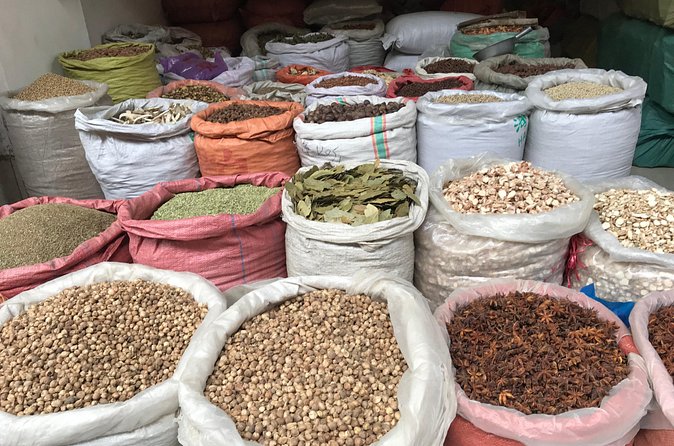
The first major part of the walk focuses on Sichuan spices and wholesale food products. This is not simply a shop selling packaged souvenirs. You can expect sacks, trays, and displays of ingredients sold for home cooking and commercial use.
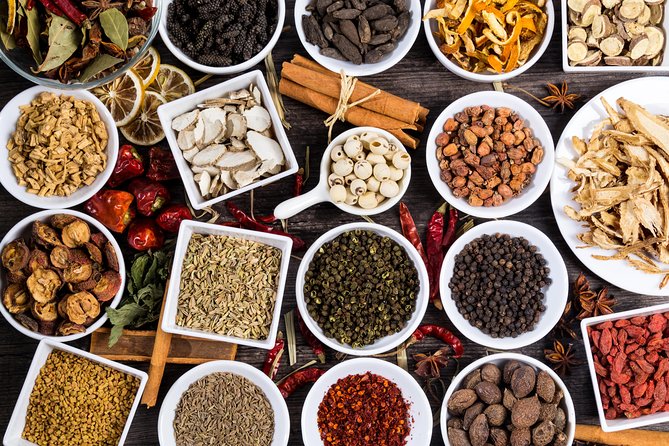
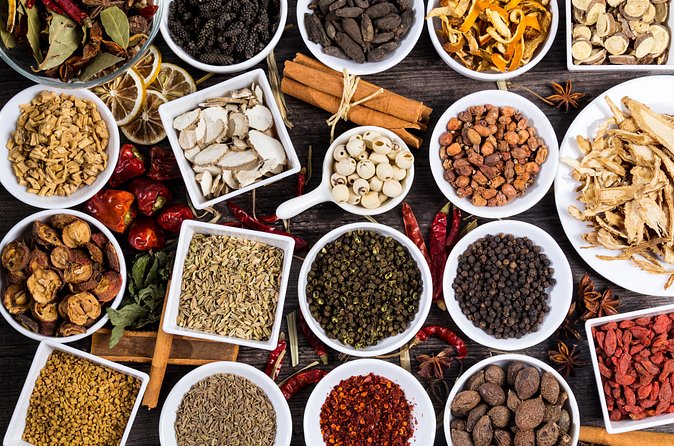
The selection includes turmeric, several kinds of non-Sichuan pepper, more than 10 varieties of chili, and huajiao, the Sichuan peppercorn that gives local food its famous tingling quality. The point is not only to see colorful produce. You get a chance to understand why Chengdu food has so many layers of heat, fragrance, and numbness.
If you cook, this section will be especially useful. Sichuan peppercorns are not all identical, and seeing them from different places of origin helps explain why cooks care about sourcing. You may also find pepper varieties that are less common in ordinary city supermarkets.
The market’s wholesale character is part of its appeal, but it can also make the experience feel less polished. Displays may be practical rather than neat. Odors can be strong, and the setting is built for trade, not sightseeing. I see that as a benefit if you want a working market, though it may be less comfortable for anyone sensitive to crowded indoor spaces or intense smells.
Lance’s role is important here. The tour works best when you ask direct questions about cooking, local habits, and how ingredients are used. The available information specifically points to his ability to explain both Chengdu life and cuisine, so come prepared with questions rather than waiting for a long lecture.
Inside the TCM Herbal Market
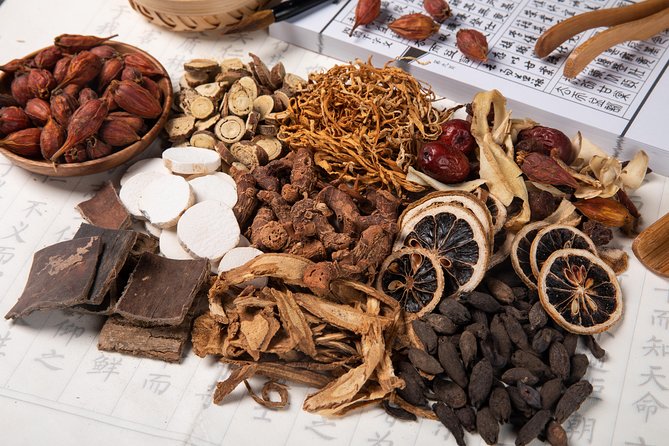
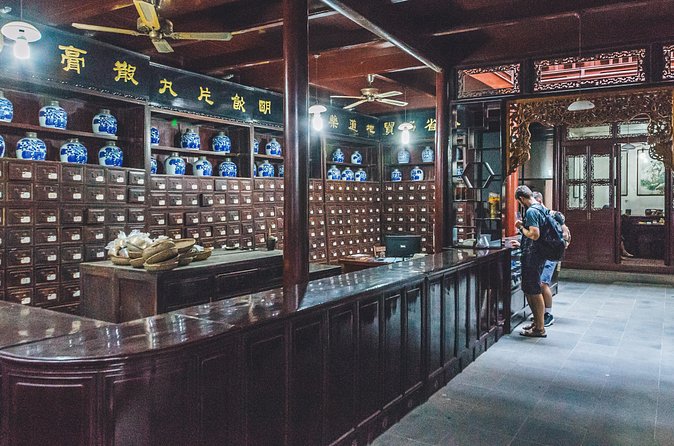
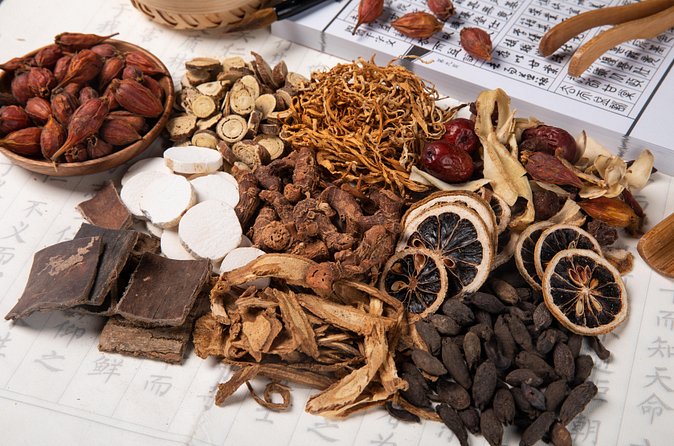
The Chinese medicine market is the tour’s most unusual stop. Inside the covered area, you’ll find thousands of types of herbs and plants used in traditional Chinese medicine. The smell can be powerful, with dried materials creating an atmosphere unlike a normal food market.
You might see roots, leaves, bark, seeds, and other plant-based ingredients. The exact products on display can change, so it is better to think of this as a broad look at the trade rather than a fixed list of named remedies.
The guide explains why traditional Chinese medicine has played such a major role in Chinese culture over thousands of years. That historical and cultural context gives meaning to what might otherwise look like a collection of unfamiliar dried goods. You are not just looking at strange ingredients. You are seeing part of a system that has influenced health practices, household routines, and commerce across China.
I would treat this section as cultural education, not medical advice. The tour can explain traditional uses and the place of TCM in Chinese life, but you should not buy or take an herb based only on a casual market conversation. If you have a medical condition or take prescription medicine, speak with a qualified medical professional instead.
The pace here is deliberately easygoing. One of the strongest features of the experience is that it does not pile on activity after activity. You have time to look closely, notice the smells, and ask questions. For some people, that makes the market feel personal and understandable. For others, it may seem too quiet if they expect a fast-moving food tour.
The Local Wet Market
The final market brings the experience back to everyday food shopping. After the specialized spice and herbal wholesale areas, you visit a local wet market with food and ordinary household trade.
This stop helps connect the unusual ingredients to daily life. The spice market explains what gives Sichuan cuisine its character. The herbal market shows an older body of traditional practice. The wet market shows how residents shop for food in a more routine setting.
The exact stalls and products can change from day to day, so you should expect a living market rather than a set display. The attraction is the mix of people, colors, smells, and practical activity. It is a good place to watch how Chengdu’s food culture functions beyond restaurants aimed at visitors.
This is also where the guides’ local perspective can be most useful. You can ask about ingredients, meal routines, and how shopping fits into life in Chengdu. The experience is not only about what is for sale. It is about seeing the connection between markets, home cooking, and the city’s strong food identity.
Other shopping in Chengdu:
- Half-Day Professional Mapo Tofu Cooking with a Local Market Visit
★ 5.0 · 19 reviews - Half-day Dandan Noodles Cooking Class with a Local Market Visit
★ 5.0 · 8 reviews - Three-Hour Private Chengdu Tea Wholesale Market Tour
★ 5.0 · 4 reviews - Half-Day Private Hot-Pot Cooking Class with a Local Market Visit
★ 5.0 · 3 reviews
Why the Private Format Matters
This is a private activity, so only your group participates. That is a real advantage in narrow aisles and crowded market spaces. You can set the pace, pause for photographs, and ask questions that match your interests.
Lance leads with a partner, giving the tour a more personal feel than a standard scripted walk. The available information identifies Lance by name, while his partner is not named. Both are described as professional and kind, with a strong focus on explaining Chinese medicine and cuisine.
The private setup does not guarantee that every question will receive a specialist medical answer, and there is no promise of a formal cooking lesson. Its strength is conversation and interpretation. You see the market first, then use the guides to make sense of it.
This style suits you if you enjoy observation, conversation, and local detail. It is less suitable if you prefer a large group with scheduled demonstrations, tastings, or a long list of landmarks.
Is $46.16 a Fair Price?
At $46.16 per person, the tour costs more than simply walking through a public market alone. The value comes from access to a focused route and two guides who explain what you are seeing.
The entrance information lists no separate admission charge for the walking itinerary, so you are mainly paying for guiding, organization, and the private format. That can be worthwhile in a market where labels may be difficult to read and unfamiliar products are easy to misunderstand.
The price makes the most sense if you are curious about Sichuan food, TCM, or ordinary Chengdu life. It is less compelling if you only want to browse stalls independently or if you already speak Chinese and feel comfortable navigating wholesale markets without help.
Group discounts are available, which may improve the value for a larger booking. Pickup is also offered, though the stated meeting point remains Wenshu Yuan Monastery. Confirm the pickup arrangement when booking if you need door-to-door collection.
The tour is commonly booked about 22 days ahead, so it is sensible to arrange it early if your Chengdu dates are fixed. Free cancellation is available up to 24 hours before the start time. Changes or cancellations inside that window are not accepted for a refund, and poor weather can lead to a new date or full refund.
Who Will Enjoy This Market Walk?
You should consider booking if you want:
- A close look at Sichuan chilies and huajiao
- Cultural context for traditional Chinese medicine
- A calm, question-friendly walk rather than a packed schedule
- A private experience for your own group
- A local food market alongside the more specialized wholesale markets
- An introduction to Chengdu beyond temples, pandas, and restaurant meals
This is a good match for food-focused visitors, curious first-time visitors to China, and anyone interested in how traditional practices remain part of city life. It also suits people who prefer a slower pace and conversation.
You may want to skip it if you dislike strong smells, crowded market interiors, or unfamiliar animal and plant products. The tour does not promise tastings, shopping assistance, cooking instruction, or a major list of tourist sights. Its purpose is observation and explanation.
Most participants can take part, and the route is near public transportation. Still, you should expect a walking tour through active markets rather than a controlled indoor attraction. Wear comfortable shoes and bring only what you need for a few hours on foot.
Should You Book the Chengdu Market Tour?
Book this experience if you want to understand the ingredients behind Chengdu food and see how traditional Chinese medicine fits into local culture. The combination of a wholesale spice market, a TCM market, and a wet market gives you three different views of the city in a compact three-hour outing.
The strongest reason to choose it is the guide-led interpretation. Without Lance and his partner, you would still see colorful chilies, peppercorns, and dried herbs, but much of the meaning could be lost. The private format lets you turn the walk toward your own interests.
Skip it if you want a high-energy attraction or a formal medical demonstration. For curious visitors who value authentic markets, useful context, and a relaxed pace, the $46.16 price is reasonable, especially with a private group and the option of a discount.
FAQ
How long does the tour last?
The walking experience lasts approximately three hours.
Where does the tour begin?
It begins at Wenshu Yuan Monastery, 66 Wen Shu Yuan Jie, Qingyang District, Chengdu, Sichuan, China.
Where does the tour end?
The activity ends back at the meeting point at Wenshu Yuan Monastery.
Is this a private tour?
Yes. Only your group participates in the activity.
Is pickup available?
Pickup is offered. The listed meeting point is Wenshu Yuan Monastery, so confirm the pickup details when booking.
What can I see at the spice market?
You can see turmeric, different types of peppers, more than 10 kinds of chili pepper, and huajiao from different places of origin.
What can I see at the TCM market?
The covered market includes more than a thousand types of herbs and Chinese medicinal plants.
Can I cancel for a full refund?
Yes, if you cancel at least 24 hours before the experience start time. Cancellations made less than 24 hours in advance are not refunded. If poor weather causes the tour to be canceled, you are offered another date or a full refund.
New reviews from Chengdu
- Classic 3-Day Jiuzhaigou Private Tour(Transportation+Tickets)★ 5.0 · 8 reviews
- Jiuzhaigou National Park Tickets Booking★ 4.5 · 4 reviews
- Classsic sichuan Opera at sichuan Provincial Theater★ 5.0 · 4 reviews
- Panda, Leshan, and Emei Mountain 2-day tour★ 5.0 · 4 reviews
- Visiting Chengdu Panda Base in a Half Day★ 5.0 · 4 reviews
- Mini Group: Half-Day Chengdu Pandas Guided Tour★ 5.0 · 3 reviews
- Sichuan Opera with face-changing at Sichuan opera theater★ 4.5 · 6 reviews
- Tea Village in lost Town and Buddha 1 day tour★ 5.0 · 32 reviews
Markets, compared.
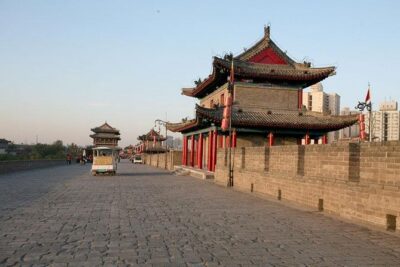
Mini Group Xian Day Tour to Terracotta Army, City Wall, Pagoda and Muslim Bazaar
Read our review →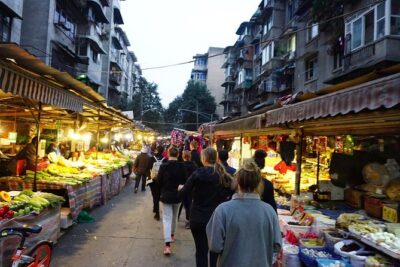
Half-Day Chengdu Cooking Class with a Local Market Visit
Read our review →
Shanghai Day Tour to Zhujiajiao Water Town, Yu Garden, Bazaar, Bund
Read our review →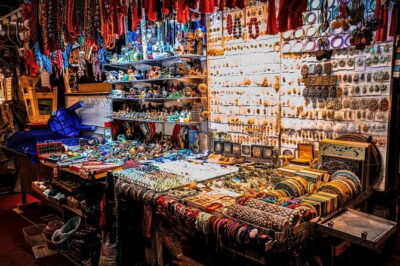
Kowloon Street Market & Food Culture Walking Tour
Read our review →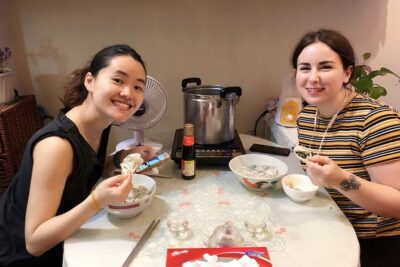
Organic Chinese Dumpling Class with Market Walk
Read our review →
Terracotta Army, Lunch, City Wall, Pagoda, Bazaar
Read our review →
Organic Xiao Long Bao Soup Dumpling Class & Market Walk
Read our review →
Lijiang Naxi Cuisine Cooking Class & Market Visit
Read our review →Browse the lists this tour appears in