
Reviewed · LAMA TEMPLE TOURS
Beijing: Lama Temple, Confucius Temple and Guozijian Museum
The star of this four-hour Beijing walk is a 54-foot Maitreya Buddha, carved from one sandalwood log brought from Nepal. It is the sort of sight that gives a temple visit real weight: you are not just looking at rooms and statues, you are learning how faith is practiced in China.
I like the pairing of the Lama Temple with the Temple of Confucius and Guozijian Museum. One explains Buddhist worship, the other shows how imperial China trained its scholars. I also like the quiet hutong connection between them, where the city feels more local and less polished. The main consideration is pace: four hours covers a lot, and the temple courtyards, museum, and lanes deserve time.
- A single-log sandalwood Buddha: See the enormous Maitreya statue at Lama Temple and hear how it was made.
- A private English-speaking guide: Guides including Ranee, Mike, Cassie, Aurora, and Anne have been praised for clear explanations and strong cultural context.
- Two sides of Chinese tradition: Compare Buddhist worship with the Confucian ideas that shaped imperial education.
- A hutong walk between major sights: Move through quieter lanes and see how old Beijing neighborhoods connect the monuments.
- Flexible transport: Go by taxi or subway, or select the private-car option for an easier ride.
- An optional food finish: Add a dim sum meal if you want lunch or a snack after the walking tour.
Why the Lama Temple Makes a Strong Opening
The tour begins with hotel pickup, with your guide meeting you in the lobby while holding a sign with your name. From there, you go directly to the Lama Temple by taxi or subway, unless you select the private transfer option.
That opening is practical. Beijing is spread out, and a guide who handles the first move lets you focus on the day instead of sorting out the route. The private-car choice costs more than using public transport, but it may be worth considering if you want a simpler start or prefer not to deal with a busy city transit system.
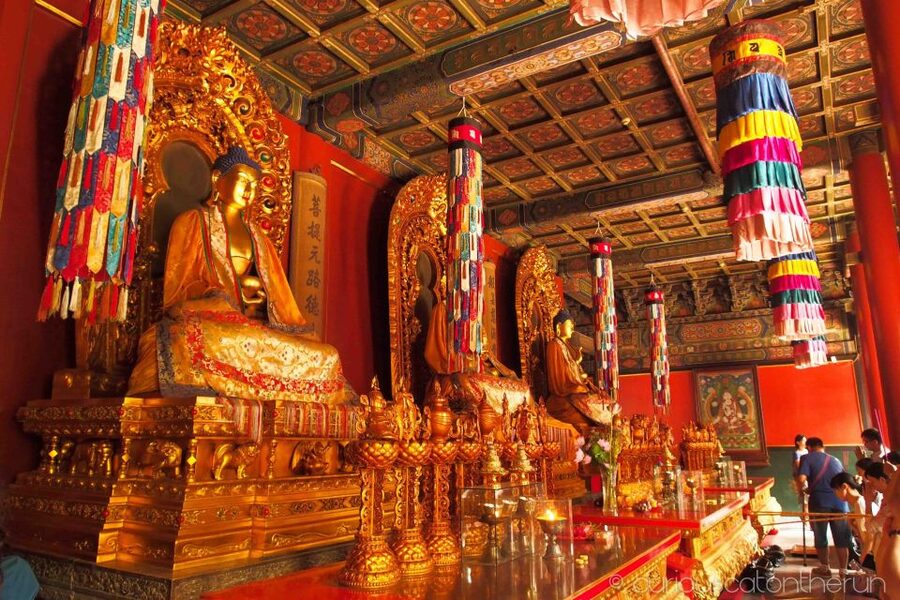
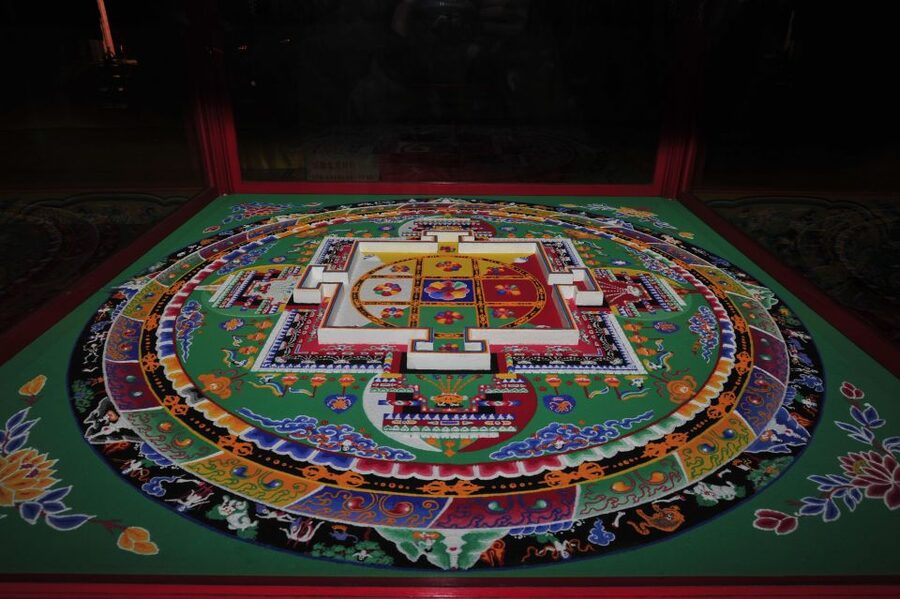
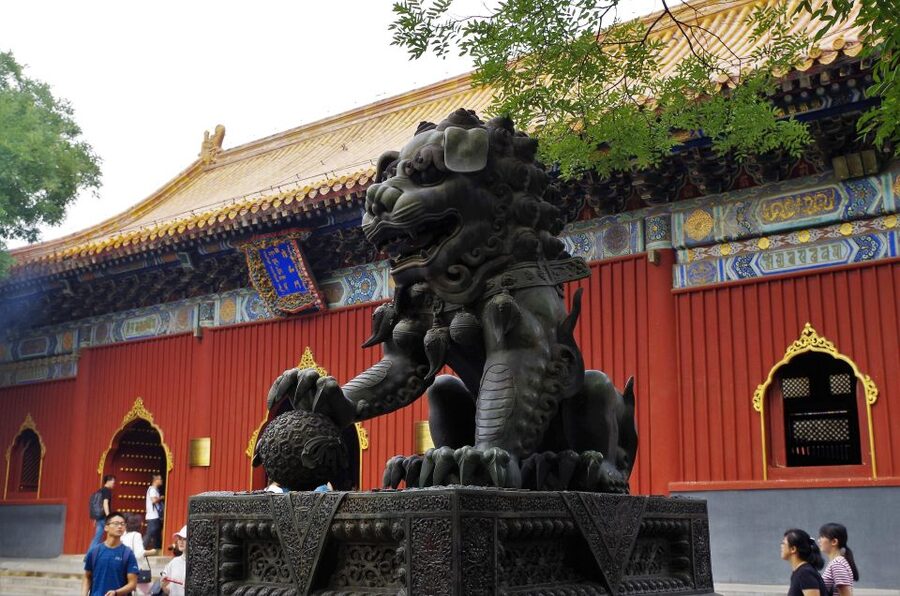
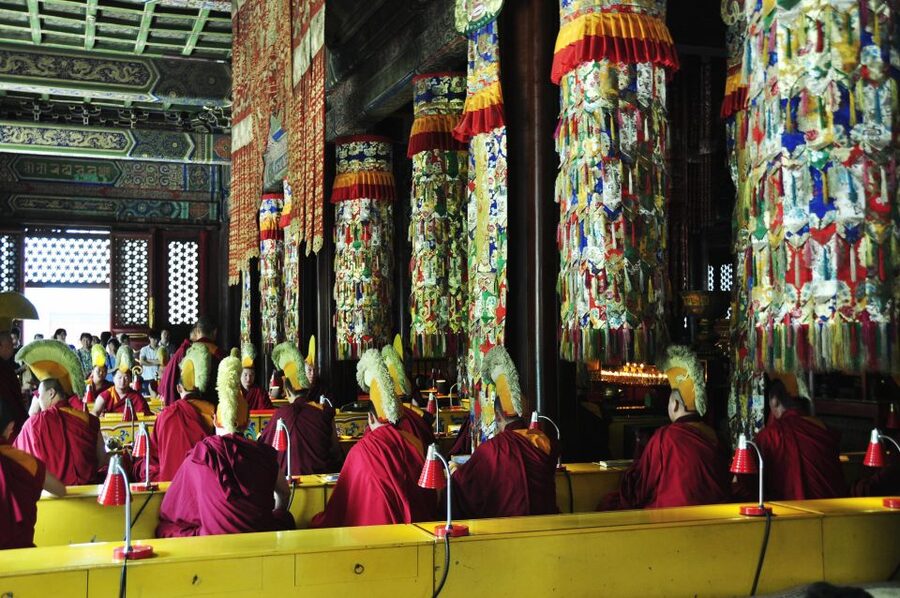
The Lama Temple is the first major stop, and it gives the tour its strongest visual moment. You follow your guide through several courtyards and halls, stopping to look at Buddhist statues and hear the stories behind them. This is not presented as a quick photo stop. The guide explains what you are seeing and points out how local worship takes place.
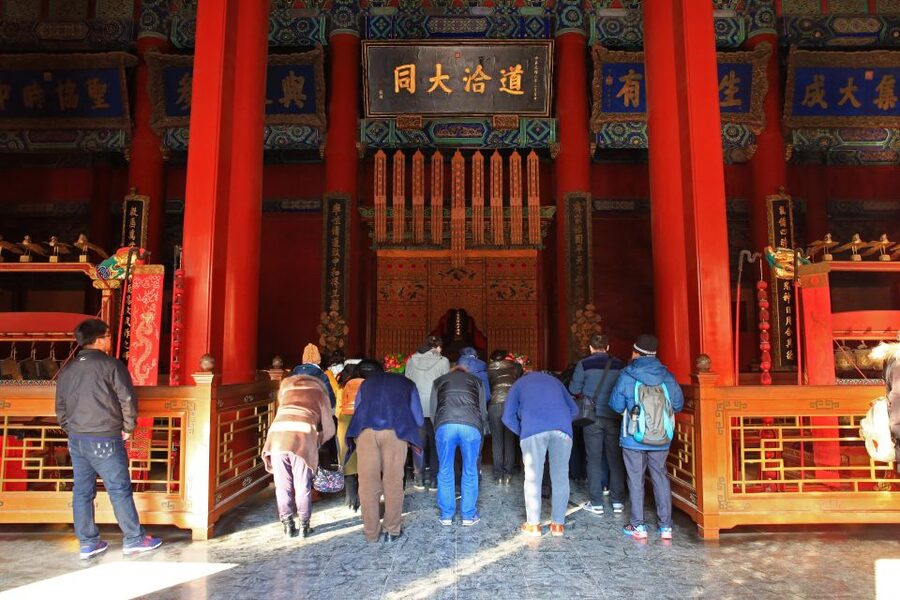
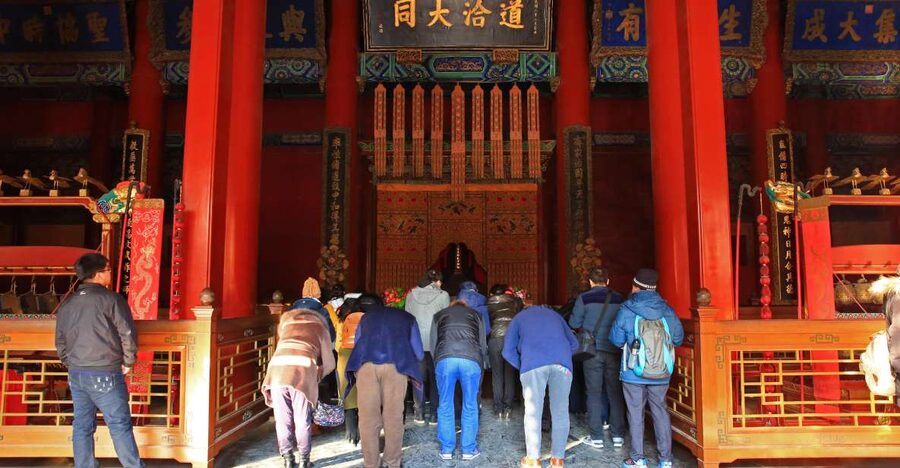
You may see people praying and making offerings as you move through the temple. That matters because it changes the visit from a display of old architecture into a look at a living religious place. Your guide also explains elements of religion in China, making the experience easier to understand if you have little background in Buddhism.
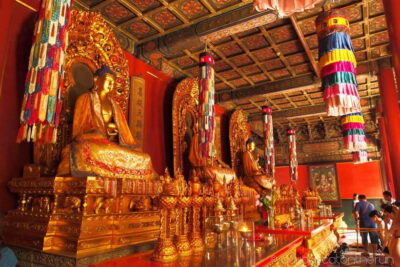
The main prize is the Maitreya Buddha. The statue is described as 54 feet high and carved from one precious white sandalwood log from Nepal. It is also identified as the largest wooden Buddha in the world. Those details give you a reason to slow down and look upward rather than simply pass through the hall.
The temple visit is especially good for anyone who wants context. A large statue can be impressive on its own, but an English-speaking guide helps connect the object with worship, Buddhist figures, and Chinese religious life. Several guides have been praised for explaining details in an easy, entertaining way, including Ranee, Mike, Cassie, Aurora, and Anne.
Crowds are worth keeping in mind. Anne was specifically praised for keeping the tour moving on a very busy day, which suggests that crowd control can affect the experience. A private tour helps here because your guide can adjust the pace and spend more time explaining what interests you, but the temple itself will not always be quiet.
The Hutong Walk That Links Two Traditions
After Lama Temple, you walk through a hutong alley toward the next pair of sights. The distance is part of the point. Instead of jumping from one major attraction to another by car, you get a short look at the older street pattern of Beijing.
The word hutong refers to the traditional lanes and residential neighborhoods that once covered much of the city. This tour does not promise a long architectural study, but it does give you a chance to see how these narrow streets fit into daily life. Your guide talks about the history of Beijing hutongs and the way people live in them.
I like this middle section because it gives the schedule a change of rhythm. The Lama Temple is formal and ceremonial. The hutong lanes are closer to ordinary street life. The walk also gives you time to ask questions, which can be more useful than listening to a nonstop speech inside a museum.
Do not expect the hutong portion to be a separate half-day neighborhood tour. It is a connecting walk and a short local-life experience within a four-hour itinerary. If you want plenty of time for wandering, shopping, or sitting in a neighborhood café, the tour ending gives you the best chance to continue on your own.
Other temples to walk round in Beijing:
- Temple Heaven, Lama Temple, Summer Palace & Peking Duck Bus Tour
★ 5.0 · 377 reviews - Temple Heaven, Summer Palace, Lama Temple, Hutong Bus Tour
★ 4.7 · 319 reviews - Temple of Heaven, Summer Palace, Lama Temple, Hutong Tours
★ 5.0 · 311 reviews
Confucius and the Imperial College in One Visit
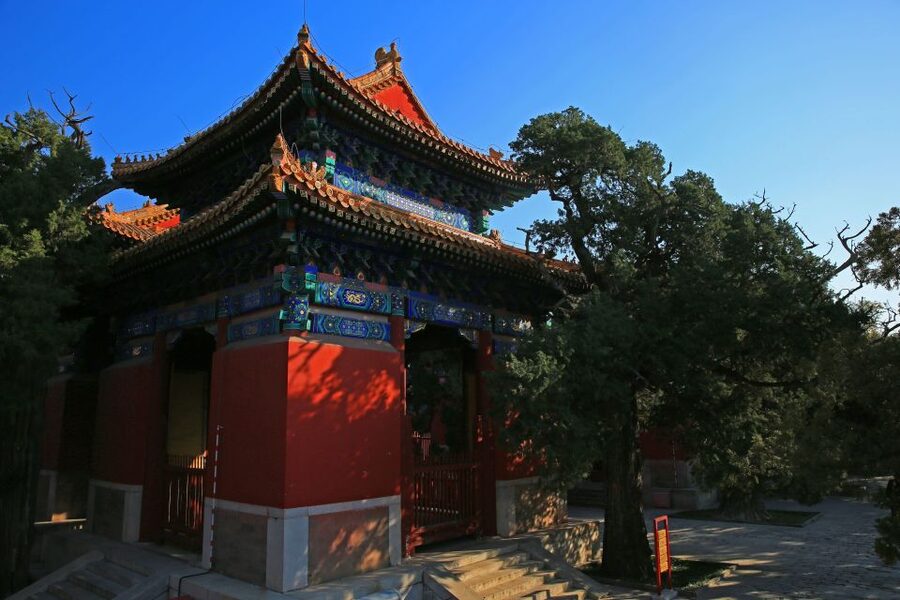
The next stop combines the Temple of Confucius with the Imperial College, also called the Guozijian Museum. This pairing helps explain an important side of old China that you will not get from the Lama Temple alone.
The Temple of Confucius centers on the teachings and influence of Confucian thought. The Imperial College was the highest academy during the Yuan, Ming, and Qing dynasties. It was built in 1306 by the grandson of Kublai Khan, placing it within the long period when Beijing served as the center of imperial government and education.
Your guide explains the stories behind the buildings and shows how the site functioned. The value here is not just in seeing another set of courtyards. You learn how education, official service, and traditional Chinese ideas were tied together.
For me, this is the most useful historical contrast in the itinerary. At Lama Temple, the focus is worship and Buddhist practice. At the Imperial College, the focus shifts to study, government, and the training of scholars. In a short time, you see two systems that shaped Chinese society in very different ways.
The museum portion may appeal most to visitors who enjoy history and social ideas rather than grand scenery. It is also a good fit if you want more than a series of famous photo stops. Your guide can explain why the institution mattered and help you connect the buildings with the dynasties that used them.
The tour is private, so you can ask for more explanation here if this subject catches your interest. On the other hand, if you prefer to explore museums slowly and read every display, four hours may feel tight. The guide-led format is designed to give you the main stories efficiently.
Ending Near Wudaoying Hutong
The tour finishes with more time in the surrounding hutong area. Your guide explains the street’s history and local life, then suggests how to reach your next destination. You can also stay in the area and continue exploring Wudaoying Hutong after the official tour ends.
That open ending is useful. Many guided excursions return you to your hotel or rush you toward the next scheduled stop. Here, you are left in a neighborhood that can serve as the beginning of your own afternoon. The guide can point you in the right direction before leaving, although hotel drop-off is not included if you choose the option without a private car.
You should plan your expectations carefully. The experience includes a stroll through hutong lanes, but it does not state that a meal, shopping time, or extended neighborhood tour is part of the standard package. If you want food, you can choose the option that combines the tour with dim sum.
The food add-on makes sense after a morning of walking. Dim sum also gives the cultural visit a practical finish, though you should confirm which package you are booking so you know if the meal is included. Without that option, you are free to continue around Wudaoying Hutong and choose your own meal.
What the Four-Hour Format Feels Like
Four hours is long enough to create a clear story but short enough to fit into a busy Beijing schedule. You begin with living religious practice, move through a residential lane, study Confucian education, and finish in a hutong neighborhood.
The schedule is active. You will be walking through courtyards, halls, alleys, and museum grounds. Comfortable shoes are a sensible choice, although the supplied details do not specify the exact walking distance or surface conditions.
The private-group format is one of the stronger features. You are not tied to a large coach group or a fixed lecture that ignores your questions. You can ask your guide to explain a statue, repeat a point, or give more attention to Buddhism, Confucianism, or hutong life.
Guide quality matters a great deal on this experience, and the feedback is unusually consistent. The tour holds a 5.0 rating from 23 reviews, with praise for clear English, patience, cultural explanations, and organization. Ranee was described as making the visit pleasant, Mike as presenting Chinese culture in an entertaining way, Cassie as adding helpful context, and Aurora as explaining details clearly.
Anne received especially strong praise for handling a crowded day while keeping the visit smooth. That is a useful detail because historic Beijing sights can be much harder to appreciate when you are unsure where to go next. A good guide cannot remove the crowds, but can make them less frustrating.
Other museums and galleries in Beijing:
- Beijing: Tianmen Square, Forbidden City & Royal Museum Tours
★ 4.6 · 1,288 reviews - Beijing:Jingshan Park (Palace Museum Garden) Ticket
★ 4.5 · 185 reviews - Beijing Half Day: National Museum of China In-depth Tour with Subway Transfer
★ 5.0 · 70 reviews - Beijing: JingShan park (palace museum garden) entry ticket
★ 4.7 · 18 reviews
Is the $80 Price Fair?
At $80 per person, this is not the cheapest way to see the Lama Temple area. The price includes an English-speaking guide, hotel pickup, entrance fees, and a private group. Private transfer is included only if you select the related option, so check the exact booking choice before paying.
I think the price can be fair if you value explanation and convenience. You are paying for more than admission tickets. You receive a planned route, a guide who interprets religious and historical details, and help connecting three different types of Beijing experience.
The value is strongest for first-time visitors who do not want to work out the transport, entry process, and historical background alone. It is also useful if your Beijing schedule is short and you want several meaningful stops in one morning or afternoon.
The value is weaker if you are comfortable using the subway, already know the Lama Temple and Confucian tradition, or prefer to spend hours at one site. Independent visitors may pay less, but they will need to organize the route and supply their own explanations.
The optional private car changes the cost calculation. Taxi or subway travel is available, while the car option is designed to make the trip easier. If you are traveling with older family members, carrying luggage, or simply want less transport planning, the upgrade may justify its extra cost. The available information does not give the supplement, so check the selected option.
Who Should Book This Beijing Walk?
I would choose this tour for a first visit to Beijing, especially if you want cultural background rather than only major landmarks. It suits couples, families, and small private groups who appreciate being able to ask questions.
It is also a good choice for anyone curious about how religion, education, and ordinary neighborhood life fit into Chinese history. The combination gives you more range than a tour devoted only to a temple.
You may want something else if your priority is shopping, food, or a long relaxed hutong afternoon. The schedule is focused on interpretation and sightseeing, not free time. Likewise, visitors who dislike walking through active religious sites may find the Lama Temple portion less comfortable, though the guide explains what is happening around you.
The tour is conducted in English, with hotel-lobby pickup. It offers free cancellation up to 24 hours in advance and a reserve-now, pay-later option, which gives you some flexibility when Beijing plans are still shifting.
Should You Book It?
Book this tour if you want a compact, well-explained introduction to Beijing’s religious, educational, and neighborhood traditions. The Maitreya Buddha is the visual highlight, while the contrast between Lama Temple and Guozijian gives the outing real substance.
I would be less quick to book it if you want a slow museum visit or a full hutong food crawl. For most first-time visitors, though, $80 is reasonable for a private four-hour route with admission, hotel pickup, and an English-speaking guide. Choose the private car if transport simplicity matters, and consider the dim sum option if you want the day to continue over food.
FAQ
How long is the tour?
The tour lasts four hours.
What sights are included?
The experience includes Lama Temple, the Temple of Confucius, the Imperial College, also called the Guozijian Museum, and hutong lanes near the sites.
Is hotel pickup included?
Yes. Your English-speaking guide meets you in your hotel lobby while holding a sign with your name.
Is hotel drop-off included?
Hotel drop-off is not included if you choose the option without a private car.
How do you reach Lama Temple?
You can go by taxi or subway, or choose the private-car option.
Is transportation included in the price?
Private transfer is included only if you select the related private-car option. The option without a private car does not include transfer.
What language does the guide speak?
The tour is conducted in English.
Is this a private tour?
Yes. The group type is private.
Can the tour include a meal?
Yes. You can choose an option that combines the tour with a dim sum meal.
What is the cancellation policy?
You can cancel up to 24 hours in advance for a full refund.
Can I reserve now and pay later?
Yes. The reserve-now, pay-later option lets you book without paying on the day of reservation.
New reviews from Beijing
- Mutianyu Wall, Summer Palace & Old Summer Palace Day Tour★ 4.8 · 34 reviews
- Night Market Haggling Adventure with an English Guide!★ 4.8 · 7 reviews
- Mutianyu Great Wall Ticket with Roundtrip Cable Car★ 5.0 · 20 reviews
- BusDa-Mutianyu Great Wall&Forbidden City Full-day Coach Tour★ 4.9 · 11 reviews
- Mutianyu Great Wall Bus Trip+Ticket 7/8/9/10/13/13:30/15:30★ 4.7 · 24 reviews
- Mutianyu Great Wall Entry Ticket Chairlift Up Toboggan Slide★ 4.9 · 8 reviews
- Mutianyu Great Wall 5-KM Guided Hike with Uphill Cable Car★ 4.8 · 16 reviews
- Mutianyu Great Wall Admission Ticket★ 3.6 · 7 reviews
Lama Temple Tours, compared.
Temple Heaven, Lama Temple, Summer Palace & Peking Duck Bus Tour
Read our review →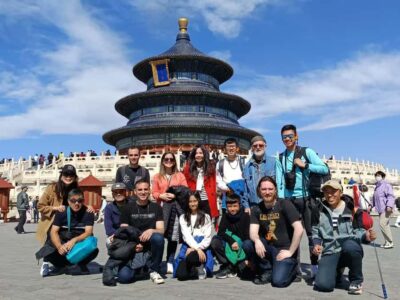
Temple Heaven, Summer Palace, Lama Temple, Hutong Bus Tour
Read our review →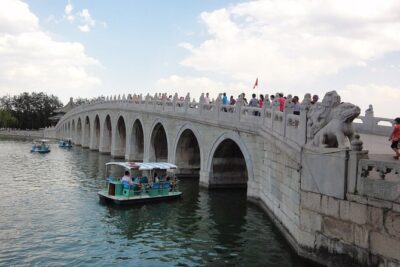
Temple of Heaven, Summer Palace, Lama Temple, Hutong Tours
Read our review →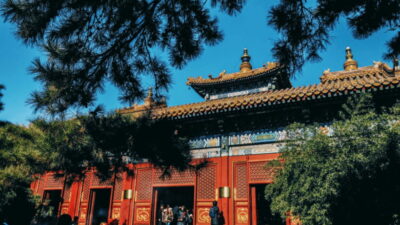
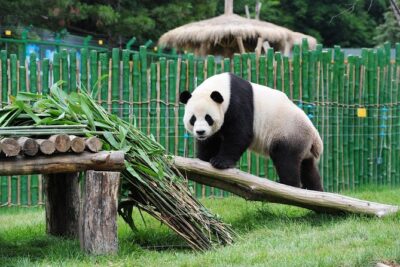
Beijing Historical Tour II including Summer Palace, Lama Temple & Panda Garden
Read our review →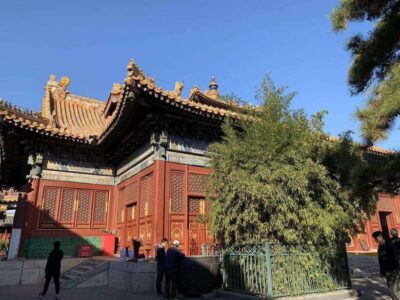
Beijing Lama temple ticket; #1 efficacious; limited Discount
Read our review →
Panda House, Temple of Heaven, Lama Temple, Summer Palace & Lunch
Read our review →Browse the lists this tour appears in