
Reviewed · LAMA TEMPLE TOURS
Beijing Lama temple ticket; #1 efficacious; limited Discount
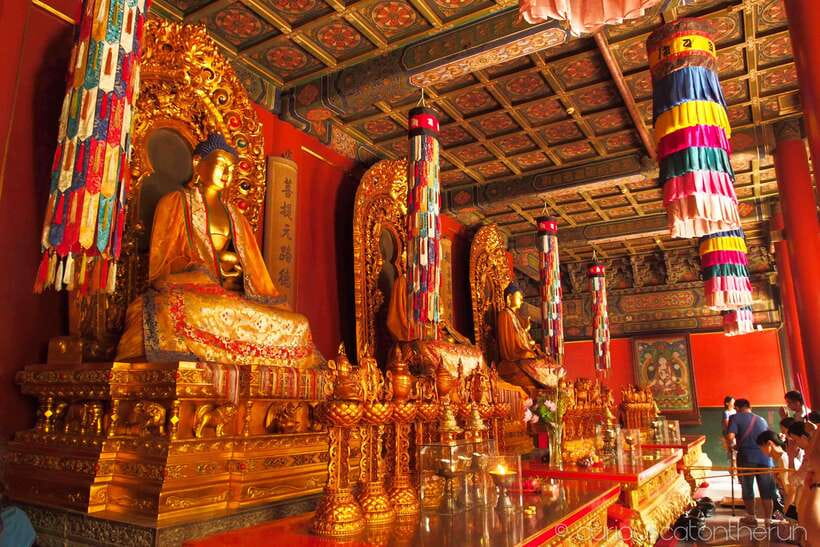
The Lama Temple’s great draw is its 18-meter Maitreya Buddha, carved from a single piece of sandalwood. Inside Yonghe Temple, you move through colorful halls where Tibetan Buddhist design meets Han Chinese palace architecture, with incense smoke and local prayer giving the site a real religious purpose.
I like the ticket’s low $10 price and the freedom to explore without being tied to a guide or group. I also like that the temple sits near Beijing hutongs, so you can pair the visit with a walk through older neighborhood lanes. The main caution is that this is an active place of worship, not a quiet museum, and one booking report describes a faulty entry code that led to a second queue.
Key points to know
- The sandalwood Maitreya Buddha: See an 18-meter statue carved from one piece of sandalwood.
- Han and Tibetan design: Look for the mix of Chinese imperial layout and Tibetan Buddhist decoration.
- A major prayer site: Locals visit to make wishes, seek blessings, and reflect.
- A self-guided ticket: The package includes the main entrance ticket, not a personal guide or transport.
- Advance planning matters: Book at least 24 hours ahead and check the entry details carefully.
- Pair it with hutongs: The temple area offers a useful follow-up walk through traditional Beijing streets.
Why Yonghe Temple feels different from a standard attraction
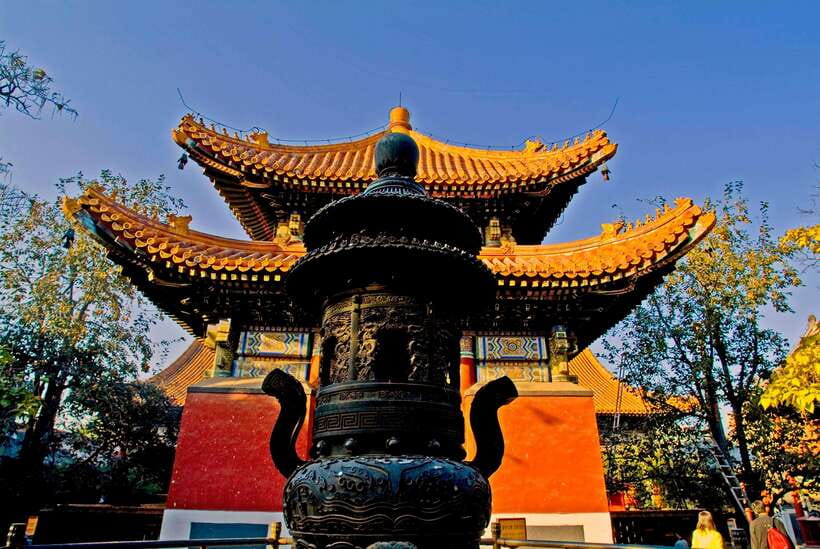
Yonghe Temple, commonly called the Lama Temple, is more than a collection of old buildings. It remains a working Buddhist site where people come to pray, ask for blessings, and make wishes. That changes the mood as soon as you enter.
You may see visitors moving quietly between halls, lighting incense, or pausing before statues. The experience is not arranged only for sightseeing. You are entering a place that still matters to local people, so patience and respect are part of the visit.
The temple receives more than three million visitors each year. That number tells you two things: the site is important and easy to add to a Beijing day, but it can also feel busy. The religious activity gives the visit its character, yet it means you should avoid treating every hall like a photo set.
This ticket is best understood as an independent temple visit. You receive the main entrance admission and then explore on your own. No guide, hotel pickup, meal, or transport is included in the information provided.
Other temples to walk round in Beijing:
- Temple Heaven, Lama Temple, Summer Palace & Peking Duck Bus Tour
★ 5.0 · 377 reviews - Temple Heaven, Summer Palace, Lama Temple, Hutong Bus Tour
★ 4.7 · 319 reviews - Temple of Heaven, Summer Palace, Lama Temple, Hutong Tours
★ 5.0 · 311 reviews
The $10 ticket and what you actually receive
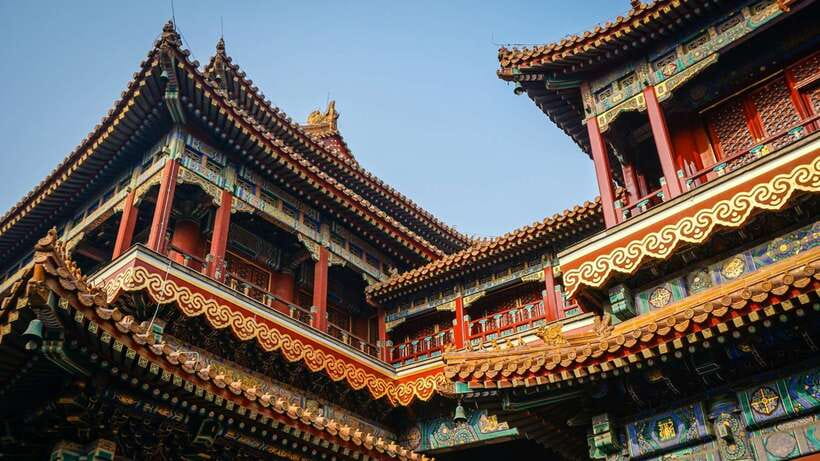
At $10 per person, the admission offers good value if you want to see one of Beijing’s major religious sites without paying for a full tour. You are paying for access to the temple complex, not for a narrated lesson or a planned route.
That distinction matters. A guide could explain the symbols, Buddhist figures, and history behind each building. With this ticket, you need to take your time and pay attention to the setting yourself. If you enjoy independent sightseeing, that freedom is a benefit. If you want every building interpreted for you, this product may feel basic.
The ticket is valid for one day. Starting times depend on availability, so you should check the available date and time before booking. You are asked to book at least 24 hours in advance, which makes this a poor choice for a last-minute change of plan.
There is also a flexible booking option: you can reserve now and pay later. Cancellation is free up to 24 hours in advance for a full refund. Those terms are useful if your Beijing schedule is still moving, but they do not remove the need to reserve early.
Entering a temple where people still pray
The first thing to understand is that Yonghe Temple serves two audiences at once. It welcomes sightseers, but it also functions as a place of worship. You may be looking at carved details while someone nearby is praying. That overlap is one of the most valuable parts of the visit, as long as you behave like a respectful observer.
The temple is known locally as a top destination for wishes. People come for blessings, meditation, and personal reflection. I would allow more time than the low price might suggest, because rushing through the gates and taking a few pictures would miss the central point.
Keep your voice low in the halls. Give people space in front of statues and avoid interrupting prayer. The supplied information does not set out a formal dress code, so I would simply choose practical, respectful clothing and follow the tone of the room.
The atmosphere can change from one hall to the next. Some areas may feel colorful and visually busy, while others may feel calm and focused. The scent of incense and the sound of chanting help you understand that this is not just an old building complex preserved for display.
Reading the Han Chinese and Tibetan design
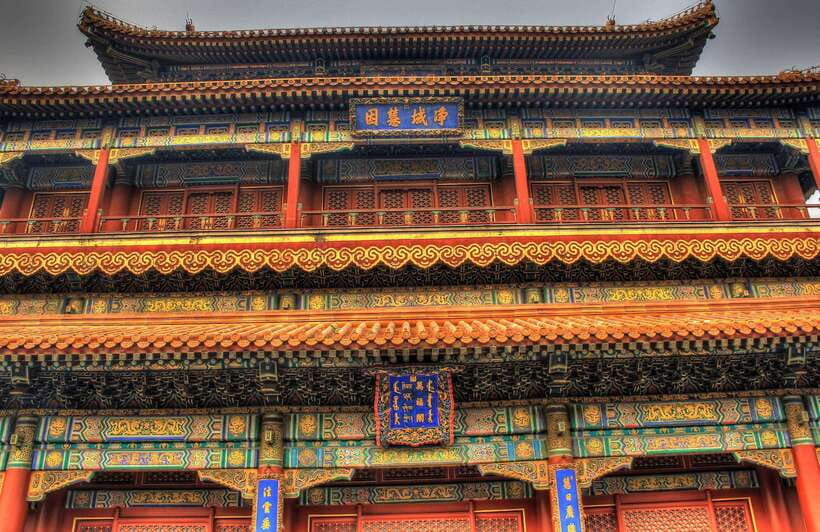
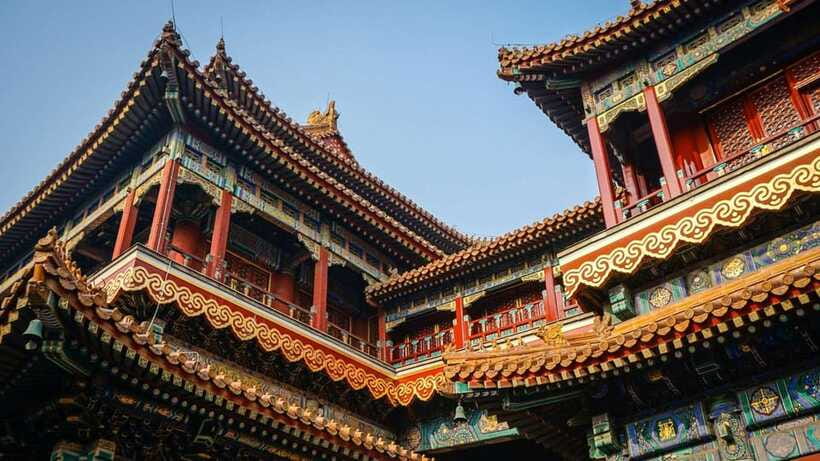
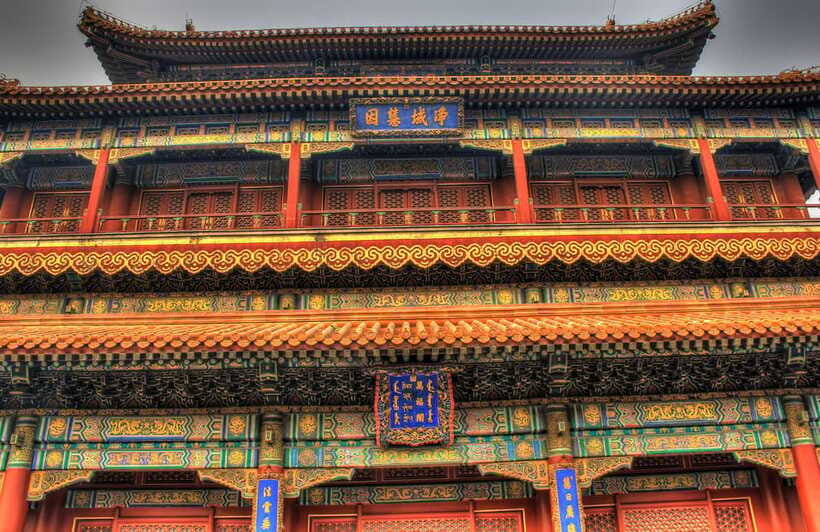
The architecture is one of the clearest reasons to visit. Yonghe Temple combines Han Chinese and Tibetan styles, creating a setting that looks different from a single-style palace or temple.
The Han Chinese influence appears in the overall temple arrangement and formal design. The Tibetan Buddhist side comes through in the religious decoration and the visual language of the halls. You do not need specialist knowledge to notice the contrast. Look at the rooflines, colors, carvings, statues, and the way the complex guides you from one sacred space to another.
The decoration rewards slow looking. Rather than walking straight through, stop often and study the details around doorways and halls. The supplied description emphasizes intricate carvings and strong color, so you should expect plenty to catch your eye even without a guide.
A phone camera can help you remember the details, but photographs are not the whole visit. Some of the most important moments may be small: a person standing before a statue, a curl of incense smoke, or the quiet pause before entering another hall.
A few more days out in Beijing worth the ticket
- Beijing: Forbidden City Tour(Group/Private)-Tickets Included
★ 4.8 · 7,974 reviews - 4-Hour Small Group Tour to Forbidden City with Entry Tickets
★ 5.0 · 1,863 reviews - Beijing: Tiananmen Square Registration Service(Ticket)
★ 4.5 · 1,704 reviews - Beijing: The Temple of Heaven or Summer Palace Entry Ticket
★ 4.6 · 1,286 reviews
The 18-meter Maitreya Buddha
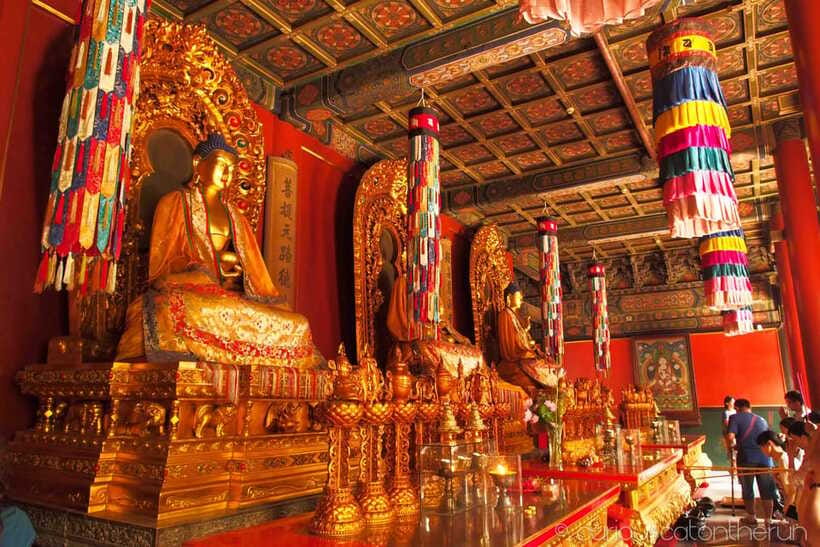
The Maitreya Buddha is the temple’s headline sight. The statue rises 18 meters and was carved from a single sandalwood tree. That fact alone gives the figure unusual scale and interest.
When you reach it, take time to consider the work involved in shaping such a large statue from one piece of wood. The material is part of the story. You are not simply seeing a tall religious image, but an object made through a remarkable single-tree carving project.
This is the place where the ticket earns much of its value for first-time visitors. The architecture may appeal to everyone, but the Buddha gives the complex a memorable focal point. If you have limited time, make sure this hall is not lost among the other buildings.
The information provided does not give a precise route through the temple or a fixed visit length beyond the one-day validity. That means you should plan around your own pace. A quick visit can cover the main sights, while a slower visit gives you more time to notice the carvings and religious activity.
A useful stop near Beijing’s hutongs
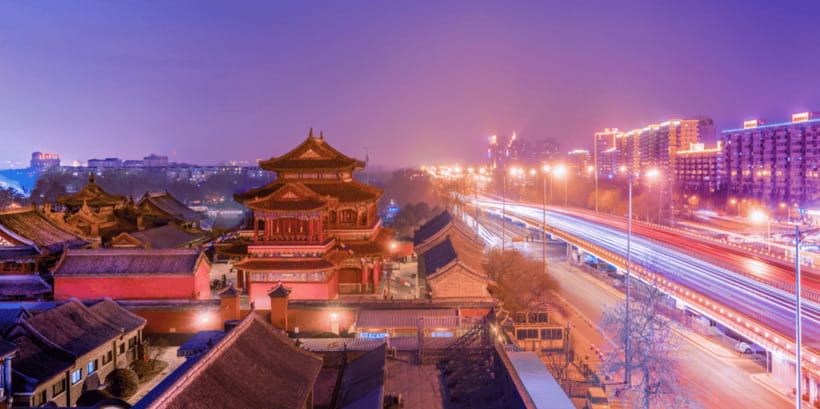
The temple’s setting makes it easy to build a fuller outing around the ticket. A South Korean purchaser specifically pointed to the nearby hutong area as worth visiting as well. That is practical advice, because the temple visit and an old-neighborhood walk complement each other.
Inside the temple, you get religious architecture and active worship. In the hutongs, you can shift your attention to ordinary street life and Beijing’s older urban fabric. The supplied information does not include a guided hutong route, so treat that as an independent add-on rather than part of the ticket.
This pairing also helps you use your day well. The ticket is valid for one day, and there is no transport included. You can decide how long to remain in the temple before walking onward, rather than following a fixed group timetable.
Do not assume the ticket covers anything beyond the temple’s main entrance. The hutongs are an extra part of your own plan, and any transport or other admission would also be separate.
The real drawback: ticket handling and crowd pressure
The experience is not without risk. The overall score attached to the product is 3.7 out of 5 from 116 ratings, which points to a generally worthwhile visit but uneven satisfaction.
One purchaser reported having to queue twice because the supplied code did not work. That is the most important practical warning. A digital ticket is useful only when the entry system accepts it, so check your confirmation carefully and allow extra time at the gate. If there is a problem, keep your booking details available rather than deleting them after arrival.
The temple’s popularity is another consideration. With more than three million annual visitors, you should not expect complete solitude. The active prayer setting can also make the visit feel intimate in a way that some people may find uncomfortable. One Italian visitor described the experience as feeling like entering other people’s homes and watching them carry on with private spiritual practice.
I see that as a fair concern, not a flaw in the temple. You are seeing a living religious place rather than a staged performance. If you prefer attractions designed only for sightseeing, this may feel less comfortable. If you value ordinary religious life and can observe quietly, it adds meaning.
How to get the most from a self-guided visit
I would prepare in a few simple ways:
- Book at least 24 hours ahead. Same-day planning is not the safe choice for this ticket.
- Check your entry code. A previous booking problem involved a code that did not work and caused a second queue.
- Allow flexible time. The ticket is valid for one day, so you do not need to rush through the complex.
- Look beyond the main statue. The Maitreya Buddha is essential, but the carvings and mixed architectural styles provide much of the pleasure.
- Respect prayer activity. Keep your distance and avoid treating worshippers as part of the display.
- Add the hutongs. The surrounding neighborhood can turn a short temple stop into a fuller Beijing outing.
The ticket is wheelchair accessible, which makes it more practical for visitors who need step-free access. The supplied information does not describe the condition of every path or hall, so you may still want to confirm current access details before you go.
Who should book this Lama Temple ticket?
I would recommend it to independent sightseers who want a major Beijing cultural stop at a modest price. It also suits you if you like architecture, religious sites, photography, or visits that show daily spiritual practice rather than only polished monuments.
Families may appreciate the large Buddha and colorful buildings, though younger children may need help staying quiet in prayer areas. The lack of a guide gives you flexibility, but it also means you should not expect a lesson in Buddhist history or an escort through the complex.
I would be more cautious if your schedule is extremely tight, your entry code fails, or you want a fully explained tour. The $10 cost is low, but the experience depends on the temple itself and on your willingness to explore without a guide.
Should you book it?
Book this ticket if you want to see Yonghe Temple’s unusual Han Chinese and Tibetan design, stand before the 18-meter sandalwood Maitreya Buddha, and observe a major Beijing prayer site at your own pace. The price is sensible, the one-day validity gives you room to plan around the visit, and the nearby hutongs add an easy extra stop.
Skip it if you want transport, a named guide, or a guaranteed smooth entry with no ticket risk. If you do book, reserve at least 24 hours ahead, check the code, and treat the temple as a living place of worship. That approach gives you the best chance of getting the quiet, thoughtful visit this $10 admission can provide.
FAQ
How much does the Lama Temple ticket cost?
The ticket costs $10 per person.
What does the ticket include?
It includes the main entrance ticket to Beijing’s Lama Temple, also known as Yonghe Temple.
How long is the ticket valid?
The ticket is valid for one day. You should check availability for the available starting times.
How far in advance should I book?
You should book at least 24 hours in advance.
Can I cancel the booking?
Yes. You can cancel up to 24 hours in advance for a full refund.
Is the Lama Temple wheelchair accessible?
Yes, the activity is listed as wheelchair accessible.
New reviews from Beijing
- Mutianyu Wall, Summer Palace & Old Summer Palace Day Tour★ 4.8 · 34 reviews
- Night Market Haggling Adventure with an English Guide!★ 4.8 · 7 reviews
- Mutianyu Great Wall Ticket with Roundtrip Cable Car★ 5.0 · 20 reviews
- BusDa-Mutianyu Great Wall&Forbidden City Full-day Coach Tour★ 4.9 · 11 reviews
- Mutianyu Great Wall Bus Trip+Ticket 7/8/9/10/13/13:30/15:30★ 4.7 · 24 reviews
- Mutianyu Great Wall Entry Ticket Chairlift Up Toboggan Slide★ 4.9 · 8 reviews
- Mutianyu Great Wall 5-KM Guided Hike with Uphill Cable Car★ 4.8 · 16 reviews
- Mutianyu Great Wall Admission Ticket★ 3.6 · 7 reviews
Lama Temple Tours, compared.
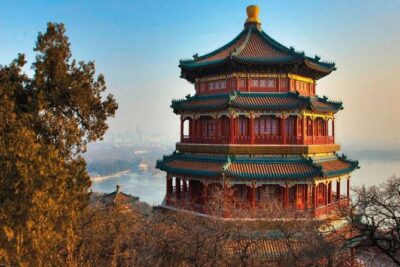
Temple Heaven, Lama Temple, Summer Palace & Peking Duck Bus Tour
Read our review →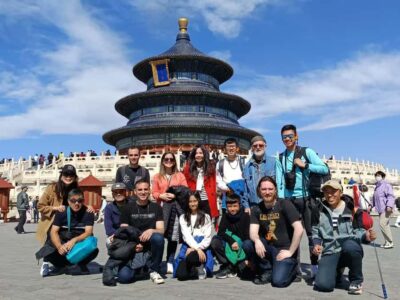
Temple Heaven, Summer Palace, Lama Temple, Hutong Bus Tour
Read our review →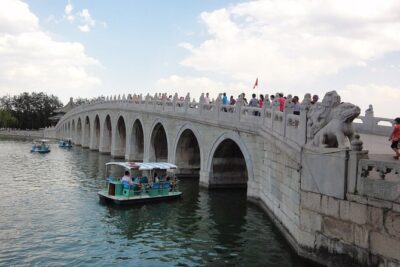
Temple of Heaven, Summer Palace, Lama Temple, Hutong Tours
Read our review →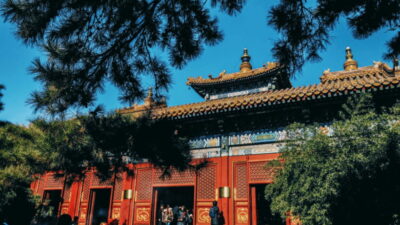

Beijing Historical Tour II including Summer Palace, Lama Temple & Panda Garden
Read our review →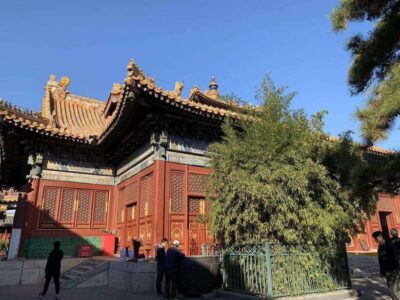
Panda House, Temple of Heaven, Lama Temple, Summer Palace & Lunch
Read our review →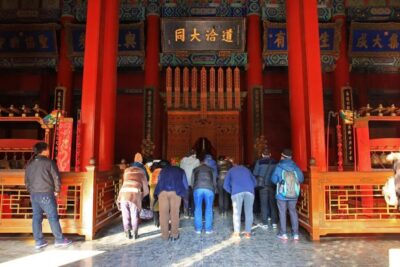
Lama Temple, Confucius Temple and Guozijian Museum
Read our review →Browse the lists this tour appears in