
Reviewed · HUTONG TOURS
Beijing Hutong Breakfast Food Tour
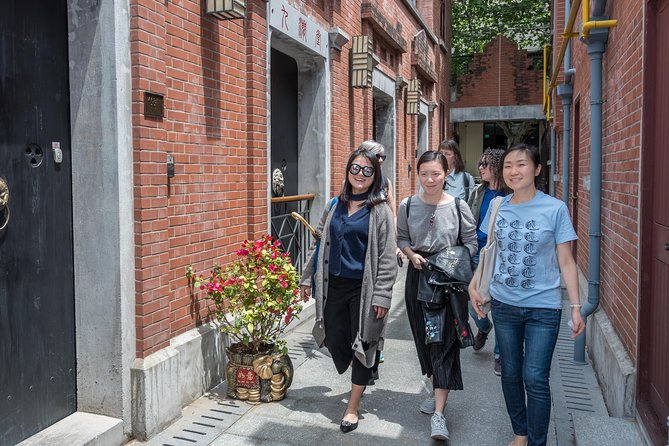
Beijing’s best breakfast may be hiding in a narrow alley, served from a tiny shop with no English sign. This three-hour walk takes you behind Lama Temple and into old hutongs for steamed buns, savory crepes, silken tofu, fried dough, soy milk, and other morning foods that are hard to find on your own. I especially like the small group of no more than eight and the way the route mixes eating with a close look at daily life.
I also like the practical help. Guides such as Garth explain how to order and pay, not just what is on the plate, and the post-tour food tips can help with the rest of your Beijing stay. The main drawback is the early start and the amount of walking, plus the fact that dietary restrictions need advance notice.
Key points to know before booking
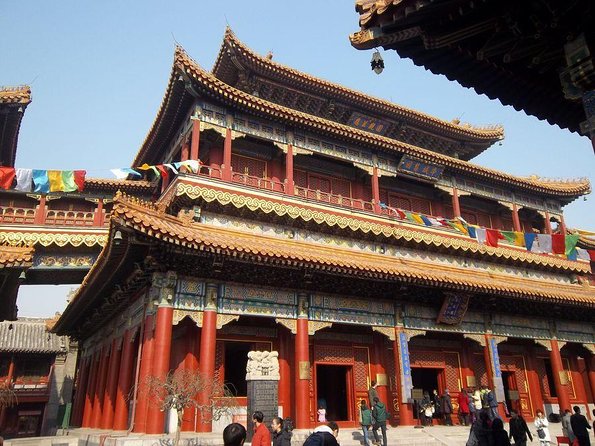
- Breakfast begins near Lama Temple: Meet at 8 a.m. by the Lama Temple C subway exit and bike rental station.
- The food adds up to a full meal: Expect several tasting stops, not a light snack before lunch.
- Garth is one named guide: His Mandarin, food knowledge, and practical advice received especially strong praise.
- The route links major sights with local streets: You pass Lama Temple, the Temple of Confucius, Guozijian, and finish near the Bell and Drum Towers.
- The group is capped at eight people: That makes crowded food stalls and small shops easier to manage.
- You finish in a useful area: The end point is near Andingmen Nei Dajie and Gulou Dong Dajie, close to several central Beijing sights.
Why Beijing breakfast works best before the crowds
Most visitors meet Beijing through grand gates, palace courtyards, and restaurant menus. This tour begins with a more ordinary scene: people eating before work, vendors preparing food, and residents moving through the hutongs on their morning routines.
That timing matters. At 8 a.m., breakfast shops are doing the work they were built to do. You are not simply tasting dishes arranged for an audience. You are seeing the food in its natural setting, often shoulder to shoulder with local diners.
The route begins near Lama Temple, one of the city’s best-known religious sites, but quickly turns into the alleyways behind it. The contrast is useful. You get a clear starting point, easy to reach by subway, then move into streets that can be confusing if you do not know where to look.
I like this format because the food gives the walk a purpose. You are not wandering without direction, and you are not stuck at a table for three hours. Each stop adds another piece of Beijing’s breakfast culture.
More Food Tours in Beijing
- Temple Heaven, Lama Temple, Summer Palace & Peking Duck Bus Tour
★ 5.0 · 377 reviews - Beijing: Hidden Gems Guided Food Tour with Beer and Tastings
★ 4.9 · 306 reviews - Beijing Hutong Breakfast Food Tour
★ 5.0 · 155 reviews
From Lama Temple to the first hutong bites
The meeting point is at the Lama Temple C subway exit, near the Yonghegong area. Hotel pickup is not included, so you need to make your own way there. The tour starts at 8 a.m., and arriving early is wise since the route begins on foot.
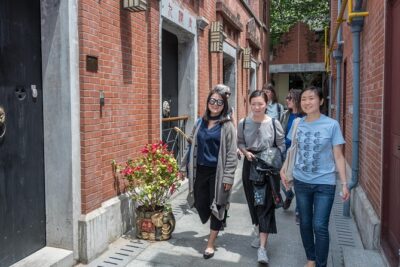
The first section leads through the hutongs behind the temple. These alleyway neighborhoods are part of old Beijing’s identity, with narrow lanes, low buildings, small businesses, and everyday activity close to the street. The point is not to check off a monument. It is to see how the city operates in the morning.
Your guide leads you to local cafes, stalls, and small food shops. This is where having a guide earns its keep. You can walk through a hutong alone, but you may not know which storefront serves breakfast, what to order, or how to pay. A guide also helps the group move between stops without wasting time.
The tour company, UnTour Food Tours, has operated food walks in Beijing since 2010. That long-running focus shows in the shape of the experience: food comes first, but the neighborhood and its customs are always part of the story.
The breakfast plate: steamed buns, tofu, and fried dough
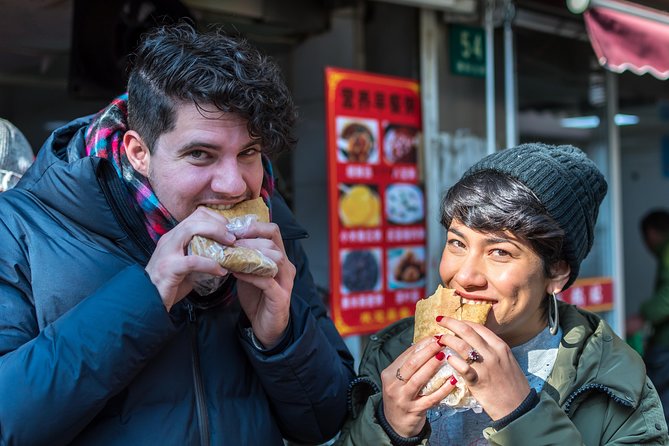
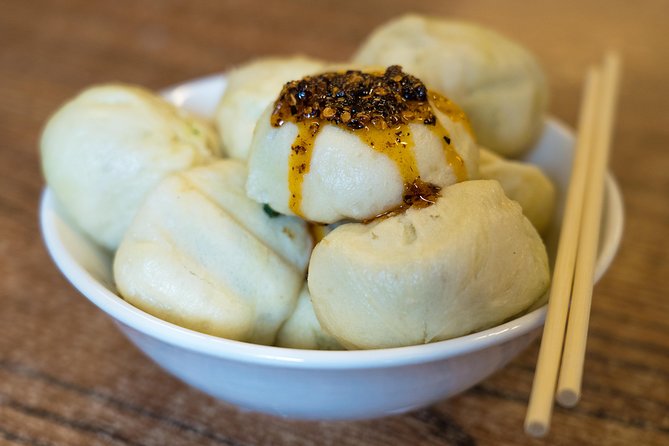
The exact order of the dishes can vary, but the tasting list covers a broad range of Beijing morning food. You might begin with baozi, soft steamed buns filled with savory ingredients. They are simple, filling, and suited to a quick breakfast.
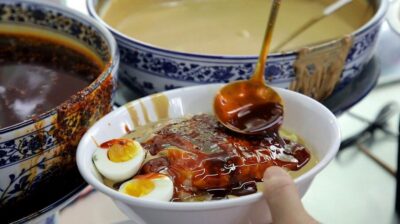
Silken tofu brings a different texture. Served with savory toppings, it is soft and delicate, with the seasoning doing much of the work. This is the sort of dish many people might skip when ordering alone because its name gives little clue about what to expect. Your guide can explain how it fits into local breakfast habits and help you decide how much to try.
Fried dough and brown sugar donuts add crunch and sweetness. These are useful counterpoints to the softer buns and tofu. Sweet soy milk may appear as well, giving you another familiar breakfast staple in a local form.
I like that the meal is not built around one famous dish. You get a series of small experiences, each showing a different cooking method and flavor. The portions are tastings, but the stops add up to a substantial meal. You probably will not need to plan lunch immediately afterward.
That generous food schedule can also be a drawback. If you prefer a small breakfast, have a sensitive stomach, or want to save room for a later meal, this tour may feel like too much. The best approach is to arrive hungry and avoid scheduling an important lunch right after the finish.
Watching jianbing being made fresh
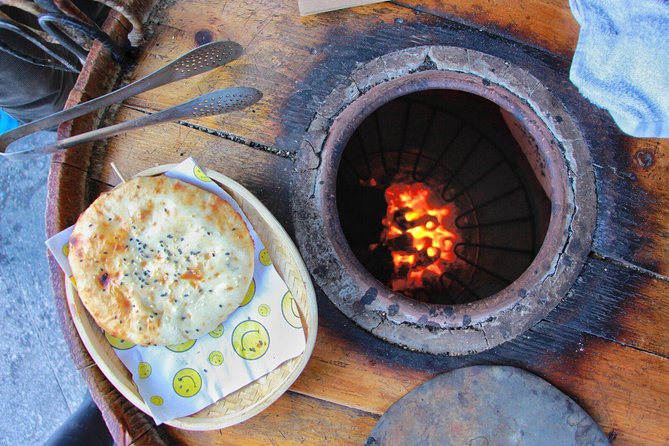
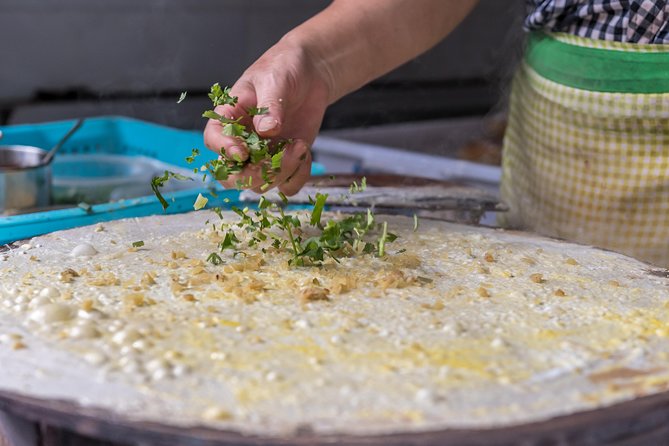
Jianbing is one of the most useful stops because you do not just receive a finished dish. You can watch the savory crepe being prepared. Batter is spread, fillings and sauces are added, and the crepe is folded into a portable breakfast.
The appeal is partly the food and partly the movement around the griddle. Jianbing is made for people in a hurry, so the preparation reflects the pace of the morning. It is an everyday meal, not a formal restaurant course.
This is also a good point to ask questions. A guide can explain the ingredients and show you how the dish is assembled, which makes the experience easier to understand than simply taking a bite and moving on.
Food tours can sometimes focus too heavily on eating and leave you with little sense of place. Here, the cooking process helps connect the dish to the street. You see how breakfast is produced, sold, and eaten in the same neighborhood.
Other old-lane walks in Beijing:
- Beijing Hutong Walking Food and Beer Tour at Hidden Restaurants
★ 5.0 · 1,132 reviews - Temple Heaven, Summer Palace, Lama Temple, Hutong Bus Tour
★ 4.7 · 319 reviews - Temple of Heaven, Summer Palace, Lama Temple, Hutong Tours
★ 5.0 · 311 reviews - Beijing Private Hutong Food Walking Tour
★ 5.0 · 299 reviews
Temple of Confucius, Guozijian, and the walk between bites
The route crosses from the Lama Temple area toward the Temple of Confucius and the Guozijian Museum. You pass through a large Chinese gate and follow a leafy hutong, with the food stops woven into the walk.
This section gives the morning a useful change of pace. You are still in the old neighborhood, but the surroundings shift from food stalls to major cultural sites and quieter lanes. The tour includes about 30 minutes around the Temple of Confucius and Guozijian area, with no separate admission charge listed for that portion.
You should not think of this as a full museum tour or a long historical lecture. The food remains the main event. Still, the temples and hutongs help explain why this part of Beijing matters. You see how famous places sit beside ordinary streets rather than in a separate tourist zone.
The walking distance is manageable for most people, but comfortable shoes are a good idea. The tour covers more ground than a single breakfast stop, and the route includes standing at food counters and moving through narrow lanes.
Almond pudding near the Bell and Drum Towers
The route ends with almond pudding, a gentle sweet finish after the savory dishes and fried foods. It gives the meal a clear closing point rather than leaving you to wander away after the last bun.
The final stop is near the Bell and Drum Towers, close to the intersection of Andingmen Nei Dajie and Gulou Dong Dajie. These towers once marked the hours of the day and sit on Beijing’s central axis, making the area a useful place to understand the city’s layout.
The tour does not include a formal visit inside the towers based on the information provided. Their value here is location and orientation. You can continue exploring nearby streets after the tour or use the area as a starting point for the rest of your day.
The endpoint is roughly a 15-minute walk from either Beixinqiao Metro on Line 5 or Andingmen Metro on Line 2. That gives you several ways to continue, though hotel transportation is not provided.
The value of the $55 price
At $55 per person, this is not the cheapest breakfast in Beijing. You could eat individual dishes for much less if you already know where to go and how to order.
The price makes more sense when you count the full package. You receive several food tastings, bottled water, soft drinks, a guide, neighborhood orientation, and a post-tour packet with restaurant suggestions and local travel tips. You also save the time and guesswork involved in finding multiple small shops.
For a first morning in Beijing, that guidance has real value. You learn how breakfast works, what different dishes look like, and how to handle basic ordering and payment. One especially useful aspect is the practical introduction to local routines, not just a list of foods.
The strongest value comes if you use the tour as an opening lesson. Take notes on dishes you like. Pay attention to the type of shops the guide chooses. Use the restaurant recommendations later in your stay. If you only want a cheap meal, this is not the right purchase. If you want food, context, and a better start in Beijing, the price is easier to justify.
What makes the small group important
The group limit is eight people. That is small enough for the guide to explain dishes without shouting, and it helps the group fit inside tiny cafes and shops.
A small group also matters at food stalls. You are less likely to block the counter or slow down the line, and the guide can help each person see how an item is prepared. The pace can still feel active, but it should not have the scale of a large coach excursion.
The named guide Garth received especially warm praise for his Mandarin, food knowledge, friendly manner, and attention to detail. One particularly useful feature of his approach is the focus on how things work in China, including ordering and paying. That kind of help can remove a lot of friction during the rest of your visit.
Guides may vary by departure, so you should not assume Garth will lead every tour. Still, the company’s format clearly puts the guide at the center of the experience rather than treating the food stops as self-explanatory.
Who should book this breakfast walk
I would recommend it most for a first or early day in Beijing. You get a practical introduction to the city, a meal large enough to carry you through the morning, and a route through an interesting central area.
It suits people who enjoy trying unfamiliar foods and do not need every dish adjusted to familiar tastes. It is also a good match for anyone who feels unsure about street food, menus, payment, or navigating hutongs alone.
Families and older visitors may find the small group helpful, though the tour is still a walking experience with several stops. People with strict dietary requirements should email in advance. The provider says specific needs can be accommodated with advance notice, but you should not wait until the morning of the tour.
This is less suitable if you want a slow sit-down breakfast, dislike sweet and savory foods mixed together, or have a packed schedule immediately afterward. The start time is fixed at 8 a.m., and the food is plentiful.
Booking details worth knowing
The tour lasts about three hours and includes a mobile ticket. Confirmation is provided at booking, and the meeting point is near public transportation.
The cancellation policy allows a full refund if you cancel at least 24 hours before the local start time. Changes or cancellations inside that window are not accepted for a refund.
The route starts at the Lama Temple C subway exit and ends near the Bell and Drum Towers. Since there is no hotel pickup or drop-off, check your morning route in advance and allow enough time to reach the starting point.
Should you book it?
Book this tour if you want to understand Beijing through ordinary breakfast rather than only through major sights. The combination of baozi, jianbing, tofu, fried dough, soy milk, and almond pudding gives you a broad first taste, while the hutong route shows where that food belongs.
The $55 price is fair for a guided, small-group food walk with several tastings and useful local advice. I would book it early in your Beijing stay, especially if you want help ordering food later on your own.
Skip it if you need a late start, have strict dietary limits that cannot be arranged ahead of time, or want a light meal. For most curious eaters, though, this is a smart three-hour introduction to Beijing’s streets, breakfast habits, and local food culture.
FAQ
What time does the Beijing Hutong Breakfast Food Tour start?
The tour starts at 8:00 a.m.
Where does the tour meet?
Meet near the Lama Temple C subway exit and bike rental station in the Yonghegong area of central Beijing.
Where does the tour end?
It ends at 219 An Nei Da Jie, near the intersection of Andingmen Nei Dajie and Gulou Dong Dajie, close to the Bell and Drum Towers.
How many people can join the tour?
The group has a maximum of eight participants.
What food is included?
Tastings may include baozi, silken tofu with savory toppings, brown sugar donuts, steamed buns, fried dough, sweet soy milk, fresh jianbing, and almond pudding. Bottled water and soft drinks are also included.
Is hotel pickup included?
No. Hotel pickup and drop-off are not included, so you must travel to the meeting point yourself.
New reviews from Beijing
- Mutianyu Wall, Summer Palace & Old Summer Palace Day Tour★ 4.8 · 34 reviews
- Night Market Haggling Adventure with an English Guide!★ 4.8 · 7 reviews
- BusDa-Mutianyu Great Wall&Forbidden City Full-day Coach Tour★ 4.9 · 11 reviews
- Mutianyu Great Wall Ticket with Roundtrip Cable Car★ 5.0 · 20 reviews
- Mutianyu Great Wall Bus Trip+Ticket 7/8/9/10/13/13:30/15:30★ 4.7 · 24 reviews
- Mutianyu Great Wall Entry Ticket Chairlift Up Toboggan Slide★ 4.9 · 8 reviews
- Mutianyu Great Wall 5-KM Guided Hike with Uphill Cable Car★ 4.8 · 16 reviews
- Mutianyu Great Wall Admission Ticket★ 3.6 · 7 reviews
Hutong Tours, compared.
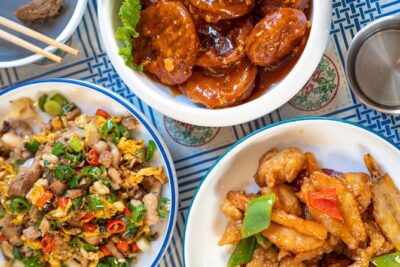
Beijing Hutong Walking Food and Beer Tour at Hidden Restaurants
Read our review →
Temple Heaven, Summer Palace, Lama Temple, Hutong Bus Tour
Read our review →
Temple of Heaven, Summer Palace, Lama Temple, Hutong Tours
Read our review →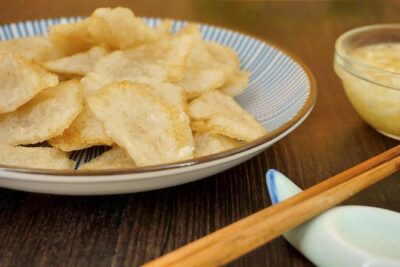
Beijing City Walk: Explore Hutongs Life and Old Beijing
Read our review →Browse the lists this tour appears in