
Reviewed · TOURS IN SHANGHAI
Shanghai:Authentic Chinese Body/Foot Massage, Hair& Head SPA
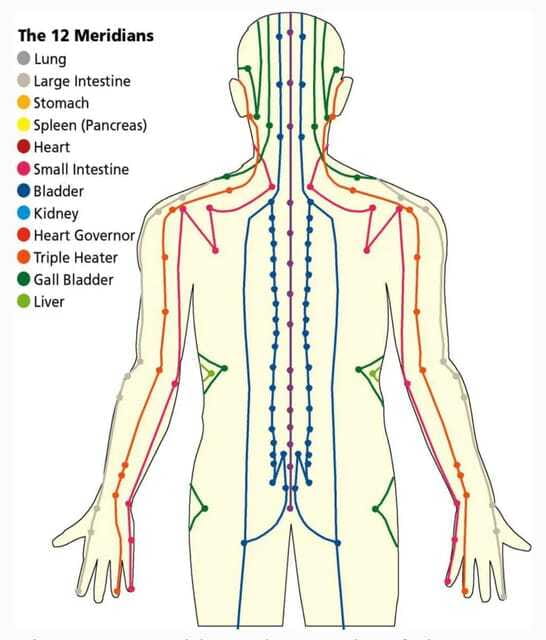
Shanghai’s most unusual quick reset may be a traditional Chinese treatment that combines Tui Na pressure-point massage with foot care, cupping, moxibustion, or a scalp wash. The experience is less about polished luxury and more about practical bodywork, local customs, and a chance to rest after long days on your feet.
I like the clear personal help from Bonnie, who explains the choices, translates with the spa staff, and can help with directions. I also like the tea and small snacks afterward, a quiet finish that gives the session a cultural touch. The main consideration is price clarity: the advertised booking amount covers the reservation fee, while the actual treatments are optional and cost extra.
Key points to know before booking
- Choose your treatment carefully: Tui Na, oil massage, foot massage, cupping, moxibustion, and the scalp spa are separate options.
- Bonnie handles the details: She can explain the treatments, help with communication, and assist with finding the meeting point.
- Expect effective rather than fancy surroundings: The setting is described as clean and comfortable, but not as a luxury spa.
- Allow about one hour: The listed treatment duration is 60 minutes, with a cup of herbal tea and snacks afterward.
- Cupping leaves temporary marks: The red or purple circles can remain visible for a while, so plan accordingly.
- Pregnant women should not book: The experience is specifically listed as unsuitable during pregnancy.
What this Shanghai wellness visit really includes
The title suggests one large treatment, but you are really choosing from a menu of Chinese massage and wellness services. The reservation commission fee is included in the booking price, while the hands-on treatments are optional and listed separately in Chinese yuan and approximate euro prices.
The main choices are:
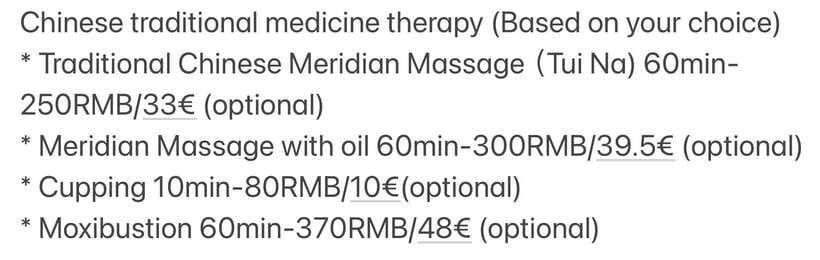
- Traditional Chinese Meridian Massage, also called Tui Na, for 60 minutes at 250 CNY, about 30 euros
- Meridian Massage with oil for 60 minutes at 300 CNY, about 37 euros
- Traditional foot massage for 60 minutes at 220 CNY, about 27 euros
- Cupping for about 10 minutes at 100 to 120 CNY, about 12 to 15 euros
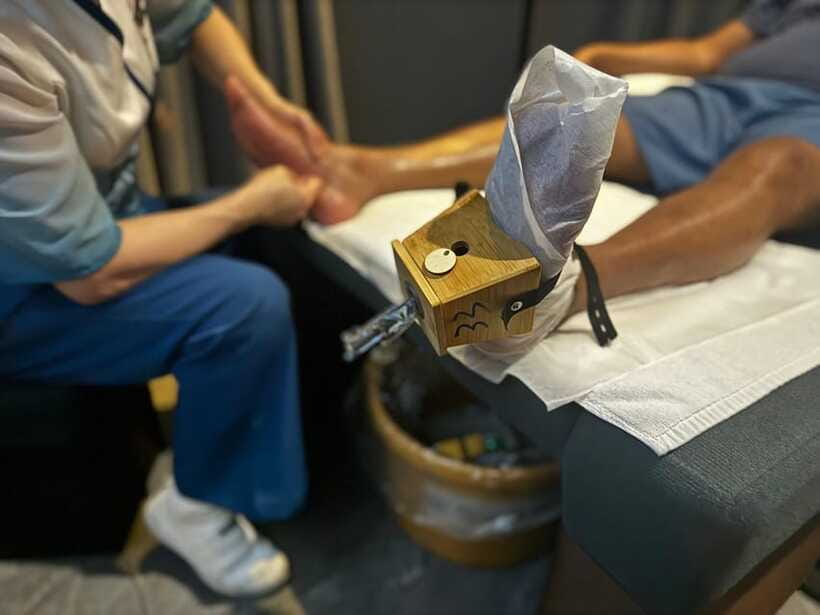
- Moxibustion for 60 minutes at 370 CNY, about 45 euros
- Hair, head, and scalp washing with a relaxing scalp and shoulder massage for 60 minutes at 300 CNY, about 37 euros
The price information contains a small variation for cupping, with one section listing 100 CNY and another listing 120 CNY. Ask Bonnie or the spa to confirm the current amount before treatment. You can pay with Alipay or cash.
That arrangement can be good value if you want a focused treatment at a modest local price. It is less appealing if you expect the advertised booking amount to cover a full massage. Read the price breakdown before you arrive, and decide which service you actually want rather than agreeing to every option on the spot.
Other hot water to sit in near Shanghai:
- Beijing : SHUIGUO luxury SPA & Recreation Club day ticket
★ 4.5 · 27 reviews
Meeting Bonnie and finding the spa
The meeting point can change according to the treatment you book. That makes direct communication important, especially if you do not speak Chinese or are trying to fit the appointment between sightseeing stops.
Bonnie is a major part of the practical side of this experience. She contacts customers through WhatsApp, answers questions, explains the treatment, and helps with communication at the spa. She has also helped people find the location and, in some cases, met them personally when directions became confusing.
You should still check the exact meeting instructions shortly before the appointment. Do not assume that every treatment uses the same location. If you are arranging your own transport, Bonnie can also help explain the destination to a driver, though transportation is not part of the stated package.
This support is especially useful for a first visit to Shanghai. A massage appointment sounds simple until you need to explain pressure, treatment type, payment, or where to meet. Having someone who can bridge that gap takes much of the strain out of the visit.
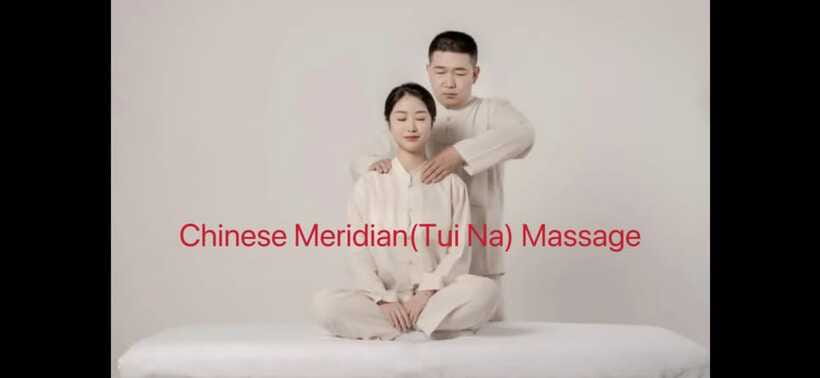
Choosing Tui Na, the traditional Chinese massage
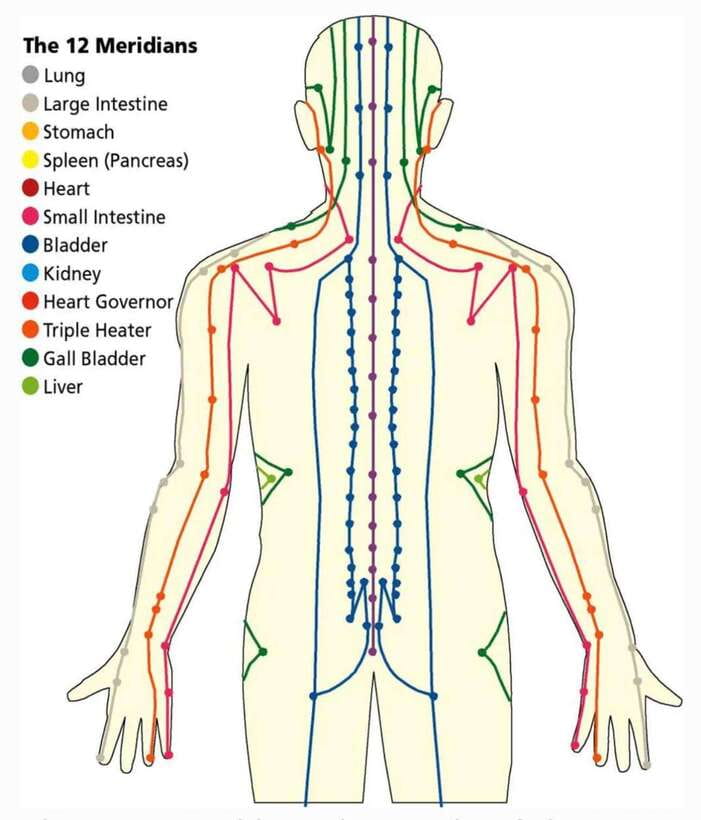
Tui Na is the best choice if you want the most recognizable Chinese bodywork experience. The treatment uses firm pressure, flowing movements, and attention to pressure points rather than the gentle, oil-heavy style common in many Western spas.
You can choose the standard 60-minute Tui Na massage for 250 CNY, or add oil for 300 CNY. The oil option may appeal to you if you prefer smoother strokes. If you want a more direct, pressure-focused treatment, the traditional version is the clearer introduction to meridian massage.
The description presents Tui Na as a way to work on tension, circulation, joints, and overall relaxation. In practical terms, you should expect pressure that may feel stronger than a basic relaxation massage. Tell the therapist if you need lighter pressure, and make your preferences clear through Bonnie or the staff before the session begins.
This can be a smart choice after several days of walking around Shanghai. One customer specifically found that the treatment loosened travel-related knots and improved neck movement. That does not mean the same result is guaranteed for you, but it explains why the service may appeal after a long flight or a busy sightseeing schedule.
Foot massage for tired sightseeing legs
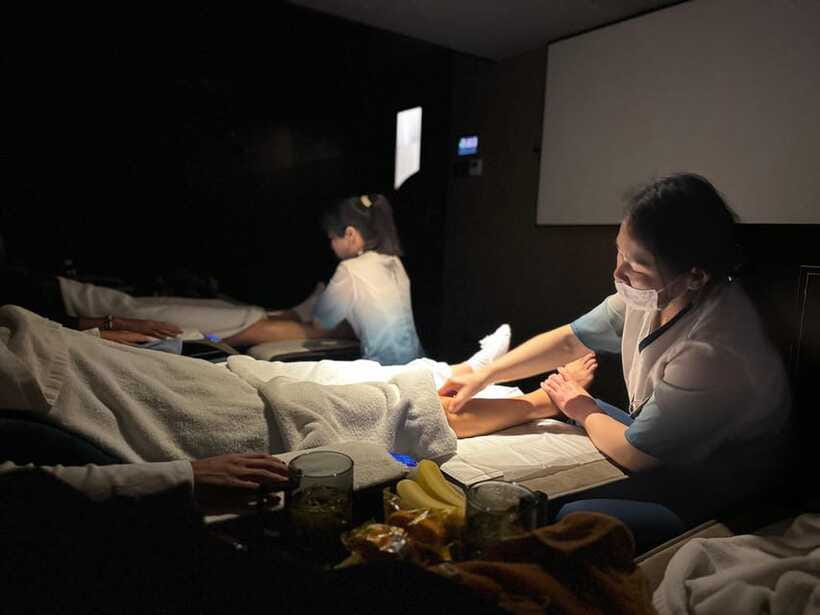
The traditional foot massage costs 220 CNY for 60 minutes, making it the least expensive full treatment listed. For many people, it is also the most practical choice after a day spent walking through museums, markets, temples, and city streets.
The treatment follows a pressure-point approach associated with traditional Chinese practice. You may find the attention to different parts of the foot more intense than a soft pedicure-style massage. If your feet are tired but you do not want full-body pressure, this is a sensible middle ground.
One useful combination is foot massage with moxibustion, although the supplied information does not clearly state whether that is packaged together or booked as separate services. Confirm the total cost and timing before you start. A foot massage can also work well for couples or friends who want the same general experience without choosing a full body treatment.
Same city, a completely different day:
- Authentic Local Food Tour in Central Shanghai
★ 5.0 · 1,382 reviews - Zhujiajiao Water Town and Shanghai City Private Day Tour
★ 5.0 · 1,016 reviews - Private Shanghai Full Day City Tour with Old and New Highlights
★ 5.0 · 995 reviews - Shanghai: Hop-on Hop-off Bus Ticket and Optional Attractions
★ 3.4 · 692 reviews
Cupping and what the marks mean
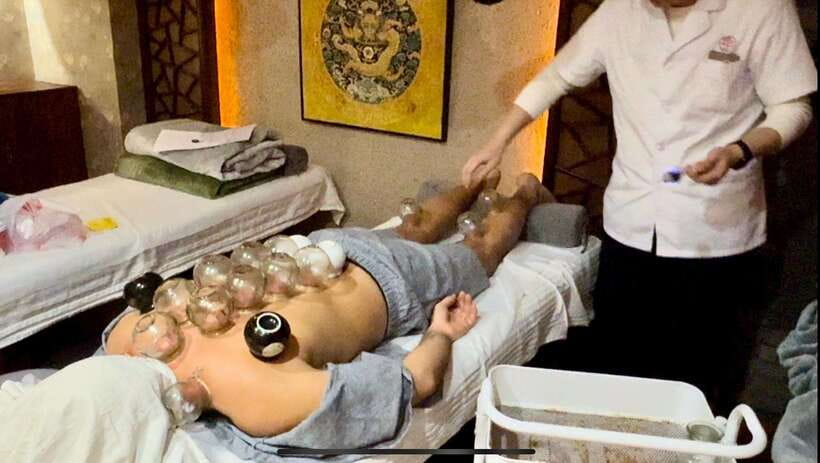
Cupping is a short add-on of about 10 minutes. Small cups create suction against the skin, leaving circular red or purple marks. These marks are a normal part of the treatment and can last after you leave.
The practice is linked to traditional Chinese medicine and is presented here as a way to address muscle tension and encourage local blood flow. You should treat it as a traditional wellness practice, not as a replacement for medical care. If you have concerns about your skin, circulation, or any health condition, ask a medical professional before booking.
The practical issue is timing. Do not choose cupping immediately before an event where you want your back or shoulders uncovered. It can be a useful add-on after massage, but it is not essential if you simply want to relax without visible marks.
Because the price is listed differently in two parts of the information, confirm whether the current fee is 100 or 120 CNY. That small check avoids an awkward surprise at the counter.
Moxibustion and the warmth of mugwort
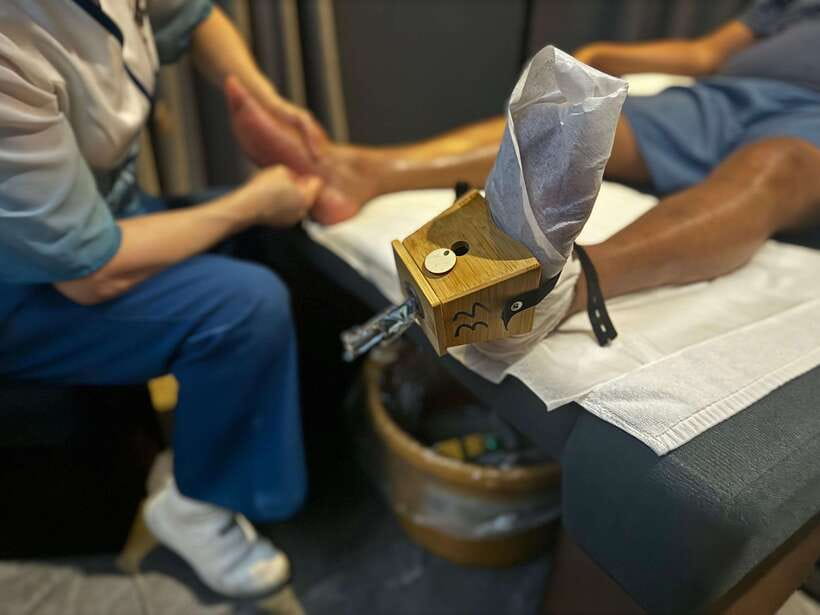
Moxibustion uses dried mugwort to warm selected points on the body. The listed session lasts 60 minutes and costs 370 CNY, about 45 euros. The advice is to take it during the daytime, which is worth following when you plan your appointment.
This is the most expensive treatment on the menu and the one that requires the clearest explanation before you begin. Ask where the warmth will be applied, how the session is structured, and whether it is appropriate for you. The experience is described as gentle heat connected with qi and traditional healing practices.
I would choose moxibustion only if you are genuinely interested in Chinese medicine and want more than a standard massage. If your goal is simple relief after walking, Tui Na or foot massage gives you a more straightforward choice at a lower price.
Pregnant women should not book this activity. If you have any other medical concern, get professional advice before choosing moxibustion, cupping, or firm massage.
The hair, head, and scalp spa
The hair, head, and scalp treatment is a different experience from the body massage. It lasts 60 minutes and costs 300 CNY, about 37 euros. It includes hair and scalp washing, relaxation work, and a shoulder massage.
This is a good pick if you want a calmer, more grooming-focused treatment. It can also be a welcome change after several hot or dusty days in the city. The shoulder massage adds some bodywork without committing to a full traditional massage.
The scalp service received particularly warm personal feedback. One person noted that their hair felt soft and shiny afterward, while others enjoyed the refreshed feeling. Those results depend on your hair and the products used, but the service offers a clear practical benefit beyond relaxation.
Ask whether the hair treatment can be done alongside another massage or whether you must choose one 60-minute service. The available information presents them as optional treatments, but it does not promise a combined package.
Tea, snacks, and the end of the session
After the treatment, you receive traditional Chinese herbal tea and tea snacks. Some descriptions also mention fresh fruit. This is a small detail, but it gives the visit a more local rhythm than simply paying and walking back into the city.
Use this time to tell Bonnie or the spa staff how you feel. If you had too much pressure, wanted more work on one area, or found the cupping uncomfortable, say so before leaving. The tea break is also useful if you need help with directions, transport, or choosing another activity in Shanghai.
The finish matters because the treatment itself can be quite direct. A few quiet minutes with tea helps you shift back into sightseeing mode rather than rushing straight onto a busy street.
Clean, caring, but not luxury
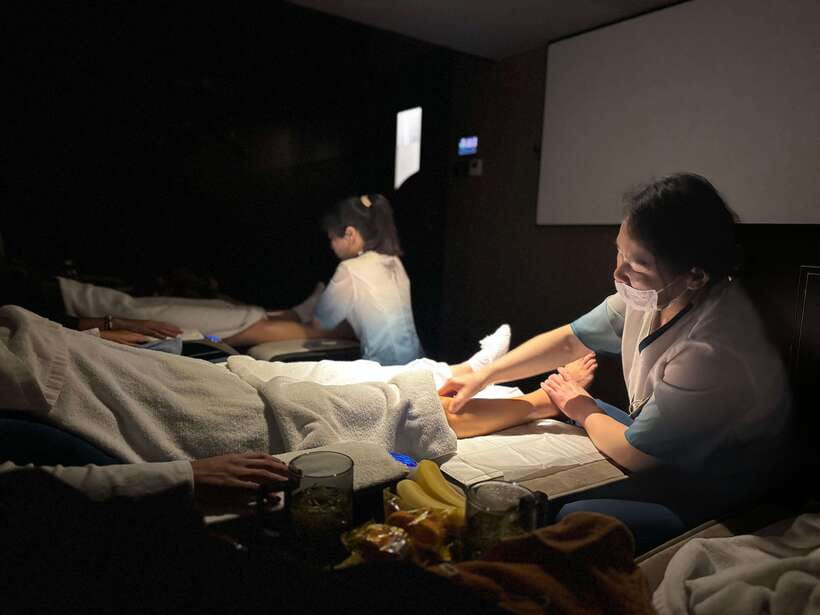
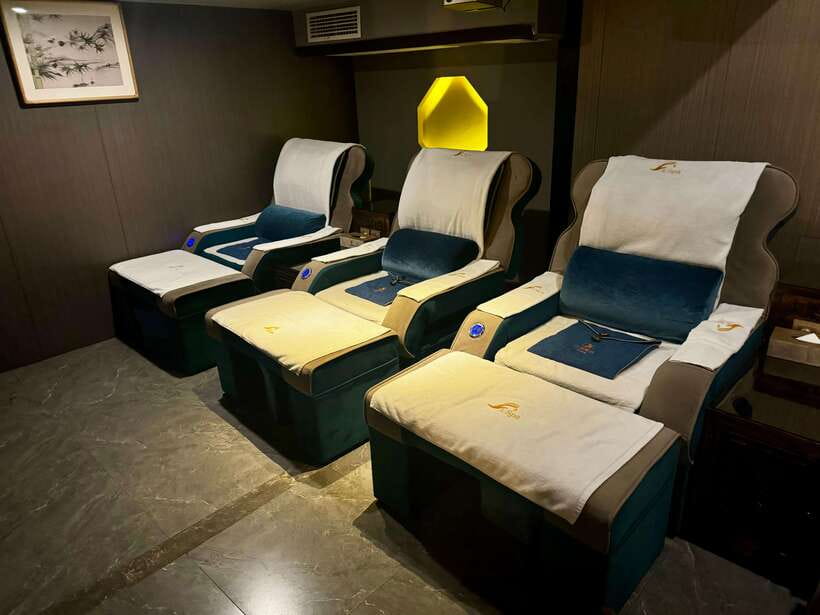
The strongest practical picture is of a clean, comfortable place with caring staff, not an elaborate hotel spa. You should set your expectations accordingly. The value comes from the treatment, the communication help, and the local style of massage, not from grand decoration or high-end facilities.
The setting is described as comfortable and calm. The spa is wheelchair accessible, and a small-group format is available. Still, the exact room setup and meeting point may depend on the option you book, so ask specific questions if accessibility is important to you.
Bonnie’s involvement also changes the feel of the appointment. She can explain each step, translate conversations, and clarify prices. That support is especially valuable when you are uncertain about traditional treatments or worried about being pressured into extras.
How the cost compares with the experience
The basic advertised price of 2 US dollars per person can be misleading if you read it as the cost of a full massage. It represents the reservation commission fee, while the treatment prices are separate. Your realistic cost is closer to 220 to 370 CNY for a 60-minute treatment, depending on what you choose, plus any add-ons.
At roughly 27 to 45 euros, the treatment prices are reasonable for a dedicated hour of massage or scalp care, especially when compared with hotel spas. The value is strongest for Tui Na at 250 CNY or foot massage at 220 CNY. Moxibustion costs more, so it makes sense mainly for someone interested in that specific tradition.
The reservation is flexible: you can cancel up to 24 hours in advance for a full refund, and reserve now while paying later. These terms help if your Shanghai schedule is uncertain. Confirm all optional prices before treatment, particularly cupping.
Who should book this experience
I would recommend this for you if you want a local-style massage, are comfortable with firm pressure, and appreciate help with translation. It is also a good choice after a long flight, a full day of walking, or a packed Shanghai itinerary.
The experience suits:
- First-time visitors who want help arranging a traditional treatment
- People interested in Tui Na and Chinese medicine practices
- Couples or friends who want a one-hour wellness break
- Anyone who prefers a foot massage or scalp treatment to a full-body massage
- Visitors who value clear communication more than luxury design
You may want to skip it if you expect a resort-style spa, dislike strong pressure, do not want to pay separately for the treatment, or are uncomfortable with temporary cupping marks. It is also not suitable for pregnant women.
Should you book the Shanghai Chinese massage experience?
Book it if your main goal is a reasonably priced, culturally specific massage with strong personal assistance. Choose Tui Na for traditional bodywork, foot massage for tired legs, or the scalp spa for a gentler grooming session. Add cupping or moxibustion only after you understand the marks, heat, timing, and price.
The real advantage is the combination of treatment and human help. Bonnie’s translation and organization can make a simple spa visit much easier, particularly when you are new to China. Just remember that the low booking price is not the full treatment cost, and confirm the exact meeting point and optional fees before you arrive.
FAQ
How long does the treatment last?
The main treatments are listed as 60 minutes. Cupping is listed as about 10 minutes. Tea and snacks are provided after the therapy.
What treatment options are available?
You can choose traditional Tui Na meridian massage, Tui Na with oil, traditional foot massage, cupping, moxibustion, or hair, head, and scalp washing with a relaxing scalp and shoulder massage.
How much do the treatments cost?
Tui Na costs 250 CNY for 60 minutes, oil massage costs 300 CNY, foot massage costs 220 CNY, moxibustion costs 370 CNY, and the hair, head, and scalp spa costs 300 CNY. Cupping is listed at 100 to 120 CNY, so confirm the current price.
Is the booking price the full cost of the massage?
No. The reservation commission fee is included in the booking price, while the listed massage and spa treatments are optional and charged separately.
Can I pay with Alipay?
Yes. The spa accepts both Alipay and cash.
Is the experience suitable for pregnant women?
No. Pregnant women are specifically listed as not suitable for this activity.
New reviews from Shanghai
- Shanghai: 3-Hour Old Shanghai City Tour★ 4.9 · 45 reviews
- Make Soup Dumpling: Vegan or Pork in Shanghai Shikumen★ 4.9 · 6 reviews
- Immerse in Suzhou & Tongli: Private Day Trip★ 5.0 · 10 reviews
- Wuzhen Private Full-Day Tour from Shanghai★ 5.0 · 4 reviews
- Half-Day Zhujiajiao Water Town Wonders Small Group Tour★ 4.5 · 10 reviews
- Half-Day Zhujiajiao Water Town Wonders Private Tour★ 4.7 · 14 reviews
- Hangzhou Private Day Trip by Bullet Train from Shanghai★ 4.5 · 5 reviews
- From Shanghai: Hangzhou Private Day Trip by Bullet Train★ 4.6 · 15 reviews
Tours in Shanghai, compared.
Authentic Local Food Tour in Central Shanghai
Read our review →
Zhujiajiao Water Town and Shanghai City Private Day Tour
Read our review →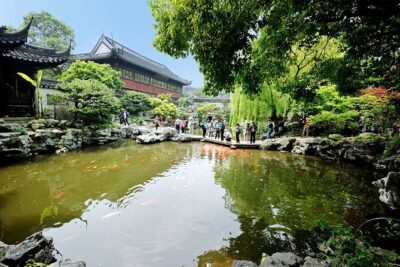
Private Shanghai Full Day City Tour with Old and New Highlights
Read our review →
Hop-on Hop-off Bus Ticket and Optional Attractions
Read our review →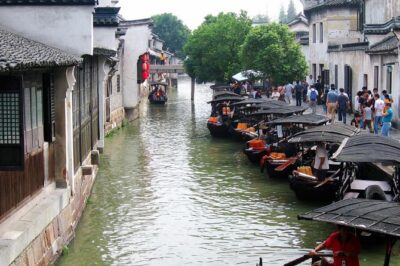
Shanghai Private Tour: Zhujiajiao Water Town and Boat Ride
Read our review →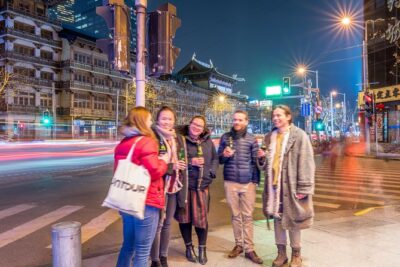

Huangpu Night Cruise: Cozy Vibe & Modern Shanghai Glow
Read our review →
Browse the lists this tour appears in