
Reviewed · CITY HIGHLIGHTS TOURS
Shanghai: Yuyuan, City God Temple Old City Tour-Tip Based
Shanghai’s old city is at its best when you look past the grand gates and notice the small details: worshippers at the City God Temple, zodiac figures in costume, herbal drawers in a medicine shop, and the narrow paths around Yuyuan. This two-hour walking tour connects those pieces in a compact way, with an English-speaking guide explaining what you are seeing.
I like the visit to Tonghan Chuntang, where you can learn about traditional Chinese medicine and sample the so-called king of herbs. I also like the small group, limited to 10 people, because it gives you a better chance to ask about Taoism, food, shopping, and Shanghai life. The main drawback is simple: this is a walking tour over busy, uneven old-city paths, so it is not suited to people with mobility impairments.
Key points at a glance
- City God Temple and Taoist customs: Learn how temple worship, folk religion, gods, wishes, and festivals fit into daily Chinese culture.
- Yuyuan’s classic garden views: See the 9 Zig-Zag Bridge and Mid-Lake Pavilion, two of the area’s most recognizable sights.
- Traditional medicine stop: Visit Tonghan Chuntang and sample a traditional herbal product known as the king of herbs.
- Local guide Jie: Jie has led especially personal tours, with clear English, cultural comparisons, and practical Shanghai advice.
- Small group format: The group is capped at 10, which suits travelers who want questions answered without a large crowd.
- Easy-to-budget price: The listed price is $2.36 per person, and the experience is tip-based, making it a low-cost way to get oriented.
Why Shanghai’s old city is worth two hours
Shanghai is famous for its modern towers, but the Yuyuan area gives you a different read on the city. Here, old religious customs, garden design, shop-house streets, small markets, and ordinary neighborhood life sit close together.
The tour begins at Yuyuan Garden metro station Exit 1, served by Lines 10 and 14. Look for the guide with a red umbrella. The meeting point is at the station exit in Huangpu District, and the tour finishes at Ancient City Park rather than returning to the starting point.
That ending matters if you are planning the rest of your day. You can continue exploring the old city, seek out food nearby, or use the tour as a quick orientation before visiting other parts of Shanghai.
At $2.36 per person, the price is unusually low for a guided city walk. Since the experience is tip-based, you should treat the listed amount as the booking price rather than the full measure of what the guide’s work is worth. The best value comes from the explanations and local advice, not from expecting an elaborate sightseeing package.
More City Highlights Tours in Shanghai
- Private Shanghai Full Day City Tour with Old and New Highlights
★ 5.0 · 995 reviews - 4-Hour Flexible Private Shanghai City Tour
★ 5.0 · 235 reviews - Shanghai: 8-Hour Private City Tour
★ 4.9 · 230 reviews
Yuyuan Old Street, where the tour gets its bearings
The first stop is Yuyuan Old Street, with about 30 minutes of guided time. This is a useful opening because the area can feel confusing at first, with garden buildings, shops, food stalls, temple structures, and crowds sharing a small space.
Your guide introduces the old city and explains how living spaces have changed over time. That theme gives the walk more purpose than simply pointing out attractive buildings. You begin to notice the difference between the preserved traditional setting and the way modern residents now use the surrounding streets.
You will also encounter the Chinese 12 Zodiac animals, each shown with its own costume. This is a light and memorable way to start learning about Chinese cultural symbols, and it gives you a personal connection to the stop. Ask about your own zodiac animal if the group has time, since this is one of the tour’s more conversational details.
Yuyuan Old Street is also a shopping area, so you may find it busy and commercial. If you want a quiet garden visit, this portion will not provide it. Its value is in helping you understand the setting before the tour moves to religious customs and local traditions.
Tonghan Chuntang and the king of herbs
The 20-minute stop at Tonghan Chuntang brings the tour into traditional Chinese medicine. You can see how an old-style medicine shop presents herbs and learn why herbal remedies remain an important part of Chinese health traditions.
The memorable feature is the chance to sample the king of herbs. The supplied information does not specify the exact herb or how it is prepared, so expect a small introduction rather than a full medical consultation. You should also treat the visit as cultural education, not personal health advice.
I like this stop because it moves beyond architecture. A temple or garden can look beautiful without telling you much about everyday beliefs, but a medicine shop shows another way Chinese tradition continues in ordinary life.
This is also a good place to ask questions about taste, use, and local attitudes toward herbal medicine. Keep personal belongings secure while moving through the area, and do not smoke during the tour.
City God Temple and the beliefs behind it
The longest stop is the 40-minute guided visit to the City God Temple of Shanghai. This is the heart of the experience, especially if you want more than a quick photograph of the temple gates.
Your guide explains Taoism and Chinese folk religion, along with common beliefs and celebrations. You will hear about important gods, local customs, and the role of wishes and rituals. The temple visit can help you understand why religious buildings in China may serve both formal Taoist practice and popular folk traditions.
You may also have a chance to make a wish. That small act gives the visit a personal side, but the tour is not presented as a formal religious ceremony. It is a guided look at customs and beliefs, with room for cultural questions.
The City God Temple area can be crowded, and the setting is active rather than hushed. You may need to stay close to the guide and listen carefully. The small group helps here, since a 10-person maximum is easier to keep together than a large coach group.
The strongest reason to choose this tour is the way the temple is explained. Without context, you might see incense, statues, and ritual spaces without knowing their meaning. With a guide such as Jie, you can ask how Taoism connects with local customs and how these traditions differ from religious practices you may know at home.
Other ways to see the best of Shanghai in a day:
- 4-Hour Private Shanghai City Tour with Old and New Highlights
★ 5.0 · 199 reviews - Shanghai: 4-Hour Private Customizable City Tour
★ 5.0 · 99 reviews - 4-Hour Private Customized Shanghai City Tour
★ 5.0 · 91 reviews - Shanghai: 4-Hour Guided City Highlights Tour
★ 5.0 · 70 reviews
The 9 Zig-Zag Bridge and Mid-Lake Pavilion
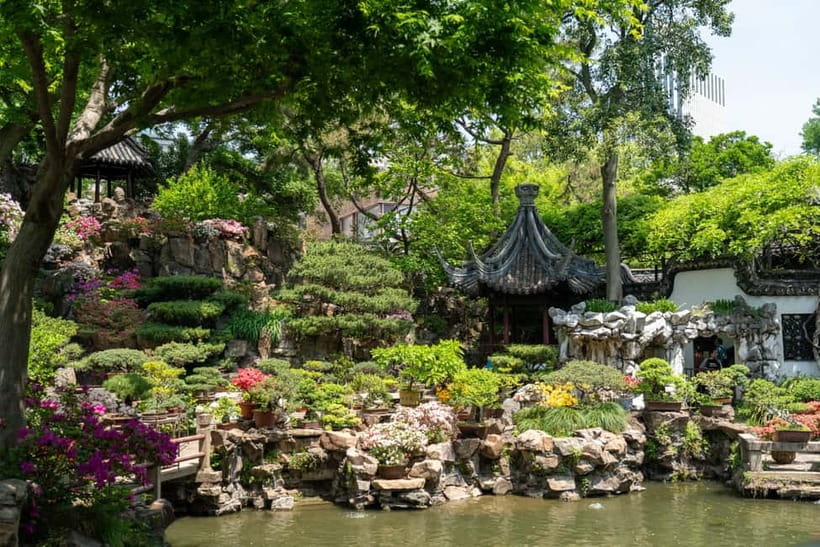
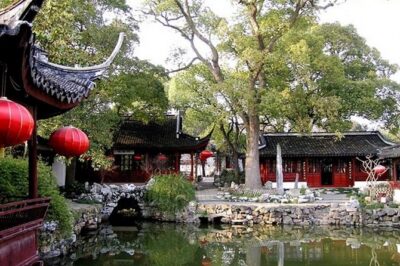
The route includes the scenic 9 Zig-Zag Bridge and Mid-Lake Pavilion at the Yuyuan garden area. The bridge’s bends are not just a practical path across the water. They are part of the garden’s visual design and offer changing views as you walk.
The Mid-Lake Pavilion is another classic stop for photos and a short pause. These views provide a welcome change from the dense streets around the temple and shops. If the area is crowded, your time for quiet reflection may be limited, but the guide can still point out the garden features that are easy to miss.
The itinerary lists Lake Pavilion Tea House for 20 minutes of guided time. The information provided does not promise a tea tasting or a seated tea service, so you should not book this tour expecting a dedicated tea ceremony. Think of it as a garden and pavilion visit with cultural explanation.
Comfortable shoes are important here. The tour lasts two hours, includes several stops, and follows walking routes through an old urban district. Even if the distance is manageable, crowded paths and frequent standing can make poor footwear unpleasant.
Yuyuan Garden Smallware and the local market
The Yuyuan Garden Smallware stop lasts about 20 minutes and brings you back to local commerce. You can browse a Shanghai small-product market and see examples of local craft and everyday goods.
This section works best if you enjoy looking rather than shopping with a fixed list. The information does not specify particular products, prices, or guaranteed purchases, so keep your expectations open. You might find small souvenirs or craft items, but the main point is to see how shopping fits into the old-city setting.
A guide can make a difference here by explaining what is local, what is made for visitors, and what kinds of goods are common in the area. You can also ask for recommendations on where to eat or what to see after the tour. Practical advice is one of the strongest extras included in this experience.
The market may feel more commercial than authentic in a strict sense. Still, Shanghai’s old city has long been a place where worship, trade, food, and neighborhood life overlap. This stop shows that the area is not a museum frozen in time.
Ancient City Park provides a quieter finish
The tour ends at Shanghai Ancient City Park, where old relics and a calmer setting provide a change of pace. After the temple, market, and old streets, the park gives you a chance to slow down and take stock of what you have seen.
Because the tour ends here, you should plan ahead if you need to return to the metro station or meet someone at the original starting point. The walk does not loop back to Yuyuan Garden station according to the stated route.
Ancient City Park is a sensible final stop. The tour begins with the movement and commercial energy of Yuyuan Old Street, passes through religious and cultural sites, and finishes with a more peaceful public space. That shape makes the two hours feel like a small story about the old city rather than a string of unrelated addresses.
The guide makes the difference
The experience is offered in English, and the group is limited to 10 participants. That combination suits you if you want to ask questions about culture rather than simply follow a guide from one photo stop to another.
Jie is the guide name most closely associated with the strongest personal accounts of this experience. Her English is described as clear, and her background of extensive travel helps her compare Chinese customs with other cultures. She is also praised for making the history easy to follow and for keeping the mood friendly and relaxed.
That matters because Taoist ritual, folk religion, zodiac traditions, and Chinese medicine can be hard to understand through signs alone. A guide needs to explain without turning the walk into a lecture. The available feedback points to Jie as warm, prepared, engaging, and willing to answer questions.
Other guides may lead the tour, so you should not assume Jie will always be your guide. The advertised service is an English-language tour, and the guide’s role includes local recommendations and travel tips. If you want a highly formal academic lecture, this may feel too casual. If you prefer a personal introduction with room for conversation, the style should suit you well.
Who should book this walk
I would choose this tour if you have only a short time in Shanghai and want a quick introduction to the old city. Two hours is enough to see several major elements without giving up an entire day.
It also suits you if you are curious about Taoism, folk religion, zodiac traditions, or Chinese medicine. Those subjects receive more attention here than they would on a standard photo walk.
Food shoppers and souvenir hunters may like the market portion, while garden lovers will appreciate the bridge and pavilion stops. The tour is also useful early in a Shanghai visit because the guide can suggest places to visit later.
I would be more cautious if you want a quiet garden experience, a full historical tour, or a specialist lecture on Chinese religion. The route includes commercial streets and active temple grounds, and the two-hour schedule means each stop receives a focused introduction rather than a long study.
You should also skip it if walking is difficult. Mobility impairments are specifically listed as a concern, and the route includes old-city streets, gardens, markets, and temple areas. Comfortable footwear is not a minor suggestion here.
Booking details that affect your day
Meet at Yuyuan Garden metro station Exit 1, marked in Chinese as 豫园站1号口. Lines 10 and 14 serve the station. If you use a taxi, show the driver Yuyuan Garden metro station Exit 1, or the Chinese address 豫园, 1号出口, Shanghai, Huangpu District.
Look for the red umbrella, which is the meeting signal. The stated meeting information includes both Exit 1 and a separate reference to Exit 3 in the route summary, so use the detailed meeting instruction, Exit 1, and confirm the meeting point when booking if anything appears different.
The tour lasts two hours, but available start times depend on the date. Cancellation is free up to 24 hours before the activity for a full refund, and you can reserve now and pay later. Smoking is not allowed, and you should keep valuables secure in crowded areas.
Should you book the Yuyuan old-city tour?
Book it if you want an inexpensive, compact walk that connects temple culture, gardens, medicine, markets, and local advice. The best parts are the City God Temple explanation, the traditional medicine stop, and the chance to ask a small-group guide questions you would not get answered by a sign.
The $2.36 listed price makes it an easy addition to a Shanghai itinerary, though the tip-based format means you should budget with appreciation for the guide’s time in mind. Choose it early in your stay if you want help planning the rest of your visit.
Skip it if you need step-free access, dislike crowded commercial districts, or want a long, scholarly tour of Yuyuan Garden. For most able walkers seeking a friendly introduction to Shanghai’s old city, this is a practical two-hour starting point.
FAQ
How long does the Shanghai old-city tour last?
The tour lasts two hours.
Where does the tour meet?
Meet at Yuyuan Garden metro station Exit 1, written as 豫园站1号口, in Shanghai’s Huangpu District.
How do I find the guide?
Look for the red umbrella at the meeting point.
Which metro lines reach the meeting point?
Metro Lines 10 and 14 serve Yuyuan Garden station.
Where does the tour finish?
The tour finishes at Shanghai Ancient City Park.
Is the tour offered in English?
Yes. The live tour guide language is English.
How large is the group?
The tour is a small-group experience limited to 10 participants.
Is the tour suitable for people with mobility impairments?
No. People with mobility impairments are listed as not suitable for this experience. You should also wear comfortable shoes for walking.
New reviews from Shanghai
- Shanghai To Beijing Bullet Train Ticket with Local Private Transfer★ 5.0 · 12 reviews
- Shanghai Spicy Food Tour★ 5.0 · 3 reviews
- Shanghai Uncommon Historic Sites Tour★ 5.0 · 3 reviews
- Shanghai Pudong airport transfer to Disneyland:Private with Meet & Great service★ 5.0 · 3 reviews
- Shanghai Tower Observation Deck 118 floor Tickets Pre-booking.★ 5.0 · 4 reviews
- Pudong Airport to Hangzhou: Private with Meet and Greet Service★ 4.5 · 4 reviews
- Private Transfer: Hotel to Shanghai Wusongkou Cruise Terminal (Baoshan Port)★ 3.5 · 6 reviews
- Shanghai Pudong International Airport (PVG) to Shanghai Hotel★ 5.0 · 4 reviews
City Highlights Tours, compared.

Forbidden City Tour(Group/Private)-Tickets Included
Read our review →
Private Shanghai Full Day City Tour with Old and New Highlights
Read our review →
Mini Group Discovery Forbidden City Tour with Hotel Pickup option
Read our review →
Mini Group: Beijing Forbidden City Tour with Great Wall Hiking at Mutianyu
Read our review →
Xi’an in A Day: Terracotta Army+City Highlights+Family Lunch
Read our review →

4-Hour Private Shanghai City Tour with Old and New Highlights
Read our review →Browse the lists this tour appears in