
Reviewed · FRENCH CONCESSION TOURS
Shanghai French Concession Walking Tour-Tip Based
Shanghai’s French Concession is best understood on foot, one tree-lined street and old doorway at a time. This 2.5-hour walk with Bill, a Shanghai native, links grand hotels, former colonial sites, lane houses, and polished modern districts. I like that the route moves beyond postcard buildings, and I like the personal angle that comes from a guide who was born and raised in the city.
The main point to watch is the tip-based pricing. The small booking charge of $3.59 only reserves your place. At the end, the suggested tip is 150 to 300 yuan per person, based on your satisfaction. That makes the final cost much higher than the headline price, so you should know this before booking.
Key points at a glance
- A native Shanghainese guide: Bill leads the walk in English and adds personal stories about the city.
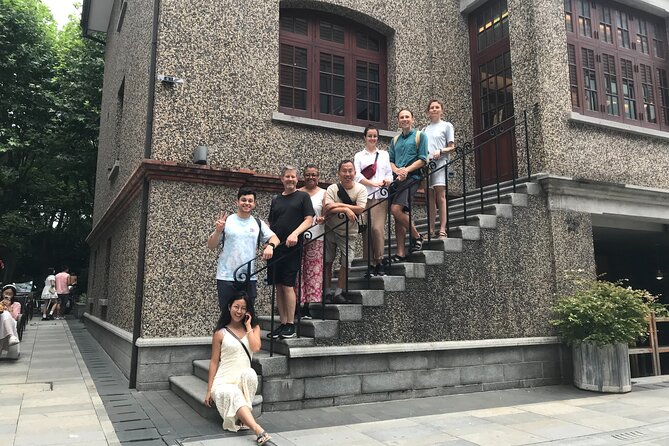
- Six stops in one historic district: The route covers the former French Club, Jinjiang Hotel, the old racecourse, lane houses, Sinan Mansions, and Xintiandi.
- A useful mix of old and new: You move from former foreign-administered sites to restored housing compounds, cafés, galleries, and shops.
- A proper walking pace: The tour lasts about two and a half hours, with breaks to sit down along the way.
- A tip-based cost structure: Pay $3.59 to reserve, then give the guide a recommended 150 to 300 yuan tip at the end.
- Easy finish near the subway: The walk ends at Xintiandi, close to South Huangpi Road station, with places to rest, shop, and eat.
Why the French Concession works so well on foot
The French Concession was administered by the French government from 1849 to 1943. Its broad, tree-lined avenues and older houses still carry traces of the period when Shanghai was divided into foreign-administered areas.
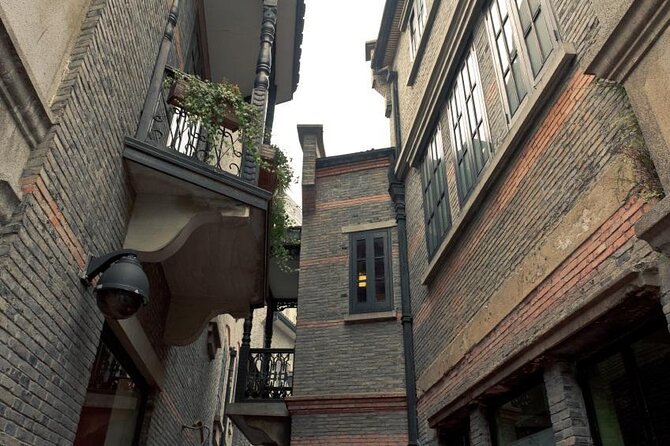
You will notice the look before you understand the history. Wrought-iron fences, stair railings, shaded sidewalks, and European-style façades give the district a character unlike other parts of Shanghai. At the same time, this is not a preserved European town. Chinese influence, modern commerce, restored compounds, and ordinary city life remain part of the view.
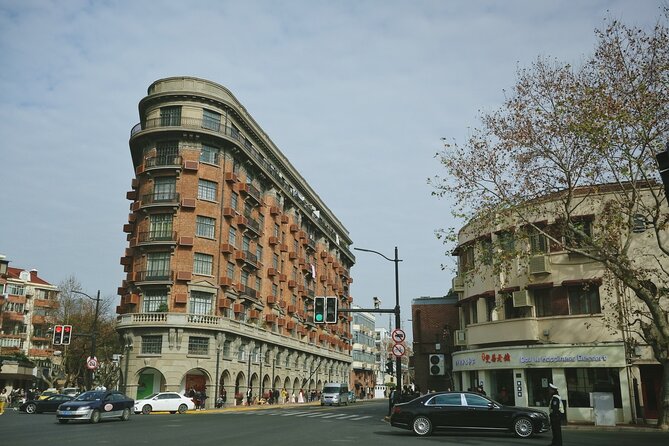
That mixture is the real appeal. The walk does not stay in one narrow historical period. You see former institutions, diplomatic landmarks, local housing, art-deco buildings, cafés, and shopping streets. I find that useful because it shows how Shanghai keeps reworking its past rather than placing it behind glass.
Other walks through old Shanghai:
- Eat Like a Local Through Shanghai’s French Concession
★ 5.0 · 353 reviews - Late Night Food Tour in the Shanghai’s French Concession
★ 5.0 · 260 reviews - Shanghai Breakfast Walking Tour of Former French Concession
★ 5.0 · 139 reviews
Starting at the former French Club
The walk begins at the Okura Garden Hotel Shanghai, at 58 Mao Ming Nan Lu. The first stop is the site of the former French Club, where you spend about 20 minutes.
The stop is a good introduction to the district because it connects the French Concession’s social life with the buildings and streets around it. You are not simply looking at architecture. You are beginning to see how foreign clubs and institutions helped shape this part of Shanghai.
Admission is included, and the tour moves at street level. That matters because the French Concession is a district to observe from the outside. The pleasure comes from details such as railings, entrances, trees, and the way older buildings sit beside modern Shanghai.
The meeting point is near public transportation, but the exact route you use to reach it is up to you. Give yourself enough time to find the Okura Garden Hotel, especially if this is your first visit to the area.
Jinjiang Hotel and a major diplomatic moment
From the former French Club, the walk continues to Jinjiang Hotel. The group spends about 20 minutes here, visiting what is described as China’s oldest modern hotel.
This stop adds political history to the architectural story. Jinjiang Hotel is linked to the announcement of the Sino-US joint declaration on normalizing relations. That gives the building a role far beyond its function as a hotel. You get a sense of how Shanghai sites can connect local streets with decisions that affected international relations.
I like this part of the route because it prevents the French Concession from feeling like a simple style tour. The buildings are attractive, but their importance also comes from what happened inside them.
You should expect to hear the historical context from the guide rather than enter every building. The itinerary lists free admission, but it does not promise access to private interiors. Much of the value comes from understanding the site while viewing it from the public route.
The former French racecourse at 文化广场
The third stop is 文化广场, where you visit the former French racecourse. The scheduled time is another 20 minutes.
A former racecourse gives the tour a broader view of colonial Shanghai. It shows how leisure, status, and foreign institutions shaped the city during the French-administered period. This is a useful contrast with the residential lane houses later in the walk.
The Chinese name may appear as 文化广场 on maps and signs, so keeping that name handy can help with orientation. The stop is part of a walking route rather than a separate admission-based attraction, and there is no ticket charge listed.
This is also where the route’s storytelling matters. A bare list of sites would not tell you much about why a racecourse belonged in this district. Bill’s role is to connect the place to the city’s development and explain its place in Shanghai’s past.
Other walks around Shanghai:
- Shanghai City Guided Walking Tour | China’s 1st and Best Rated
★ 5.0 · 285 reviews - Shanghai Highlights Walking Tour With A Real Local
★ 4.9 · 153 reviews - Private Shanghai Evening Street Food Walking and Cruise Tour
★ 5.0 · 123 reviews - Shanghai: Evening Walking Food Tour
★ 4.9 · 115 reviews
Huaihaifang and the everyday lane house
At Huaihaifang, the focus shifts from grand public institutions to a local lane house compound. You spend around 20 minutes here.
This is one of the most useful stops for understanding how people lived in the French Concession. A lane house compound is more intimate than a hotel or former club. It helps you see the residential side of the district, where narrow lanes and attached homes formed a very different urban setting from the wide avenues outside.
I like having this stop in the middle of the tour because it gives the walk a human scale. The French Concession is not only about foreign architecture. It is also about neighborhoods, housing, and the way Shanghai residents occupied these spaces.
Be respectful around residential areas. The itinerary identifies Huaihaifang as a site to visit, but it does not promise entry into private homes. The most useful approach is to listen, observe, and avoid treating lived-in areas like a film set.
Sinan Mansions and restored art-deco style
The fifth stop is Sinan Mansions, described as one of Shanghai’s most fashionable quarters. About 51 art-deco residential blocks were remodeled into a compound of cafés, shops, and other venues.
This section shows the French Concession in its newer form. Older residential architecture has been given a fresh commercial life, so you can compare original design features with the way Shanghai uses historic buildings today.
There is plenty to look at here: the art-deco style, the layout of the blocks, and the change from private housing to a district built for dining and leisure. You may also find this stop more polished and commercial than Huaihaifang. That is not a flaw, but it is worth knowing. The route presents both the old neighborhood feel and the carefully restored version.
The 20-minute stop is enough to get a sense of the area, but not enough for a long meal or serious shopping. If Sinan Mansions catches your interest, you can return later on your own.
Ending at Xintiandi
The walk ends at Xintiandi, at 123 Madang Road, near South Huangpi Road subway station. You spend about 20 minutes here.
Xintiandi is a modern district made from restored lane houses. Cafés, souvenir stores, and art galleries now occupy what was once a run-down lane house area. It is an easy place to continue your afternoon because you can rest, shop, or dine after the guide leaves.
This final stop neatly sums up the tour’s main idea: Shanghai keeps changing while retaining selected pieces of its older streets. Xintiandi is attractive and convenient, but it is also the most commercial part of the route. If you want a less polished sense of local life, pay close attention at Huaihaifang and along the earlier streets.
Ending at a subway station is practical. You are not left at an isolated landmark, and you can continue to another part of the city without arranging a separate transfer. The end point also makes the tour easy to pair with an evening meal.
What Bill adds to the walk
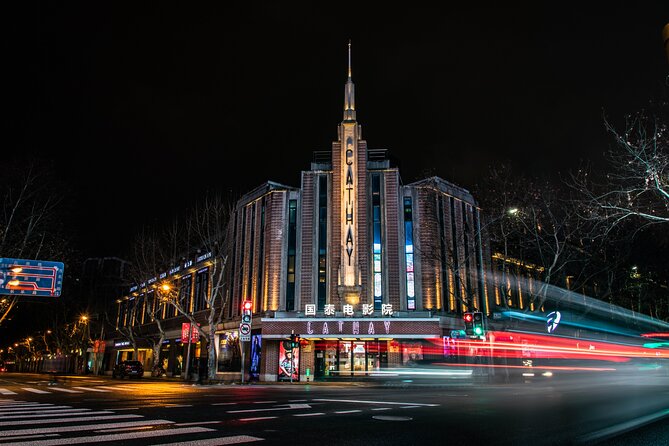
The guide is Bill, an English-speaking native of Shanghai who has lived in the city all his life. His personal connection is central to the way this tour is presented. You are not simply following a guidebook route through foreign-era buildings.
Bill is also described as having traveled to several countries, which gives him a wider point of comparison when explaining Shanghai. The most useful part of that background is his local perspective. He can place the French Concession within the city he knows, rather than presenting it only as an imported European district.
The feedback attached to the experience repeatedly highlights his friendly manner, clear explanations, patience, personal anecdotes, and ability to take photographs. One person specifically noted that the two and a half hours included several chances to sit down. That is worth noting if you want a walk with pauses rather than a nonstop march.
The group limit is listed as up to 100 people. That is a large possible maximum, even if actual attendance may be smaller. If you prefer an intimate private walk, this format may not be ideal. If you mainly want an organized introduction with an English-speaking guide, the route still covers a lot of ground.
The real price and the value you receive
The $3.59 booking payment is not the full tour price. It reserves your spot, and you are expected to tip the guide at the end. The recommended amount is 150 to 300 yuan per person, described as roughly $20 to $40 in US dollars or euros, depending on your satisfaction.
That payment model can offer good value if you want a flexible introduction to the district and appreciate judging the guide’s work at the end. It also requires a more careful comparison with fixed-price walking tours. At the suggested tip level, the total cost is much closer to a standard paid tour than the booking screen first suggests.
You should carry enough local currency for the tip. The supplied information does not state whether cards or digital payments are accepted at the end, so do not assume a particular payment method.
No attraction admissions are listed as extra. The main paid element is the guide’s gratuity. Food, drinks, shopping, and personal purchases at Xintiandi are not included.
Who will get the most from this route
I would choose this walk if you are visiting Shanghai for the first time and want a clear introduction to the French Concession without planning every street yourself. The route gives you useful landmarks, architectural details, political background, and a practical finish near public transportation.
It also suits you if you prefer local explanation to a purely audio or self-guided walk. Bill’s personal connection to Shanghai is the main reason to pick this option over simply wandering with a map.
The tour is less suited to you if you want long interior visits, museum collections, or extensive time at each stop. Each location receives about 20 minutes, so the format favors a broad look at six sites rather than a detailed study of one or two buildings.
Most people can take part, and service animals are allowed. The tour requires good weather, so a poor forecast can affect the schedule. Comfortable walking shoes and sun or rain protection are sensible, though the supplied details do not specify the total walking distance.
Booking advice and cancellation terms
Confirmation is provided when you book, and the ticket is mobile. The starting point is the Okura Garden Hotel, while the end is Xintiandi near South Huangpi Road station.
Free cancellation is available if you cancel at least 24 hours before the start time. Changes or cancellations made less than 24 hours before the start time are not accepted for a refund. Cut-off times follow local Shanghai time.
If bad weather causes the tour to be canceled, you are offered another date or a full refund. That policy matters because the experience is outdoors and depends on walking between the sites.
Should you book the French Concession walk?
Book it if you want a story-led introduction to Shanghai’s most distinctive historic district, especially with a local guide who can add personal context. The route has a good shape: former French institutions, a major hotel, a racecourse, residential lanes, restored art-deco blocks, and a modern shopping quarter.
Before paying, make sure you understand the tip system. The $3.59 charge is only a reservation fee, and the recommended final tip is 150 to 300 yuan per person. If that arrangement suits you, this is a useful and well-paced way to get your bearings in the French Concession.
FAQ
How long does the walking tour last?
The tour lasts approximately 2 hours and 30 minutes.
What is the booking price?
The booking price is $3.59 per person. This payment reserves your place and is not the full cost of the experience.
How much should I tip the guide?
The recommended tip is 150 to 300 yuan per person, depending on your satisfaction with the tour.
Who leads the tour?
The guide is Bill, a native of Shanghai who leads the experience in English.
Where does the tour begin?
The tour begins at Okura Garden Hotel Shanghai, 58 Mao Ming Nan Lu, Huang Pu Qu, Shanghai.
Where does the tour end?
The walk ends at Xintiandi, 123 Madang Road, near South Huangpi Road Subway Station.
What places are visited?
The route visits the former French Club, Jinjiang Hotel, the former French racecourse at 文化广场, Huaihaifang, Sinan Mansions, and Xintiandi.
Are admission tickets included?
The listed stops have free admission, and no separate attraction ticket is included or required according to the tour details.
Is the tour suitable for most people?
Most people can participate. The experience is near public transportation, and service animals are allowed.
Can I cancel for a refund?
You can cancel for a full refund up to 24 hours before the experience starts. If poor weather causes the tour to be canceled, you are offered another date or a full refund.
New reviews from Shanghai
- Shanghai To Beijing Bullet Train Ticket with Local Private Transfer★ 5.0 · 12 reviews
- Shanghai Spicy Food Tour★ 5.0 · 3 reviews
- Shanghai Uncommon Historic Sites Tour★ 5.0 · 3 reviews
- Shanghai Pudong airport transfer to Disneyland:Private with Meet & Great service★ 5.0 · 3 reviews
- Shanghai Tower Observation Deck 118 floor Tickets Pre-booking.★ 5.0 · 4 reviews
- Pudong Airport to Hangzhou: Private with Meet and Greet Service★ 4.5 · 4 reviews
- Private Transfer: Hotel to Shanghai Wusongkou Cruise Terminal (Baoshan Port)★ 3.5 · 6 reviews
- Shanghai Pudong International Airport (PVG) to Shanghai Hotel★ 5.0 · 4 reviews
French Concession Tours, compared.
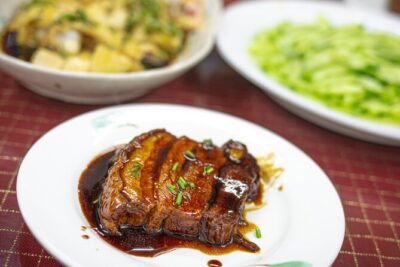
Eat Like a Local Through Shanghai’s French Concession
Read our review →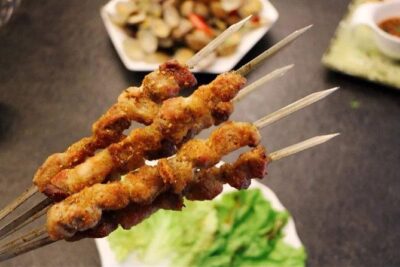
Late Night Food Tour in the Shanghai’s French Concession
Read our review →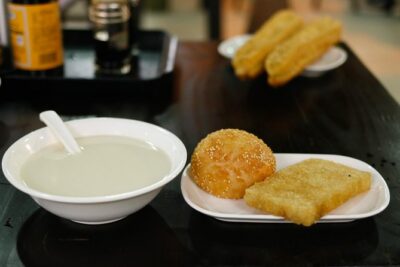
Shanghai Breakfast Walking Tour of Former French Concession
Read our review →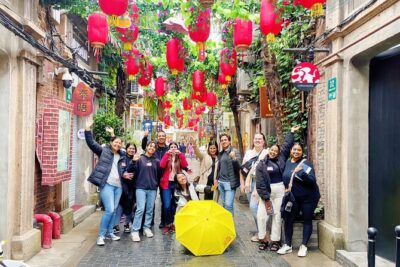
French Concession Guided Walking Tour | China’s 1st & Best Rated
Read our review →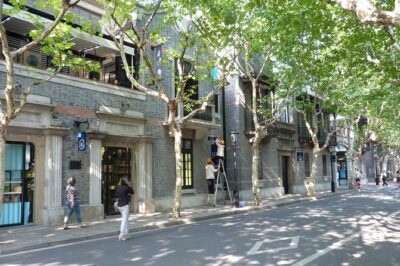
Private Walking Tour in the Former French Concession
Read our review →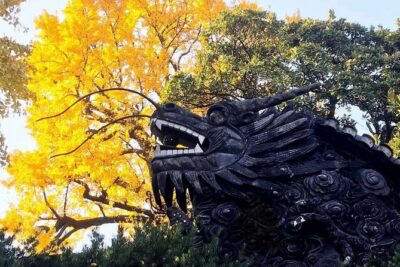
Private Yu Garden, The Bund, French Concession, Pudong Half-Day Tour
Read our review →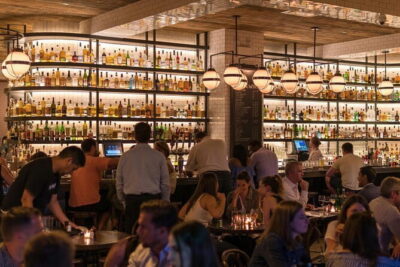
Shanghai bar hopping tour in the former french concession
Read our review →
Browse the lists this tour appears in