
Reviewed · CAVES, GORGES & WATERFALLS
Pingyao Ancient City Scenic Area Pass Ticket Only
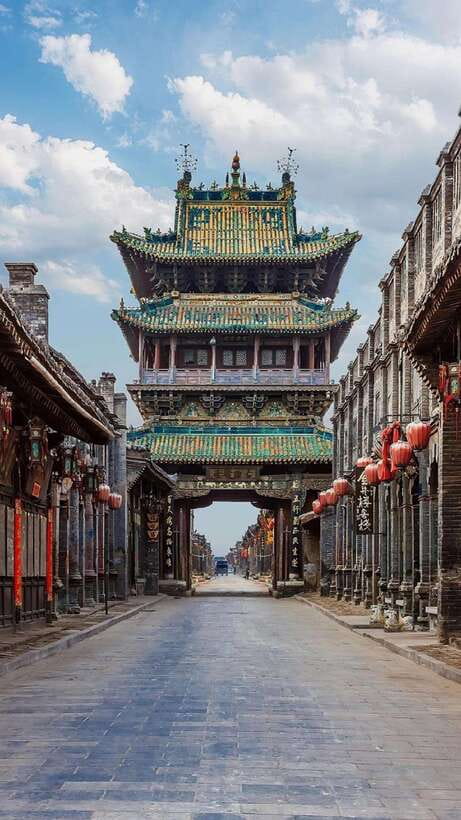
Pingyao is one of northern China’s best-preserved old cities, and this pass lets you see far more than its famous street front. For $36, you can enter the city wall, old temples, former government offices, merchant museums, and a long list of draft banks that explain how Shanxi’s early financial system worked. The QR entry is simple, and the included sights give you a useful map of Pingyao’s past.
I like the freedom to set your own pace, and I like that the pass includes several lesser-known museums rather than only the headline attractions. It also covers the city wall and major historic buildings in one purchase. The main drawback is clear: you get no guide, transport, meals, or hotel pickup, so you must plan the visit yourself.
Key points
- QR-code entry: Show the digital QR image at the entrance. A paper ticket is not needed.
- A wide historic range: Visit the city wall, draft banks, temples, government offices, museums, and former residences.
- Three-hour self-guided route: The suggested visit takes about three hours, though the supplied information also says the ticket is valid for three days.
- Strong financial history: Rishengchang, Weitaihou, Weishengchang, Baichuantong, and Xietongqing reveal Pingyao’s role in early Chinese banking.
- No transport or guide: Start in Pingyao and make your own way around the old city.
- Two major exclusions: Shuanglin Temple and Zhenguo Temple are not included.
What the $36 Pingyao pass actually gives you
This is an entrance pass, not a guided excursion. You pay once, receive a QR code, and use it to enter a large collection of attractions inside Pingyao Ancient City. That makes the pass most useful for someone who wants to walk independently, stop when something catches their eye, and spend extra time in a few favorite buildings.
The price is reasonable if you plan to visit several sites. Paying separately for the wall, temples, former government offices, and multiple museums could add up quickly, while this pass gathers them under one ticket. If you only want to stroll along Ming and Qing Street and take photographs from outside the buildings, the value is weaker because the ticket is built for active sightseeing.
The ticket covers a remarkable spread of Pingyao’s old institutions. You can move from local government to religion, from merchant banking to private security, and from family homes to newspaper and weapon displays. That variety is the best reason to choose the pass.
Other caves, gorges and falls near China:
- Gulong Gorge Skywalk Glass Bridge and Waterfall View Private Tour
★ 5.0 · 103 reviews - Private Xi’an Tour: Terracotta Warriors, Hanyangling Museum, Cave Homes
★ 5.0 · 101 reviews - 1-Day Guilin Tour to Reed Flute Cave, Xianggong Hill, Bamboo Boat and Night Show
★ 5.0 · 71 reviews
Starting at Pingyao’s old city walls
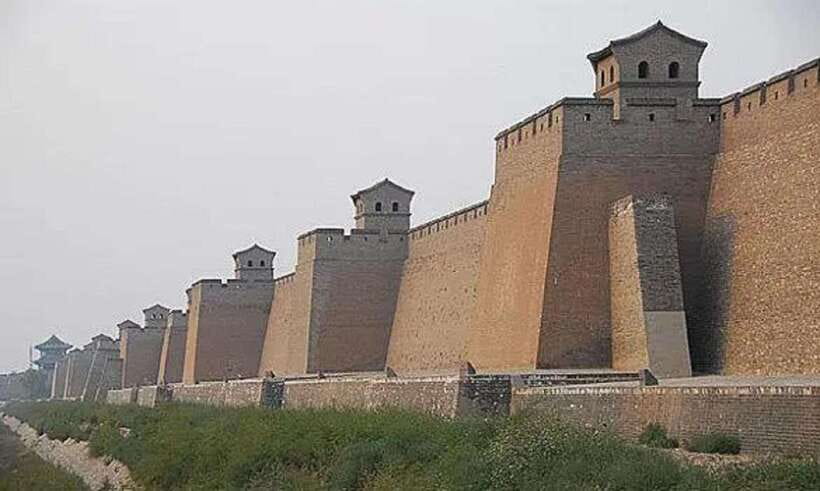
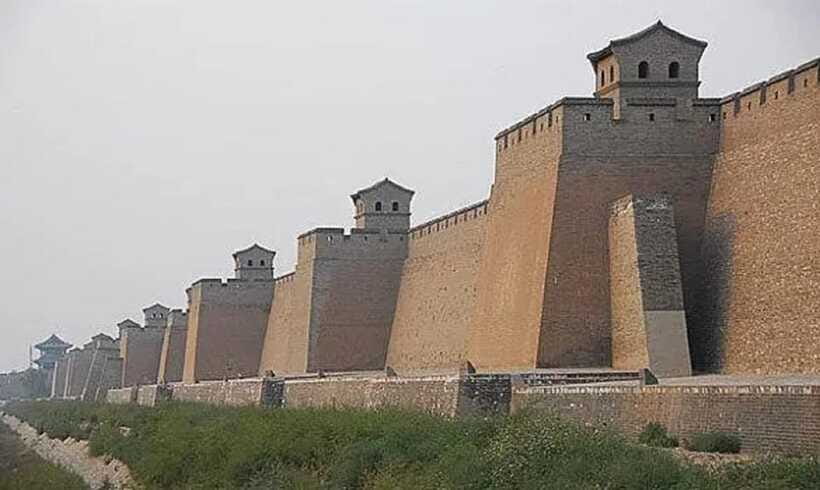
The city wall is the natural first stop because it helps you understand the shape of Pingyao. From the top, you can look across the enclosed historic city and see how the old streets and traditional residences fit together.
Admission to Pingyao Ancient City Wall is included. A walk here gives you a useful orientation before you begin exploring the buildings at street level. It also breaks up the indoor visits, which can otherwise start to feel similar after several museums and former offices.
You should allow enough time for the wall rather than treating it as a quick entrance point. The pass does not include a guide, so the wall is also a place where you can pause and get your bearings without needing to follow a group schedule.
Photography is allowed, but flash photography is not. Keep your camera ready for the wall and streets, but use natural light inside the museums and historic rooms.
Following Pingyao’s banking story
Pingyao’s draft banks are among the most distinctive sights included in the pass. During the Ming and Qing periods, the city grew into an important commercial center, and these institutions handled money across long distances before modern banking became common.
Rishengchang Ancient Draft Bank is one of the essential stops. It is paired with Weitaihou Draft Bank, Weishengchang Draft Bank, Baichuantong Draft Bank, and Xietongqing. Visiting more than one matters because you can compare the spaces and get a broader idea of how the financial trade shaped the city.
The pass also includes the former residence of Mr. Lei Lutai, an important figure connected with Pingyao’s banking tradition. This stop adds a personal angle to the financial story. Instead of seeing only an institution, you get a look at the home connected with one of the people behind the system.
I would not rush these sites. Read the displays where possible, look at the courtyards and rooms, and notice how many old business buildings have become museums. The information is not delivered by a guide, so your understanding will depend on how much time you give each stop.
Government offices, temples, and local power
The Ancient Government Buildings, also called the county government offices, show a different side of Pingyao. Here you can consider how local administration worked during the imperial period. The buildings offer a useful contrast to the merchant houses and banking offices.
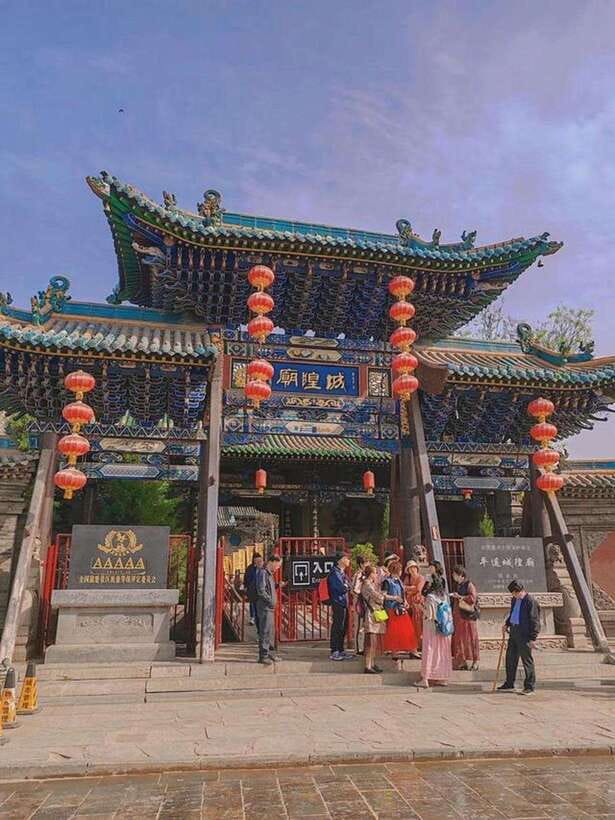
The City God Temple adds a religious and civic layer. City God temples traditionally connected local belief with the protection and moral order of the town. The Pingyao Confucian Temple provides another important stop, with a focus on Confucian learning and official culture.
Qingxu Taoist Temple and Erlang Taoist Temple broaden the religious picture. You do not have to choose between the main faith traditions in Pingyao because the pass includes Buddhist-free? No, do not add Buddhist. Just Taoist and Confucian. These sites allow you to see how different institutions shared the old city.
The buildings can be visually appealing, but the pass does not provide explanations in your language or a personal guide. If you want detailed context at every temple, you may need to prepare before arrival or arrange separate help. The strength here is access and freedom, not interpretation.
A few more days out in China worth the ticket
- Beijing: Forbidden City Tour(Group/Private)-Tickets Included
★ 4.8 · 7,974 reviews - Beijing: Mutianyu Great Wall Daily Tour with Ticket & Lunch
★ 5.0 · 3,056 reviews - 4-Hour Small Group Tour to Forbidden City with Entry Tickets
★ 5.0 · 1,863 reviews - Beijing: Tiananmen Square Registration Service(Ticket)
★ 4.5 · 1,704 reviews
Museums that explain everyday Pingyao
The included museums help fill in the space between the major landmarks. Tianjixiang Museum, the Huiwuli Bodyguard Agency Museum, Tongxinggong Bodyguard Agency, and North China First Bodyguard Agency focus on the systems that supported commerce and travel.
The bodyguard agencies are especially useful alongside the draft banks. Financial networks needed protection, and these museums show another part of the commercial world that made Pingyao important. The China Rare Newspaper Exhibition Hall adds a different subject, while the Wentaofang Museum of Ancient Weapons offers a look at older arms and equipment.
The Pingyao Chamber of Commerce Museum is another worthwhile stop for understanding business life. Together, these museums make the pass more than a collection of pretty courtyards. You can trace money, trade, protection, commerce, communication, and local government across one compact old city.
Some smaller museums may not take long to visit. That is not a problem. You can step in, look around, and decide where you want to spend your time. The freedom to skip or linger is one of the main advantages of traveling without a fixed guided route.
Ming and Qing Street and the old residences
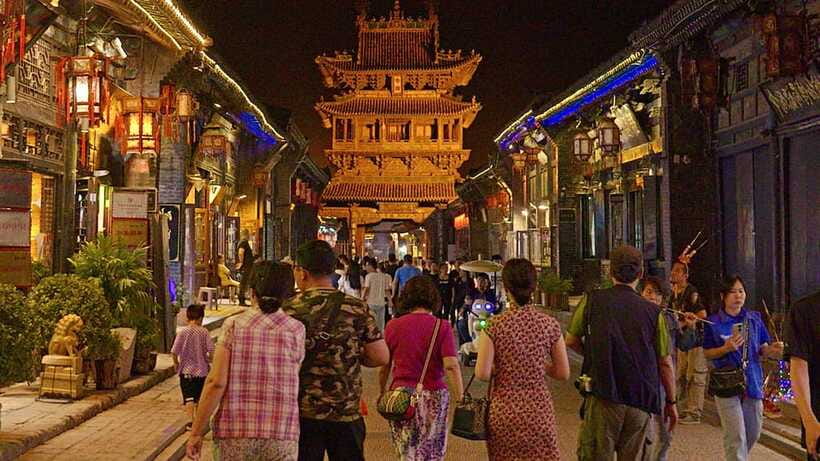
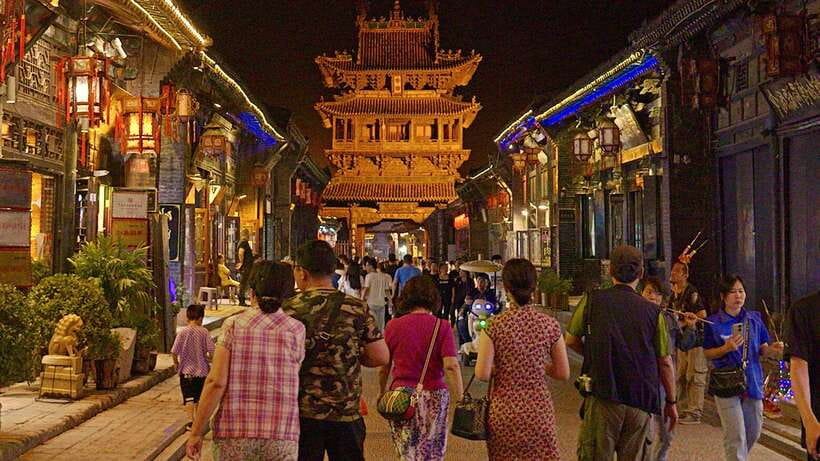
Ming and Qing Street is one of the best-known areas included in the pass. It gives you the chance to walk along a historic commercial street while moving between the ticketed sights.
Traditional residences in Pingyao have been adapted into hotels, restaurants, tea rooms, and wine houses. That means the old city is not simply an outdoor museum. You can see how historic buildings continue to support daily life and tourism.
The Ma Family Courtyard offers another view of domestic architecture and family wealth. Former homes and historic family properties are especially useful if you want to understand how people lived away from the formal banking and government buildings.
I would use Ming and Qing Street as a connecting route rather than treating it as the entire visit. The street atmosphere can be appealing, but the pass has greater value when you enter the courtyards, museums, offices, temples, and residences along the way.
A realistic three-hour plan
The stated self-guided itinerary takes about three hours. That is enough for a brisk introduction, but it is not enough for a slow visit to every included attraction. The pass includes more sites than most people will study in detail during one short circuit.
A practical three-hour plan might look like this:
- Begin at the city wall for orientation.
- Visit Rishengchang Draft Bank and at least one other draft bank.
- Continue to the Ancient Government Buildings.
- Choose the Confucian Temple, City God Temple, or one Taoist temple.
- Walk along Ming and Qing Street.
- Add one bodyguard agency or smaller museum if time allows.
If you have more time, return to the financial museums and former residences. The supplied details create an important timing question: the summary says the ticket is valid for three days, while another section describes it as valid for one day. Confirm the current validity period and starting times before booking or relying on a multi-day visit.
That discrepancy matters. If the pass truly works for three days, you can spread the attractions out and avoid rushing. If it is valid for only one day, you should arrive early and choose your priorities before entering.
What this pass does not include
Shuanglin Temple and Zhenguo Temple are specifically excluded. You should not assume that every famous Pingyao-area heritage site is covered by this pass.
Hotel pickup and drop-off are not included, so you must reach Pingyao on your own. The starting location is Pingyao, and no transport is provided between attractions. Meals are also excluded, as is a tour guide.
This makes the pass a poor fit if you want a fully organized day with commentary and door-to-door service. It is a better choice if you are already staying in or visiting Pingyao and want to manage the day yourself.
The lack of a guide has two sides. You avoid a group timetable and can move at your own pace. On the other hand, you will need to make sense of the buildings without personal explanations. For a place with 2,700 years of history and a complicated Ming and Qing-era story, preparation will improve the visit.
Booking, QR entry, and practical details
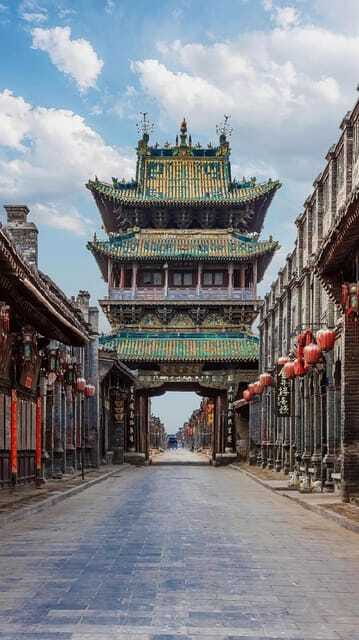
You need to provide each person’s passport number and full name when booking. The operator sends a QR image, and you show that image at the entrance. You do not need to use a paper ticket.
The QR system appears particularly straightforward. One verified booking described the code as easy to use, with no extra operation needed after receiving it. Still, save the QR image before reaching the entrance and keep your passport details available in case staff need to check them.
The pass is wheelchair accessible. No special accessibility details are provided for every building, so you should confirm the conditions for individual attractions if that is important for your visit.
Free cancellation is available up to 24 hours in advance for a full refund. You can also reserve now and pay later, which helps if your northern China route is not fixed. The price is listed at $36 per person, though you should check the final price and availability for your date.
Who will get the most from this experience
I would recommend this pass to independent visitors who enjoy old streets, historic buildings, and museum hopping. It suits people who want to choose their own pace and who are comfortable reading signs or doing some background research before arrival.
It is also a good fit if you want to focus on Pingyao’s merchant and banking past. The number of draft banks and bodyguard museums gives this pass a clear theme that you will not get from a simple walk along the main street.
Families and mixed-interest groups may appreciate the flexibility. One person can spend longer in a temple or residence while another takes photographs or moves on to a smaller museum. The pass also works well for visitors who dislike fixed group schedules.
I would hesitate to recommend it to anyone who wants a guide to explain the meaning of every building. It is also less suitable if you only have a short stop and do not know which attractions matter most. Without transport or hotel pickup, you must handle the practical side yourself.
Should you book the Pingyao pass?
Book it if you want broad access to Pingyao’s historic core for $36 and prefer to explore independently. The city wall, five draft banks, temples, government offices, former residences, and specialist museums give you plenty to see, especially if the three-day validity is confirmed.
Before paying, check the ticket’s actual validity period because the supplied information gives both one day and three days. Also confirm whether your plan includes only Pingyao or whether you need separate admission for Shuanglin Temple and Zhenguo Temple.
For a self-guided visit, this is a useful and flexible pass. For a guided cultural tour with transport and commentary, it is not the right product.
FAQ
Is a guide included with the Pingyao pass?
No. This is an entrance-only pass for a self-guided visit. A tour guide is not included.
Is hotel pickup and drop-off included?
No. You must make your own way to Pingyao, and transport is not included.
What attractions are included?
The pass includes the Ancient City Wall, Rishengchang Ancient Draft Bank, City God Temple, Confucian Temple, Ming and Qing Street, Ancient Government Buildings, Qingxu Taoist Temple, Tianjixiang Museum, Huiwuli Bodyguard Agency Museum, Tongxinggong Bodyguard Agency, Weitaihou Draft Bank, Weishengchang Draft Bank, Lei Lutai’s former residence, Baichuantong Draft Bank, Ma Family Courtyard, North China First Bodyguard Agency, Xietongqing, Pingyao Chamber of Commerce Museum, China Rare Newspaper Exhibition Hall, Wentaofang Museum of Ancient Weapons, and Erlang Taoist Temple.
Are Shuanglin Temple and Zhenguo Temple included?
No. Admission to Shuanglin Temple and Zhenguo Temple is not included.
How do I enter the attractions?
You receive a QR image and show it at the entrance. A paper ticket is not needed.
Do I need to provide passport details?
Yes. You must send the passport number and full name for every person included in the booking.
How long is the self-guided visit?
The stated self-guided itinerary takes about three hours. The supplied information gives conflicting validity details, listing both one day and three days, so confirm the current rule before booking.
Is photography permitted?
Yes. Photography is allowed, but flash photography is not.
New reviews from China
- Shanghai To Beijing Bullet Train Ticket with Local Private Transfer★ 5.0 · 12 reviews
- Shanghai Spicy Food Tour★ 5.0 · 3 reviews
- Shanghai Uncommon Historic Sites Tour★ 5.0 · 3 reviews
- Shanghai Pudong airport transfer to Disneyland:Private with Meet & Great service★ 5.0 · 3 reviews
- Shanghai Tower Observation Deck 118 floor Tickets Pre-booking.★ 5.0 · 4 reviews
- Pudong Airport to Hangzhou: Private with Meet and Greet Service★ 4.5 · 4 reviews
- Private Transfer: Hotel to Shanghai Wusongkou Cruise Terminal (Baoshan Port)★ 3.5 · 6 reviews
- Shanghai Pudong International Airport (PVG) to Shanghai Hotel★ 5.0 · 4 reviews
Caves, Gorges & Waterfalls, compared.
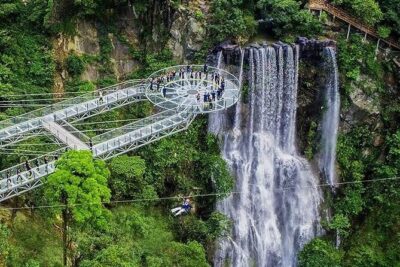
Gulong Gorge Skywalk Glass Bridge and Waterfall View Private Tour
Read our review →
Private Xi’an Tour: Terracotta Warriors, Hanyangling Museum, Cave Homes
Read our review →
1-Day Guilin Tour to Reed Flute Cave, Xianggong Hill, Bamboo Boat and Night Show
Read our review →
Leshan Grand Buddha Scenic Area and Panda Park Day Tour
Read our review →
Longqingxia Gorge Cruise and Guyaju Cave Dwellings Private Day Tour
Read our review →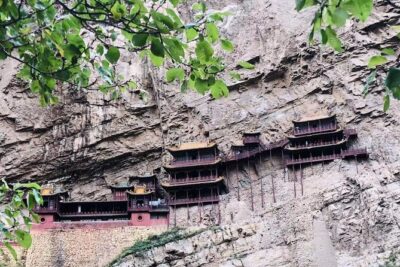
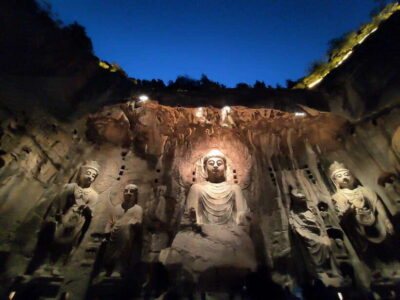
Beijing to Datong See YunGang Cave, Hanging Temple (Bullet Train)
Read our review →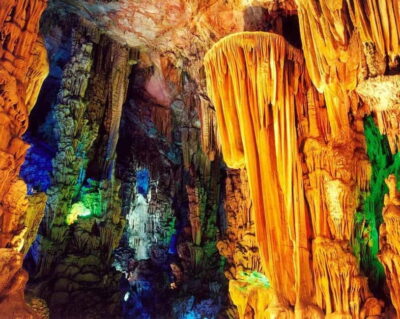
Browse the lists this tour appears in