
Reviewed · CAVES, GORGES & WATERFALLS
Hands On Chinese Cave Murals with Local Expert
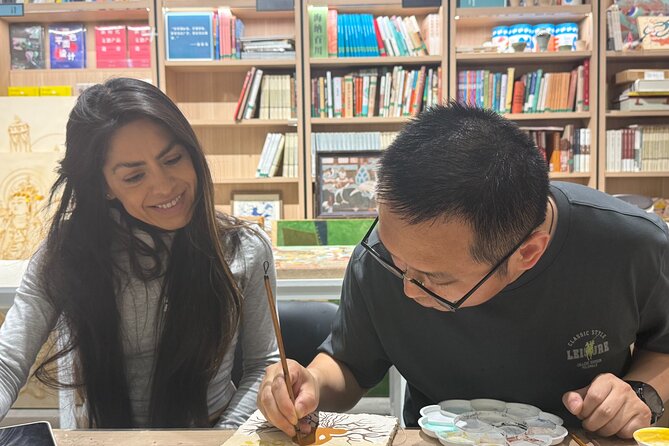
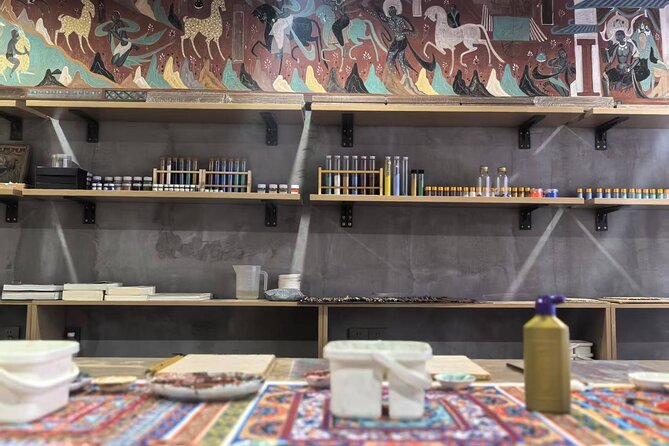
The most unusual thing about this Shanghai activity is that you do not just look at ancient Chinese art. You recreate a Dunhuang cave mural by hand, using mineral pigments, a clay board, and traditional tools in a quiet studio. You can choose a Buddha, Bodhisattva, or the mythical Nine-colored Deer.
I like two things here. First, the workshop gives you room to make the image your own, and the instructor can help mix colors or adjust the design. Second, the three-hour pace lets you work slowly rather than rush through a quick souvenir activity. The main consideration is simple: at $99, this costs more than a standard museum visit, and the value depends on how much you want the hands-on lesson and finished artwork.
Key points
- Choose your own mural design: Pick from Buddhist figures, graceful Bodhisattvas, and the Nine-colored Deer.
- Work with traditional materials: Use natural mineral pigments, clay boards, brushes, and tools inspired by older methods.
- Learn while you paint: The instructor explains Dunhuang art and its cultural setting as you work.
- Expect a calm three-hour session: This is a quiet studio activity, not a fast-moving sightseeing tour.
- Take home your own artwork: Your finished piece gives the class a lasting result beyond photographs.
- Small group setting: The workshop accepts no more than 20 people, which allows for individual help.
Why this Shanghai workshop feels different
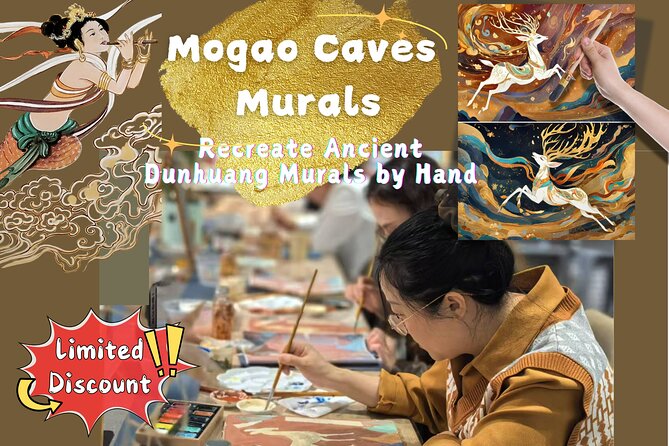
Shanghai offers many ways to spend three hours, from grand buildings to food streets and museums. This one takes you indoors and asks you to slow down. You sit with a brush, study a traditional pattern, and build an image step by step.
That change of pace is the real appeal. Dunhuang mural art is known for its religious subjects, careful line work, and mineral-based colors. Here, you are not expected to be a trained painter. You follow a selected pattern and learn techniques based on historic methods, with help when you need it.
I especially like the balance between structure and personal choice. You do not begin with a blank board and no direction. The available designs give you a clear starting point. At the same time, you can add your own touches, and the teacher can help create colors if your plan calls for something different.
The setting also matters. The classroom is described as peaceful and quiet, which makes this a good break from Shanghai’s busy streets. If you want an activity with conversation, movement, and constant sightseeing, this may feel too still. If you enjoy making something with your hands, the calm atmosphere is a major part of the experience.
Other caves, gorges and falls near Shanghai:
- Gulong Gorge Skywalk Glass Bridge and Waterfall View Private Tour
★ 5.0 · 103 reviews - Private Xi’an Tour: Terracotta Warriors, Hanyangling Museum, Cave Homes
★ 5.0 · 101 reviews - 1-Day Guilin Tour to Reed Flute Cave, Xianggong Hill, Bamboo Boat and Night Show
★ 5.0 · 71 reviews
Starting at 515 Yi Shan Lu
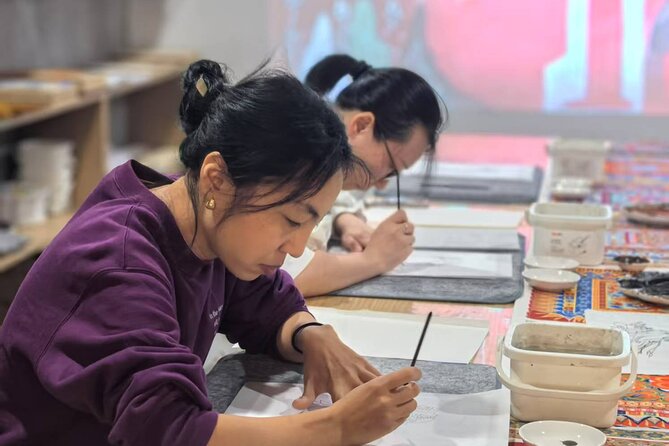
The workshop begins at 515 Yi Shan Lu in Xuhui District, with the activity ending at the same place. That fixed start and finish makes planning easy, especially if you want to pair the class with other time in Shanghai.
The meeting point is near public transportation, but the supplied information does not specify a particular subway station, bus route, or walking time. I would check the exact address on your map before leaving and allow enough time to find the studio. A hands-on class is not the place to arrive breathless and distracted.
Because the activity lasts about three hours, you should think of it as a substantial part of your day. It is not a short stop you can squeeze between two tightly timed attractions. Plan around it, arrive ready to settle in, and keep in mind that the class returns you to the same meeting point rather than taking you onward to another sight.
Choosing between a Buddha, Bodhisattva, and Nine-colored Deer
Your first important choice is the image. The workshop offers several types of traditional patterns, and each gives the finished piece a different feel.
A Buddha design may suit you if you want a strong central figure with a spiritual presence. A Bodhisattva offers a more graceful subject, with flowing forms and details that can make the painting feel delicate. The Nine-colored Deer connects the art to an old Chinese folktale and gives you a mythical animal rather than a strictly religious image.
This choice is more than decoration. It lets you decide what kind of connection you want with the material. You may prefer a sacred figure, an elegant human form, or a storybook creature. Since you can add personal touches, the result does not have to look like a rigid copy.
I would choose your subject based on the kind of finished artwork you want to display. The information does not specify the exact number or size of patterns, so you should expect a selection rather than a fully open design studio. The teacher helps you work within the traditional forms while leaving space for some creativity.
Working with mineral pigments and a clay board
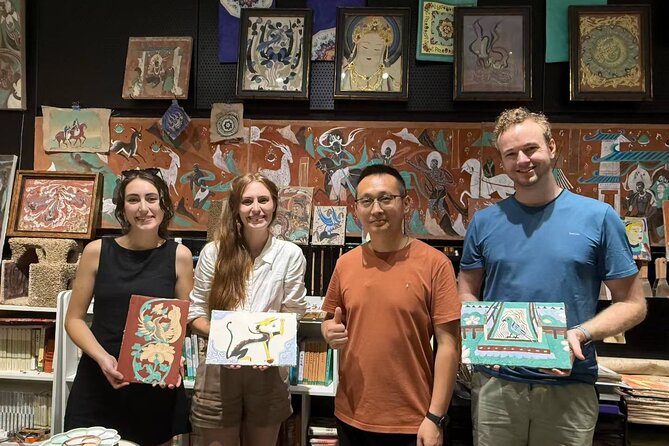
The physical materials are one of the best reasons to book this class. You work on a clay board with natural mineral pigments, brushes, and traditional tools. That gives the activity more substance than painting a printed canvas with ordinary craft paint.
Mineral pigments also help you think about how color was made and used in older art. You feel the texture of the board and work with materials that are connected to the technique being taught. I like that the class does not reduce Dunhuang art to a simple coloring exercise.
The information does not list every stage of the painting process, so you should not expect a technical manual before you arrive. The basic flow is clear: choose a pattern, trace or paint it, and use mineral colors while following guidance from the instructor.
You may find that patience matters more than artistic skill. Traditional-looking images often depend on careful outlines, controlled brush work, and steady color placement. The class gives you time to work through those steps. It is fine to take a slower approach and ask for help when a line or color is not going as planned.
Same city, a completely different day:
- Authentic Local Food Tour in Central Shanghai
★ 5.0 · 1,382 reviews - Zhujiajiao Water Town and Shanghai City Private Day Tour
★ 5.0 · 1,016 reviews - Private Shanghai Full Day City Tour with Old and New Highlights
★ 5.0 · 995 reviews - Shanghai: Hop-on Hop-off Bus Ticket and Optional Attractions
★ 3.4 · 692 reviews
A three-hour lesson, not a quick craft stop
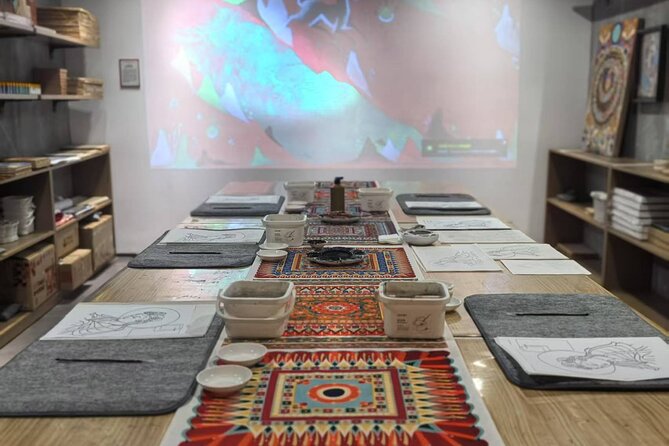
Three hours is a useful length for this kind of activity. A much shorter session might give you only enough time to apply color to a prepared image. Here, the longer format lets you learn about the subject, choose a pattern, work with the materials, and finish a piece at your own pace.
The workshop has a maximum of 20 participants. That is not an intimate one-to-one lesson, but it is small enough for the instructor to move around and offer individual help. The information emphasizes the teacher’s professional skill, patience, and care during the class. In practical terms, that matters most when you want to adjust colors or try something slightly different.
One particularly useful detail is the teacher’s willingness to help create colors. If your idea needs a certain shade, you are not left to guess at the mixture. That support makes the class friendlier for beginners and for anyone who wants to be creative without losing the traditional feel of the design.
I would not book this expecting a finished piece in the first hour. The peaceful mood works because the class allows time. Bring a willingness to concentrate, and you will get more from it than if you treat it as a quick stop for a photograph.
What the cultural lesson adds
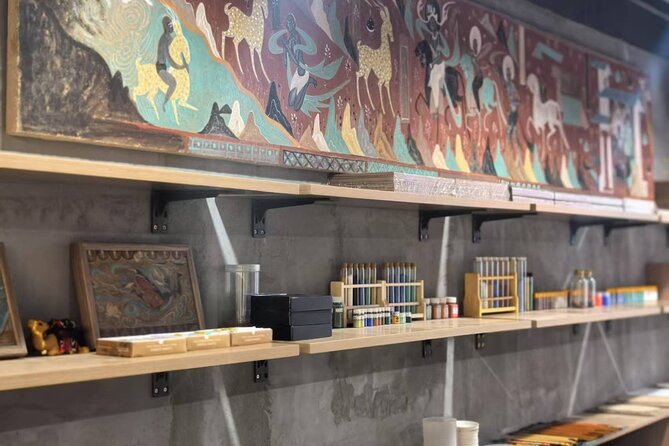
The workshop is about more than producing a decorative object. The instructor explains Dunhuang art and culture while you work, giving the patterns a setting and purpose.
Dunhuang cave murals connect visual art with Buddhist themes, folktales, and centuries of Chinese artistic practice. The class lets you approach those traditions through line, color, and material rather than only through written explanation. That makes the lesson easier to remember. You are handling the tools while learning why the images matter.
I also appreciate that the activity does not present creativity and tradition as opposites. You can follow an established pattern and still make choices about color or small details. The teacher’s role is to guide you, not simply hand you a finished product.
The quiet room supports this kind of learning. You have space to notice the brush marks, the surface of the board, and the way colors build up. For many people, that slower rhythm may be the most meaningful part of the experience.
Is $99 a fair price?
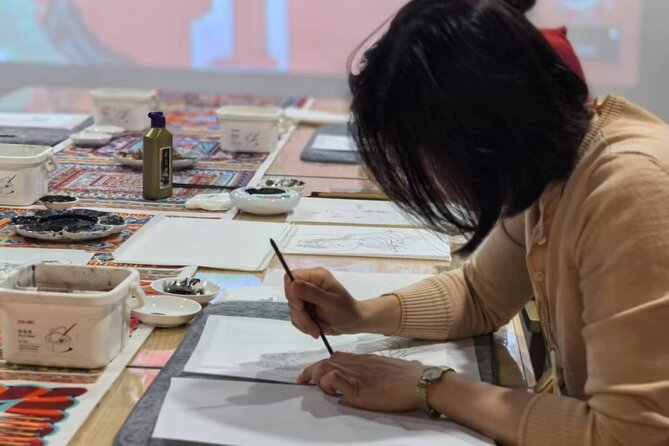
At $99 per person, this is not a bargain activity for someone who only wants to see Dunhuang imagery. You could spend less on a museum visit or a simple art class. The price makes more sense if you value expert instruction, traditional materials, a three-hour session, and a handmade artwork to take with you.
I would judge the cost in three parts. First, you are paying for the lesson, not just the supplies. The instructor explains the cultural background and helps you through the process. Second, the clay board and mineral pigments make the project feel more substantial than a basic paper craft. Third, you receive an object connected to your own time in Shanghai.
The value is strongest for people who enjoy cultural workshops and want a memory they made themselves. It is weaker for anyone who prefers a packed sightseeing schedule or does not enjoy sitting with detailed creative work.
There is no need to pretend this is the cheapest way to experience Chinese art. It is a specialist activity. If you like the subject and want to spend a quiet afternoon learning through practice, the price is reasonable. If you only want a quick introduction, it may feel high.
Who will enjoy this most?
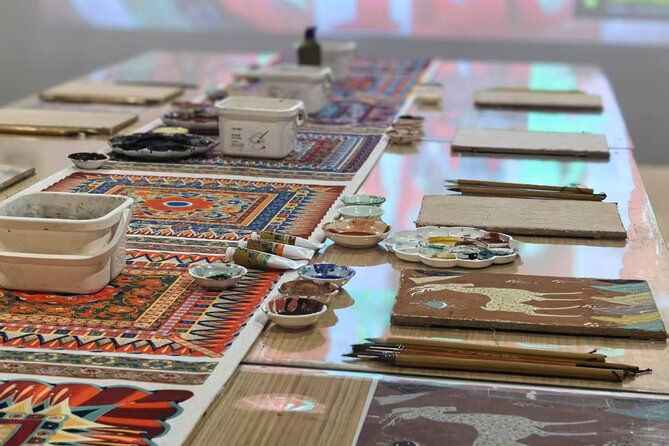
I would recommend the workshop to adults, families, couples, and solo visitors who like art, history, or hands-on cultural activities. Most people can participate, and the experience is not limited to trained painters.
It also suits anyone who wants a quieter counterpoint to Shanghai sightseeing. After crowded attractions and busy streets, a calm studio can feel refreshing. The class gives you a chance to focus on one task instead of moving from one photo stop to the next.
Children may enjoy choosing the animal or figure and working with color, but the supplied information does not give a minimum age or specific child program. I would confirm those details before booking for young children. The same applies if you need special physical accommodations, since only general participation information is provided.
Service animals are allowed. The location is near public transportation, and the activity starts and ends at the same address, which helps with basic planning.
Things to know before you book
Come ready for a process rather than a performance. You may need to trace carefully, apply several colors, and accept that traditional-style painting takes time. The teacher can help, but your finished work will still show your own hand.
Think about your preferred subject before class if you already know you want a Buddha, Bodhisattva, or Nine-colored Deer. The available patterns give you direction, but the information does not promise a particular image for every session.
You should also protect your schedule. The workshop lasts about three hours, and the experience is designed around concentration. It is best placed in a flexible part of your day rather than immediately before an important timed booking.
The activity uses a mobile ticket, and confirmation is provided when you book. Free cancellation is available if you cancel at least 24 hours before the local start time. Cancellations or changes made inside that 24-hour window are not accepted for a refund.
Should you book this Dunhuang mural workshop?
Book it if you want to make something connected to Chinese culture, not simply collect another sight. The patient instruction, mineral pigments, clay board, and choice of traditional designs give the activity real substance. I especially like the chance to personalize the work while still learning within an established artistic tradition.
Skip it if you want a fast, inexpensive attraction or if sitting quietly with a brush sounds like work. At $99, the class needs to match your interests.
For the right person, this is a thoughtful Shanghai experience: a small-group lesson, a peaceful room, and a handmade reminder of Dunhuang art that you create yourself.
FAQ
Where does the workshop begin?
The activity begins at 515 Yi Shan Lu, Xu Hui Qu, Shanghai, China, 200235.
Where does the workshop end?
The activity ends back at the meeting point at 515 Yi Shan Lu.
How long does the experience last?
The workshop lasts approximately three hours.
How much does the activity cost?
The listed price is $99 per person.
What can I paint during the workshop?
You can choose from traditional mural patterns including Buddhas, Bodhisattvas, and the Nine-colored Deer.
How many people can join?
The activity has a maximum group size of 20 participants.
Can I cancel for a full refund?
Yes. You can cancel for a full refund up to 24 hours before the experience starts. Changes or cancellations made less than 24 hours before the local start time are not accepted for a refund.
New reviews from Shanghai
- Shanghai To Beijing Bullet Train Ticket with Local Private Transfer★ 5.0 · 12 reviews
- Shanghai Spicy Food Tour★ 5.0 · 3 reviews
- Shanghai Uncommon Historic Sites Tour★ 5.0 · 3 reviews
- Shanghai Tower Observation Deck 118 floor Tickets Pre-booking.★ 5.0 · 4 reviews
- Shanghai Pudong airport transfer to Disneyland:Private with Meet & Great service★ 5.0 · 3 reviews
- Pudong Airport to Hangzhou: Private with Meet and Greet Service★ 4.5 · 4 reviews
- Private Transfer: Hotel to Shanghai Wusongkou Cruise Terminal (Baoshan Port)★ 3.5 · 6 reviews
- Shanghai Pudong International Airport (PVG) to Shanghai Hotel★ 5.0 · 4 reviews
Caves, Gorges & Waterfalls, compared.
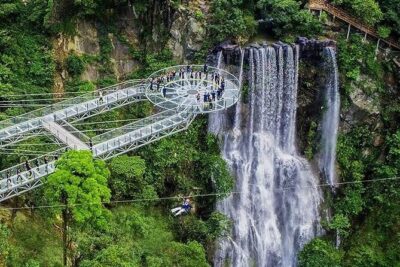
Gulong Gorge Skywalk Glass Bridge and Waterfall View Private Tour
Read our review →
Private Xi’an Tour: Terracotta Warriors, Hanyangling Museum, Cave Homes
Read our review →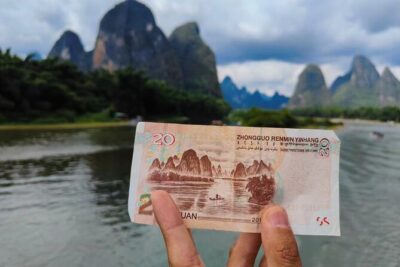
1-Day Guilin Tour to Reed Flute Cave, Xianggong Hill, Bamboo Boat and Night Show
Read our review →
Leshan Grand Buddha Scenic Area and Panda Park Day Tour
Read our review →
Longqingxia Gorge Cruise and Guyaju Cave Dwellings Private Day Tour
Read our review →
Beijing to Datong See YunGang Cave, Hanging Temple (Bullet Train)
Read our review →
Browse the lists this tour appears in