
Reviewed · MUSEUMS
Chengdu: Sichuan Museum – Cultural and Historical Heritage
The Sichuan Museum gives you a clear, rewarding look at China through the objects of one province. Its collection reaches beyond local pottery and paintings, with more than 300,000 artifacts, Sanxingdui pieces, Han dynasty stone carvings, and Tibetan Thangka paintings. I like that the museum brings several sides of Chinese culture into one visit, instead of focusing on a single dynasty or art form.
I also like the practical value: permanent exhibitions and museum guided tours are free, while the listed price of about $5 per person covers the reservation arrangement rather than a costly private tour. The main catch is paperwork. You must send your full passport name and passport number in time, and the GetYourGuide QR code is not valid for entry.
Key points to know before you go
- Sanxingdui artifacts: See objects connected with one of Sichuan’s most important ancient archaeological sites.
- More than 300,000 pieces: The collection covers bronze, ceramics, calligraphy, Tibetan Thangka paintings, and other cultural objects.
- Free permanent exhibitions: Your reservation provides access to the museum’s permanent displays and museum-run guided tours.
- Two entry windows: Reserve either 09:00 to 12:00 or 12:01 to 16:00.
- Passport details required: Send your full name as shown on your passport and your passport number before the booking deadline.
- Useful on-site comforts: The museum has a souvenir shop and a tearoom, giving you an easy place to pause after the galleries.
Why the Sichuan Museum deserves a place in Chengdu
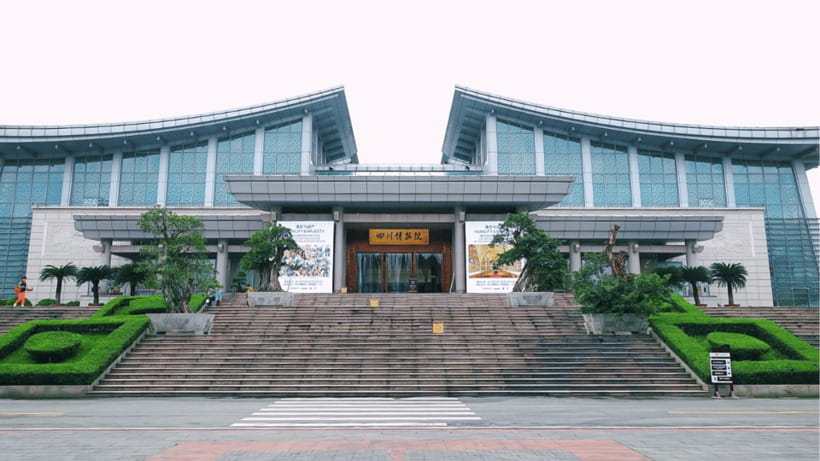
Chengdu is best known for pandas, spicy food, and its easygoing teahouse culture. The Sichuan Museum adds a more serious cultural layer to the city. Founded in 1941, it is one of the major museums in southwestern China and holds objects that connect Sichuan with wider Chinese history.
I would allow a full day if you like museums and want time to read the displays. The reservation itself is valid for one day, but the practical visiting period is split into a morning slot and an afternoon slot. That makes the museum easy to fit into a Chengdu schedule, though you should not assume that a morning reservation lets you arrive at any time all day.
The museum works especially well for first-time visitors who want context. Instead of seeing one famous object and leaving, you can compare different materials, periods, and artistic traditions. Bronze shows the importance of early ritual and technology. Ceramics reveal changing taste and craftsmanship. Calligraphy brings Chinese writing into the gallery as an art form, while Tibetan Thangka paintings show the cultural connections within and around Sichuan.
Other museums and galleries in Chengdu:
- Private Chengdu Day Tour: Giant Pandas and Jinsha Site Museum
★ 5.0 · 142 reviews - Chengdu: Wuhou Shrine Museum From Three Kingdoms Era
★ 4.7 · 3 reviews - Chengdu: Du Fu Thatched Cottage Museum Ticket for Adult
★ 4.2 · 3 reviews
Entering the permanent exhibitions
Your main access is to the permanent exhibitions. These are the dependable core of the visit, and they are included without a separate admission charge. Special exhibitions may cost extra, so check the signs and museum instructions before assuming every gallery is covered.
The collection is large enough that you should pace yourself. A museum with more than 300,000 artifacts cannot display everything at once, but the stated range gives you an idea of the institution’s scope. You will encounter displays connected to Sichuan and China rather than a narrow collection built around one subject.
The most useful approach is to choose a few themes. You might begin with ancient objects, then move to painting and calligraphy, and finish with the Tibetan art section. This prevents the visit from becoming a blur of similar cases. Comfortable shoes are worth bringing because the museum is described as spacious, and a serious visit can involve plenty of standing and walking.
The exhibition explanations are an important part of the experience. The museum is not simply a room full of attractive objects. The displays are designed to explain historical and cultural meaning, which helps you understand why a bronze vessel, stone carving, or painted scroll matters.
Sanxingdui and ancient Sichuan
The Sanxingdui material is one of the strongest reasons to visit. Sanxingdui, an archaeological site in Sichuan, is associated with striking ancient objects that helped change the way people understood early cultures in the region. The museum includes artifacts from the site, giving you a chance to place Sichuan within the wider story of ancient China.
I would pay close attention to the shapes, faces, and decorative details of these pieces. Even without a specialist background, they can feel different from the more familiar images many people associate with classical Chinese art. The value here is not only visual. Sanxingdui helps show that ancient Sichuan had its own artistic identity and cultural traditions.
The exact route through the displays can vary, and the available information does not provide a room-by-room itinerary. You should treat Sanxingdui as a major highlight within the museum rather than assume it is the only focus. If this is your main reason for visiting, allow time to read the explanations and look at related displays instead of rushing to the next section.
Bronze, ceramics, and Han dynasty stone carvings
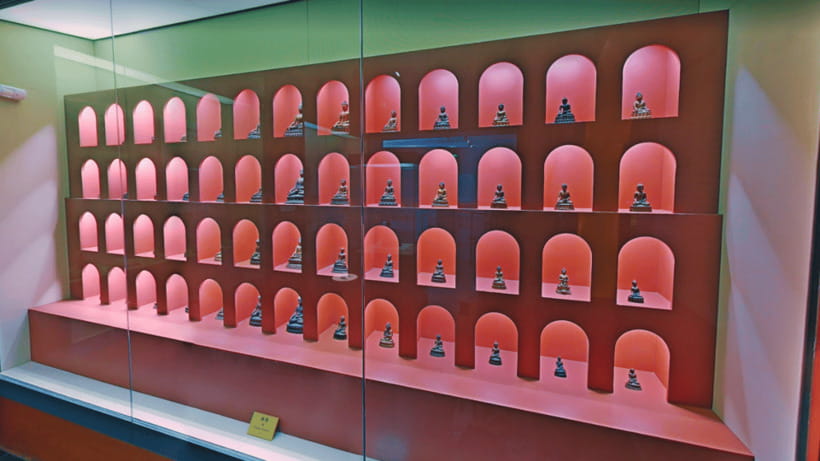
The bronze and ceramic collections give you a useful contrast in materials and purpose. Bronze objects can point to ceremony, status, and technical skill. Ceramics often make it easier to see changes in form, decoration, and everyday use. Together, these sections help you read objects as evidence of how people lived and what they valued.
The Han dynasty stone carvings add another strong historical stop. Stone reliefs and carvings can seem less immediately delicate than ceramics or paintings, but they often carry scenes, symbols, and social ideas. Give them time. Their value comes from the information they preserve, not simply from polished beauty.
This part of the museum should suit you if you enjoy objects with a story behind them. It may be less satisfying if you want a quick collection of famous masterpieces with little reading. The museum’s strength is its range and explanation, so the experience rewards attention.
Other history to see in Chengdu:
- Between Capitalism & Communism: Hong Kong History Tip Based Tour
★ 5.0 · 234 reviews - Beijing Historical Tour II including Summer Palace, Lama Temple & Panda Garden
★ 4.0 · 187 reviews - Beijing Historical Tour I – Forbidden City, Tiananmen Square & Temple of Heaven
★ 4.0 · 120 reviews - Tour of Jewish Shanghai led by a Jewish History Expert
★ 5.0 · 106 reviews
Calligraphy and Zhang Daqian’s artwork
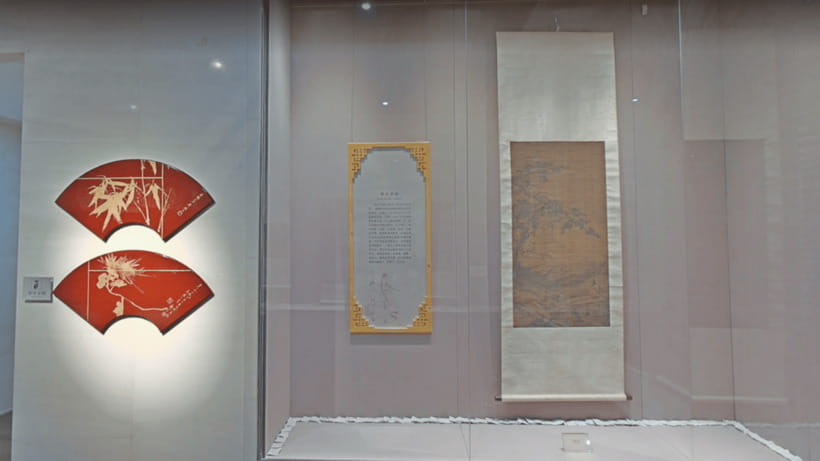
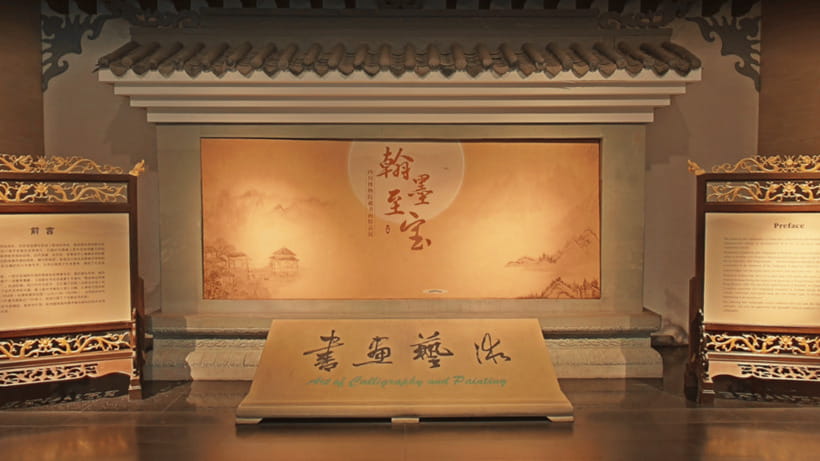
Chinese calligraphy can be difficult to judge if you read only Latin alphabets. Even so, you can appreciate the control of the brush, the balance of empty and filled space, and the way writing becomes visual art. The Sichuan Museum includes calligraphy among its major holdings, making this a useful place to see how writing and painting overlap in Chinese culture.
The museum also features artwork by Zhang Daqian, one of the best-known artists connected with Sichuan. His work gives the visit a more modern artistic point of reference after the ancient displays. Rather than seeing Chinese art as something limited to archaeological objects, you get a link between older traditions and later artistic practice.
I would not rush this section. Look first at the whole composition, then at individual brush marks and details. You do not need technical art vocabulary to enjoy it. The museum gives you a chance to notice how a painting can suggest a place, figure, or mood with surprisingly few strokes.
Tibetan Thangka paintings
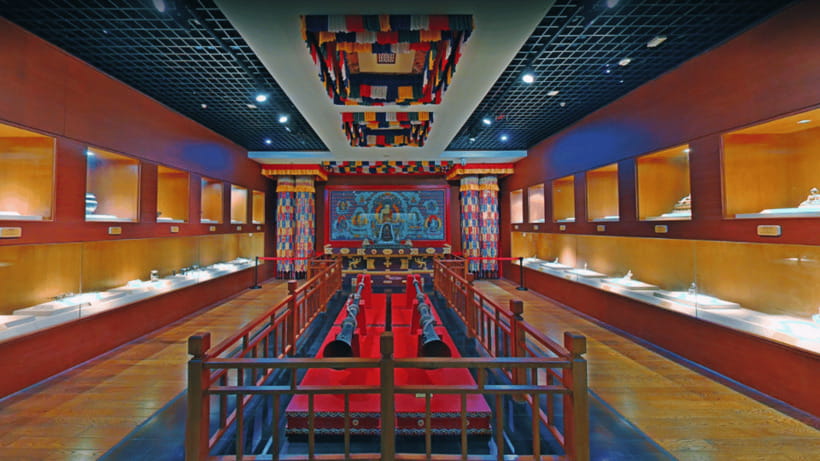
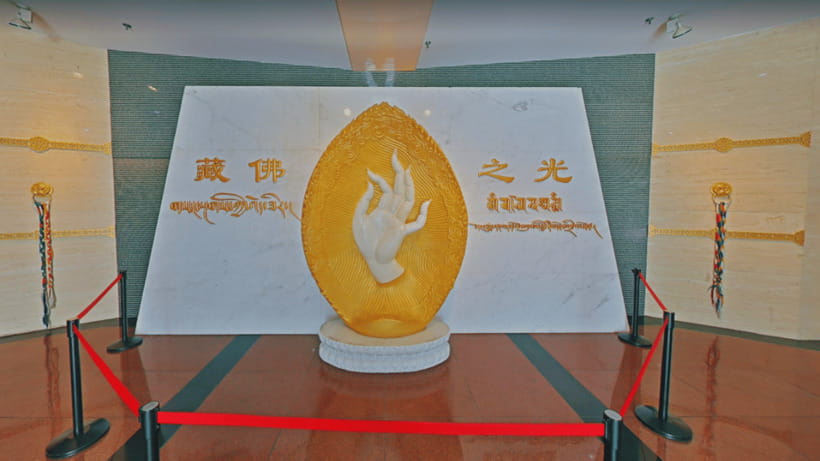
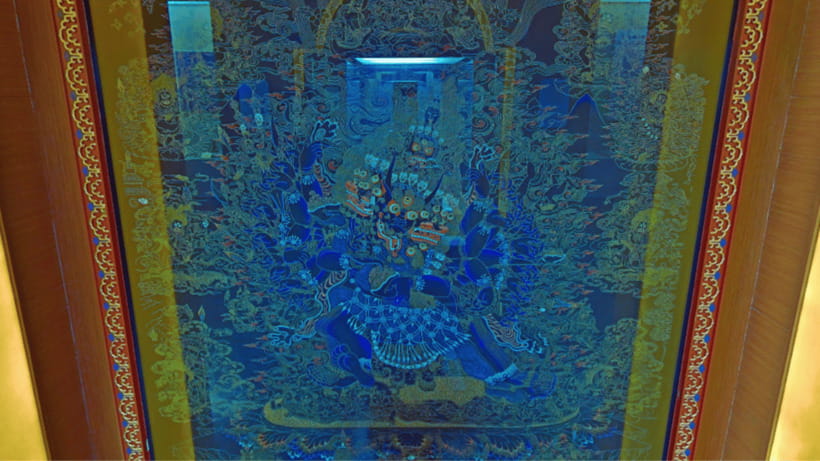
The Tibetan Thangka paintings add a different visual language to the collection. Thangka art is connected with Tibetan Buddhist traditions and is known for detailed religious imagery. These works can be visually dense, so stand back before moving closer to inspect the details.
This section matters because it broadens your understanding of Sichuan’s cultural connections. The province is not an isolated corner of China with one uniform artistic tradition. Tibetan art, Chinese calligraphy, ancient archaeology, and regional craft all appear within the same museum visit.
The displays may be especially useful for families or first-time visitors because the contrast between a Thangka painting, a bronze object, and a Han stone carving is easy to see. You can discuss color, material, purpose, and age without needing a lecture. Children may respond best when you give them a small mission, such as finding the most unusual shape or the most detailed painting.
Museum guided tours and how much help you get
Free guided tours are available through the museum. The supplied information does not give guide names, tour times, languages, group sizes, or a guaranteed daily schedule, so you should ask at the museum for the current arrangement rather than build your whole day around a specific departure.
A guided tour can be useful if you are unfamiliar with Chinese history or cannot easily follow all the written explanations. It may also help you choose what to see in a large institution. If no suitable tour is running when you arrive, the permanent exhibitions still provide the main value of the visit.
The reservation contact is another practical point. A verified booking experience requires communication with the provider, and one French booking account described the contact process as smooth. That does not remove your responsibility to send the required passport information, but it suggests that prompt communication can keep the reservation on track.
The $5 price and what it really covers
At about $5 per person, this is inexpensive for a full cultural day in Chengdu. The strongest value comes from the museum itself: permanent exhibitions and museum-provided guided tours are free. You are paying for the reserved entry arrangement and the convenience of having a place held for you, not for a private guide or an all-inclusive sightseeing package.
That distinction matters. Do not expect hotel pickup, transportation, meals, or a private expert assigned to your group. Those inclusions are not listed. The experience is a museum reservation with access to the institution’s displays and free tours.
For many visitors, the price is worthwhile because the reservation can reduce uncertainty around entry. It is particularly useful during weekends and holidays, when advance booking is recommended. If your schedule is very flexible and you can arrange entry directly, compare the options before paying for a reservation service.
The $5 cost also leaves room in your budget for Chengdu’s other attractions. You can combine the museum with a nearby cultural stop, a meal, or a relaxed afternoon rather than spend most of your sightseeing budget on one ticket.
Planning your visit around the two entry windows
You must reserve one of two entry periods: 09:00 to 12:00 or 12:01 to 16:00. Check availability before booking because the starting times depend on the date.
The morning slot is a good choice if you want a quieter, unhurried museum visit and still have the afternoon for another activity. It also gives you more freedom to spend extra time with the Sanxingdui objects, Zhang Daqian’s work, and the Thangka paintings.
The afternoon slot works well if you have a morning commitment. You should be more disciplined with your route, especially if you want to see several sections and take a break at the tearoom. The information provided does not state the exact closing time beyond the afternoon reservation window, so do not arrive near the end and expect to see every gallery.
Bring your passport, since it is required for verification. Bring comfortable shoes and a camera, but follow museum rules about photography in each gallery. Pets are not allowed.
The GetYourGuide QR code is not valid for entry. This is easy to miss, so keep your booking communication and confirmation details available, and wait for the provider’s email or instructions. Your passport name must match the booking information exactly.
A spacious visit with a useful pause
The museum is described as spacious, which is welcome when you are looking at a large collection. You can take your time at the important objects without treating every display as a must-see. Still, spacious does not mean effortless. Museums require standing, walking, and concentration, so plan a pause.
The on-site tearoom gives you a convenient break, while the souvenir shop offers a chance to browse after the galleries. These are small details, but they matter during a long museum visit. You do not have to leave immediately after the final exhibition, and you can end the day at a gentler pace.
The museum’s layout and facilities also make it a reasonable choice for families, provided children are comfortable with a quiet cultural visit. A full day may be too much for younger children, while older children and teenagers can connect with the unusual Sanxingdui objects, large stone carvings, and highly detailed paintings.
Who will get the most from this museum
I would recommend the Sichuan Museum to you if you enjoy cultural objects, archaeology, art, or Chinese history. It is also a good choice when you want a quieter alternative to Chengdu’s more famous attractions.
You will get the most from it if you are willing to read explanations and compare different kinds of art. The museum is less suited to someone who wants a short, highly structured tour with a named guide and a fixed minute-by-minute route. Those details are not provided, and the free guided tours depend on the museum’s current arrangements.
The visit works for solo sightseers, couples, families, students, and anyone building a broader picture of China. Its mix of ancient artifacts, calligraphy, modern painting, and Tibetan art makes it more varied than a single-period museum.
Should you reserve the Sichuan Museum?
Yes, if you want a low-cost cultural stop with genuine breadth. The strongest reasons are the Sanxingdui artifacts, Han dynasty stone carvings, Zhang Daqian artwork, and Tibetan Thangka paintings. Free permanent exhibitions and possible guided tours add to the value.
Reserve in advance if you are visiting on a weekend or holiday, and send your passport name and number promptly. Skip this option if you want hotel transport, a guaranteed private guide, or a simple QR-code entry with no extra communication. For everyone else, the Sichuan Museum is a sensible way to spend several hours, or a full day, learning how Sichuan fits into China’s wider cultural story.
FAQ
How much does the Sichuan Museum experience cost?
The listed price is $5 per person. Admission to the permanent exhibitions and access to museum-provided free guided tours are included.
How long is the experience valid?
The reservation is valid for one day.
What entry times can I reserve?
You must reserve either the 09:00 to 12:00 entry period or the 12:01 to 16:00 entry period.
Do I need to reserve in advance?
Advance booking is recommended, especially for weekends and holidays. You must reserve an entry time slot.
Is the GetYourGuide QR code valid for entry?
No. The supplied information states that the GetYourGuide QR code is not valid. You should communicate with the provider or wait for the email with the necessary instructions.
What passport information must I provide?
You must send your full name exactly as it appears on your passport and your passport number. These details are required for verification.
What happens if I do not send my passport details on time?
The booking may be canceled, and a cancellation fee may apply.
Are special exhibitions included?
Not necessarily. Certain special exhibitions may require a separate ticket. Permanent exhibitions are included.
Can I cancel the reservation?
Yes. You can cancel up to 24 hours in advance for a full refund. The reservation also offers a reserve-now-and-pay-later option.
New reviews from Chengdu
- Sichuan: Big Panda Volunteer Day tour★ 4.4 · 10 reviews
- Mount Qingcheng Tour: Explore Serene and Sacred Taoist Site★ 5.0 · 12 reviews
- Leshan Buddha boat and food half day trip★ 3.1 · 3 reviews
- Leshan Giant Buddha Tour: Discover Ancient Stone Masterpiece★ 4.3 · 3 reviews
- Leshan Giant Buddha & Huanglongxi/Buddha Temple Day Trip★ 5.0 · 18 reviews
- Jiuzhai Valley National Park:Visit Colorful Fairy Tale World★ 5.0 · 3 reviews
- Jinsha&Sanxingdui archaeological site private day tour★ 4.8 · 4 reviews
- Huanglong Scenic Area: Explore Stunning Five-Colored Ponds★ 5.0 · 6 reviews
Museums, compared.
Tianmen Square, Forbidden City & Royal Museum Tours
Read our review →
Half-Day Mini Group Xian Tour to Terracotta Warriors Museum
Read our review →
Beijing:Jingshan Park (Palace Museum Garden) Ticket
Read our review →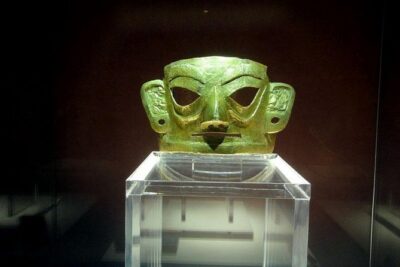
Private Chengdu Day Tour: Giant Pandas and Jinsha Site Museum
Read our review →
Private Xi’an Tour: Terracotta Warriors, Hanyangling Museum, Cave Homes
Read our review →
Beijing Half Day: National Museum of China In-depth Tour with Subway Transfer
Read our review →
Terracotta Warriors Museum Ticket with Professional English-speaking tour guide
Read our review →Browse the lists this tour appears in