
Reviewed · TOURS IN SHENZHEN
Historia and Entertain Tour of the Youngest City of China
Shenzhen’s story is astonishingly young. At Luohu Port, where the city’s modern chapter begins, you’ll trace the links between Shenzhen, Hong Kong, Beijing, and the economic changes that reshaped southern China. The tour then moves through Futian and Huaqiang, where today’s towers and commercial streets sit on ground that was once open countryside.
I like Timo Xu’s personal connection to both Hong Kong and Shenzhen, and I like the small-group format, limited to seven people. The hilltop view, old port stories, maps, and possible local food stop add more than a standard city walk. The main drawback is value: at $40 for two hours, the price may feel high if you want many major sights or a full meal.
Key points to know before you book
- Luohu Port begins the story: This former frontier crossing helps explain Shenzhen’s relationship with Hong Kong.
- Timo Xu leads in English: His work and life in both cities give the tour a personal angle.
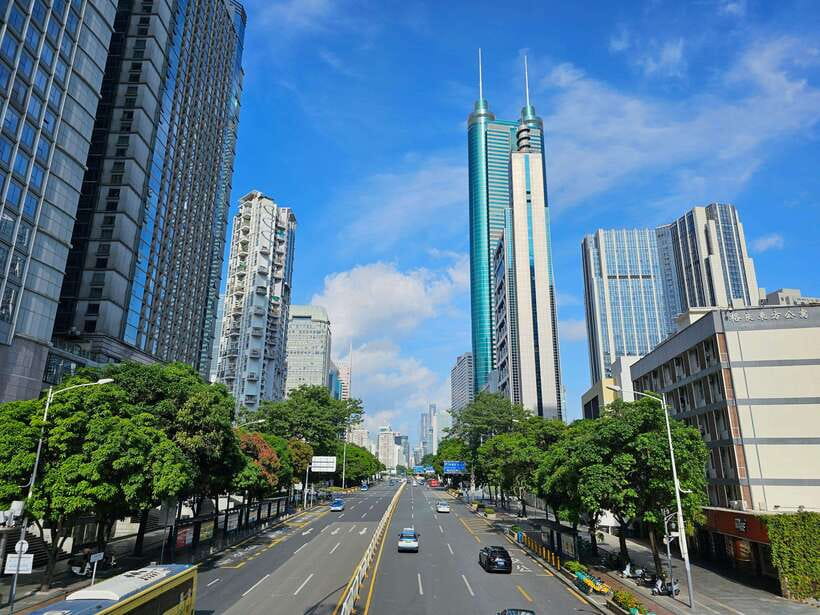
- The route connects past and present: Futian, Huaqiang, Citizen’s Plaza, and the city axis show Shenzhen’s remarkable growth.
- A small hill brings the city into view: The climb is described as modest, but it adds a useful bird’s-eye perspective.
- Food is possible, not guaranteed: A traditional snack stop depends on weather and available time, and you pay for food separately.
- Best for history-minded visitors: This is a conversation-led tour, not a fast checklist of famous buildings.
Shenzhen in two hours: what this tour is really about
This is not mainly a sightseeing walk for collecting photographs. It is a short introduction to how Shenzhen became one of China’s most important cities in only about four decades.
That short timeline is the key. You’ll hear how areas now filled with offices, apartment towers, shops, and transport links were once fields and lakes. Citizen’s Plaza, in Futian, is especially useful for grasping that change. It is hard to picture the area before the city’s rapid expansion, and that contrast gives the tour its main subject: not ancient ruins, but modern transformation.
Timo Xu brings an unusual background. He worked in Hong Kong and Shenzhen for five years and has degrees in engineering and finance. His professional work involves companies and IPO development, while his guiding focuses on the forces that shaped the city. That combination should appeal to you if you want more than dates and building names.
The tone is also personal. Timo connects political and economic change with stories about companies, entrepreneurs, famous people, and ordinary city development. The result is meant to feel like a conversation about how Shenzhen works, rather than a lecture delivered at fixed stops.
What else travellers book in China:
- From Beijing: Mutianyu Great Wall Tours with Options
★ 4.9 · 9,216 reviews - Beijing: Forbidden City Tour(Group/Private)-Tickets Included
★ 4.8 · 7,974 reviews - Beijing: T-Square & Forbidden City Group or Private Tour
★ 4.8 · 4,446 reviews
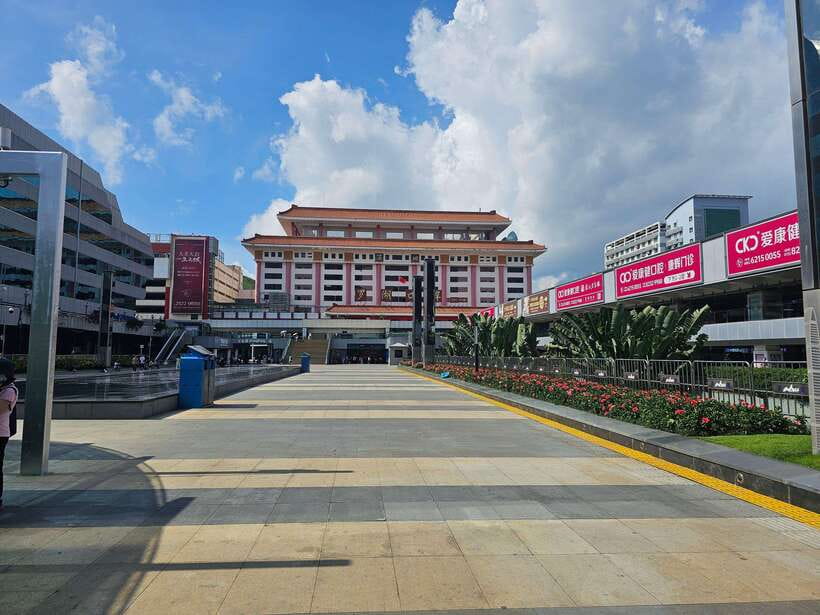
Luohu Port and the city’s first chapter
The meeting point is the Starbucks at China Bank Garden, No. 1006 Fuzhong 1st Road in Futian District. From there, the tour starts with the story of Luohu Port, one of only two land ports in China at the time described for the tour.
Luohu matters because Shenzhen cannot be understood without Hong Kong. The port is a physical reminder of the border, but it also represents the commercial and political links that helped the city grow. You’ll hear how Shenzhen’s position next to Hong Kong affected its development and why the city became so important in China’s opening and economic story.
This stop is likely to appeal most if you enjoy context. The port itself is not presented as a historic monument in the old European sense. Its value comes from what it represents: movement between two systems, trade, opportunity, and the rapid growth of a once less-developed area.
You should also keep your expectations practical. The tour lasts only two hours, and the exact time spent at Luohu Port may depend on the day’s route. This is a story-led visit, not a long border-crossing experience or a detailed examination of port operations.
Towers, old stories, and Shenzhen’s surprising timeline
From the port area, the discussion turns toward the buildings and skyline that helped signal Shenzhen’s rise. Some structures once shocked the nation because they looked so modern and ambitious for their time.
That point is worth hearing on site. A skyline can seem ordinary when you see it only as a row of towers. Timo’s explanation gives those buildings a place in the city’s timeline. You’ll be encouraged to look at them as evidence of a period when Shenzhen was changing faster than almost anywhere else in China.
I particularly like this approach for first-time visitors. You do not need to know the names of every tower before arriving. You need a few clear connections: what the city looked like before the boom, which policies and relationships helped it grow, and how business activity changed the shape of the city.
The tour also links Shenzhen to Beijing and current political conditions. The information provided does not promise a full political briefing, but it does suggest that Timo explains the city within the wider story of modern China. That can make the tour useful early in your stay, when you are still trying to understand what you are seeing.
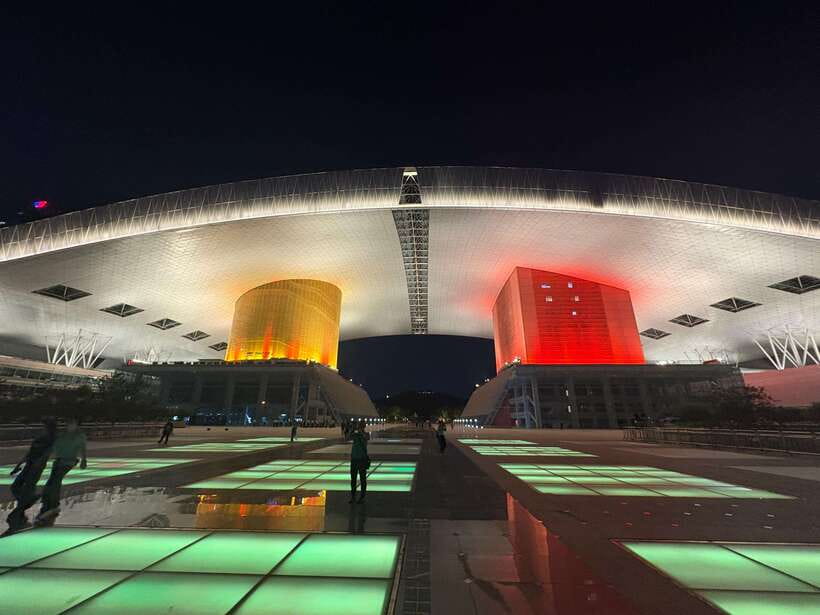
Futian and Citizen’s Plaza: from lakes to a city axis
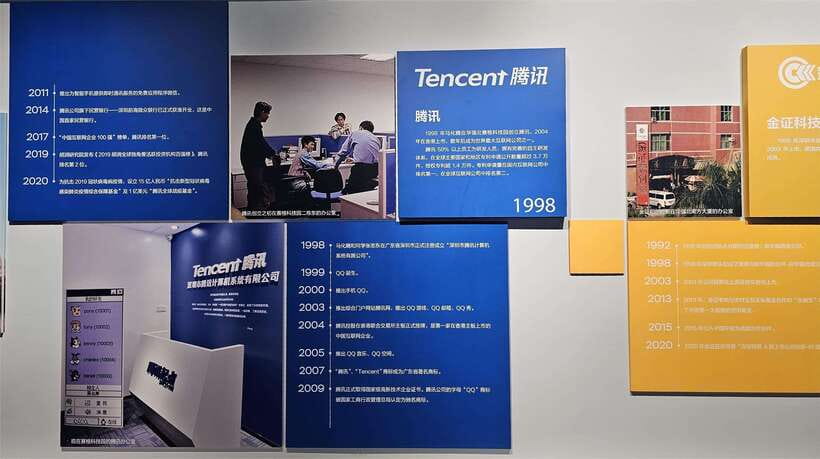
Futian is one of the city’s most important central areas, and Citizen’s Plaza offers a strong setting for discussing Shenzhen’s speed of growth. The tour uses the area to show that today’s formal civic spaces were once open ground and lakes.
This is where the experience shifts from border history to urban planning and public identity. You’ll look at the city axis and hear how Futian became a major center. The point is not just that Shenzhen built quickly. It is that the city created a new center almost within living memory.
For you, the main benefit is visual comparison. The guide uses maps and other visual aids, according to the experience description and guest feedback, which helps make a huge city easier to understand. A map can show the relationship between Luohu, Futian, Hong Kong, and the wider urban area in a way that a casual walk cannot.
Citizen’s Plaza is also a reminder that this tour favors explanation over spectacle. You may not spend long at each landmark. Instead, you get a clear story that ties several places together. If you prefer quiet observation and discussion to shopping or busy photo stops, this section should suit you well.
Same city, a completely different day:
- Beijing: Mutianyu Great Wall Daily Tour with Ticket & Lunch
★ 5.0 · 3,056 reviews - All-Inclusive Tour: Tiananmen Square, Forbidden City, Great Wall
★ 5.0 · 2,873 reviews - MuBus: Mutianyu Great Wall ENG/ESP/RUS Guided Bus Tour
★ 5.0 · 2,361 reviews - 4-Hour Small Group Tour to Forbidden City with Entry Tickets
★ 5.0 · 1,863 reviews
Huaqiang: where every square meter tells an economic story
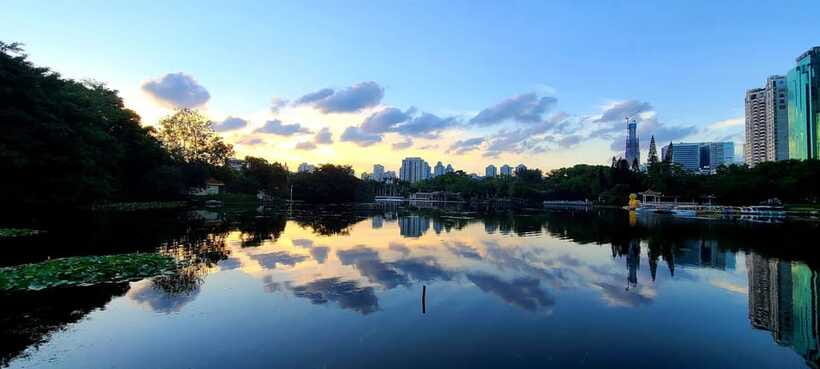
The route includes Huaqiang District, an area known for intense commercial activity and very expensive leases. The tour presents it as a place where each square meter can create enormous value in a single day.
That framing gives you a way to read the streets. Rather than seeing Huaqiang only as a shopping or electronics district, you’ll hear about the companies, entrepreneurs, and business forces connected with it. Timo’s finance background may be especially useful here, since the tour looks at how money, enterprise, and land values shaped the city.
The exact businesses or people discussed are not listed in advance, so do not expect a fixed roster of company visits. This is a walking explanation of the area, not a trade fair or shopping tour.
That distinction matters. If you want time to browse, compare products, or shop for souvenirs, the two-hour schedule may feel too quick. If you want to understand why a commercial street became economically important, the stop should be more rewarding.
The hilltop view and the shape of modern Shenzhen
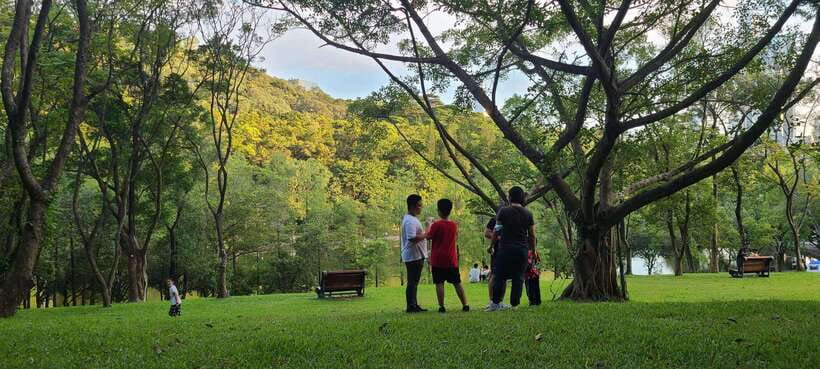
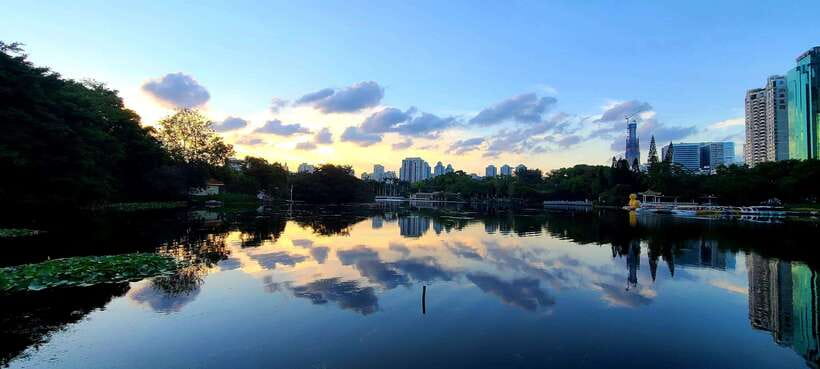
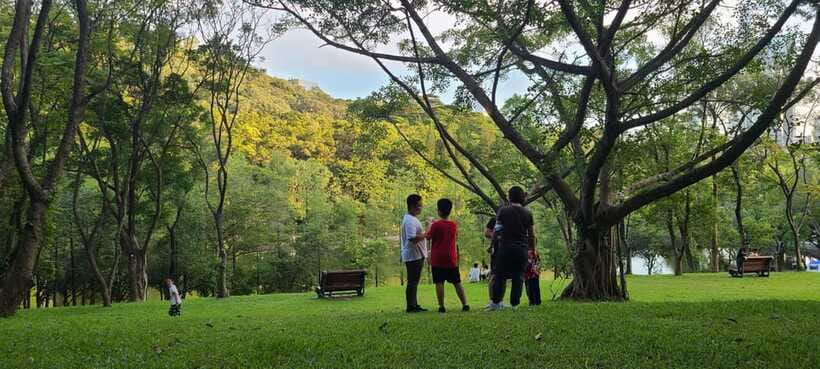
A short hike up a park and modest hill adds a welcome change of pace. The climb is not described as difficult, but you should still wear comfortable shoes and be ready for some uphill walking.
The reward is a bird’s-eye view of the city axis and skyline. From above, the tour’s main ideas become easier to see. Shenzhen’s size, planning, and concentrated development make more sense when you can look across the city rather than at one street at a time.
I like this part because it turns an abstract story into a visual one. You can connect the buildings discussed earlier with the broader pattern of the city. The view also gives the two-hour tour a strong finish, assuming the timing and route allow it.
Still, the hill should not be treated as a major hiking excursion. It is included as a modest climb within a city tour. If you are looking for a long nature walk, this is not that experience.
The local snack stop: useful, but not part of the price
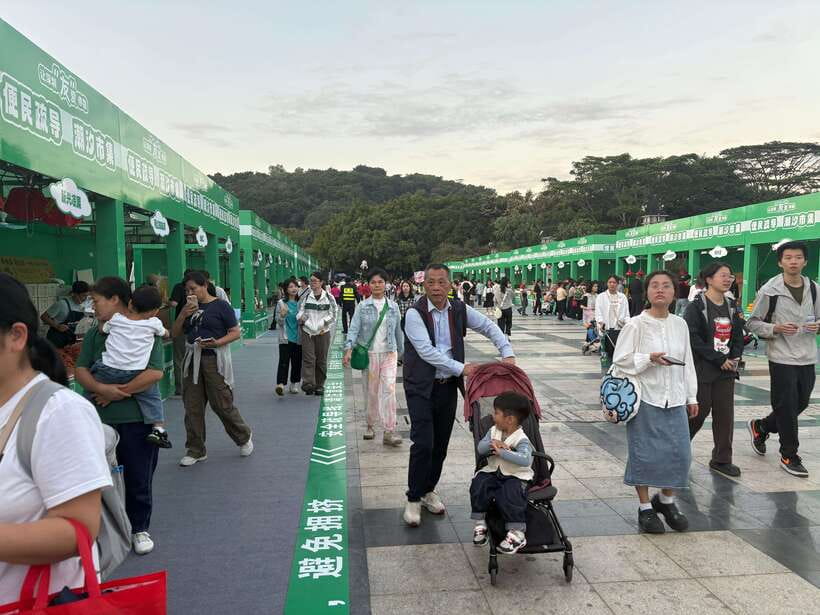
Food is one of the tour’s appealing extras. Depending on weather and time, Timo may stop at a traditional local restaurant for a snack. You pay for the food separately, so the $40 price does not include lunch or tasting costs.
This is a small detail, but it changes how you should plan. Eat something before meeting if you need a full meal, then treat the snack as an optional taste of local life. The stop may also vary, so do not book this tour expecting a set tasting menu or a guaranteed restaurant.
The food element fits the tour’s wider aim. You are not only looking at office towers and public squares. You may also get a simple point of contact with everyday Shenzhen. For many people, that kind of short food stop does more to make a city feel real than another skyline photograph.
What makes Timo’s guiding style different
The strongest part of the experience is the guide. Timo is described as friendly, polite, hospitable, and genuinely interested in people from different countries. Those qualities matter on a small tour, where the guide’s personality shapes nearly the whole experience.
He uses personal stories, maps, and visual aids to explain both older developments and present-day conditions. You can ask questions, discuss China’s relationship with Hong Kong, and connect the city’s growth to business and politics.
The format appears flexible enough to consider individual interests. One guest specifically valued having personal wishes taken into account. That does not mean every stop can be changed, especially within a two-hour schedule, but it suggests that you should tell Timo what interests you at the start.
His background also gives the tour a useful balance. He is not presented only as an academic historian or only as a casual local guide. He has lived and worked in the cities he discusses, and he follows business and company development through his professional life.
Is $40 a fair price for two hours?
At $40 per person, this is not the cheapest way to spend two hours in Shenzhen. Transportation fees are included, and the group is limited to seven people, which keeps the experience more personal than a large coach tour.
The real value depends on what you want. If you want a guide to help you understand Shenzhen’s rapid growth, the relationship with Hong Kong, and the meaning of districts such as Futian and Huaqiang, the price can make sense. You are paying for interpretation and conversation, not admission to a long list of attractions.
If your priority is quantity, the price may disappoint. Two hours is short. You will not cover every part of Shenzhen, and the food stop is not included. One Spanish guest felt the price was high for what was physically seen, while still giving Timo the highest personal praise. That is a useful warning: the guide may be the main product, not the number of sights.
Free cancellation up to 24 hours ahead and the option to reserve without paying immediately make the booking less rigid. Check the available start times, since the schedule can affect whether a snack stop or hill view fits comfortably.
Who should book this Shenzhen tour?
I would recommend it to you if you enjoy asking questions, comparing cities, and understanding why a place looks the way it does. It is a good fit for first-time visitors who want an introduction before exploring Shenzhen on their own.
It should also suit anyone interested in Hong Kong and mainland China relations, modern urban growth, business, or public planning. The English-language format and group size make it easier to have a real exchange rather than simply follow a guide with a flag.
You may want something else if you mainly want shopping, museums, food tastings, or a long list of famous attractions. The experience is short, the food is optional, and the emphasis is on stories told while moving through the city.
FAQ
How long does the tour last?
The tour lasts two hours.
What language is the tour given in?
The tour is given in English by a live guide.
Who leads the tour?
The guide is Timo Xu, who worked in Hong Kong and Shenzhen for five years and has engineering and finance degrees.
Where is the meeting point?
Meet at the Starbucks Cafe in China Bank Garden, No. 1006, Fuzhong 1st Road, Futian District. The Chinese address is 深圳市福田区 福中一路1006号 星巴克(中银花园店)。
What places are included?
The experience includes Luohu Port, Futian areas such as Citizen’s Plaza, Huaqiang District, and a park and modest hill with a city view.
Is food included in the price?
No. A local snack stop may take place depending on weather and available time, but food is paid for separately.
Are transportation fees included?
Yes, transportation fees are included.
How large is the group?
The group is limited to seven participants.
Should you book it?
Book this tour if you want Shenzhen explained by a guide who connects streets, towers, business, politics, and Hong Kong into one clear story. Timo’s warmth and personal experience are the main reasons to choose it.
Skip it if you want a full meal, extensive sightseeing, or a low-cost walk with many included attractions. At $40, the value comes from the conversation and context. For a curious visitor, that can be exactly what makes a young city begin to make sense.
New reviews from China
- Shanghai: 3-Hour Old Shanghai City Tour★ 4.9 · 45 reviews
- Sichuan: Big Panda Volunteer Day tour★ 4.4 · 10 reviews
- Nanjing:Must-See Attractions in One Day+Customized Itinerary★ 5.0 · 3 reviews
- Mutianyu Wall, Summer Palace & Old Summer Palace Day Tour★ 4.8 · 34 reviews
- Night Market Haggling Adventure with an English Guide!★ 4.8 · 7 reviews
- BusDa-Mutianyu Great Wall&Forbidden City Full-day Coach Tour★ 4.9 · 11 reviews
- Mutianyu Great Wall Ticket with Roundtrip Cable Car★ 5.0 · 20 reviews
- Nanjing: Night Cruise on Outer Qinhuai River for Adults★ 4.0 · 4 reviews
Tours in Shenzhen, compared.
Customizable Private Shenzhen Tour with Local guide and Car
Read our review →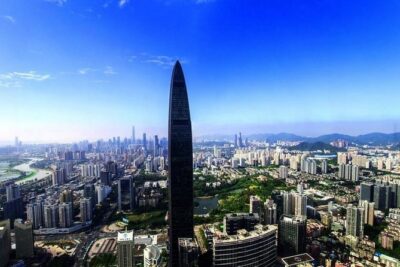
Shenzhen Private Flexible Day Tour with Guide and Driver Service
Read our review →
Shenzhen Tech Tour: Robotaxi, Drone Delivery & Innovation Demos
Read our review →
Huaqiangbei Insider Tour: Explore Shenzhen’s Tech Wonderland
Read our review →
Browse the lists this tour appears in