
Reviewed · CHINESE FOOD TOURS
Chengdu: Eat Like a Local! Food Tour in the Hidden Alleys
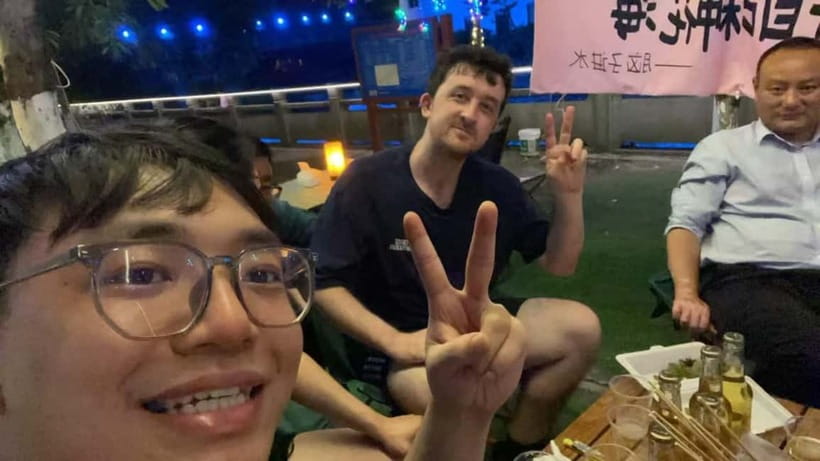
Chengdu’s best food is often found away from the famous hotpot restaurants, in small stalls and night markets where locals grab a quick meal. This tour takes you into those everyday food streets, with guide Jayce helping you order dishes you might otherwise walk past. I love the wide range of tastings, from egg cakes to wolf tooth potatoes, and I like the easy conversation about local customs and daily life.
The three-hour route also keeps things personal, using a private group format and a host who speaks English, Japanese, and Chinese and has lived in the United States. The main consideration is the price: at $73, you are paying far more than the cost of the food itself. You need to value the guidance, translation, transport help, and cultural context to make it worthwhile.
Key points to know before you go
- Start at Jianshe North Road: Meet at Exit C of the Line 6 or Line 17 station.
- Expect 5 to 7 or more tastings: Food and drinks are included, with extra snacks added if you are tempted.
- Try local Chengdu specialties: Egg cakes, cold skewers, wolf tooth potatoes, spicy soup, barbecue, and other street foods may appear.
- Plan for a spicy evening: Jayce adjusts choices to your preferences, but Sichuan food can still bring plenty of heat.
- Travel between food areas: The route includes about 10 minutes on the metro, with private car transport listed as an optional choice.
- Arrive hungry: The tour is built around several small dishes, so an empty stomach is not just a suggestion.
Why Chengdu street food makes a better introduction than one big meal
A restaurant meal can introduce you to Sichuan cooking, but it may not show you how people eat during an ordinary evening. Street food gives you a broader picture. You can see dishes being cooked, watch locals choose their snacks, and sample several flavors without committing to one large plate.
That matters in Chengdu, where texture and seasoning are just as important as the main ingredient. Potatoes can be crisp, chewy, or soft. Skewers may carry a dry spice blend or a slick, chile-heavy sauce. A simple pancake can be sweet, savory, or filled in a way you would not guess from its appearance.
I like this approach because you are not handed a fixed list of famous dishes and sent home. The experience is built around trying several things in small portions. The food on offer can change with the stall, the market, your preferences, and what catches your eye that night.
The host’s role is important here. Jayce does more than translate a menu. He can explain what a dish is, how locals eat it, and how it fits into Chengdu life. That help is especially useful when a food stall has no English signs or when several items look similar but differ in spice, texture, or preparation.
Other eating walks in Chengdu:
- Tuktuk Food Tour Through Chengdu’s Local Eats
★ 5.0 · 435 reviews - Authentic Local Food Tour in Central Shanghai
★ 5.0 · 1,382 reviews - Xi’an Evening Food Tour by TukTuk
★ 5.0 · 715 reviews
Meet at Jianshe North Road and get your bearings
The meeting point is Exit C of Jianshe North Road subway station, served by Lines 6 and 17. This is a practical starting place, since a major subway stop is easier to find than a small stall hidden in a side street.
Give yourself enough time to locate the correct exit. Chengdu’s subway stations can have several exits, and the difference between them can mean a longer walk. Keep the meeting point information saved on your phone, especially if you are arriving after dark.
From the station, the route begins in the local streets around the meeting area. The exact food stops can vary, which is a good thing for a street-food outing. Fixed restaurant menus are predictable. Small stalls and markets allow the evening to respond to what is fresh, open, and appealing.
This is not a formal sightseeing tour with a long list of landmarks. The sights are food counters, cooking surfaces, market aisles, and the people eating around you. If you want Chengdu through its ordinary evening habits, the low-key start works well.
First stop: egg cakes, tea, sweets, and small local bites
The first food area may include tea, dessert, street food, barbecue, and regional snacks. This opening section gives you time to settle into the rhythm of the tour and begin with smaller items before the more intense flavors arrive.
Egg cakes are one of the specialties to watch for. They are a Chengdu-style pancake and a useful reminder that local food is not all chili and peppercorns. Depending on the preparation, the texture and flavor can be quite different from the breakfast pancakes familiar to visitors from elsewhere.
You may also try sweets or tea during this part of the route. That variety helps keep the meal from becoming one long run of heat. It also gives Jayce a chance to explain how different foods fit into daily routines and local habits.
The first market or food street is likely to be the most useful place to ask questions. You can discuss ingredients, ordering customs, and the difference between a dish prepared for a quick snack and one served as a full meal. The cultural conversation is a central part of the value here, not a short introduction before the eating begins.
One note of caution: food stalls are not designed like quiet restaurants. You may be standing, moving through a crowded market, or eating near other customers. That is part of the experience, but it will not suit someone looking for a polished dining room or a slow, formal meal.
The 10-minute metro ride connects two sides of Chengdu eating
The itinerary includes roughly 10 minutes on the metro before the second food area. This short ride is useful because it connects separate food zones instead of keeping you in one tourist-oriented cluster.
Public transport also gives the experience a more normal Chengdu feel. You are not simply driven from one prepared stop to the next. You move through the city as residents do, with Jayce helping you manage the transition.
The information also lists private car transport as an optional arrangement. Confirm the details when booking if transport is important to you, since the standard route specifically mentions the metro. The subway ride itself is brief, but you should still be comfortable with a little walking and changing locations during the evening.
The move between areas helps break up the tastings. A short ride gives you time to talk, compare the dishes you have tried, and decide how adventurous you want to be for the next round.
Other trips that stay off the main sights in Chengdu:
- Chengdu: Hidden Wonders Day Tour with Wolong Panda Base
★ 5.0 · 4 reviews - Beijing Hutong Walking Food and Beer Tour at Hidden Restaurants
★ 5.0 · 1,132 reviews - Eat Like A Local: Shanghai Night Food Tour
★ 5.0 · 616 reviews - Private Hong Kong Tour with a Local, Highlights & Hidden Gems 100% Personalised
★ 5.0 · 490 reviews
Second stop: cold skewers, wolf tooth potatoes, and night-market energy
The later portion focuses on another local food area, with street food, barbecue, drinks, and more snacks. This is where the evening can become more adventurous.
Cold skewers are a key example. Skewered beef, chicken feet, potatoes, and other items are served cold or at room temperature with fragrant, spicy seasoning. The format lets you choose individual pieces rather than ordering a full dish, which is helpful if you want to test your tolerance before taking on something hotter.
Chicken feet are a good example of the tour’s adventurous side. You can try them if you are curious, but you do not have to pretend every unfamiliar food appeals to you. The point is to understand what people eat locally and make your own call.
Wolf tooth potatoes are another highlight. The name refers to the distinctive jagged shape created when the potatoes are cut. They are a familiar vegetable prepared in a very recognizable Chengdu style, and their texture makes them more interesting than ordinary fried potatoes.
You may also encounter spicy soup, barbecue, and other local snacks. One evening included dishes identified by their Chinese names as 蛋洪糕, 狼牙土豆, and 麻辣湯. Since street-food choices change, do not treat that list as a guaranteed menu. Think of it as a useful guide to the kind of food that may appear.
This section is also where drinks become helpful. Beer may be included alongside the food, and the route can end with a more relaxed market atmosphere. All food and drinks provided by the tour are included in the price, so you do not need to keep calculating the cost of every small dish.
Spicy food, personal choices, and how much you will eat
Chengdu food is famous for heat, but the bigger issue is often the combination of chili and Sichuan pepper. The pepper can create a tingling or numbing sensation that is very different from ordinary chili burn.
Tell Jayce early how much heat you can manage. He has adjusted the choices for different preferences, including one person who considered themselves able to handle serious spice. That does not mean every item will be mild. It means the host can help you avoid turning the whole evening into a test of endurance.
The tour description recommends arriving with an empty stomach, and you should take that seriously. You may taste at least 5 to 7 snacks and drinks, with additional choices if you are interested. These are not necessarily full restaurant portions, but the total amount can add up quickly.
I would eat lightly several hours beforehand rather than skipping food all day. You want room for the tastings, but you also want enough energy for walking and standing. If you have dietary restrictions, allergies, or foods you cannot eat, ask about them before booking. The available information confirms preference-based adjustments, but it does not promise a specific dietary menu.
Jayce’s cultural explanations add value beyond the food
The strongest reason to book a guided street-food tour is not that you cannot buy a potato or skewer on your own. You can. The value is in knowing what to order, understanding what you are eating, and having someone explain the cultural details while you try it.
Jayce speaks English, Japanese, and Chinese and has lived in the United States. That background can make conversations about East and West more useful than a standard script about food. You can ask about local customs, Chinese myths, daily routines, and the ways Chengdu life differs from life in the West.
The conversations are meant to be informal. You are not sitting through a lecture between dishes. Instead, questions can come up naturally as you pass a stall, notice a cooking method, or wonder why a snack is served in a particular way.
That style suits me better than a tour that only lists ingredients. Food is connected to habits, family life, work schedules, and social customs. A small snack becomes more interesting when you understand why it is common, when people eat it, and what it says about the city.
The host can also reduce the small frictions that make street food difficult for first-time visitors. He can help with unfamiliar names, explain choices, and guide you toward foods that fit your comfort level. That is especially useful if you do not read Chinese.
Is $73 a fair price for a three-hour food tour?
At $73 per person, this is not a cheap way to buy dinner. Chengdu street food itself is inexpensive, and a confident visitor could spend much less by ordering directly from stalls.
The fair comparison is not the price of the food alone. You are also paying for three hours of planning, translation, local judgment, cultural discussion, transport help, and a private group format. Food and drinks are included, and you do not face surprise charges for the provided tastings.
I think the price works best for a first evening in Chengdu, especially if you want a guided introduction rather than a self-directed snack hunt. It is also stronger value for solo visitors or small parties who would otherwise struggle to sample several foods without ordering too much.
The value is weaker if you already know Chengdu’s food streets, speak Chinese, and are comfortable ordering anything that looks good. In that case, the main benefit becomes conversation and company rather than access to the food.
A useful test is simple: if you would happily pay for a local food guide to save time, explain unfamiliar dishes, and take you beyond the obvious restaurant choices, $73 is reasonable. If you only want the lowest possible meal cost, it is not.
Who should book this Chengdu food walk?
This experience is a good match for people who want to try many dishes in one evening without planning every stop themselves. It works particularly well for first-time visitors who want a friendly introduction to local food and culture.
It also suits adventurous eaters. Cold skewers, chicken feet, spicy soup, and unfamiliar snacks are part of the appeal. You do not have to eat everything offered, but you should be willing to look, ask questions, and try at least a few foods outside your usual routine.
The private group format is useful for couples, families, or friends who want to move at their own pace. The experience is also wheelchair accessible, according to the tour information, though street markets can still involve uneven or crowded spaces. Ask ahead about the exact route if mobility access is a major concern.
You may want a different experience if you prefer a fixed restaurant meal, dislike spicy food, or need a guaranteed menu. The route changes with local availability, and street food always involves a little uncertainty.
The current rating is 4.7 from 15 ratings, with repeated praise for Jayce’s communication, food knowledge, cultural conversation, and ability to choose dishes suited to individual spice levels. Those are the areas where this tour appears strongest.
Final verdict: book it if the guide matters as much as dinner
Book this tour if you want Chengdu food with context, company, and a little courage. The egg cakes, skewers, wolf tooth potatoes, barbecue, and other snacks give you a broad taste of local eating, while Jayce helps turn unfamiliar stalls into understandable choices.
I would book it near the start of a Chengdu visit. You can use the food list afterward to return to dishes you liked, and the cultural conversation may help you read the city more confidently for the rest of your stay.
Skip it if your only goal is cheap food or if you want a predictable, restaurant-style evening. For everyone else, the $73 price can make sense because you are buying access and guidance, not just dinner. Arrive hungry, share your spice limits, and leave room for the unexpected.
FAQ
Where does the tour meet?
Meet at Exit C of Jianshe North Road subway station, served by Lines 6 and 17.
How long does the food tour last?
The experience lasts three hours.
What food is included?
You receive 5 to 7 authentic Chengdu snacks and drinks, with possible additional tastings based on what interests you. Foods may include egg cakes, cold skewers, wolf tooth potatoes, spicy soup, barbecue, desserts, and other local snacks.
Are drinks included in the price?
Yes. The provided food and drinks are included, with no extra charges for those tastings.
Is transportation part of the experience?
The route includes about 10 minutes on the metro. Public transportation or private car transportation is listed as an optional arrangement, so confirm the transport details when booking.
What languages does the guide speak?
The guide service is available in English, Japanese, and Chinese.
Can I cancel the booking?
You can cancel up to 24 hours in advance for a full refund. The booking also offers a reserve-now, pay-later option.
New reviews from Chengdu
- Sichuan: Big Panda Volunteer Day tour★ 4.4 · 10 reviews
- Mount Qingcheng Tour: Explore Serene and Sacred Taoist Site★ 5.0 · 12 reviews
- Leshan Buddha boat and food half day trip★ 3.1 · 3 reviews
- Leshan Giant Buddha Tour: Discover Ancient Stone Masterpiece★ 4.3 · 3 reviews
- Leshan Giant Buddha & Huanglongxi/Buddha Temple Day Trip★ 5.0 · 18 reviews
- Jiuzhai Valley National Park:Visit Colorful Fairy Tale World★ 5.0 · 3 reviews
- Jinsha&Sanxingdui archaeological site private day tour★ 4.8 · 4 reviews
- Huanglong Scenic Area: Explore Stunning Five-Colored Ponds★ 5.0 · 6 reviews
Chinese Food Tours, compared.
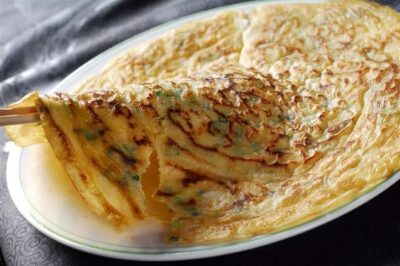
Authentic Local Food Tour in Central Shanghai
Read our review →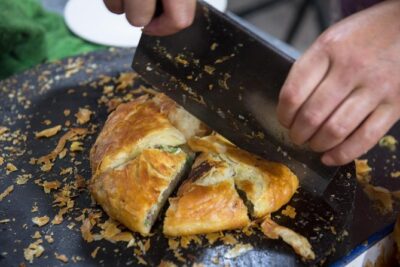
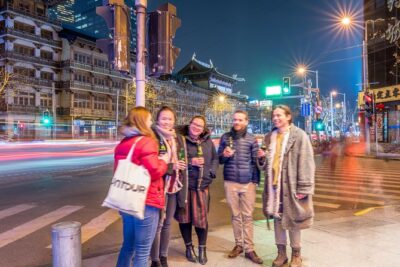
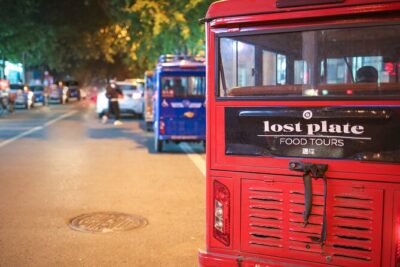

Temple Heaven, Lama Temple, Summer Palace & Peking Duck Bus Tour
Read our review →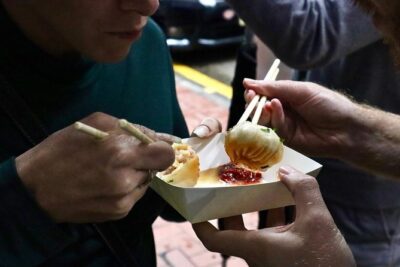
Hong Kong’s Tin Hau Hidden Eats Food Tour with 7+ Local Tastings
Read our review →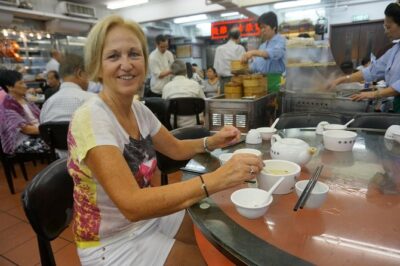
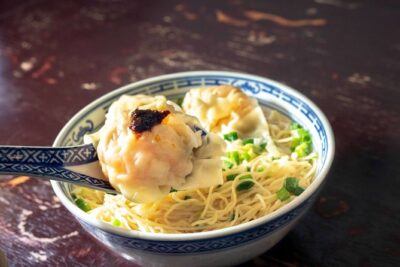
Hong Kong Food Tour: Central and Sheung Wan Districts
Read our review →Browse the lists this tour appears in