
Reviewed · SHOWS & PERFORMANCES
4 Days Lhasa Impression Small Group Tour
Lhasa gives you a lot to take in quickly: the white-and-red Potala Palace, pilgrims circling Jokhang Temple, tea houses around Barkhor Street, and monks debating at Sera. I like that this four-day route covers the essential sights without sending you on long road journeys. I also like the small maximum of 12 people, which makes it easier to hear your guide and keep the group moving.
The main consideration is altitude and pace. Day two brings nearly all of Lhasa’s best-known sights, while day three combines Dadong Village, Drepung Monastery, and Sera. You also need to arrange the Tibet Permit well in advance, and the tour requires you to leave Tibet on day four unless you book a separate onward arrangement.
Key points at a glance
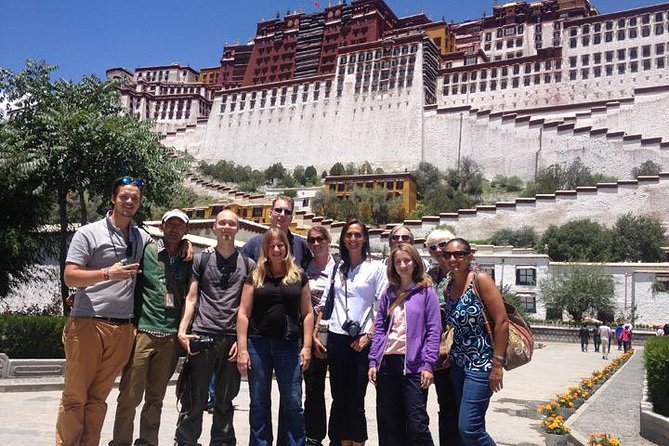
- Potala Palace and Jokhang Temple on the same day: You see Lhasa’s two great spiritual and historic sights, but expect a full schedule.
- Small groups capped at 12 people: This is more personal than a large coach tour and suits anyone who wants direct access to the guide.
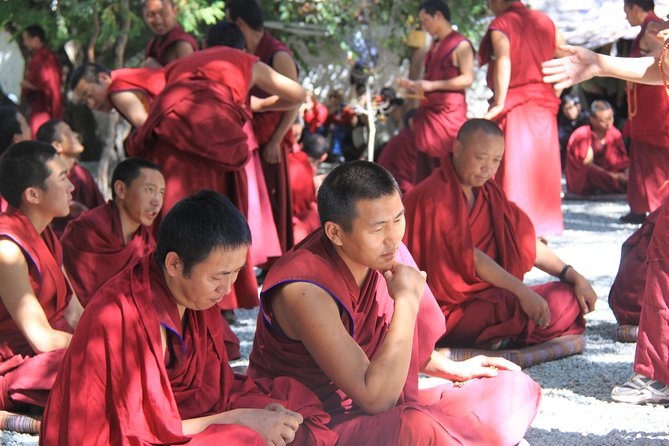
- Sera’s afternoon monk debate: The visit is timed for the lively debate sessions, usually held from about 3 to 5 pm.
- Dadong Village adds a rural note: The morning outside central Lhasa breaks up the palace-and-monastery routine.
- Permits and transfers are included: Airport or train-station pickup, local transport, and the Tibet travel permits are part of the package.
- $509 covers several important costs: Three hotel nights, breakfasts, entrance fees, a welcome dinner, and transport are included, though flights, lunches, dinners, and tips are extra.
A fast but thoughtful first look at Lhasa
This is a compact introduction to Lhasa rather than a slow, open-ended stay. You arrive, settle into a downtown 3-star hotel, and spend the next two days visiting the city’s principal religious sites with a local Tibetan guide.
I like the way the tour combines famous buildings with ordinary moments. At Barkhor Street, you can watch people complete a kora around Jokhang Temple, browse the old market, and sit for Tibetan tea with local residents. That kind of stop gives context to the grand monuments.
You should also understand what this trip does not provide. It is not a long Tibet circuit, and it does not include a visit to Mount Everest or Yamdrok Lake, despite one stray reference to Everest Base Camp transport in the inclusions. The practical itinerary supplied here remains focused on Lhasa, Dadong Village, Drepung, and Sera.
Other shows and performances in China:
- Red Theatre Beijing Acrobatic Show Tickets
★ 4.9 · 461 reviews - Shanghai: Circus World ERA Theatre Acrobatics Ticket
★ 4.9 · 283 reviews - Shanghai Circus World: ERA2 Intersection of Time Acrobatics Show
★ 4.5 · 235 reviews
Arrival by train or plane
On day one, a Tibetan guide meets you at Lhasa airport or the train station. A private transfer for the group takes you into the city, with views of the Yarlung Tsangpo River along the way.
The arrival transfer matters more than it might on an ordinary city break. Tibet requires permits, and the tour operator arranges the pickup rather than leaving you to sort out transport after a long journey. You are also arriving at high altitude, so having a direct ride to the hotel is a welcome bit of simplicity.
The first day is mainly for arrival and settling in. The schedule indicates a welcome dinner at a local restaurant when the group members meet in Lhasa. Since lunch and most dinners are not included, this meal is a useful introduction to the group and to local food.
Your hotel is based on twin sharing, with three breakfasts included. A single room costs extra and depends on availability. The accommodation is described as 3-star, so I would choose this tour for a practical base rather than for a hotel-centered holiday.
Potala Palace: the big morning visit
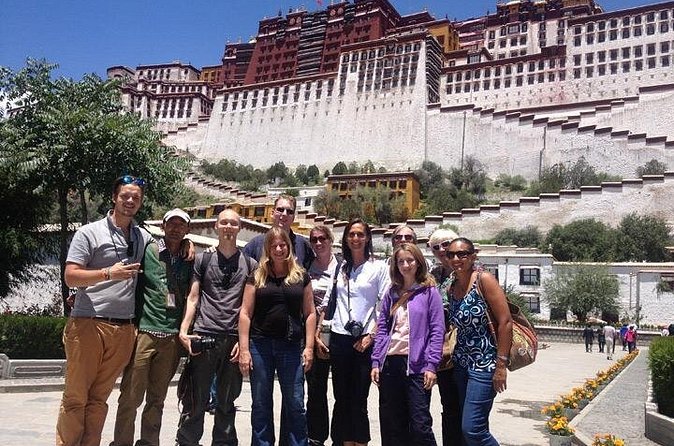
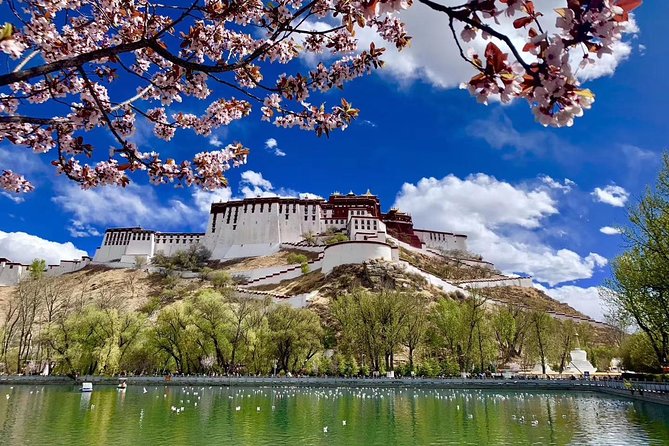
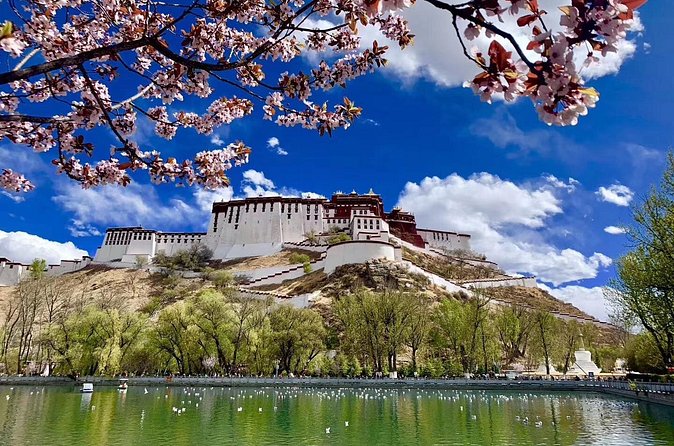
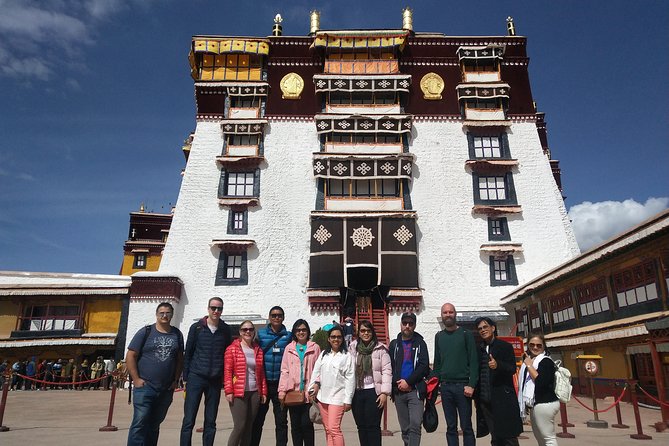
Day two begins at Potala Palace, the former winter palace of the Dalai Lama. The building dates back to the period of Tibet’s 33rd great king in the seventh century, and its huge position above Lhasa makes it the city’s defining sight.
The planned visit lasts about 90 minutes. That is enough to see important rooms and collections, but it is not an unhurried exploration of every corner. Palace access is controlled, and your guide will help you follow the required route and make sense of what you see.
The physical demands deserve attention. Potala Palace involves steps and walking at altitude, so move at a steady pace and do not treat the first major visit as a race. You will get more from the painted rooms, religious objects, and palace spaces if you pause and listen rather than simply chase the next room.
There is a minor inconsistency in the supplied details: individual stops say admission is not included, while the main inclusions say entrance fees for all listed sights are included. Ask the operator to confirm this before departure, preferably in writing. It is an important point because Potala Palace is one of the tour’s principal paid visits.
Jokhang Temple and Barkhor Street
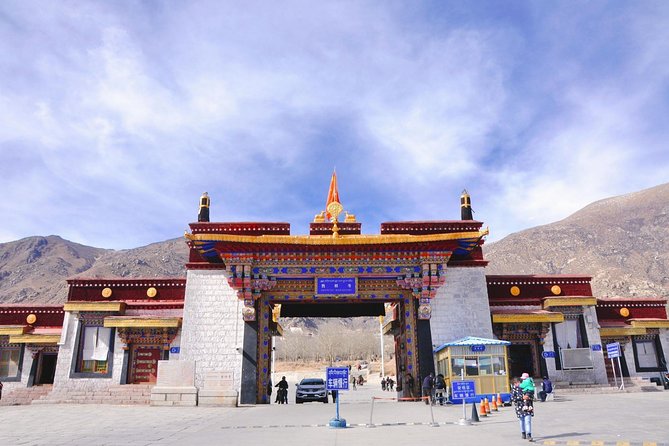
After lunch, the group goes to Jokhang Temple, founded in the seventh century. Inside, the central draw is a statue of Buddha Sakyamuni shown at age twelve, a highly important object of devotion in Tibetan Buddhism.
The planned temple visit lasts about 90 minutes. This is not just another old building on a sightseeing checklist. Jokhang remains a place of active worship, so you should expect a religious setting rather than a museum experience. Follow your guide’s instructions about where to stand, what you may photograph, and how to behave inside.
Then comes Barkhor Street, which circles the temple. The scheduled visit is only about 30 minutes, but you should treat it as an introduction rather than a full market visit. The most memorable part may be the kora, the clockwise religious circuit made by pilgrims and local people around the temple.
You can also look around the old market and try Tibetan tea with local people in a tea house. This is one of the best details in the program because it brings you close to daily life. Still, half an hour is short, so ask your guide if there is time to return later, or consider extending your own visit if the day’s schedule allows.
The combination of Jokhang and Barkhor is the emotional center of the tour for many people. Potala Palace shows the power and scale of Tibet’s former political world. Jokhang and Barkhor show religion as a living part of the city.
Other four-day trips from China:
- 4-Day Zhangjiajie Tour to All Highlight Attractions with VIP Lift
★ 5.0 · 74 reviews - 4D3N Yangtze River Cruise: Chongqing to Yichang by Century Cruise
★ 4.5 · 11 reviews - 4D3N Yangtze River Victoria Cruise: Chongqing to Yichang
★ 4.4 · 9 reviews - 4-Day Highlights of Zhangjiajie With Sunrise Experience
★ 5.0 · 4 reviews
Dadong Village and Drepung Monastery
The third morning moves beyond central Lhasa. The plan includes Dadong Village, about 25 kilometers southwest of downtown, described as a well-protected ancient Tibetan village surrounded by mountain scenery. The morning visit is listed as part of a four-hour stop connected with Drepung Monastery.
The wording of this section is slightly unclear, so you should confirm the exact order before you go. The stop is labeled Drepung Monastery, but its description begins with Dadong Village. That may mean both are covered during the morning, but the supplied details do not spell out the timing precisely.
Drepung is one of Tibet’s great Gelug monasteries. Its importance comes from both its religious role and its connection to the Dalai Lama institution. Compared with the tightly managed palace visit, the monastery stop should give you more space to consider how monastic life shaped the wider region.
Dadong Village changes the rhythm of the day. After two major urban religious sites, a village visit lets you see older forms of Tibetan settlement and the countryside outside Lhasa. Do not expect a long independent walk unless your guide allows it. The group schedule and transport plan determine how much time you actually have on foot.
This is also a good day to pay attention to altitude. The tour does not list a special acclimatization schedule, medical support beyond tourist accident insurance, or a reduced first touring day. If you are prone to altitude problems, speak with a medical professional before booking and keep the first day calm.
Sera Monastery and the afternoon debate
Sera Monastery follows in the afternoon, with about two hours planned for the visit. It is another of Tibet’s three great Gelug monasteries, and the timing is designed around the monk debates held at about 3 to 5 pm.
The debate is the most distinctive activity on the schedule. Monks use sharp gestures, clapping, and rapid exchanges as they test Buddhist ideas and reasoning. It is more active than a quiet room of statues, and the afternoon timing gives this stop a clear purpose.
Your guide’s explanation will matter here. Without context, the gestures can look theatrical. With a good explanation, you can better understand that the debate is a serious form of study and training.
Several guides named in past tour accounts include Pasang, Tsedon, Tseyang, Lobsang, Lopsong, and Lukpa. The guide assigned to your departure may be someone else, so treat these names as examples rather than a promise. What you should expect is an English-speaking Tibetan guide who handles the sightseeing, transfers, and cultural explanation.
What $509 really covers
At $509 per person, the price is strongest when you value convenience and permit support. It includes three nights of twin-share accommodation, three breakfasts, a welcome dinner, airport or train-station transfers, a comfortable van or minibus, fuel, an English-speaking Tibetan guide, drinking water, listed entrance fees, tourist accident insurance, and the Tibet travel permits.
That is a useful bundle for a short first visit. You are not paying only for sightseeing time. The operator also handles the paperwork and the transport connections that can be difficult to arrange independently.
The price does not include your flight or train ticket to Lhasa, lunches, most dinners, or tips for the guide and driver. A single room costs extra. I would set aside money for meals and gratuities before comparing this tour with a cheaper-looking package.
The maximum group size is 12. That is small enough for a guide to answer questions without turning every stop into a head count exercise, while still keeping the price below a fully private tour. If your booking ends up with only a few people, the experience may feel more flexible, but the listed maximum is what you should use when making your decision.
Permits, visas, and the 20-day deadline
The Tibet Permit is the key practical issue. You are asked to book at least 20 days before departure so the operator can obtain the permit, and you must provide a passport copy and China L Visa at least 20 days before travel.
If you enter Tibet from another city in China, you need a China L Visa from the Chinese embassy in your country. If you fly to Lhasa from Kathmandu, do not apply for a China L Visa in advance according to the supplied instructions. Instead, you need a Tibet Group Visa arranged through a travel agency in Kathmandu, using an invitation letter from the tour operator.
The permit is delivered to a delivery address or hotel address in one Chinese city. You should not assume it will simply be waiting at Lhasa airport. The operator contacts you after confirmation, and the confirmation voucher supplies contact information for sending the required documents.
This is one reason I would not leave the booking until the last minute. Confirmation is expected within 48 hours, but it remains subject to availability. The average booking lead time is about 32 days, which fits the permit requirement and gives you some breathing room.
Transport, timing, and daily comfort
The tour starts at 9 am for the scheduled sightseeing days, with pickup and drop-off handled by the supplier. Transport uses a comfortable van or minibus with a local driver, rather than public buses or a large coach.
That setup is practical in Lhasa. The city sights are separated enough that walking between every stop would not make sense, especially at altitude. A small vehicle also keeps the group together for the trips to Dadong Village and the monasteries outside the center.
The schedule is full but not absurdly packed on paper. Potala Palace takes about 90 minutes, Jokhang another 90, and Barkhor 30 minutes. Day three gives four hours to the Drepung and Dadong section, followed by two hours at Sera.
Still, allow for changes. Palace entry times, traffic, group movement, and permit controls can affect the day. Wear shoes suitable for uneven floors and steps, carry the drinking water provided, and keep some flexibility around lunch because meals are not part of the package.
Who should choose this Lhasa tour
I would choose this trip if you want a first look at Tibet’s capital and prefer having permits, transfers, and a local guide arranged together. It suits people who want major landmarks, active religious sites, and a short taste of village life without planning every transfer themselves.
It also works well for a short China itinerary. If you have only four days available for Tibet, this schedule covers the essential Lhasa sights in a logical order.
I would look for another option if you want a relaxed pace, a private guide, or a longer stay. The schedule gives you limited free time, and day two is particularly concentrated. It also does not offer an open-ended final day: the permit is limited for this tour, and you are expected to leave Tibet by air or train on day four unless another Tibet trip or drop-off arrangement is made.
The high recommendation level and 4.7 rating suggest a dependable experience, with special praise directed toward guides who explain Buddhism clearly, keep the group organized, and handle problems quickly. The named guides Pasang and Tsedon received especially warm attention for their explanations and care, while Lobsang, Lopsong, and Lukpa were also singled out for professional service.
Should you book the 4 Days Lhasa Impression Tour?
Book it if you want a well-organized introduction to Lhasa with the major temples and monasteries, a small group, and permit assistance included. The strongest parts are the Jokhang and Barkhor experience, the timed visit to Sera’s monk debate, and the ease of having airport or train pickup already arranged.
Before paying, confirm three things: that admission fees are included as stated, that the Dadong Village and Drepung schedule is clear, and that your visa and permit documents can be processed in time. If those details fit your plans, $509 is a fair price for a short, guided Tibet visit that gives you far more than a quick city tour.
FAQ
Is airport and train-station pickup included?
Yes. Pickup and drop-off between Lhasa airport or train station and the city are included, and the tour operator arranges the service.
How large is the tour group?
The tour has a maximum of 12 people. The price is based on double occupancy in a shared twin room.
Are hotel stays and breakfasts included?
Yes. The package includes three nights in 3-star accommodation and three breakfasts. A single room requires an additional charge and depends on availability.
Do I need a Tibet Permit?
Yes. The tour includes the Tibet travel permit and other necessary permits. You must provide a passport copy and China L Visa at least 20 days before travel, and booking at least 20 days ahead is advised.
Are entrance fees included?
The inclusions state that entrance fees for all listed sites are included. Some individual stop descriptions show admission as not included, so confirm this inconsistency with the operator before departure.
What is not included in the $509 price?
Your flight or train ticket to Lhasa, lunches, dinners other than the welcome dinner, and tips for the guide and driver are not included. A single-room supplement is also extra.
New reviews from China
- Shanghai: 3-Hour Old Shanghai City Tour★ 4.9 · 45 reviews
- Sichuan: Big Panda Volunteer Day tour★ 4.4 · 10 reviews
- Nanjing:Must-See Attractions in One Day+Customized Itinerary★ 5.0 · 3 reviews
- Mutianyu Wall, Summer Palace & Old Summer Palace Day Tour★ 4.8 · 34 reviews
- Night Market Haggling Adventure with an English Guide!★ 4.8 · 7 reviews
- Nanjing: Night Cruise on Outer Qinhuai River for Adults★ 4.0 · 4 reviews
- BusDa-Mutianyu Great Wall&Forbidden City Full-day Coach Tour★ 4.9 · 11 reviews
- Mutianyu Great Wall Ticket with Roundtrip Cable Car★ 5.0 · 20 reviews
Shows & Performances, compared.
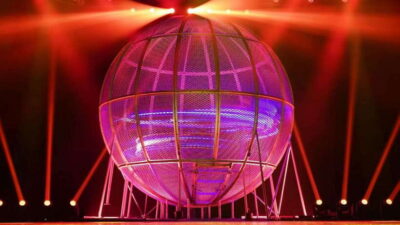
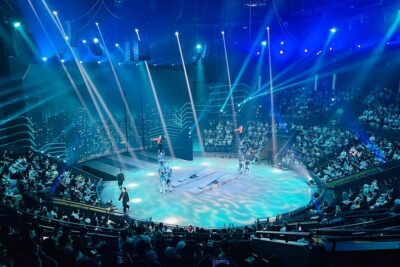
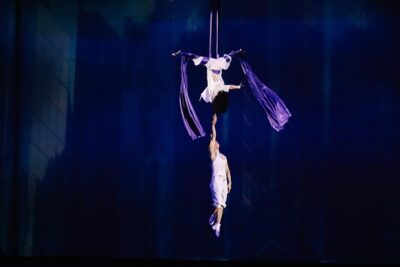
Shanghai Circus World: ERA2 Intersection of Time Acrobatics Show
Read our review →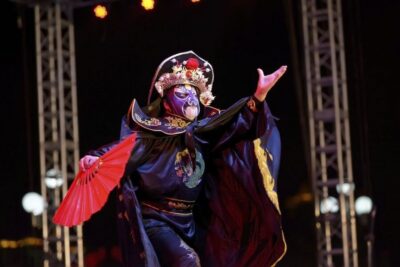
Sichuan Opera Shu Feng Yan Yun Evening Show Ticket
Read our review →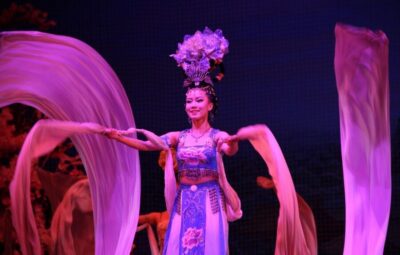
Great Tang Dynasty Night Show & Dumpling Meal Option
Read our review →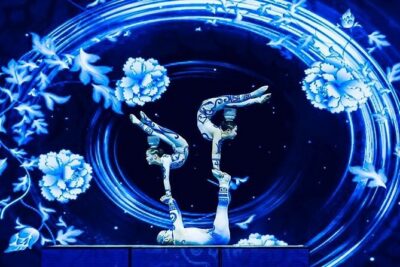
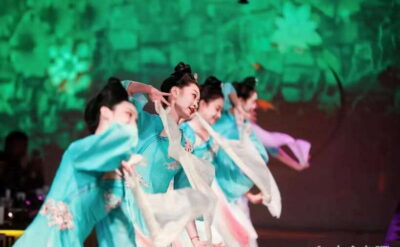
Royal Banquet with Chinese Cultural Performance
Read our review →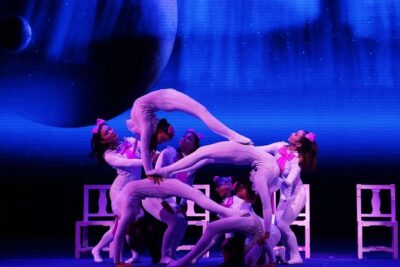
Beijing Roast Duck Banquet and Acrobatics Show with VIP Seats Evening Tour
Read our review →Browse the lists this tour appears in