

Reviewed · HUTONG TOURS
Beijing: Hutongs & Drum Tower City Walking Tour
Beijing’s hutongs are the heart of this outing. These narrow lanes, some dating back 300 to 700 years, show you a side of the city that grand imperial sights cannot. You’ll walk beside Qianhai and Houhai lakes, pass old courtyard homes, browse Yandai Byway, and finish at the Drum Tower. I like the mix of daily life and history, and I like that guides such as Jenny, Alice, Amber, Lisa, and Tony make room for food stops and questions. The main consideration is cost: the $69 price does not include public transport, entrance tickets, or every optional activity.
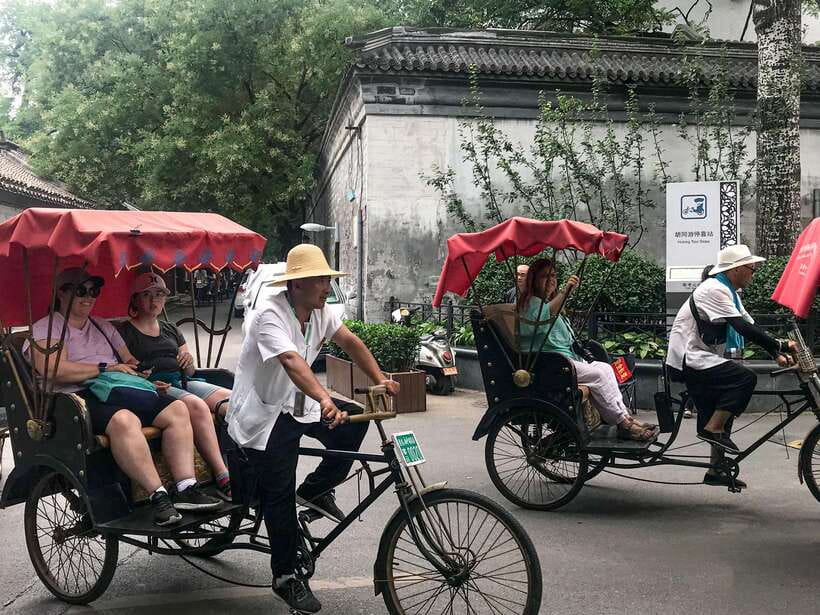
- Rickshaw through old lanes: Choose the optional hooded tricycle ride, about 30 minutes for two people.
- Waterfront hutongs: Walk beside Qianhai and Houhai lakes, where old lanes meet open water.
- Traditional courtyard home: Visit a local family and see the layout of rooms such as the kitchen and living room.
- Taoist temple and canal history: See a temple near the Jing-Hang Canal and Wanning Bridge.
- Drum Tower finale: Climb the roughly 600-year-old tower and watch the drum performance when scheduled.
- Local food guidance: Try Beijing snacks, noodles, baozi, drinks, and other dishes with help from your guide.
Why Beijing’s Hutongs Matter
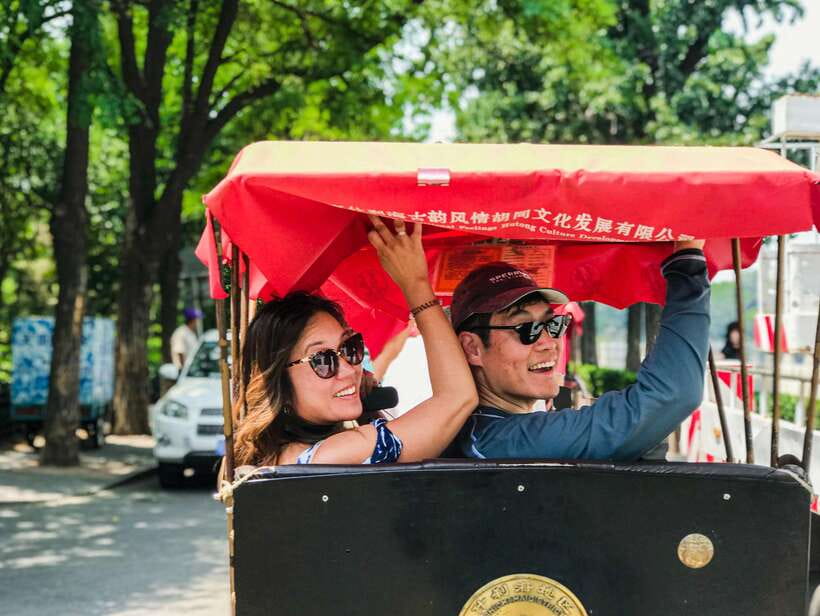
Beijing can feel enormous, formal, and modern. The hutongs give the city a human scale. You walk at street level, peer into narrow lanes, and see old courtyard homes beside small shops and everyday neighborhood life.
A hutong is more than a scenic alley. It is a network of lanes tied to traditional courtyard housing. The tour uses these streets to explain how rich and poor families once lived, how Beijing neighborhoods changed, and how some old homes still function today.
I like this approach because you are not simply looking at old buildings from behind a rope. You are moving through a living area. That also means the setting is less polished than a major museum or palace. Lanes can feel uneven or crowded, and a family home visit depends on the option you book and on local arrangements.
The tour lasts about three to four hours. That gives you enough time for several stops without turning the morning or afternoon into an endurance test. You should still expect plenty of walking, especially if you choose to explore the hutongs on foot rather than rely mainly on the rickshaw.
Starting Near Shichahai and the Old Waterways
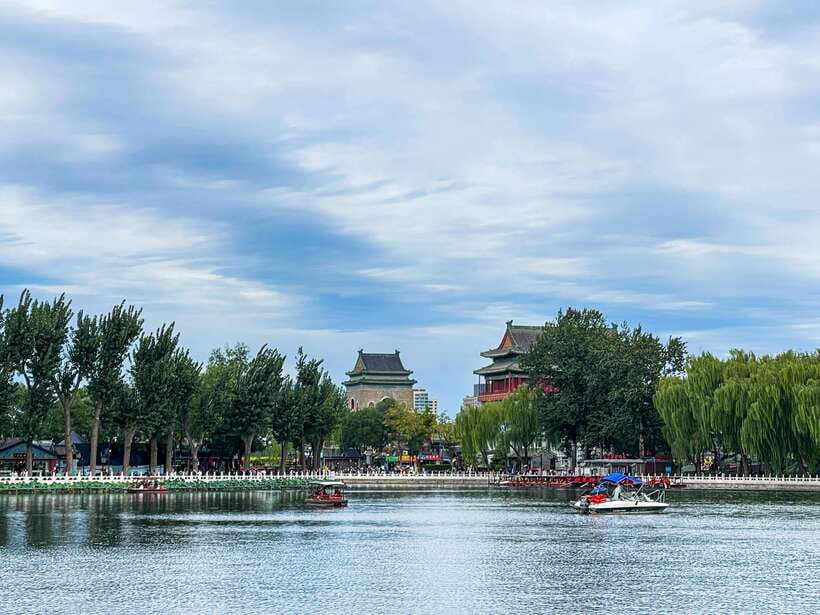
The usual meeting point is Exit A2 of Shichahai subway station on Line 8, though the exact meeting point can change with the option you choose. This is a sensible starting area because you are already close to Beijing’s old lakes, lanes, and historic towers.
The route includes Qianhai and Houhai, two connected bodies of water in the Shichahai area. The lakes give the tour breathing room. After walking through tight lanes, you can look across the water and understand why this part of Beijing has long been a favored place for strolling and leisure.
Your guide may use these early sections to explain the old waterways and the city’s changing neighborhoods. The Jing-Hang Canal and Wanning Bridge also add useful context. Wanning Bridge dates to the Mongolian dynasty period, so this is not just a photo stop. It helps place the nearby hutongs within Beijing’s long development as a major capital.
A practical tip: keep your passport with you. It is listed as a required item, and you will need Chinese cash if you want to buy snacks from local stores.
Other old-lane walks in Beijing:
- Beijing Hutong Walking Food and Beer Tour at Hidden Restaurants
★ 5.0 · 1,132 reviews - Temple Heaven, Summer Palace, Lama Temple, Hutong Bus Tour
★ 4.7 · 319 reviews - Temple of Heaven, Summer Palace, Lama Temple, Hutong Tours
★ 5.0 · 311 reviews
A Taoist Temple Beside the Canal
The Taoist temple stop adds a religious and cultural layer to the walk. You’ll hear about Chinese gods and local religious practice, including what younger Chinese people may believe today.
This part is valuable because it avoids treating Beijing as a collection of imperial monuments. You get a look at ideas and customs that still shape daily life. The temple is also beside the historic canal and bridge, so the guide can connect faith, transport, and the growth of the city in one compact area.
The length of this visit is not specified, so you should think of it as one part of a moving walking tour rather than a long temple study. If religion and local customs interest you, ask your guide questions here. Several guides are praised for welcoming questions and adapting explanations to what you want to know.
Walking Yandai Byway for Snacks and Small Shops

Yandai Byway is an ancient commercial street and one of the livelier parts of the route. You’ll have free time to try local snacks and browse souvenir shops.
This is where the tour becomes especially useful for first-time visitors. A guide can point out food you might otherwise pass without understanding. Jenny helped one group find suitable alternatives for particular dietary needs, while other guides introduced drinks, snacks, noodles, baozi, pork liver, and regional sweets.
Do not expect every food stop to be included in the $69 price. Food purchases are your responsibility, and Chinese cash is recommended. The selection may vary, but the point is to give you a guided introduction rather than send you into a shop with no idea what to order.
The street can be busier and more commercial than the quieter hutongs. That is not necessarily a flaw. It gives you a chance to buy small souvenirs and compare the tourist-facing side of the old neighborhood with the residential lanes nearby.
The Optional Rickshaw Ride
The rickshaw is a hooded tricycle, once associated with wealthy residents and nobles. On this tour, two people share one rickshaw for about 30 minutes. The stated cost is 200 CNY for two participants, so confirm that your booking includes this option and check how the extra charge is handled.
I see the ride as a pleasant shortcut and a bit of old Beijing theater. It lets you watch the lanes pass from a low seat while the puller handles the narrow streets. It also reduces walking for part of the route, which may help if you want a less strenuous outing.
Still, the rickshaw is not the central reason to book the tour. You will understand the hutongs better when you walk some of them yourself. The best choice depends on your priorities: select the ride for comfort and atmosphere, or spend the time on foot if you want more direct contact with the lanes.
A review of the route also refers to a bicycle option, with one group cycling around Qianhai and Houhai before walking to the Drum Tower. Since the main description specifically details the rickshaw, ask about bicycle availability before booking if that is important to you.
Other walks around Beijing:
- Private Beijing Walking Tour of the Forbidden City with 7 Options
★ 5.0 · 675 reviews - Forbidden City Private Walking Tour with Optional Sights
★ 5.0 · 400 reviews - Beijing Private Hutong Food Walking Tour
★ 5.0 · 299 reviews - Beijing: Hutong Culinary Walking Tour with 15+ Tastings
★ 5.0 · 162 reviews
Visiting a Traditional Courtyard Home
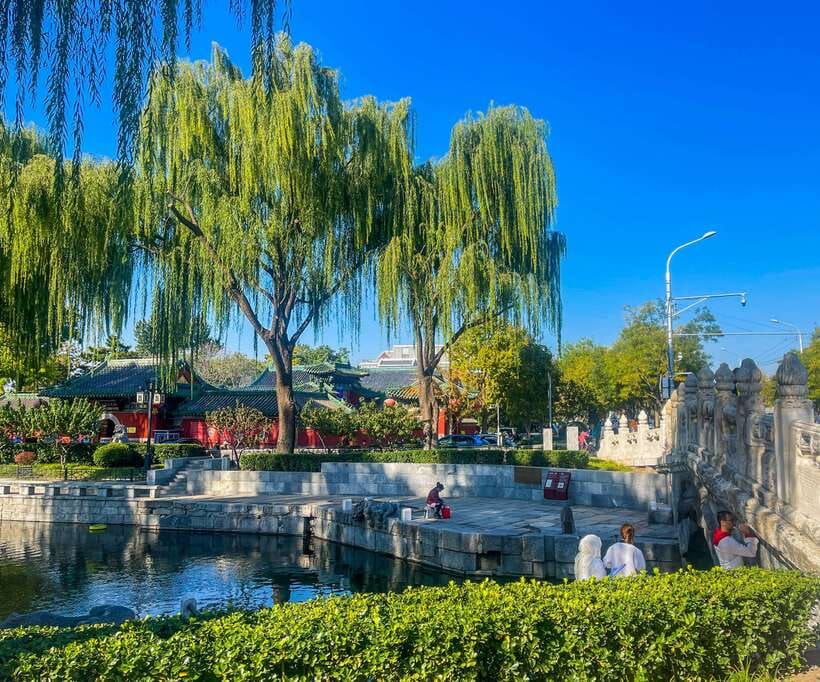
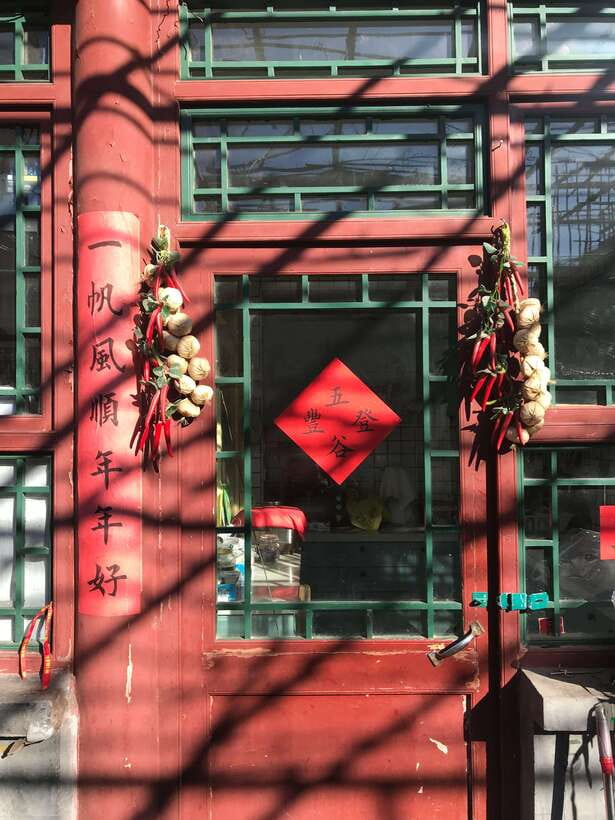
The home visit is one of the most personal parts of the outing. If you select that option, you can meet a local family, say ni hao, talk with them, and see a traditional courtyard house.
You may see the kitchen, living room, and bedroom layout. That matters because the hutongs are easy to admire as scenery without understanding how people used the space. A home visit turns the architecture into something practical: where families cooked, rested, stored belongings, and shared daily life.
Expect this to be a brief cultural exchange, not a staged museum display. The tour description presents it as a chance for free conversation and a look inside a local home. Be polite, ask before taking photos, and remember that you are entering someone’s living space.
The home visit is optional, so check your chosen package carefully. The listed inclusions say the rickshaw ride and home visit are included if that option is selected. This is one of the details that can change the value of the booking.
Courtyard Homes for Rich and Poor
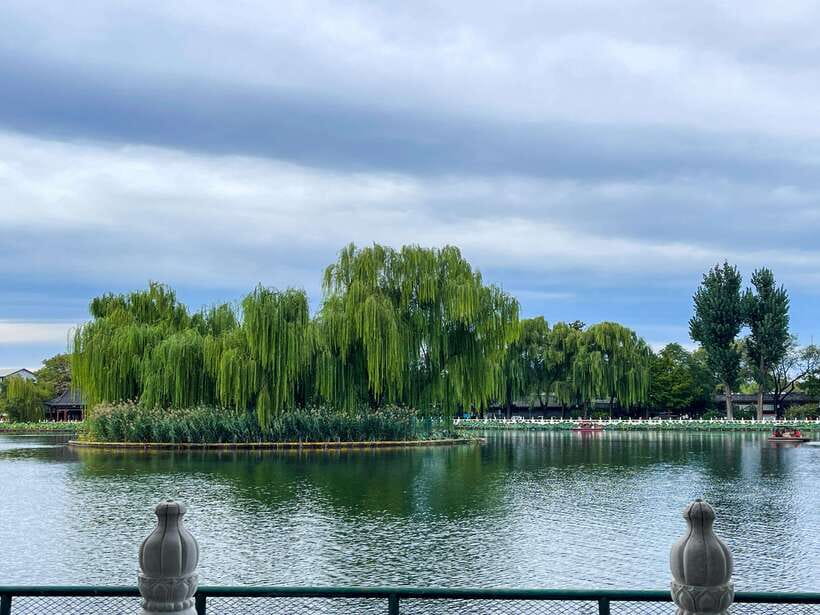
The walking sections between major stops are not filler. Your guide uses them to show different types of courtyard houses and explain how the lanes served people from different social backgrounds.
You may notice how plain residential passages sit close to popular streets and lakeside paths. That contrast gives you a better feel for old Beijing than a single preserved building can. The guide can also explain how the city’s older housing patterns fit around newer shops and services.
This is where a strong guide makes a real difference. Alice was praised for looking after a parent and child, bringing snacks, and taking extra care throughout the activity. Tony, Susan, Kolar Lee, and others were also described as helpful with history, food, religion, and local customs. The experience is not built around a fixed audio script. Your guide’s ability to read your interests can shape the day.
The Drum and Bell Tower Square
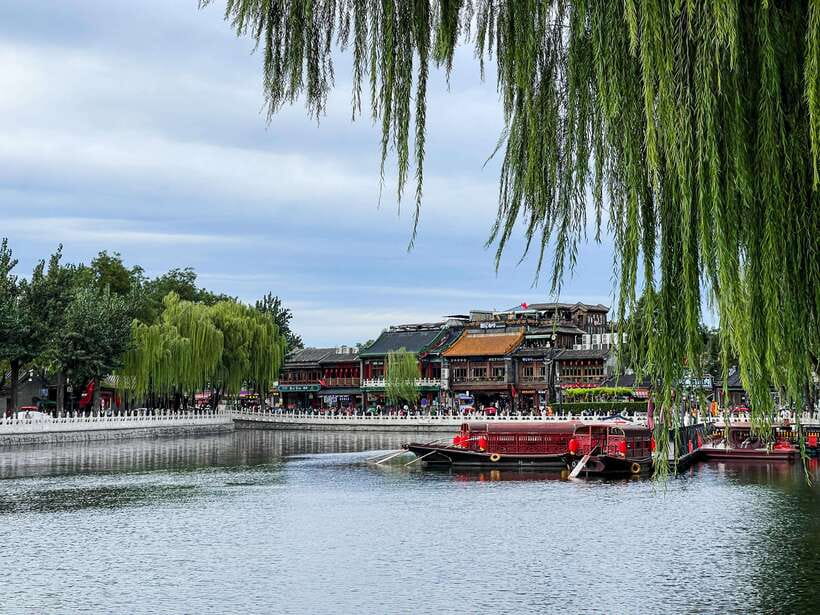
The tour heads toward the square between the Drum Tower and Bell Tower. Here, the guide explains stories about Beijing residents from earlier dynasties through the present.
The open square helps you understand the towers as part of a city system rather than isolated attractions. The Drum Tower marked time for the old city, and its position gives the surrounding hutongs a clear historical anchor.
The Drum Tower itself is about 600 years old. You will climb it, so allow for stairs and take your time. At the top, you get a view over the nearby old neighborhoods and the wider city. The exact view depends on weather and visibility, but the height helps you see how the lanes, lakes, and larger Beijing streets fit together.
A drum ceremony may be part of your visit. One group arrived in time for the drum show, and that performance became a highlight of the outing. Since performance times can affect what you see, ask your guide about the schedule on the day.
Entrance tickets are not included in the basic price. Add that cost to your budget, along with food, transport, and any optional ride or home visit.
Food Is Part of the Lesson
This tour treats food as a way to understand Beijing, not just as a break between sights. You may try snacks from small shops, sample local drinks, or stop for a more substantial meal after the Drum Tower.
Past stops have included pork liver, local noodles, baozi, durian pie, and other Beijing specialties. Your own selection will depend on what is open and what you want to eat. The guide can help explain unfamiliar dishes and point you toward suitable choices.
If you have strict dietary needs, tell the guide early. Jenny was especially helpful to one group looking for food alternatives, and several guides have been praised for helping with local restaurant choices. Do not assume every dietary requirement can be met, but asking at the start gives you the best chance of eating comfortably.
Bring Chinese cash for the small shops. The $69 tour price does not cover snacks or meals, so think of the food budget as flexible rather than fixed.
How the $69 Price Holds Up
At $69 per person, this is not the cheapest way to walk around Shichahai. You can explore parts of the lakes and hutongs independently for less. The price begins to make more sense if you want an English-speaking guide, local explanations, help with food, and access to a traditional home when that option is selected.
The value is strongest for first-time visitors who want several pieces of Beijing in one outing: waterways, religion, commercial streets, housing, transport history, food, and the Drum Tower. You are paying for interpretation and time saved, not just entry to one monument.
The price needs closer checking for add-ons. Public transportation and entrance tickets are not included. The rickshaw and home visit depend on the option selected, and the rickshaw is listed at 200 CNY for two people. Compare the final package rather than judging the headline price alone.
Private and small-group formats are available. A smaller group should make it easier to ask questions and adjust the food or walking pace, but confirm what your selected booking provides.
Guides Who Shape the Experience
The strongest pattern in the feedback is the quality of the individual guides. Alice, Amber, Lisa, Jenny, Johnny, Tony, Susan, Kolar Lee, Linda, and others are praised for clear English, warmth, local facts, and care with practical details.
That personal touch matters here. A hutong walk can become a string of alleys unless someone explains what you are seeing. The guides add stories about housing, religion, food, old customs, and current social life. Several also gave extra Beijing suggestions after the tour ended.
You should still state your interests at the beginning. Tell the guide if you care most about architecture, food, religion, photography, or daily life. Also mention food restrictions, mobility concerns, and how much walking you prefer.
The tour is listed as wheelchair accessible, but the route includes old lanes and a climb up the Drum Tower. Ask ahead about the exact route and which parts can be adapted.
Who Should Book This Walk
I would choose this tour if you have limited time in Beijing, want context for the old city, or feel unsure about ordering food and finding residential hutongs on your own. It also works well during a long layover, provided you can reach the meeting point and leave enough time for airport procedures.
It suits curious walkers who prefer neighborhood life to a checklist of grand sights. Families may appreciate the guide support and flexible conversation, while food-focused visitors will get useful help with snacks and local meals.
You may want another activity if your priority is a long, quiet museum visit, a fully included package, or a route with no extra expenses. The walk mixes tourist areas with residential lanes, and the Drum Tower climb adds effort. It is also not a substitute for the Forbidden City or the major imperial sites.
Should You Book the Hutong and Drum Tower Tour?
Book it if you want Beijing explained through its lanes, lakes, homes, food, and local stories. The combination is thoughtful, and the optional courtyard visit and rickshaw ride give you ways to make the outing more personal.
Before paying, confirm the meeting point, entrance fees, food budget, and whether the rickshaw and home visit are included in your chosen option. If you do that, the $69 price can be good value for a guided introduction to old Beijing, especially with a guide such as Jenny, Alice, Amber, Lisa, or Tony who can turn a simple walk into a useful day in the city.
FAQ
How long does the Beijing hutong tour last?
The tour lasts about three to four hours. Starting times depend on availability.
Where does the tour meet?
The guide usually meets participants at Exit A2 of Shichahai subway station on Line 8. The meeting point may vary according to the option booked.
Is the rickshaw ride included?
The rickshaw ride is included if you select the relevant option. It lasts about 30 minutes and is for two people per rickshaw. The listed cost is 200 CNY for two participants.
Does the tour include a visit to a local family home?
A local home visit is available when you select that option. You can talk with the family and see parts of a traditional courtyard house, including the living room and kitchen.
Are food and entrance tickets included?
Food, public transportation, and entrance tickets are not included in the basic activity details. Bring Chinese cash if you want to buy snacks from local shops.
Is the tour available in English and for private groups?
Yes. The tour has an English-speaking guide, and private or small-group options are available. It is also listed as wheelchair accessible.
New reviews from Beijing
- Mutianyu Wall, Summer Palace & Old Summer Palace Day Tour★ 4.8 · 34 reviews
- Night Market Haggling Adventure with an English Guide!★ 4.8 · 7 reviews
- BusDa-Mutianyu Great Wall&Forbidden City Full-day Coach Tour★ 4.9 · 11 reviews
- Mutianyu Great Wall Ticket with Roundtrip Cable Car★ 5.0 · 20 reviews
- Mutianyu Great Wall Bus Trip+Ticket 7/8/9/10/13/13:30/15:30★ 4.7 · 24 reviews
- Mutianyu Great Wall Entry Ticket Chairlift Up Toboggan Slide★ 4.9 · 8 reviews
- Mutianyu Great Wall 5-KM Guided Hike with Uphill Cable Car★ 4.8 · 16 reviews
- Mutianyu Great Wall Admission Ticket★ 3.6 · 7 reviews
Hutong Tours, compared.

Beijing Hutong Walking Food and Beer Tour at Hidden Restaurants
Read our review →
Temple Heaven, Summer Palace, Lama Temple, Hutong Bus Tour
Read our review →
Temple of Heaven, Summer Palace, Lama Temple, Hutong Tours
Read our review →

Beijing City Walk: Explore Hutongs Life and Old Beijing
Read our review →Browse the lists this tour appears in