
Reviewed · TOURS IN SUZHOU
Suzhou:Humble Administrator’s Garden Ticket for Adult
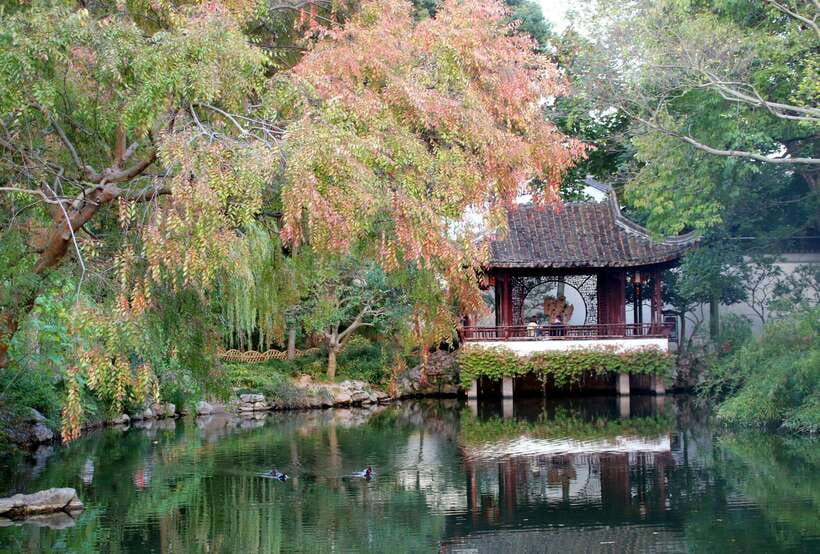
Humble Administrator’s Garden is Suzhou’s grandest classical garden, where ponds do much of the talking. Winding paths, lotus blooms, rockeries, old trees, and whitewashed halls create a scene that feels more like a painted scroll than a city attraction. I especially like the Ming Dynasty design and the way the central water area links so many pavilions and views.
I also like the freedom of a one-day admission ticket: you can set your own pace rather than follow a guide. The main concern is practical, not poetic: two recent bookings had invalid QR codes, and the buyers reported paying at the gate instead. Bring your passport and verify the voucher before setting out.
Key points before you book
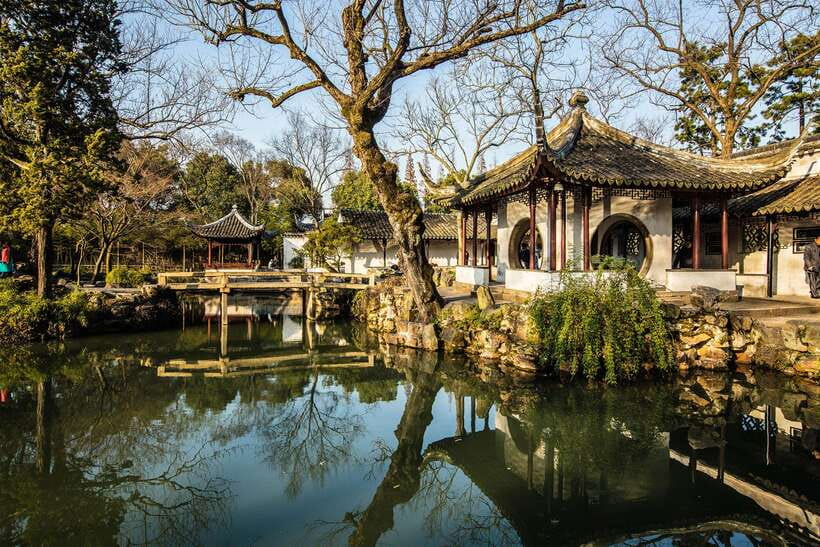
- The garden covers about 52,000 square meters, making this a substantial visit rather than a quick courtyard stop.
- The central section is the heart of the experience, with lotus ponds, winding paths, and pavilions arranged around water.
- Admission is the only listed inclusion, so transportation, guiding, and any evening performance are not part of this ticket.
- Your passport is needed for booking and entry verification, so use the same identification details throughout.
- The electronic voucher has caused problems for some buyers, including QR codes that did not work at the entrance.
- The ticket costs $22 per adult, which is convenient if valid, but the price should be weighed against the possibility of buying directly at the garden.
Why Humble Administrator’s Garden matters
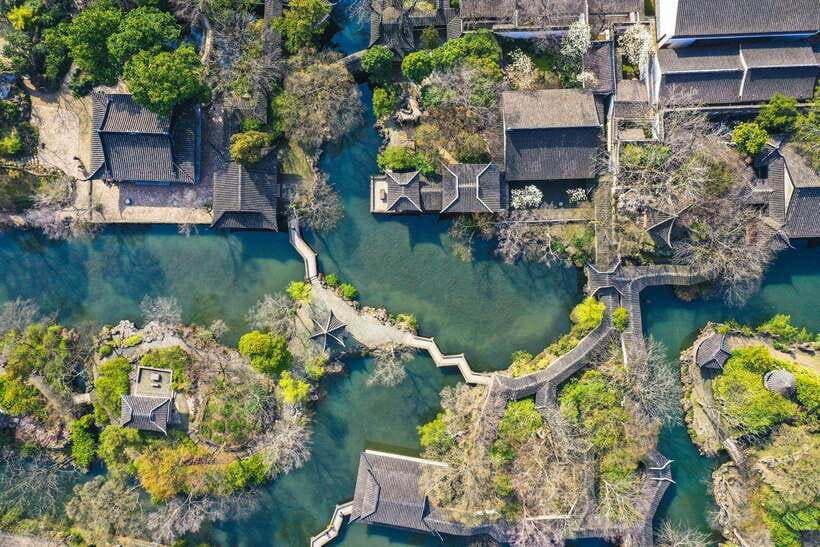
Suzhou is known for classical gardens designed as private retreats for scholars, officials, and cultured families. Humble Administrator’s Garden, also called Zhuozheng Garden, is the largest of Suzhou’s nine classical gardens and one of the finest surviving examples of this tradition.
The garden began in the early 16th century during the Ming Dynasty. Its design is not about filling every corner with decoration. Instead, it uses water, rocks, plants, buildings, and carefully framed views to create changing scenes as you walk.
That idea is important. In a European park, you may stroll toward a large central view. In a Suzhou garden, the view often arrives in pieces. A doorway frames a pond. A corridor reveals a tree. A window turns a distant rockery into a picture. You keep moving because the garden is designed to show you something new around the next turn.
This is why the visit rewards patience. If you rush from one named building to the next, you will see the structures but miss the design logic that connects them.
A few more days out in China worth the ticket
- Beijing: Forbidden City Tour(Group/Private)-Tickets Included
★ 4.8 · 7,974 reviews - Beijing: Mutianyu Great Wall Daily Tour with Ticket & Lunch
★ 5.0 · 3,056 reviews - 4-Hour Small Group Tour to Forbidden City with Entry Tickets
★ 5.0 · 1,863 reviews
Entering the 52,000-square-meter garden
The ticket gives you admission to Zhuozheng Garden at 178 Dongbei Street in Suzhou’s Gusu District. The supplied details do not include transportation or a guided meeting service, so plan to reach the entrance on your own and have your electronic voucher ready for direct verification.
The garden covers roughly 52,000 square meters. That is large enough for the visit to feel like a proper half-day or full-day outing, depending on how closely you study the buildings and scenery. The official validity is one day, giving you room to set a relaxed schedule.
At the entrance, keep your passport close. A passport is required to book, and it is specifically listed among the items to bring. Your identification details matter here because this is not the sort of ticket you should treat as a casual, transferable coupon.
The biggest practical warning is the QR code. Two recent buyers reported that their codes were invalid. One said the ticket could be purchased at the garden for about half the cost, with payment available through Alipay or cash, and with only a short wait at the entrance.
That does not prove every voucher will fail, but it is enough to change how I would plan the visit. Check the code before you leave your hotel. Save the voucher offline in case your connection is poor. If the code does not scan, you may need to buy another ticket at the gate and seek a refund afterward.
The eastern section and the garden’s changing scale
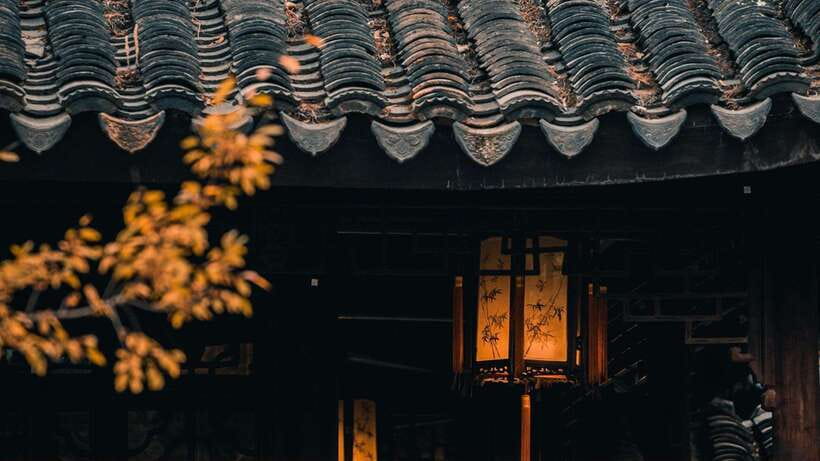
The garden is divided into eastern, central, and western sections. Each part has its own character, though the central section receives the most attention.
The eastern section gives you a useful introduction to the garden’s scale and structure. Here, paths, planting, open areas, and architecture work together to create a sense of movement. You may find that the eastern side feels more spacious, while later sections tighten the view around ponds and buildings.
This changing scale is one of the clever details of classical Suzhou garden design. A broad area lets your eyes rest. A narrow path or framed opening then makes the next pond or pavilion feel more intimate.
Look beyond the main buildings. Ancient trees and carefully placed rocks are not random decoration. Rocks suggest mountains, while water suggests lakes and rivers. In a small area, these elements create the feeling of a much larger natural world.
You do not need specialist knowledge to enjoy this. Give yourself time to notice how a rockery rises beside water, how a branch interrupts a roofline, or how a wall hides part of the garden. The pleasure comes from the arrangement.
The central ponds, lotus flowers, and pavilions
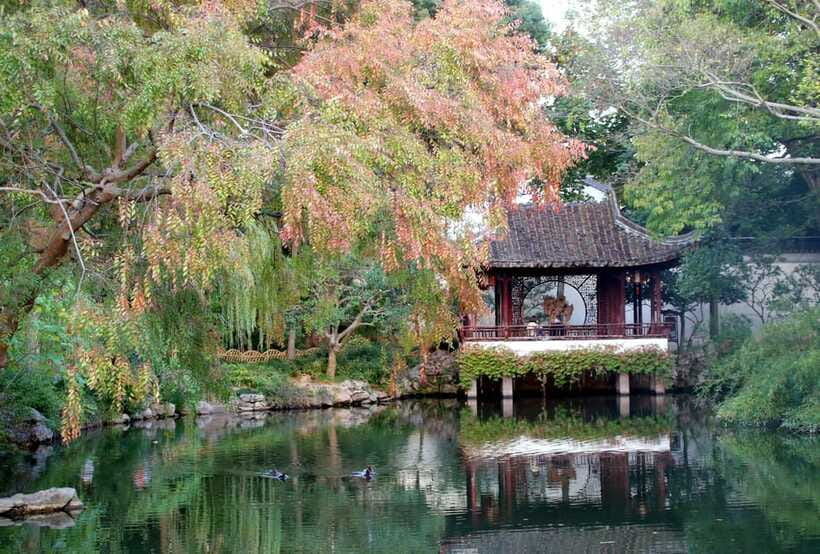
The central section is the main reason to visit. Winding paths circle and cross water, while pavilions and halls offer views back across the ponds.
Lotus-filled water is one of the garden’s defining sights. When the flowers are in season, they add color and height to the open ponds. Even outside the main flowering period, the water remains central to the design, reflecting buildings and trees and giving the garden its calm rhythm.
The Pavilion of Lotus looks over the central water area. It is the sort of place where you should stop rather than simply pass through. The value is not only the building itself. It is the view from the building, with water, plants, rocks, and nearby architecture arranged in layers.
The garden’s paths are designed for discovery. A route may bend around a pond, pass beneath a covered section, and open suddenly toward a pavilion. You will get more from the visit if you avoid treating the map as a checklist.
The central water area can also be the busiest part of the garden. The ticket information does not promise quiet conditions, and Humble Administrator’s Garden is one of Suzhou’s best-known sights. If you want the calmest possible experience, arrive at a less crowded time within the operating hours shown for your date.
Same city, a completely different day:
- From Beijing: Mutianyu Great Wall Tours with Options
★ 4.9 · 9,216 reviews - Beijing: T-Square & Forbidden City Group or Private Tour
★ 4.8 · 4,446 reviews - All-Inclusive Tour: Tiananmen Square, Forbidden City, Great Wall
★ 5.0 · 2,873 reviews - MuBus: Mutianyu Great Wall ENG/ESP/RUS Guided Bus Tour
★ 5.0 · 2,361 reviews
The Hall of Drifting Fragrance
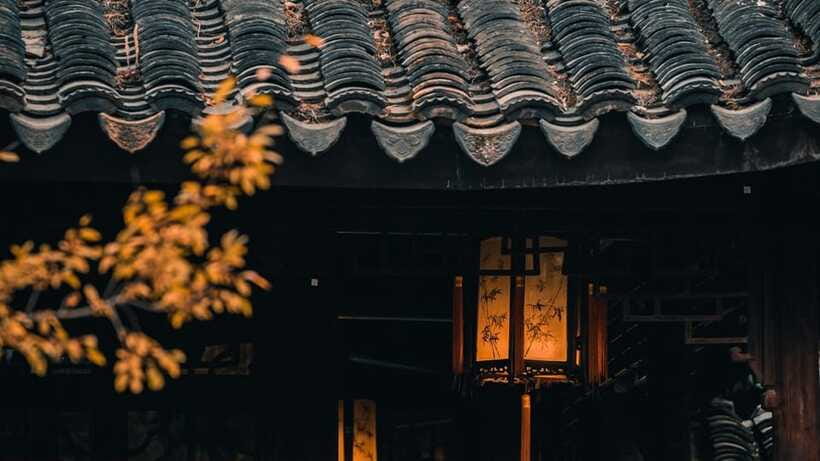
The Hall of Drifting Fragrance overlooks a pond decorated with lotus flowers. Its name fits the garden’s wider approach, where plants and water are part of the architecture rather than mere background.
From this area, you can study the relationship between indoor and outdoor space. Traditional garden halls often function as viewing rooms. Their doors and windows frame selected portions of the garden, turning a pond, tree, or rockery into a living picture.
This is also a good place to slow down if you have been walking quickly. The garden contains many details, and the hall offers a chance to take in the broader composition. You may notice that a building looks different from the water’s edge than it does from a path or doorway.
The supplied information does not include an audio guide or live guide. You should therefore expect an independent visit focused on seeing the garden rather than receiving a detailed spoken explanation at each stop.
Rockeries, old trees, and the art of suggestion
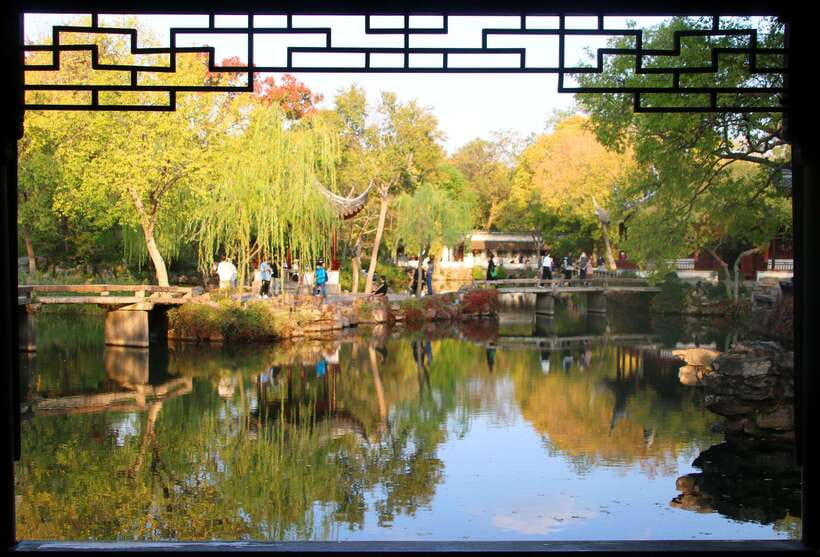
The rockeries represent mountains. This is one of the most important ideas in a Chinese scholar’s garden. Instead of needing a distant mountain range, the garden creates a small, symbolic world with stone, water, plants, and sky.
The rocks are meant to look natural, even though their placement is carefully planned. Their irregular shapes add contrast to the straight lines of walls and halls. They also break up views, so you never see the whole garden at once.
Ancient trees add another layer. Their age gives the garden a sense of continuity, while their branches soften the hard edges of masonry and stone. You may find that the best photographs are not always the grand views. A roof peeking through branches or a tree reflected in the pond can say more about the garden’s mood.
I recommend walking with your phone or camera put away for stretches of time. The garden’s appeal is visual, but it is easy to reduce it to a series of quick pictures. Look at how each scene is framed before you move on.
A self-guided day rather than a guided tour
This product is admission only. There is no named guide, scheduled commentary, hotel pickup, transfer, meal, or workshop included in the information provided.
That can be a benefit if you like independence. You can linger beside the ponds, spend extra time at the Pavilion of Lotus, or move quickly through areas that interest you less. A small-group limit of 10 is listed, but the ticket itself does not promise a tour leader or a structured group experience.
The tradeoff is context. The garden has a long artistic and cultural background, and a guide could explain the meaning of the rockeries, the role of scholar retreats, and the history of the halls. With this ticket, you will need to bring your own interest and read the signs available on site, if provided.
For many people, that is enough. The layout is the main attraction, and you can appreciate the balance of water, plants, stone, and buildings without a lecture. If you want a detailed interpretation of Chinese garden symbolism, this is not the right product on its own.
Is $22 good value for an adult ticket?
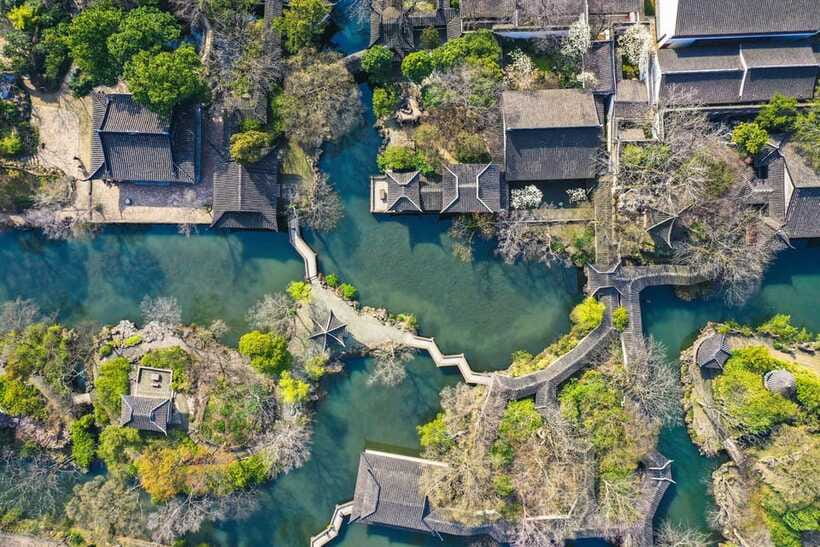
At $22 per person, the ticket is reasonably priced for access to one of Suzhou’s major cultural sights, provided the voucher works. You are paying for entry to a very large historic garden with several sections, named halls, ponds, rockeries, and a design tradition that shaped Suzhou’s identity.
The value is strongest for visitors who will take their time. A quick walk through the central section may not feel like enough for the price, especially if you have spent time and money reaching Suzhou. Plan to see the garden as a major stop, not a short photo break.
The price becomes harder to justify when you compare it with the direct purchase option reported at the gate. One recent buyer said the on-site ticket cost about half as much, with Alipay and cash accepted and a line of only two minutes.
Because of that, I would not book this voucher solely to save time unless you have confirmed that the entrance process will accept it. The convenience of reserving ahead can be useful, especially if you want a flexible plan and the reserve-now, pay-later option. Still, the QR problem means the convenience is not guaranteed.
Free cancellation is available up to 24 hours before the visit, with a full refund under the stated terms. That gives you some protection while plans are changing, but it does not remove the risk of needing to buy an additional ticket at the entrance if the code fails.
Daylight views and the separate night experience
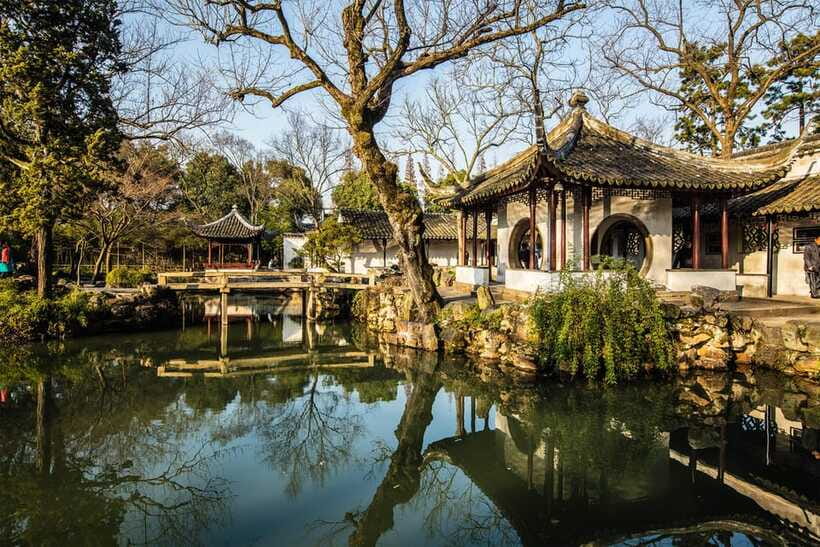
By day, the garden’s appeal comes from natural light. Sun and shade change the appearance of the ponds, white walls, rooflines, and tree branches. A scene that looks flat in bright light may gain depth when shadows cross the water.
A night option called Zhuozheng Wenya is also described. It uses soft lighting and cultural performances to present the garden in a different way. The admission product here lists only entry to the garden, so you should not assume the night program is included in the $22 ticket.
If the evening experience interests you, confirm its availability and ticket conditions separately. The listed daytime admission is the safer choice for seeing the garden’s details, especially the lotus ponds, old trees, and rockeries.
Who will enjoy this visit most?
I would choose this garden for several kinds of visitors:
- History and architecture fans who enjoy Ming Dynasty design and traditional Chinese buildings.
- Photographers looking for framed views, reflections, lotus flowers, old trees, and changing light.
- Art lovers interested in the connection between garden design, painting, poetry, and scholar culture.
- Independent sightseers who prefer to set their own pace without a fixed tour schedule.
- First-time visitors to Suzhou who want one major example of the city’s classical garden tradition.
It may be less suitable if you want a fully guided cultural tour, guaranteed fast entry, or transportation included. It is also not ideal for anyone who dislikes gardens, ponds, architecture, or slow sightseeing. This is a place where the details matter more than a packed schedule.
Should you book the Humble Administrator’s Garden ticket?
The garden itself is well worth making time for. Its size, water-centered design, pavilions, rockeries, and Ming Dynasty character give you a clear sense of why Suzhou’s classical gardens are so admired.
The booking product is a more cautious recommendation. I like the one-day validity, flexible cancellation, and reserve-now, pay-later option. But the invalid QR reports and the lower direct price at the gate are serious practical concerns.
Book this ticket if you want to arrange admission ahead of time and are comfortable checking the voucher carefully before arrival. If you are already in Suzhou and can easily reach 178 Dongbei Street, buying directly may offer better value and fewer QR-code worries. Either way, bring your passport, allow plenty of time, and give the central ponds more than a hurried glance.
FAQ
Where is Humble Administrator’s Garden located?
It is at 178 Dongbei Street, Gusu District, Suzhou, China.
What does the ticket include?
The ticket includes admission to Humble Administrator’s Garden.
How much does the adult ticket cost?
The listed price is $22 per person.
How long is the ticket valid?
The ticket is valid for one day, during the garden’s operating hours.
What do I need to bring?
Bring the passport used when booking. You also need the electronic voucher for direct verification.
Is a passport needed to book?
Yes. Passport identification is needed when making the booking.
Can I cancel the ticket?
Yes. Cancellation up to 24 hours before the scheduled visit allows a full refund under the stated policy.
Is the night program included?
The information describes a separate night experience called Zhuozheng Wenya, but the listed admission includes only entry to the garden. Do not assume the night program is part of this ticket.
New reviews from China
- Shanghai To Beijing Bullet Train Ticket with Local Private Transfer★ 5.0 · 12 reviews
- Shanghai Spicy Food Tour★ 5.0 · 3 reviews
- Shanghai Uncommon Historic Sites Tour★ 5.0 · 3 reviews
- Shanghai Pudong airport transfer to Disneyland:Private with Meet & Great service★ 5.0 · 3 reviews
- Shanghai Tower Observation Deck 118 floor Tickets Pre-booking.★ 5.0 · 4 reviews
- Pudong Airport to Hangzhou: Private with Meet and Greet Service★ 4.5 · 4 reviews
- Private Transfer: Hotel to Shanghai Wusongkou Cruise Terminal (Baoshan Port)★ 3.5 · 6 reviews
- Shanghai Pudong International Airport (PVG) to Shanghai Hotel★ 5.0 · 4 reviews
Tours in Suzhou, compared.
Unveil Suzhou’s Essence: Ultimate Private Day Tour
Read our review →
Suzhou Private Flexible City Tour with Lunch Option
Read our review →
Private Flexible Suzhou City Tour with Tongli or Zhouzhuang Water Town Options
Read our review →
Suzhou and Tongli Water Town Private Day Trip from Shanghai
Read our review →
Suzhouand Zhouzhuang Private Guided Day Trip from Shanghai
Read our review →
Suzhou Flexible Guided Day Trip from Shanghai by Private Car
Read our review →Browse the lists this tour appears in