
Reviewed · MUSEUMS
Shanghai: Private Tour of the Shanghai Museum
The best part of this three-hour private tour is the human explanation. Shanghai Museum holds objects that can look mysterious at first glance, but your guide connects a bronze vessel, a blue-and-white bowl, or a carved jade piece to the customs and power structures of its time. That turns a room of beautiful objects into a readable story.
I like the focus on the Bronze, Ceramics, and Jade galleries, and I like that the route can bend toward your interests. Guides including Vicky and Linda Chen have been praised for clear English, patience, strong subject knowledge, and engaging background stories. The main consideration is the price: at $60 per person, it is good value for a serious museum visit, but less appealing if you prefer wandering alone or only have time for a quick look.
Key points to know before you book
- Ancient bronze begins the tour: See Shang and Zhou ritual vessels and weapons while learning how bronze linked religion, status, and government.
- Ceramics receive special attention: The route includes famous blue-and-white porcelain and the development of Chinese pottery, with Vicky especially noted for her explanations of ceramics.
- Jade is treated as more than decoration: Learn why jade appeared in burial objects and why it came to represent purity and moral integrity.
- Your guide can shape the visit: The route includes other galleries available that day, and the tour can respond to your questions and interests.
- Meeting details are simple: Meet at the Shanghai Museum East Wing entrance, where your guide holds a sign with your name.
- Plan for museum rules: Bring your passport or ID card. Cameras are not allowed, and special exhibition entry is not included.
Why a private museum tour helps in Shanghai
A major museum can be hard to read on your own, especially when labels, dynasties, symbols, and unfamiliar object types arrive one after another. A private guide gives you a thread to follow. You can stop to ask why a vessel has a particular shape, how porcelain decoration changed, or why jade was prized far beyond its visual appeal.
The format also suits different levels of interest. If you already know some Chinese art, you can ask for more detail about technique and symbolism. If this is your first serious look at Chinese art, the guide can explain the basic timeline and help you notice the objects that deserve your limited time.
I would not expect a private tour to cover every room in the museum. Three hours is long enough for a thoughtful visit to several major collections, not a complete survey of everything on display. That is a sensible tradeoff. You leave with a clearer understanding instead of a blur of names and dates.
The tour costs $60 per person and includes the museum entrance and guide. It does not include drinks, hotel pickup, or admission to special exhibitions. For one or two people who want context and the chance to ask questions, the price is reasonable. A self-guided visit costs less, but it will not give you the same direct help with unfamiliar objects.
Other museums and galleries in Shanghai:
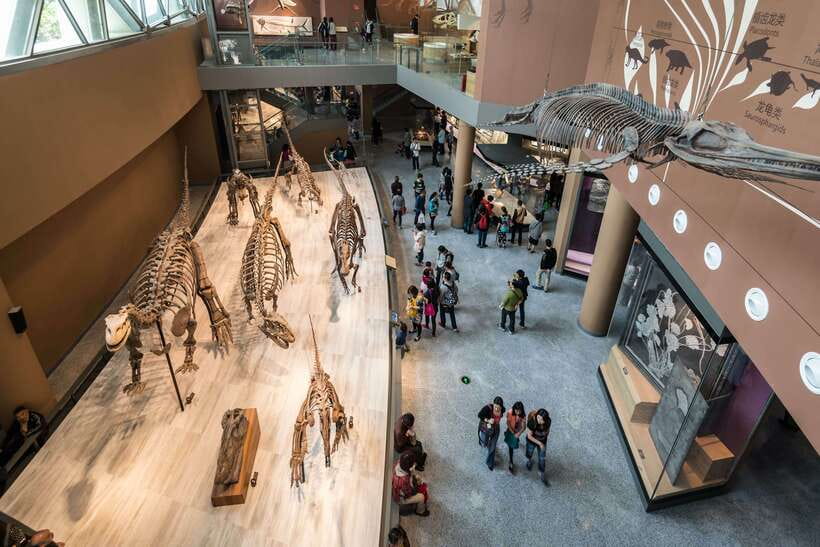
- Shanghai: Natural Museum tickets with guide(optional)
★ 4.8 · 8 reviews - Private Shanghai Day Tour: Shanghai Museum, Yu Garden, Bund, Huangpu Cruise
★ 5.0 · 6 reviews - Beijing: Tianmen Square, Forbidden City & Royal Museum Tours
★ 4.6 · 1,288 reviews
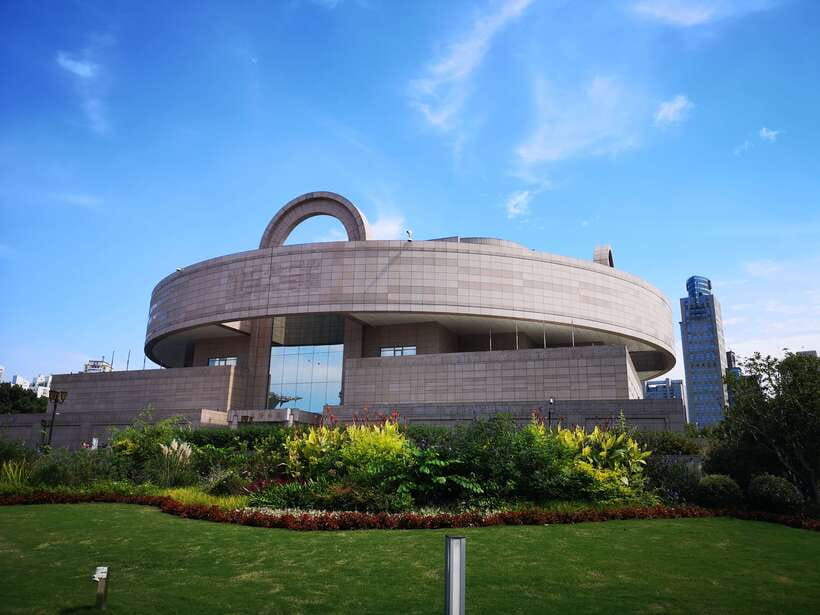
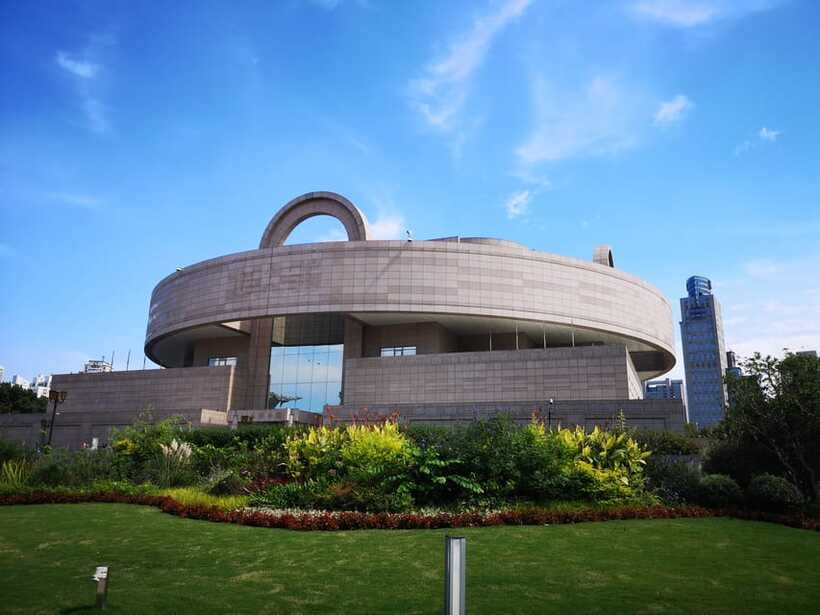
Meeting at the Shanghai Museum East Wing
You meet at the entrance of the Shanghai Museum East Wing. Your guide holds a sign with your name, which makes the meeting point easier to identify in a large public setting. A WhatsApp message with the exact meeting details has also been used to help guests find the right place.
Bring your passport or ID card. This is not a detail to leave in your hotel room, since it is specifically required for the activity.
The tour does not include hotel pickup, so you need to make your own way to the museum. Allow enough time to arrive at the East Wing entrance without rushing. Check the available start times when booking, since the tour lasts three hours and exact departure times vary.
English and Chinese guiding are available. The tour is also wheelchair accessible, a useful point for anyone who needs a route suitable for mobility equipment.
Beginning with Shang and Zhou bronze
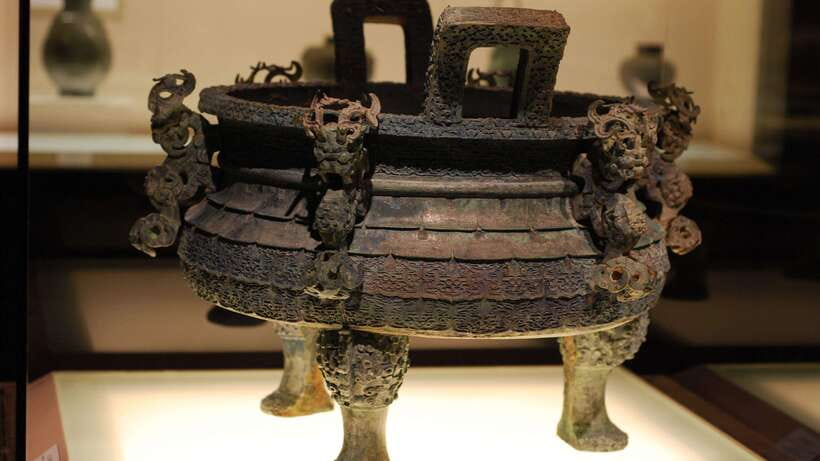
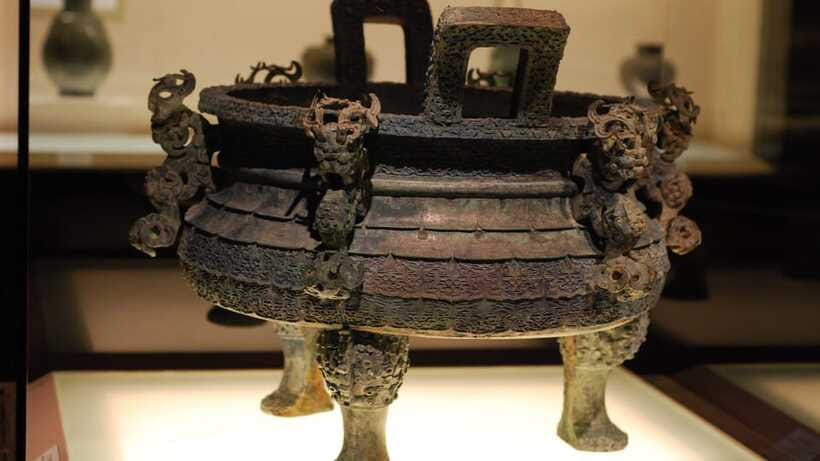
The first major stop is the Bronze Gallery, where the focus is on objects from the Shang period, dating from 1600 to 1046 BC, and the Zhou period, dating from 1046 to 256 BC. These dates cover a long stretch of early Chinese civilization, so the guide’s role matters. Without context, bronze vessels can seem like a collection of similar shapes. With explanation, their purpose becomes much clearer.
Your guide explains how bronze worked in ritual life and what it revealed about social and political order. Ritual vessels were not simply household dishes. Their forms, decoration, and use could reflect rank, ceremony, and the relationship between rulers, ancestors, and the wider community.
Weapons appear in the gallery as well. They give you another way to understand bronze technology and power. The guide also discusses casting methods, showing how much planning and skill went into making these objects. This is one of the strongest parts of the route for anyone interested in how art, engineering, religion, and government overlapped.
I like that the tour starts here. Bronze gives you a foundation for the rest of the visit. You begin to understand that Chinese art was often tied to ceremony, identity, and authority, not just made for visual pleasure.
The possible drawback is density. The Bronze Gallery asks you to take in unfamiliar dynasties, object types, and ritual ideas early in the tour. If you prefer a gentle introduction, tell your guide. The private format gives you room to ask for a simpler explanation or spend longer on a few important pieces.
Reading the details in Chinese ceramics
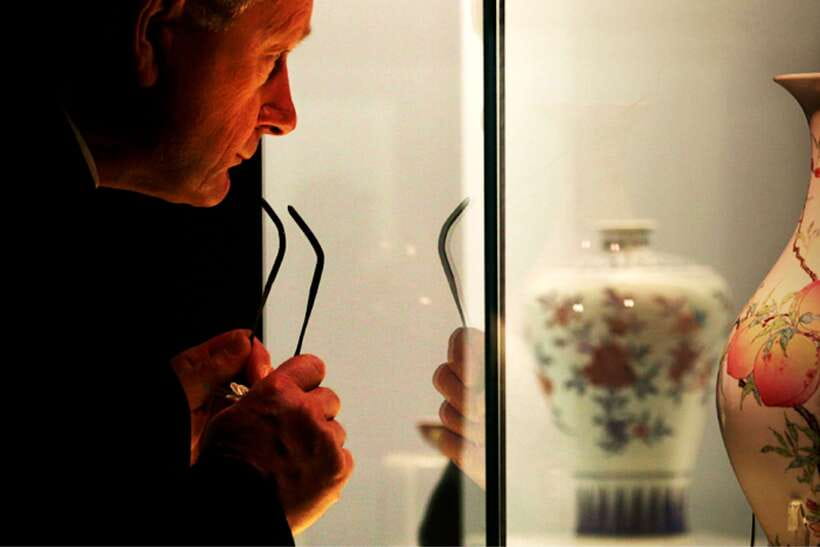
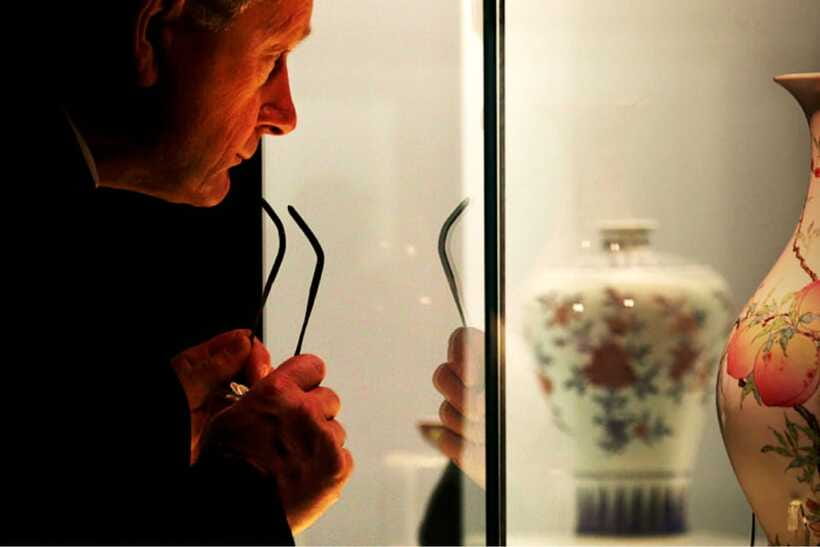
The Ceramics Gallery brings a different mood and a different set of questions. Here you see porcelain from several dynasties, with particular attention to the Ming and Qing periods. The guide traces changes in styles and outside influences, then helps you look closely at forms, colors, and painted decoration.
Blue-and-white porcelain receives special attention. It is famous for its fine designs, but the tour aims to place that decoration in a wider story. You learn how ceramic art developed and why certain styles became important. Rather than treating each bowl or vessel as an isolated object, the guide shows how pottery reflects changing taste and technique.
This section may be the best choice for you if ceramics are your main interest. Vicky has been especially praised for her explanations of Chinese ceramics, and her ability to answer questions in excellent English. She is also described as patient, which helps when you want to stop and examine small details.
Ceramics can be easy to rush past. The objects are often smaller than monumental bronzes, and the gallery may reward close looking more than a quick sweep. Take advantage of the private format. Ask your guide to explain what makes a piece important, how its decoration was made, or how styles changed between dynasties.
One limitation is that the exact selection of objects and the amount of time spent in each room can depend on the guide and your interests. That flexibility is useful, but you should tell the guide early if ceramics are your priority.
A few more days out in Shanghai worth the ticket
- Zhujiajiao Water Town and Shanghai City Private Day Tour
★ 5.0 · 1,016 reviews - Private Shanghai Full Day City Tour with Old and New Highlights
★ 5.0 · 995 reviews - Shanghai Private Tour: Zhujiajiao Water Town and Boat Ride
★ 5.0 · 661 reviews - Shanghai: Zhujiajiao Private Tour w/ Boat Ride & Garden
★ 5.0 · 460 reviews
Understanding jade beyond its shine
The Jade Gallery adds a different layer to the tour. Jade has been valued in China for thousands of years, and the collection includes burial objects and ornamental pieces. Your guide explains how the material came to carry ideas of purity and moral integrity.
That symbolism is what makes this stop worthwhile. A carved piece of jade is not only an example of patient workmanship. It can also reflect beliefs about character, status, death, and remembrance. The guide discusses carving techniques and the care required to shape the material, helping you look at the surface with more attention.
The burial objects are especially useful for understanding how jade fit into Chinese tradition. They show that the material could have meaning beyond personal decoration. Your guide can connect the objects to larger cultural ideas without turning the stop into a long lecture.
I would give this gallery enough time even if jade is not your favorite subject. It provides a useful contrast with bronze and ceramics. Bronze often points toward ritual and public authority, while jade can bring the discussion closer to personal values, ceremony, and the treatment of the dead.
The amount of detail will depend on your questions and the day’s route. If you want more time with jade, say so. A private tour is most useful when you make your priorities clear instead of waiting for the guide to guess.
Choosing other galleries on the day
After the main Bronze, Ceramics, and Jade galleries, your guide introduces other areas available that day. The supplied details do not promise one fixed extra gallery, so you should treat this part as flexible rather than guaranteed.
That flexibility is a benefit. You may want to spend more time on ancient objects, or you may want a broader look at the museum’s collection. Your guide can point out further rooms, resources, and special exhibitions after the main tour.
Special exhibition entry is not included in the $60 price. If a temporary display interests you, ask about the cost before entering. The standard tour can still provide a full three-hour museum visit without it, but special exhibitions require separate planning.
The route is also a good place to ask practical questions about the museum. At the end, your guide provides suggestions for areas to see next and explains what resources are available. That matters if you have extra time and want to continue alone after the guided portion.
What the guides add to the visit
The strongest feature of this experience is the guide’s ability to explain rather than simply point. Linda Chen has been praised for detailed explanations, useful background stories, kindness, and a friendly manner. Her style should suit you if you like history presented through anecdotes as well as dates and object labels.
Vicky has received particular praise for her English, patience, and expertise across many subjects, with especially strong explanations of Chinese ceramics. She is a good match for a visitor who expects to ask questions and wants answers that go beyond a short label.
Tom is also noted for being thorough, entertaining, and helpful in arranging the visit. The guides are not described as following one rigid script. The route can respond to your interests, and you can ask for more or less detail as you go.
That personal attention is the main reason to choose a private tour instead of a general group visit. You can pause without worrying that you are slowing down strangers. You can also say when you need a clearer explanation, a shorter stop, or more time with one collection.
A private guide cannot remove every challenge. Museum art can still feel demanding, and three hours may pass quickly. But the guide gives you a way to connect the objects, periods, and ideas.
Practical rules and comfort
The activity is wheelchair accessible. That makes it suitable for visitors who need an accessible museum visit, though the supplied information does not give further detail about lifts, seating, or restroom facilities. If you have a specific access need, confirm the arrangements before booking.
Cameras are not allowed. Do not plan on photographing the objects during the tour. You can still make the visit more memorable by noting the names of pieces or asking your guide for suggestions about what to remember.
Drinks are not included. Since the tour lasts three hours, plan around that before entering the museum. Hotel pickup is also not included, so transport to the East Wing is your responsibility.
The booking terms are flexible. You can cancel up to 24 hours before the activity for a full refund, and you can reserve now and pay later. Check the available starting times before you commit, especially if the museum visit has to fit around other plans.
Who should book this Shanghai Museum visit?
I would choose this tour if you want to understand what you are seeing rather than simply walk through attractive rooms. It is especially useful for first-time visitors to Chinese art, people interested in history and material culture, and anyone who likes asking questions.
It also suits couples, families, or small private groups with different levels of interest. A guide can explain a difficult subject to a beginner while giving a more informed visitor room to ask about technique, symbolism, or chronology.
Ceramic enthusiasts should take a close look at this option because Vicky’s ceramic expertise is a notable strength. The tour also works well for visitors who want a broad introduction, since bronze, ceramics, jade, and additional galleries can fit into one carefully timed visit.
I would skip it if you prefer complete independence, want to spend an entire day in one gallery, or are trying to keep museum costs as low as possible. You will pay for the guide’s time as well as entry, and some people would rather read labels at their own speed.
Should you book the $60 private tour?
Book it if the meaning behind the objects matters to you. The strongest value comes from the guide’s explanations of bronze ritual vessels, Chinese ceramics, and jade symbolism, plus the chance to shape the route around your questions.
The $60 price is fair for a three-hour private visit that includes admission, particularly if you are sharing the experience with another person and want a focused introduction to the museum. Just remember to bring ID, leave your camera behind, arrange your own transport, and budget separately for any special exhibition.
For a serious first visit to the Shanghai Museum, I would choose the guided option. It gives you a useful framework for seeing ancient Chinese art, then leaves you better prepared to explore the rest on your own.
FAQ
How long does the Shanghai Museum private tour last?
The tour lasts three hours.
How much does the tour cost?
The listed price is $60 per person.
What is included in the price?
The price includes a guide and entry to the Shanghai Museum.
Where do I meet the guide?
Meet at the entrance of the Shanghai Museum East Wing. The guide holds a sign with your name.
Which languages are available?
The tour is available with a Chinese-speaking or English-speaking live guide.
Do I need to bring identification?
Yes. Bring your passport or ID card.
Can I take photographs inside the museum?
No. Cameras are not allowed during this activity.
Is special exhibition entry included?
No. Entry to special exhibitions is not included in the tour price.
Is the tour wheelchair accessible?
Yes. The activity is listed as wheelchair accessible.
New reviews from Shanghai
- Shanghai To Beijing Bullet Train Ticket with Local Private Transfer★ 5.0 · 12 reviews
- Shanghai Spicy Food Tour★ 5.0 · 3 reviews
- Shanghai Uncommon Historic Sites Tour★ 5.0 · 3 reviews
- Shanghai Tower Observation Deck 118 floor Tickets Pre-booking.★ 5.0 · 4 reviews
- Shanghai Pudong airport transfer to Disneyland:Private with Meet & Great service★ 5.0 · 3 reviews
- Pudong Airport to Hangzhou: Private with Meet and Greet Service★ 4.5 · 4 reviews
- Private Transfer: Hotel to Shanghai Wusongkou Cruise Terminal (Baoshan Port)★ 3.5 · 6 reviews
- Shanghai Pudong International Airport (PVG) to Shanghai Hotel★ 5.0 · 4 reviews
Museums, compared.
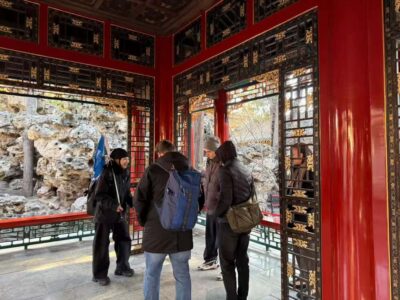
Tianmen Square, Forbidden City & Royal Museum Tours
Read our review →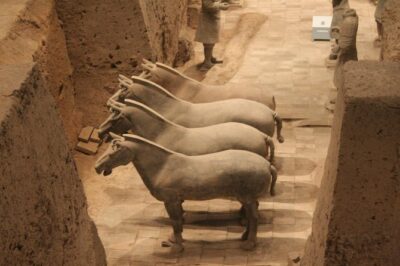
Half-Day Mini Group Xian Tour to Terracotta Warriors Museum
Read our review →
Beijing:Jingshan Park (Palace Museum Garden) Ticket
Read our review →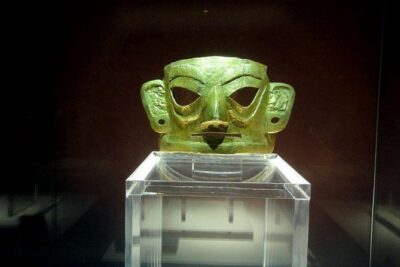
Private Chengdu Day Tour: Giant Pandas and Jinsha Site Museum
Read our review →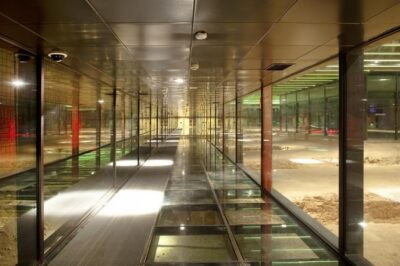
Private Xi’an Tour: Terracotta Warriors, Hanyangling Museum, Cave Homes
Read our review →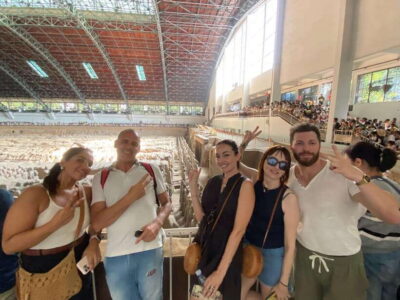
Beijing Half Day: National Museum of China In-depth Tour with Subway Transfer
Read our review →
Terracotta Warriors Museum Ticket with Professional English-speaking tour guide
Read our review →Browse the lists this tour appears in