
Reviewed · MUSEUMS
Shanghai: Natural Museum tickets with guide(optional)
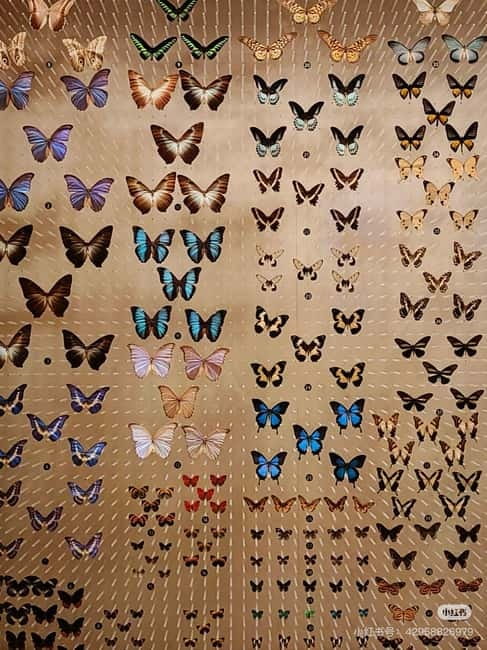
Shanghai’s Natural History Museum turns a museum visit into a trip across seven continents, from the origins of life to the future of human and nature. Its 11,000 specimens and models give you plenty to see, but the real pleasure is the broad story: how life changes, survives, and shares the planet.
I like the freedom to explore at your own pace, and I like the mix of galleries, theaters, live animals, and hands-on learning. The $13 price is modest for a full day of museum access. The main drawback is that food and drinks are not allowed, and you must send your exact passport details to the provider after booking.
Key points to know before you go
- 11,000 specimens from seven continents: Expect animals, fossils, geological material, models, and displays about human life.
- Ten themed exhibition areas: The route moves from the origins of life through evolution, ecology, Shanghai, and the future.
- Five immersive theaters: These add moving images and sensory presentation to the regular displays.
- A 300-square-meter live breeding area: This gives the museum a living element rather than relying only on preserved specimens.
- A 1,200-square-meter Exploration Center: Educational activities such as Nature Exploration Camp and Drawing Nature make this a good choice for curious families.
- Central Jing’an location: The museum is at 510 West Beijing Road, inside Jing’an Sculpture Park.
Why this museum is worth a day in Shanghai
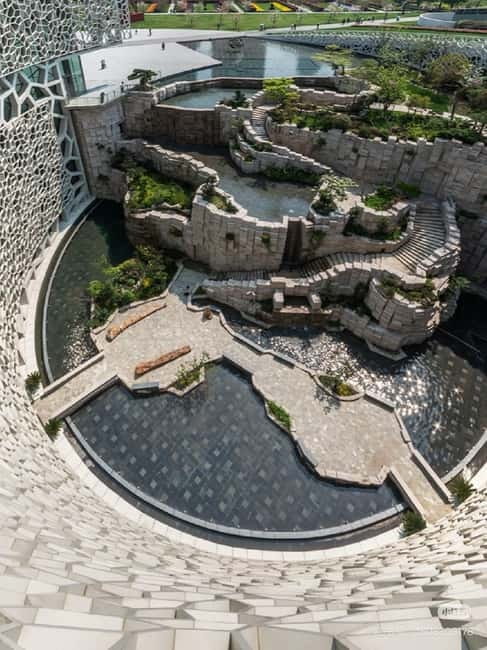
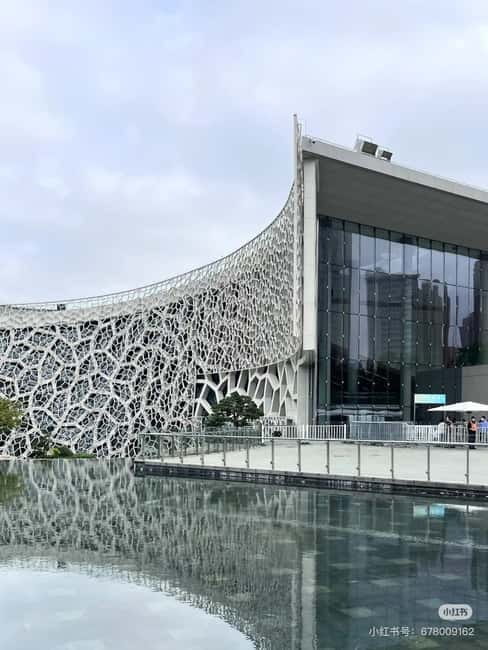
The Shanghai Natural History Museum is not a small collection you can rush through in an hour. It occupies a 45,257-square-meter building, with 32,200 square meters devoted to exhibitions and education. That scale matters. You get room for large displays, theater spaces, activity areas, and a clear story about nature rather than a cramped row of cases.
The museum’s theme is Nature, Humanity, Harmony. You will see that idea repeated in different forms, from the evolution of life to the relationship between people and the natural world. The message is educational, but it does not depend only on slogans. The exhibits use specimens, models, technology, and film to show how the natural world works.
I would give yourself most of a day if you want to read labels, watch the theater programs, and spend time in the activity areas. The ticket is valid for one day, so there is no pressure to race from one room to the next.
Other museums and galleries in Shanghai:
- Shanghai: Private Tour of the Shanghai Museum
★ 5.0 · 10 reviews - Private Shanghai Day Tour: Shanghai Museum, Yu Garden, Bund, Huangpu Cruise
★ 5.0 · 6 reviews - Beijing: Tianmen Square, Forbidden City & Royal Museum Tours
★ 4.6 · 1,288 reviews
Starting with the origins of life
The first major section, Mystery of Origins, asks the largest possible question: how did life begin? This is a useful opening because it gives the rest of the museum a clear direction. Instead of seeing separate animal displays, you begin with the basic story of life and the forces that shaped it.
You can then move into The Long River of Life, which follows the development of life over time. The title suggests the museum’s approach: evolution is presented as a long process rather than a list of isolated species. If you enjoy natural science, this section should give you the framework needed to understand the later galleries.
Path of Evolution continues that story. Here, models and specimens help connect earlier life forms with the great variety seen today. The museum has more than 11,000 specimens and models, so you may find this section especially useful for making sense of the collection as a whole.
I like this sequence because it rewards visitors who want more than attractive animal displays. You are given a basic timeline, then shown how change and adaptation produced the life around us.
Earth Treasures and the forces beneath life
Earth Treasures shifts attention from living things to the planet itself. Geological specimens and related displays explain the materials and processes that support life. This is the kind of room that can appeal to both children who like unusual rocks and adults who want a clearer picture of how Earth works.
The museum does not treat nature as a collection of separate subjects. The order of the galleries links geology, evolution, ecosystems, and human life. That is helpful when you are exploring without a guide, since each area adds another part of the central story.
If you choose the English guide option, this is one of the sections where a guide may help you connect unfamiliar scientific terms and displays. The activity information identifies English-language guiding and a small group limited to five participants. No guide name is provided, so you should confirm the exact arrangement with the provider before visiting.
From Diverse Life to Ecological Wonders
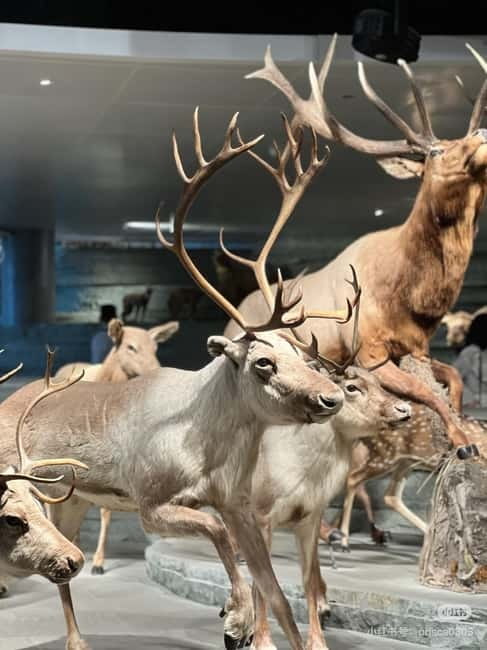
Diverse Life is likely to be one of the most accessible sections for a mixed-age group. The museum’s specimens and models from seven continents let you compare species and habitats across the world. You can move from familiar animals to less familiar forms of life without needing a separate visit to several specialized museums.
Ecological Wonders then places individual species into larger systems. That shift is important. A display about one animal can be memorable, but an ecological display helps you see what happens when species depend on one another and when those relationships are disturbed.
The museum uses five immersive theaters to add another layer to this material. The supplied details do not specify the exact films, schedules, or seating arrangements, so you should check what is showing when you arrive. Still, these theaters give you a break from reading labels and offer a more visual way to take in large natural processes.
For families, this combination is practical. Younger children can focus on the animals and moving images, while older children and adults can spend more time on the environmental ideas behind them.
A few more days out in Shanghai worth the ticket
- Shanghai: Hop-on Hop-off Bus Ticket and Optional Attractions
★ 3.4 · 692 reviews - Shanghai Tower: Observation Deck Admission Ticket
★ 4.6 · 373 reviews - Shanghai: Circus World ERA Theatre Acrobatics Ticket
★ 4.9 · 283 reviews - Shanghai: Yu Garden Admission Ticket
★ 4.6 · 260 reviews
Survival Wisdom and the human connection
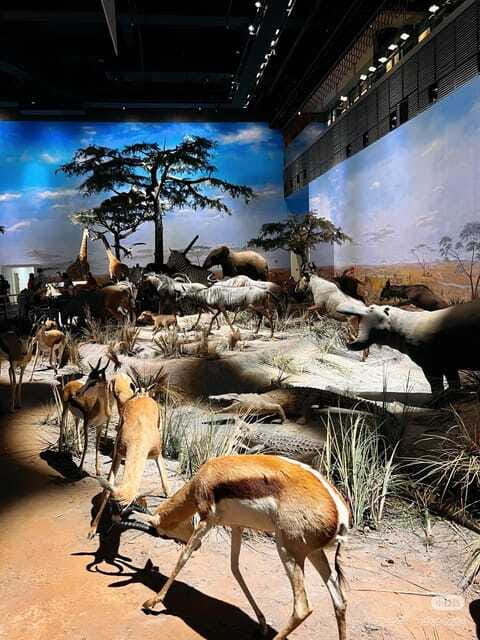
Survival Wisdom looks at the ways living things adapt to difficult conditions. This can include the traits and strategies that allow organisms to find food, avoid danger, reproduce, or live in demanding surroundings. The museum uses this section to show that survival is not simply a matter of strength. It is also about timing, structure, behavior, and adaptation.
Human and Nature Bond brings people into the story more directly. This section fits the museum’s larger theme by asking how human life depends on the natural world and how human decisions affect it. The point is not to separate people from nature, but to show the links between the two.
That focus gives the museum more depth than a standard natural history collection. You are not only looking backward at fossils and extinct life. You are also being asked to think about present choices and future responsibilities.
Shanghai Stories and the path ahead
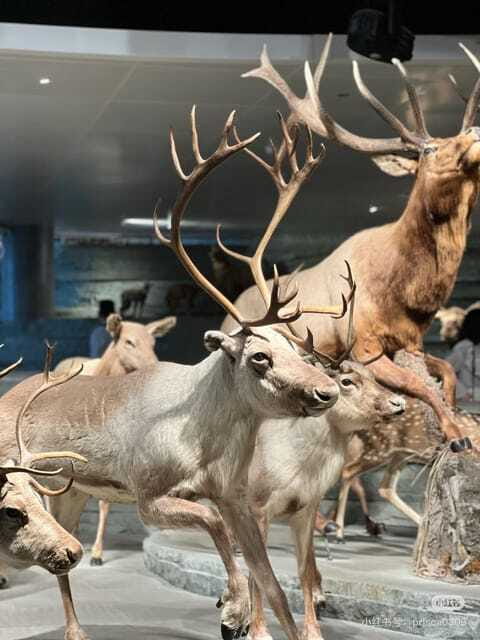
Shanghai Stories gives the museum a local connection. After seeing examples from across the world, you get a chance to consider the natural setting and human development of Shanghai itself. The information provided does not list the exact objects in this area, so I would treat it as a chance to learn how the city fits into the wider natural story rather than expect a detailed city-history museum.
The Path to the Future completes the sequence. This final section links scientific progress with the question of how humanity can live alongside the rest of nature. It brings the museum’s theme back into focus and gives the visit a forward-looking finish.
I appreciate this structure because it moves from very large questions to a local setting, then out toward the future. You can enjoy individual specimens, but the full route makes more sense when you follow the galleries in order.
Live breeding, theaters, and the Exploration Center
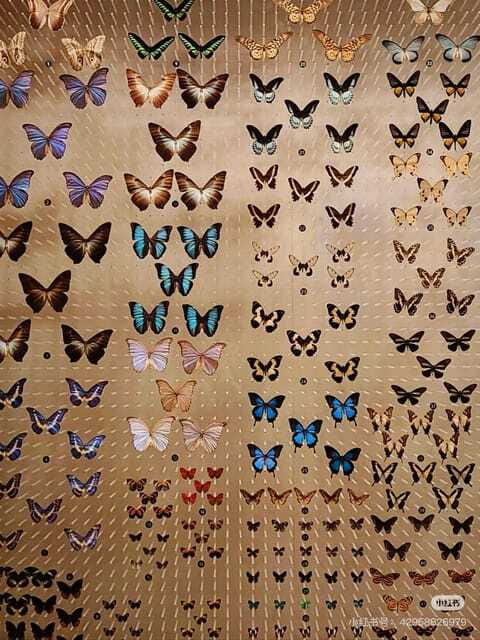
The 300-square-meter live breeding area is one of the museum’s most useful features. A museum built around specimens can sometimes feel still and distant. Living displays change that feeling. They give you a chance to observe nature as something active rather than only preserved or reconstructed.
The five immersive theaters are another strong feature, especially if you need variety during a long visit. I would not plan your entire day around them because the exact programs and times are not specified. Instead, check the schedule on arrival and fit a theater session into your route.
The 1,200-square-meter Exploration Center is designed for learning through activities. Programs include Nature Exploration Camp and Drawing Nature. These offerings can make the museum more appealing to families, school-age children, and anyone who learns better by doing than by reading.
Keep in mind that the activity information does not state which programs run every day, whether they require a separate reservation, or what age groups they suit. Ask at the museum if one of these activities is a priority for your visit.
What the $13 ticket really offers
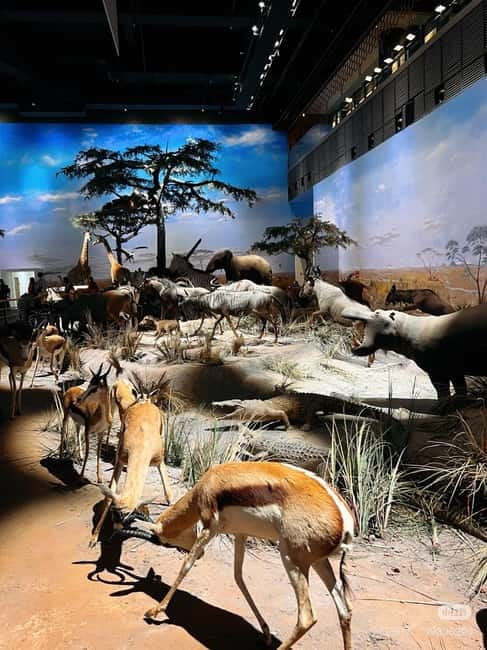
At $13 per person, the ticket offers good value if you plan to spend several hours inside. You get admission to a large museum with ten exhibition areas, five theaters, the live breeding area, and the Exploration Center. That is a stronger proposition than paying the same amount for a short attraction that takes only an hour or two.
The value is highest for people who enjoy museums at their own pace. You can pause at a display, skip a section that does not interest you, or return to an area before leaving. The one-day validity gives you flexibility, though the information does not confirm re-entry rules, so ask before exiting if you think you may leave and return.
The ticket includes an information service fee. Food is not included, and food and drinks are not allowed inside. Plan to eat before or after your visit rather than count on a museum meal during your time indoors.
The experience has a 4.8 rating from eight verified bookings. The written comments are brief, with one visitor giving a simple Great and another saying Good. That is not enough detail to judge every part of the visit, but the high score supports the basic promise: this is a well-liked, straightforward museum outing rather than a complicated guided excursion.
Location, documents, and booking details
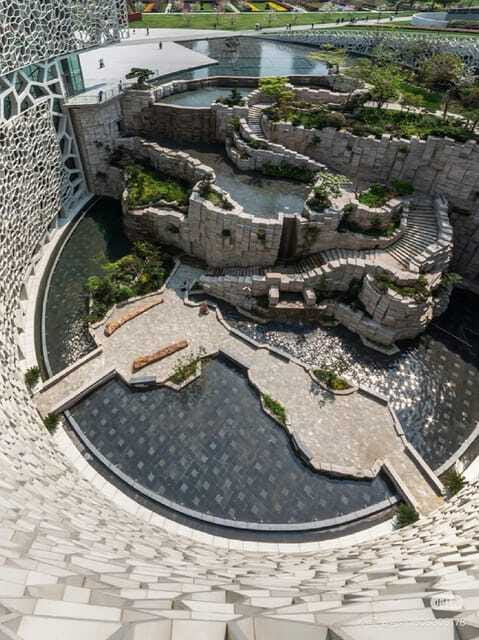
The museum is at 510 West Beijing Road in Jing’an District, within Jing’an Sculpture Park. Its central setting makes it a practical addition to a day in Shanghai, especially if you are already planning time in the Jing’an area.
Bring your passport or ID card. After purchasing, you must send the expected visit date, your full name exactly as it appears on your passport, including capitalization, and your passport number to the activity provider by email. Treat this as an important step, not a minor formality. A mismatch in the name or missing information could create trouble at entry.
If you have a real-name registered mainland China mobile number, you can buy tickets yourself through the WeChat mini program. That option may be simpler for eligible users. For international visitors, the pre-booked service can be useful because the provider handles the ticket arrangement, but you still need to send accurate details.
The activity information lists an optional guide arrangement, English language service, and a small group limited to five participants. Since the title identifies the guide as optional and the included items list admission plus an information service fee, confirm whether you are booking a ticket only or adding the English guide.
You can cancel up to 24 hours before the visit for a full refund, and reserve now while paying later. Availability controls the starting times, so check the calendar before setting your Shanghai plans.
Who should choose this experience?
I would choose this museum for families, science fans, school-age children, and anyone who wants an indoor activity with enough material for a full day. The mix of specimens, models, theaters, living displays, and educational programs gives different age groups something to do.
It is also a good choice if you prefer independent sightseeing. You are not locked into a fast group route, and the museum has enough variety to support a slow visit.
The optional English guide may suit you if scientific vocabulary is a concern or if you want help connecting the galleries. A guide may be less useful if you prefer reading at your own speed and already feel comfortable exploring museums independently.
I would be more cautious if you want a short, tightly scheduled attraction or if you expect a food stop inside. The museum is large, and the no-food, no-drink rule means you need to plan around the visit.
Should you book the Shanghai Natural History Museum?
Book it if you want a substantial, affordable museum day in central Shanghai. The strongest reasons are the ten-part route, the huge collection from seven continents, and the mix of traditional displays with theaters, live breeding, and hands-on activities.
Skip it if your schedule is packed and you can spare only a quick stop, or if natural science is not your interest. The museum’s size is part of its value, but it also means you should give it real time.
For the best fit, choose the independent ticket if you like setting your own pace. Consider the English guide option if you want help with the science or prefer a small group of no more than five. Bring the required ID, submit your name exactly as printed, and plan your food break outside. Those few details will make this flexible museum visit much easier.
FAQ
How much does admission to the Shanghai Natural History Museum cost?
The listed price is $13 per person. The ticket includes museum admission and an information service fee.
How long is the ticket valid?
The ticket is valid for one day. Starting times depend on availability.
Is an English guide available?
Yes. English-language guiding is listed, with small groups limited to five participants. The activity title identifies the guide as optional, so confirm whether your selected booking includes the guide or admission only.
Where is the museum located?
The museum is at 510 West Beijing Road, Jing’an District, Shanghai, inside Jing’an Sculpture Park.
What identification should I bring?
Bring your passport or ID card. After booking, send your expected visit date, full name exactly as shown on your passport, and passport number to the activity provider by email.
Can I bring food or drinks inside?
No. Smoking, food, and drinks are not allowed inside the museum. Food is also not included with the activity.
New reviews from Shanghai
- Shanghai To Beijing Bullet Train Ticket with Local Private Transfer★ 5.0 · 12 reviews
- Shanghai Spicy Food Tour★ 5.0 · 3 reviews
- Shanghai Uncommon Historic Sites Tour★ 5.0 · 3 reviews
- Shanghai Pudong airport transfer to Disneyland:Private with Meet & Great service★ 5.0 · 3 reviews
- Shanghai Tower Observation Deck 118 floor Tickets Pre-booking.★ 5.0 · 4 reviews
- Pudong Airport to Hangzhou: Private with Meet and Greet Service★ 4.5 · 4 reviews
- Private Transfer: Hotel to Shanghai Wusongkou Cruise Terminal (Baoshan Port)★ 3.5 · 6 reviews
- Shanghai Pudong International Airport (PVG) to Shanghai Hotel★ 5.0 · 4 reviews
Museums, compared.
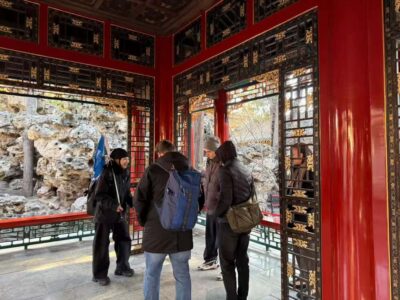
Tianmen Square, Forbidden City & Royal Museum Tours
Read our review →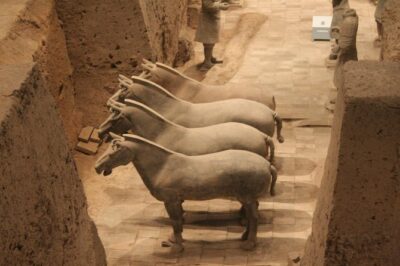
Half-Day Mini Group Xian Tour to Terracotta Warriors Museum
Read our review →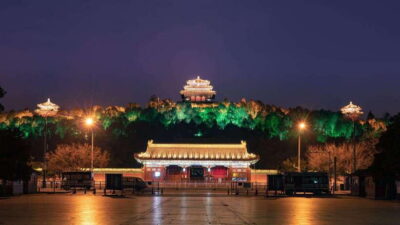
Beijing:Jingshan Park (Palace Museum Garden) Ticket
Read our review →
Private Chengdu Day Tour: Giant Pandas and Jinsha Site Museum
Read our review →
Private Xi’an Tour: Terracotta Warriors, Hanyangling Museum, Cave Homes
Read our review →
Beijing Half Day: National Museum of China In-depth Tour with Subway Transfer
Read our review →
Terracotta Warriors Museum Ticket with Professional English-speaking tour guide
Read our review →Browse the lists this tour appears in