Reviewed · TOURS IN SHANGHAI
Shanghai Mahjong Experience: Discover Art of Chinese Mahjong
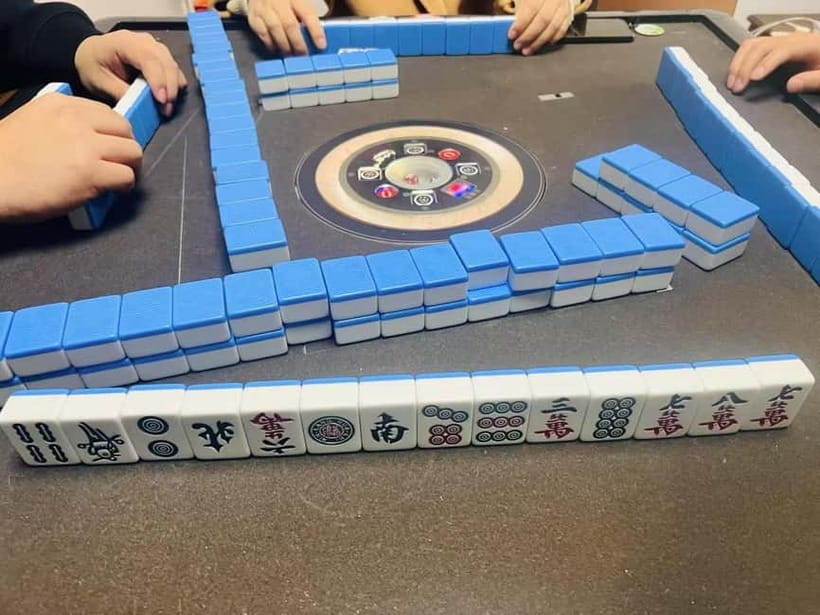
Chinese Mahjong is not a quiet board game lesson. It is a social ritual, a memory test, and a window into family life in China. In this three-hour private session, you learn the rules from an experienced instructor, play with a Mahjong master, and see the automatic tables used in many Chinese homes and clubs.
I like two things here. First, the English translator lets you ask real questions instead of memorizing rules from a handout. Second, the tea-house setting near the Former French Concession gives the lesson a local feel, with traditional tea and friendly players. The main drawback is simple: Mahjong takes time to understand, so three hours may leave you playing basic hands rather than mastering the game.
Key points to know before you book
- Learn beside a professional Mahjong master: You do not just hear an explanation. You sit down and play.
- See China’s automatic Mahjong tables: These machines are a practical part of modern Mahjong, not just a novelty.
- Meet at a tea house near Tianzifang: The setting adds tea, conversation, and a calm cultural touch.
- Get a private English translator: You can follow the rules and ask about customs without a language barrier.
- Expect a private three-hour session: The format suits couples, families, and small groups who want personal instruction.
Why Mahjong is a window into Chinese family life
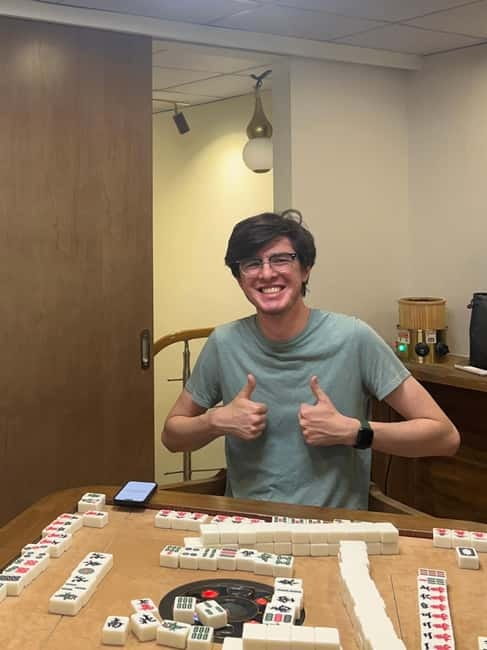
Mahjong has been part of Chinese social life for generations. It is often played during family gatherings, celebrations, and relaxed evenings with friends. The tiles create the structure, but the real purpose is often conversation, ritual, and time spent together.
That social role matters when you take a lesson in Shanghai. You are not simply learning how to match symbols or collect sets. You are learning one of the ways people connect across generations. A family member may teach a child, friends may meet for a regular game, and relatives may gather around a table during holidays.
The game also demands attention. You watch discarded tiles, remember what has already appeared, and decide when to hold back or take a risk. That makes Mahjong useful mental exercise, though the health claims should be kept modest. The activity can encourage concentration and memory, but this is first and foremost a cultural and social lesson.
The instructor also places Mahjong in its historical setting. The game developed in China during the Qing Dynasty and later became a widely played pastime. Rules and styles can vary, so the lesson is valuable because it gives you a practical starting point instead of leaving you to sort through conflicting explanations online.
What else travellers book in Shanghai:
- Authentic Local Food Tour in Central Shanghai
★ 5.0 · 1,382 reviews - Zhujiajiao Water Town and Shanghai City Private Day Tour
★ 5.0 · 1,016 reviews - Private Shanghai Full Day City Tour with Old and New Highlights
★ 5.0 · 995 reviews
Meeting near the Former French Concession
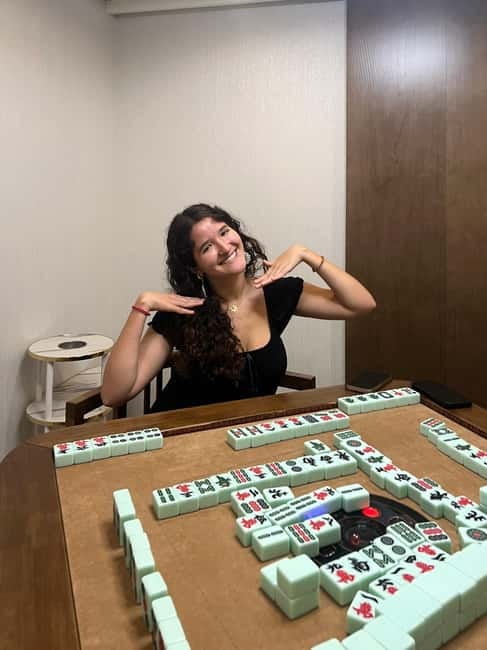
The meeting point is No. 327 Shan Xi Nan Road, at the Chinese Tea & Bar. Another stated meeting reference is Jia Shan Road Exit No. 2 of Metro Lines 9 and 12. Confirm the exact meeting spot before you set out, since two location descriptions are provided.
The area is close to Tianzifang and within the Former French Concession. That makes this an easy activity to pair with an afternoon of walking, though you should allow time to find the entrance and meet your guide. Shanghai addresses can be confusing, especially when a venue name is translated in more than one way.
The tea house is part of the appeal. You can expect a setting where tea and conversation sit beside the Mahjong table. Traditional Chinese tea service is included in the atmosphere described for the session, but food and drinks are not included in the tour price. Budget separately if you want to order refreshments.
This is not a large sightseeing group moving from stop to stop. It is a private group activity, so the lesson can focus on your questions and your pace. That matters with Mahjong, because the first explanation can sound like a wall of terms until you see the tiles in front of you.
Your first lesson: tiles, rules, and table manners
The session begins with the basics. No previous Mahjong experience is required, and you are not expected to arrive knowing the names of the tiles or the structure of a winning hand.
The instructor explains the rules, strategies, and techniques in stages. You first need to understand what the tiles represent and how sets are formed. Then you learn how players draw and discard, how a hand develops, and what you should watch on the table.
The English translator is especially useful at this point. Mahjong vocabulary can be difficult even when the rules are being explained in your own language. The translator can clarify both the mechanics and the cultural meaning behind the game.
Do not expect to understand everything at once. Mahjong has a reputation for being complicated because it combines luck, memory, pattern recognition, and decision-making. A good first goal is not to play perfectly. It is to recognize the flow of a hand and understand why a player chooses one tile instead of another.
The instructor also explains social details. Mahjong is often played as a group activity, and the pace of the game depends on the people at the table. You learn not only what a move does, but how the game fits into ordinary Chinese social life.
Playing with a Mahjong master
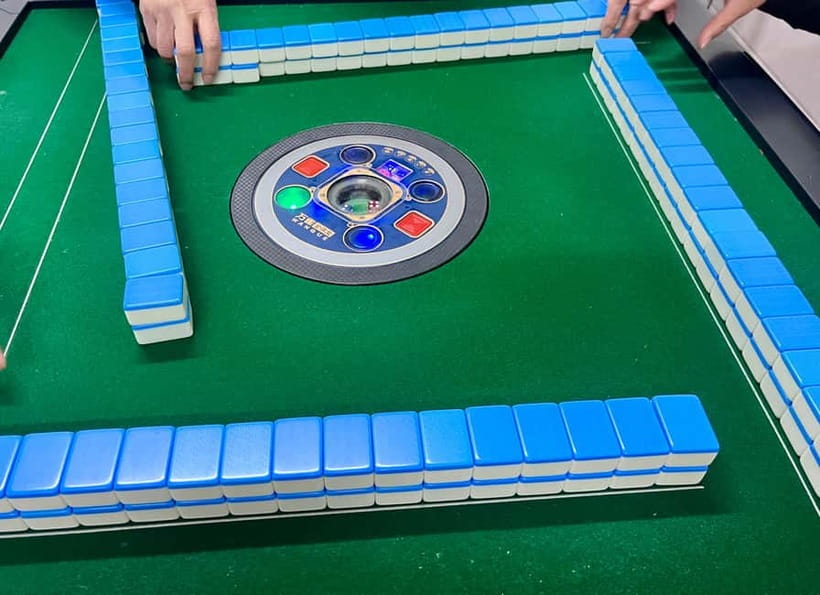
The practical portion is where the lesson begins to make sense. You sit down and play with a professional Mahjong master, applying the rules while the instructor and translator guide you.
This is the strongest part of the activity for beginners. Reading about Mahjong is one thing. Holding the tiles, tracking discards, and deciding what to keep is another. During a real hand, you can ask why a move works and see the answer immediately.
The teacher may help you spot patterns and explain strategy as play continues. You will probably make mistakes, and that is useful. Mahjong has enough moving parts that errors reveal the rules more clearly than a long lecture.
The pace may feel slow at first, especially if you are learning the tile groups and scoring ideas together. Later, the game should begin to feel less mysterious. One account of the session describes starting to figure out the game after some time and taking home a new skill. That is a fair expectation: you may leave with a working foundation, not expert status.
The social tone also matters. The activity is described as friendly and welcoming, with local players helping make the lesson enjoyable. If you want a formal class with strict silence, this is not that. The value comes from learning through play and conversation.
Same city, a completely different day:
- Shanghai: Hop-on Hop-off Bus Ticket and Optional Attractions
★ 3.4 · 692 reviews - Shanghai Private Tour: Zhujiajiao Water Town and Boat Ride
★ 5.0 · 661 reviews - Eat Like A Local: Shanghai Night Food Tour
★ 5.0 · 616 reviews - Huangpu Night Cruise: Cozy Vibe & Modern Shanghai Glow
★ 4.3 · 520 reviews
China’s automatic Mahjong tables
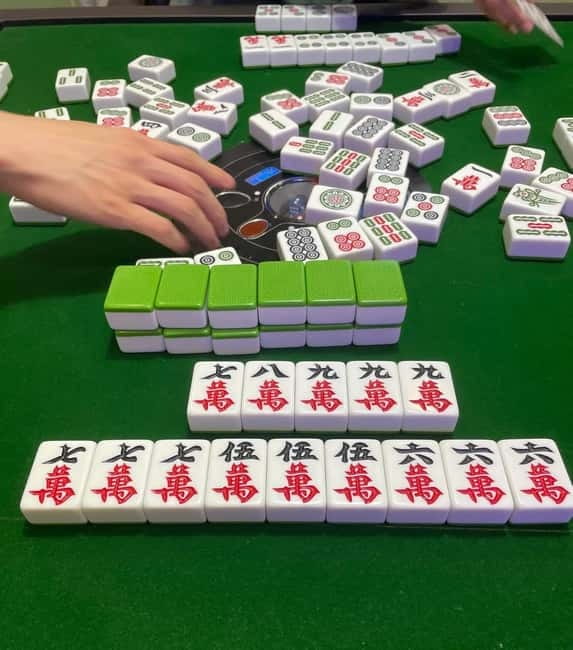
One memorable part of the session is the chance to use China’s automatic Mahjong machines. These tables are common in casual and competitive play, and they give you a look at how the game works in modern settings.
An automatic table helps prepare the tiles for the next round. That changes the practical rhythm of the game. Instead of spending a long time collecting and stacking tiles by hand, players can get the table ready with the machine.
For a first-time visitor, the table is more than a gadget. It shows how an old game has adapted to modern daily life. Mahjong remains rooted in tradition, yet the equipment can be distinctly contemporary.
You should still expect the human part of the game to matter most. The machine does not decide what to discard, how to read the table, or when to take a chance. It simply handles part of the setup. The strategy and conversation remain with the players.
This is one reason the session works well for people who want something beyond Shanghai’s main sights. You get a cultural activity that is both traditional and current. It is not a staged historical display. You are seeing how Mahjong can be played now.
Tea, conversation, and the local setting
The tea-house setting gives the lesson a pleasant change of pace. Traditional Chinese tea served in that setting can make the session feel less like a classroom and more like an invitation into a social custom.
The atmosphere may be especially appealing in the evening. One account describes a relaxed night at a local tea house, with an excellent tea selection and welcoming local people. The activity can also work in the afternoon, giving you a calm break after visiting Tianzifang or nearby streets.
Keep your expectations realistic. This is not advertised as a full tea ceremony, tasting course, or meal. Drinks and food are not included, so the tea element is part of the venue and cultural setting rather than a separate guided program.
Still, the combination makes sense. Mahjong has long been linked with sitting, talking, and sharing time. Tea helps create that slower rhythm. You can focus on the tiles without feeling rushed from one sight to the next.
Is $112 a fair price?
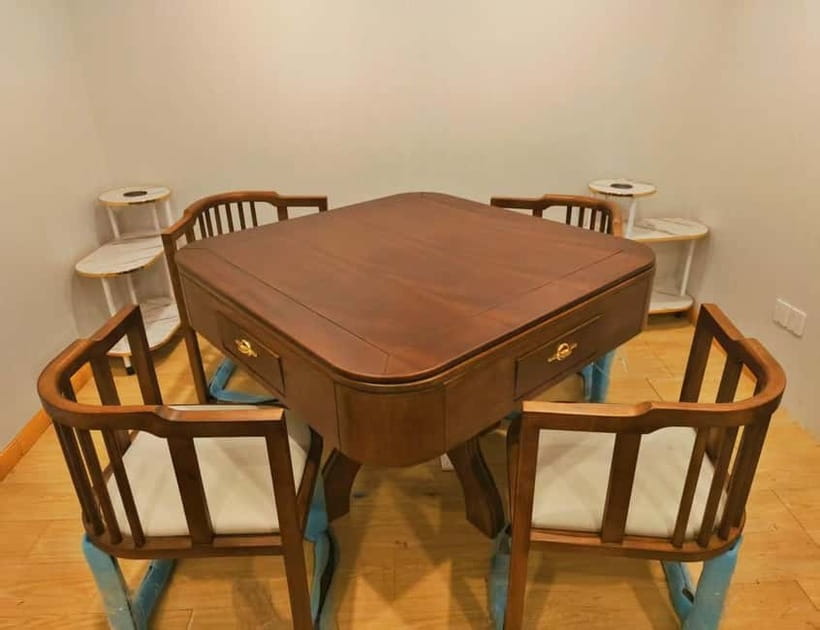
At $112 per person, this is not a budget activity. The value depends on what you want from Shanghai.
If you are only looking for a cheap game lesson, the price may feel high. You are paying more than the cost of a casual local pastime. Food, drinks, and transportation are also excluded.
The price makes more sense for someone who wants a private cultural session with an English translator and a professional instructor. You get three hours, personal attention, hands-on play, historical context, and access to automatic Mahjong tables. A private format also avoids the uncertainty of being placed in a large group moving at one fixed pace.
I would compare it with the cost of other private cultural activities in Shanghai, not with the price of a casual board game. The strongest value comes if you are genuinely curious about Chinese social life and want to ask questions as you learn.
It is also a good choice for repeat visitors. If you have already seen the major city sights, Mahjong gives you a different kind of afternoon or evening. You return home with a skill and a story, rather than only another photograph.
Who will enjoy this three-hour session?
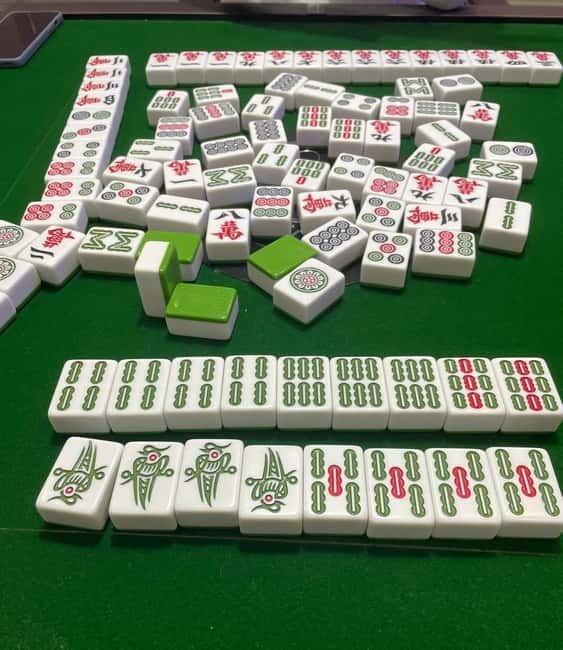
This activity fits first-time players especially well. The instructions assume no prior knowledge, and the translator helps make the rules accessible.
It also suits people who enjoy learning through practice. If you prefer to watch a demonstration and move on, the three-hour length may feel long. If you like sitting down, trying the game, making mistakes, and asking questions, the format is much better suited to you.
Couples and private groups should appreciate the personal setting. Families may also enjoy it, particularly if different generations want an activity they can share. Mahjong’s connection with family gatherings gives the lesson a natural point of discussion.
The experience is available as a private group and is listed as wheelchair accessible. Transportation is not included, but pickup and drop-off can be arranged for an additional cost if needed.
You should also be comfortable with a session that is culturally focused rather than sightseeing-heavy. There are no major monuments, city views, or scheduled neighborhood tour stops. The appeal is the table, the teacher, the tea house, and the chance to understand a game that remains part of daily social life.
Practical details that affect your plans
The session lasts three hours, and starting times depend on availability. Plan your surrounding schedule with some flexibility. Mahjong can take time to explain, and rushing away after two hours would undercut the point of booking a long lesson.
The meeting location should be checked carefully. You may be directed to No. 327 Shan Xi Nan Road at the Chinese Tea & Bar, or to Jia Shan Road Metro Exit No. 2 on Lines 9 or 12. Use the final confirmation from the operator and allow extra time for Shanghai traffic and street navigation.
The tour is led in English with a live guide and private translator support. Food and drinks cost extra. If you need transport, request it in advance rather than assuming it is part of the booking.
You can cancel up to 24 hours before the activity for a full refund, and the reserve-now, pay-later option keeps you from paying at the time of booking. Those terms are useful if your Shanghai schedule is still moving around.
Should you book the Shanghai Mahjong Experience?
Book it if you want a personal, hands-on look at Chinese culture and do not mind paying for private instruction. The strongest reasons are the English translation, play with a professional Mahjong master, friendly tea-house setting, and chance to use automatic tables.
Skip it if you want a fast activity, a major sightseeing stop, or a low-cost introduction. Mahjong takes patience, and three hours may only give you the basics.
For the right person, this is a memorable way to spend part of an afternoon or evening in Shanghai. You learn why Mahjong belongs at family gatherings, how the modern tables work, and how a complicated game becomes social once the tiles are on the table.
FAQ
Is previous Mahjong experience required?
No. The activity is designed for beginners, and no prior knowledge is needed.
How long does the Mahjong activity last?
The session lasts three hours.
Where does the activity meet?
The stated meeting point is No. 327 Shan Xi Nan Road at the Chinese Tea & Bar. Jia Shan Road Metro Exit No. 2 on Metro Lines 9 and 12 is also provided as a meeting reference. Confirm the exact point before arrival.
Is the activity private?
Yes. The activity is offered for a private group.
Is an English translator included?
Yes. A professional English translator and guide are included.
Will I play Mahjong with a professional?
Yes. The session includes hands-on play with a professional Mahjong master.
Can I use an automatic Mahjong machine?
Yes. You have the chance to experience China’s automatic Mahjong tables, which are used in casual and competitive play.
Are food and drinks included?
No. Food and drinks are not included in the price.
Can transportation be arranged?
Yes. Pickup and drop-off can be arranged upon request for an additional cost.
New reviews from Shanghai
- Shanghai To Beijing Bullet Train Ticket with Local Private Transfer★ 5.0 · 12 reviews
- Shanghai Spicy Food Tour★ 5.0 · 3 reviews
- Shanghai Uncommon Historic Sites Tour★ 5.0 · 3 reviews
- Shanghai Pudong airport transfer to Disneyland:Private with Meet & Great service★ 5.0 · 3 reviews
- Shanghai Tower Observation Deck 118 floor Tickets Pre-booking.★ 5.0 · 4 reviews
- Private Transfer: Hotel to Shanghai Wusongkou Cruise Terminal (Baoshan Port)★ 3.5 · 6 reviews
- Shanghai Pudong International Airport (PVG) to Shanghai Hotel★ 5.0 · 4 reviews
- Pudong Airport to Hangzhou: Private with Meet and Greet Service★ 4.5 · 4 reviews
Tours in Shanghai, compared.

Authentic Local Food Tour in Central Shanghai
Read our review →
Zhujiajiao Water Town and Shanghai City Private Day Tour
Read our review →
Private Shanghai Full Day City Tour with Old and New Highlights
Read our review →
Hop-on Hop-off Bus Ticket and Optional Attractions
Read our review →
Shanghai Private Tour: Zhujiajiao Water Town and Boat Ride
Read our review →

Huangpu Night Cruise: Cozy Vibe & Modern Shanghai Glow
Read our review →