
Reviewed · YU GARDEN & THE BUND TOURS
3-Hour Private Tour to Jewish Ghetto and Shanghai Bund
Shanghai’s Jewish story is one of the city’s least expected chapters. This private tour links the Jewish Refugees Museum, the former ghetto’s stone-gate lanes, and the Bund’s grand Jewish-financed buildings into one clear story about refuge, survival, and Shanghai’s changing streets.
I like the small private format, which lets your guide slow down at a photograph or answer questions without a large group pulling you along. I also like the mix of museum evidence and ordinary neighborhood streets. The main consideration is pace: the tour can last close to three hours, and the old lanes are far less polished than the Bund.
Key points at a glance
- The Ohel Moishe Synagogue and Jewish Refugees Museum provide the tour’s strongest historical foundation, with photographs, films, and personal belongings.
- The former Jewish ghetto adds a street-level view, including stone-gate houses, the old Jewish park, and the former JDC center.
- The Bund connection shows how British-Jewish families, especially the Sassoons, shaped Shanghai’s commercial waterfront.
- Private vehicle transfers save time between the museum area and the Bund.
- Guides including Lea, Sunny, Mason, Annie, and Aron have been praised for clear explanations and flexible pacing.
- Downtown hotel pickup is included, but outlying hotels, airports, Disneyland hotels, and cruise ports require separate arrangements or a surcharge.
Why Shanghai’s Jewish story matters
Shanghai is often presented through its skyline, colonial waterfront, gardens, and food. This tour points you toward a quieter story: the Jewish communities that formed in the city, including European refugees who arrived during the years surrounding the Second World War.
The tour is useful because it connects two different Jewish experiences. At the museum, you learn about refugees who found a place in Shanghai when many other countries had closed their doors. On the Bund, you see the influence of established Jewish commercial families, particularly the Sassoons, who helped shape the city’s grand hotels and financial buildings.
That contrast gives the outing its shape. One part is about survival and crowded living conditions. Another is about money, architecture, and international trade. You are not simply looking at old buildings. You are seeing how different Jewish communities occupied very different positions in Shanghai.
Your English-speaking guide supplies the thread between the stops. The best guides named for this tour, including Lea, Sunny, Mason, Annie, and Aron, explain the subject in plain language and keep the chronology easy to follow. That matters here, since the story crosses continents, political changes, migration, and local Chinese history.
Other old and new Shanghai on one trip:
- Best of Shanghai Day Tour, including Jade Buddha Temple & Bund & Yuyuan Garden
★ 4.0 · 338 reviews - Shanghai: Yu Garden Admission Ticket
★ 4.6 · 260 reviews - Yu Garden, Old Street, Bund & Zhujiajiao Water Town Bus Tour
★ 4.7 · 244 reviews
Starting at the Jewish Refugees Museum
Your guide meets you in your downtown Shanghai hotel lobby, then takes you by private local transport to the historic Jewish center. For groups of one to four, the transfer uses a local premium Uber. Larger groups receive an air-conditioned minivan.
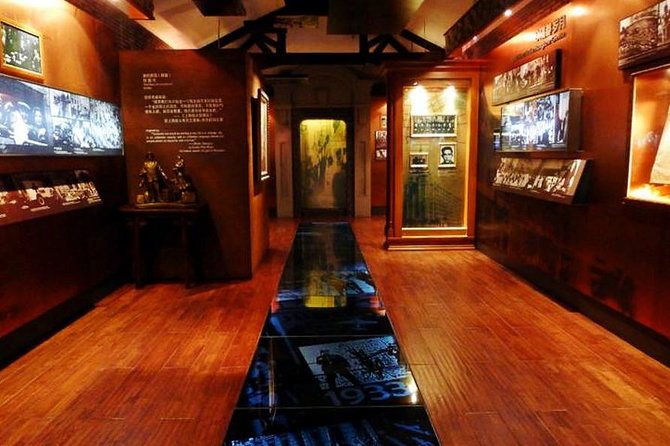
The first stop lasts about 1 hour and 20 minutes, making it the longest part of the outing. That is a sensible choice. The Jewish Refugees Museum, located at the Ohel Moishe Synagogue, contains photographs, films, and personal objects that give the subject a human scale.
I would allow yourself time to look closely rather than rushing through the displays. A photograph or document can explain more than a broad speech about migration. The museum is also the place to ask your guide for the basic timeline, since later stops make more sense once you understand who arrived, why Shanghai became a refuge, and how the community lived.
Several guides are especially praised for explaining the material in an accessible way. Mason is noted for knowing the museum well and allowing time to examine photographs and artifacts at your own pace. Sunny is praised for explaining both the wartime refugee movement and the longer story of Jewish migration to China. Lea is described as particularly effective at presenting the events in chronological order.
The synagogue and museum are the emotional center of the tour. If you have a family connection to Jewish migration, the experience may feel especially personal. One visitor found the name of a family friend among the refugees listed in the museum. That kind of discovery cannot be promised, but the museum’s records and personal material give the visit a more direct human focus than a walk past old façades.
Walking through the former Jewish ghetto
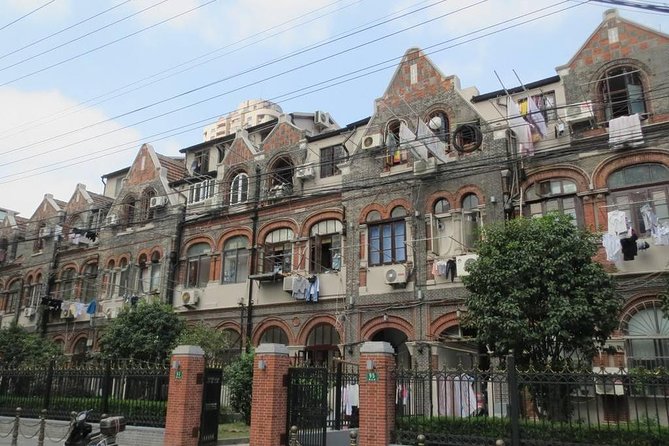
After the museum, you spend about an hour in the former Jewish neighborhood. The walk includes the old Jewish park, the former JDC center, and the stone-gate houses that once sheltered thousands of refugees.
This is where the tour shifts from preserved displays to living streets. The buildings are not presented as a perfect historic district. You see old lanes and residential structures alongside present-day Shanghai life. That contrast is important. The area is not a museum set, and the condition of the streets may feel rougher than the grand waterfront.
The stone-gate houses are a particular highlight. Their architecture differs from the traditional Chinese neighborhoods you may have seen elsewhere in the city, and the narrow back streets help you picture how families lived in close quarters. One especially memorable detail from the tour is a visit connected with the living quarters of a refugee who had lived there with his grandparents. His family still occupies the space today, offering a rare link between wartime memory and present-day housing.
You should expect this section to be a walking exploration, not a polished attraction with a neat route and constant signs. Wear comfortable shoes and dress for the weather. The tour operates in all weather conditions, so rain or heat can affect how long you want to linger outdoors.
The neighborhood also helps you avoid a common mistake: treating refugee history as something that happened only inside a museum. Here, you see the scale of the housing and the narrow lanes that shaped daily life. Your guide can point out the former community facilities and explain how Jewish residents used the area.
Seeing the Bund through Jewish architecture
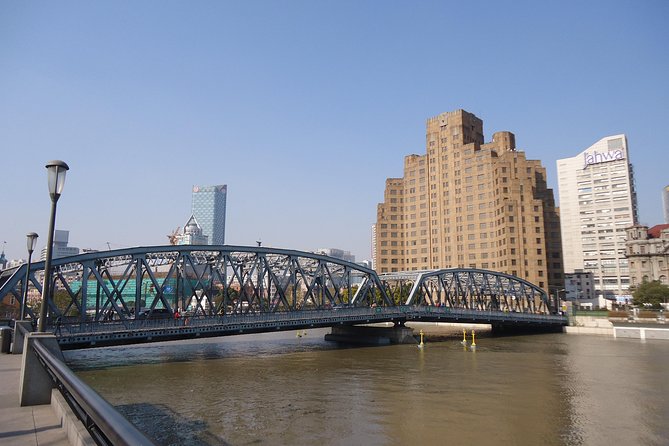
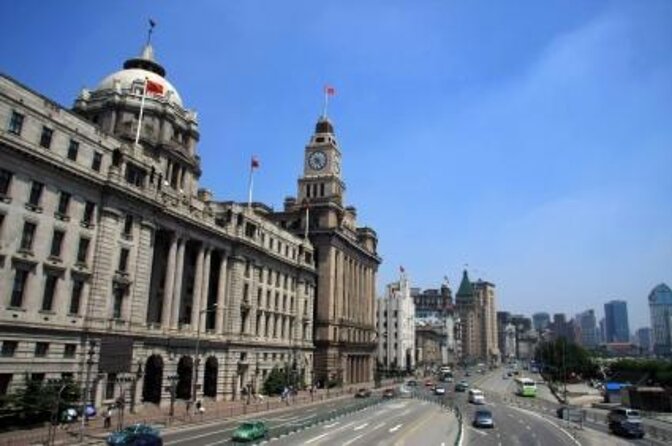
The final stop lasts about 50 minutes and takes you to the Bund, Shanghai’s famous waterfront district. Here the subject changes from refugee shelter to finance, trade, and colonial-era architecture.
The focus includes the Peace Hotel, associated with the Sassoon family and described as a major achievement of British-Jewish commercial influence in Shanghai. Your guide places the building within the wider story of the Bund, where the British colonial period left behind banks, hotels, offices, and other imposing structures.
The Bund is visually grand, but it can also feel crowded and highly photographed. The value of this stop comes from having a guide explain what you are looking at. Instead of seeing a row of impressive façades, you learn how Jewish business families participated in the city’s international economy.
This also makes the Bund a useful counterpoint to the ghetto walk. At the former Jewish neighborhood, you see modest residential streets and refugee housing. At the Bund, you see wealth, status, and large-scale architecture. The two locations show different sides of Jewish life in Shanghai and give the tour more range than a museum visit alone.
The Peace Hotel stop is primarily an exterior architectural and historical visit based on the provided schedule. Do not assume that a hotel room tour or special interior access is included. The main value is the guide’s explanation of the building and its place along the waterfront.
Other three-hour trips in Shanghai:
- Private 3 hour bike tour with coffee break
★ 4.5 · 38 reviews - 3-Hour Shanghai Yu Garden &Old Town Private Tour with Tea Tasting
★ 5.0 · 17 reviews - 3-Hour Private Night Tour: Beijing Foodie Experience
★ 5.0 · 53 reviews - Beijing: Summer Palace 3 Hours Guided Tour with Entry Ticket
★ 4.8 · 4 reviews
What private transport changes
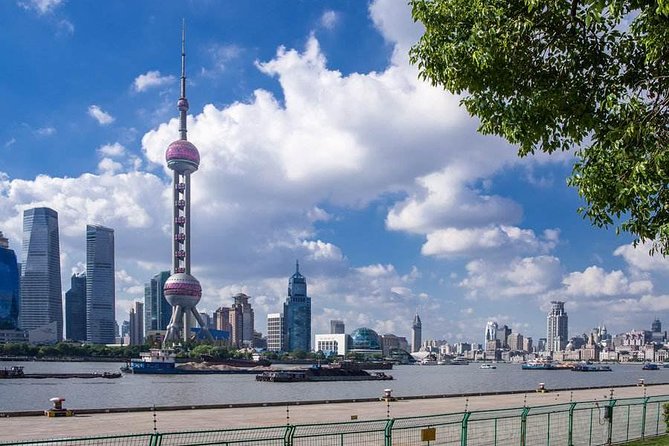
The tour includes hotel pickup and transfers between locations in a private vehicle. That is a real advantage in Shanghai, where the museum area and the Bund are separate parts of the city and public transport can add planning time.
You still walk at each stop, but you do not need to work out the route between them. For a short specialty tour, that keeps the focus on the subject rather than on transfers.
Pickup applies to hotels in downtown Shanghai. If your accommodation is in Jiading, Songjiang, Qingpu, Jinqiao, Chuansha, or another outlying area, the guide may arrange a downtown meeting point instead. Pickup and drop-off are not included for Pudong Airport or Disneyland hotels, and Wusongkou cruise-port service can be arranged for an added charge.
There is no hotel drop-off included at the end. Plan your next move from the Bund, or ask the operator for practical directions. That omission is minor for visitors who want to continue sightseeing along the waterfront, but it matters if you have a fixed evening booking or luggage waiting elsewhere.
Is the $90 price good value?
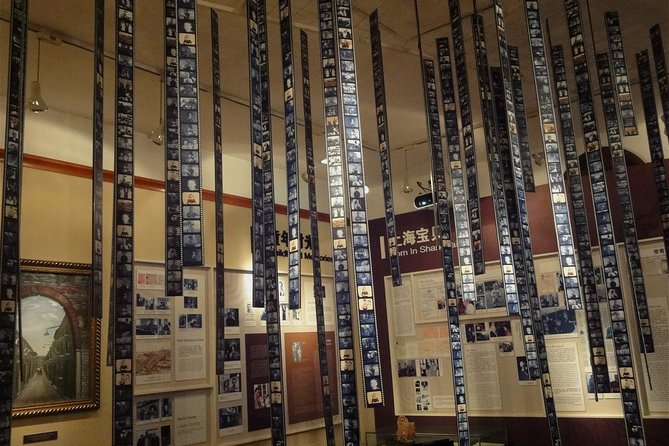
At about $90 per person, this is not the cheapest way to see the Bund or visit a museum. The price makes more sense when you count the private vehicle, hotel pickup in the downtown area, English-speaking guide, museum admission, and the time saved moving between distant stops.
The value is strongest for two or more people who want a focused historical tour without joining a large group. You receive direct access to a guide and can ask questions about family names, refugee life, architecture, or Shanghai’s changing neighborhoods.
For a solo visitor, the per-person price may feel high compared with taking public transport and visiting the museum independently. You would also lose the guide’s chronology and the link between the museum, neighborhood, and Bund. If this subject is a major reason for your Shanghai visit, the private format earns its price more easily.
Group discounts are available, though the exact reduction is not stated. Larger parties travel in an air-conditioned minivan, which can make the arrangement practical for families or friends traveling together.
The guides and the pace
The guide can make or break a history tour, and this experience has a strong record in that area. Lea is praised for clear chronological storytelling. Sunny is noted for broad knowledge of Jewish migration and China’s role in receiving European refugees. Mason receives repeated praise for his museum knowledge, calm pace, and willingness to let people study the displays.
Annie and Aron are also described as engaging and well prepared. Aron’s explanations of Jewish history in Shanghai are praised for detail and warmth. One visitor who was less comfortable with English still found the guide patient and clear.
The experience lasts roughly 2 hours and 30 minutes to 3 hours. The schedule lists about 1 hour and 20 minutes at the museum, 1 hour in the former ghetto, and 50 minutes at the Bund, with transfers fitted around those visits. Morning and afternoon departures are available, so you can place the tour around other Shanghai plans.
I would choose the departure that gives you breathing room. This is not a good tour to squeeze between two fixed appointments, especially if traffic slows the transfer or you want time to examine the museum properly.
Who should book this tour?
This tour suits you if you enjoy social history, migration stories, architecture, or Jewish heritage. It is also a good choice if you have already seen Shanghai’s major sights and want a less familiar subject.
Families can take part, but children must be accompanied by an adult. The museum’s photographs and personal stories may suit older children better than very young ones, though the tour data does not specify an age range.
It also works well for first-time visitors who want help making sense of Shanghai’s foreign concessions and international past. The Bund becomes more meaningful after you understand who financed and built parts of it.
You may want to skip it if you have only a few hours in Shanghai and care mainly about skyline views, markets, or food. The tour is history-led, and the old neighborhood includes ordinary streets rather than a fully restored attraction.
The activity is private, so only your group participates. That gives you more control over questions and pace, though the overall route remains structured around the three planned areas.
Practical details before you reserve
Confirmation is sent within 48 hours, subject to availability. You can choose a morning or afternoon departure, and the tour operates in all weather, so bring suitable clothing and shoes.
The experience is near public transportation, and most people can participate. The provided information does not promise wheelchair access or detail the walking conditions, so ask the operator before booking if mobility support is important.
Free cancellation is available up to 24 hours before the local start time. Cancellations or changes made inside that window are not refunded or accepted.
Should you book it?
Book this tour if you want Shanghai’s Jewish story explained by a private guide rather than pieced together on your own. The museum is the essential stop, but the old lanes and Bund architecture give the subject needed context.
I especially recommend it for history-minded visitors, people with Jewish family connections, and anyone who prefers a focused private outing to a broad city tour. The main drawbacks are the price for solo visitors, the lack of hotel drop-off, and the possibility that the former ghetto streets feel less polished than the Bund.
For most visitors interested in this subject, the combination of museum evidence, living neighborhood, private transport, and Jewish Bund architecture makes the three-hour route worthwhile.
FAQ
How long does the tour last?
The experience lasts approximately 2 hours and 30 minutes to 3 hours.
What locations does the tour visit?
It visits the Jewish Refugees Museum at the Ohel Moishe Synagogue, the former Jewish ghetto area, and the Bund, including the Peace Hotel area.
Is hotel pickup included?
Pickup is included for hotels located in downtown Shanghai. Hotels in outlying areas may require a downtown meeting point.
Is hotel drop-off included?
No. Hotel drop-off is not included.
What transportation is provided?
For groups of one to four people, transportation is provided by local premium Uber. Groups larger than four receive an air-conditioned minivan.
Is the tour private?
Yes. Only your group participates in the activity.
Is museum admission included?
Yes. The entrance fee to the Jewish Refugees Museum and Jewish ghetto area is included.
Can I choose a morning or afternoon departure?
Yes. The tour offers flexible morning and afternoon departure times.
What happens if I need to cancel?
You can cancel up to 24 hours before the local start time for a full refund. Cancellations or changes made less than 24 hours before the start are not refunded or accepted.
New reviews from Shanghai
- Immerse in Suzhou & Tongli: Private Day Trip★ 5.0 · 10 reviews
- Wuzhen Private Full-Day Tour from Shanghai★ 5.0 · 4 reviews
- Half-Day Zhujiajiao Water Town Wonders Small Group Tour★ 4.5 · 10 reviews
- Half-Day Zhujiajiao Water Town Wonders Private Tour★ 4.7 · 14 reviews
- Hangzhou Private Day Trip by Bullet Train from Shanghai★ 4.5 · 5 reviews
- From Shanghai: Hangzhou Private Day Trip by Bullet Train★ 4.6 · 15 reviews
- French Concession Walking Tour with Real Local★ 5.0 · 40 reviews
- Flexible Layover Tour: Experience Shanghai on Your Schedule★ 5.0 · 27 reviews
Yu Garden & the Bund Tours, compared.
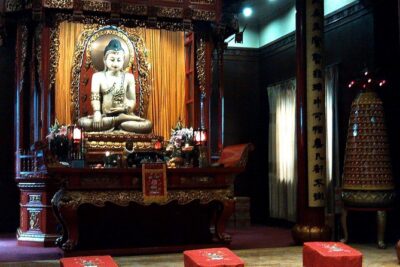
Best of Shanghai Day Tour, including Jade Buddha Temple & Bund & Yuyuan Garden
Read our review →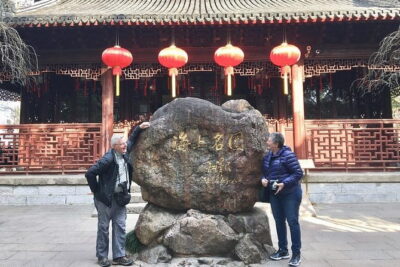
Yu Garden, Old Street, Bund & Zhujiajiao Water Town Bus Tour
Read our review →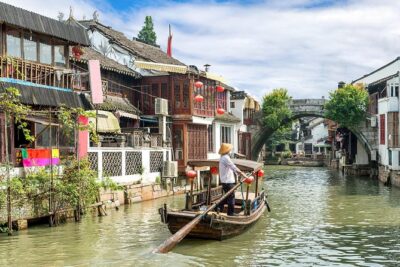
Shanghai Day Tour to Zhujiajiao Water Town, Yu Garden, Bazaar, Bund
Read our review →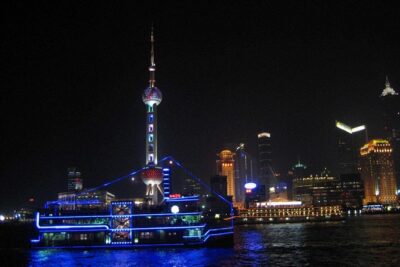
Huangpu River Cruise and Bund City Lights Evening Tour of Shanghai
Read our review →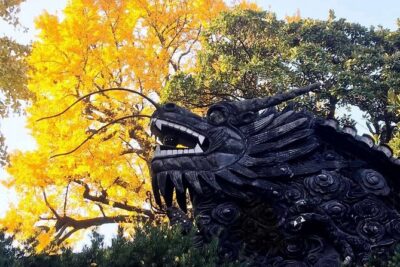
Private Yu Garden, The Bund, French Concession, Pudong Half-Day Tour
Read our review →
3-Hour Shanghai Yu Garden &Old Town Private Tour with Tea Tasting
Read our review →Browse the lists this tour appears in