
Reviewed · GIANT PANDA TOURS
Private Dujiangyan Panda Base Panda Rescue Center Volunteer for a Day
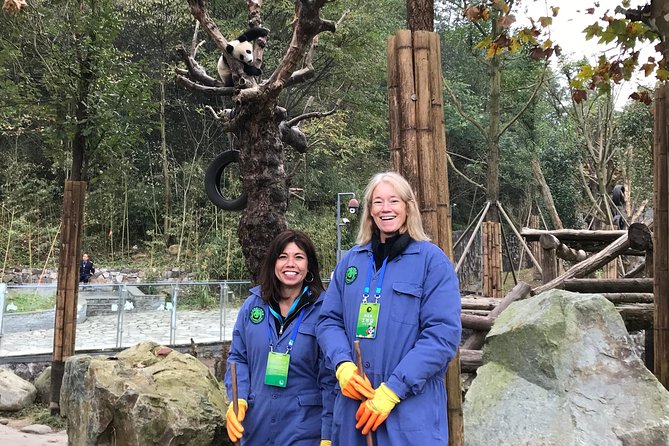
The best part of this experience is that you do more than look through a fence. At Dujiangyan Panda Base, you help prepare bamboo, clean indoor and outdoor enclosures, assist with feeding, and learn how keepers care for pandas day by day. This is a work session with pandas, not simply a photo stop.
I like the private format and the included hotel transfer. Guides such as Worley, Jenny, and Neil have been praised for their English, cultural knowledge, photography, and care throughout the long day. I also like the buffet lunch and the chance to see the center away from Chengdu’s busy city streets. The catch is price: at $307 per person, you need to value conservation work and close observation, since hands-on time with the pandas can be brief.
Key points to know
- Cleaning is part of the real work: Expect bamboo clearing, waste removal, enclosure tidying, and fresh food preparation.
- Two feeding sessions are planned: The actual time beside a panda depends on center rules and the number of participants.
- The private vehicle saves time: Pickup and drop-off from your Chengdu hotel are included, with about 1.5 hours of driving each way.
- Panda holding is no longer available: Older accounts describe close-contact photos, but the provider says the program changed to protect the animals.
- Lunch is included: You eat a buffet meal at the center, with Chinese dishes served in the workers’ dining area.
- You receive a certificate: The center provides an honorary certificate and souvenir after the volunteer work.
What You Are Really Paying For at Dujiangyan
This is not the cheapest way to see a panda in Chengdu. The price is $307 per person, and the day lasts about seven to eight hours. That cost covers private transport, admission, volunteer and donation fees, an English-speaking guide, lunch, a certificate, and a souvenir.
The value depends on what you want from a panda visit. If your main goal is to take a close-up picture, a standard panda center visit may suit you better. If you want to understand the daily chores behind panda care, this program gives you a more active role.
Your money also supports the rescue center through volunteer and donation fees. That does not make the price automatically right for every budget, but it gives the outing a clear purpose beyond entertainment. You are paying for transport, staff time, translation, access to the work area, and a structured conservation activity.
The program is private, so only your group participates in the tour vehicle and guide service. The center itself is not completely empty, but several accounts describe relatively few other visitors compared with Chengdu’s larger public panda facilities.
More Panda Tours in Chengdu
- Chengdu: Giant Panda Breeding Research Base Ticket
★ 4.5 · 580 reviews - Private Half-Day Chengdu Panda Breeding Center Tour with Optional Volunteer
★ 5.0 · 353 reviews - Private Chengdu Day Tour: Giant Pandas and Jinsha Site Museum
★ 5.0 · 142 reviews
The 7:00 am Pickup and Drive from Chengdu
Your English-speaking guide meets you in your hotel lobby at about 7:00 am. A private, air-conditioned vehicle then carries you toward Dujiangyan, with the drive taking roughly 1.5 hours. Some accounts describe a clean and spacious vehicle, including a Land Cruiser on one outing.
This transfer is a real benefit. Chengdu is a large city, and arranging a taxi or private car to a panda center outside the city can be awkward. With pickup and return included, you avoid negotiating the route or worrying about finding a driver for the trip home.
The early start matters. Pandas are often more active earlier in the day, while summer heat can send them indoors for long stretches. One useful tip is to avoid expecting much afternoon activity in hot weather. The timing here gives you the best chance of seeing movement before lunch, though no tour can control what a panda decides to do.
The drive also gives your guide time to explain Chengdu, Chinese life, and the center’s work. Guides named Worley, Jenny, and Neil have received especially strong praise for keeping conversation flowing, helping with translation, taking photos, and staying close throughout the day.
Arriving at a Mountain Panda Center
Dujiangyan Panda Base is described as a nonprofit research center at the foot of a sacred mountain. Its habitats are designed to reflect a more natural setting than a simple urban zoo. After arrival, you take an internal shuttle up the mountain to the main conservation area.
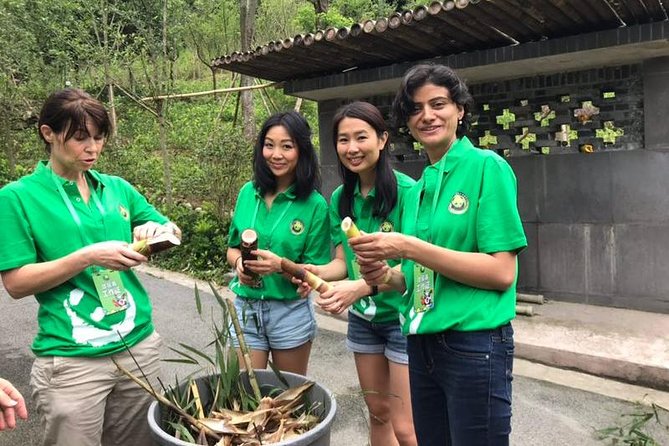
Before work begins, you receive protective clothing, gloves, and instructions. One practical detail deserves attention: the green polyester work shirt can feel hot, especially in warm weather. Wear comfortable clothing underneath and sensible shoes, since bamboo and wet or messy enclosure areas are part of the day.
You also sign a waiver and rules sheet. The rules are not a minor detail. Panda care comes first, and the center has tightened restrictions on close contact after reopening from its long Covid-19 closure. You should expect to follow keeper instructions rather than decide for yourself how near to get.
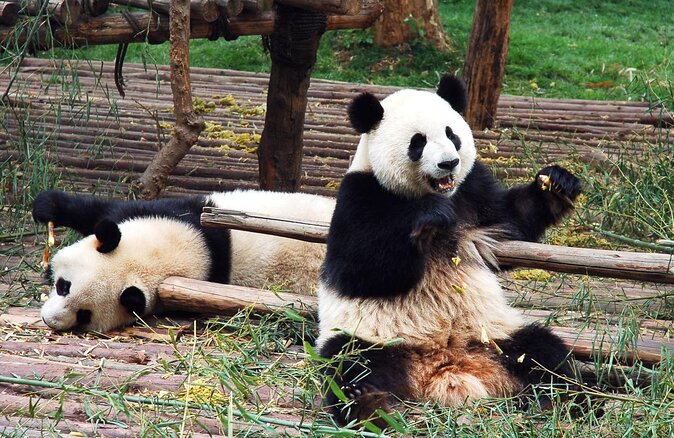
The center is home to pandas of different ages and red pandas as well. The younger animals may be more active and playful, while adult pandas often spend much of the day eating or sleeping. That contrast is part of the experience: you get to see both the appealing animal and the routine that keeps it healthy.
Morning Work: Bamboo, Enclosures, and Panda Food
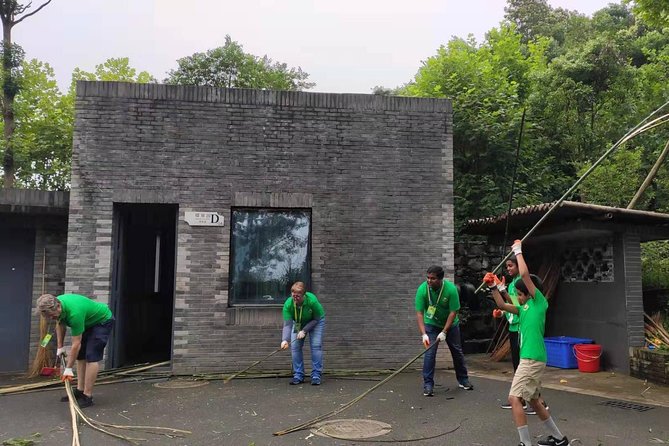
The first hands-on session normally involves cleaning an enclosure. You may remove old bamboo, scoop up waste, tidy indoor and outdoor areas, and place fresh bamboo where the pandas can reach it. You may also help break or prepare bamboo and make panda cakes from prepared mixture later in the day.
This work is not difficult, but it is physical and sometimes messy. The point is not to create a staged activity. Panda care involves repetitive chores, and the center lets you take part in a small portion of that routine.
You may find yourself tempted to stop and watch a panda while working. That is understandable, but keepers may tell you to finish the task first and watch during the planned observation periods. This can feel strict, especially if you expected a relaxed photo day. It also shows the difference between volunteering and sightseeing.
After food preparation, you assist with feeding. The feeding sessions are usually among the most memorable parts of the day, but expectations matter. One account describes only a few minutes per person, while others had more time near the pandas. The length depends on center rules, the number of participants, and the animal’s behavior.
Photography may be restricted during some feeding procedures. Do not assume your guide can take pictures at every moment. Guides have sometimes taken photographs and video during other parts of the day, but the center controls when cameras are allowed.
Other panda visits from Chengdu:
- Visiting Dujiangyan Yaan Wolong Panda Base Optional Volunteering
★ 5.0 · 105 reviews - Leshan Grand Buddha Scenic Area and Panda Park Day Tour
★ 4.7 · 67 reviews - Dujiangyan Panda Volunteering Experience with Lunch
★ 5.0 · 66 reviews - Giant Panda and Buddha 1 day tour
★ 5.0 · 57 reviews
Lunch in the Workers’ Dining Area
A buffet lunch is included in the price. It is served at the center, and the food is described as local Chinese cooking in a workers’ cafeteria or dining area. Several accounts found it flavorful and satisfying, while one less enthusiastic account called it adequate.
You should plan around the meal rather than expect a tourist restaurant. If Chinese food is not your preference, bring snacks, since the center itself may not offer many alternatives. This is also a good time to rest, especially after outdoor work or a hot morning.
Lunch creates a useful pause between the two work periods. It also gives you a small look at the practical side of the facility, rather than keeping you in a polished visitor-only zone.
The Midday Panda Walk
After lunch, you have time to walk around the center and observe the pandas in their enclosures. You can also see red pandas and explore the grounds, the volunteer service area, and other parts of the conservation center.
This section of the day may feel like a normal panda visit, since you are no longer cleaning or preparing food. That is not necessarily a weakness. It gives you time to see more animals and notice behavior without rushing from one task to the next.
Still, afternoon activity varies. In hot weather, many pandas may be indoors or asleep. A cooler or rainy day can bring more movement. One account found the pandas especially active in the rain, while another advised avoiding summer afternoons if active animals are your priority.
The center’s mountain setting adds to the sense that you are away from the city, but do not expect a long wilderness walk. This is a research and rescue facility with defined work areas, visitor paths, shuttle transport, and scheduled activities.
The Second Cleaning Session and Feeding
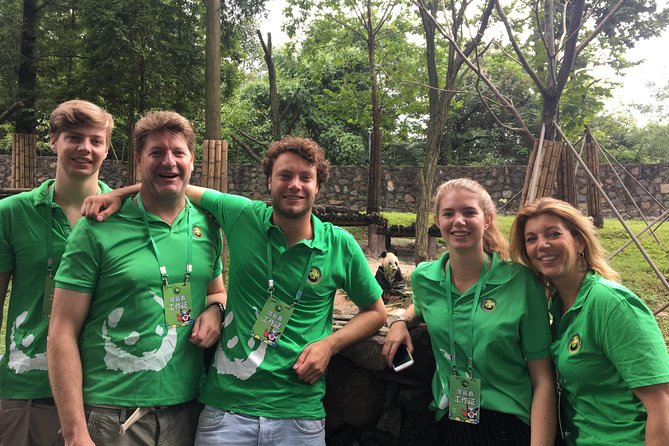
The afternoon work period repeats some of the morning routine. You may clean the enclosure again, replace bamboo, prepare food, and support a second feeding. The afternoon cleaning is often quicker because the major morning clearing is already done.
This second session can be valuable because you know what to expect. You may notice how much bamboo a panda consumes, how quickly an enclosure becomes untidy, and how keepers organize the animals’ daily care. The work helps connect the facts from the orientation with something physical and visible.
The feeding is again the part many people anticipate most. You may get close enough to notice the animal’s size, breathing, paws, and methodical eating. But do not count on a long face-to-face encounter. At busy times, participants must share the available time, and center staff may limit contact for health reasons.
Older accounts describe holding or sitting with a young panda for photographs, sometimes for an extra fee. That option is no longer part of the current program, according to the provider’s update. If a booking page or old photograph suggests panda holding, confirm the current rules before you pay for anything additional.
The Film, Panda Cakes, and Certificate
After the volunteer work, the schedule may include a film about panda research. It is described as interesting, though the day can include periods of waiting between scheduled activities. This is one of the program’s weaker points.
You may also help make panda cakes by rolling portions of prepared mixture. One account described three small pieces per person. It is a short activity, not a cooking class, but it gives you one more way to see how food preparation fits into the daily routine.
At the end, you return the work clothing and gloves and receive an honorary certificate and souvenir from the center. The certificate is a simple keepsake, but it gives the day a clear finish and confirms your participation.
The full center visit lasts about six hours, with driving on either side. Allow roughly seven to eight hours from hotel pickup to hotel return.
How Close Will You Get to the Pandas?
This is the most important question to answer before booking. You can work in or near panda enclosures, assist with food, and take part in feeding sessions, but the exact distance and length of contact are controlled by the keepers.
Some accounts describe being close enough to feel a panda breathe. Others describe watching a keeper feed an animal for only about two minutes and being unable to take photographs during that process. Both experiences can fit the same program because conditions change.
The center tightened its rules after reopening from Covid-19 closures. Those restrictions protect the pandas and explain why older descriptions of holding a panda no longer match the current activity.
Think of this as supervised access to panda care, not guaranteed animal contact. If you need a fixed amount of photo time, this may disappoint you. If you can accept a changing schedule and value observing the animals on their terms, the uncertainty is easier to handle.
The Guide Makes a Big Difference
The private guide service is one of the strongest parts of the package. A good guide translates instructions, explains panda behavior, helps you speak with keepers, manages timing, and takes photos when permitted.
Worley is praised for strong English, warmth, and conversation about Chengdu and Chinese life. Jenny is described as attentive and helpful with photographs. Neil received special praise for staying with an injured participant, arranging ice, translating at a local hospital, and helping with transport after the day ended.
Those names do not guarantee who will lead your tour. They do show the kind of guide support the operator has provided on past departures. Since the center’s staff may not offer extensive English explanations at every stage, having your own guide nearby is useful.
The private format also suits families and couples who want a quieter day. Children can participate because most travelers can take part, but parents should remember that cleaning work, heat, waiting, and strict animal rules are part of the schedule.
Who Should Book This Panda Day?
I would recommend it to you if you want a structured, conservation-focused activity and do not mind paying for private transport. It is especially well suited to panda enthusiasts, families with older children, couples, and first-time visitors to Chengdu who want an outing with a clear purpose.
You should think twice if your priority is a bargain, a long photo session, or constant animal activity. The day includes waiting, repeated chores, a film, and pandas that may be asleep. The buffet is included, but you may want snacks if local Chinese food is not suitable for you.
The tour offers free cancellation up to 24 hours before the start time. Changes or cancellations within 24 hours are not accepted for a refund. The start time is about 7:00 am, and pickup and drop-off are offered from your Chengdu hotel.
My Verdict on the $307 Price
The price is high, and I would not pretend otherwise. A standard panda visit costs less and may give you more freedom to walk around and take ordinary enclosure photographs.
This experience earns its price only if you care about the added structure: private transport, an English-speaking guide, volunteer access, food preparation, cleaning, feeding, lunch, donation fees, and a certificate. The work is basic, but it gives you a clearer picture of the staff’s daily routine than a viewing path alone.
I also like that the program does not promise a fantasy version of panda care. You work, wait, follow rules, and accept that the animals control the pace. That honesty makes the day more worthwhile for someone who wants a real conservation activity rather than a guaranteed encounter.
Should You Book It?
Book this experience if you want to support a panda center and take part in the unglamorous work behind animal care. Go early, wear comfortable shoes, expect heat and mess, bring snacks if needed, and do not book it solely for panda holding or a guaranteed close-up photograph.
Skip it if $307 feels excessive for a day that may include short feeding sessions and quiet pandas. For the right person, the best memory may not be touching an animal. It may be clearing old bamboo, watching a keeper work, and seeing how much routine care these famous animals require.
FAQ
Where is the panda volunteer experience located?
It takes place at the Dujiangyan Panda Base in China, outside Chengdu, at the foot of a sacred mountain.
How long does the experience last?
The full outing lasts approximately seven to eight hours, including transport. The visit at the panda center itself is listed at about six hours.
What time does pickup begin?
The stated start time is 7:00 am, with pickup from your Chengdu hotel lobby.
Is hotel transportation included?
Yes. Hotel pickup and drop-off are included in a private, air-conditioned vehicle.
Is the tour private?
Yes. Only your group participates in the private tour and guide service.
Is an English-speaking guide included?
Yes. A professional English-speaking guide is included.
What volunteer tasks will I do?
You may help clean indoor and outdoor enclosures, remove old bamboo and waste, prepare fresh food, make panda cakes, record observations, and assist with feeding.
Is lunch included?
Yes. A buffet lunch at the panda center is included in the cost.
Can I hold a panda?
No current panda holding should be expected. The provider states that the itinerary changed and that holding is no longer available to protect the animals.
What happens if I cancel?
You can receive a full refund if you cancel at least 24 hours before the experience start time. Cancellations or changes made less than 24 hours before the start time are not accepted for a refund.
New reviews from Chengdu
- Classic 3-Day Jiuzhaigou Private Tour(Transportation+Tickets)★ 5.0 · 8 reviews
- Jiuzhaigou National Park Tickets Booking★ 4.5 · 4 reviews
- Classsic sichuan Opera at sichuan Provincial Theater★ 5.0 · 4 reviews
- Panda, Leshan, and Emei Mountain 2-day tour★ 5.0 · 4 reviews
- Visiting Chengdu Panda Base in a Half Day★ 5.0 · 4 reviews
- Mini Group: Half-Day Chengdu Pandas Guided Tour★ 5.0 · 3 reviews
- Sichuan Opera with face-changing at Sichuan opera theater★ 4.5 · 6 reviews
- Tea Village in lost Town and Buddha 1 day tour★ 5.0 · 32 reviews
Giant Panda Tours, compared.


Private Half-Day Chengdu Panda Breeding Center Tour with Optional Volunteer
Read our review →
Beijing Historical Tour II including Summer Palace, Lama Temple & Panda Garden
Read our review →
Private Chengdu Day Tour: Giant Pandas and Jinsha Site Museum
Read our review →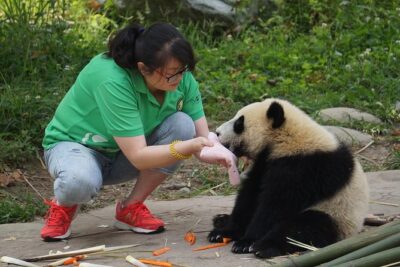
Visiting Dujiangyan Yaan Wolong Panda Base Optional Volunteering
Read our review →
Beijing Private Tour to Temple of Heaven, Panda House and Summer Palace
Read our review →
Panda House, Temple of Heaven, Lama Temple, Summer Palace & Lunch
Read our review →Browse the lists this tour appears in